15 Dog-Owner Routines That Change When Moving From Charlotte Or Raleigh To Rural North Carolina
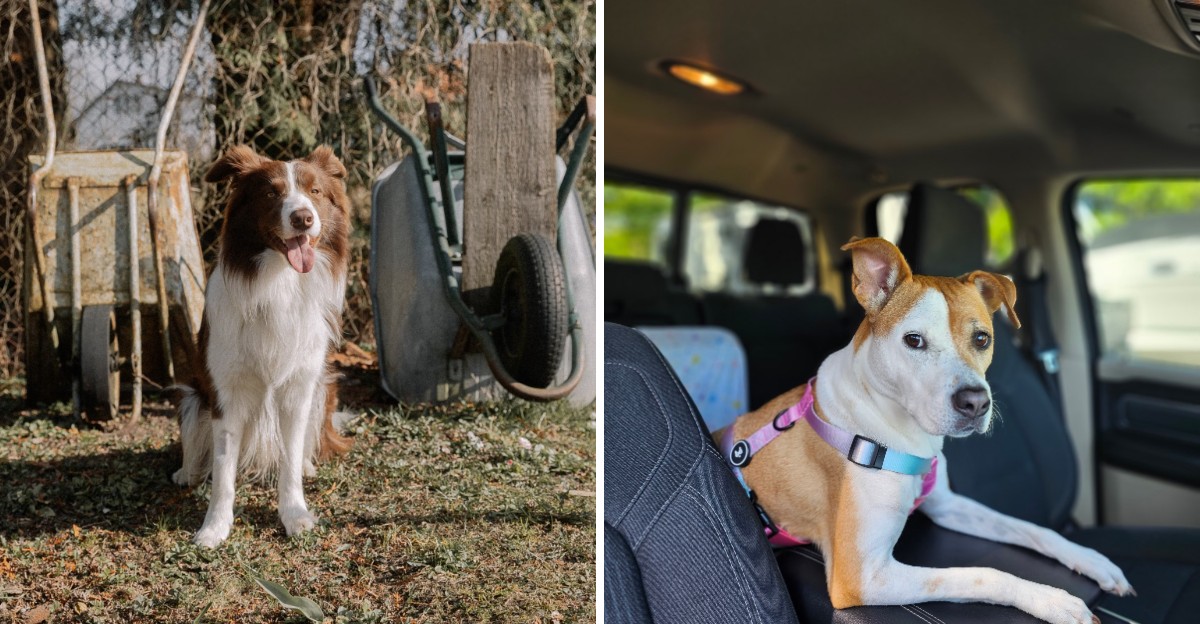
Moving from Charlotte or Raleigh to rural North Carolina gives your dog a whole new world to sniff. It also changes familiar habits, from quick potty breaks to trips for veterinary care.
Country life can be wonderful for dogs, but open space still needs boundaries and planning. A few steady routines will help you both settle in, enjoy the extra room, and feel ready for everyday surprises.
1. Daily Walks May Depend More on Road Conditions Than Sidewalks
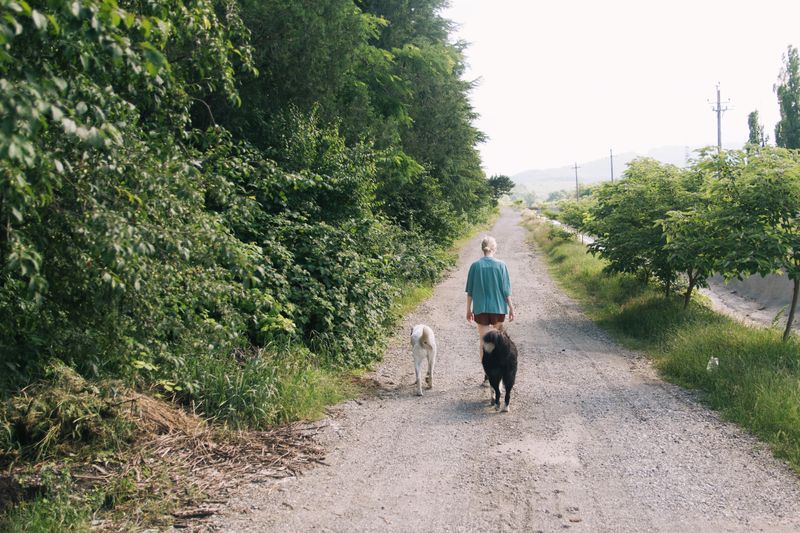
A quiet country road is not always an easy walking route. Narrow shoulders, blind curves, loose gravel, and fast traffic can replace familiar sidewalks.
Scout nearby routes without your dog first.
Choose daylight walks and wear visible clothing. Keep your dog away from traffic, and skip stretches without safe footing.
After heavy rain, check for washouts and standing water. A secure yard or designated walking trail may offer a better daily option near your new home.
2. Potty Breaks Need a More Reliable Schedule
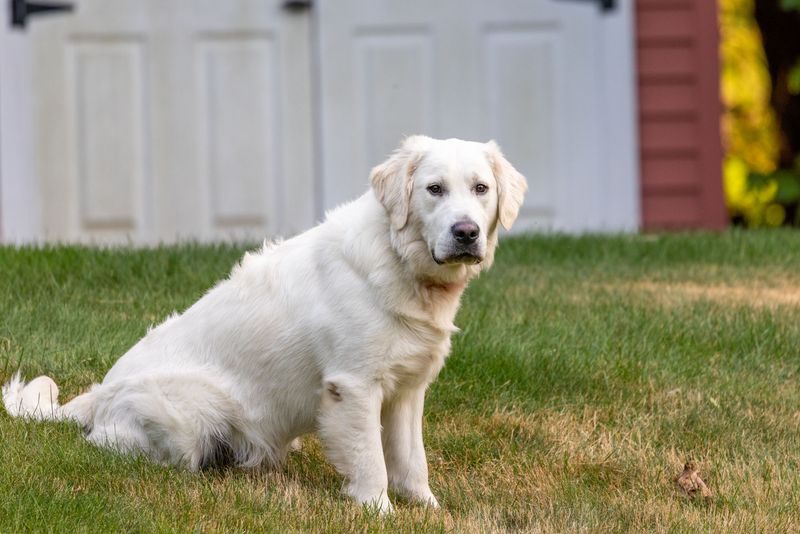
Your new back door may open onto acres, but bathroom breaks still need structure. Offer outings after waking, meals, play, and before bed.
Puppies and dogs with health concerns may need more frequent trips.
Pick a nearby spot with short grass and clear footing. Accompany your dog, especially during the first weeks.
Reward successful breaks and clean up waste regularly. Familiar timing helps prevent accidents while your dog learns the smells and sounds of country life.
3. Leash Habits Become More Important Around Open Land
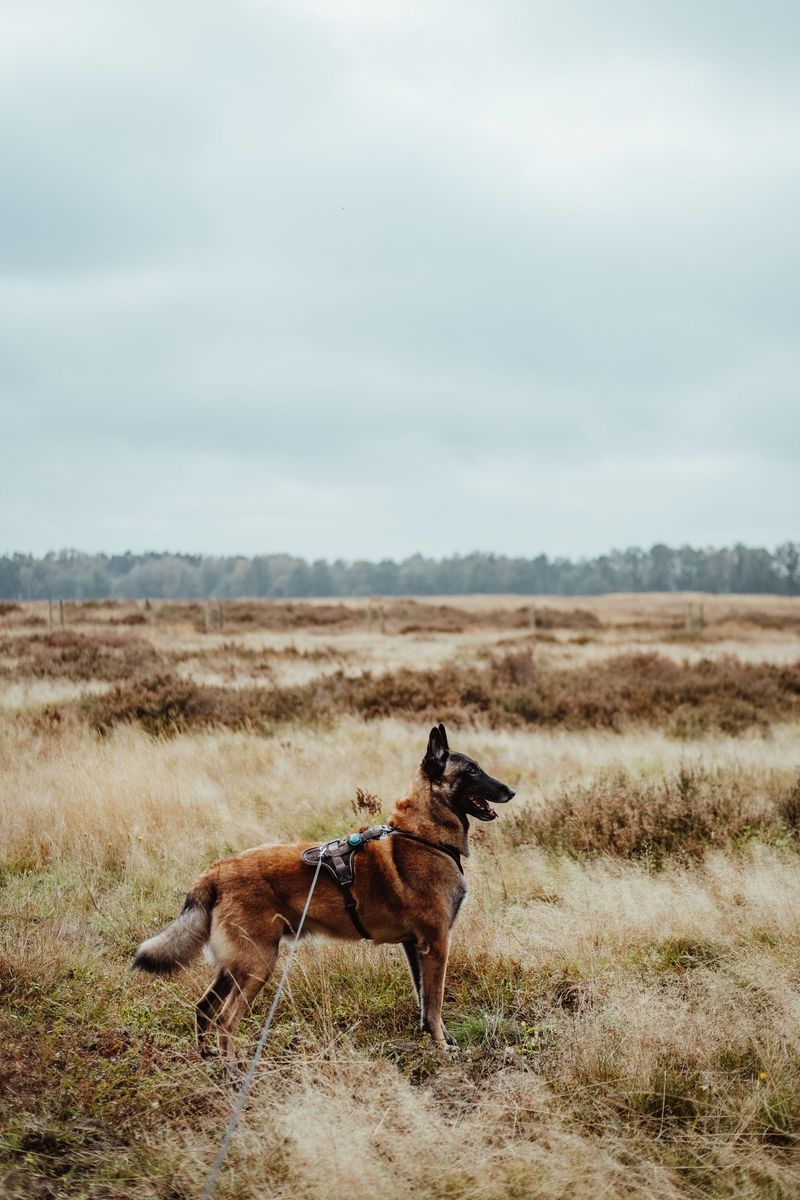
That wide field can look like an invitation to run. Yet property lines, livestock, wildlife, and passing vehicles make supervision essential.
Use a leash until you have a secure, permitted place for exercise.
Practice recall inside a fenced area before adding distractions. A long line can support training where appropriate, away from roads and animals.
Leash rules vary by locality, so confirm requirements with local animal control. Open land does not automatically mean public access either.
4. Fencing Becomes a Bigger Part of Everyday Dog Care
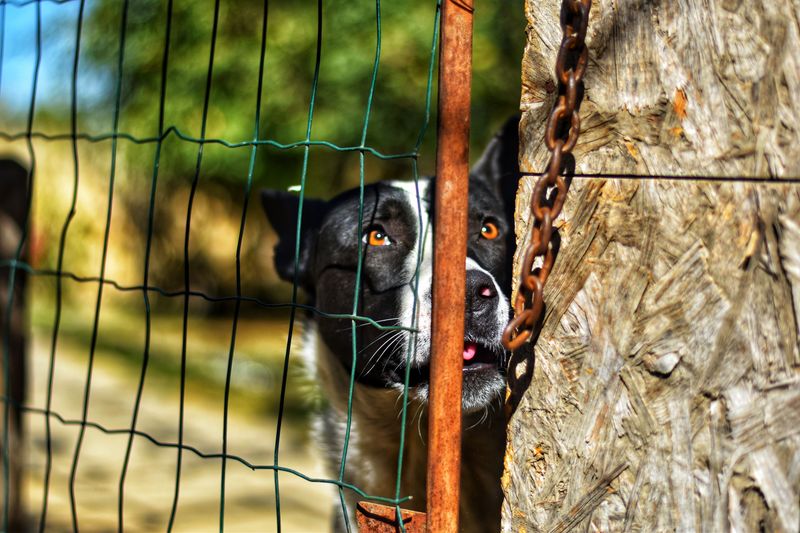
Acreage does not provide the boundaries that a dog understands. Before allowing yard freedom, inspect gates, fence height, loose wire, and gaps underneath.
Match the enclosure to your dog’s size and climbing habits.
Walk the fence regularly, particularly after storms or nearby tree work. Keep furniture and stacked materials away from escape points.
Electronic boundaries do not keep other animals out. Even with sturdy fencing, supervise outdoor time and bring your dog inside when you leave.
5. Wildlife Checks Become Part of Morning Yard Time
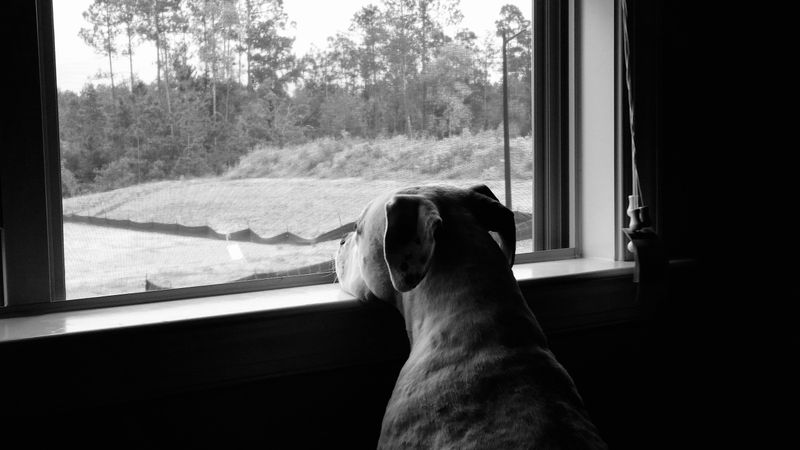
Before opening the door, take a quick look across the yard. Deer, rabbits, snakes, or unfamiliar animals may be nearby.
Give wildlife space and let animals move away without your dog approaching.
Keep your dog leashed during checks if the yard lacks secure fencing. Remove outdoor food bowls and secure trash to reduce unwanted visitors.
Never encourage chasing or allow contact with wildlife. Ask your veterinarian what to do after any bite or unusual animal encounter.
6. Flea and Tick Prevention Needs More Attention
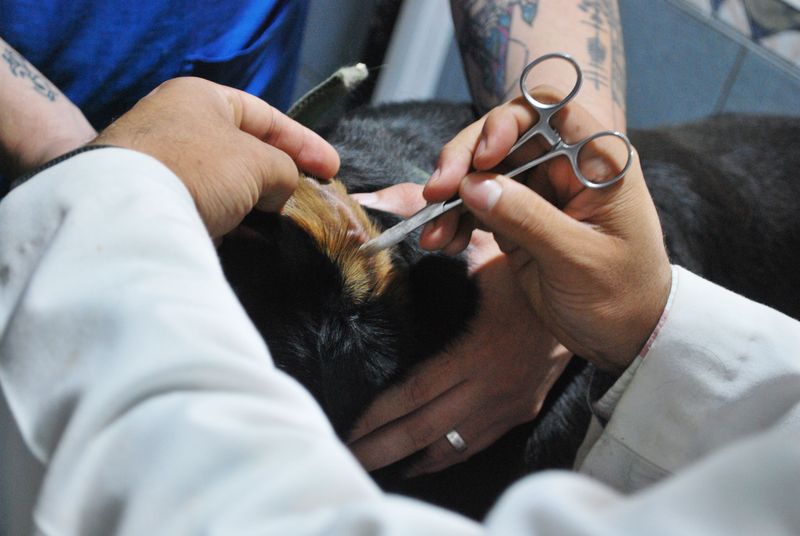
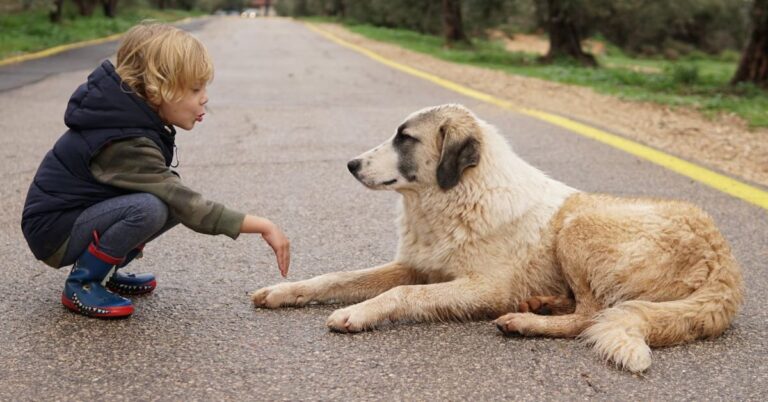
Brushy edges offer plenty of interesting smells, along with exposure to ticks. Ask your veterinarian about consistent flea and tick prevention suited to your dog.
North Carolina’s mild periods can allow parasite activity beyond summer.
Check ears, toes, armpits, and the collar area after outings. Use an appropriate removal tool for attached ticks and follow veterinary guidance.
Never combine treatments without advice. Keep heartworm prevention current too, following your veterinarian’s recommendations for testing and regular protection.
7. Veterinary Trips Require More Advance Planning
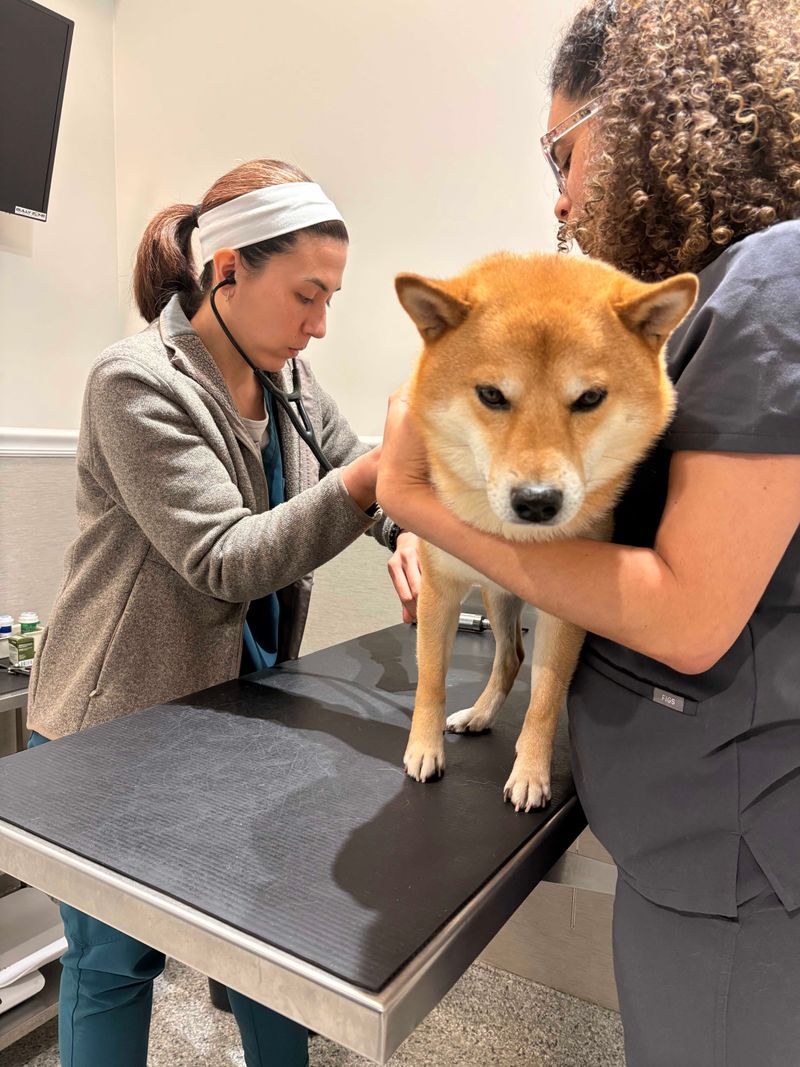
The nearest clinic may now be a longer drive away. Establish care soon after moving, rather than waiting for a problem.
Transfer records, vaccination dates, medication details, and information about ongoing conditions.
Ask where to go after hours because some rural clinics have limited emergency coverage. Save phone numbers and download directions for areas with weak service.
North Carolina requires rabies vaccination for dogs by four months of age. Confirm boosters and documentation with your veterinarian.
8. Emergency Supplies Become More Important

A power outage feels different when the closest store is miles away. Keep several days of dog food, drinking water, medications, and waste supplies ready.
Include a leash, carrier, towels, and basic first aid materials.
Store veterinary contacts and records in a waterproof pouch. Check expiration dates and replace used supplies promptly.
Ask your veterinarian which first aid steps are safe. Plan where you could stay with your dog if your home becomes temporarily unsafe overnight.
9. Feeding Routines May Need Adjustments Around Outdoor Activity
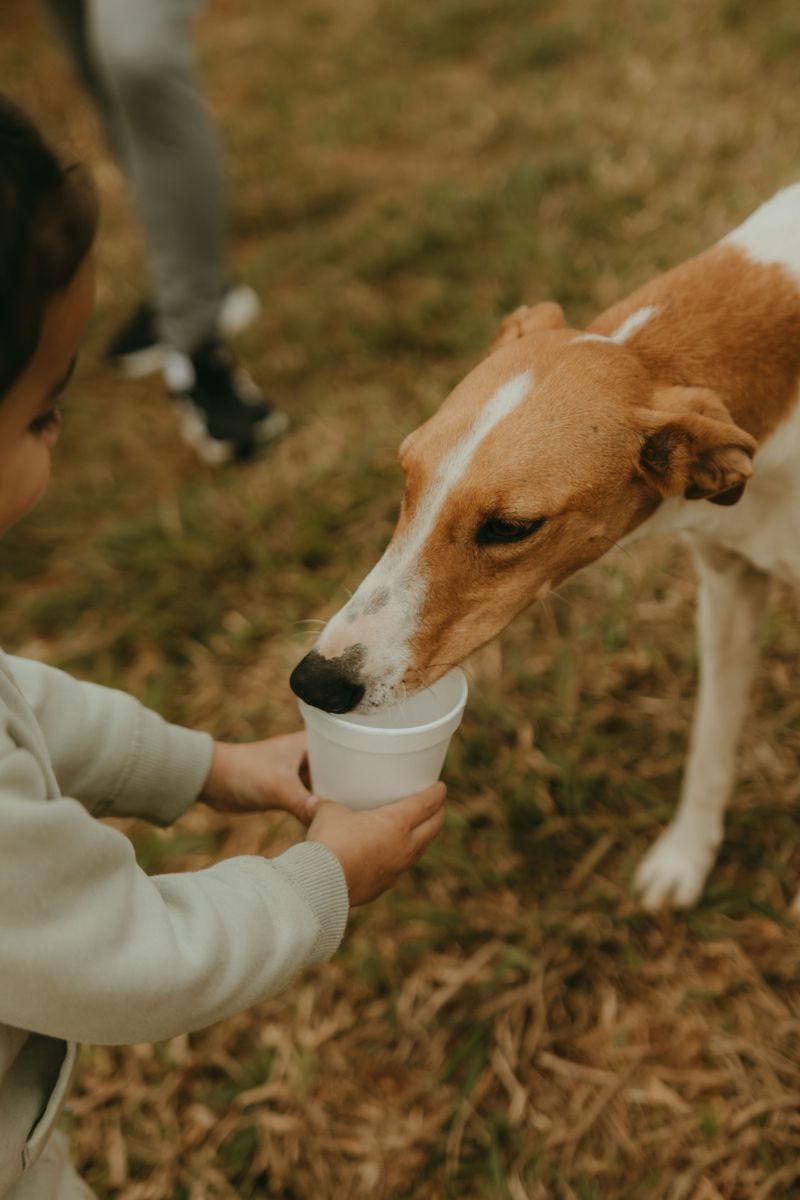
More room to explore does not always mean more food is needed. Watch your dog’s body condition as activity changes.
Ask your veterinarian before increasing portions, especially for puppies, older dogs, or dogs managing illness.
Measure meals instead of guessing, and count training treats toward daily intake. Provide fresh water before and after outings.
Avoid hard exercise immediately around large meals, following veterinary advice for your dog. Feed indoors to avoid attracting wildlife to your property.
10. Grooming Becomes More Frequent After Outdoor Adventures
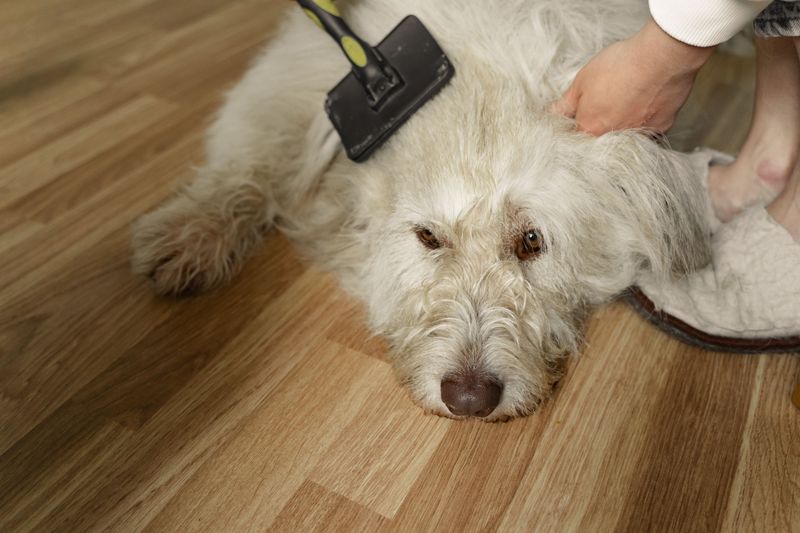
Country walks can send your dog home wearing half the hedgerow. Check the coat for burrs, tangled hair, and small bits of plant material.
Look between toes and around ears without probing inside them.
Brush gently and rinse muddy paws when needed. Dry thoroughly, especially between toes and within skin folds.
Use dog shampoo when bathing is necessary, not harsh household cleaners. Contact your veterinarian about limping, persistent licking, redness, or anything embedded beneath the skin.
11. Wildlife Sounds Can Change Your Dog’s Nighttime Behavior
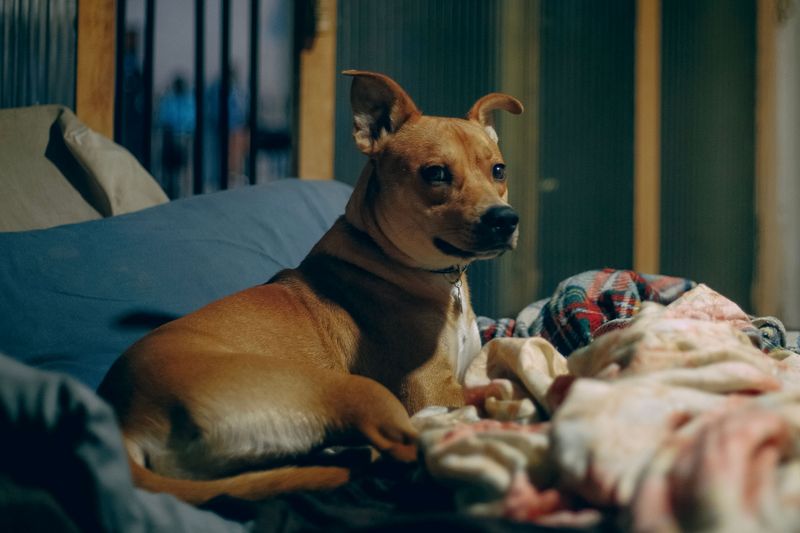
An owl’s call may replace the traffic noise your dog once ignored. New sounds can trigger barking, pacing, or extra attention at windows.
Create a comfortable sleeping area away from busy sightlines.
Close curtains and try steady background sound at a comfortable volume. Reward calm responses rather than punishing barking.
Keep bedtime outings brief, supervised, and predictable. If anxiety continues or sleep changes suddenly, ask your veterinarian about possible health concerns and suitable behavior support options.
12. Car Rides May Replace Some Neighborhood Errands
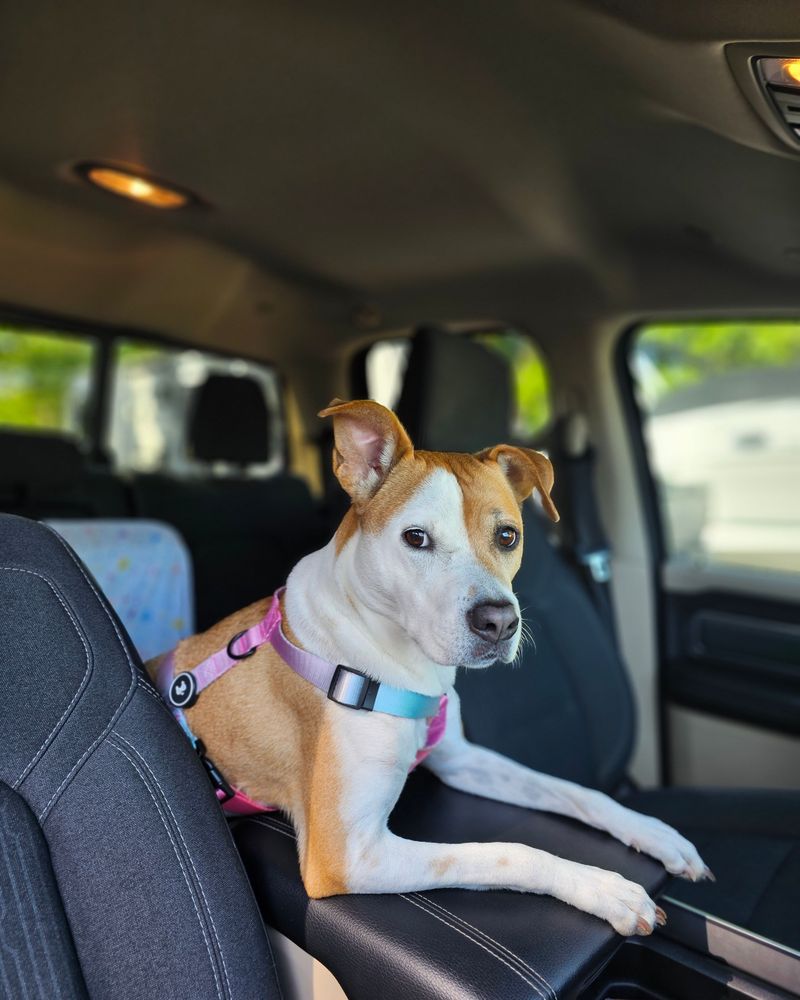
A quick walk to the pet store may become a planned drive. Help your dog adjust with short, pleasant trips before longer errands.
Use a secured carrier or a suitable vehicle harness according to manufacturer instructions.
Bring water, cleanup supplies, and a leash for stops. Check destination pet policies before leaving home.
Never leave your dog unattended in a parked vehicle. For nausea or travel anxiety, ask your veterinarian for advice instead of using human medications.
13. Socialization Requires More Intentional Planning
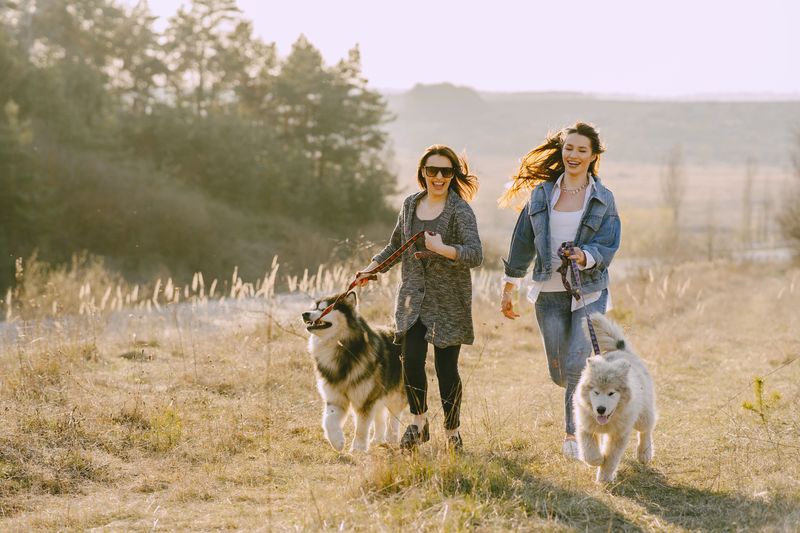
Fewer sidewalk meetings can mean fewer chances to practice calm manners. Arrange walks with familiar, healthy dogs whose play styles suit yours.
Choose clean spaces and discuss vaccination needs with your veterinarian.
Socialization also includes watching people, vehicles, and animals from a comfortable distance. Reward relaxed behavior without forcing greetings.
Rural feed stores or parks may offer practice if dogs are allowed. Leave when your dog seems overwhelmed, and build confidence through short, successful outings together.
14. Indoor Enrichment Matters When Outdoor Conditions Change
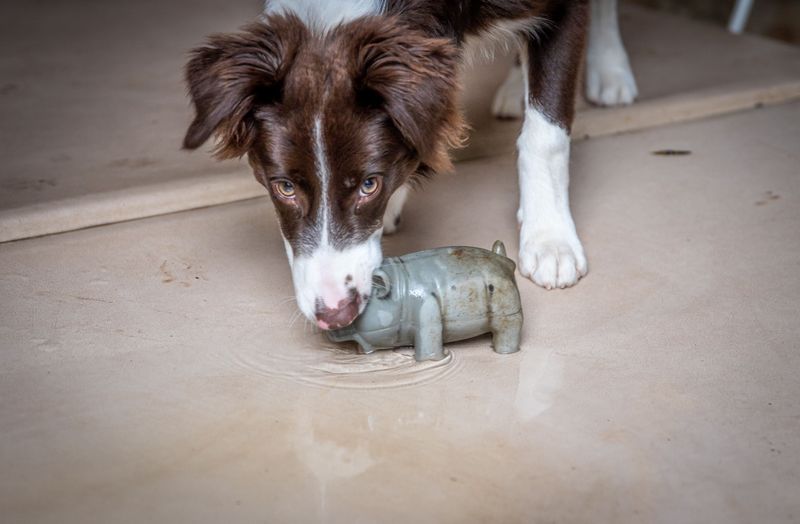
Rainy afternoons and summer heat can shrink outdoor plans quickly. Keep simple indoor activities ready so exercise changes do not become frustration.
Try food puzzles, gentle training, or finding treats hidden in safe spots.
Use part of your dog’s normal meal for games. Match difficulty to ability, and supervise toys that could be chewed apart.
Short sessions often work better than one long challenge. Include quiet rest, especially after exciting outings or during the move itself.
15. Yard Maintenance Becomes Part of Your Dog’s Safety Routine
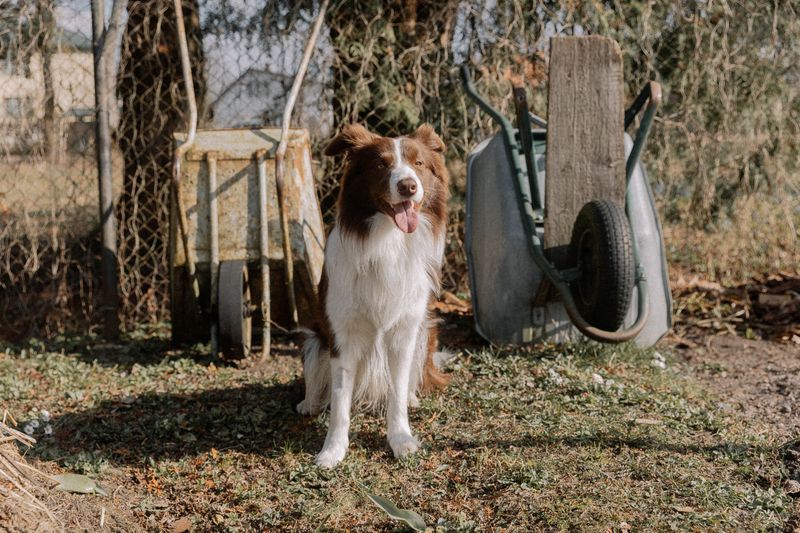
Your lawn becomes part of daily care, not just weekend chores. Remove fallen branches, sharp debris, and standing water where practical.
Store tools, fertilizers, pesticides, and fuel where your dog cannot reach them.
Follow product labels for application and pet reentry times. Keep dogs away during mowing and equipment use.
Check unfamiliar plants before allowing access, and block unsafe areas. Small checks build lasting confidence: secure the space, keep routines steady, and enjoy your new surroundings.