17 Alabama Tornado-Shelter Supplies Every Dog Household Should Keep Ready
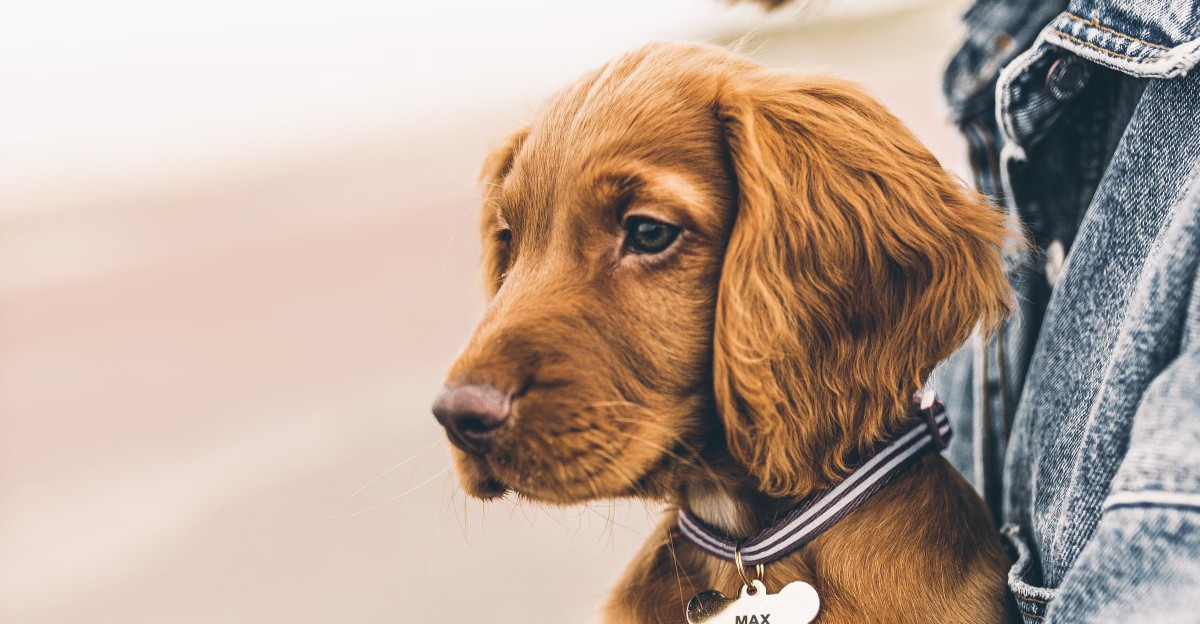
Spring storms are part of life in Alabama, and our dogs count on us when the sirens sound. A little planning now can turn a rushed moment into a calm one.
Think of this as advice from a friend who has packed a few storm kits. Here is what every local dog household should keep ready, so you and your pup can head to shelter with confidence.
1. A Leash You Can Trust
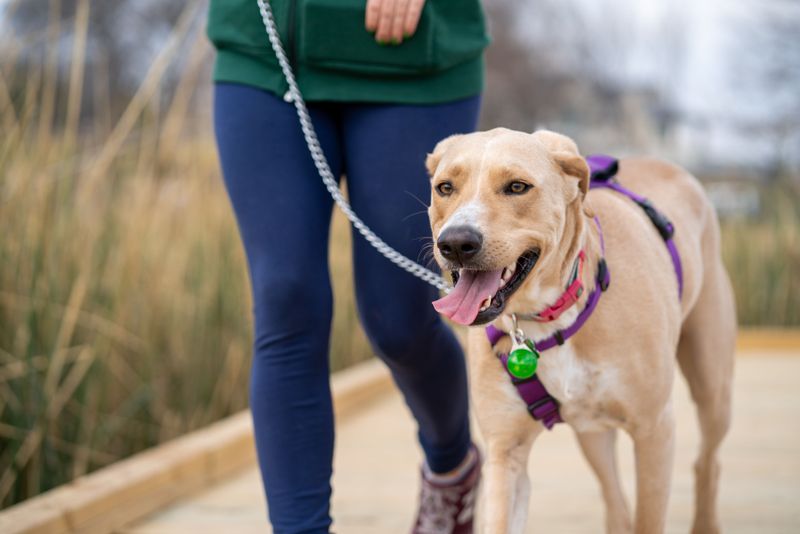
Picture the sirens starting while your dog circles the kitchen. A strong leash lets you clip on and move in seconds.
Choose a standard six-foot leash with a solid metal clasp.
Retractable leashes are harder to control in tight spaces, so skip them for shelter use. Hang one leash right beside your safe room door.
After the storm, keep your dog leashed outside. Fallen branches and debris can hide sharp surprises.
2. Escape-Resistant Harness
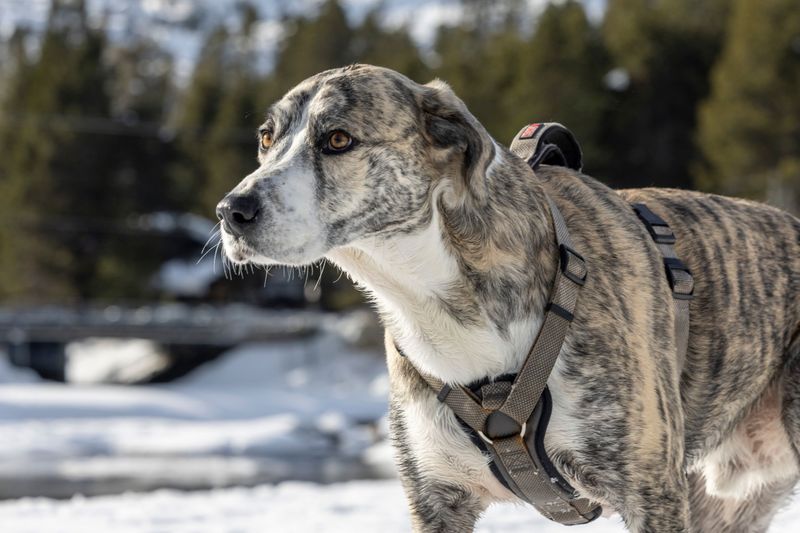
Nervous dogs are surprisingly good escape artists. Thunder and wind can send even a calm pup backing out of a loose collar.
A snug harness spreads pressure across the chest and is much harder to slip.
Some models include a top handle, which helps you lift or guide your dog over clutter. Practice fitting it on quiet days.
You should fit two fingers under each strap, but no more.
3. Carrier or Crate
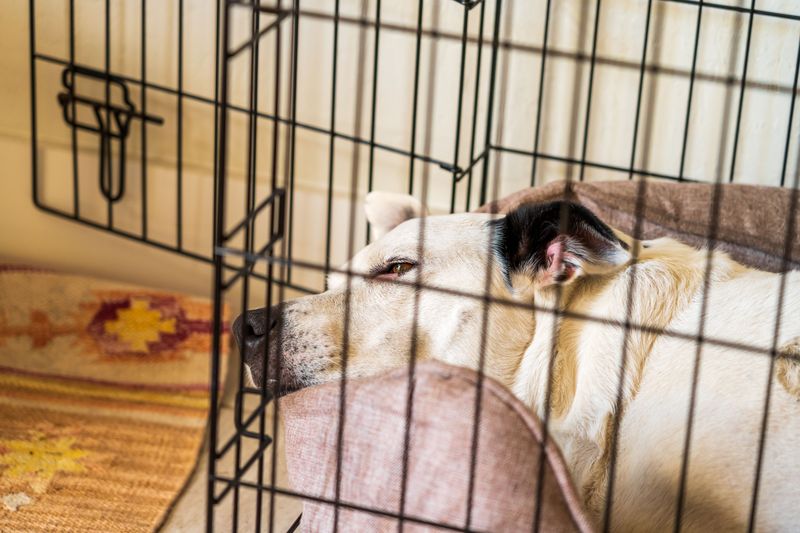
A crate can feel like a cozy den instead of a cage. That feeling only comes with practice, so start early.
Leave the door open at home and toss treats inside. Over time, your dog will walk in willingly.
Many public shelters that accept pets ask that animals be crated, though rules vary by location.
Call your local emergency management office ahead of time. They can confirm which shelters near you welcome dogs.
4. Up-to-Date ID Tags
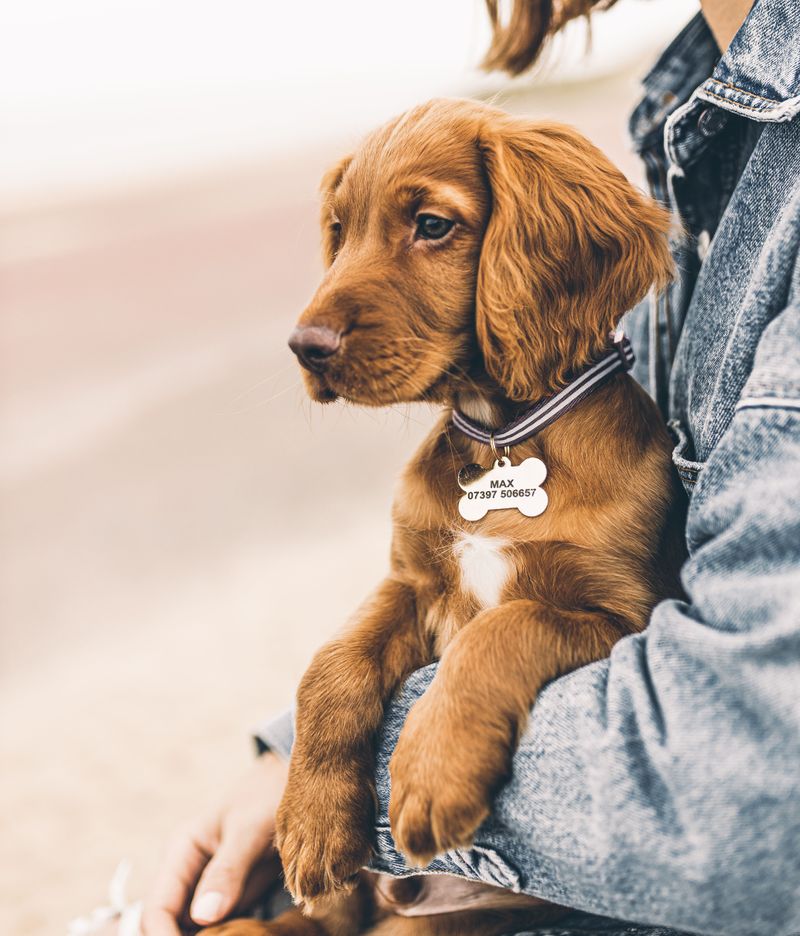
Ever moved and forgotten to update the old tag? It happens to plenty of good owners.
During a storm, that small detail matters more than usual.
Make sure the tag lists your current cell number. Adding a backup contact who lives out of town is a smart move.
Microchips offer a permanent backup because they cannot fall off. Ask your vet to scan the chip and confirm your registration details are current.
5. Several Days of Food
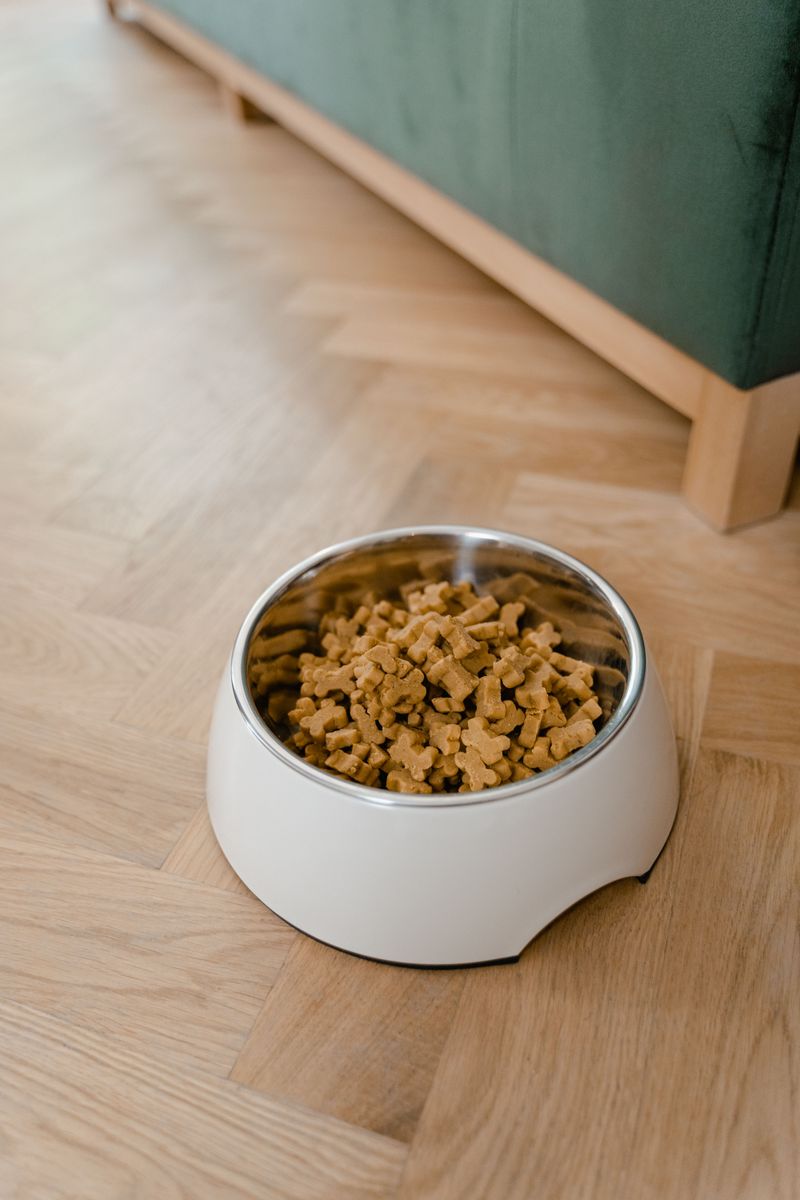
Stores may close for days after a big storm. Roads can be blocked, and shelves can empty fast.
Pack at least a three-day supply of your dog’s regular food. Many experts suggest a week or more when you can manage it.
Sudden diet changes can upset a dog’s stomach, so stick with the usual brand.
Store kibble in an airtight, waterproof container. Rotate it every few months so it stays fresh.
6. Plenty of Drinking Water
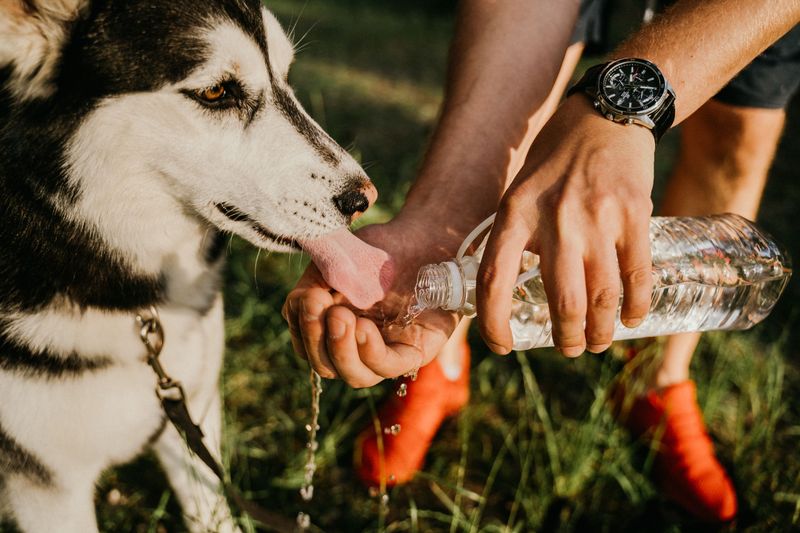
Here is a handy rule of thumb. Dogs generally need about one ounce of water per pound of body weight each day.
So a 50-pound dog needs roughly 50 ounces daily. Heat, stress, and activity can raise that amount.
Store at least a three-day supply, and add extra if space allows.
Tap water may be unsafe after storms, so sealed bottled water is the easy choice. Check your local boil notices before using tap water.
7. Collapsible Bowls
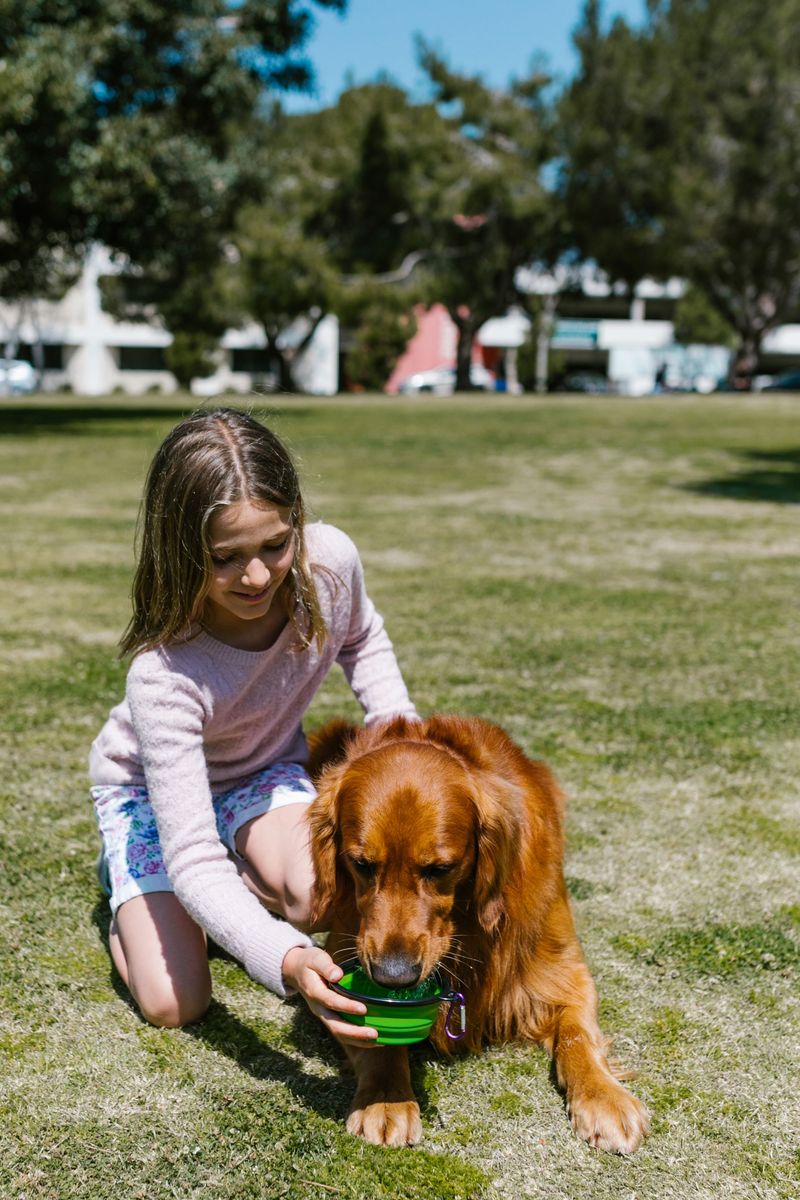
Space gets tight in a storm kit, and regular bowls hog room. Collapsible silicone bowls fold nearly flat and weigh almost nothing.
Pack two, one for food and one for water. Look for food-grade silicone that wipes clean easily.
Many come with a clip, so you can hook them to a backpack or crate door.
Small detail, big payoff. Your dog gets a proper meal even in a crowded hallway or community shelter.
8. Essential Medications

Missing doses can set back a dog’s health quickly. If your pup takes daily medicine, plan ahead.
Keep at least a three-day supply, ideally more, in the original labeled containers. Include written dosing instructions in case someone else must help.
Ask your vet about refilling early before storm season.
Some medicines need refrigeration. A small cooler with ice packs can bridge short outages, but confirm safe storage times with your veterinarian.
9. Vet and Vaccine Records
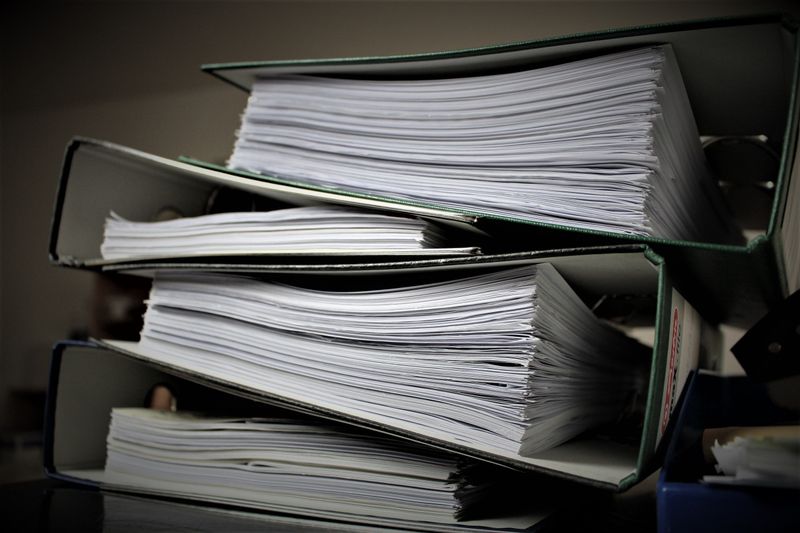
Paperwork is not exciting, but it opens doors. Many pet-friendly shelters, boarding kennels, and hotels ask for proof of vaccines before accepting dogs.
Rabies records matter most, since Alabama law requires rabies vaccination for dogs. Keep copies in a waterproof folder.
Add your vet’s phone number and notes about allergies or special needs.
Snap photos of each page too. Storing digital copies in email or cloud storage gives you a handy backup.
10. A Photo of You Together
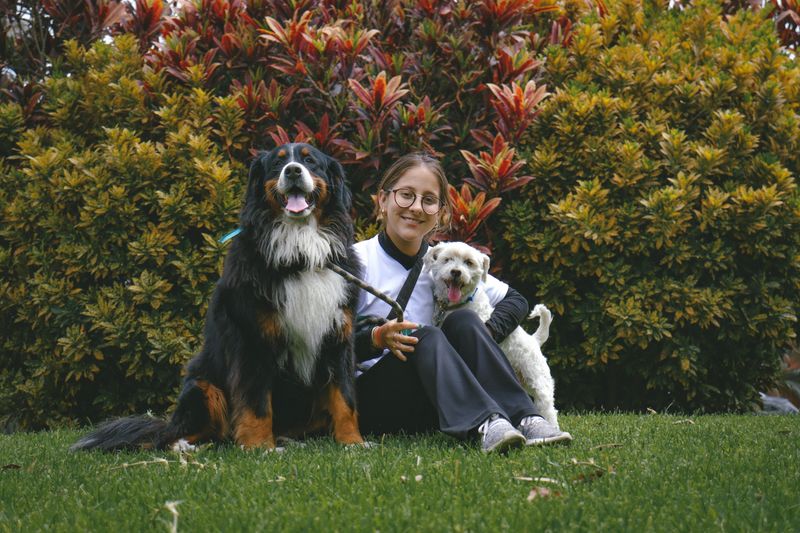
If you and your dog ever get separated, a picture can speak for you. A shot showing both of you helps prove ownership at a shelter.
Choose a clear, recent photo where your dog’s markings are easy to see. Print a copy and seal it in a plastic sleeve.
Phones are wonderful until the battery runs out. That printed picture works no matter what, which is why it earns a spot in the kit.
11. Pet First-Aid Kit
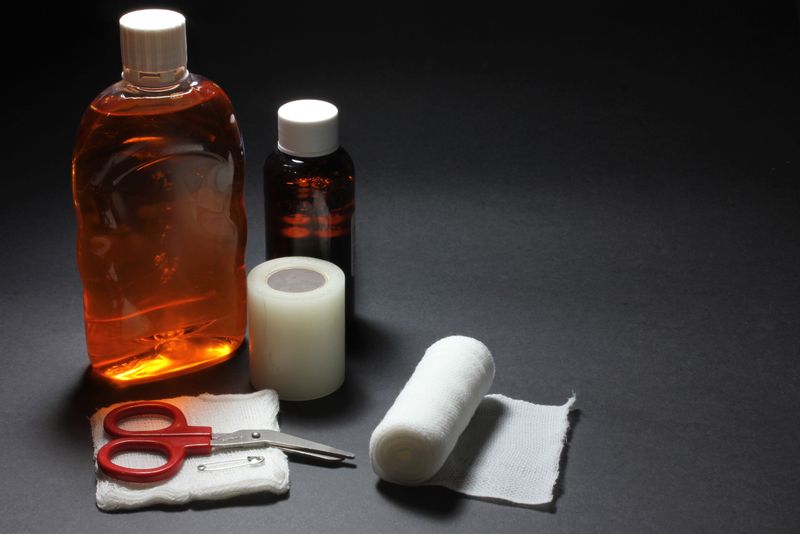
Minor scrapes happen when debris is scattered around. A basic kit helps you care for small injuries until a vet is available.
Include sterile gauze, adhesive tape, antiseptic wipes, blunt-tip scissors, tweezers, and disposable gloves. A pet first-aid guide is helpful too.
Never give human medicine without your vet’s approval. Some common pills are unsafe for dogs.
Ask your veterinarian which items and doses make sense for your pet.
12. Waste Bags and Cleanup Gear
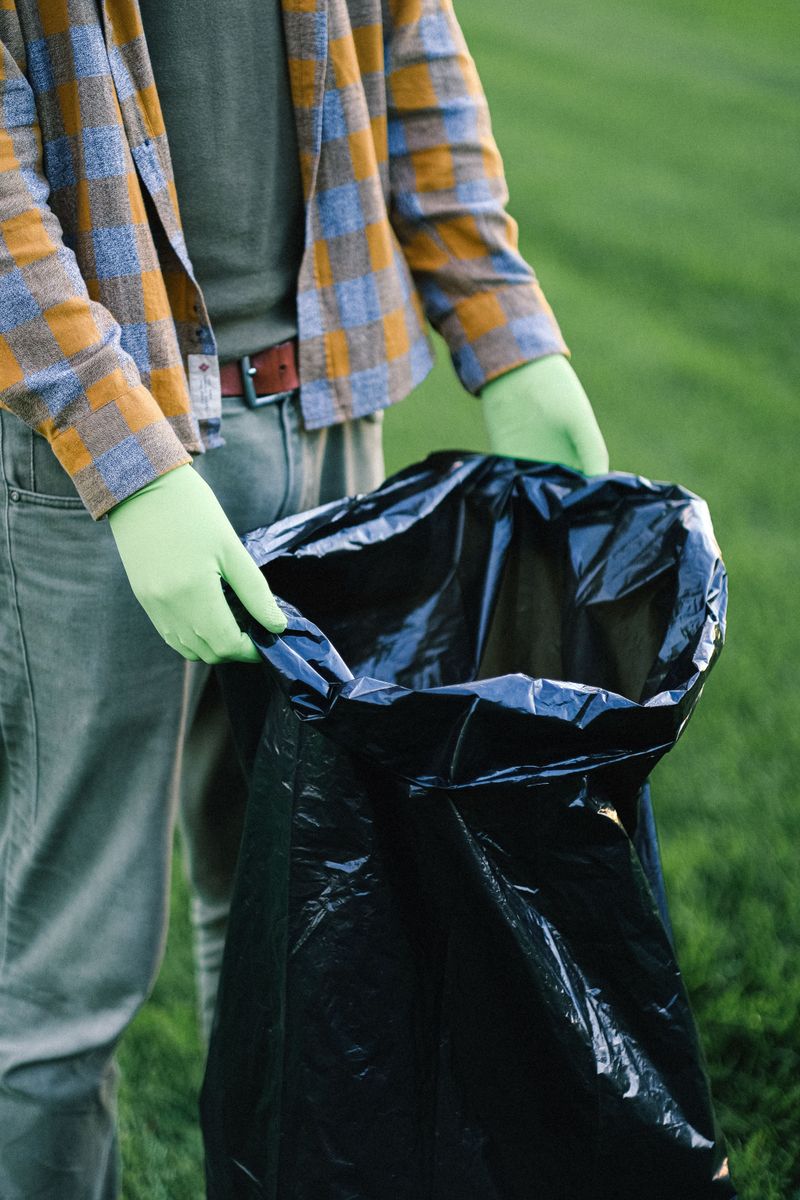
Shelters can feel crowded, and good manners help everyone stay comfortable. Stressed dogs sometimes have accidents, even if they are well trained.
Pack a full roll of waste bags plus a spare. Add paper towels, pet-safe wipes, and a few trash bags.
A small spray bottle of enzyme cleaner handles odors nicely.
Neighbors in a shared shelter will appreciate it. A tidy space also keeps your dog calmer.
13. Blanket or Towel
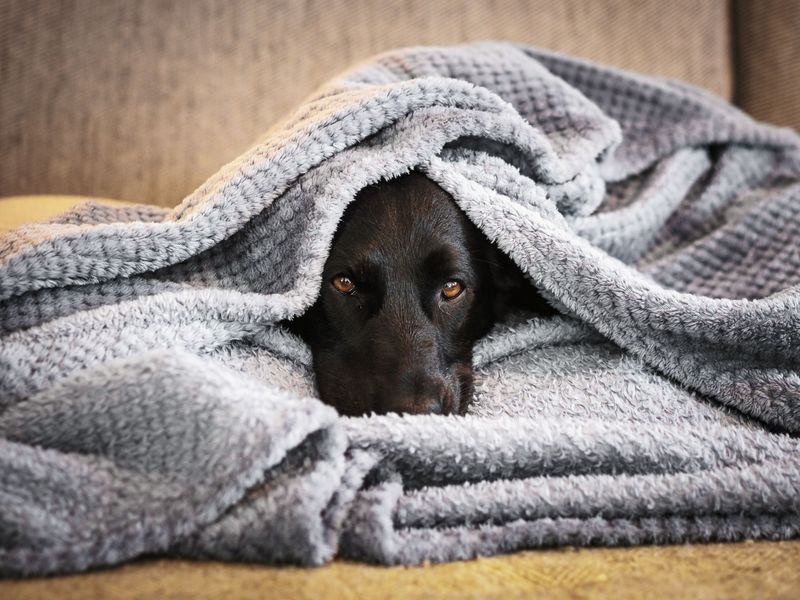
Basements and safe rooms often have cold, hard floors. A familiar blanket gives your dog a soft spot that smells like home.
Towels pull double duty. They dry a soggy pup and can wrap a hurt or frightened dog for safer handling.
Choose something washable and lightweight. An old blanket from your dog’s bed works beautifully, since the scent alone can be soothing during a noisy storm.
14. A Favorite Toy

Dogs read our moods and their surroundings closely. Strange noises and new places can make them uneasy.
A beloved squeaky toy or chew offers a slice of normal life. Chewing can also help some dogs settle and pass the time.
Fun fact: many dogs can sense pressure changes before a storm arrives. That may explain the early pacing.
Pack the toy they reach for most, and pass it over calmly.
15. NOAA Weather Radio
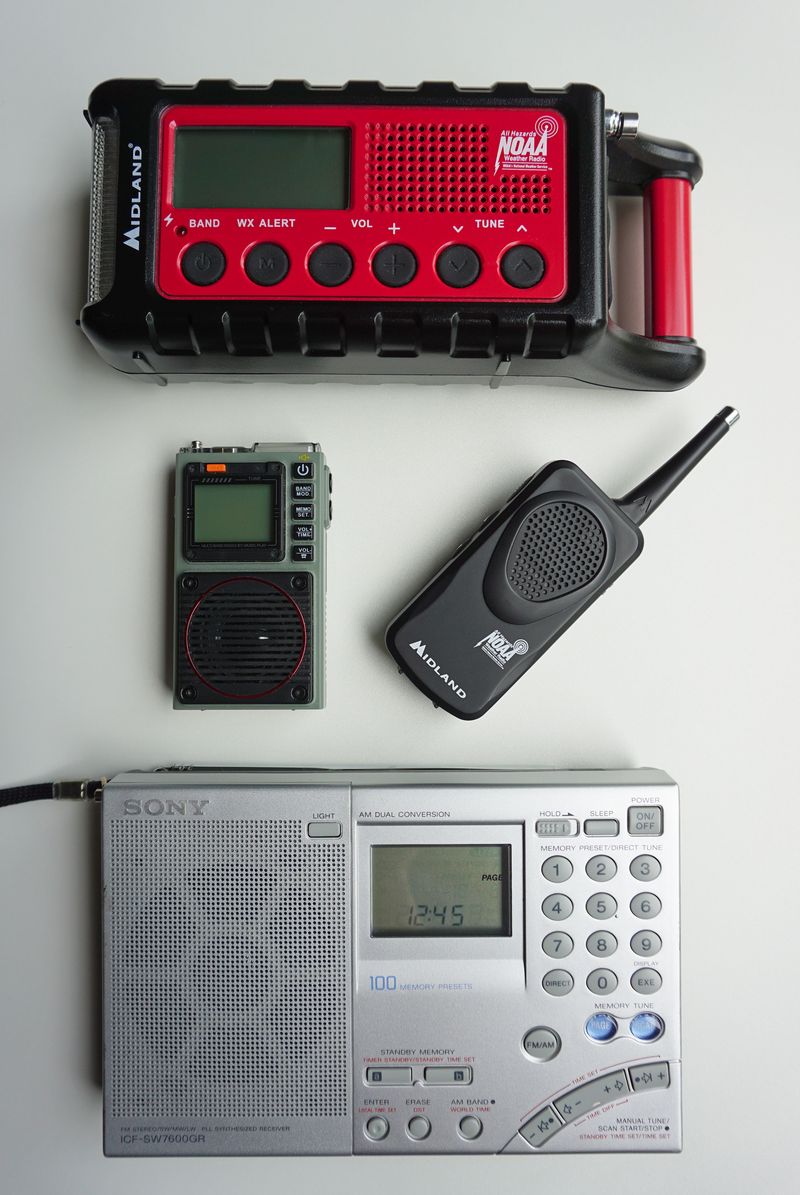
Alabama tornadoes sometimes strike at night, when phones are silent. A NOAA Weather Radio sounds an alarm when the National Weather Service issues warnings.
Look for a model with SAME technology. It lets you program alerts for your specific county.
Choose one with battery backup or a hand crank. Test it monthly so you know it works.
Many local emergency agencies recommend one for every Alabama home.
16. Flashlight and Spare Batteries
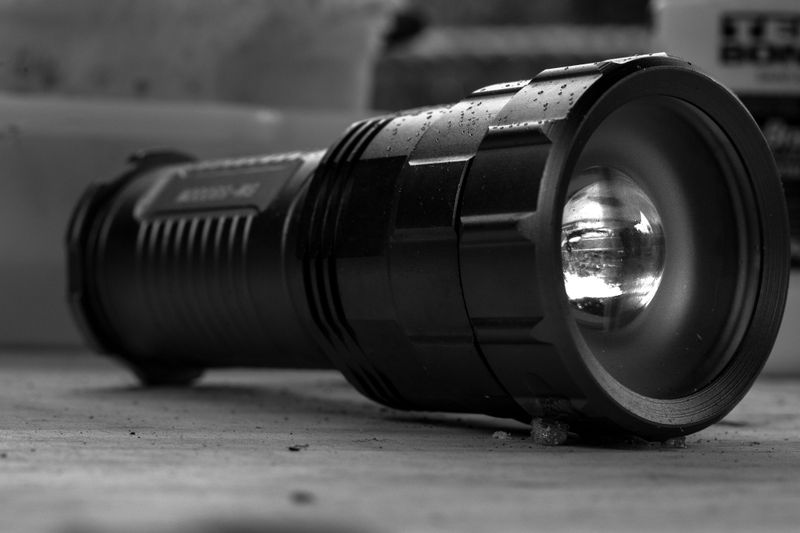
Power often flickers out when strong storms roll through. Darkness can unsettle dogs and make it hard for you to check on them.
An LED flashlight is bright and easy on batteries. A headlamp is even handier, because it frees both hands for leashes and bowls.
Store spare batteries separately to prevent corrosion. Check them each spring, which is a nice habit to start at the beginning of storm season.
17. Power Bank and Charging Cable
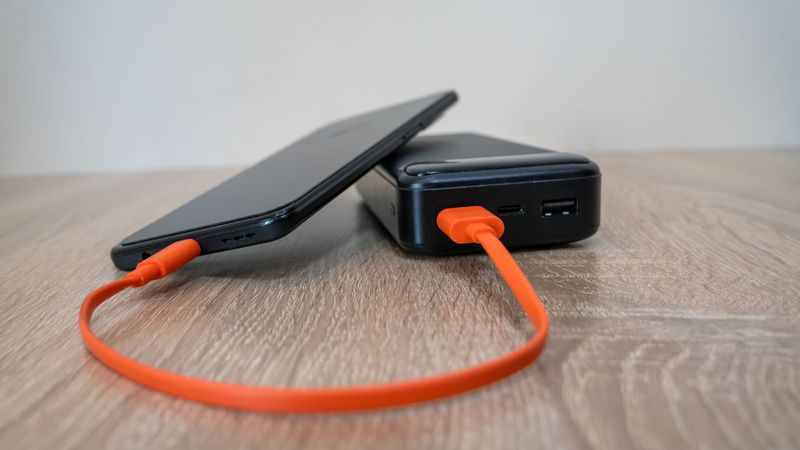
Your phone holds a lot during a storm. It carries alerts, contacts, vet numbers, and those backup photos of your pup.
A charged power bank keeps it running when outlets go dark. Pack the right cable too, because a power bank without one is just a brick.
Recharge it every month or two. Keep it near your dog’s kit, so everything you need sits in one easy spot.
Prepared owners make calm dogs. You have got this.