18 Florida Storm-Noise Training Exercises Worth Practicing Before Summer
Florida afternoons can turn rainy before you finish walking your dog around the block. If thunder makes your companion uneasy, calm practice before summer can help build comfort with storm sounds.
Start with easy exercises, let your dog set the pace, and keep favorite treats nearby. You do not need perfect results, just small steps that make noisy weather feel more manageable.
1. Begin with Barely Audible Thunder
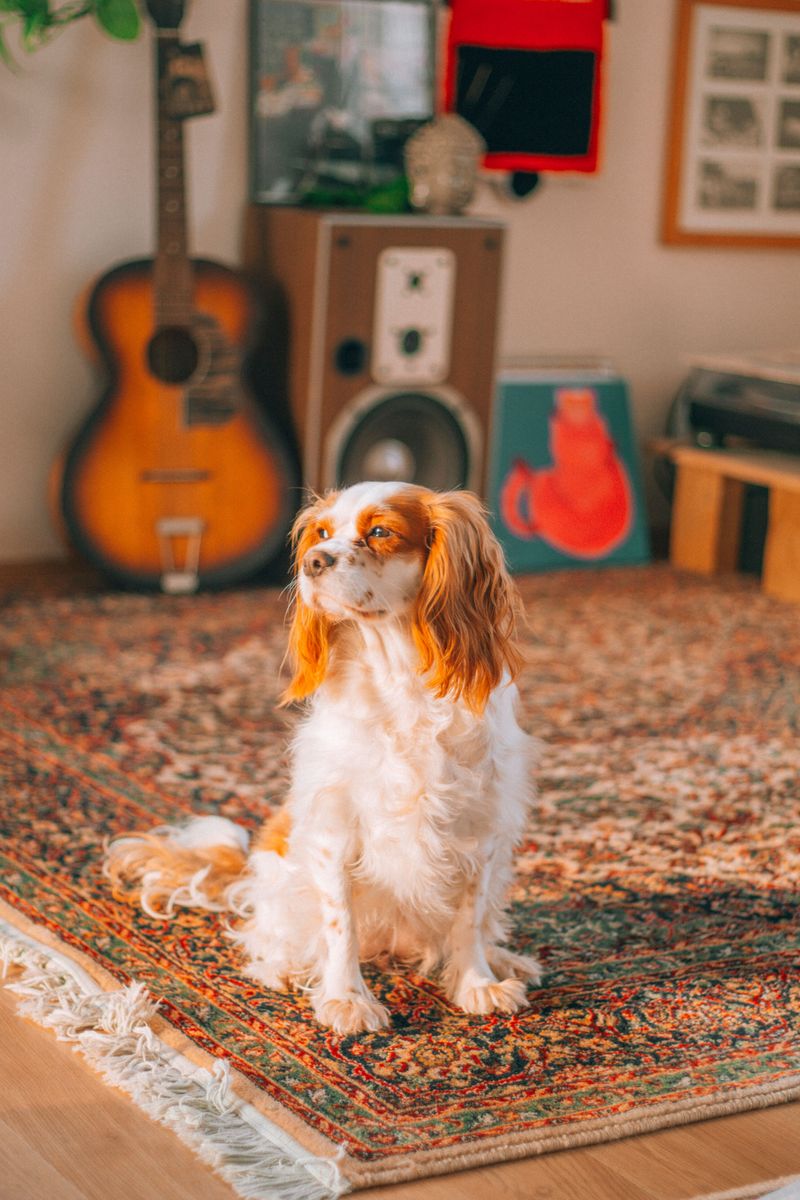
A tiny rumble is a better starting point than a dramatic storm soundtrack. Choose a recording without sudden loud advertisements, and begin at barely audible volume.
Keep the speaker away from your dog, allowing room to move freely.
Watch for loose muscles, normal breathing, and comfortable interest in the room. If your dog looks worried, stop rather than waiting for adjustment.
Recordings cannot copy every storm feature, so progress may differ during real Florida summer weather.
2. Make Quiet Rumbles Predict Favorite Treats
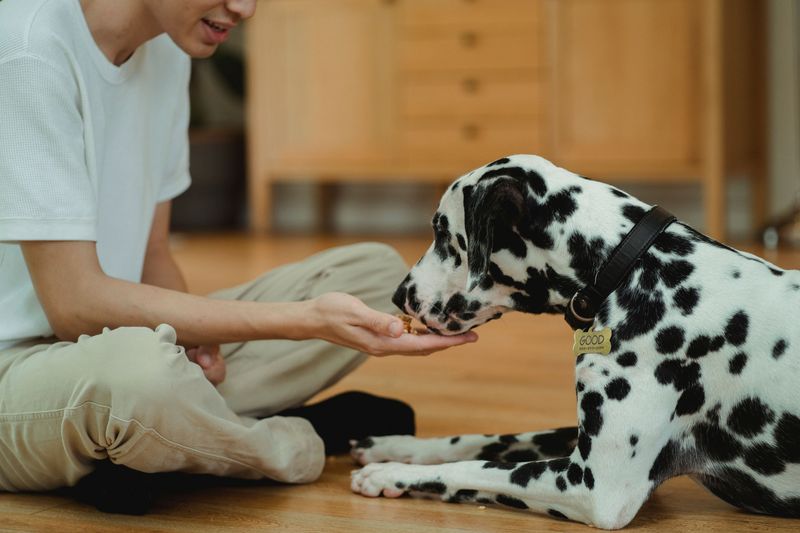
Your dog’s favorite snack can give a quiet rumble a happier meaning. Start the soft thunder sound, then offer several tiny, tasty treats.
Stop feeding when the sound ends, helping thunder predict something pleasant.
Use foods your dog tolerates, and count rewards toward daily food intake. You do not need to ask for sitting or another behavior first.
If eating stops or tension appears, lower the sound instead of offering increasingly tempting snacks to continue training.
3. Schedule Small Sessions on Sunny Days
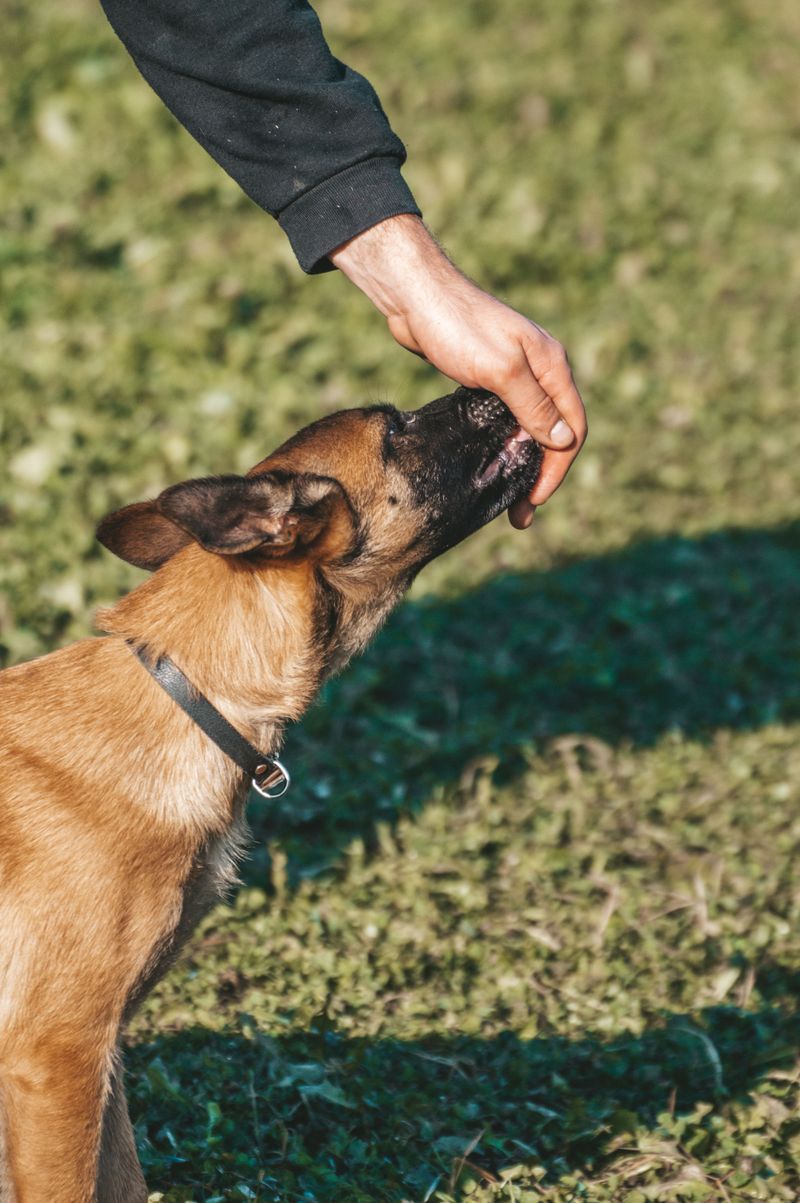
Sunny afternoons offer practice time without the extra pressure of a real storm. Aim for sessions lasting five to ten minutes, provided your dog stays comfortable.
A sensitive dog may need a much shorter beginning.
Choose a time after bathroom needs are met and household activity has settled. Finish while your companion is still enjoying the exercise, not after attention fades.
Brief, repeatable practice is more useful than one long session that leaves everyone feeling tired.
4. Turn the Volume Up in Tiny Steps
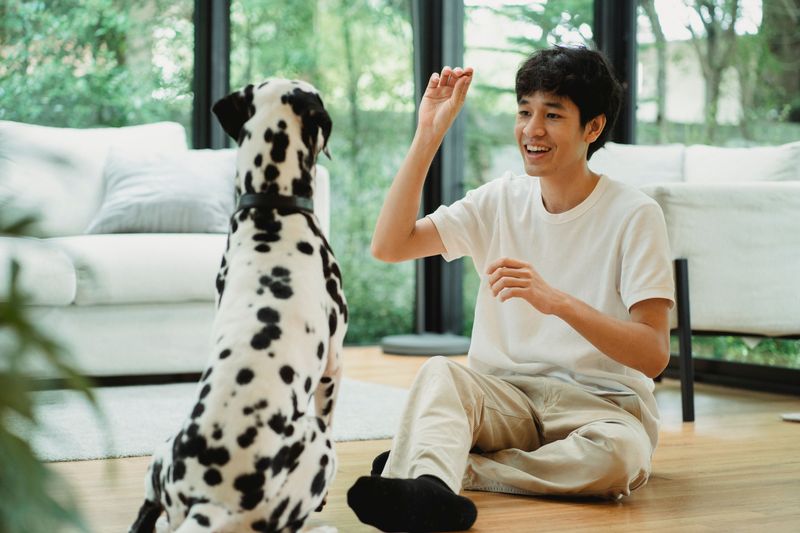
Progress should follow your dog’s comfort, not the numbers on your speaker. After several relaxed repetitions, raise the recording by the smallest useful amount.
Keep the session length and other distractions unchanged during that adjustment.
Comfortable eating, loose posture, and easy movement suggest the current level is manageable. Any hesitation means you should return to an easier setting or stop.
Repeating an earlier level is sensible training, not a setback or reason to rush your dog.
5. Reward Comfort During Heavy Rain Recordings
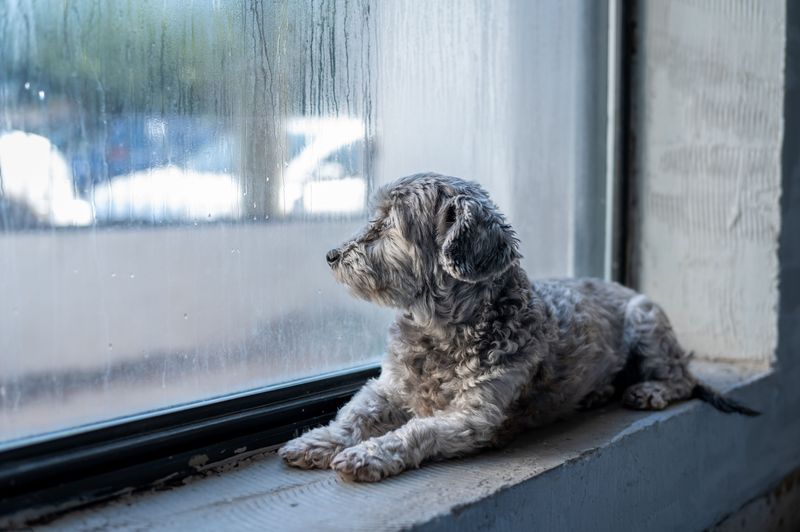
Rain tapping a Florida roof can sound different from thunder rolling outside. Select a steady rainfall recording and play it softly during a quiet moment.
Reward comfortable resting, casual sniffing, or an easy glance toward you.
Do not begin with a loud downpour simply because thunder practice went well. Different sounds may need different starting levels for the same dog.
Keep rewards within easy reach, and end the exercise if your companion becomes watchful, stiff, or unsettled.
6. Separate Wind and Rain Before Mixing
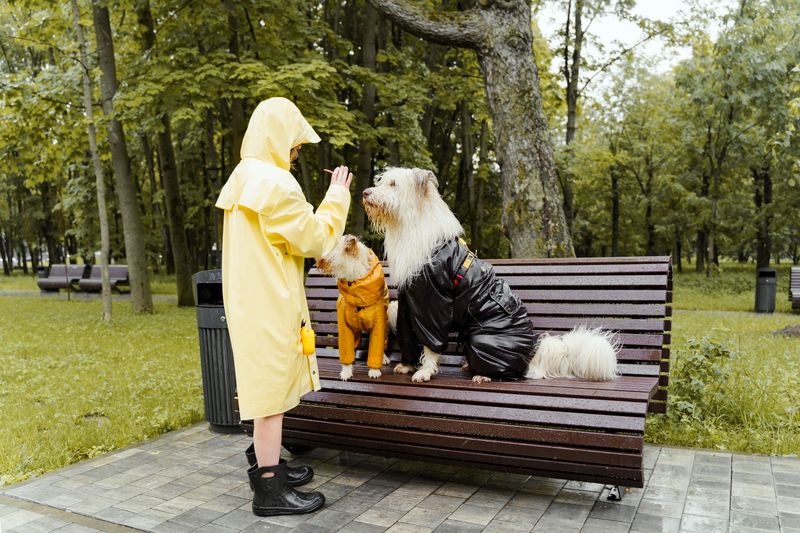
A full storm soundtrack may contain more surprises than your dog can comfortably handle. Introduce gentle wind on one occasion and quiet rain on another.
Learn how your companion responds before blending those sounds together.
Once both recordings are familiar, combine them at levels below their separate training volumes. Keep thunder out until that mixture feels easy for your dog.
Change only one feature at a time, making it simpler to notice which sound needs more practice.
7. Build a Comfortable Mat Routine
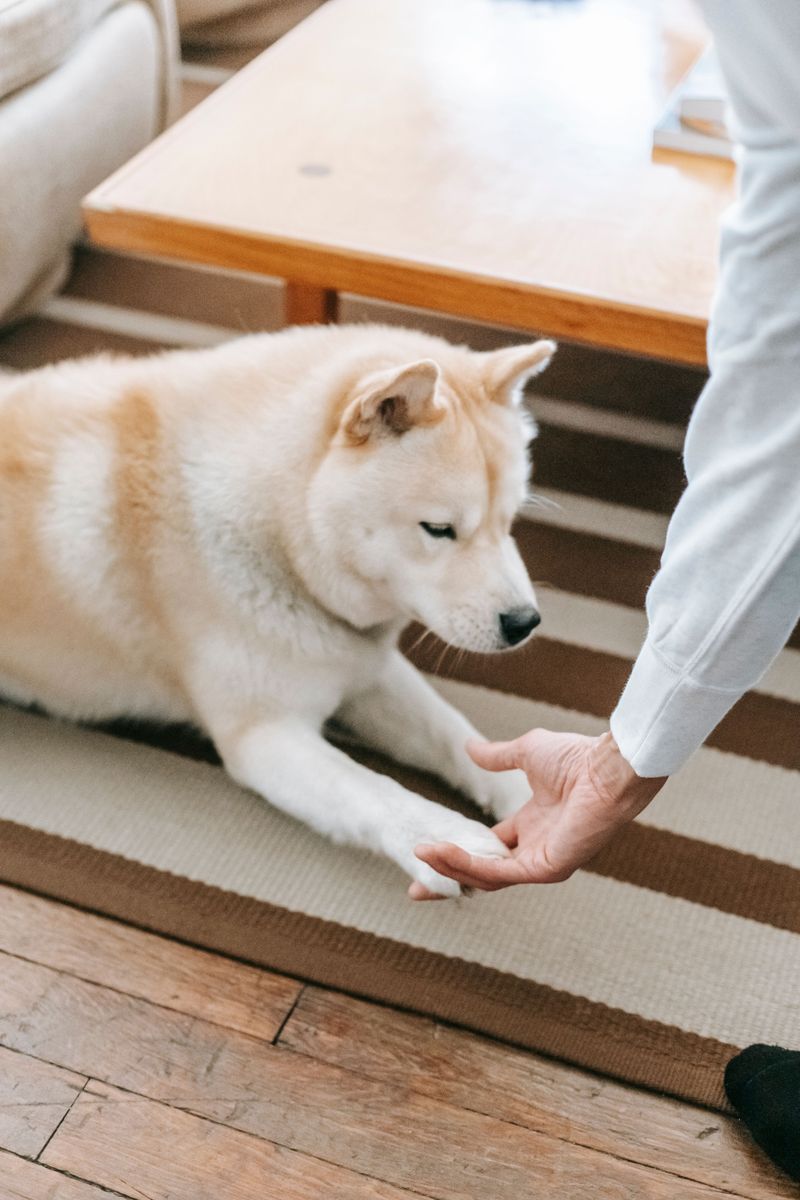
A simple mat gives your dog a clear place to practice resting. Put it in a quiet interior room with comfortable temperature and easy access.
Reward looking at the mat, stepping onto it, and eventually lying down.
Deliver treats near the surface so your companion does not need to jump up. Build resting time slowly, allowing breaks and freedom to move away.
Add soft weather recordings only after the mat already feels familiar during ordinary peaceful afternoons.
8. Notice the Small Signs of Relaxation

Soft eyes and an easy resting posture tell you more than simple stillness. During low thunder recordings, notice loose muscles, normal breathing, and comfortable position changes.
Quietly place a treat nearby when your dog appears genuinely relaxed.
A frozen dog may be worried even without barking or moving around. Look at the whole body rather than treating silence as proof of comfort.
Keep your praise low and friendly, especially when excited attention would interrupt an otherwise peaceful moment.
9. Teach Settle Before Adding Sound
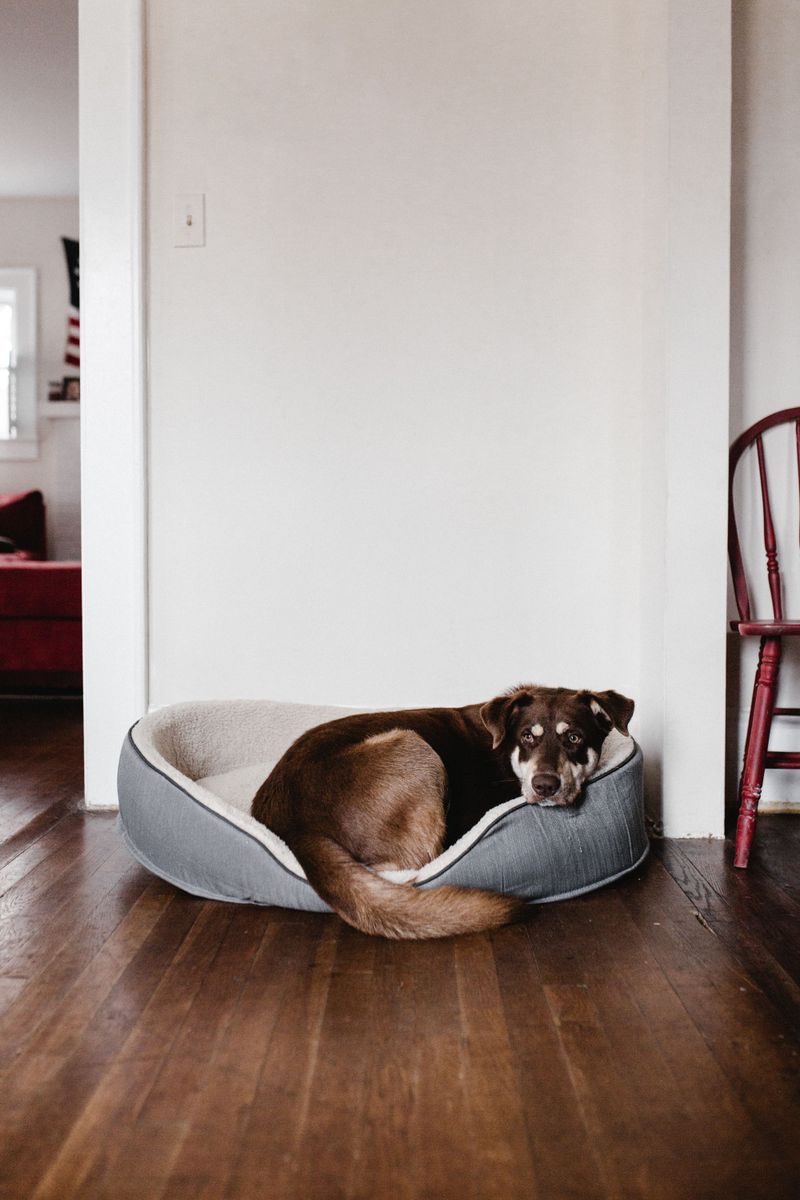
Learning a new cue is easier when nothing noisy competes for attention. Wait for your dog to relax on a bed, then quietly say settle.
Reward that comfortable posture without repeatedly asking for more movement.
Practice until the cue reliably predicts an easy resting routine in quiet surroundings. Later, introduce a mild recording while keeping expectations short and flexible.
The cue is an invitation to rest, not a command your frightened dog must obey during overwhelming weather.
10. Scatter Treats for an Easy Sniffing Game

A few treats across the floor can turn listening practice into gentle exploration. Start a barely audible thunder recording and scatter small rewards within easy reach.
Let your dog sniff at a comfortable pace without directing every step.
Use a clean surface where treats stay visible and footing remains secure. Separate household dogs if food sharing could create tension during the game.
If searching becomes frantic or stops altogether, silence the recording and return to an easier session.
11. Offer a Familiar Food Puzzle
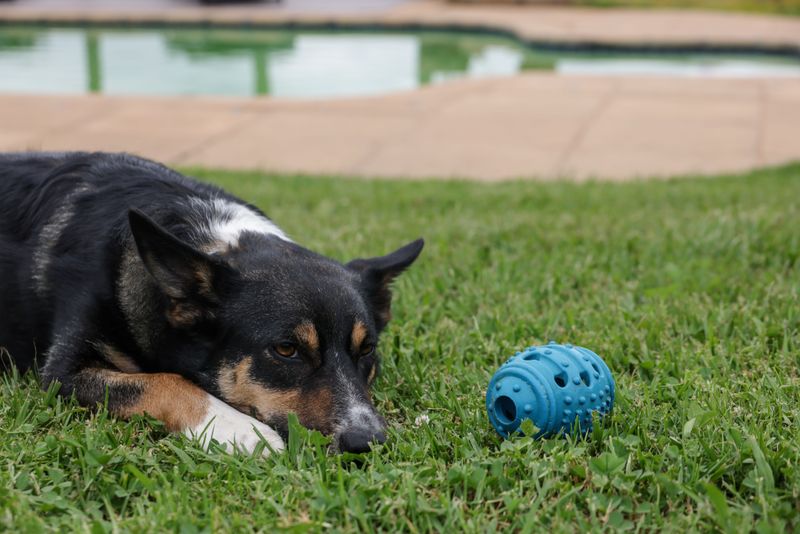
An easy puzzle can add pleasant activity without asking your dog for much effort. Introduce the toy in silence first, using familiar food and simple openings.
Once it feels routine, offer it during very quiet weather recordings.
Choose a sturdy toy suited to your dog’s size and supervise its use. Avoid difficult puzzles that lead to frustration or chewing pieces loose.
Food interest does not prove complete comfort, so continue watching posture and breathing throughout the short exercise.
12. Rehearse Familiar Cues with Background Rain
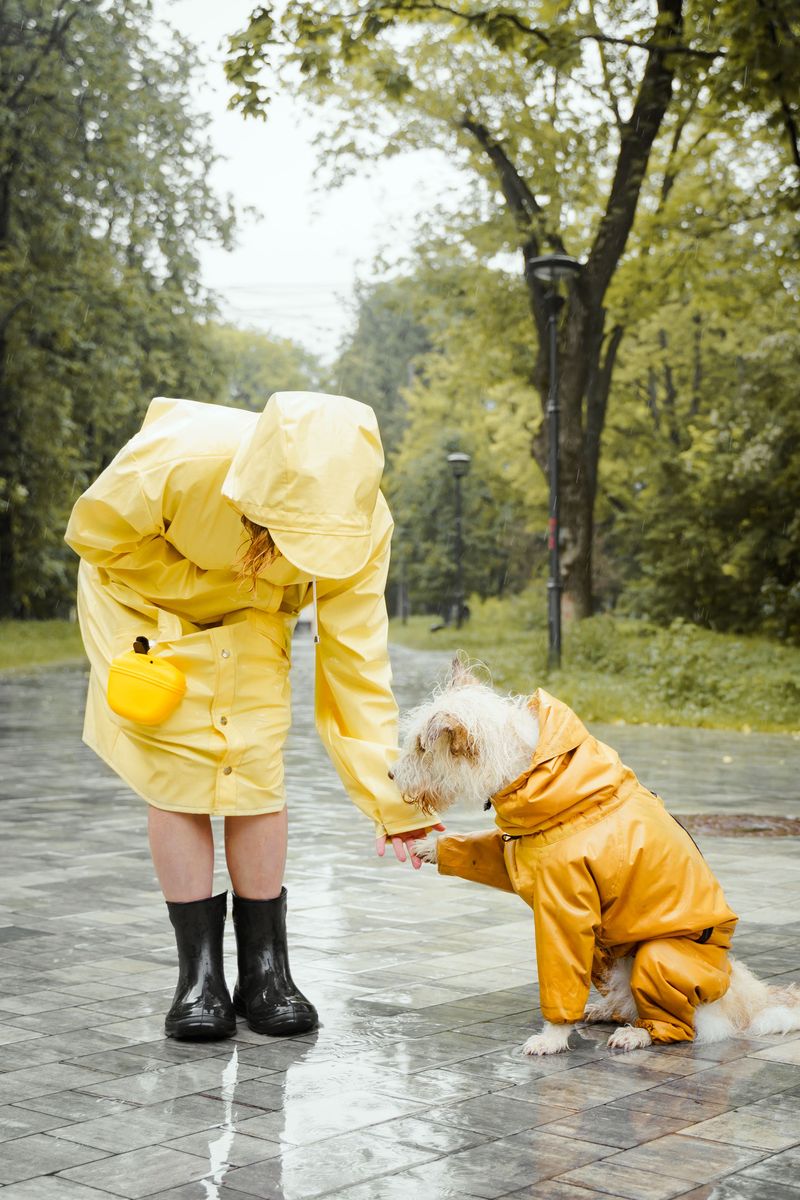
Old skills can make a new sound feel like part of everyday life. Play mild rain audio while practicing an easy sit, touch, or down.
Reward generously and keep the exercise brief enough to remain enjoyable.
Choose cues your dog already knows rather than teaching something challenging during sound practice. A missed response may mean distraction or worry, not stubborn behavior.
Lower the volume if attention becomes difficult, and never demand obedience while your companion is visibly afraid.
13. Keep Indoor Play Soft and Simple
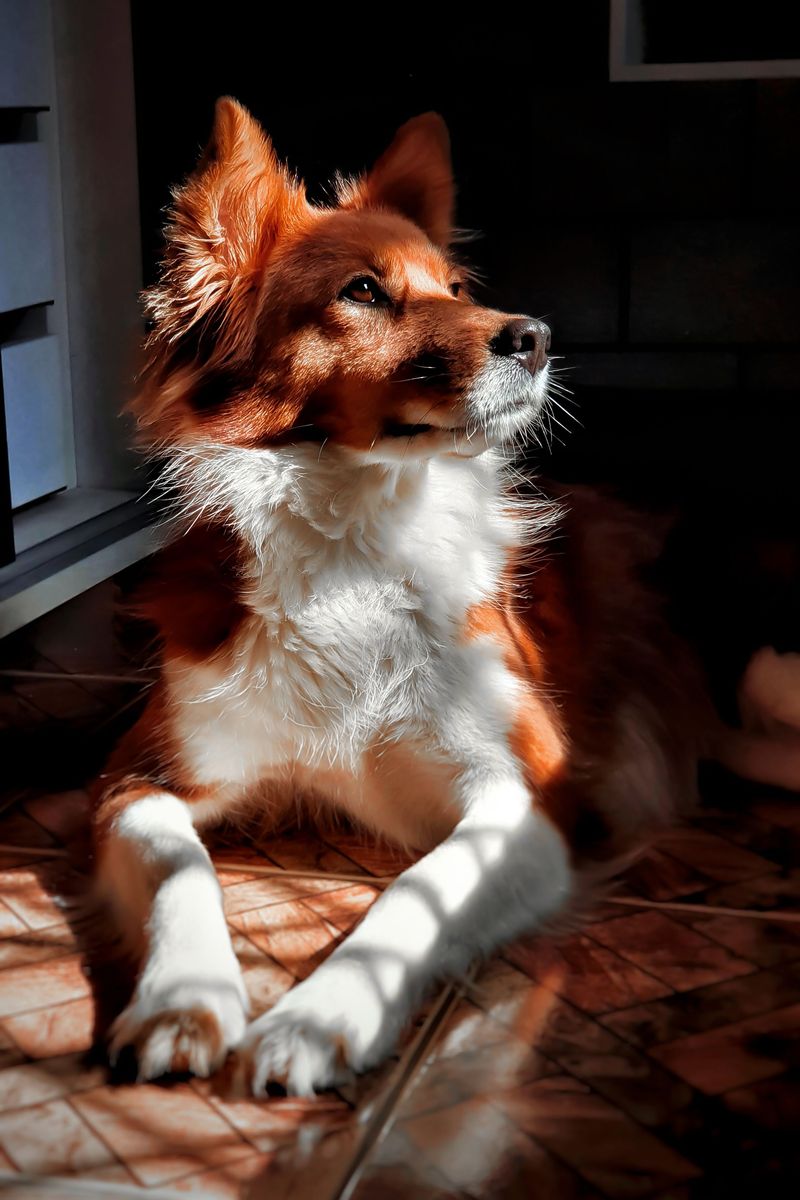
Some dogs prefer a favorite toy to another handful of training treats. Try gentle tug or a short floor level retrieve during quiet rain audio.
Choose familiar play that your companion can stop or leave freely.
Clear slippery areas and leave enough space around furniture for safe movement. Keep excitement moderate, since busy activity can make stress signals harder to notice.
A dog that drops the toy or watches the speaker needs a quieter setting, not livelier encouragement.
14. Test a Soothing Background Sound
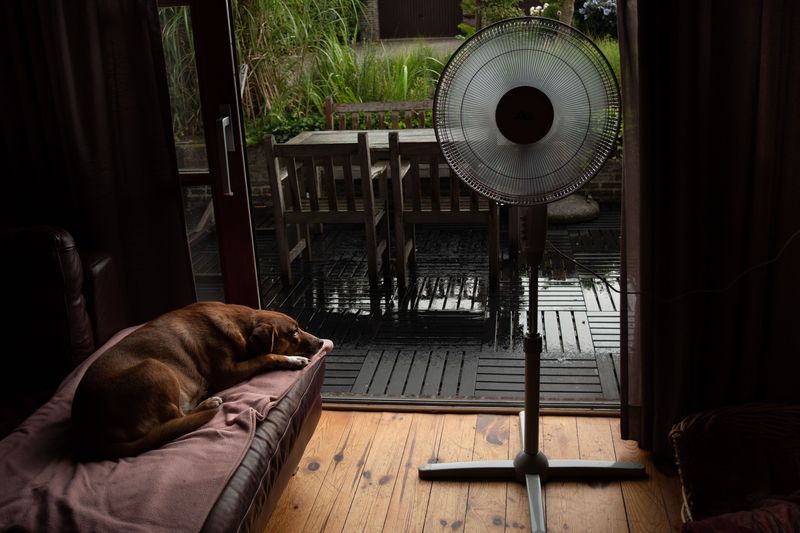
Steady background sound may soften household noises, but every dog has different preferences. Try quiet music or white noise while your companion rests without storm recordings.
Watch whether the added sound supports comfort or causes extra attention.
Keep speakers away from the bed and avoid turning them up to cover thunder. Background audio cannot reliably block every rumble or replace careful training.
Use it only if your dog seems comfortable, and preserve access to a quieter space nearby.
15. Let Your Dog Choose the Resting Den
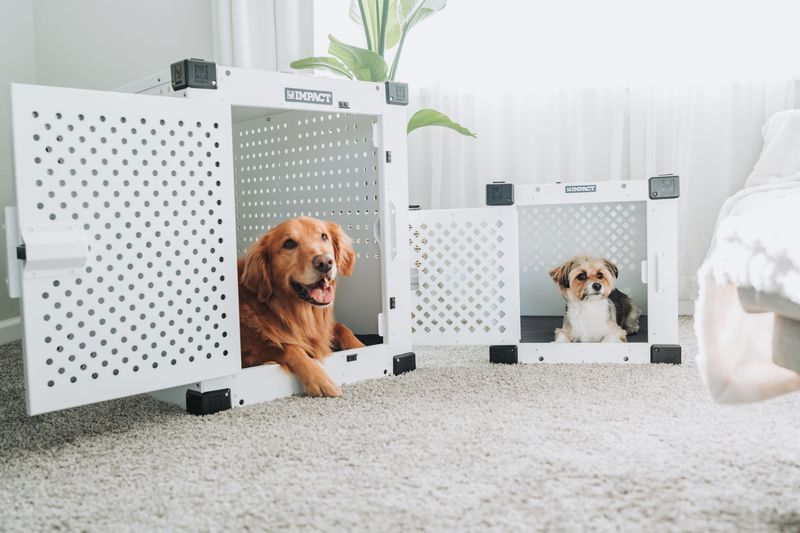
An open crate can be inviting when your dog already enjoys spending time there. Place comfortable bedding inside and reward voluntary entry without closing the door.
A covered resting area is another option for dogs avoiding crates.
If using a cover, maintain airflow and prevent fabric from being pulled inside. Florida homes need careful temperature control, even when the room feels shaded.
Never force confinement during fear, and choose an open bed if enclosed spaces make your companion uneasy.
16. Rehearse the Routine with Your Household
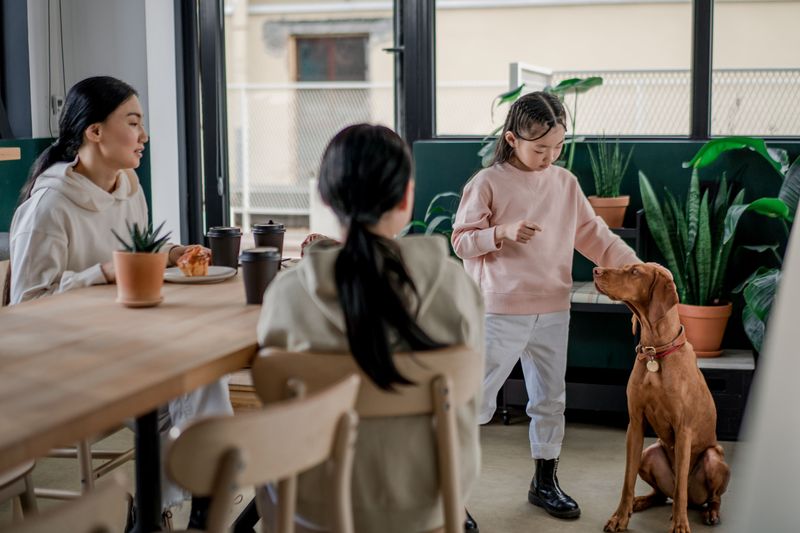
A shared plan helps your dog recognize the routine whoever happens to be home. Have each family member practice the same safe spot cue during calm weather.
Use matching reward timing and keep movements quiet and unhurried.
Children should participate only with suitable adult supervision and respect the dog’s resting space. Decide who gathers treats, closes curtains, and checks that doors remain secure.
Rehearsing these small tasks prevents confusion when afternoon weather changes and your companion needs familiar support.
17. Practice Stopping at the First Stress Signal
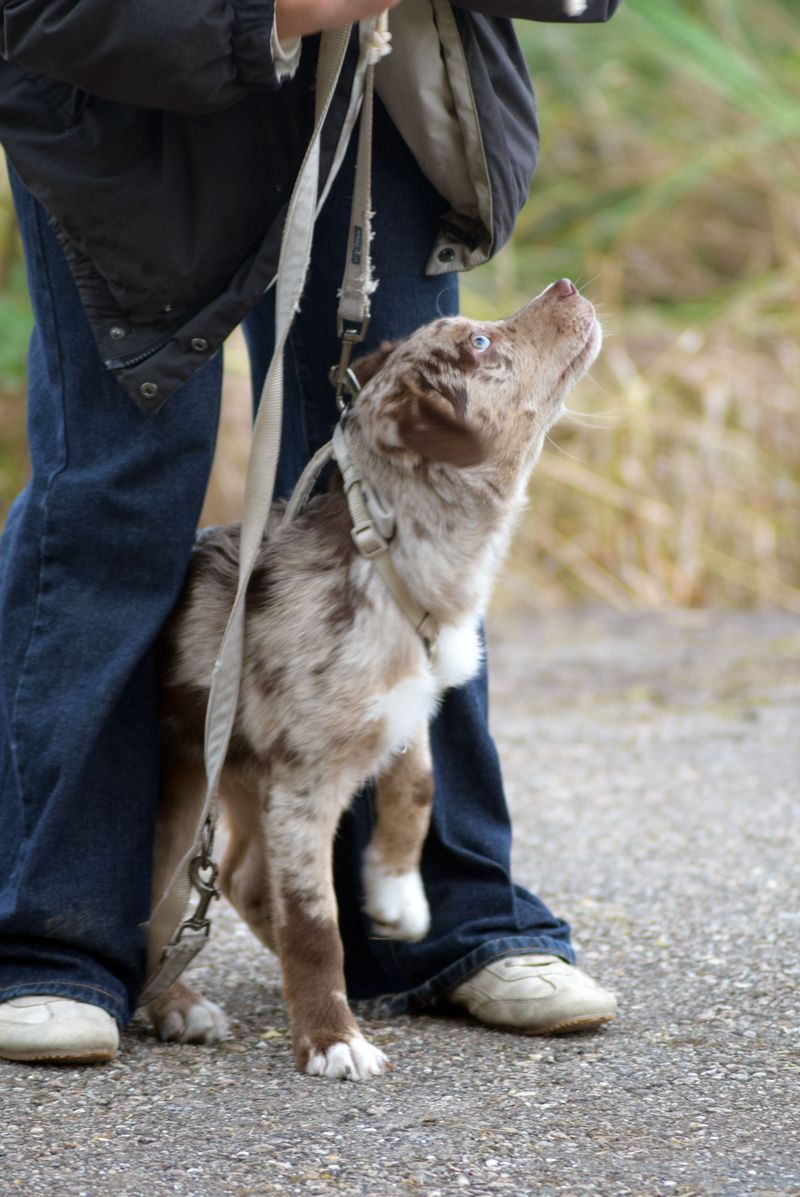
Your most useful training skill may be knowing when to make things easier. Watch for trembling, pacing, panting unrelated to heat, or refusal of favorite treats.
Lower the sound immediately, or stop it if your dog remains uneasy.
Offer access to the resting area and calm company without insisting on another exercise. Comforting a frightened dog is acceptable and does not reinforce the emotion of fear.
Note what happened so your next session starts at a gentler level.
18. Build a Personal Plan with Your Veterinarian
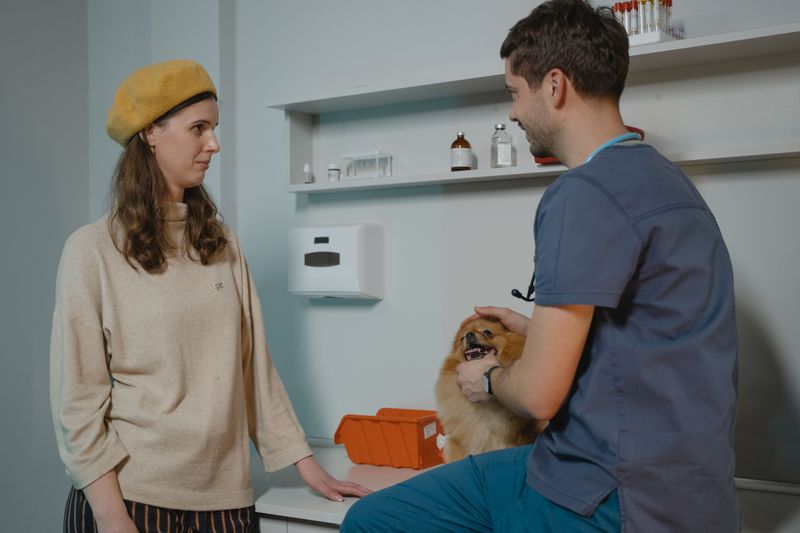
Strong storm fear deserves individual support rather than louder or longer practice sessions. Contact your veterinarian if your dog struggles to recover, escape attempts occur, or distress persists.
Bring notes about sounds, behaviors, and exercises already attempted.
A veterinary behaviorist can help shape a personalized plan, with medication considered when appropriate. Never give calming medicines or supplements without veterinary guidance for your dog.
Start small, stay patient, and let comfort guide your preparation before Florida’s summer storms arrive.