18 Ohio Apartment Questions To Settle Before Adopting A Dog In Cleveland Or Columbus

Adopting a dog while renting in Cleveland or Columbus can work beautifully, but a little homework first saves a lot of stress later. Leases, city rules, and building layouts all shape what daily life with a dog will look like.
Think of this as a friendly checklist from someone who has watched plenty of Ohio renters do it right. Settle these questions early, and your adoption day will feel joyful instead of complicated.
1. Start With The Lease Itself
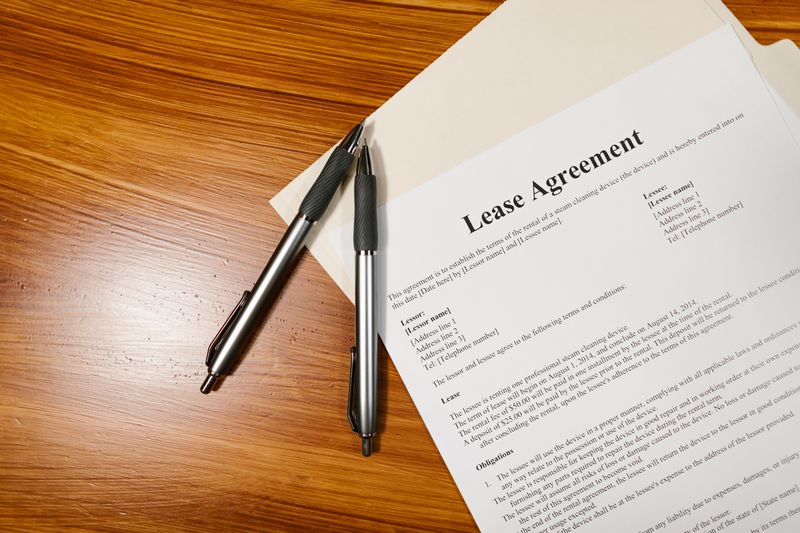
Before you fall for a face at the shelter, read your lease line by line. Ohio landlords generally set their own pet policies, so a building may ban pets, allow them with limits, or charge fees.
Whatever is written there binds you once you sign. Service animals and emotional support animals fall under separate federal and state protections.
If the wording is vague, ask your property manager for clarification in writing.
2. Written Approval Beats A Friendly Verbal Yes

A cheerful hallway conversation with your landlord is not the same as permission. Most Ohio properties require a signed pet addendum spelling out rules, fees, and expectations before a dog moves in.
Skipping that step can count as a lease violation, even if someone said yes casually.
For assistance animals, landlords may request written notice and documentation from a licensed medical or mental health professional.
3. Breed Restrictions Catch Renters Off Guard

Plenty of Ohio complexes keep lists of breeds they will not accept. Commonly restricted types include pit bull terriers, Rottweilers, German Shepherds, Akitas, Cane Corsos, Mastiffs, and Doberman Pinschers.
One Columbus community bans all of those plus Great Danes and Staffordshire Terriers.
Mixed breeds are sometimes judged by appearance alone. Ohio law does prohibit landlords from applying breed restrictions to emotional support animals.
4. Weight Limits Shape Your Shortlist

Size caps are common and surprisingly strict. Some Columbus buildings allow nothing over 20 pounds, which rules out most medium dogs entirely.
Shelter staff can usually estimate an adult weight for a puppy, though guesses are never exact. Choosing a dog who might outgrow the limit creates a painful problem later.
Emotional support animals cannot be denied based on weight or size alone under Ohio rules.
5. Pet Count Limits Per Unit

Two is a common ceiling, but the details vary. A Cleveland loft community permits up to two pets per suite, while one Columbus property allows two in a one bedroom and only one in a studio.
Cleveland Heights ordinances limit a dwelling to two dogs or cats, or one of each.
Already have a cat? Count that pet before planning a second adoption.
6. Add Up Deposits, Fees, And Monthly Pet Rent

Pet costs at Ohio properties often come in three layers. Cleveland examples include a non refundable pet deposit near 300 dollars plus 35 dollars monthly per pet.
A Columbus community charges a 300 dollar fee and 50 dollars monthly.
Multiply that monthly amount across a full lease term before deciding. Landlords cannot charge pet deposits or pet rent for service animals or emotional support animals.
7. Refundable Or Not? Get It In Writing

The word deposit suggests you get money back, but that is not always true. Many Ohio pet addenda state plainly that the deposit is non refundable.
Ohio House Bill 277 discourages recurring charges while still permitting non refundable pet deposits.
If yours is refundable, expect deductions for any pet related damage. Ask for the exact language, then keep a copy somewhere safe.
8. Renters Insurance And Dog Liability

Liability coverage is the quiet hero of responsible dog ownership. Many Ohio pet agreements require renters insurance that covers dog related incidents, sometimes with no breed exclusions.
Coverage helps if your dog damages property or injures someone else.
Call your insurer and ask specifically about dog liability limits and excluded breeds. Get confirmation by email, since policy language differs between companies and can change at renewal.
9. Know The Approved Potty Spots

Every building handles bathroom breaks differently. Typical rules require dogs to be leashed, accompanied outside, and kept off shrubs, mulch beds, and young trees.
Some Cleveland and Columbus complexes maintain a designated relief area, often tucked near a side entrance.
Walk the property before adoption and time the trip from your door. A puppy will not wait through a long detour, especially in January.
10. Waste Cleanup Is A Rule, Not A Suggestion
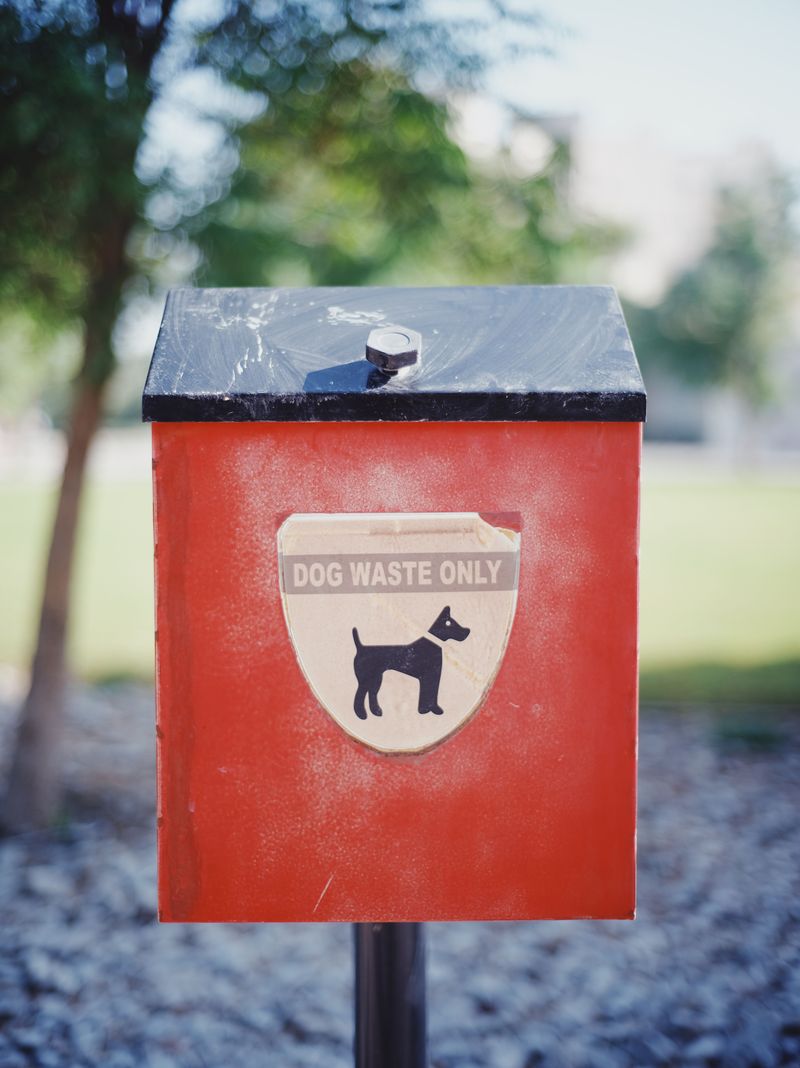
Ohio cities take this seriously. Columbus guidance calls for picking up waste, sealing it in an airtight bag, and placing it in a dumpster.
Cleveland ordinances also require proper disposal, and failing to comply can bring a minor misdemeanor charge.
Some complexes add cleanup fees on top. Stash bags by the door, in every coat pocket, and clipped to the leash handle.
11. Barking In Shared Walls

Sound travels fast in apartment buildings. Cleveland prohibits keeping an animal whose frequent or long continued noise disturbs neighbors and carries past the property line.
Columbus rules address unreasonably loud animal sounds, with barking continuing beyond 20 minutes treated as an actionable nuisance.
Repeat complaints can lead to fines. Ask shelter staff about a dog’s noise habits, and plan for enrichment toys and training.
12. Count Your Real Hours Away
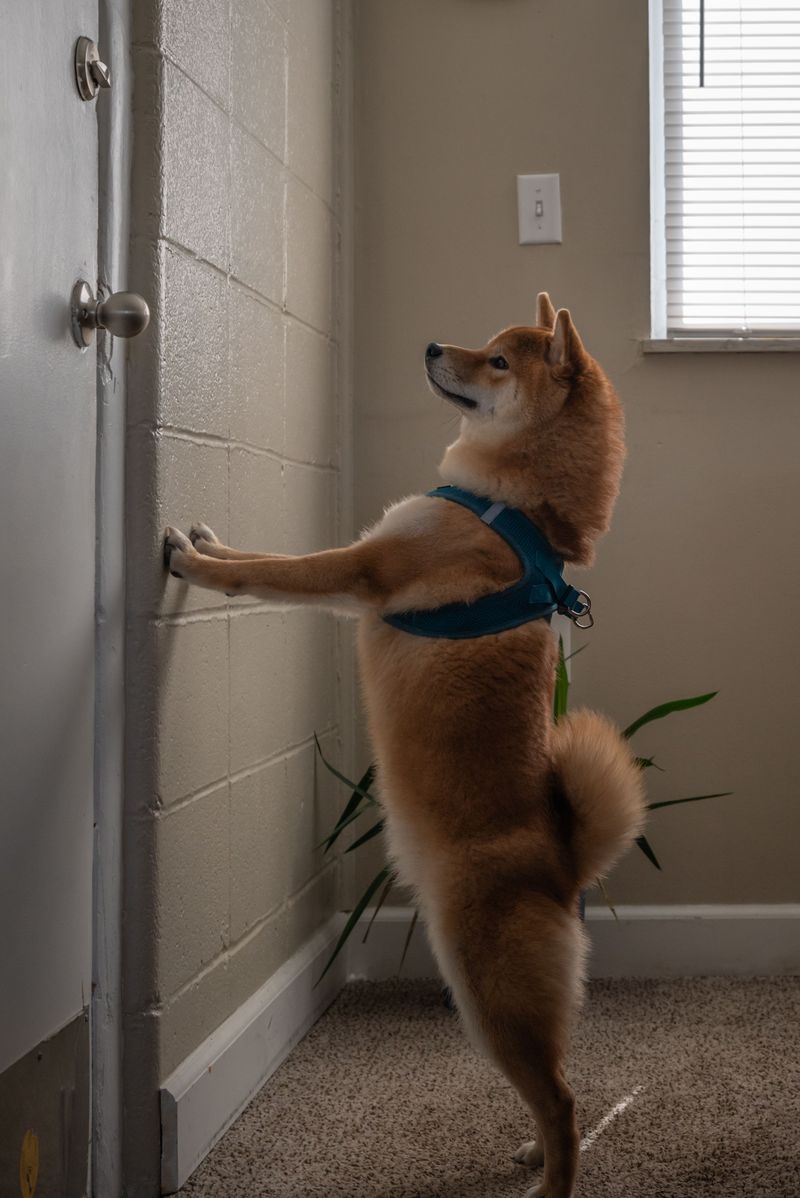
Commutes, shifts, and errands add up quickly. Ohio law sets no exact limit on alone time, though pet agreements often forbid leaving animals unattended for unreasonable periods.
Cleveland ordinances state owners should never abandon an animal.
Long stretches alone can lead to stress barking and chewed door frames. A midday walker or daycare visit fills the gap nicely for busy renters.
13. Stairs, Elevators, And Four Trips A Day
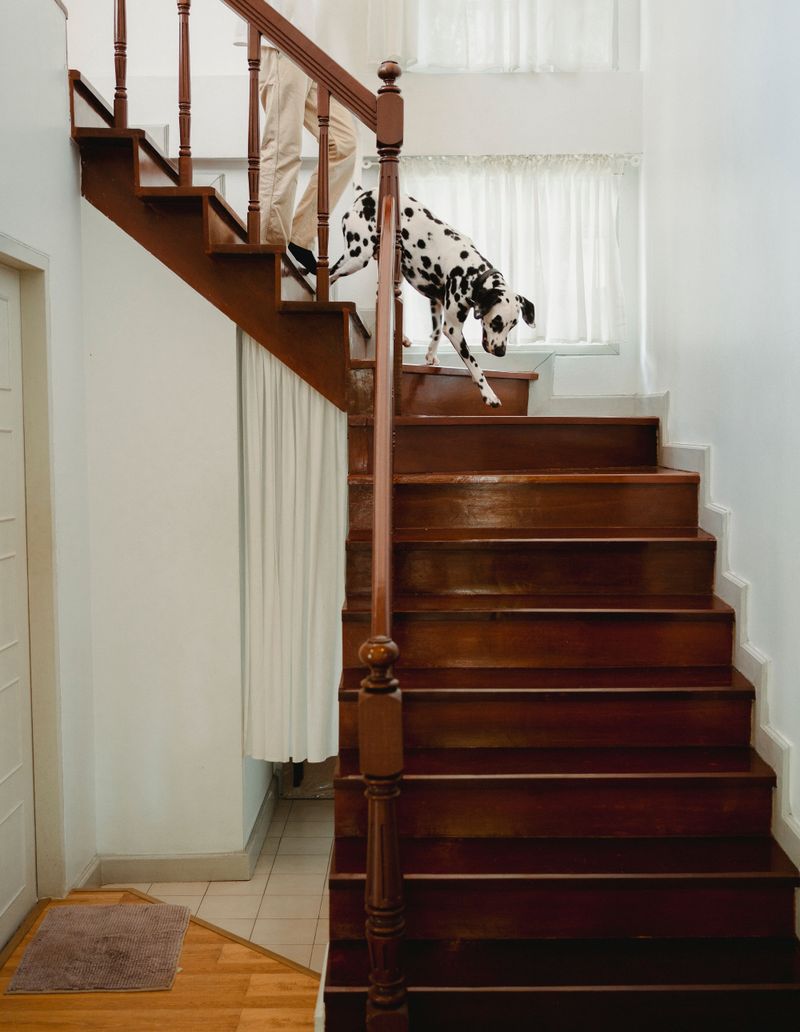
Fourth floor walkup? Do the math honestly.
Puppies need frequent breaks, senior dogs may struggle with steps, and a large dog can be tough to steady on a narrow staircase.
Elevators bring their own challenge, since some dogs find them unsettling at first.
Consider your own knees and schedule too. Choosing a dog suited to your building keeps daily routines pleasant for both of you.
14. Measure Space For Gear Before You Commit

Dog equipment takes up more room than most renters expect. A crate, bed, bowls, food storage, leashes, toys, and grooming supplies all need a home.
Measure a crate footprint against your actual floor plan, not your imagination.
Giving your dog one consistent quiet corner helps them settle faster in a new place. Vertical shelving keeps supplies tidy in smaller studio layouts.
15. Leash Expectations In Common Areas

Hallways, courtyards, lobbies, and parking lots almost always require a leash. Length limits show up too, with Cleveland Metroparks specifying leashes no longer than six or eight feet.
Pools, laundry rooms, and fitness areas are usually off limits to pets.
Retractable leashes offer little control in tight spaces. A standard four to six foot lead keeps greetings calm and neighbors comfortable.
16. Map Your Daily Exercise Route

Apartment dogs burn energy outside, so know your options. Cleveland requires leashes in Metroparks, with off leash play limited to designated spots like Lakewood Bark Park and Euclid Dog Park.
Columbus offers Big Walnut, Godown, Spindler, Three Creeks, and Wheeler dog parks.
Most require licensing, current rabies vaccination, and leashes at entry gates. Handlers stay responsible for behavior and cleanup.
17. Budget For Licensing And Routine Care

Ohio requires licenses for all dogs three months or older, renewed each year between December 1 and January 31. Cuyahoga County charges 20 dollars for a one year tag, rising to 40 dollars after the deadline.
Franklin County charges 19 dollars, with a matching late fee.
Then add food, checkups, vaccines, parasite prevention, grooming, and training into your monthly plan.
18. Have A Plan For The Unexpected

Maintenance visits, work trips, and late nights all happen. Arrange crating or off site care so workers can move safely through your unit.
Columbus offers boarding and daycare options, and both cities have in home sitters and walkers.
Save an emergency clinic number now: MedVet operates in Cleveland and Columbus, alongside other round the clock hospitals. Preparation turns surprises into simple, manageable moments.