18 Tennessee Dog Laws Many Pet Owners Overlook

If you share your home with a dog in Tennessee, a little legal know-how goes a long way. Most of these rules exist for simple reasons: healthy pets, safe neighborhoods, and fewer stressful surprises.
Some are statewide, while others shift from one county or city to the next. Think of this as a friendly walkthrough from someone who has read the fine print, so you can spend less time worrying and more time enjoying your dog.
1. Rabies Shots Are Required Once Your Dog Turns Six Months
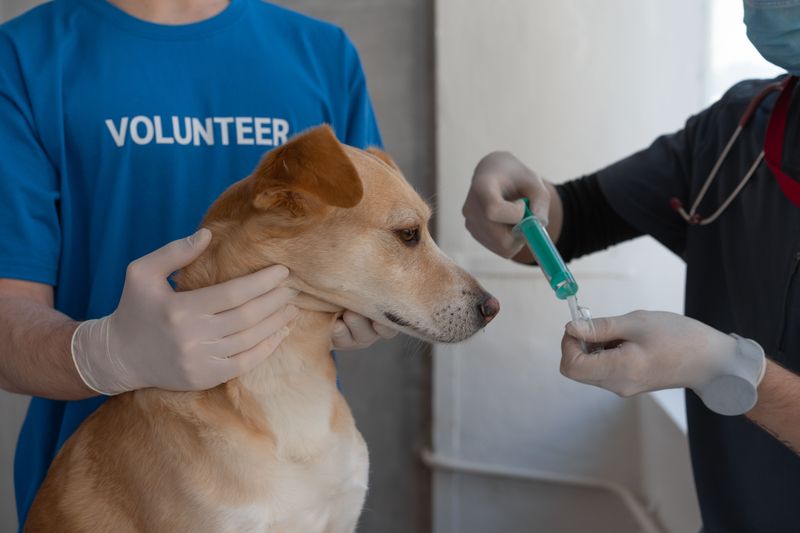
Tennessee sets a clear deadline: dogs older than six months must carry a current rabies vaccination. Puppies can often start as early as three months, depending on the vaccine label.
Some counties, including Knox County, ask for vaccination sooner than the state minimum. Mark your calendar when the shot is given, since boosters follow a schedule.
Keeping the paperwork in a folder near the leash saves a lot of scrambling later.
2. Only a Veterinarian Can Give That Rabies Vaccine
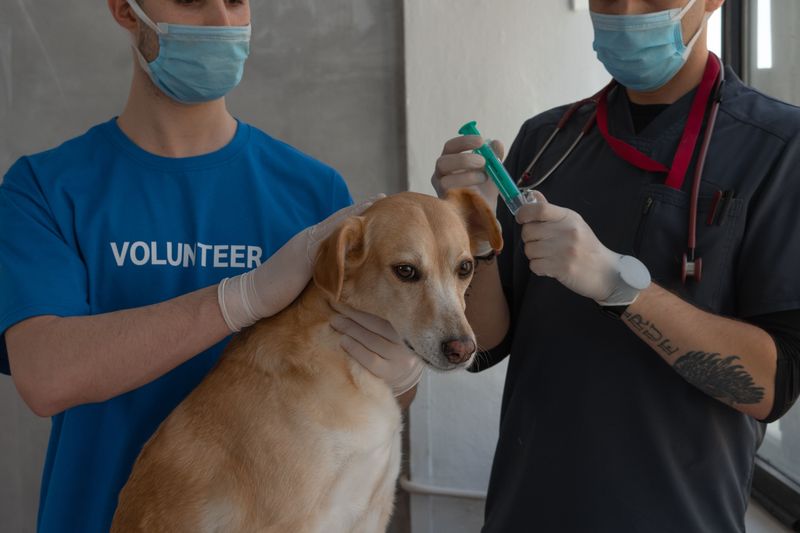
Home remedies and mail-order shortcuts do not count here. State law says a licensed veterinarian, or a trained person working under that veterinarian’s supervision, must administer the rabies vaccine.
There is a practical reason behind the rule. Proper handling, correct injection sites, and official documentation all matter if your dog is ever involved in a bite report.
Low-cost clinics run by veterinarians are widely available across the state.
3. That Little Metal Tag Is Legal Proof
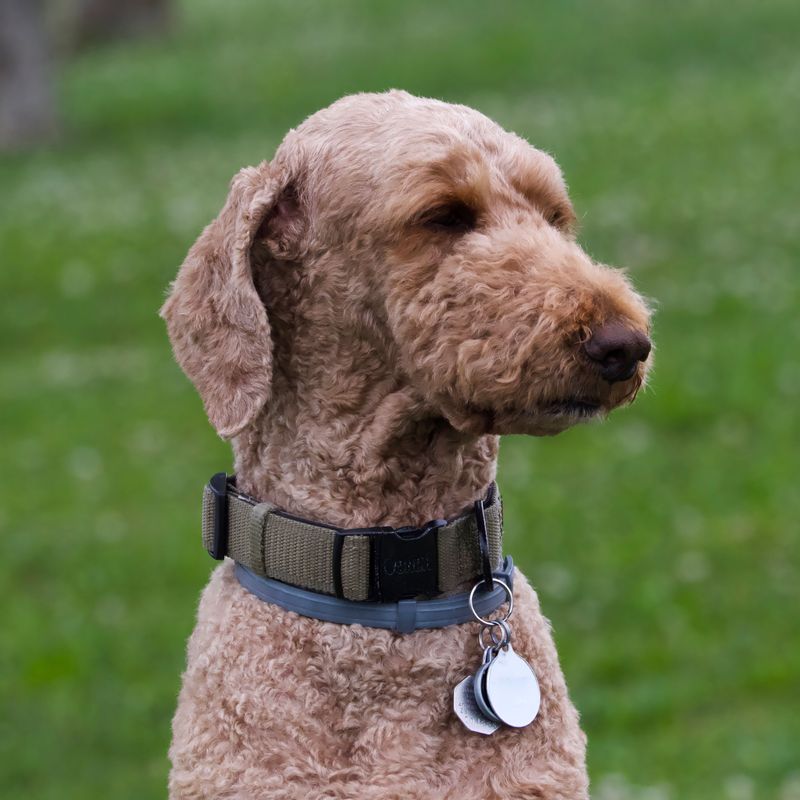
Jingling tags are more than noise. Vaccinated dogs are generally expected to wear a collar with a metal rabies tag or other evidence of current vaccination.
Hunting dogs get some flexibility, since collars may be removed during a chase or on the return trip. Vaccination itself is still required.
Keep the vaccination certificate too. It is the document that truly proves your dog is covered.
4. Your City or County May Want Your Dog Registered

Beyond state rules, plenty of Tennessee towns run their own licensing programs. Registration usually requires proof of a current rabies vaccination before a certificate or tag is issued.
Knoxville and Shelby County both use annual dog licensing, for example. Fees and renewal dates vary quite a bit.
A quick call to your local animal services office clears up exactly what applies where you live.
5. Roaming Dogs Can Be Picked Up and Impounded

A gate left ajar can turn into an afternoon at the shelter. Peace officers may seize and impound a dog found running at large.
Running at large generally means the dog is off your property, uncontrolled, on someone else’s land without permission or in public spaces like roads and parks.
Some local governments also let animal control collect dogs trespassing on private property.
6. Tagged Dogs Get a Five-Day Reclaim Window

Identification pays off fast. When an impounded dog wears a rabies tag or other ID, authorities must make reasonable efforts to reach the owner.
After that notification attempt, you generally have five days to reclaim your dog and pay the pound fee.
A microchip with updated contact information adds another layer of protection. Shelters check for chips as a routine step during intake.
7. No ID Means a Much Shorter Hold Period

Here is the part that surprises people. Dogs arriving without tags or other proof of ownership may be held for as little as three days.
If no owner claims them in that window, they can be placed for adoption or handled under the shelter’s other procedures.
Collars, tags, and microchips buy your dog time. It is one of the cheapest safety steps available.
8. Bite Reports Can Trigger a Confinement Order
When a dog bites someone or rabies is suspected, an observation period may be ordered. Confinement or quarantine lasts for a length set by the state commissioner or departmental rules.
For an animal that bites a person, ten days is the standard watch period.
Cooperating early keeps the process simple. Health officials mainly want to confirm the dog stays healthy throughout.
9. Home Observation Is Sometimes an Option

Good news for anxious pets: the observation period can sometimes take place at your own home. That decision rests with the health department or local animal control program.
If a vaccinated pet is exposed to an animal suspected of carrying rabies, a booster plus about 45 days of at-home observation may be required.
Follow the instructions closely, and keep your veterinarian in the loop.
10. Hiding a Dog From Rabies Rules Is a Criminal Offense

Tempting as it might feel to avoid paperwork, concealing a dog kept in violation of rabies vaccination or observation requirements is against the law.
Tennessee treats it as a Class C misdemeanor. The rule exists so public health workers can track exposures accurately.
If you are behind on vaccines, calling a clinic solves the problem in one appointment. Honesty here costs far less than avoidance.
11. Adopted Dogs Need Rabies Coverage Before Going Home
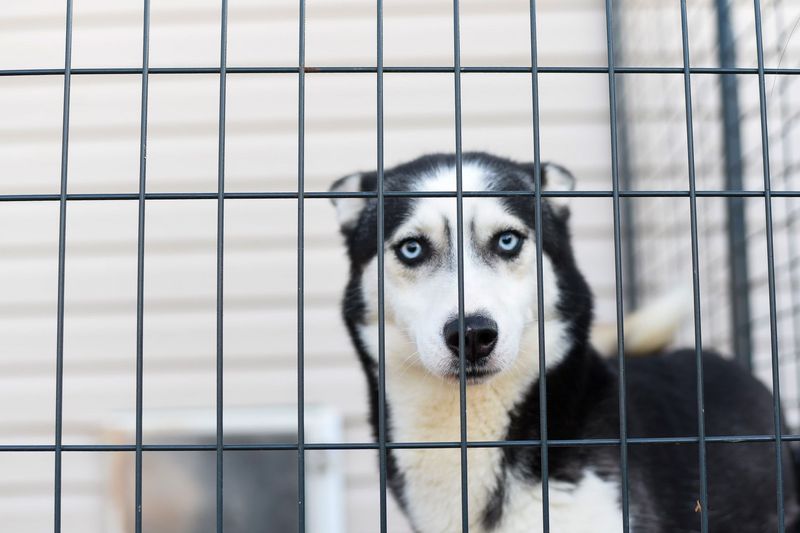
Bringing home a shelter dog comes with a health checkpoint. Dogs three months and older generally cannot leave a shelter without proof of current rabies vaccination.
Otherwise, the shelter vaccinates the animal and issues a tag before release. Certain counties permit adoption first, provided the vaccine happens within roughly 72 hours.
Ask for the records at pickup so your first vet visit starts on solid ground.
12. Reasonable Control Is Your Legal Duty

Ownership comes with an ongoing responsibility to keep your dog under reasonable control. Preventing your dog from running at large is part of that duty.
The definition covers uncontrolled time on another person’s property without permission, plus highways, roads, and streets.
Sturdy fencing, a checked gate latch, and reliable leash habits handle most of it. Recall training helps on the days something unexpected happens.
13. Criminal Penalties Rise With the Harm Caused

Penalties for a loose dog scale with the outcome. A basic running at large violation is a Class C misdemeanor.
Property damage raises it to a Class B misdemeanor, and bodily injury to a Class A misdemeanor. Serious bodily injury becomes a Class E felony, with the most severe outcomes classified as a Class D felony.
Courts may also order full restitution for damages. Containment prevents all of it.
14. Civil Liability Can Apply Even Without Warning Signs

Separate from criminal charges, a civil claim can follow if your loose dog injures someone in public or on property where that person is lawfully present.
Liability may attach even if your dog never showed aggressive tendencies before.
Injuries on your own residential, farm, or noncommercial land work differently. There, the injured person usually must show you knew of a dangerous tendency.
Homeowners insurance often matters here.
15. Confining a Female Dog in Heat: Check Local Rules

You may have heard about a 24-day confinement requirement for female dogs in heat. Statewide Tennessee law does not spell that out.
Rules like this typically come from county or city ordinances instead, and they vary widely.
Before assuming either way, call your local animal control or read your municipal code. Spaying, when your veterinarian advises it, removes the question entirely and offers health benefits too.
16. Food, Water, Care, and Shelter Are Not Optional

State cruelty statutes require owners to provide necessary food, water, proper care, and adequate shelter. Intentionally or knowingly failing to do so is an offense.
Adequate shelter means real protection from heat, cold, wind, and rain, not just a tree for shade.
Fresh water daily, a dry resting spot, and routine veterinary attention cover the basics. Most owners already do this without thinking twice.
17. Unsafe Tethering Crosses Into Cruelty
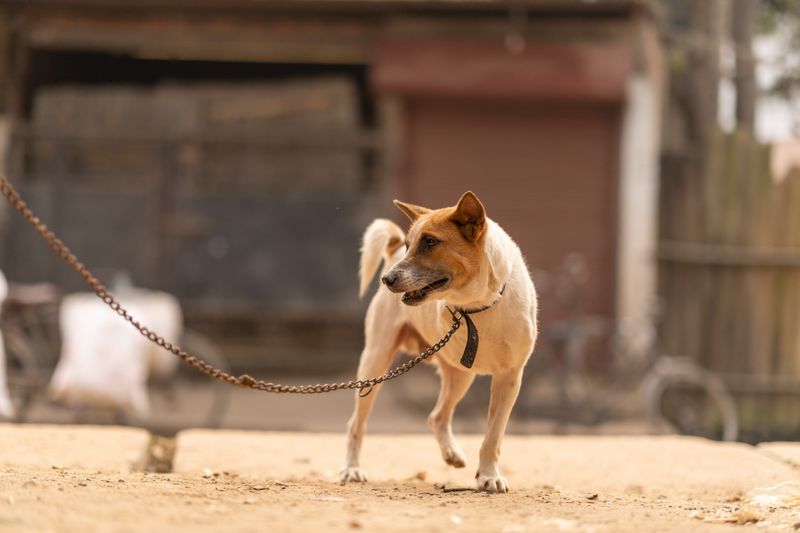
Tying or restraining a dog in a way that causes bodily injury is punishable as animal cruelty. Bodily injury includes cuts, bruises, burns, or temporary illness.
A first offense is a Class A misdemeanor, and repeat offenses can reach a Class E felony.
The law addresses tethering situations that can cause injuries or leave a dog without food, water, and shelter in severe weather. Local rules may be stricter.
18. Walking Away From a Dog Counts as Cruelty

Leaving a dog behind without essential food, water, or shelter falls under Tennessee’s animal cruelty statute, found at Tennessee Code 39-14-202.
Life circumstances change, and nobody plans for hardship. Shelters, rescue groups, and surrender programs exist precisely for those moments.
Reaching out to animal services gives the dog a safe path forward and keeps you on the right side of the law. That call is always the better option.


