18 Washington Yard Hazards That Appear After Windstorms And Heavy Rain
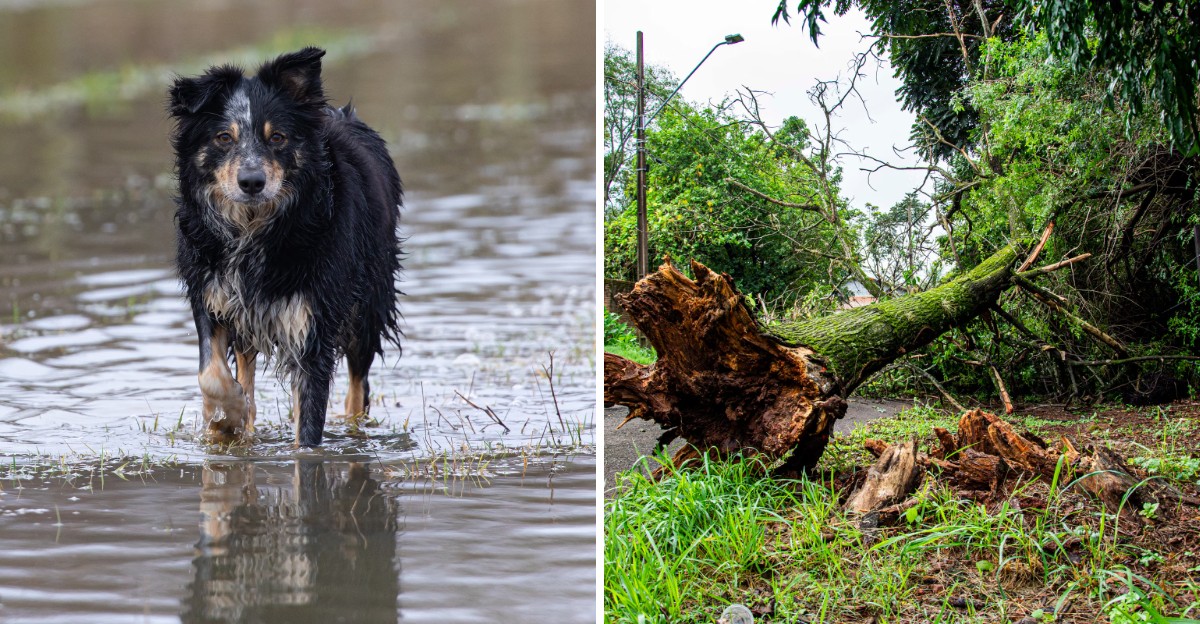
When a Pacific Northwest storm finally rolls out, your dog is probably ready to race outside. Before you open the door, it helps to know what the wind and rain may have left behind.
Some changes are easy to spot, while others hide in mud, puddles, or tall grass. A quick, calm yard check keeps your pup safe and gives you real peace of mind.
1. Fallen Branches and Hanging Limbs
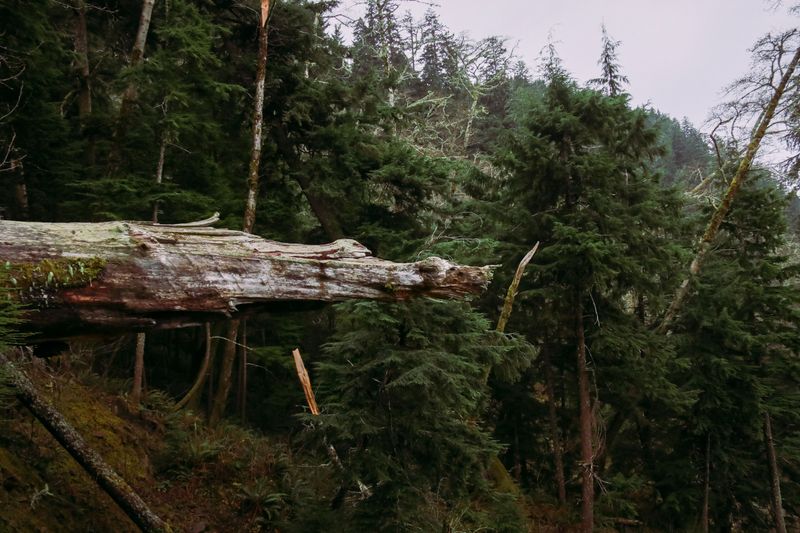
Look up before you look down. Arborists call loose, dangling limbs widow makers because they can drop with only a small gust.
Branches already on the ground may also be bent under tension. Moving them can make them snap back suddenly.
Keep your dog leashed and away from the area until the yard is cleared. For large or high limbs, a professional tree service is the safest choice.
2. Leaning or Partially Uprooted Trees
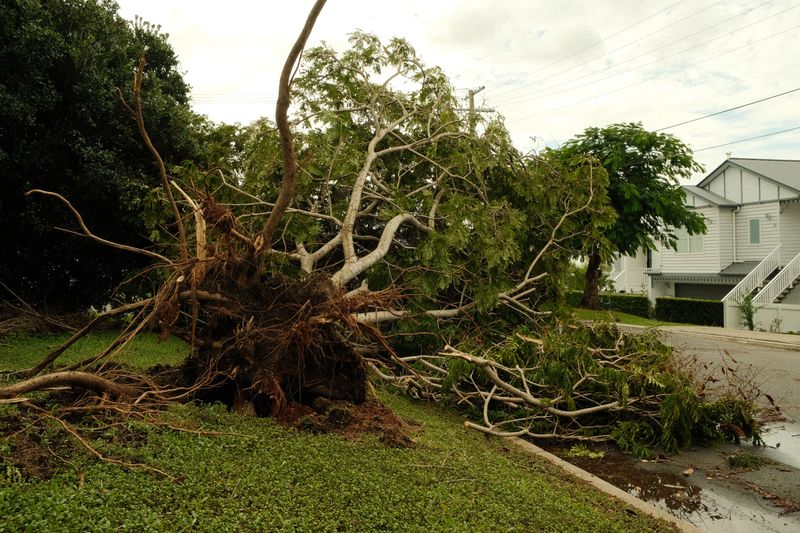
A tree that stood straight yesterday but tilts today is sending a clear message. Its roots have likely lost their grip.
Soggy Washington soil loosens anchoring roots, especially after days of steady rain. Watch for cracked soil, raised earth, or exposed roots near the base.
Fence off the area so your dog cannot play or rest nearby. Then ask a certified arborist to assess whether the tree can stay.
3. Downed Power Lines or Hidden Wires
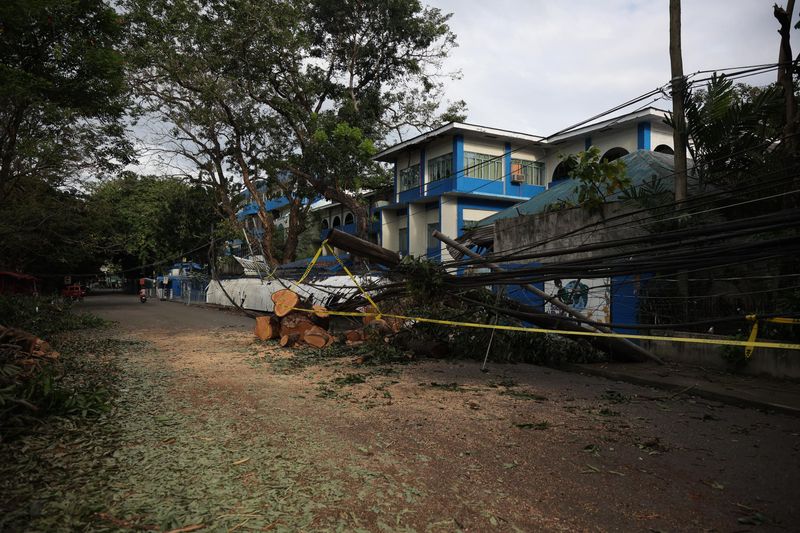
Every fallen wire deserves respect. Utilities advise treating all downed lines as live and staying at least 35 feet away.
Electricity can travel through wet ground, so contact is not required for danger. Wires tangled in brush are especially easy to miss.
Keep your dog inside and call your utility, such as Puget Sound Energy or Seattle City Light. If anyone is in immediate danger, call 911 right away.
4. Broken Fencing and New Escape Gaps
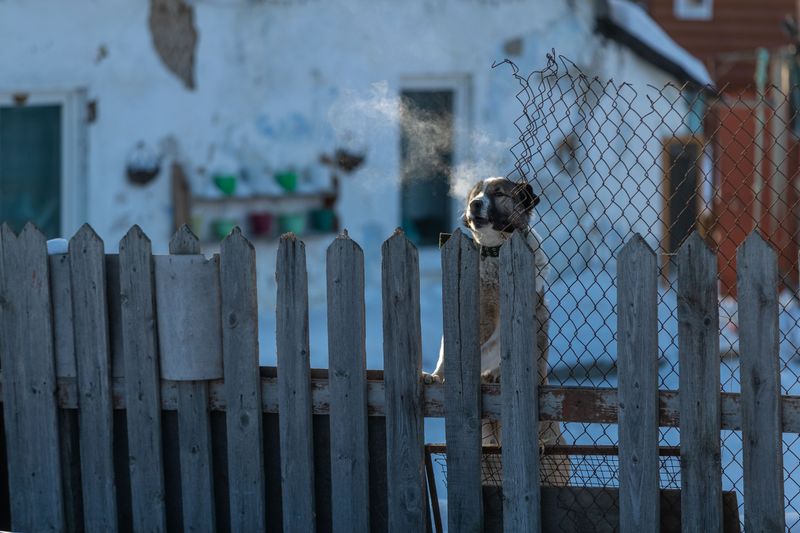
Picture this: your dog sniffs along the fence and finds a brand new doorway. Storms often loosen boards, snap posts, and pop gate latches.
Frightened dogs may bolt after loud wind or thunder. Electric fences can also stop working during power outages.
Walk the full fence line before letting your pup roam. Patch gaps with temporary panels, and check that tags and microchip details are current.
5. Flooded Sections of the Yard
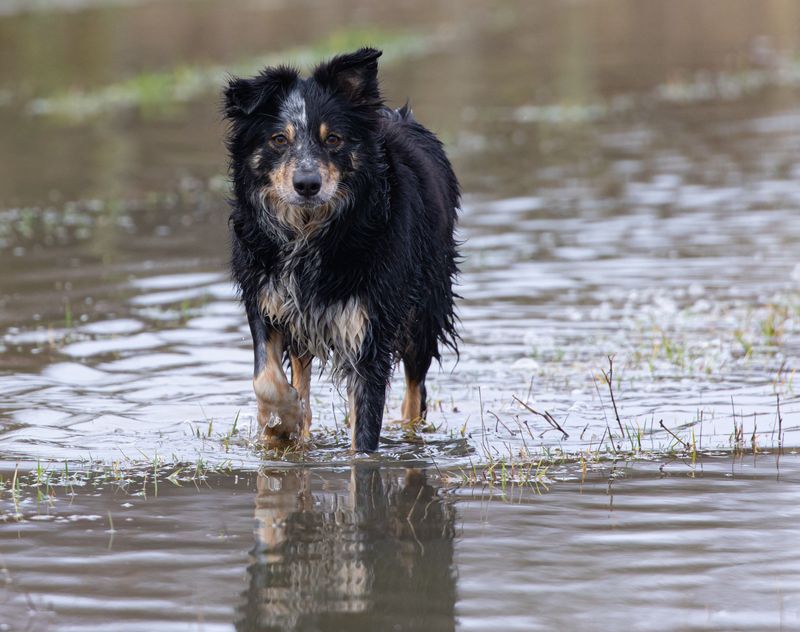
Water pooling across the lawn might look like a fun splash zone. Unfortunately, floodwater can carry bacteria, parasites, and hidden sharp objects.
Leptospirosis and giardia are two illnesses dogs may pick up from contaminated water. Cold, muddy water can also chill a dog quickly.
Guide your pup around flooded patches on a leash. Rinse and dry paws afterward, and ask your veterinarian about the leptospirosis vaccine.
6. Fast-Moving Runoff and Overflowing Ditches
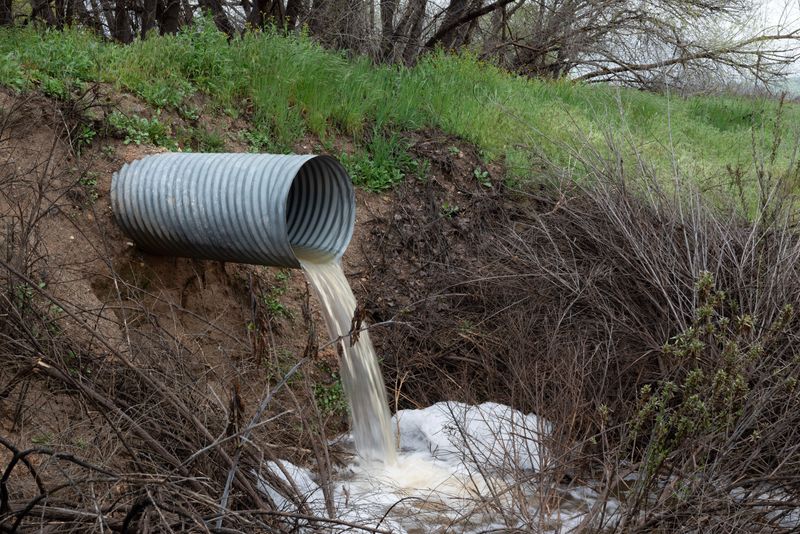
Ditches that trickle all summer can turn into rushing streams overnight. Even shallow moving water can knock a dog off its feet.
Runoff also picks up dirt and pollutants from roads and driveways. That makes it unsafe to drink or wade through.
Keep dogs well back from ditches and culverts during and after storms. A short leash near property edges is a simple, smart habit.
7. Deep Puddles Hiding Holes or Sharp Objects
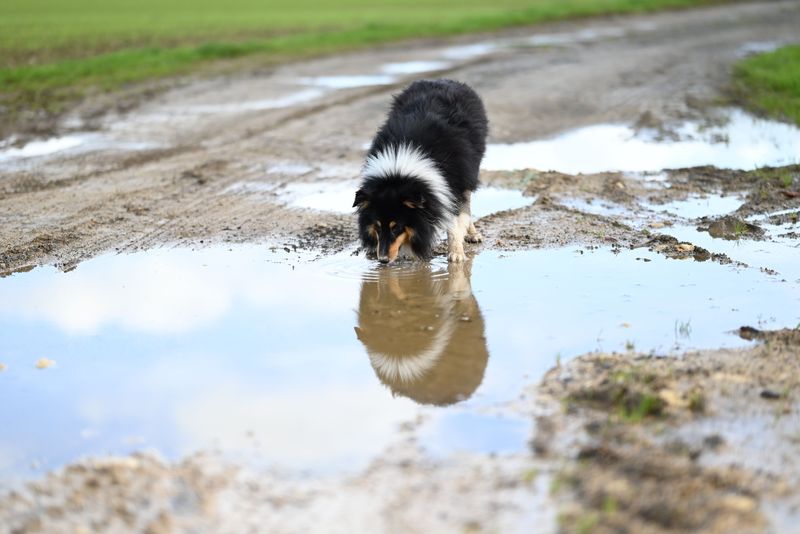
Puddles are sneaky. A calm surface can cover a hole, a broken tool, or jagged debris.
Dogs who splash through may cut their paws or twist a leg. Many also sip from puddles, which may contain oil, antifreeze, or germs.
Offer fresh water before outdoor time so your dog feels less tempted. Probe large puddles with a stick if you need to cross them.
8. Muddy Slopes That May Shift
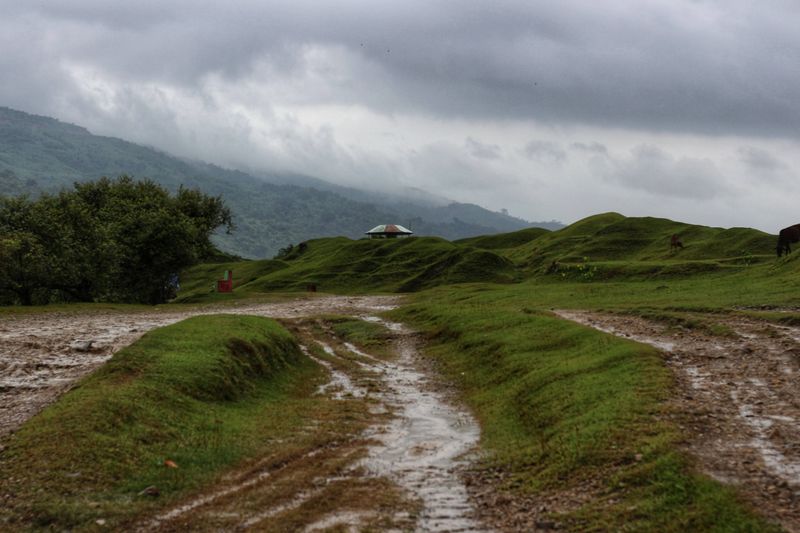
Washington’s hills are beautiful, but soaked soil can lose its strength. Heavy rain raises the chance of slides on slopes.
Warning signs include new cracks, bulging ground, tilted posts, or mud flowing downhill. A dog exploring there could slip or be caught if soil moves.
Keep pets off steep banks until things dry out. If you notice major shifts, contact your county or a geotechnical professional.
9. Fresh Sinkholes or Washed-Out Areas
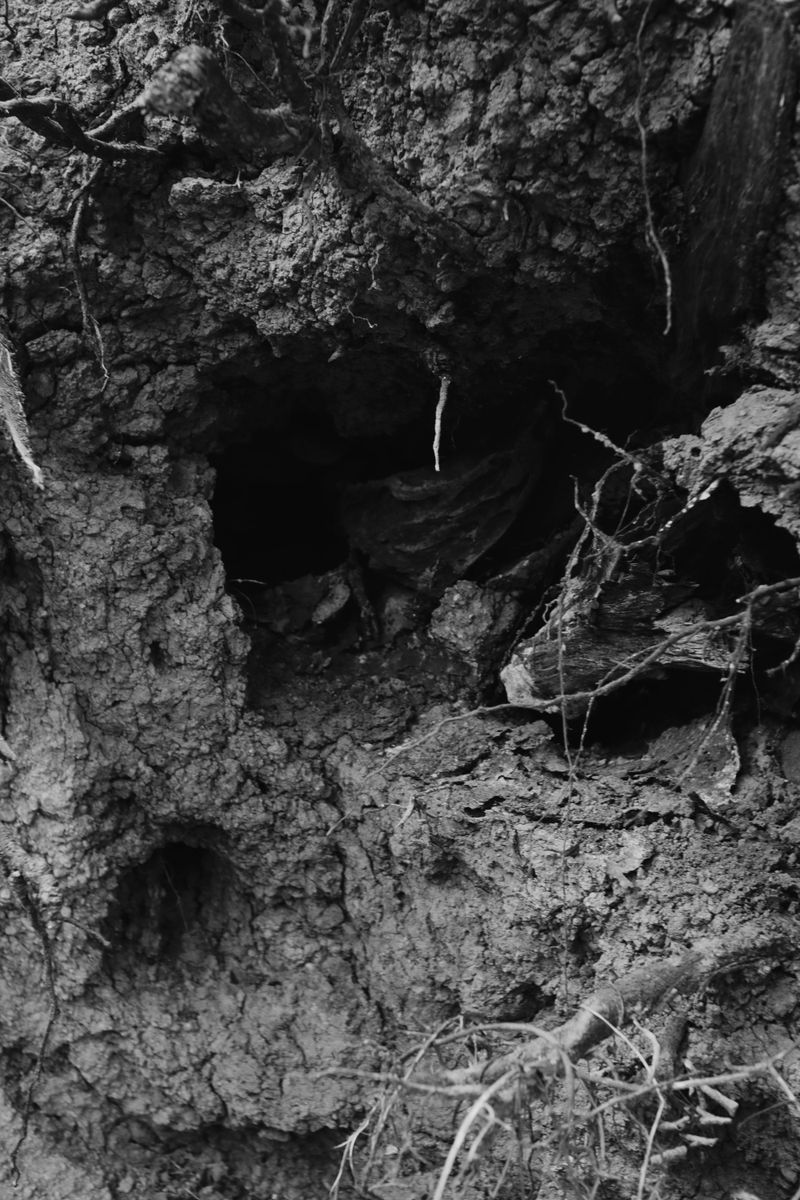
Here is a surprise many owners miss. Rushing water can carve hollow spots under grass that look solid.
Check near downspouts, drains, and yard edges where water flows hardest. Soft, sunken ground or small openings are clues.
Mark suspicious spots with stakes or cones so everyone avoids them. Fill small ones once dry, and call a professional for anything large or growing.
10. Broken Glass, Metal, and Roofing Pieces
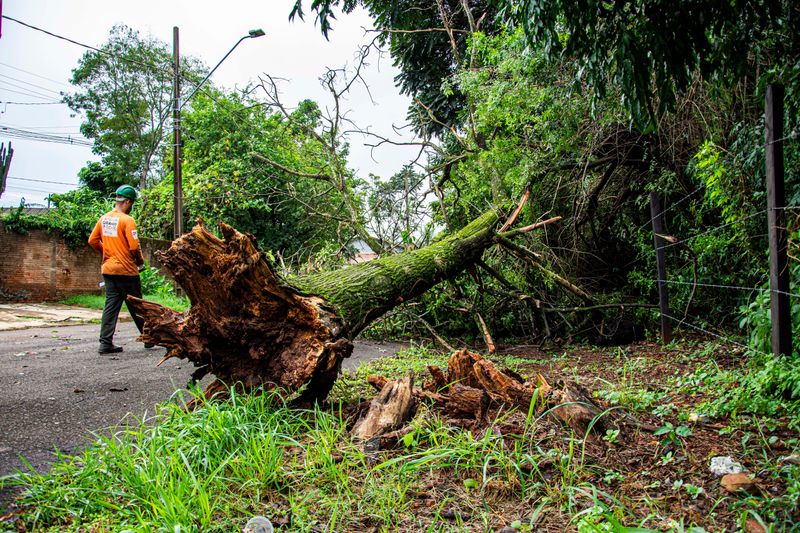
Wind is a messy delivery service. It can drop shingles, flashing, glass, and neighbors’ patio items right into your grass.
Paw cuts are among the most common injuries vets see after storms. Small shards often hide in thick, wet lawns.
Wear gloves and sturdy shoes while you sweep the yard. A rake and a strong magnet can help collect tiny metal bits quickly.
11. Exposed Nails and Splintered Wood
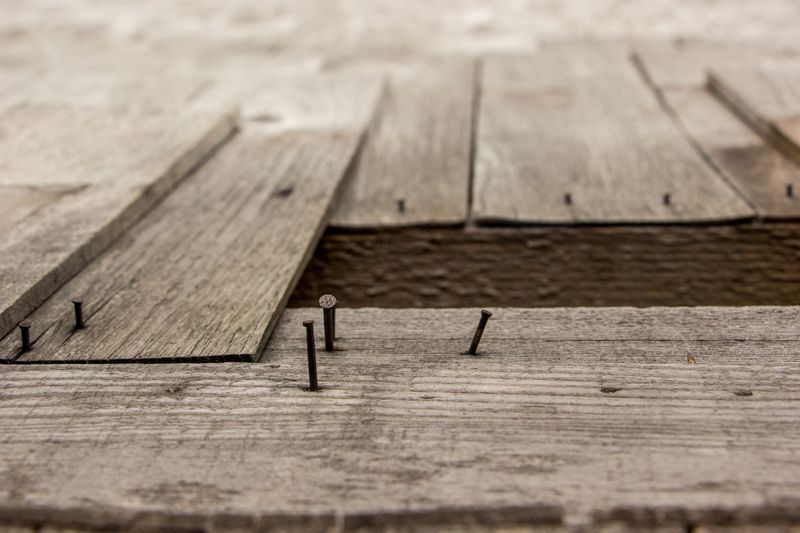
A cracked shed wall or fallen fence panel might seem harmless. Look closer, and you may spot poking nails or sharp splinters.
Curious dogs love sniffing and chewing broken wood. That can lead to punctures in paws, noses, or mouths.
Hammer down or pull out exposed fasteners right away. Stack damaged boards somewhere your dog cannot reach until repairs or disposal are finished.
12. Stormwater Polluted by Road Runoff
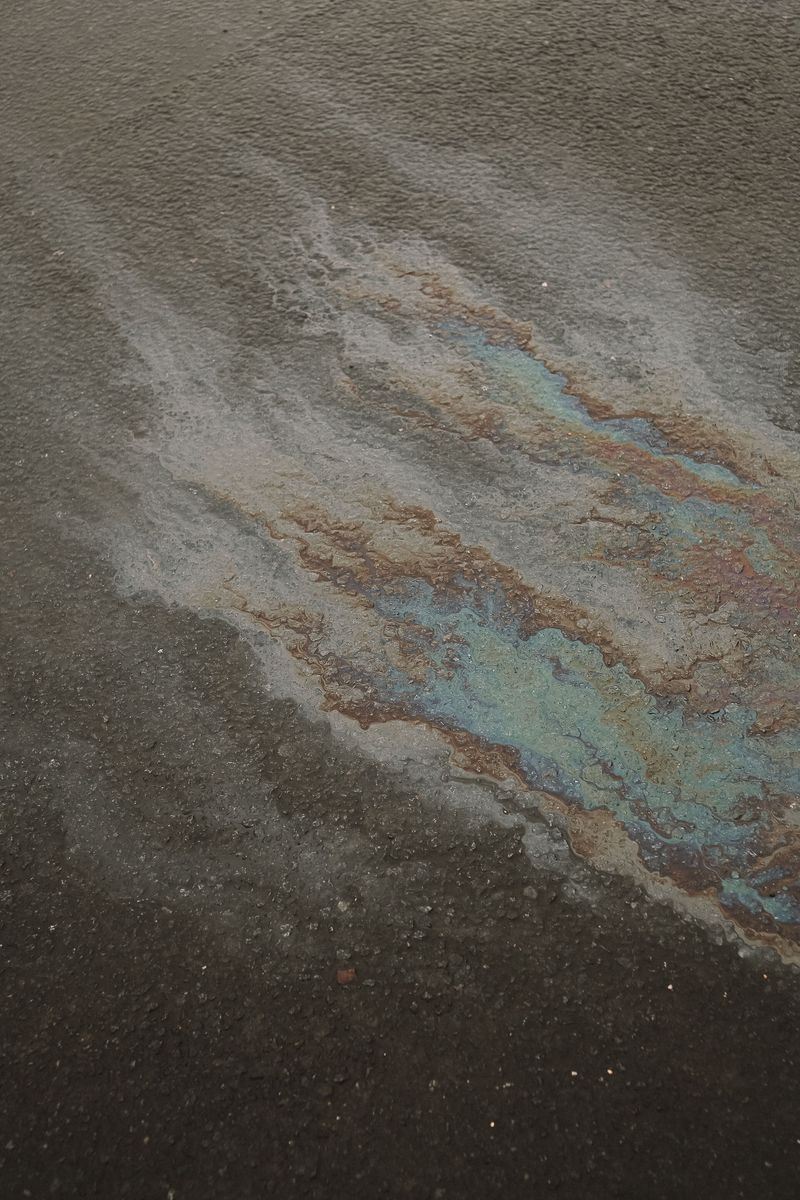
Ever notice a rainbow shimmer on a puddle? That sheen often comes from oil or fuel washed off pavement.
Stormwater can also carry fertilizer, pesticides, metals, and coolant. Pet waste left outdoors adds bacteria to the mix.
Keep dogs from drinking near driveways and curbs. Wipe paws after walks, and pick up waste promptly to help protect local streams too.
13. Septic Overflow and Sewage-Tainted Water
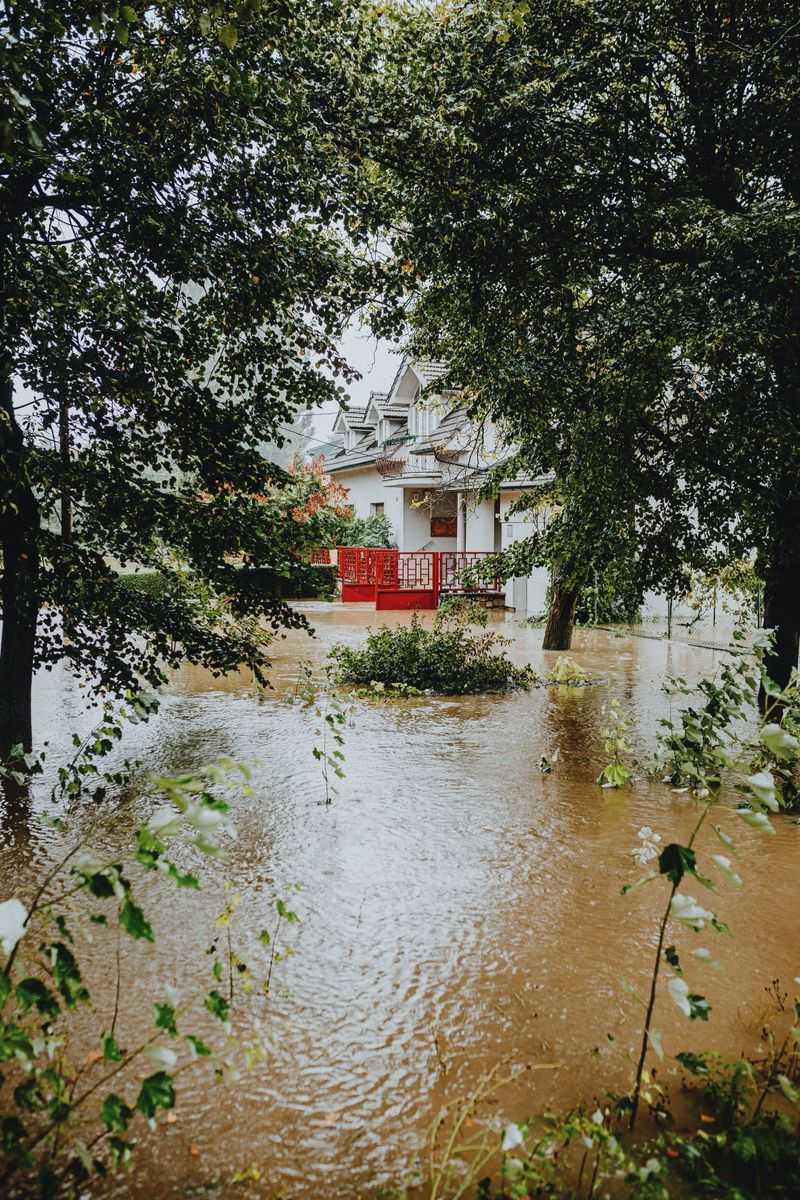
Rural homes on septic systems face an extra challenge. Saturated drain fields can back up, and floods may mix with sewage.
Soggy spots, strong odors, or unusually green patches over the drain field are warning signs. This water can carry harmful bacteria and parasites.
Block your dog’s access to the area. Contact a septic professional or your local health department for guidance on cleanup.
14. Mushrooms That Pop Up Overnight
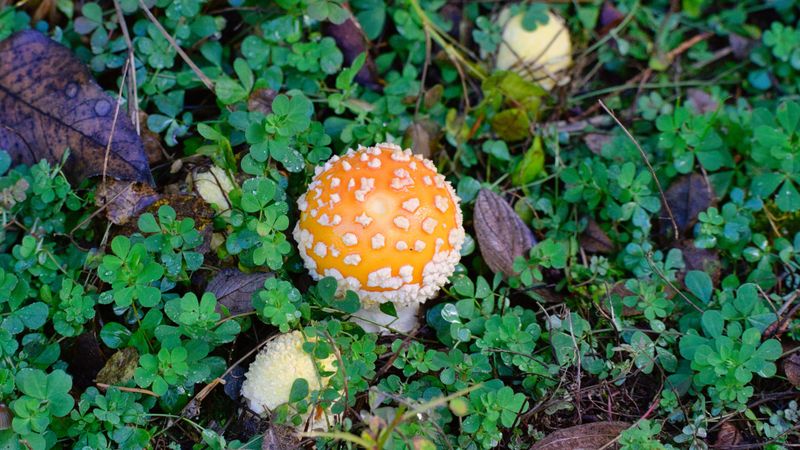
After a long soak, mushrooms can appear almost overnight. Some Pacific Northwest species, including certain Amanita mushrooms, are toxic to dogs.
Telling safe types from harmful ones is tricky, even for experts. Treat every wild mushroom as a possible risk.
Remove them regularly with gloves. If your dog eats one, call your veterinarian right away and bring a sample wrapped in a damp paper towel.
15. Moldy Leaves and Rotting Compost
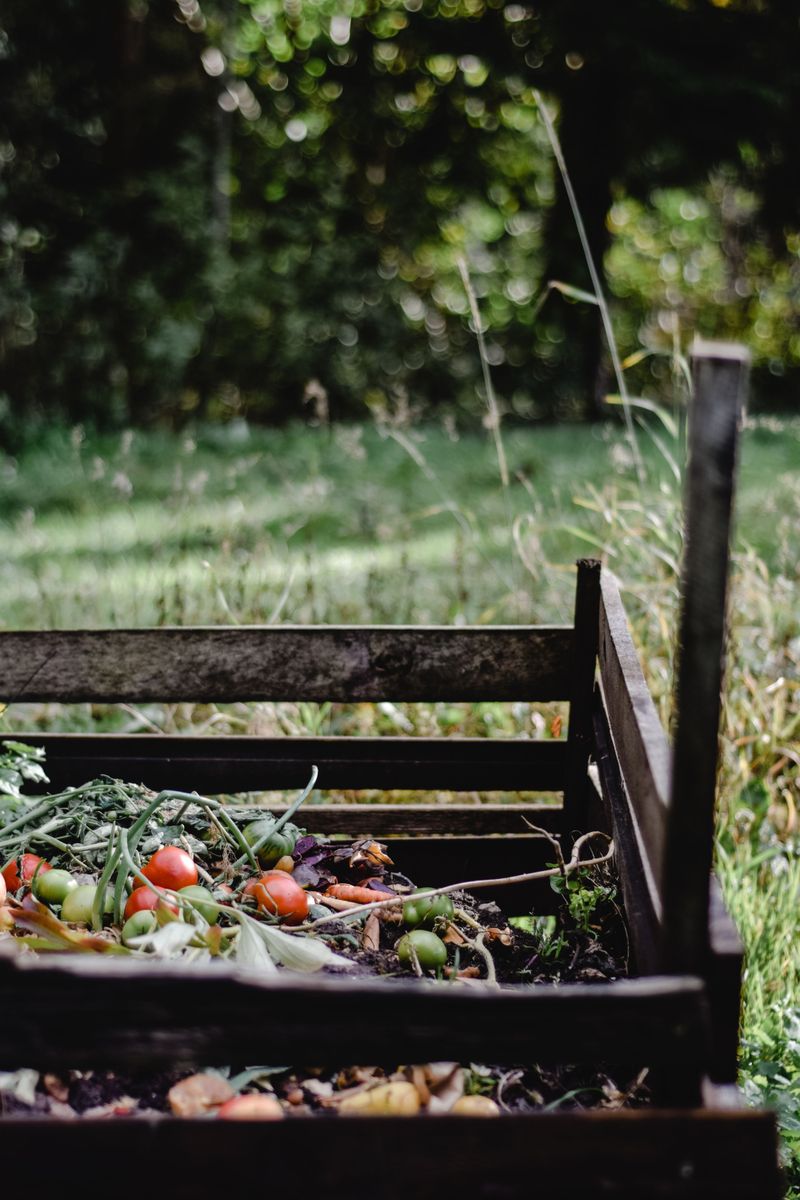
Damp leaf piles smell wonderful to a dog’s nose. Sadly, wet weather also speeds up mold and rot.
Moldy food in compost can produce tremorgenic mycotoxins, which can cause tremors in dogs. Rotting plants may also upset tummies.
Use a compost bin with a secure lid. Rake soggy leaves into bags, and call your vet if your dog shows shaking or vomiting.
16. Displaced Wildlife Seeking Shelter
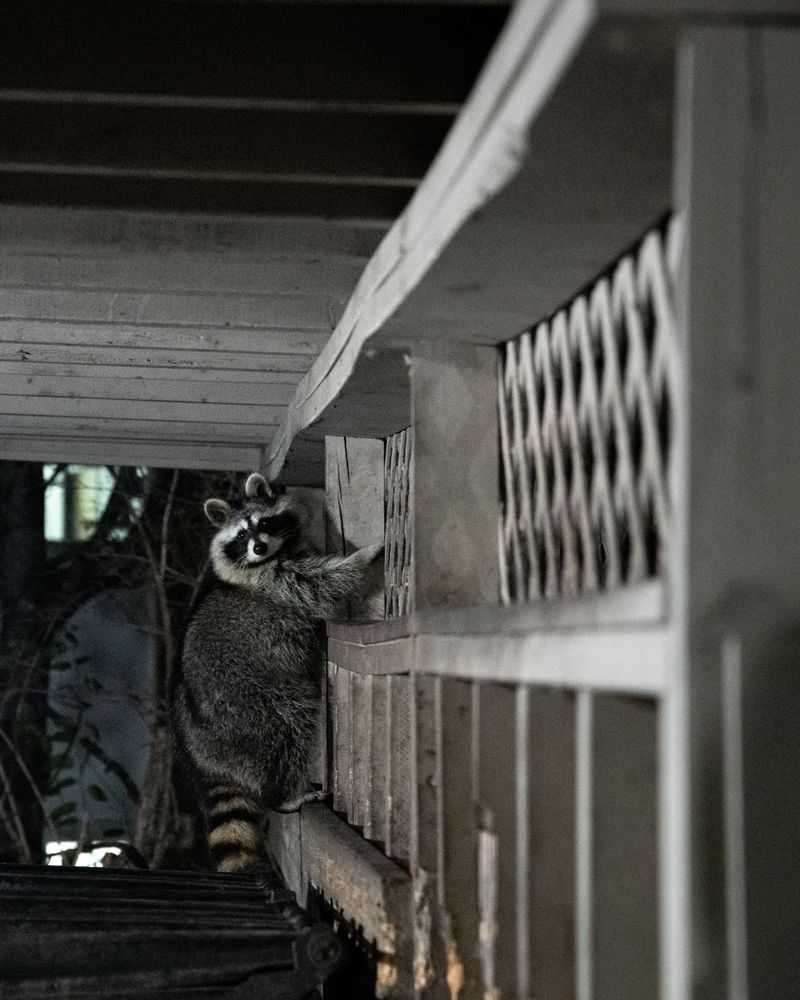
Storms leave wildlife looking for new hiding spots too. Raccoons, rodents, and bats may tuck under decks, sheds, or debris piles.
In Washington, bats are the main known carrier of rabies. Washington law requires dogs to have current rabies vaccinations.
Make noise before approaching hidden spaces, and keep your dog close. If a wild animal seems hurt or stuck, contact animal control or wildlife officials.
17. Damaged Outdoor Cords and Outlets
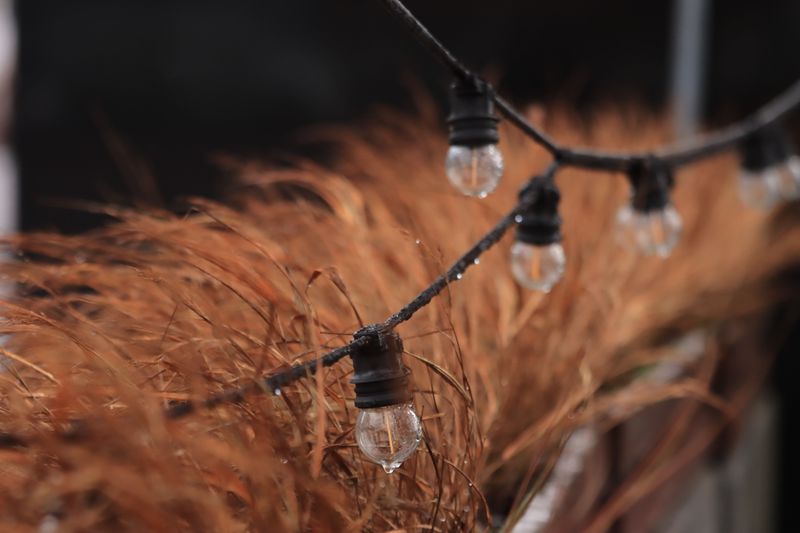
Holiday lights, pond pumps, and patio heaters all rely on outdoor wiring. Wind and falling debris can crack covers and fray cords.
Water plus damaged wiring creates a real shock hazard. Dogs who chew cords face added risk.
Switch off power at the breaker before inspecting anything wet. Replace damaged cords, and have a licensed electrician check outlets that look burned or broken.
18. Lingering Water That Breeds Mosquitoes
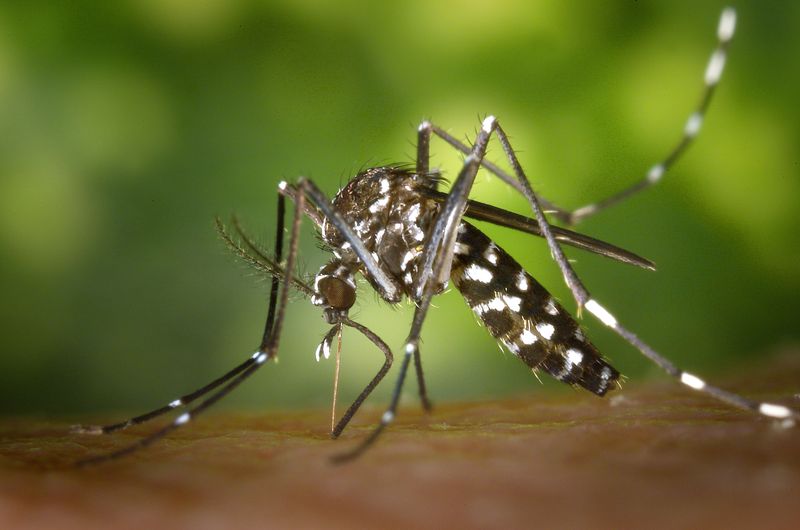
Mosquitoes need only a small amount of still water to breed. Buckets, clogged gutters, and flowerpot saucers all count.
These insects spread heartworm, and cases in Washington are reported more often than in past years. Many are linked to dogs traveling from other regions.
Dump standing water every few days. Ask your veterinarian about yearly heartworm testing and whether prevention makes sense for your dog.