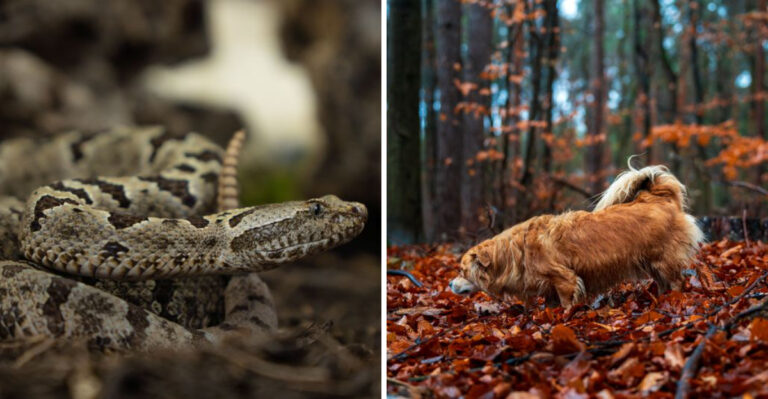
18 Wildlife Encounters Every North Carolina Dog Owner Should Know About
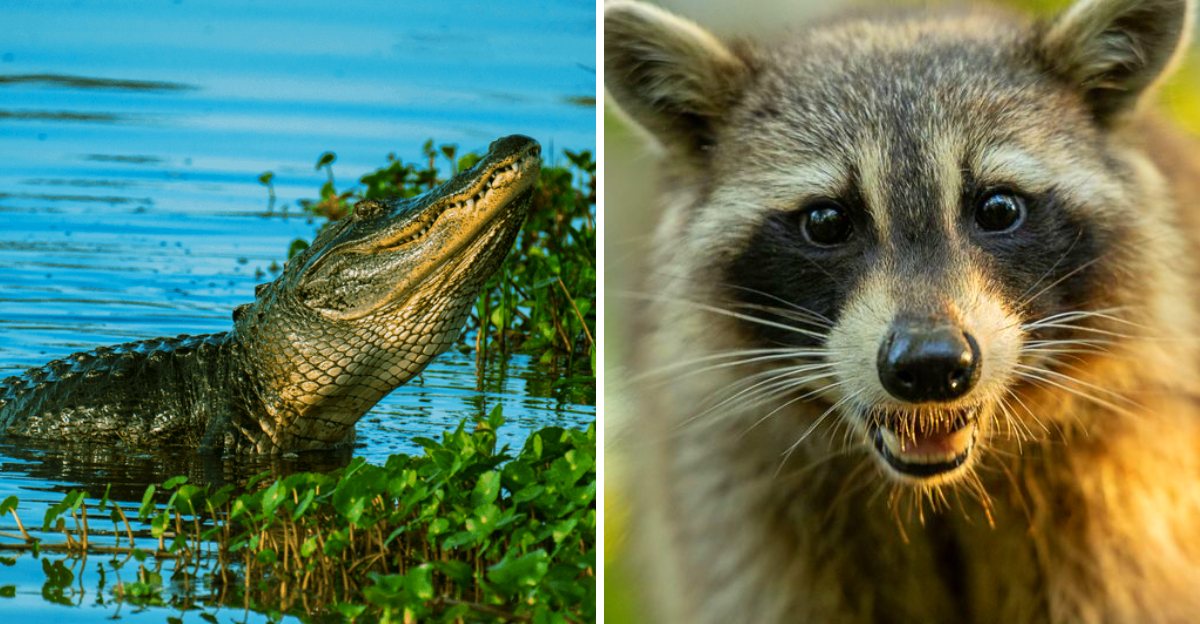
North Carolina is one of the most beautiful states for dog owners who love the outdoors. From the Smoky Mountains to the coastal marshes, there is no shortage of trails, parks, and open spaces to explore with your dog.
But sharing that landscape with local wildlife means knowing what you might encounter and how to handle it calmly and safely. This guide covers the animals most likely to cross your path, giving you the knowledge to protect your dog and respect the wild neighbors you share this state with.
1. Coyotes
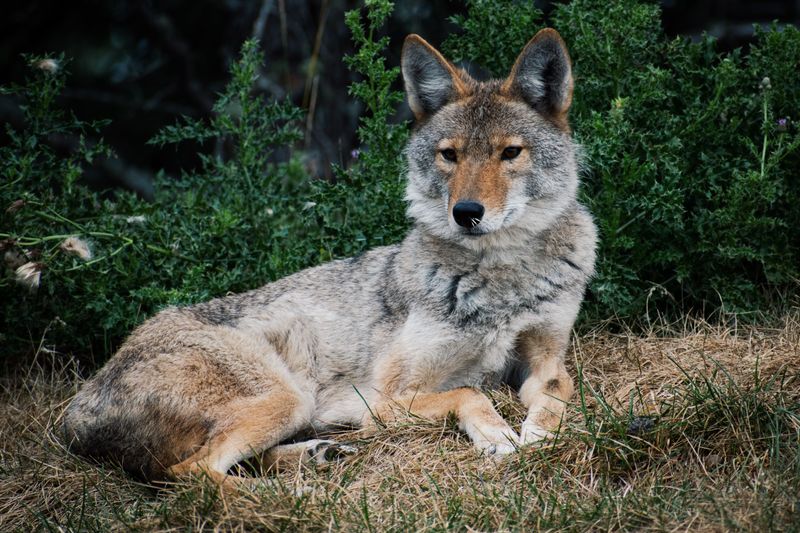
Coyotes are common across North Carolina, from rural farmland to suburban neighborhoods. They are most active at dawn and dusk, which is exactly when many dog owners head out for walks.
Small dogs are at greater risk, but coyotes may also challenge medium-sized dogs if they feel cornered.
Keep your dog on a leash and stay on well-lit paths. If a coyote approaches, stand tall, make noise, and back away slowly.
Never let your dog chase one.
2. Black Bears
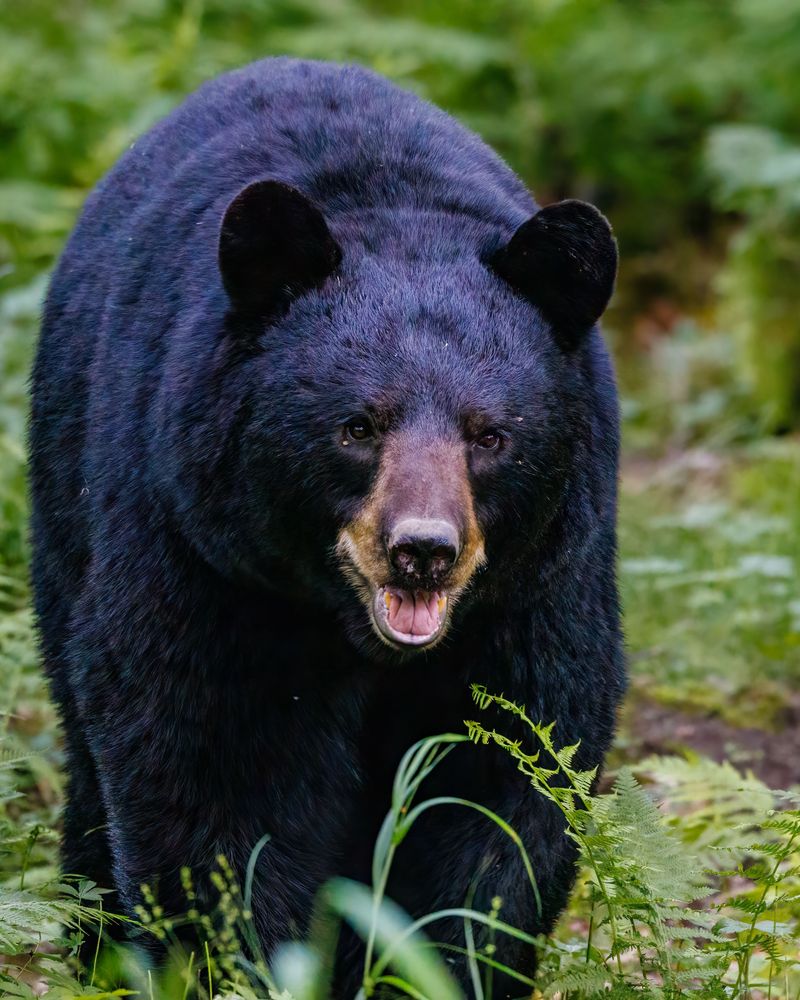
North Carolina has a healthy black bear population, especially in the western mountains and coastal plain. Bears rarely seek conflict, but a dog barking at one can quickly escalate a calm situation into a dangerous one.
Bears may stand their ground or charge if they feel threatened.
Keep dogs leashed in bear country and store food securely at campsites. If you spot a bear, calmly leash your dog and give the animal plenty of space to move away.
3. American Alligators
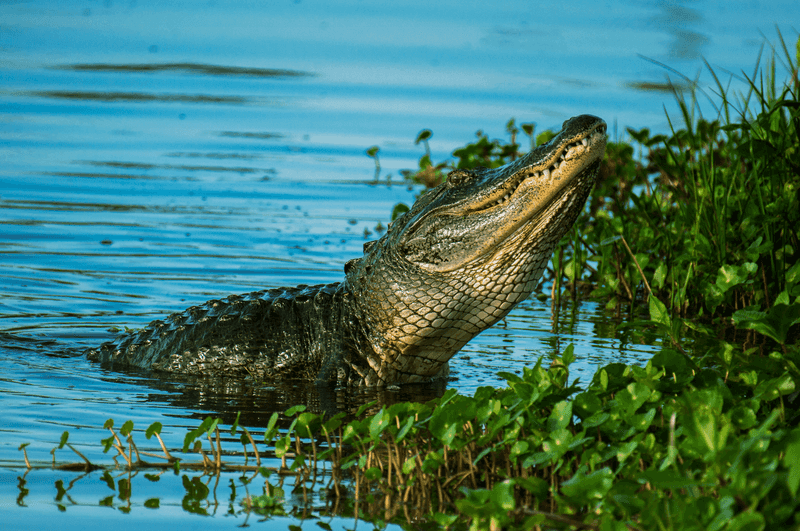
Alligators live in freshwater areas of eastern North Carolina, including rivers, ponds, and wetlands. They are surprisingly fast on land and are known to target small to medium-sized animals near the water’s edge.
Dogs splashing near shorelines can attract unwanted attention from a nearby gator.
Stay at least 60 feet from any alligator you spot. Keep your dog away from murky water edges, especially in warm months when alligators are most active and feeding.
4. Copperheads
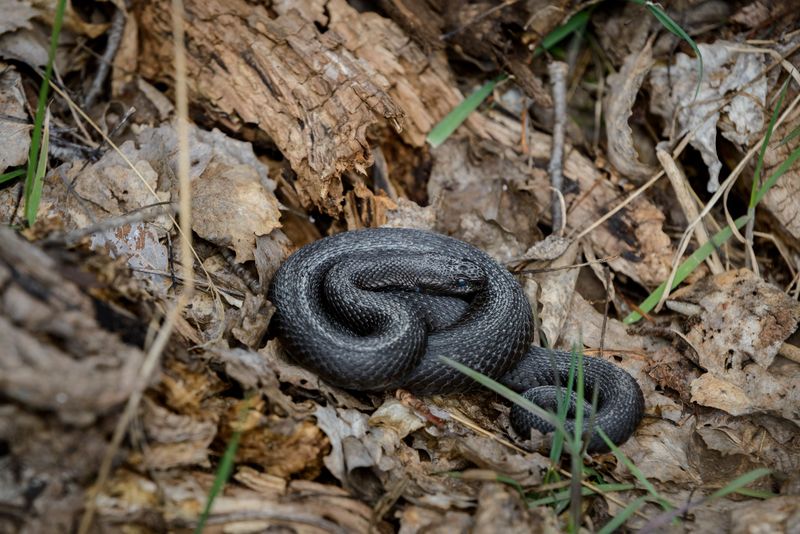
Copperheads are the snake most likely to bite a dog in North Carolina. They blend perfectly into leaf litter and are found statewide, from mountain forests to coastal backyards.
Most bites happen when a curious dog sniffs or paws at a snake before the owner notices it.
Bites cause pain and swelling and require a vet visit right away. Antivenom may or may not be needed, so let your vet assess the situation quickly and calmly.
5. Timber Rattlesnakes
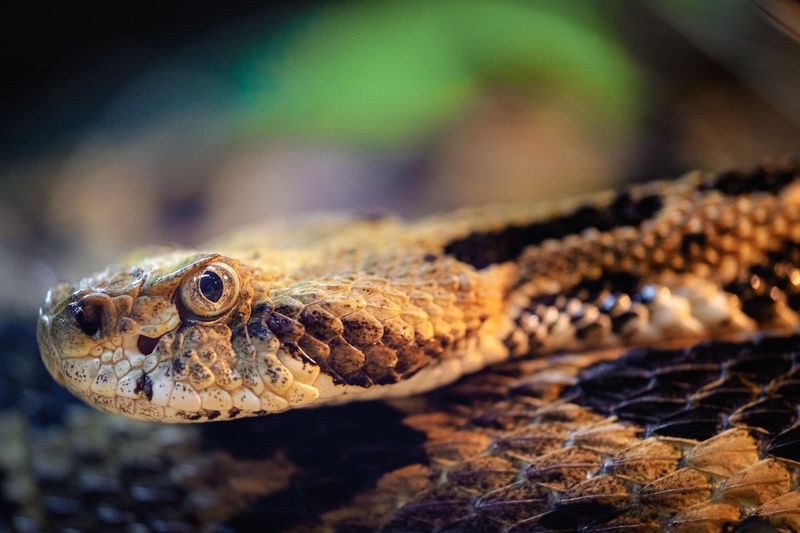
Found mostly in the mountains and piedmont, timber rattlesnakes are large and venomous. They tend to avoid confrontation, but a dog bounding off-trail can stumble upon one resting under a log or rock.
Bites deliver a serious amount of venom and can be life-threatening for dogs without fast treatment.
Keep dogs on leash on mountain trails and watch where they sniff. If bitten, carry your dog to minimize movement and get to an emergency vet as fast as possible.
6. Cottonmouths
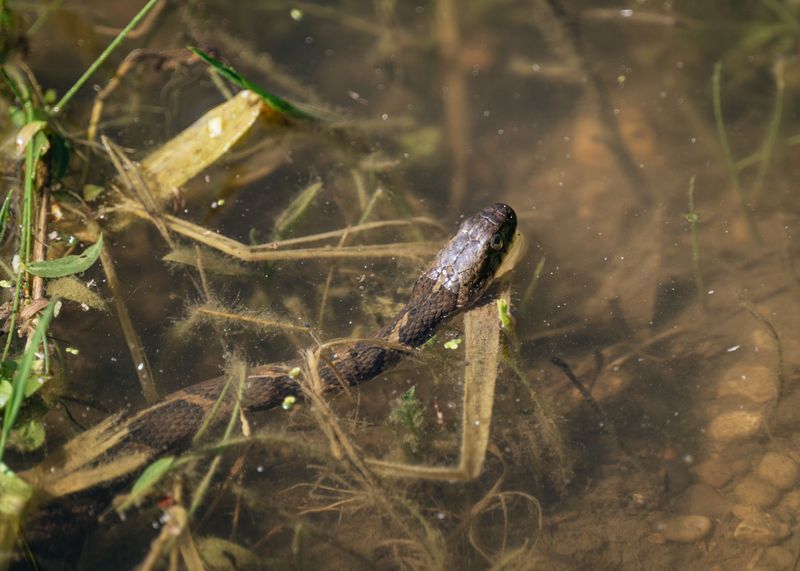
Cottonmouths, also called water moccasins, live in the wetlands and slow-moving waters of eastern North Carolina. Unlike many snakes, they sometimes hold their ground rather than retreating.
Dogs that swim in marshy areas or investigate water’s edge vegetation are at real risk of a close encounter.
A cottonmouth bite is a medical emergency for dogs. Seek veterinary care immediately.
Keeping dogs out of murky, swampy water is the simplest and most effective way to avoid this snake entirely.
7. Pigmy Rattlesnakes
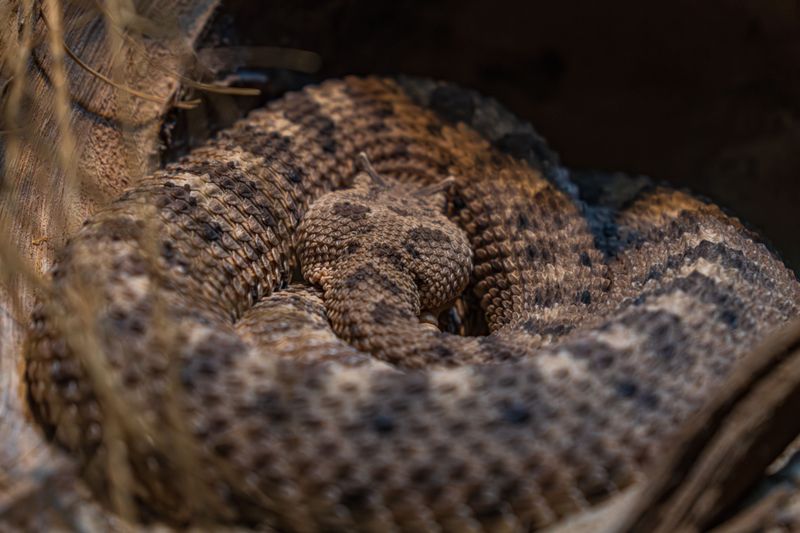
Pigmy rattlesnakes are small, easy to miss, and found in the sandhills and coastal plain of North Carolina. Their rattle is so faint it sounds more like a buzzing insect than a warning.
That makes them especially tricky for dogs, who may nose right up to one without either party giving much warning.
Although their venom is less potent than larger rattlesnakes, bites still cause significant pain and swelling. Always visit a vet after any suspected snake bite, no matter the snake’s size.
8. Eastern Diamondback Rattlesnakes
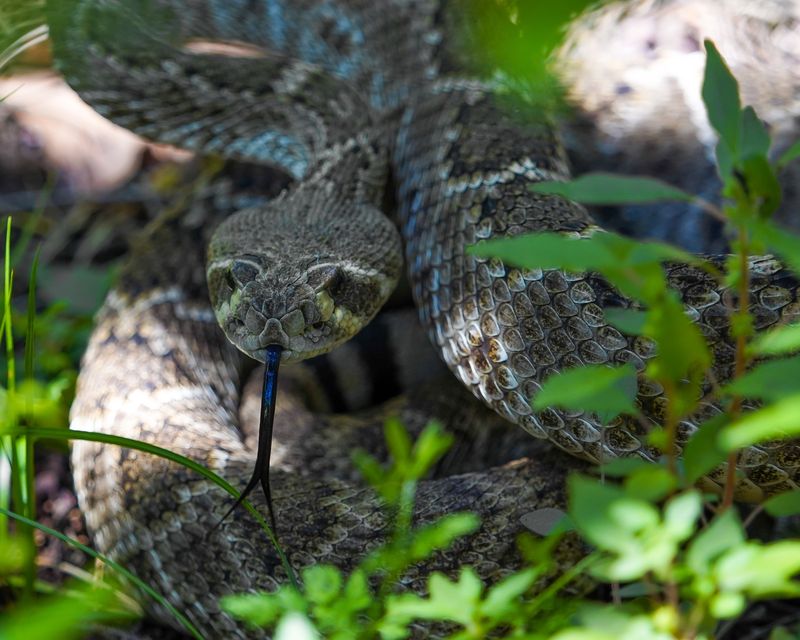
The eastern diamondback is North America’s largest venomous snake, and it lives in the southeastern corner of North Carolina. These snakes prefer dry, sandy habitats with dense undergrowth.
A dog running through scrub brush can come face to face with one before you even see the snake yourself.
Eastern diamondback bites are extremely serious and require immediate emergency veterinary care. Staying on cleared paths and keeping your dog leashed in known habitat areas is the best protection you can offer.
9. Feral Hogs
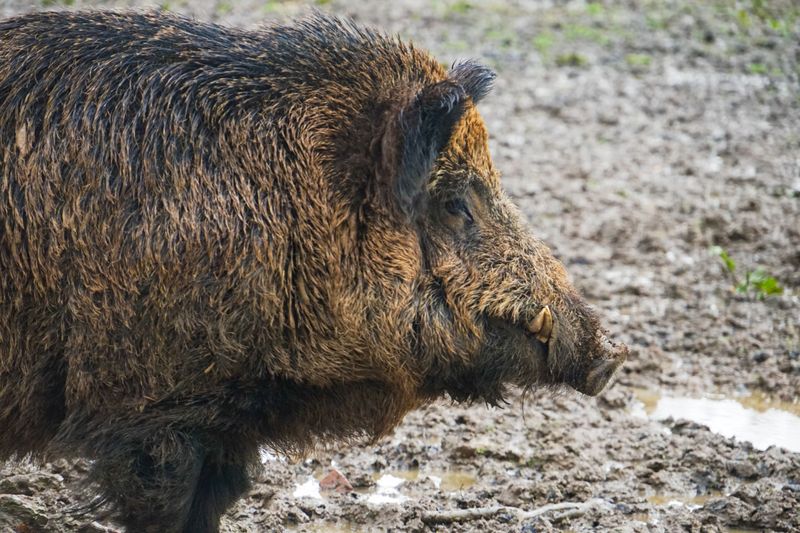
Feral hogs have spread across much of North Carolina and are considered an invasive species. They are powerful, territorial, and unpredictable, especially when a dog disturbs them while rooting.
A cornered or startled hog can injure a dog badly with its tusks in a very short time.
Hunters use specially trained dogs around hogs, but pet dogs should be kept well away. If you spot fresh rooting signs on a trail, leash your dog and choose a different route that day.
10. Raccoons
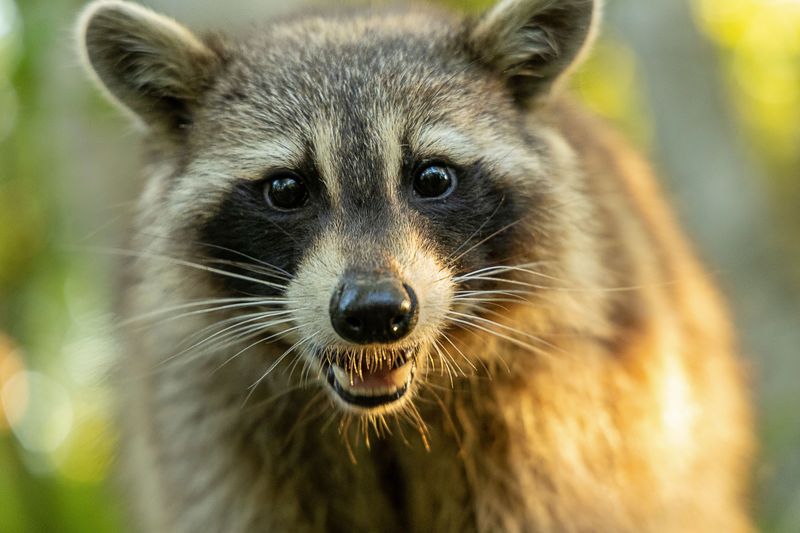
Raccoons are everywhere in North Carolina, from city parks to mountain cabins. They are bold, clever, and more than willing to stand their ground against a dog.
Beyond physical confrontations, raccoons are one of the primary carriers of rabies in the state, making any bite a serious health concern.
Make sure your dog’s rabies vaccination is always current. If your dog is bitten or scratched by a raccoon, contact your veterinarian and local animal control right away for guidance on next steps.
11. Skunks
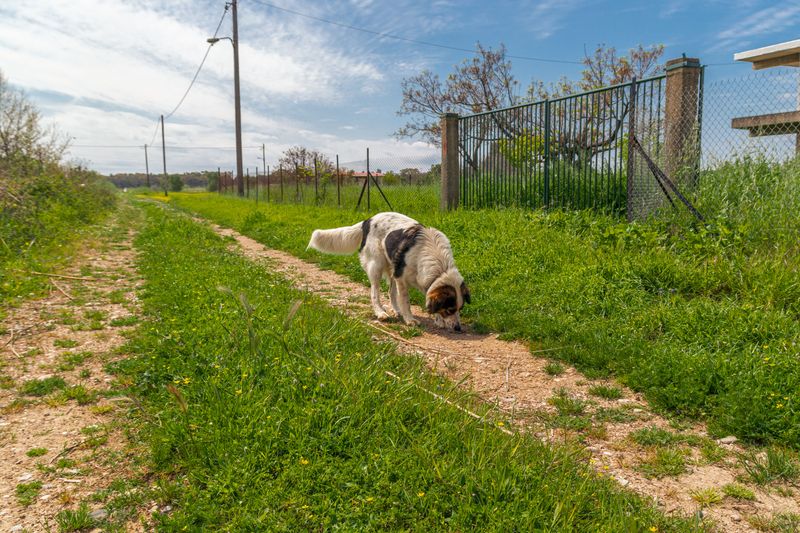
Few wildlife encounters leave as lasting an impression as a skunk spray. Dogs are naturally curious and tend to approach skunks from exactly the wrong direction.
Beyond the smell, skunks in North Carolina can carry rabies and leptospirosis, so a skunk encounter is more than just an inconvenience.
If your dog gets sprayed, a mixture of hydrogen peroxide, baking soda, and dish soap can help neutralize the odor. Ask your vet about leptospirosis vaccination, which is widely available and recommended for dogs with outdoor exposure.
12. Red and Gray Foxes
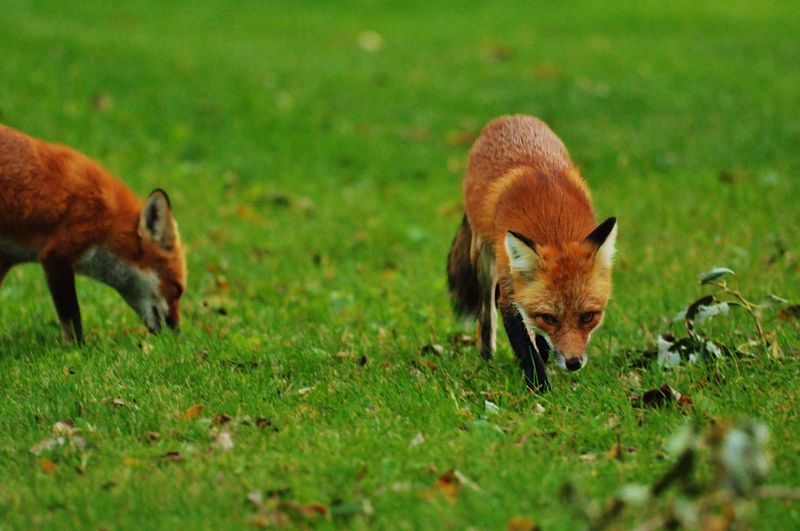
Both red and gray foxes live throughout North Carolina and are occasionally spotted during daylight hours. A healthy fox will usually flee from a dog, but a fox behaving strangely or moving erratically is a warning sign that should not be ignored.
Rabies and mange are both documented in North Carolina fox populations.
Keep your dog’s rabies vaccine up to date and report any fox acting unusually to local animal control. Supervise off-leash time in areas where foxes are known to den or travel regularly.
13. Bats
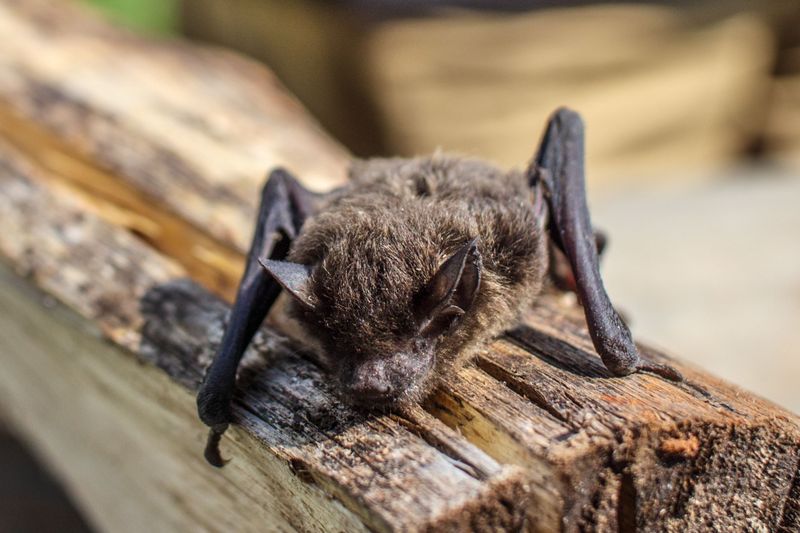
Bats rarely interact with dogs directly, but the risk comes when a dog finds a grounded bat. A bat on the ground during daylight is almost certainly sick, and rabies is the primary concern.
Dogs that mouth or paw at a downed bat may be exposed without any visible wound to show for it.
If your dog contacts a bat, call your vet immediately, even if no bite is visible. Rabies post-exposure protocol depends on your dog’s vaccination history and is best assessed by a professional quickly.
14. White-Tailed Deer
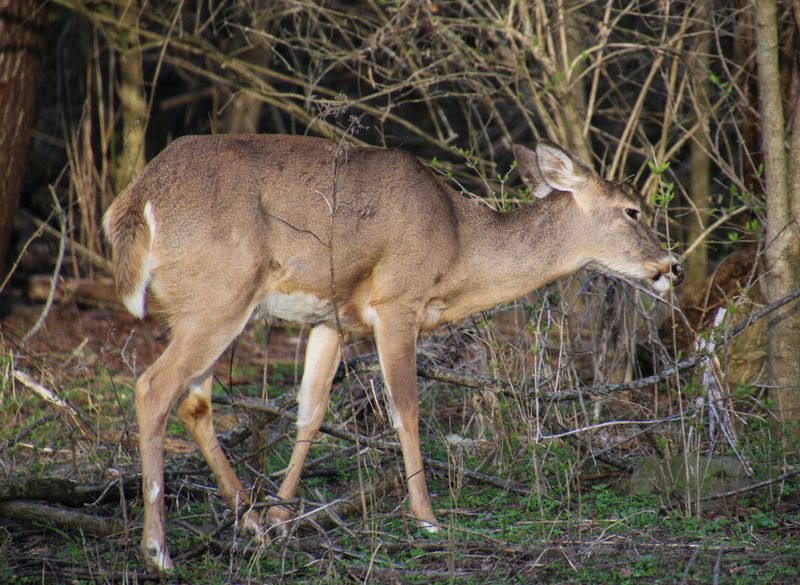
White-tailed deer are a familiar sight across North Carolina, and most encounters are uneventful. The real concern is a dog chasing deer, which is both dangerous and illegal on many public lands.
A dog that pursues deer can get lost, injured, or separated from its owner in dense woodland quickly.
Deer can also carry ticks that transmit Lyme disease and other illnesses to dogs. Check your dog thoroughly after any outing in areas with tall grass or woodland edges where deer are active.
15. Bobcats
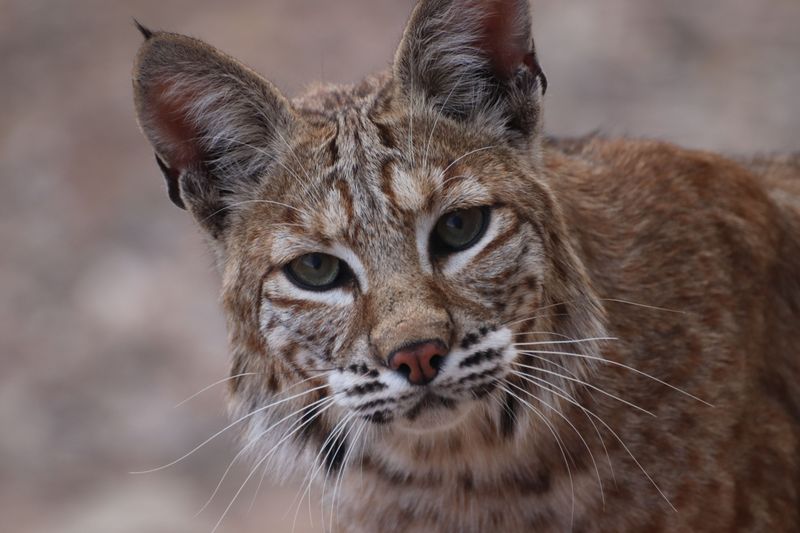
Bobcats are shy, solitary, and rarely seen, but they are present throughout North Carolina. A small dog left unattended outdoors, especially at night or near wooded areas, could attract a bobcat’s attention.
Bobcats are capable predators and will defend themselves aggressively if cornered by a larger dog.
Supervise small dogs outdoors after dark and avoid leaving them unattended in yards that border wild land. If a bobcat appears sick, behaves unusually, or poses an immediate safety concern, contact local animal control or the NC Wildlife Helpline for guidance.
16. Canada Geese

Canada geese might seem harmless, but they can be surprisingly fierce when protecting a nest or goslings. A dog approaching a nesting goose can trigger a fast, wing-flapping, biting response that catches both dog and owner off guard.
Geese are protected under federal law, so you cannot legally harm or disturb them.
Give nesting geese a wide berth, especially from March through June. Keep your dog leashed near ponds and park lawns during nesting season to avoid a confrontation that neither side wants.
17. Common Snapping Turtles
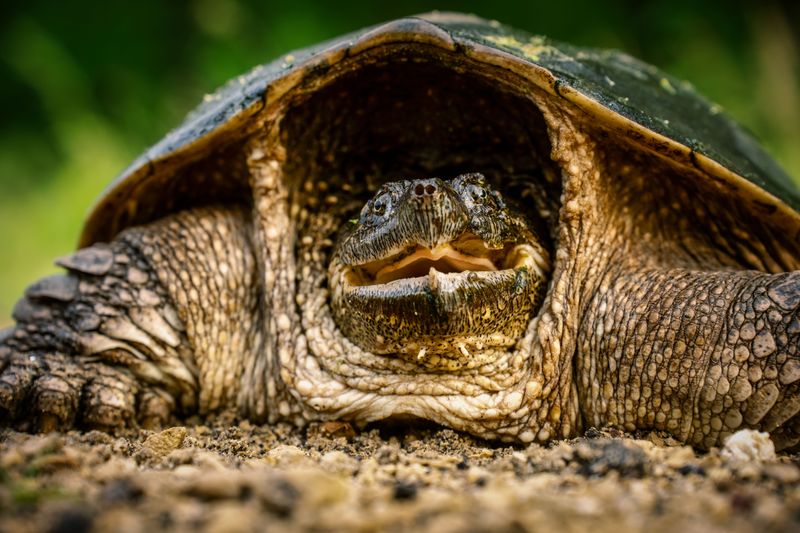
Snapping turtles move overland more often than people expect, especially during nesting season in late spring and early summer. A dog that sniffs or paws at one can receive a powerful bite that causes real injury.
Their necks are longer than they appear, and they can reach around quickly.
If you spot a snapping turtle on a path, keep your dog back and give it room to move on its own. Never pick one up by the tail, and teach your dog a reliable leave-it command before hitting the trails.
18. River Otters
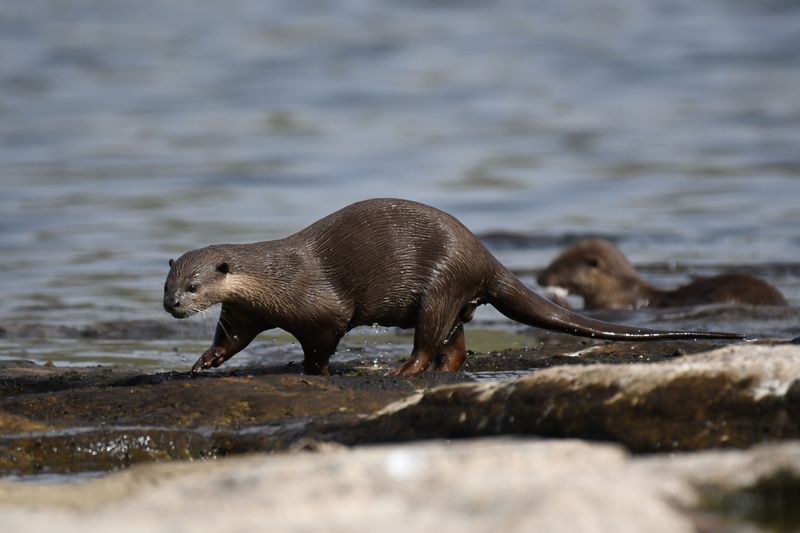
River otters are playful and charismatic, but they are also strong, fast, and fully capable of defending themselves when threatened. A dog that enters an otter’s waterway can trigger a surprising amount of aggression, especially near a den site.
Otters can bite hard and move with speed both in and out of water.
Enjoy otter sightings from a distance and keep your dog on leash near riverbanks where otters are active. Otters can also carry parasites that transfer to dogs through contaminated water, so rinse your dog after any river swim.