18 Wisconsin Prairie And Oak-Savanna Walks Open To Leashed Dogs
Before European settlement, sprawling oak openings and tallgrass prairie covered huge stretches of Wisconsin. Only fragments remain, and many of them sit on public land where leashed dogs are genuinely welcome.
Picture bur oaks with trunks as wide as a picnic table, grass brushing your knees, and sandy paths that crunch underfoot. Most of these spots stay blissfully quiet, even on weekends.
Clip on an 8-foot leash, pack extra water, and let’s walk through the best of them.
1. Oak Savanna Trail, Governor Nelson State Park
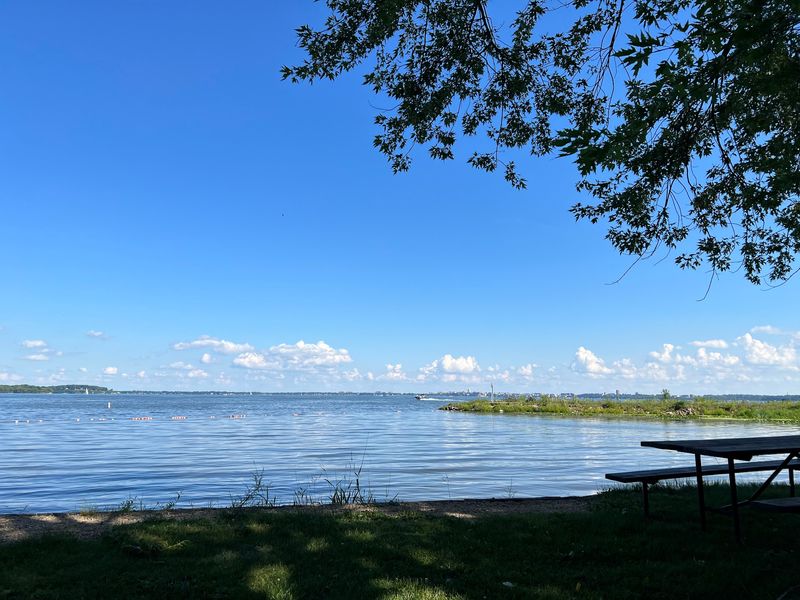
Just 1.8 miles long, this loop in Waunakee packs in restored prairie, savanna and a lookout with Lake Mendota shimmering below.
Leashed dogs are welcome here through the warm months. Keep the leash at 8 feet or shorter.
Winter changes the rules: once snow covers the ground, pets shift to the Morningside multi-use trail only.
Bonus for swimmers, the park has a designated pet swim area north of the beach.
2. Morningside Trail, Governor Nelson State Park
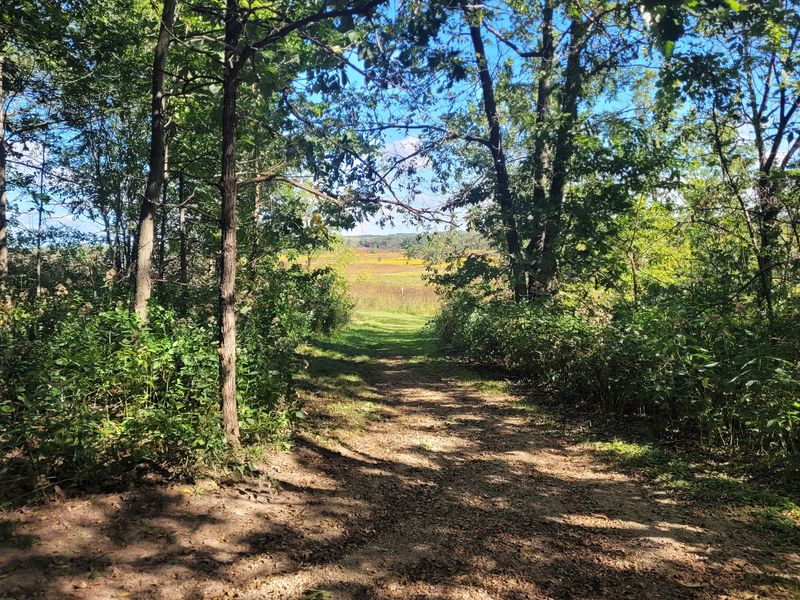
Here’s the trail that works year-round. The 2.4-mile Morningside loop rolls through restored prairie in the park’s northern half, and the grade stays easy on senior pups.
Spring, summer and fall hiking with a leashed dog is allowed. Come winter, it becomes a multi-use path that still welcomes pets.
It also connects to the Lake Mendota pet swim area, so pack a towel for the ride home.
3. Kettle Moraine Oak Opening
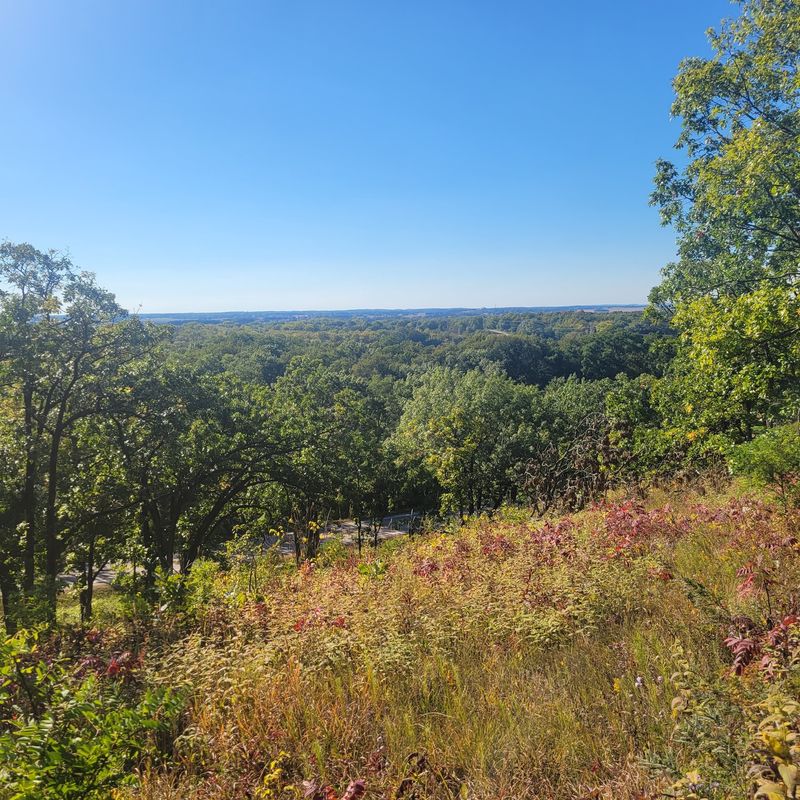
Glaciers did the landscaping at this 659-acre State Natural Area near Palmyra. Bur and black oaks stand over gravel knobs, steep ridges and small dry prairie pockets.
Bald Bluff is the star, crowned with shortgrass prairie and long views.
Leashed dogs are fine on most Southern Unit trails, though marked nature trails and groomed ski trails are off limits.
Park on County H, south of town, and listen for savanna birds.
4. Eagle Oak Opening
A bit of history: this 104-acre tract was the very first oak opening pinpointed in a statewide search.
Tucked into the Kettle Moraine State Forest Southern Unit near Eagle, it shows off kettle holes, ephemeral ponds and broad-limbed white and bur oaks.
Much has grown into dry-mesic forest, yet big bluestem, little bluestem and spring pasque flowers still hold on.
Leashed dogs may explore most Southern Unit trails with you.
5. Avoca Prairie and Savanna
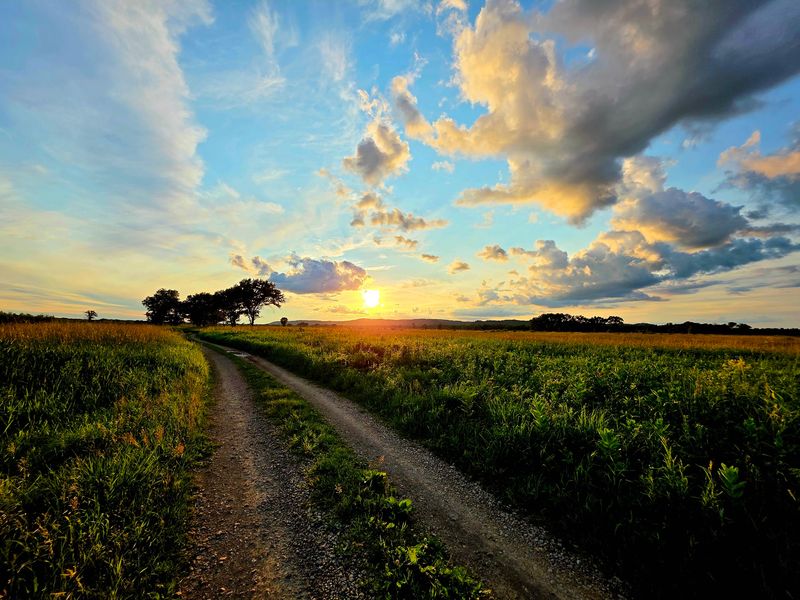
Big claim, fully earned: at 1,885 acres, Avoca is the largest natural tallgrass prairie east of the Mississippi.
Near the town of Avoca in Iowa County, the grass, sandy ridges and wetlands look much as they did in 1833. Giant black and bur oaks anchor the openings.
More than 200 plant species grow here. Leashed dogs are allowed.
Reach it via Hay Lane, but high water may push parking south of Marsh Creek.
6. Albany Sand Prairie & Oak Savanna
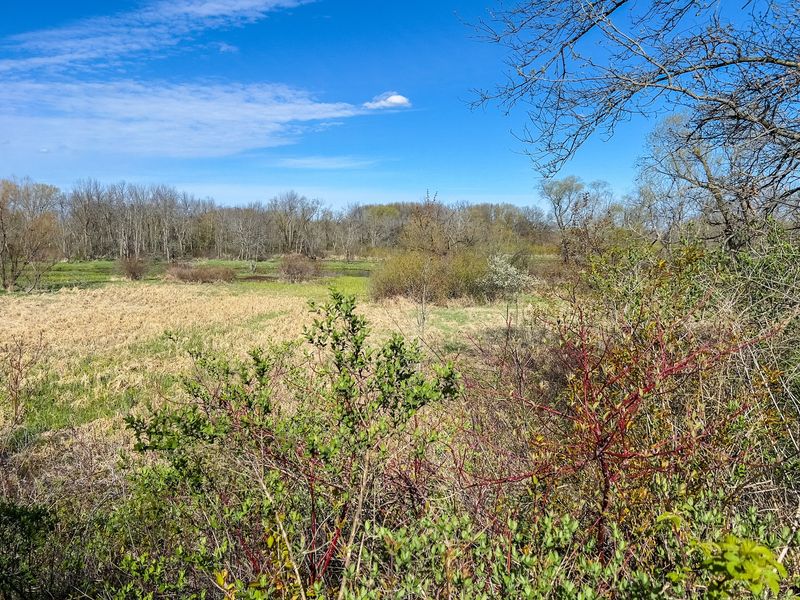
Rail trail convenience meets rare habitat. Near Albany in Green County, an unplowed sand prairie slides into oak barrens and brushy openings.
The Sugar River State Recreational Trail runs along the southwestern edge, with a small dry-mesic prairie right beside it.
Closer to the river you’ll walk under mature, closed-canopy oaks.
Leashed dogs are generally permitted at this state-owned site, and birdsong here is surprisingly varied. Bring binoculars along.
7. Chub Lake Oak Savanna
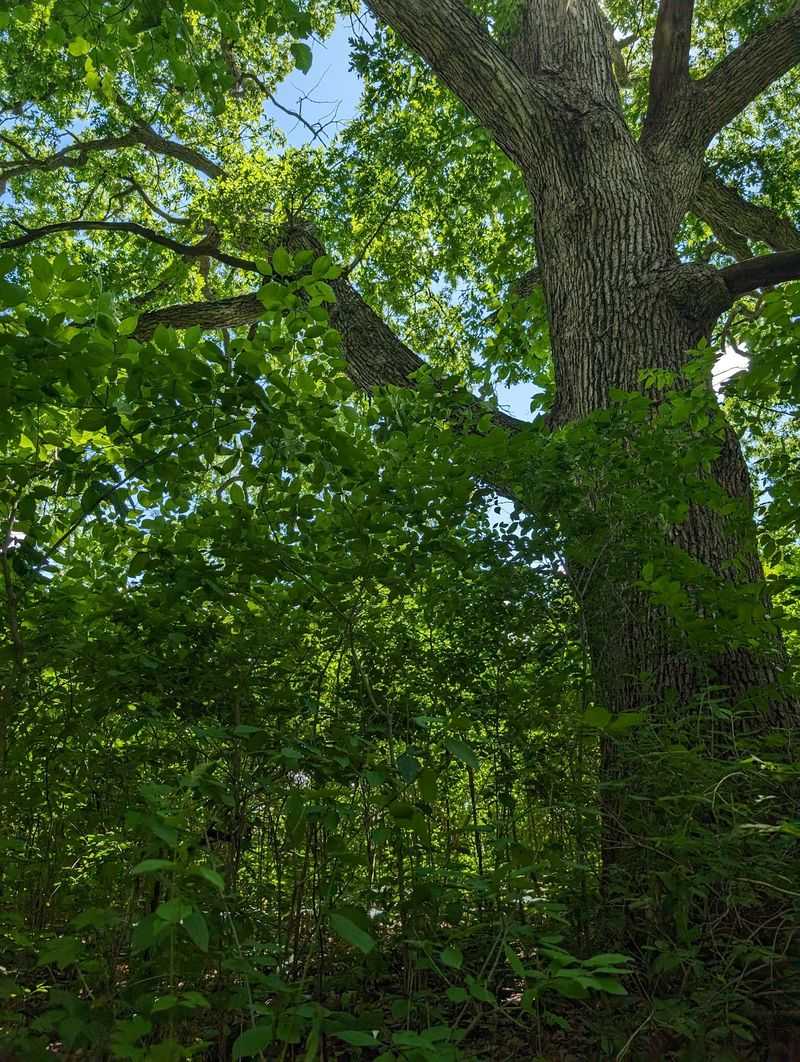
Small but mighty describes this 21-acre pocket on the south shore of Chub Lake, near Hubbleton.
Towering bur, white and red oaks share space with shaggy-barked hickory, and a simple foot trail slips into the shade.
Crews are working to bring back the ground layer, so wildflowers keep improving each year.
Leashed dogs are generally allowed. Access comes easily off Hubbleton Road, making it a great quick stop.
8. Rocky Run Oak Savanna
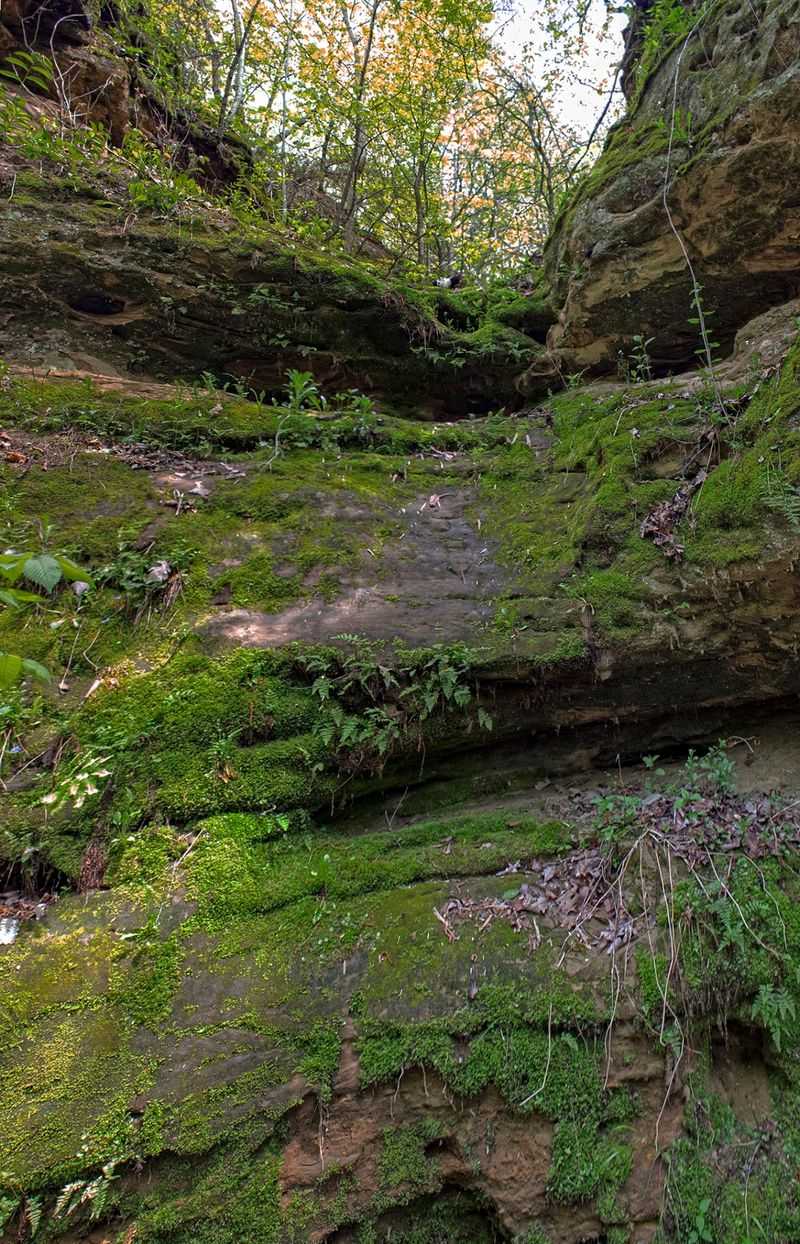
Two sheer-walled box canyons carved into Cambrian sandstone make this Columbia County site feel secret.
Above Rocky Run Creek near Rio, the land tilts from gently rolling in the east to steep in the west. Bur, white and black oaks shade little bluestem and Indian grass.
Hikers can choose an easy 2.9-mile route or a shorter 1.3-mile option, and leashed dogs are allowed.
Park off Highway 22, south of Wyocena.
9. Chimney Rock Oak Savanna
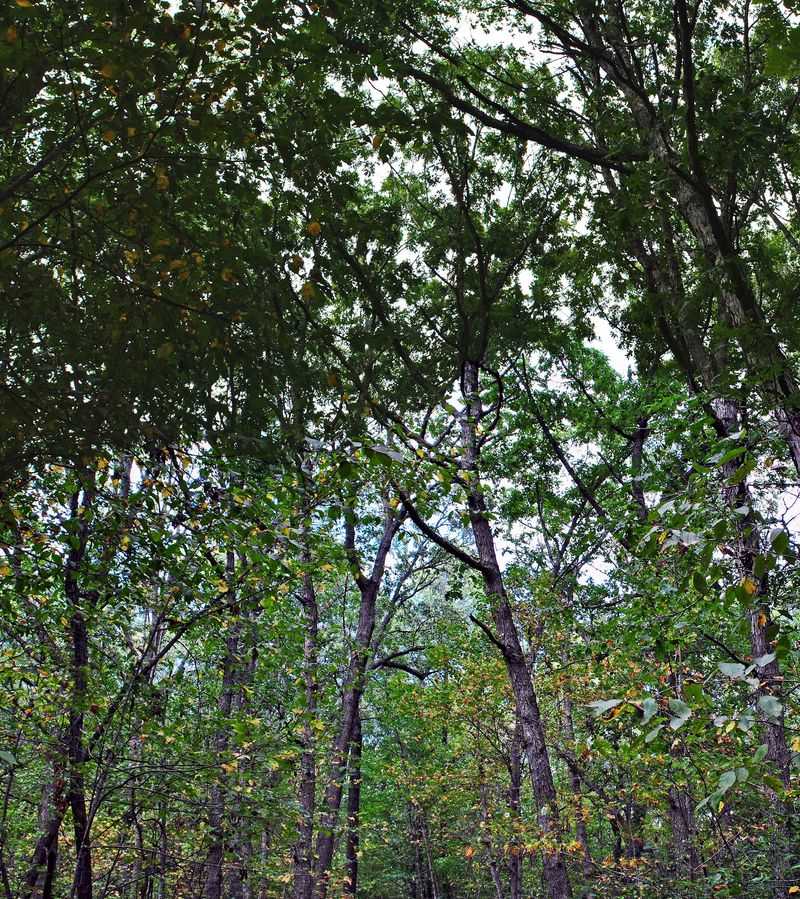
Driftless country shows off here. Part of the Chimney Rock Wildlife Area near Eleva, this oak opening holds enormous red, white and bur oaks on the north side of Hawkinson Valley.
Restoration continues, yet savanna indicator plants already grow thick under the canopy.
It’s a living snapshot of a landscape that once blanketed the region.
Leashed dogs are generally welcome. Look for parking near Hermanson Road, west of Hawkinson Valley Road.
10. Wedde Creek Savanna
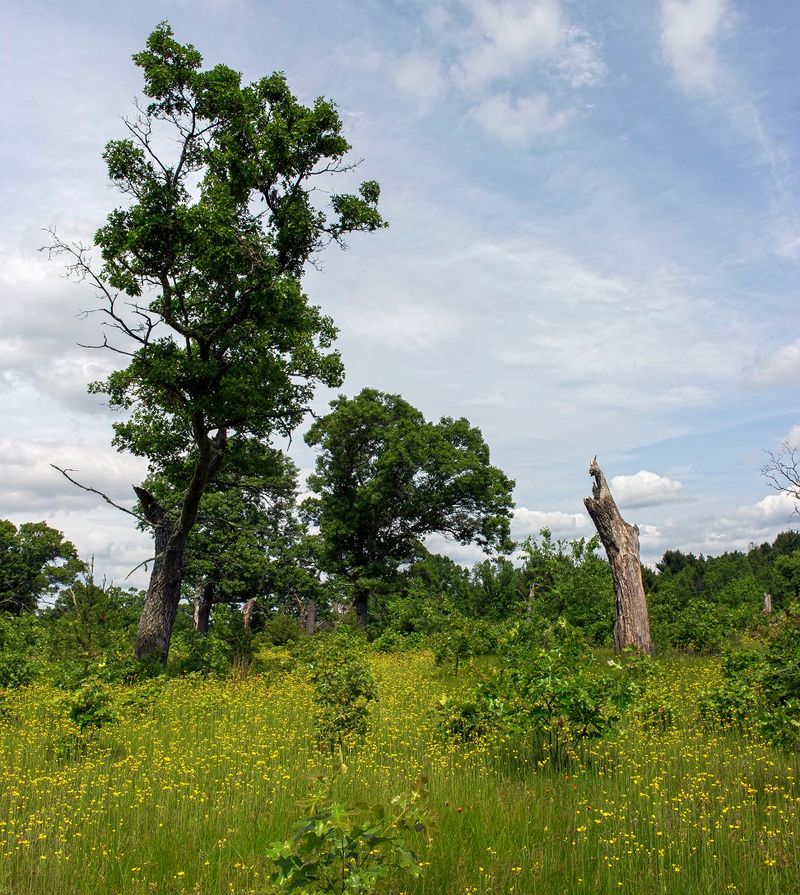
Sandy soil, scattered oaks, big sky. Wedde Creek Savanna covers 38 acres inside the Mecan River Fishery Area in Marquette County, and it ranks among the state’s finest black oak savannas.
Open-grown oaks mix with a few jack pines above Pennsylvania sedge and flowering spurge. One state-threatened plant hides in the mix.
Thinning and prescribed fire keep it healthy, so check for burn signs.
Leashed dogs are generally permitted here.
11. Van Loon Floodplain Savanna
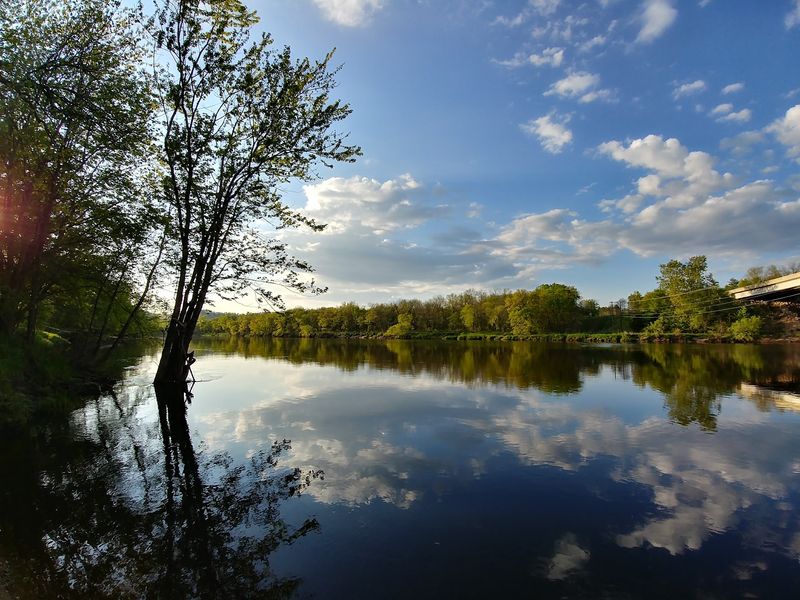
Floodplain savanna is rare, and this one sits on sand and gravel left by the Black River in northwestern La Crosse County.
Scattered oak groves rise above prairie grasses and forbs, with more than 100 ground-layer species documented.
Birders love it, since the wildlife area is recognized as an Important Bird Area.
Leashed dogs are allowed on trails. The Seven Bridges route can flood, so paddling in is a backup plan.
12. Battle Bluff Prairie
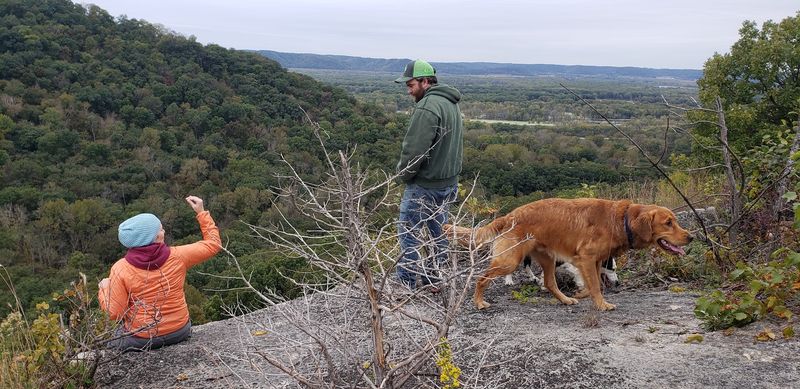
Views and history share the same hilltop. Above the Mississippi near De Soto, Battle Bluff Prairie drapes a steep south-facing slope, with dry forest crowning the bluff.
More than 80 native prairie plants grow among limestone boulders and sandstone outcrops.
The site once played a key role in the Black Hawk War.
Thermals rising off the bluff carry migrating hawks past at eye level. Leashed dogs are welcome; park along Battle Hollow Road.
13. Romance Prairie
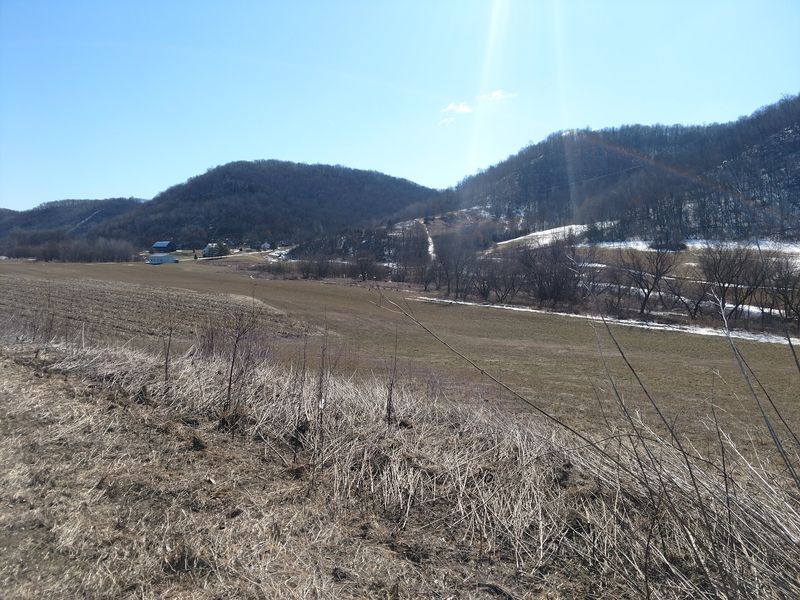
Yes, the name is real, and the walk lives up to it. Romance Prairie spans 77 acres in Vernon County, overlooking the little community of Romance and Cox Creek.
Thin, rocky soil on a steep southwest slope grows a surprising variety of dry prairie plants, with side-oats grama dominating.
Red and white oaks, slippery elm and black cherry fill the wooded hillside.
Leashed dogs are generally allowed. Restorable savanna is the long-term goal.
14. Hardscrabble Prairie
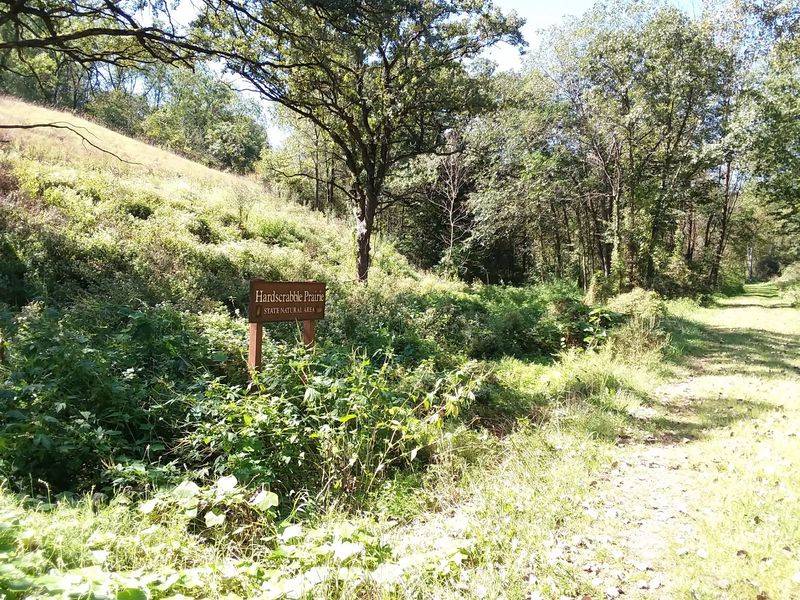
The name says plenty about the terrain: rocky, thin-soiled and rugged, classic Driftless hillside prairie in southwestern Wisconsin.
Remnants like this survived because plows simply could not work the slopes.
Because this site is less documented than the others, call the local Department of Natural Resources office before loading the car.
Confirm parking, boundaries and current pet rules, then enjoy a quiet walk. Standard state guidance means an 8-foot leash and packed-out waste.
15. Puchyan Prairie
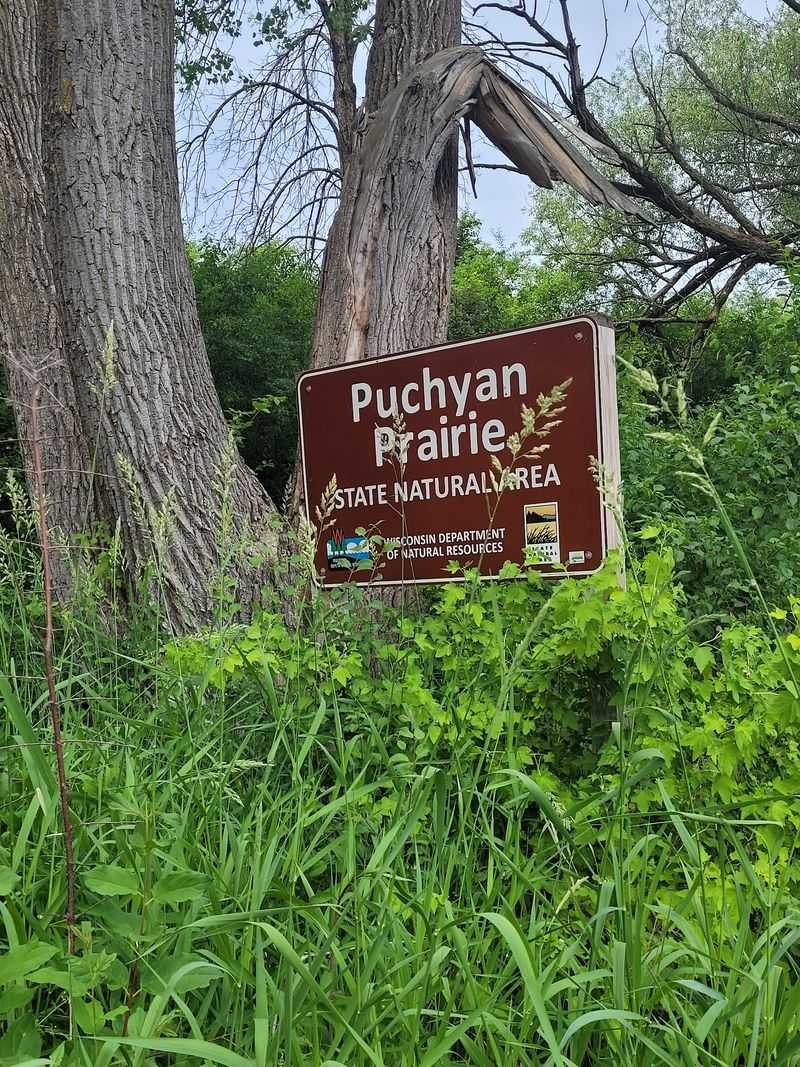
Butterfly fans, this one’s for you. Puchyan Prairie covers 169 acres northwest of Green Lake, blending wet-mesic prairie, marsh and sedge meadow in the Puchyan River floodplain.
A small wooded island in the wetland holds big black and bur oaks.
Botanists have tallied 130 native plant species, and bird life is equally rich.
Leashed dogs are generally permitted. Parking sits on Puchyan Marsh Road, and boots beat sneakers here.
16. Princeton Prairie
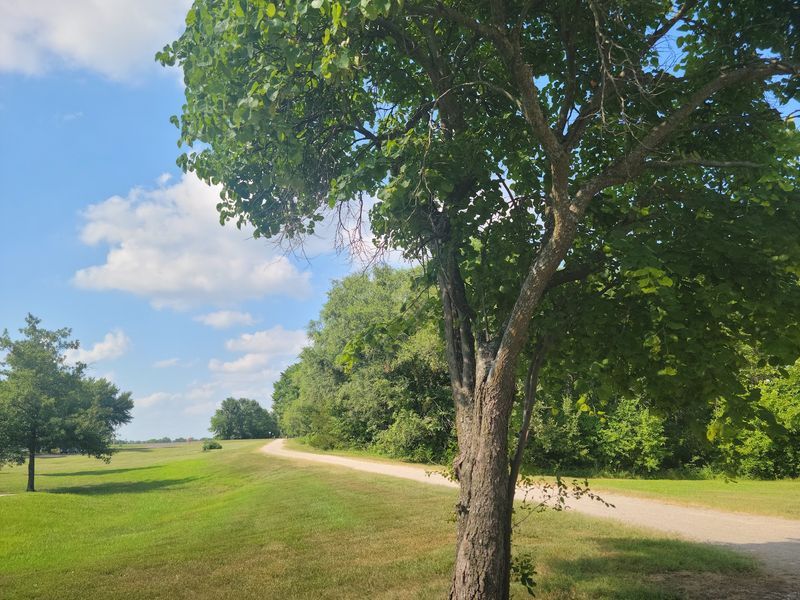
Where the White and Puchyan Rivers join the Fox, wetland habitats stack up beautifully near Princeton.
Southern sedge meadow, wet-mesic prairie and open marsh create a high-quality complex, with a low prairie-marsh-sedge blend along the Puchyan wetlands.
Rare plants and animals make their home in the mix, so stick to firmer edges and keep your dog close.
Leashed pets are generally allowed. Spring visits mean wet paws, which most dogs consider a feature.
17. Smith Slough and Sand Prairie
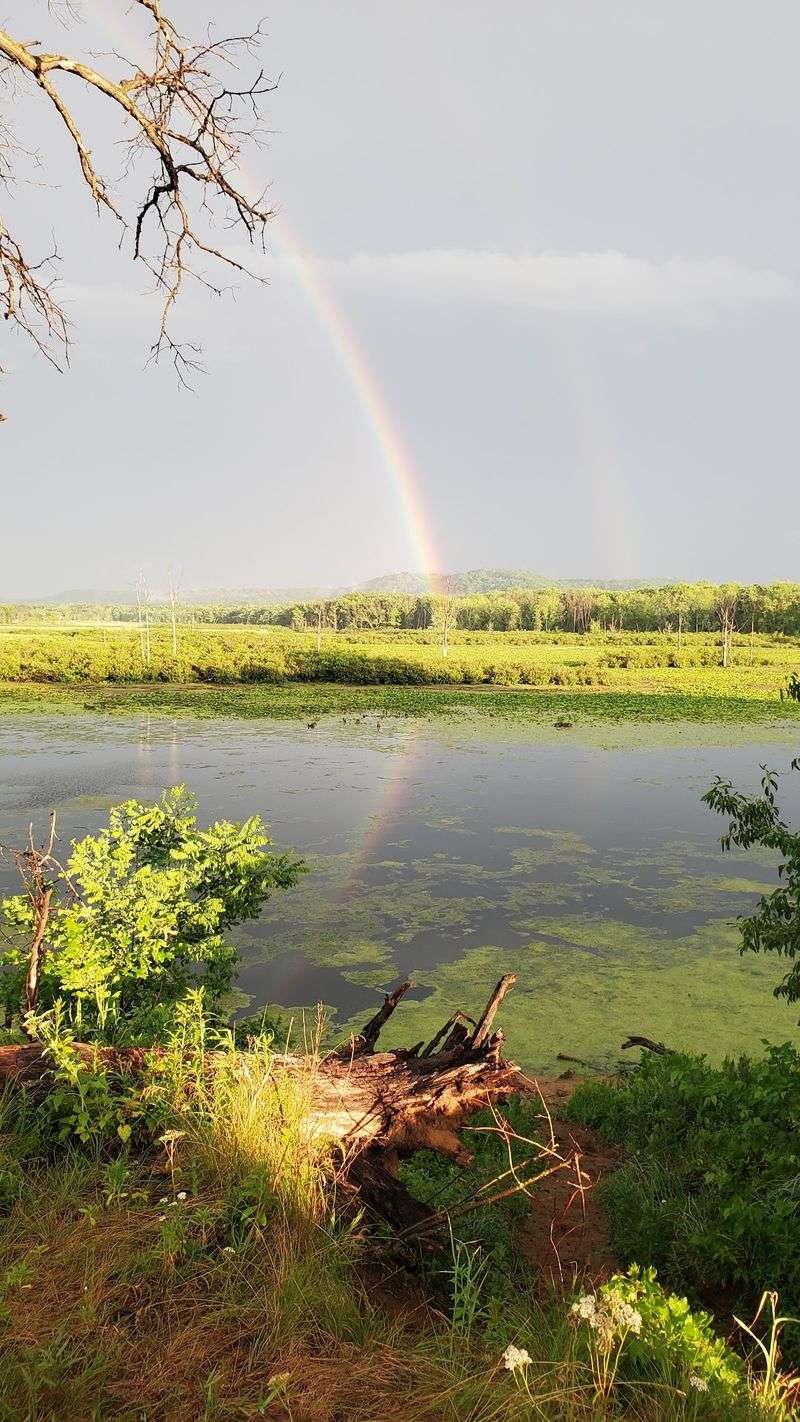
Nearly 400 acres of floodplain variety await near Lone Rock in Richland County.
Plant communities spread across alluvial sand deposits, a shallow seepage-fed oxbow lake, sedge meadow and open sand prairie. Swamp white oak savanna grows on slightly higher ridges.
Species of special concern live here, another reason to keep that leash short.
Access is straightforward: an access road and parking lot off US Highway 14. Sandy footing makes for easy walking.
18. Kettle Moraine Low Prairie
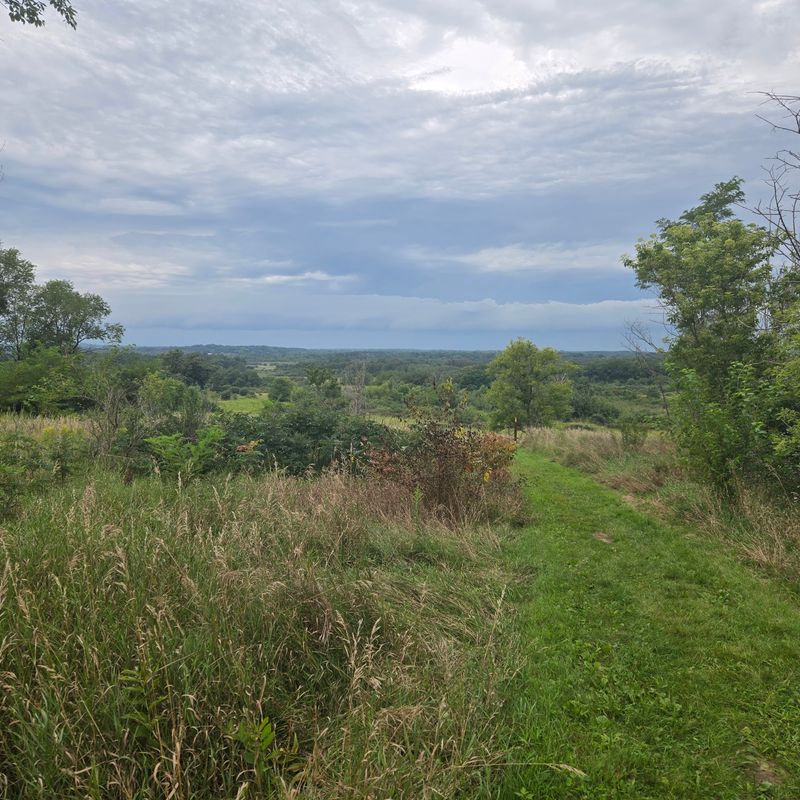
Low wet prairie fills the basins between glacial ridges in the Kettle Moraine, and walking one feels like stepping into a green bowl.
Blazing star, sedges and tall grasses thrive where groundwater seeps to the surface.
Details for this particular site are thin, so contact the Kettle Moraine State Forest office for directions and current pet rules.
Elsewhere in the Southern Unit, leashed dogs are welcome on most trails. A state trail pass may apply.