19 Kentucky Trail Rules And Restrictions Dog Owners Should Know Before Hiking
Kentucky has some of the prettiest trails in the region, and plenty of them welcome a wagging tail. Still, the rules shift from park to park, and a few beloved spots keep dogs off certain paths entirely.
Knowing that ahead of time saves you a long drive and a disappointed pup. Think of this as a friendly rundown from someone who has read the signs, called the park offices, and learned where leashed dogs fit right in.
1. Leashes Come First On Pet-Friendly State Park Trails
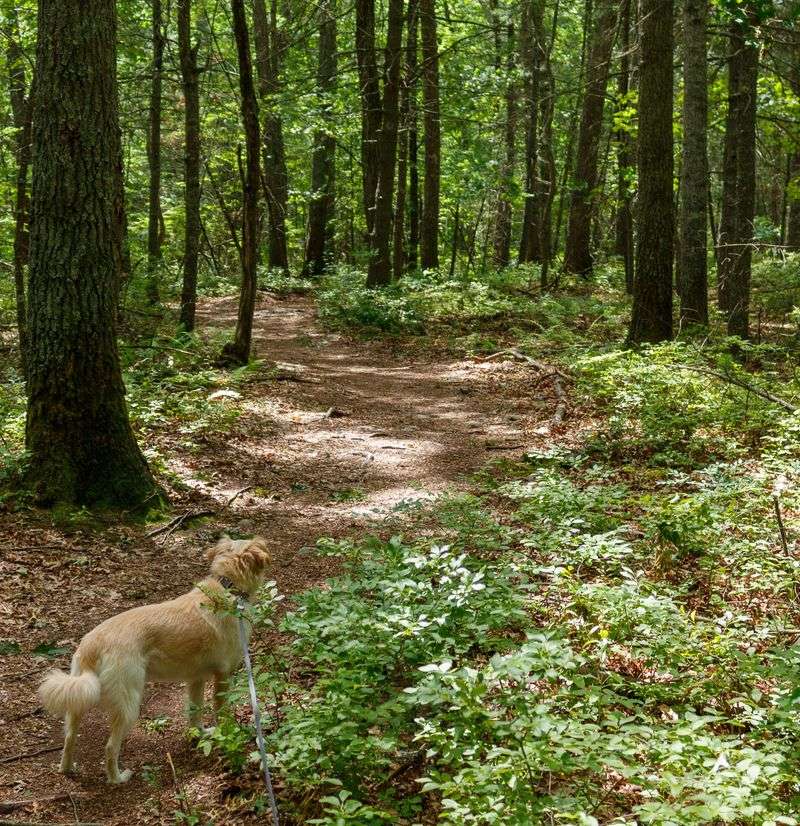
Anywhere pets are allowed inside Kentucky State Parks, the leash stays on. Park rules require it on every trail open to animals, with no off-leash exceptions for well-trained dogs.
A leash keeps your dog from chasing wildlife or startling other hikers. It also protects them from steep drop-offs and hidden ledges.
Clip the leash to a sturdy harness before you leave the parking lot. Trailhead excitement is real.
2. Dedicated State Nature Preserves Are Off Limits To Dogs
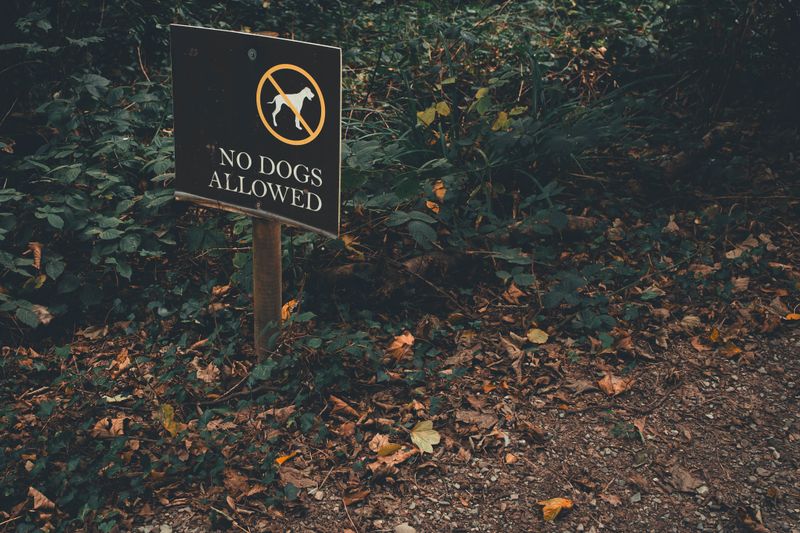
Kentucky protects certain fragile areas as dedicated State Nature Preserves. Dogs are not permitted on trails inside those boundaries, and that rule holds even for calm, leashed pets.
Preserves shelter rare plants and sensitive habitat that foot traffic and scent can disturb. The restriction exists to keep those pockets intact.
Several preserves sit inside popular state parks, so check maps carefully before you pick a path.
3. Natural Bridge Keeps Dogs Off Most Hiking Paths
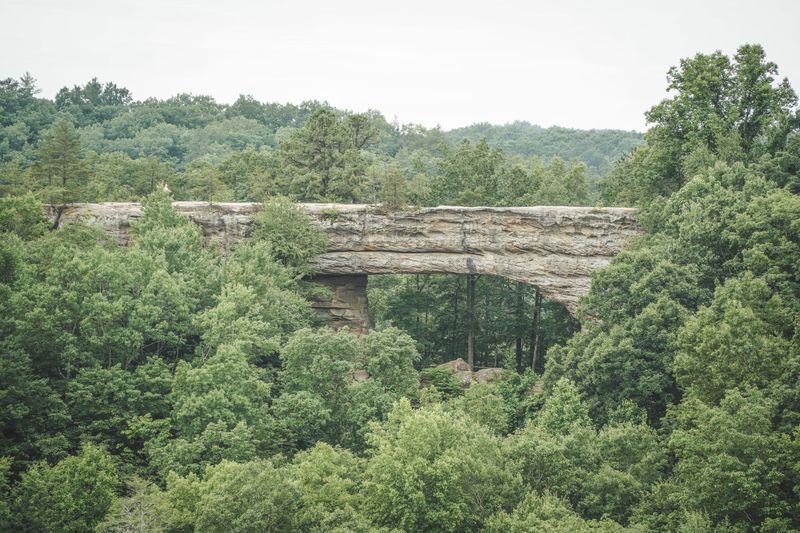
Plenty of visitors arrive at Natural Bridge State Resort Park expecting a dog-friendly climb to the arch. Most trails there sit within a dedicated nature preserve, so pets cannot join.
That includes the classic routes leading up to and around the famous sandstone bridge. Signs at the trailheads spell it out.
Plan a different destination if your dog is the main hiking partner that day.
4. Henson Arch And Whittleton Welcome Leashed Pups
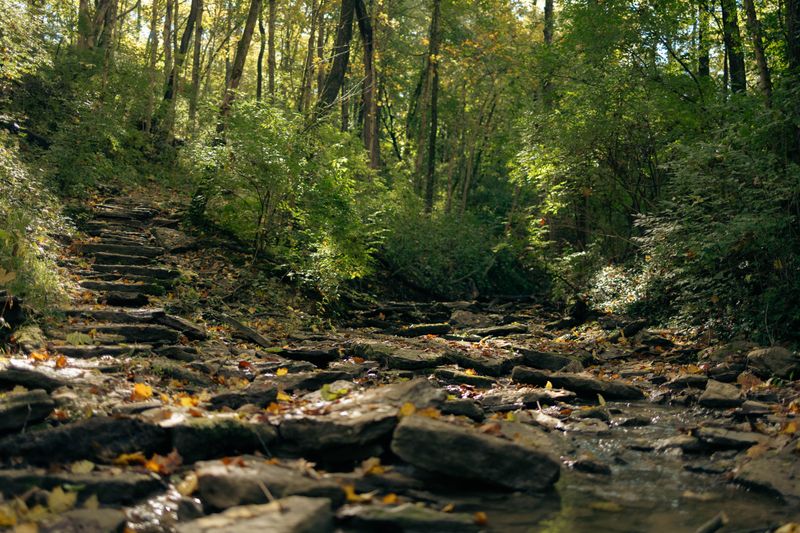
Good news for Red River Gorge area visitors: two trails near Natural Bridge do allow leashed dogs. Henson Arch and Whittleton are the exceptions worth remembering.
Whittleton is managed by the U.S. Forest Service and is reached through Whittleton Campground.
It follows a shaded creek corridor that dogs tend to love.
Keep the leash short, pack water, and enjoy a rare pet-friendly arch hike.
5. Cumberland Falls Restricts The McCreary County Side
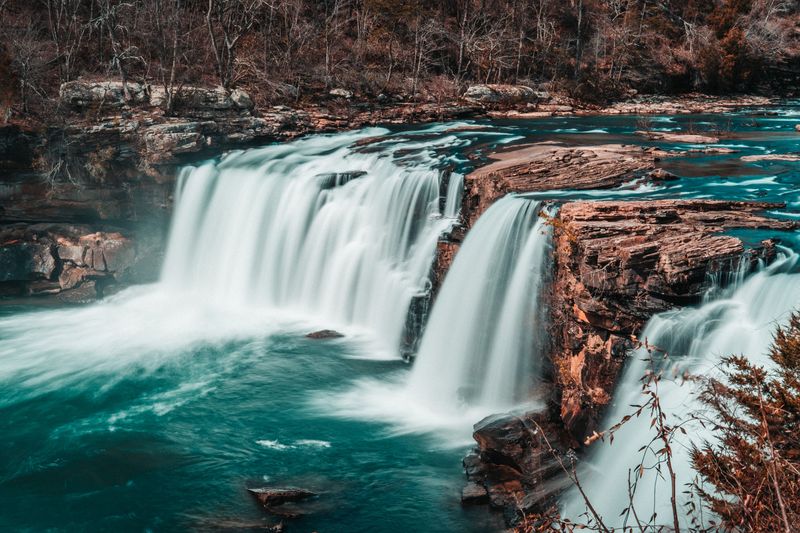
At Cumberland Falls State Resort Park, geography decides the rule. The McCreary County side is designated as a Kentucky State Nature Preserve, and dogs are not allowed there.
Because the park spans a river, many visitors do not realize they have crossed into a restricted area. A quick look at the park map clears up confusion.
Call the park office first if you plan to bring your dog along.
6. Four More Parks With Preserve Trail Restrictions
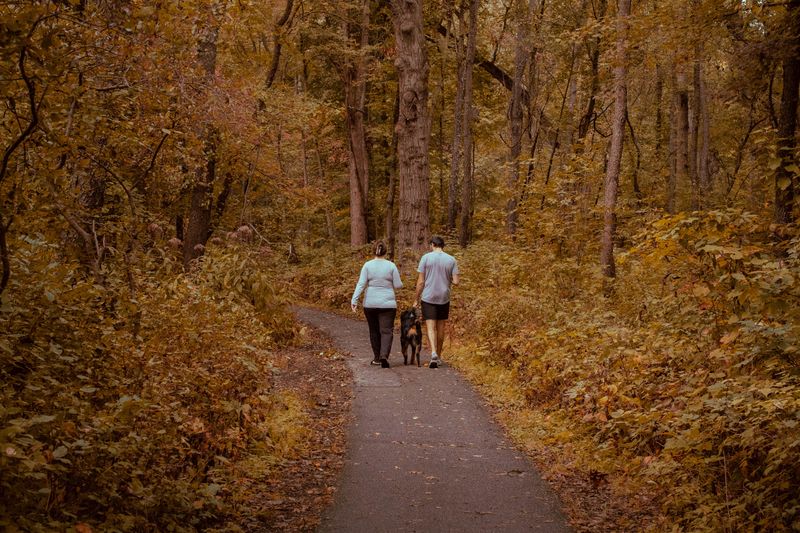
Carter Caves, Pine Mountain, Blue Licks Battlefield, and John James Audubon all contain preserve trails where pets cannot go. Each park handles the boundaries a little differently.
At John James Audubon, the Eagle Glen Pet Trail is the one path open to leashed pets. It sits outside the preserve line.
Reading the park map before you unload the car saves a wasted trip.
7. Posted Signs Outrank Anything You Read Online
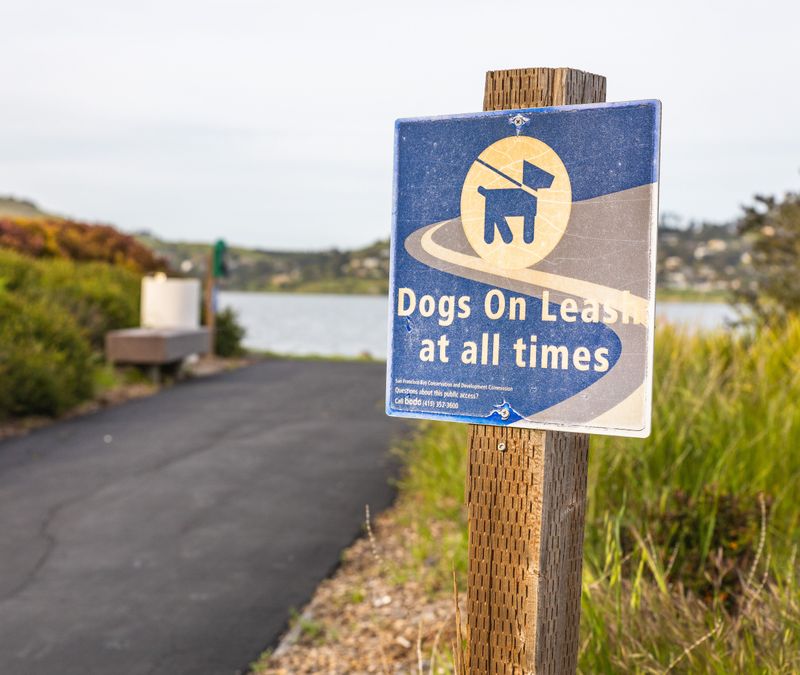
Rules change from one trail to the next, sometimes within the same park. Posted restrictions at kiosks and trailheads reflect the current policy, so treat them as the final word.
Seasonal closures, habitat work, and safety concerns can all prompt updates. A sign may be newer than the brochure in your glovebox.
Snap a photo of the kiosk. It makes a handy reference mid-hike.
8. Sunrise To Sunset Is The Usual Trail Window
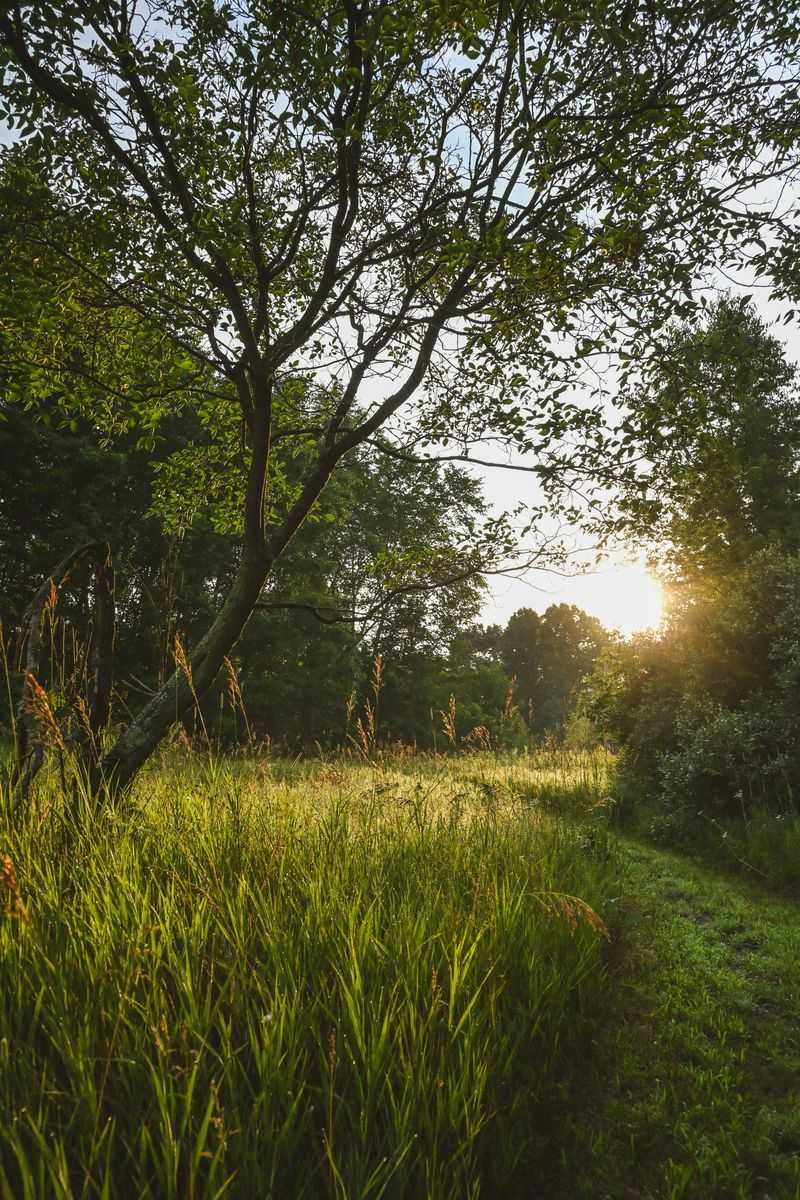
Most hiking trails in Kentucky State Parks operate from sunrise to sunset. Some parks close trails and access points right at dusk, even when the main gates stay open later, often until around 10 p.m.
Finishing before dark keeps you clear of tricky footing and confused wildlife encounters.
Start early in summer. Cooler air is easier on paws and panting dogs alike.
9. Stick To Marked Paths, Skip The Shortcuts
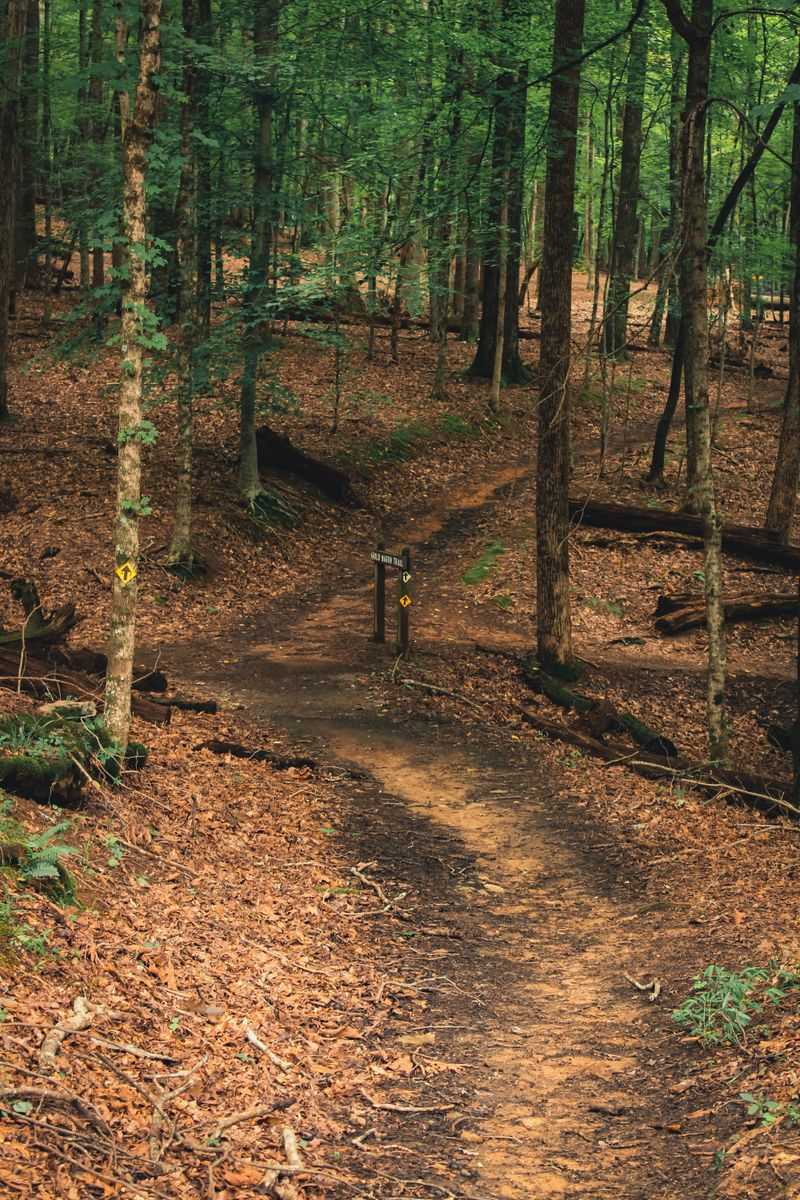
Cutting a switchback shaves a few steps and costs the hillside a lot. Loose soil washes away fast once the ground cover is broken.
Staying on designated trails protects delicate plants, limits erosion, and keeps wildlife habitat undisturbed. It is a park requirement, not just etiquette.
Dogs naturally pull toward interesting smells off-trail. A shorter leash makes redirecting them easy.
10. Waste Bags Belong In Your Pack Every Time
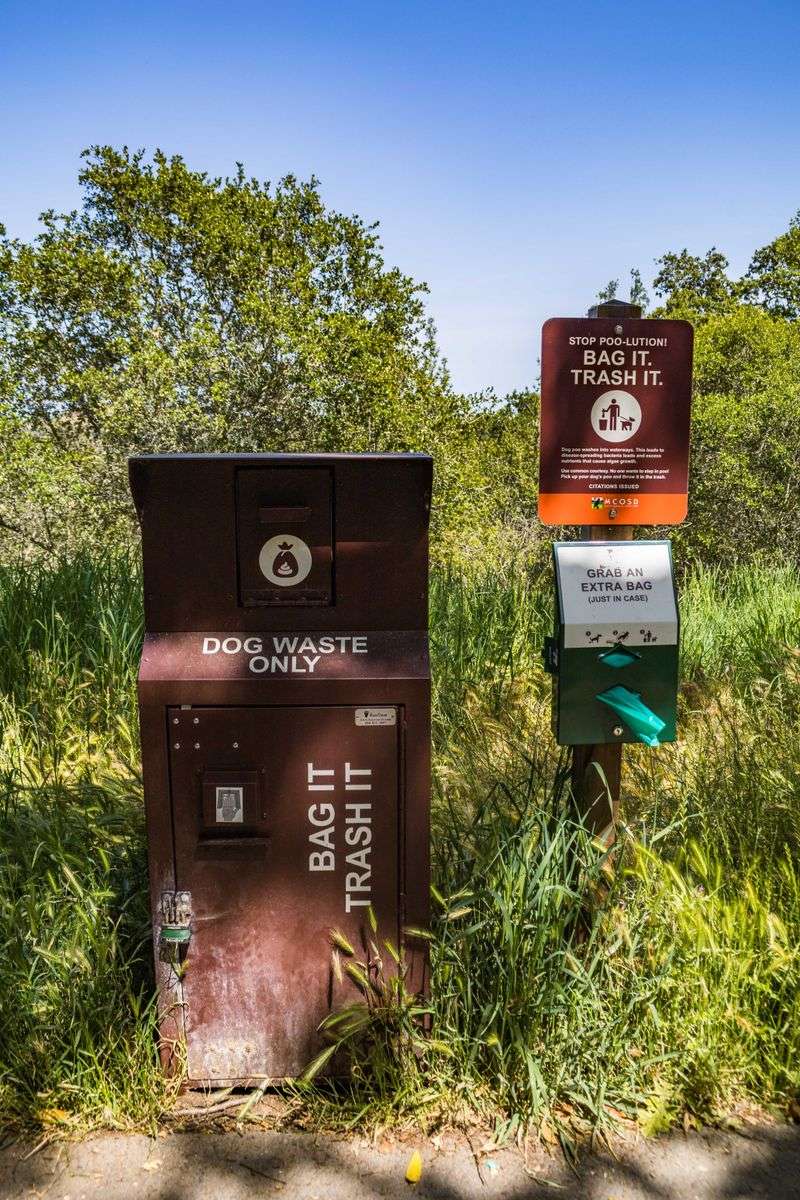
Cleaning up after your dog is your job, and it is not optional. Kentucky parks expect waste to be picked up right away and dropped in proper receptacles.
Many Kentucky cities and counties also have local ordinances requiring cleanup in public spaces. Rules vary, so check your local code.
Bring more bags than you think you need. Two dogs means double duty.
11. Six Feet Or Less Around Campgrounds And Picnic Areas
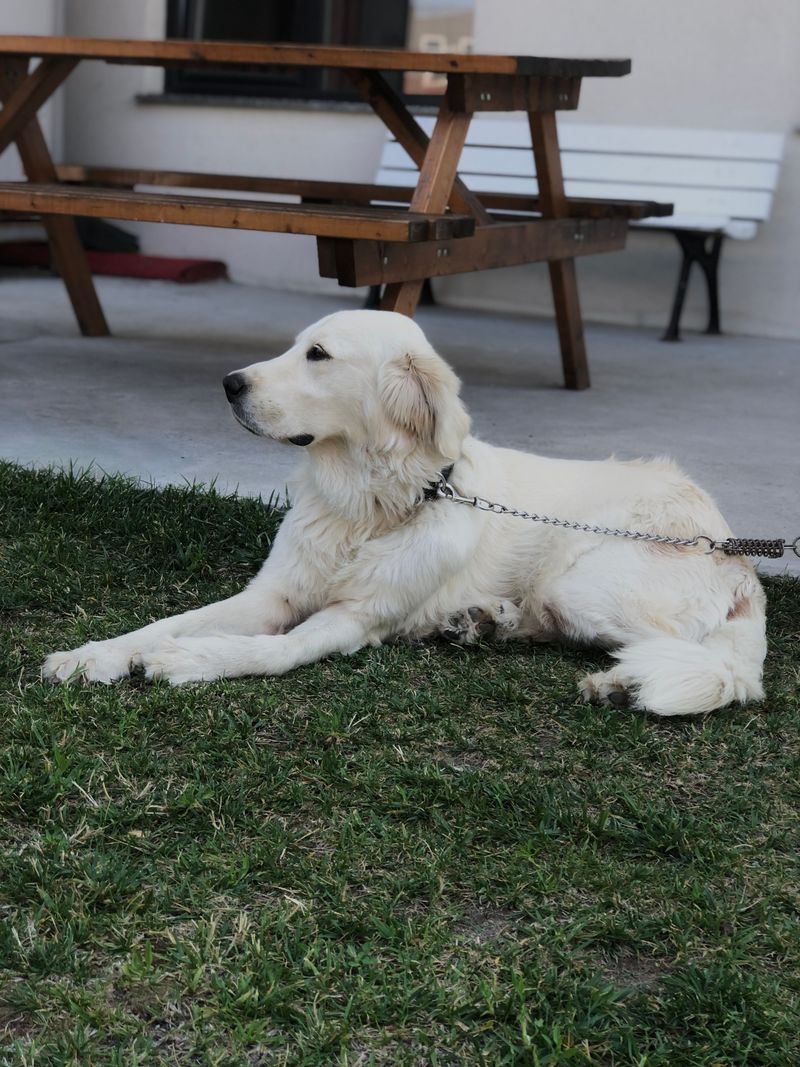
Leash rules do not stop where the trail ends. Pets must stay leashed in all public areas of Kentucky State Parks, including campgrounds, picnic spots, and lodge grounds.
Leashes should not exceed six feet, and your dog must remain under physical control at all times. Retractable leads locked out long do not meet that standard.
Short leashes prevent tangles around table legs and strollers.
12. Beaches Usually Are Not Part Of The Deal
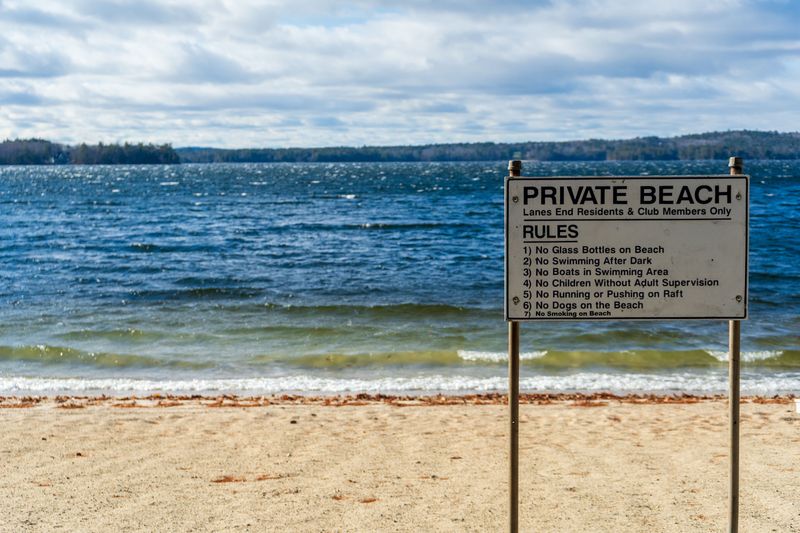
Swimming beaches at Kentucky State Parks are generally closed to pets, even leashed ones. Assuming otherwise is a common mistake on hot summer weekends.
Health and safety rules drive the restriction, since beaches draw crowds of swimmers and small children.
Look for a shaded picnic area or a pet-friendly trail near the water instead. A wet towel and shade keep your dog comfortable.
13. Mammoth Cave Says Yes Above Ground, No Below
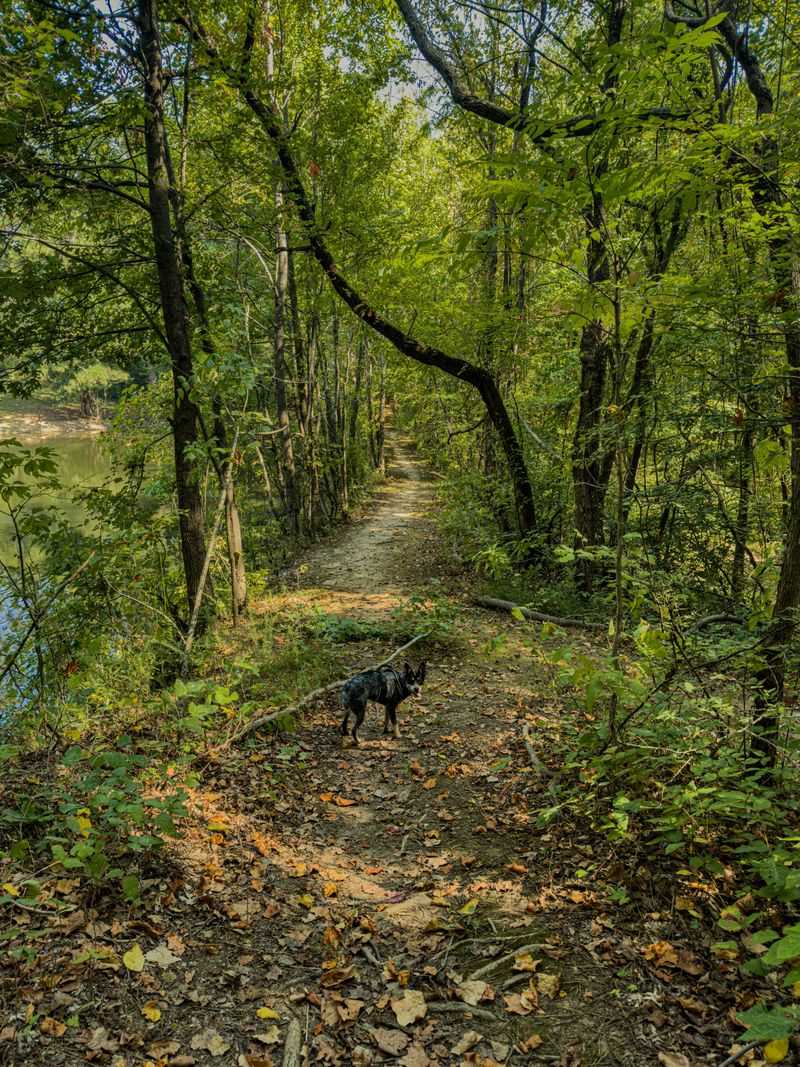
Mammoth Cave National Park surprises people with how welcoming it is. Leashed dogs are allowed on all surface trails, which adds up to many miles of forest and riverside walking.
Inside the caves, however, pets are strictly prohibited on every tour. The underground environment is delicate and the passages are tight.
Plan a hiking day above ground, or arrange care before a cave tour.
14. Six-Foot Leash Limit Applies At Mammoth Cave
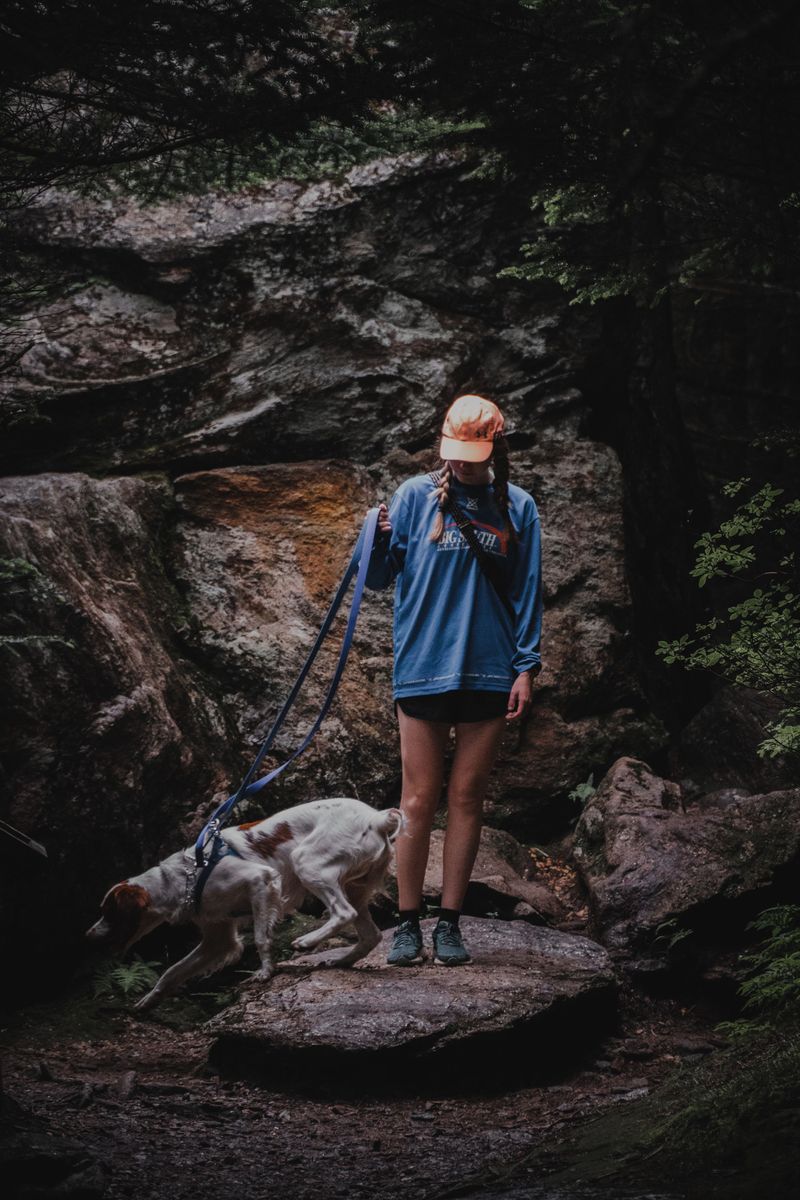
National park rules set a firm length: your dog must be on a leash no longer than six feet at Mammoth Cave. Rangers do enforce it.
Shorter leads keep dogs clear of cliff edges, sinkholes, and passing cyclists on shared routes. They also help nervous hikers relax as you pass.
A standard six-foot lead beats a retractable one for reliable control here.
15. Park Buildings Stay Pet-Free
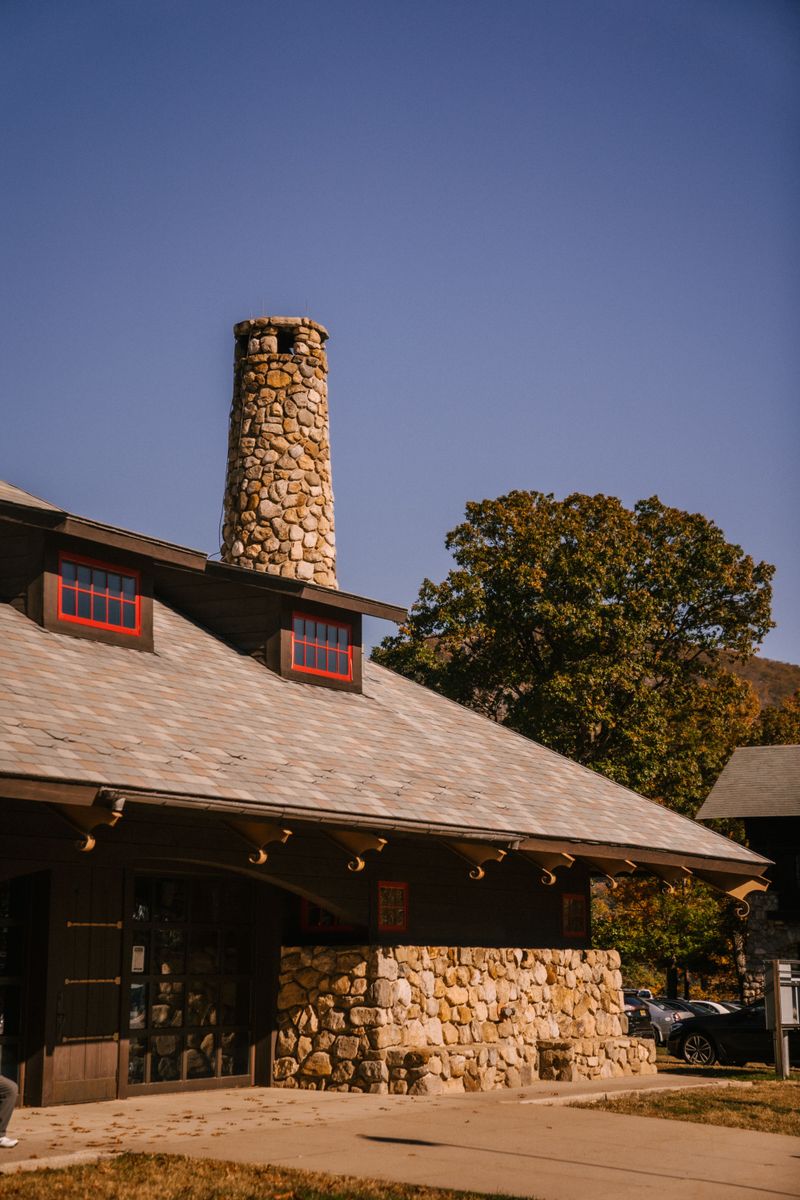
Stepping inside the visitor center with your dog is not permitted. Pets are generally prohibited in all buildings at Mammoth Cave National Park, including facilities and gift areas.
Service animals are handled separately under federal rules, so ask staff if that applies to you.
Send one person in for maps and tickets while the other waits outside in the shade with your dog.
16. Unattended Dogs Are A No-Go At Mammoth Cave
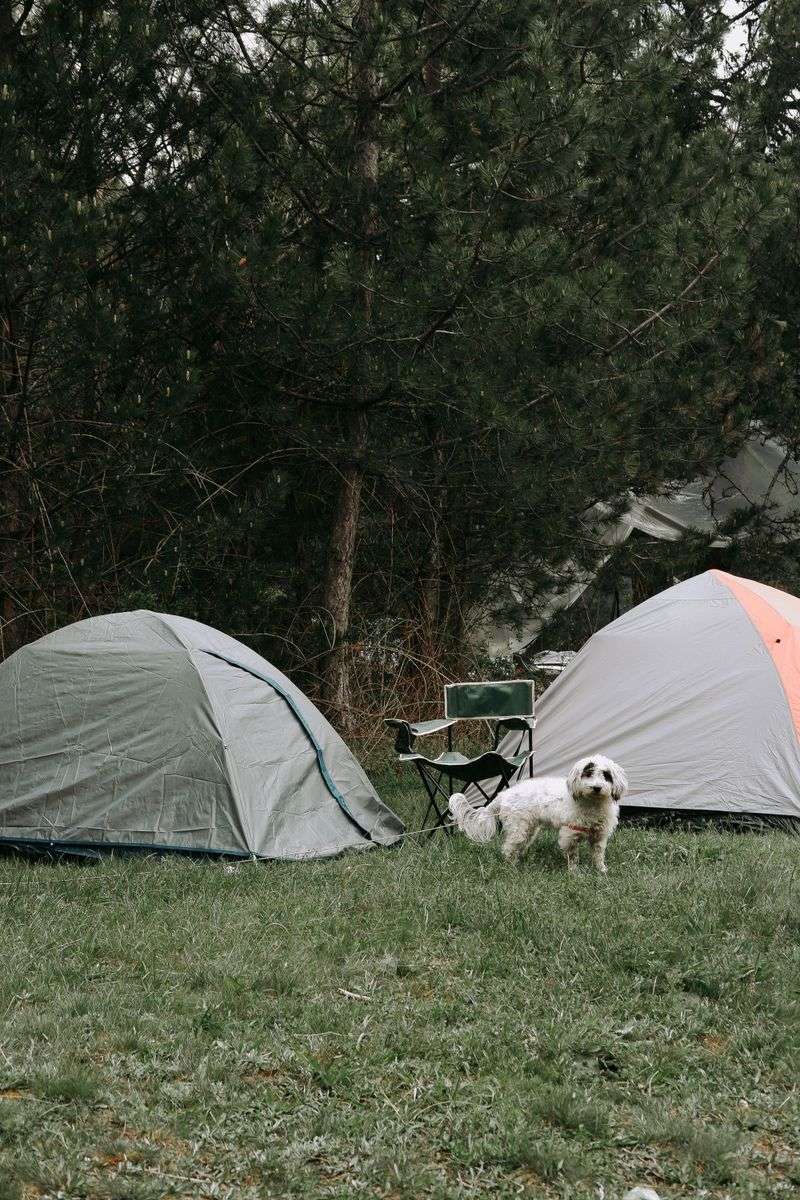
Leaving your dog alone, in a vehicle or outside, is not allowed at Mammoth Cave. Parked cars heat up quickly, and unattended pets can become anxious.
Campers should not leave pets at a site for more than one hour. The park also offers a self-service outdoor kennel for day use near the lodge.
Reserve nothing, but do bring your dog’s own water bowl.
17. Horses Have The Right Of Way On Shared Trails
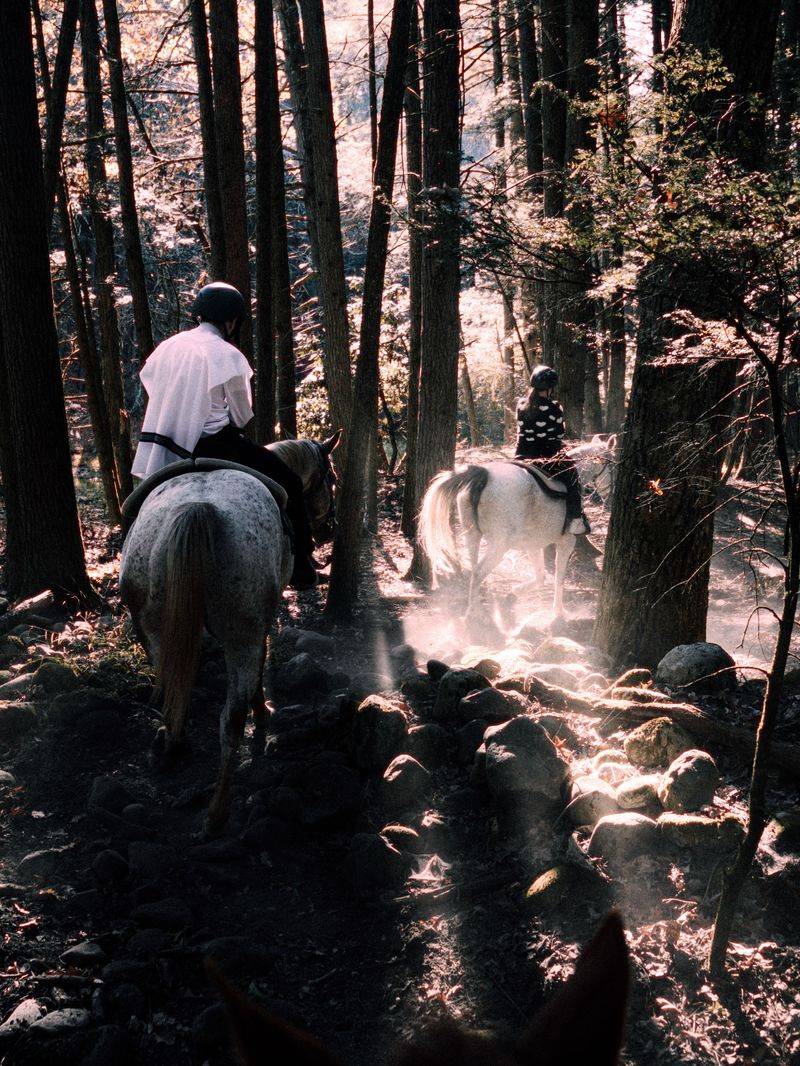
Shared trails in Kentucky often carry riders as well as hikers. When horses approach, gather your dog close and step aside to let them pass.
Move calmly to the downhill side of the trail and speak up if you are coming from behind. Horses startle at sudden movement and unexpected noise.
A quiet greeting tells the animal you are a person, not a threat.
18. Daniel Boone National Forest Alerts Deserve A Look
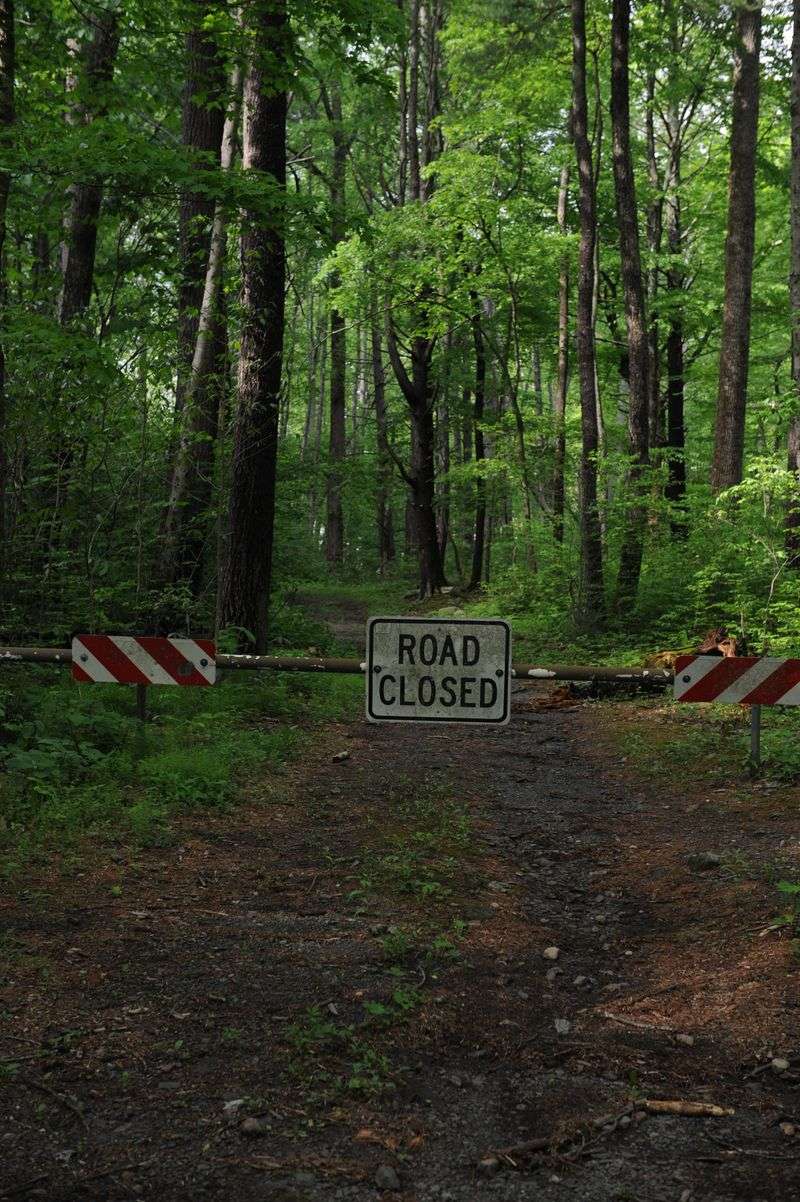
Conditions in Daniel Boone National Forest shift with weather, storm damage, and maintenance work. Checking the official forest website before you drive out is simply smart planning.
Trail closures, road access changes, and public alerts all get posted there. A five minute check can rescue an entire afternoon.
Cell service is patchy in the gorge country, so download maps while you still have bars.
19. One Quick Call Beats Any Guesswork
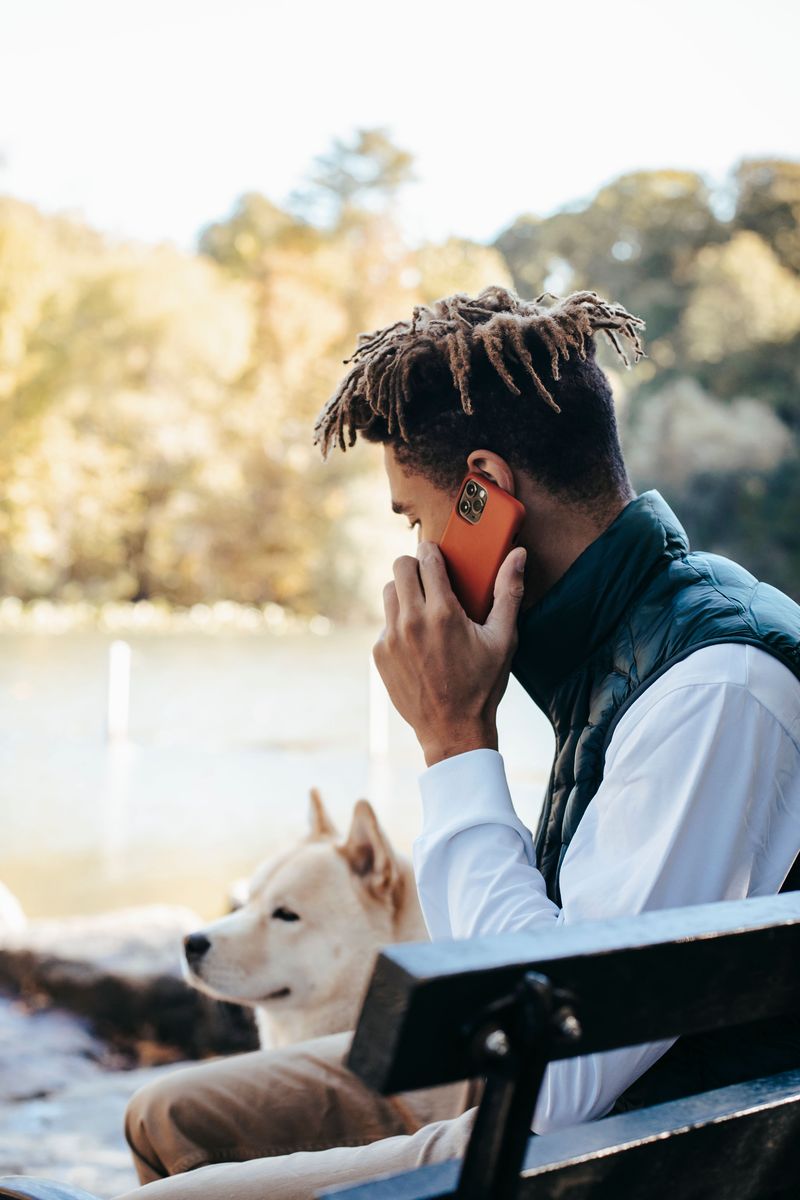
Pet policies get updated, and websites do not always catch up right away. Contacting the specific park or trail office before you go confirms exactly where your dog can walk.
Ask about lodging, campsites, and any preserve boundaries while you have someone on the line.
With the rules squared away, the rest is easy: leash on, water packed, and a good Kentucky trail ahead.