19 Texas Pool And Stock-Tank Hazards Dog Owners Often Miss
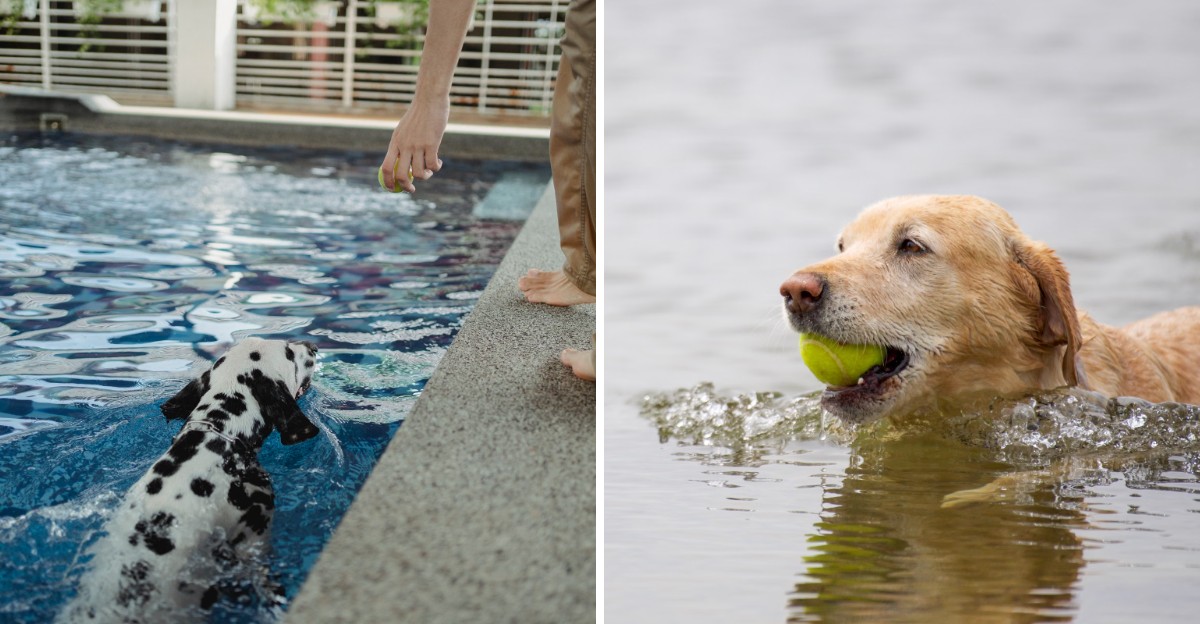
Texas summers send many of us and our dogs straight toward the water. Backyard pools and ranch stock tanks feel like the perfect escape from the heat.
Still, some common risks hide in plain sight, even for careful owners. Think of this as a friendly chat about what to watch for, so every swim stays fun and safe.
1. Steep Tank Walls With No Way Out
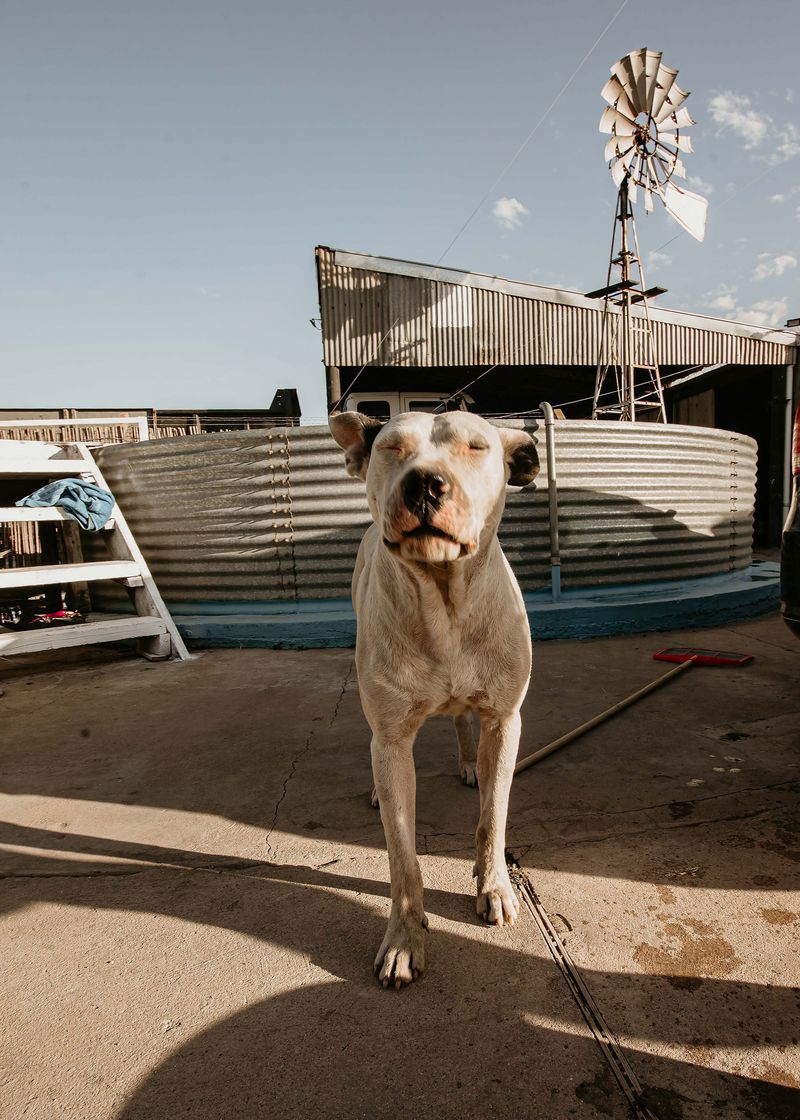
A quick splash can turn into a problem fast. Dogs often leap into stock tanks easily, yet the smooth, steep sides give their paws nothing to grip.
Paddling in circles drains energy quickly, especially for puppies and wide-chested breeds. Add a simple exit ramp, a sturdy board, or large flat stones inside the tank.
Fencing tanks off helps too. If your dog ever falls in and struggles, have a veterinarian check them afterward.
2. Dogs Who Need Extra Help in Water
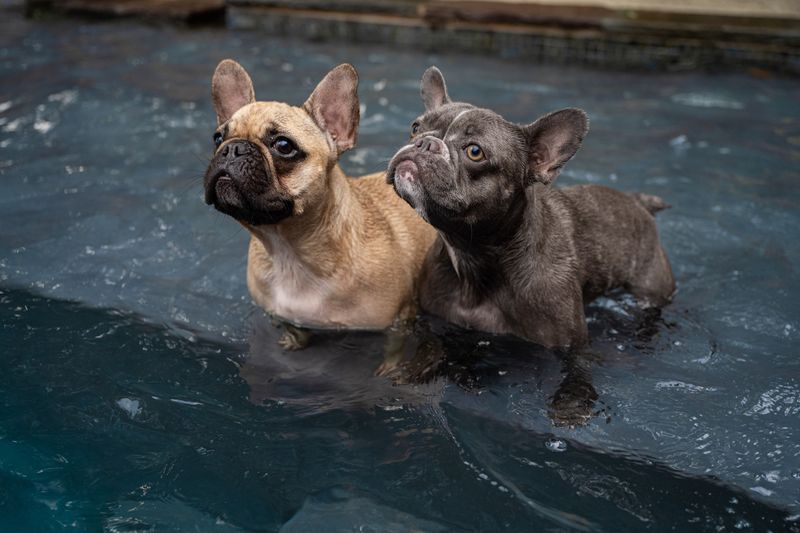
Not every dog is a natural swimmer. Senior dogs, blind dogs, puppies, and short-nosed breeds like bulldogs and pugs tire faster or breathe harder in water.
Heavy chests and short legs make staying afloat tough work. A well-fitted dog life jacket with a top handle is a smart investment.
Stay within arm’s reach during swims. For these dogs, shallow wading or a small splash pool can be just as fun.
3. One More Throw Can Be Too Many
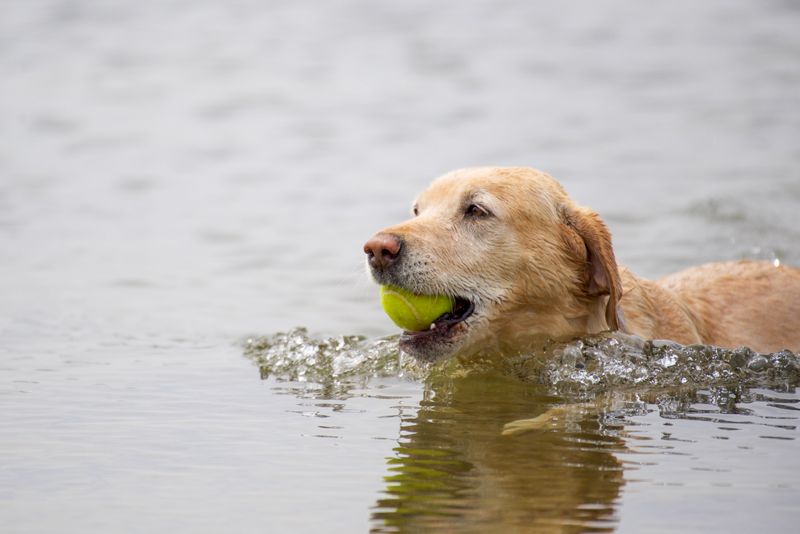
Retrievers will chase a ball into the water until their legs give out. Their enthusiasm often runs far ahead of their stamina.
Fatigue is a leading cause of water accidents. Plan breaks every ten or fifteen minutes, with shade and fresh drinking water.
Watch for lower heads, slower paddling, or a back end that starts to sink. Those are your signals to call it a day.
4. Coughing Hours After the Swim
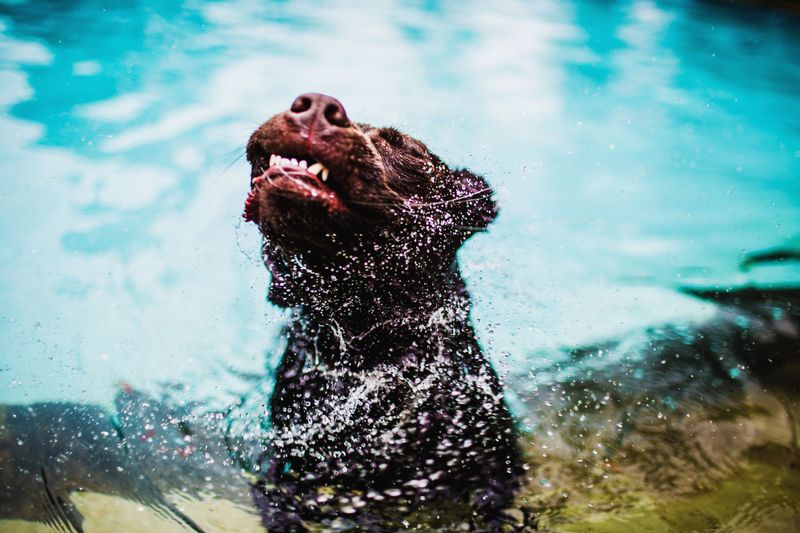
Here is one many owners never hear about. A dog can breathe in a little water while swimming, and trouble may show up hours later.
Inhaled water can irritate the airway. Signs may appear up to about 24 hours afterward.
Watch for steady coughing, labored breathing, unusual tiredness, or restlessness. If you notice any of these after water play, call your veterinarian promptly.
Quick care makes a real difference.
5. The Cover That Looks Like Solid Ground
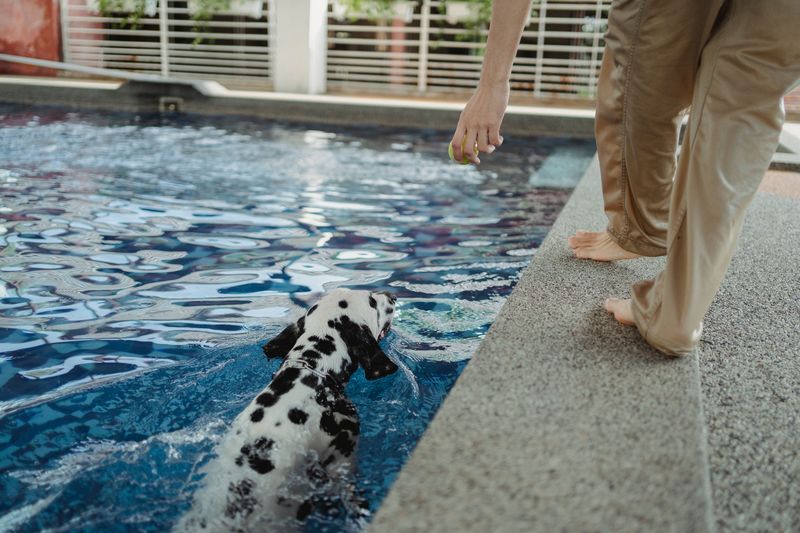
To a dog, a floating pool cover can look like a firm patio. A curious pup may step onto it, slip through, and end up stuck underneath.
Soft solar covers and loose tarps carry the most risk. Keep your dog away from covered pools unless you are right there watching.
A sturdy safety cover rated to hold weight, plus a fence with a self-closing gate, offers much better protection.
6. Too Much Water From the Hose
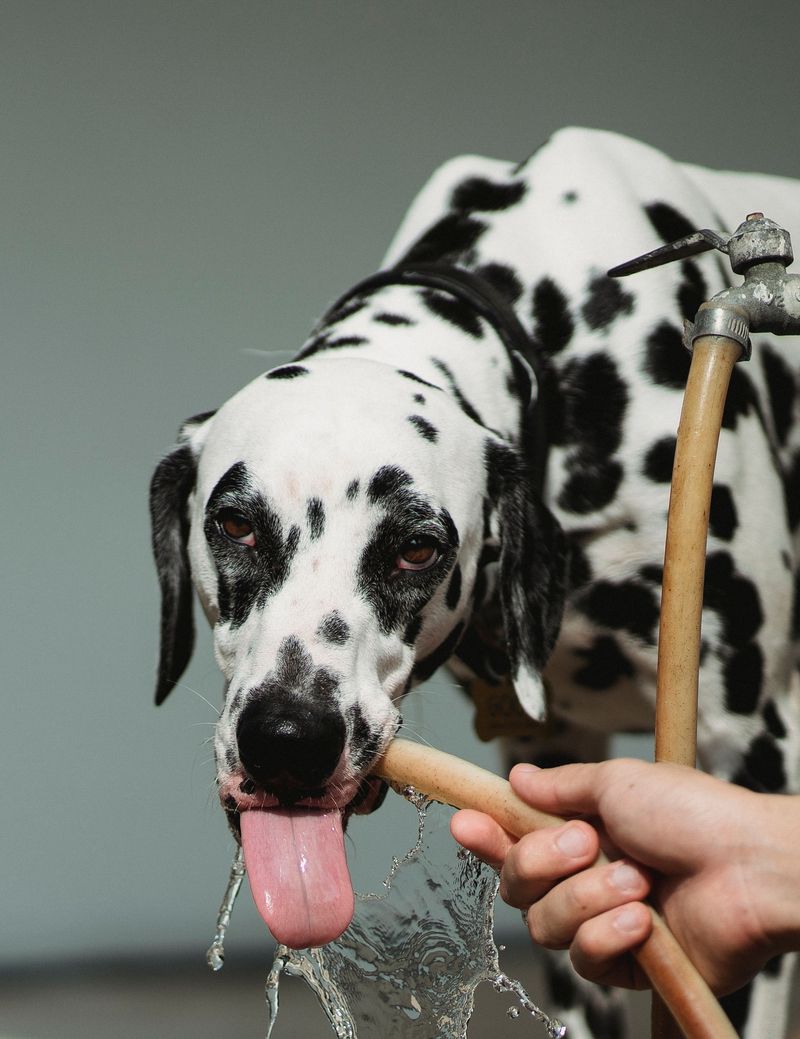
Biting at hose spray looks hilarious. Yet dogs who gulp lots of water in a short time can develop water intoxication, also called hyponatremia.
Extra water dilutes sodium in the body, which causes cells to swell. Early signs include staggering, bloating, vomiting, and low energy.
Small dogs can show signs quickly. Keep hose games short, use toys that need less mouth-opening, and see a vet right away if symptoms appear.
7. Salt Pools Are Not a Water Bowl
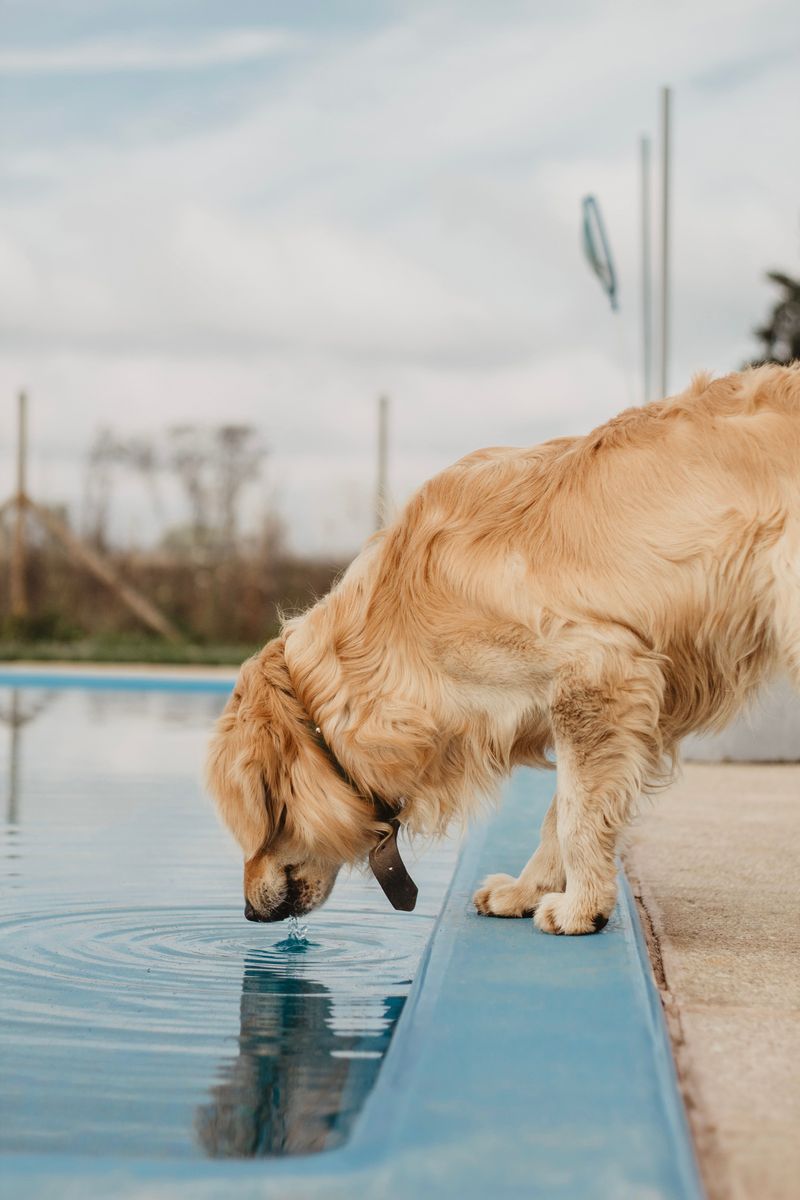
Saltwater pools feel gentle on skin, so many owners assume they are harmless to drink. Swallowing a lot of that water is a different story.
Large amounts can upset a dog’s electrolyte balance. Signs include vomiting, diarrhea, and tiredness, with more serious nervous system effects possible.
The easy fix is simple. Set out a bowl of fresh water poolside, and redirect your dog whenever they start lapping pool water.
8. Fresh Shock, Strong Fumes
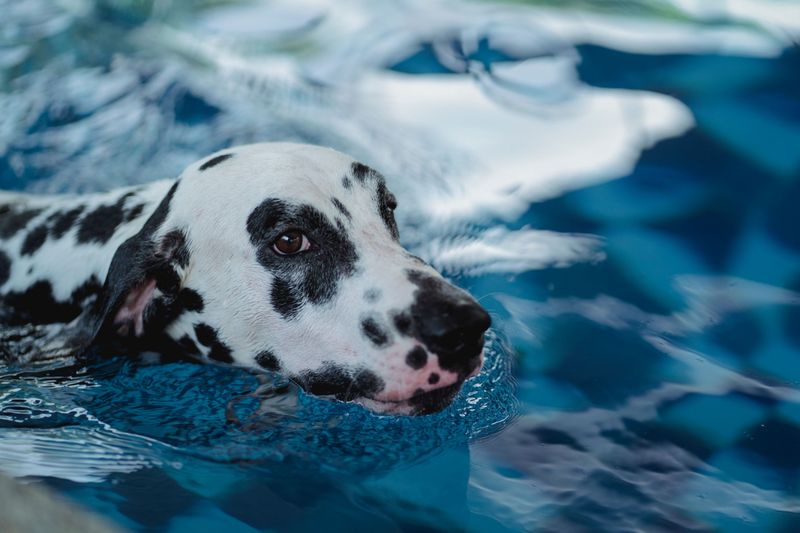
Shocking the pool keeps the water clean. Right afterward, though, chlorine levels can be high enough to irritate a dog’s skin, eyes, and airways.
Wait until levels return to the normal range before swimming. A simple test kit tells you when the water is ready.
Rinse your dog with clean water after every pool session. Dogs with allergies or sensitive skin will especially appreciate it, since chlorine can leave coats dry and itchy.
9. Chlorine Tablets Within Paw’s Reach
A bucket of chlorine tablets can look oddly like a chew toy. These tablets, liquid chlorine, and strong algaecides are concentrated and corrosive.
Chewing them may burn the mouth, throat, and stomach. Watch for drooling, pawing at the face, vomiting, or trouble swallowing.
Store all pool chemicals high and locked. Keep floating chlorinators out of reach.
If exposure happens, call your vet or a pet poison hotline immediately.
10. Algae You Cannot Always See

Clear-looking water can still carry trouble. Blue-green algae, or cyanobacteria, thrives in warm, still Texas ponds and tanks.
Blooms may look like green or reddish scum or pea soup. Sometimes there is no visible scum at all.
The City of Austin advises treating all algae as potentially toxic. Keep dogs out of questionable water, rinse them off after any swim, and call a vet fast if vomiting or weakness appears.
11. Leptospirosis in Muddy Puddles
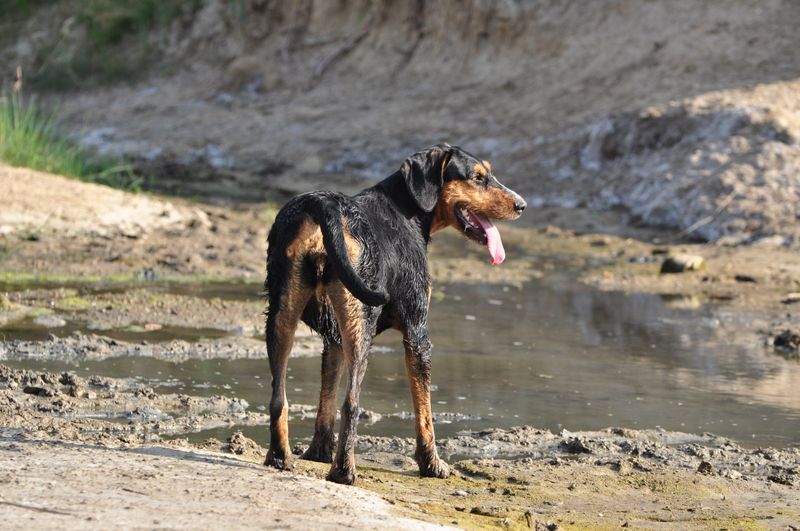
Deer, raccoons, rodents, and cattle all visit the same water your dog loves. Their urine can carry leptospirosis bacteria.
These bacteria live in soil and standing or slow water. Dogs pick them up by drinking or through cuts and mucous membranes.
The infection can harm the kidneys and liver. A vaccine is available, so ask your veterinarian whether your dog’s lifestyle makes it a good choice.
12. Tummy Bugs in Untreated Water
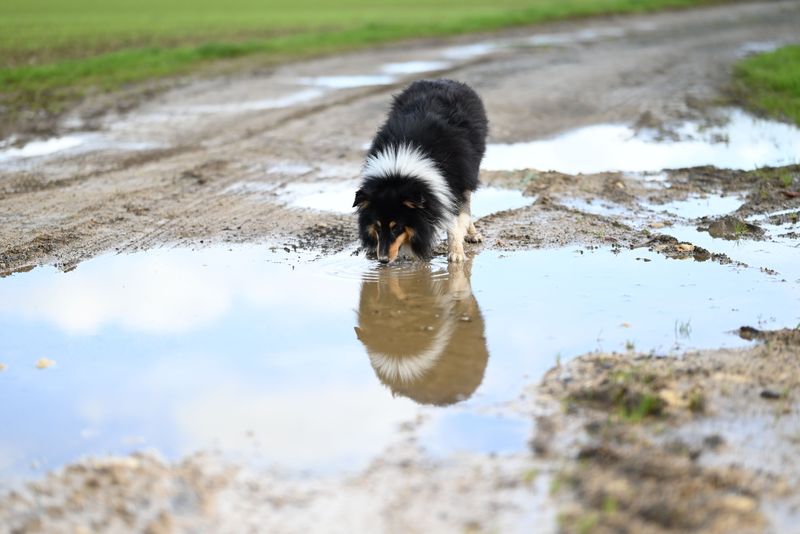
Ranch dogs love a cool drink straight from the cattle trough. Unfortunately, untreated or manure-tainted water can hold Giardia and other gut germs.
Infected dogs may develop diarrhea, stomach upset, or a lingering case of loose stool.
Bring a portable bowl and fresh water on outings. If digestive trouble shows up after a farm visit, mention the water source to your vet.
Stool testing can find the cause.
13. When Tank Water Turns Into Bathwater
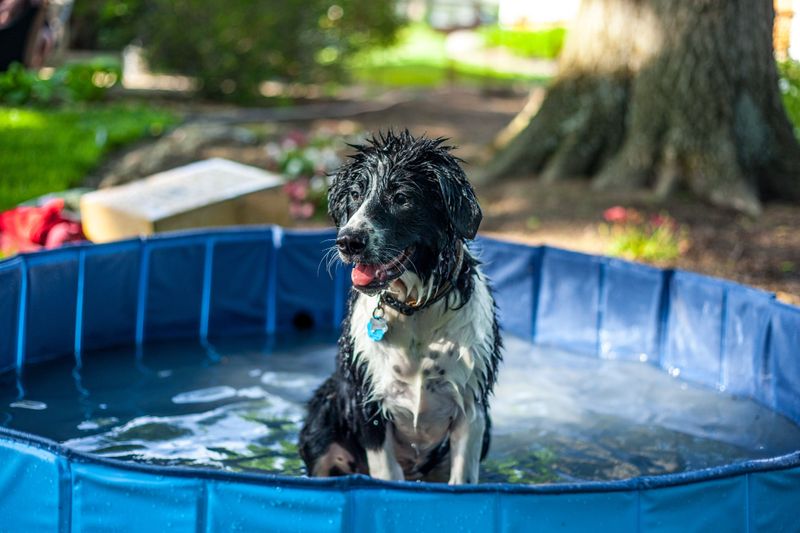
You might expect water to cool a hot dog. Shallow tank water baking in the August sun can get surprisingly warm, though.
Warm water does not help a dog shed heat. Combined with exercise, it may push them toward heatstroke.
Test the water with your hand first. Swim early in the morning or near evening.
Watch for heavy panting, drooling, or wobbling, and contact a vet if they appear.
14. Scorching Decks and Metal Rims
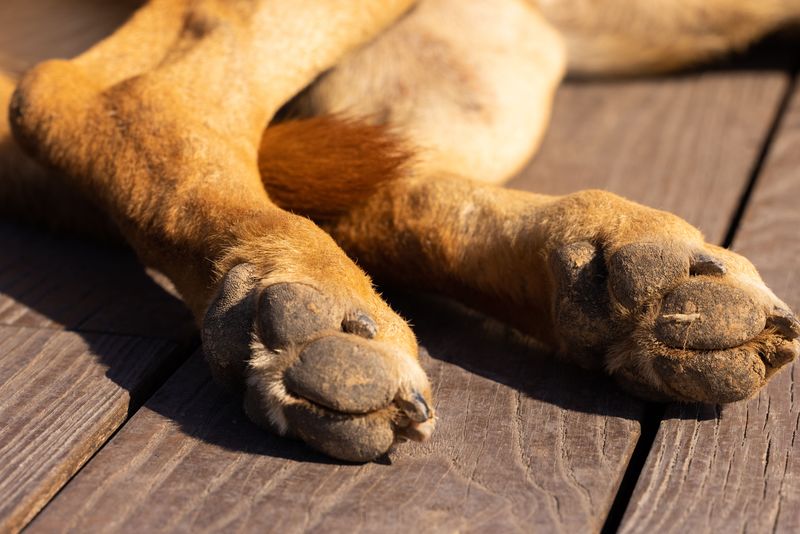
Try the seven-second test. Press the back of your hand on the pool deck, and if it hurts, it is too hot for paws.
Concrete and metal tank rims soak up serious heat. Pavement can burn pads once air temperatures pass about 85 degrees.
Watch for limping, licking, redness, or blisters. Cool mats, wet towels, shaded paths, and dog booties all help protect sensitive feet.
15. Hidden Edges That Bite Back
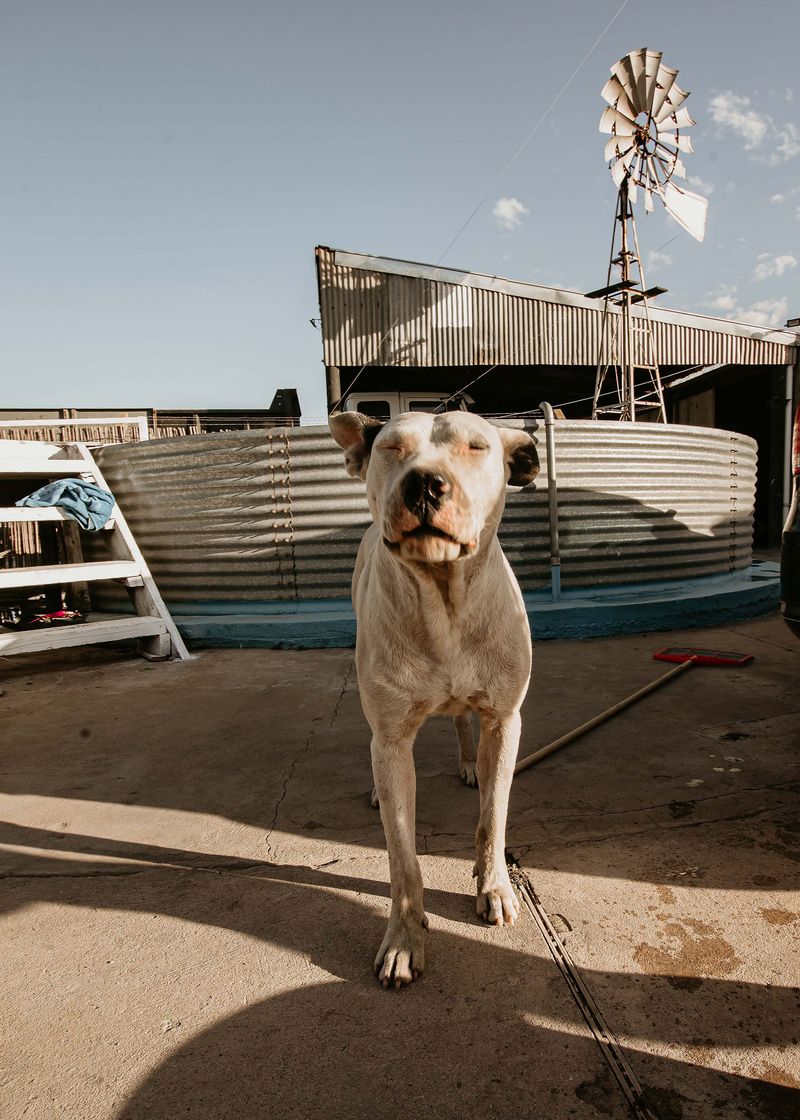
Older stock tanks pick up dents, rust, and bent edges over the years. Those flaws can leave sharp spots right where dogs climb.
Exposed bolts, float valves, and broken fittings may hide below the waterline too.
Walk the tank before swim season and feel for rough spots. File or cover sharp edges, or use pool noodles along the rim.
Check paws and belly for cuts after each swim.
16. Soggy Ears After a Swim
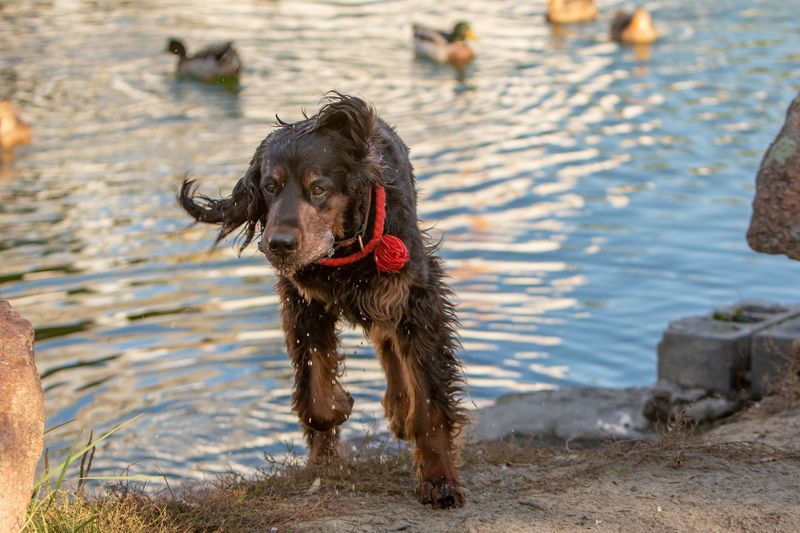
Floppy ears are adorable, but they trap water well. A dog’s ear canal bends like an L, so moisture lingers deep inside.
That warm, damp space invites bacteria and yeast. Ear infections often follow summer swim days.
Dry ears gently with a soft cloth after every swim. Ask your vet about a drying solution.
Head shaking, odor, or redness means it is time for an exam.
17. Forgotten Water, Busy Mosquitoes
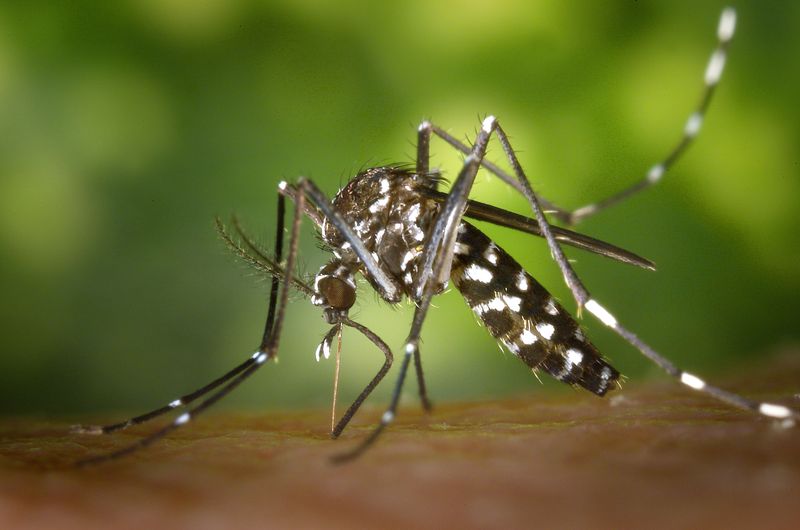
That old kiddie pool in the corner may be raising mosquitoes. Still water in neglected tanks and buckets makes perfect breeding ground.
Mosquitoes spread heartworm disease, and Texas has plenty of them most of the year.
Dump small containers weekly and keep larger tanks circulating or treated with pet-safe products. Year-round heartworm prevention is something your veterinarian can help you choose.
Small habits cut the risk a lot.
18. Snakes on the Bank, Gators in the Shallows
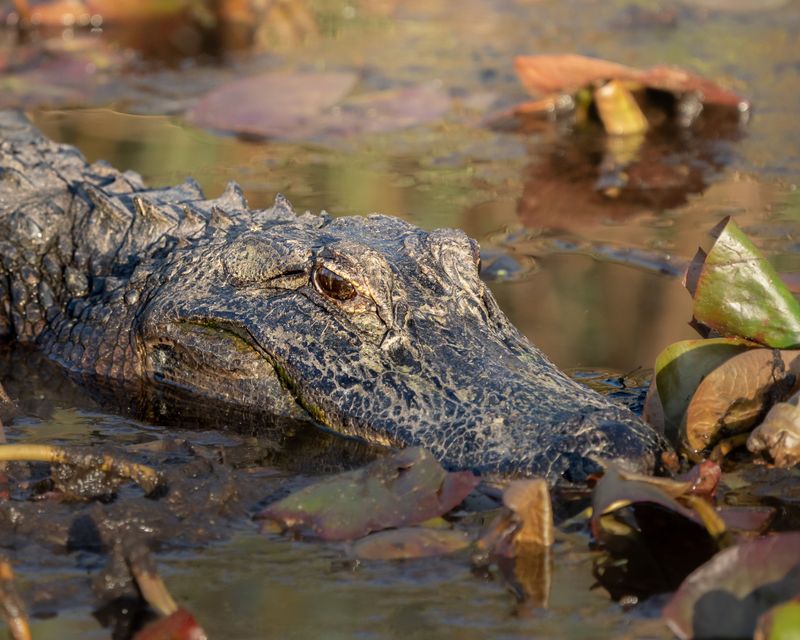
Water draws wildlife, and Texas has some notable neighbors. Rattlesnakes, cottonmouths, and copperheads often rest near tanks and pond banks.
In parts of East and South Texas, alligators live in natural ponds, rivers, and marshes.
Keep dogs leashed near tall grass and unfamiliar water. Obey posted signs.
If a snake bite happens, keep your dog calm and head straight to a vet clinic.