19 Texas Cooling And Flooring Changes That Help Senior Dogs Through Long Summers
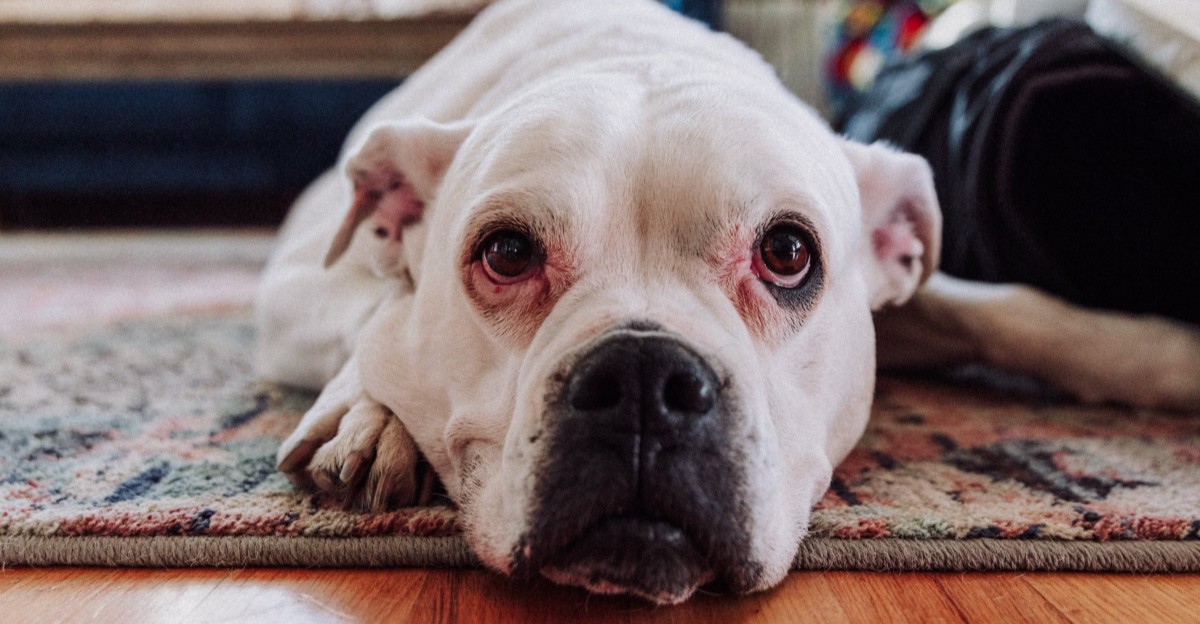
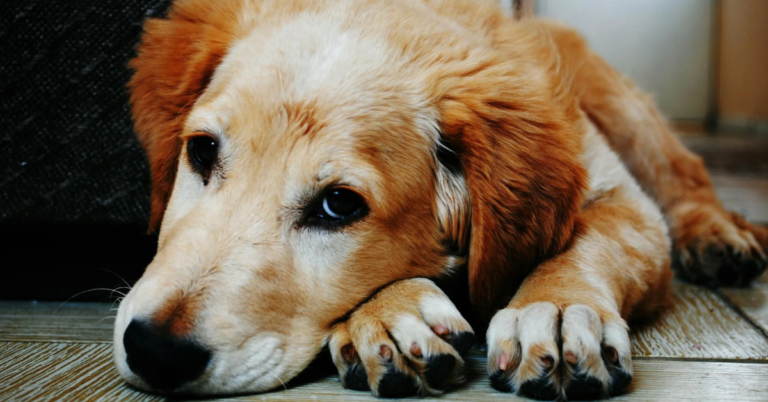
Texas summers can feel endless, and older dogs often feel the heat more than we do. Stiff joints, slower steps, and slippery floors can make hot months harder for them.
The good news is that small home changes make a big difference. Here are simple cooling and flooring ideas that help your senior dog stay comfortable, steady, and relaxed until fall arrives.
1. Set the Thermostat and Leave It Steady
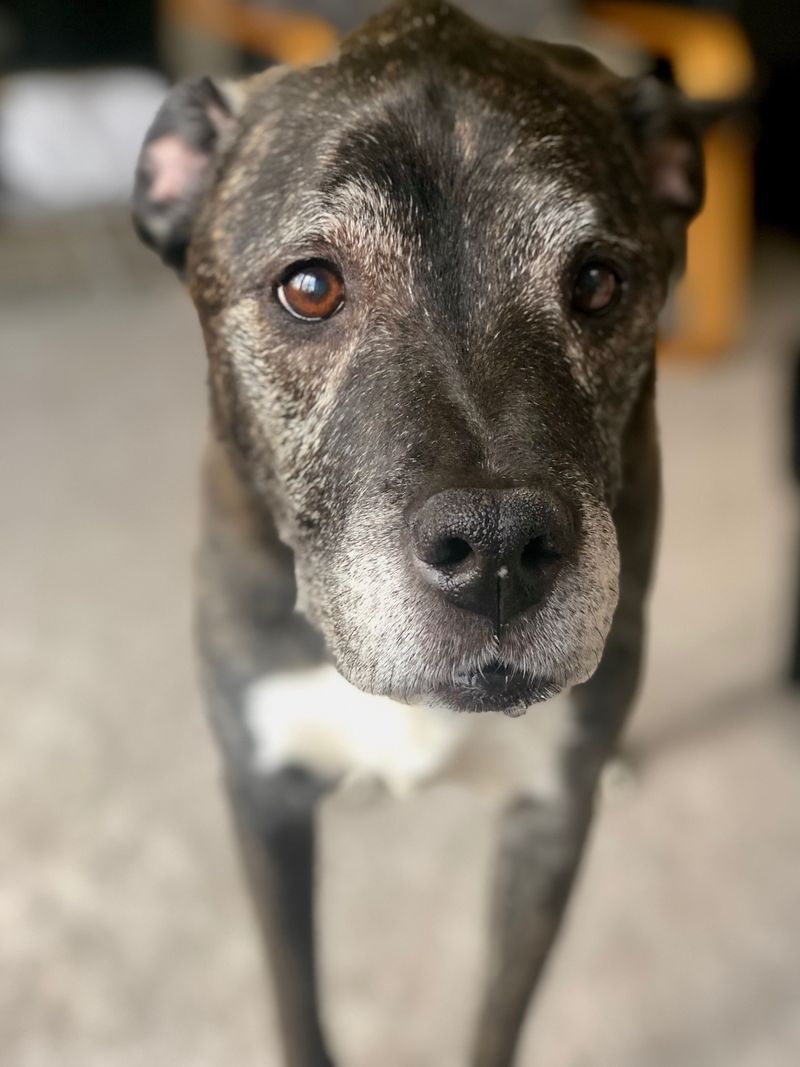
Older dogs handle sudden temperature swings poorly. Their bodies need more time to adjust than a young pup does.
Many veterinarians suggest keeping indoor air roughly between 73 and 79 degrees Fahrenheit. Pick a setting in that range and keep it steady, even while you are away.
Watch your dog, too. Some small or thin-coated seniors feel chilly below 68 degrees.
If you are unsure, ask your vet what suits your dog best.
2. Let a Breeze Do Some Work
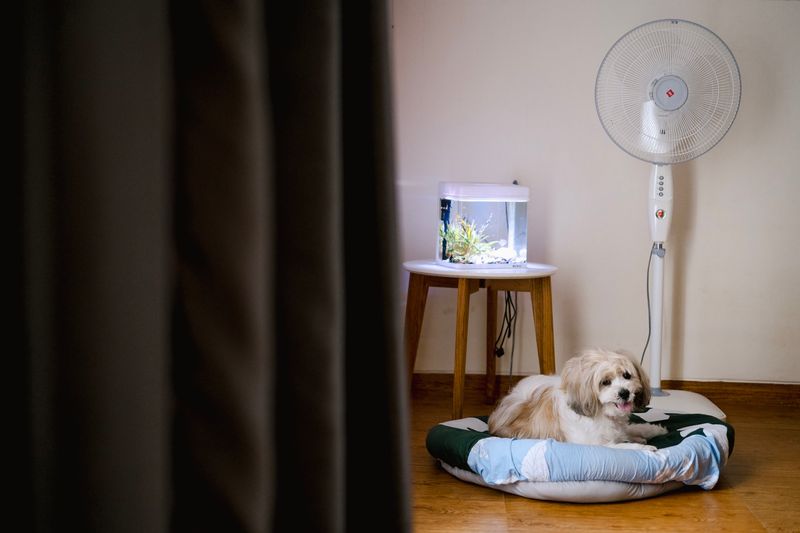
Moving air feels wonderful on a warm afternoon. Dogs cool mostly by panting, and a gentle breeze helps that process work better.
Ceiling fans or portable fans reduce stuffy, stagnant air in a room. They work best when the room is already fairly cool.
In extreme heat, a fan only pushes hot air around, so pair it with air conditioning. Choose models with covered blades and secure bases.
3. Cooling Mats Where Naps Happen
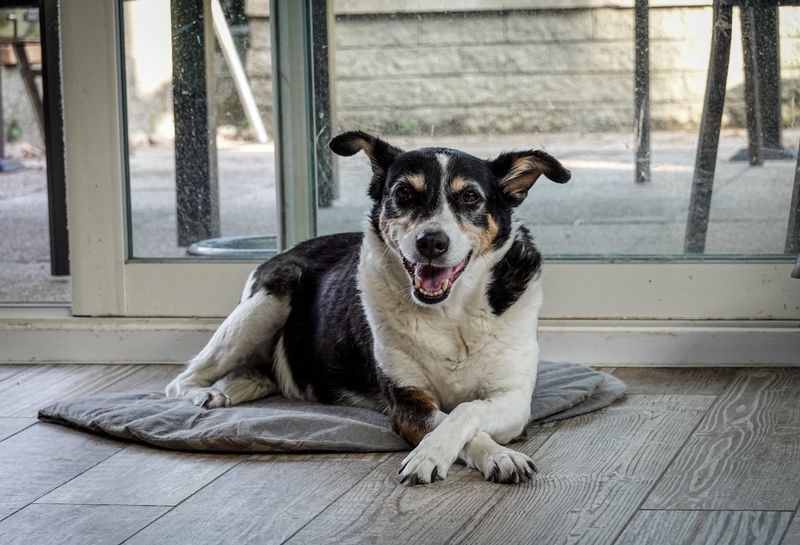
Notice where your dog naps each afternoon. That favorite spot is the perfect home for a cooling mat.
Gel mats pull heat away from the body and need no power, water, or freezer. Many older dogs with achy joints seem to find the cool surface soothing.
Keep one mat in each main resting room. Remember, mats add comfort but never replace shade, water, and air conditioning.
4. Swap Fluffy Bedding for Breathable Support
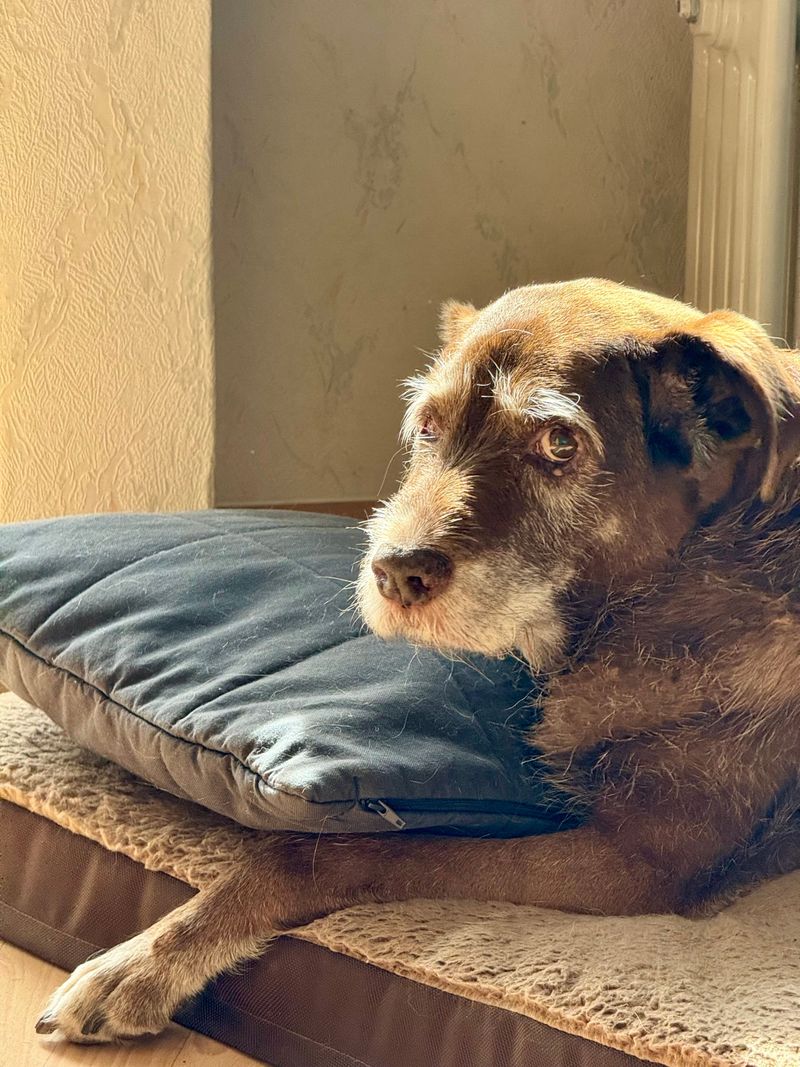
Thick, plush beds are cozy in January. By July in Texas, they can trap heat like a winter coat.
Orthopedic cooling beds offer a smart middle ground. They cushion sore hips and elbows while letting air flow underneath.
Look for mesh covers, raised frames, or cooling foam. Your senior gets joint support without waking up warm and restless.
A washable cover also keeps things fresh through sweaty months.
5. Draw the Curtains on Afternoon Glare
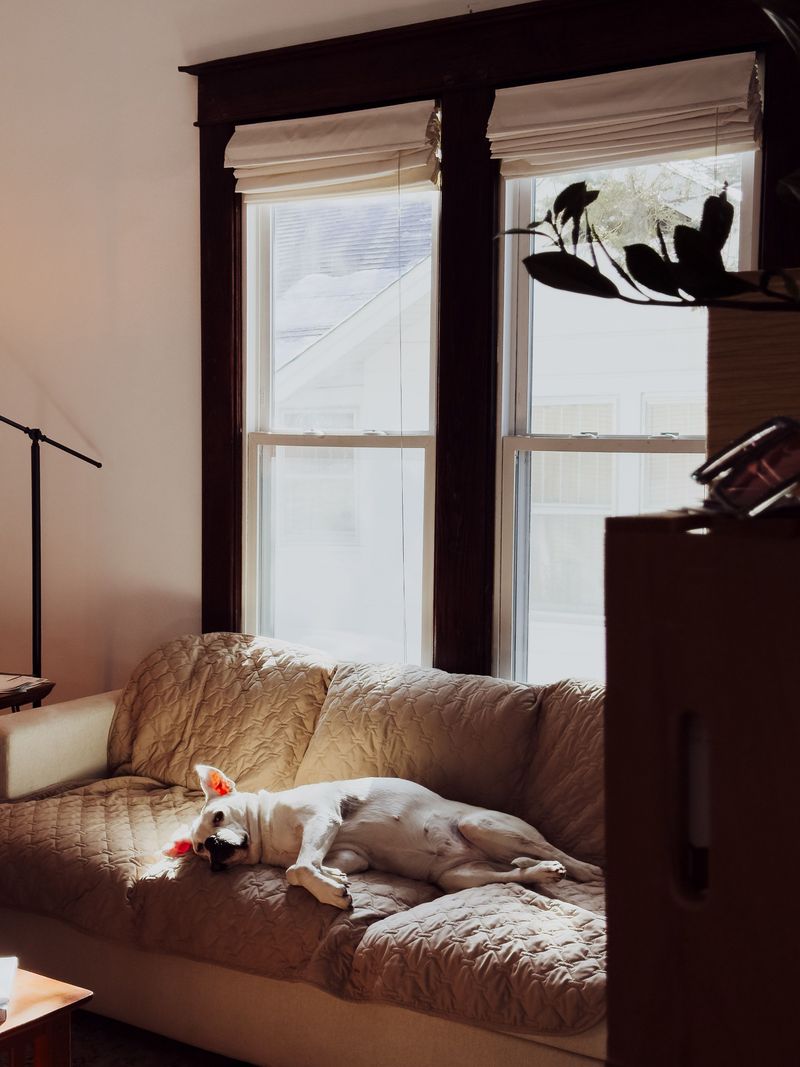
West-facing windows can turn a room into an oven by late afternoon. Blocking that sunlight is one of the easiest fixes around.
Close blinds before the hottest hours begin. Thermal curtains add another layer that helps keep solar heat outside.
You may notice your dog choosing that room more often once it stays dimmer and cooler. Exterior shading can block even more heat if you want extra help.
6. Try Window Film or Solar Screens
Here is a fun fact: some window films can block up to 80 percent of solar heat. That is a big boost for such a thin layer.
Ceramic films reflect and absorb sunlight before it warms your rooms. Exterior solar screens can stop even more heat and glare.
Both options can lower cooling bills too. Your dog enjoys cooler floors, and you still keep your outdoor view.
7. Relocate the Main Sleeping Spot
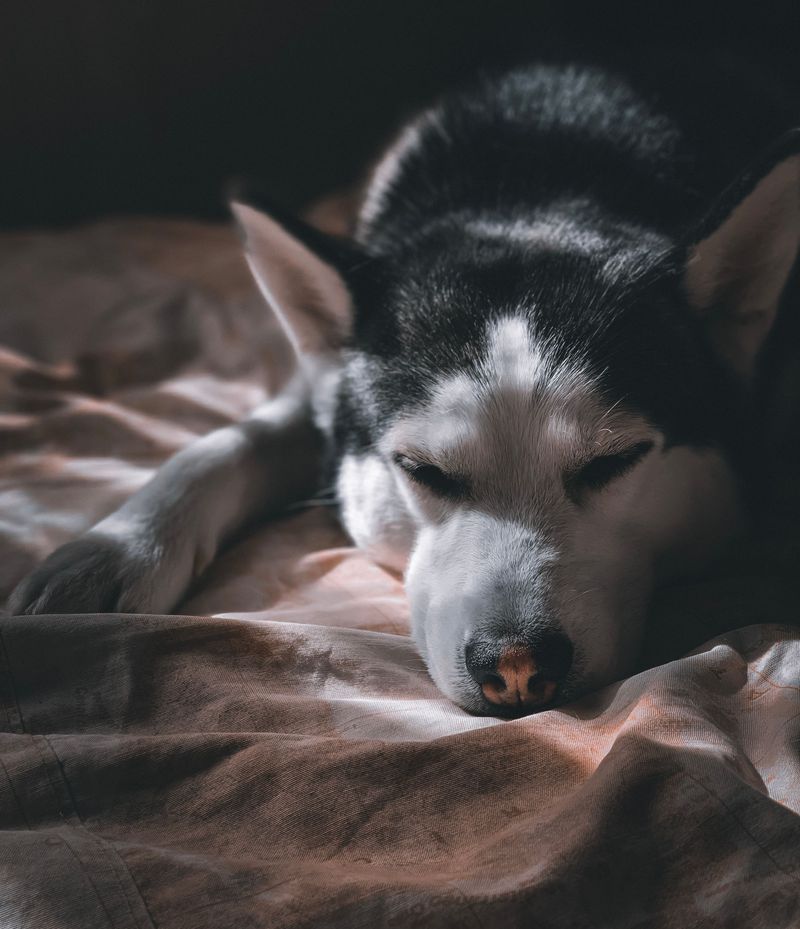
Sometimes the best fix is simply moving the bed. A spot that felt perfect in spring may bake by June.
Look for an inner room with steady airflow and little direct sun. Avoid stuffy laundry rooms or corners with poor ventilation.
Move the bed gradually if your dog is set in their ways. Placing a familiar blanket or toy there helps the new spot feel like home.
8. Trade Carpet for Cool Tile or Stone
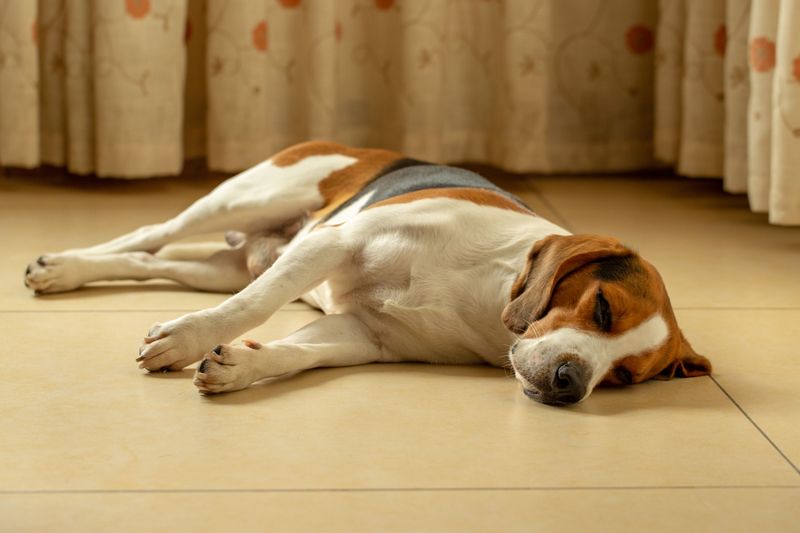
Ever seen a dog stretch out on a kitchen floor? They know which surfaces stay cool.
Carpet holds warmth, while porcelain tile, travertine, and limestone stay cooler underfoot. Lighter colors and matte or textured finishes help even more.
You do not have to redo the whole house. Replacing carpet in one favorite resting area can be enough.
Just add traction, which the next tips cover.
9. Give Slick Floors Some Grip
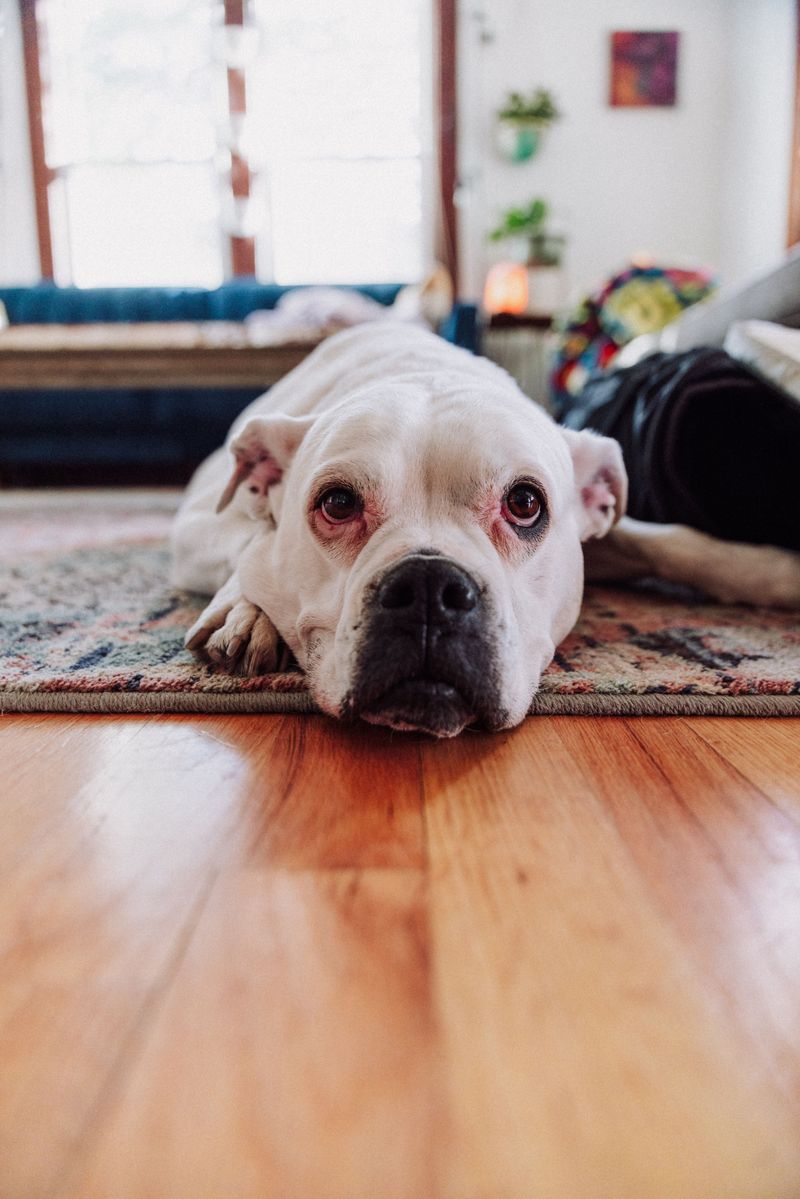
Cool floors have a downside. Tile and hardwood can feel like ice to an older dog with weak hips.
Slips can cause injuries and shake a senior’s confidence. Nonslip runners with rubber or TPR backing grip the floor well.
Lay them along common paths, like the route from bed to water bowl. Many owners notice their dogs moving with more ease within days.
10. Retire the Sliding Throw Rugs
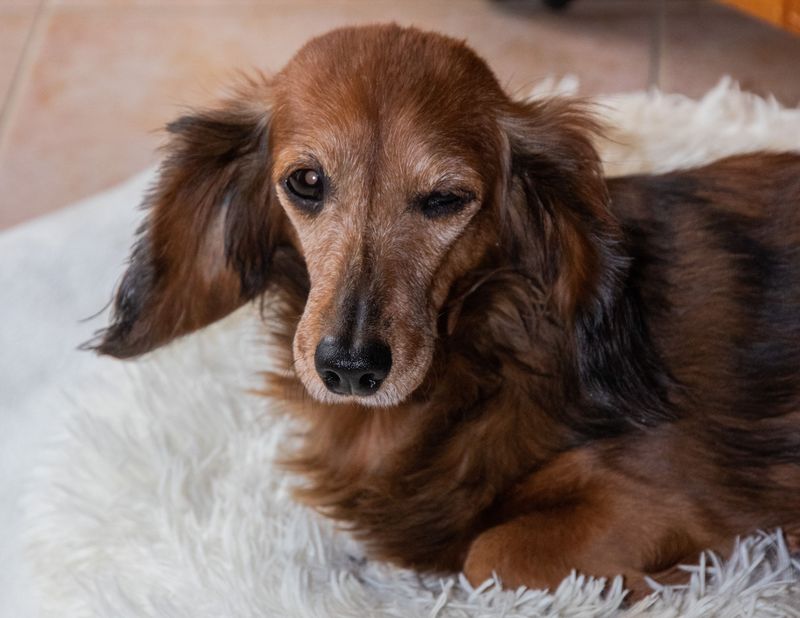
A loose throw rug can shift the moment a dog steps on it. For a wobbly senior, that becomes a hazard instead of a help.
Rugs with natural rubber or TPR backing stay firmly in place. They provide steady traction without bunching up.
Test each rug by pushing it with your foot. If it moves easily, swap it or add a quality rug grip underneath.
11. Cushion the Spots Where They Stand
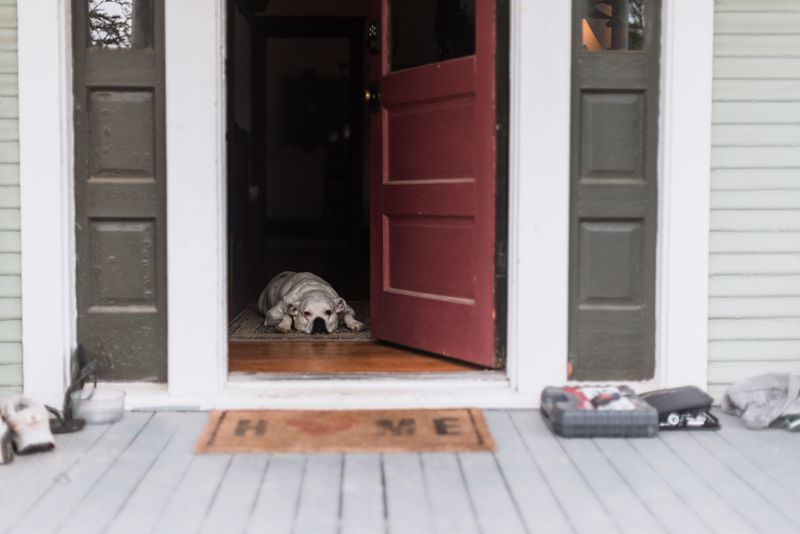
Think about where your dog waits patiently. Maybe it is beside the kitchen counter or near the back door.
Rubber flooring rolls or interlocking EVA foam mats soften those spots nicely. They absorb shock and offer good traction.
Aging joints appreciate a little padding during long waits. Foam tiles are also easy to wipe clean and rearrange whenever your dog’s habits change.
12. Anchor Bowls and Busy Doorways
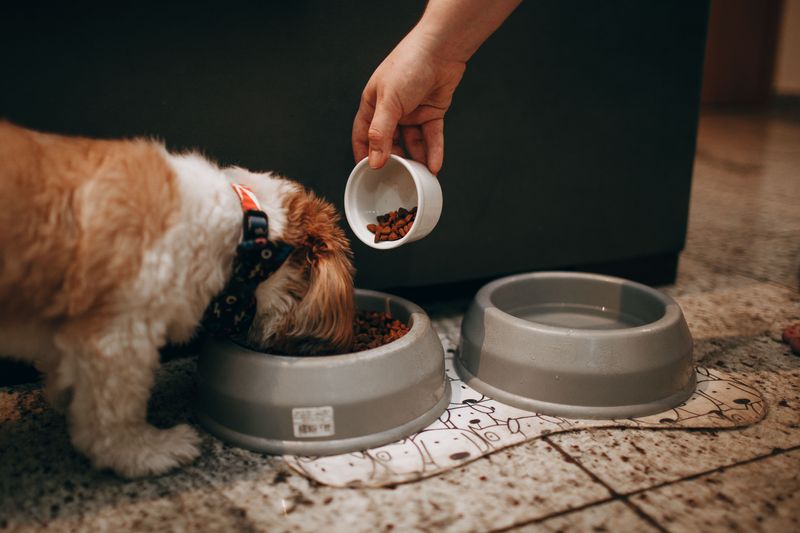
Mealtime can get messy. Splashed water on tile creates a slippery patch right where your dog stands.
A silicone or rubber-backed mat keeps bowls from sliding and catches spills. It also protects your floors from water damage.
Add similar mats near doors and other busy spots. These small pieces quietly prevent many slips during an ordinary day.
13. Line Hallways with Low-Pile Runners
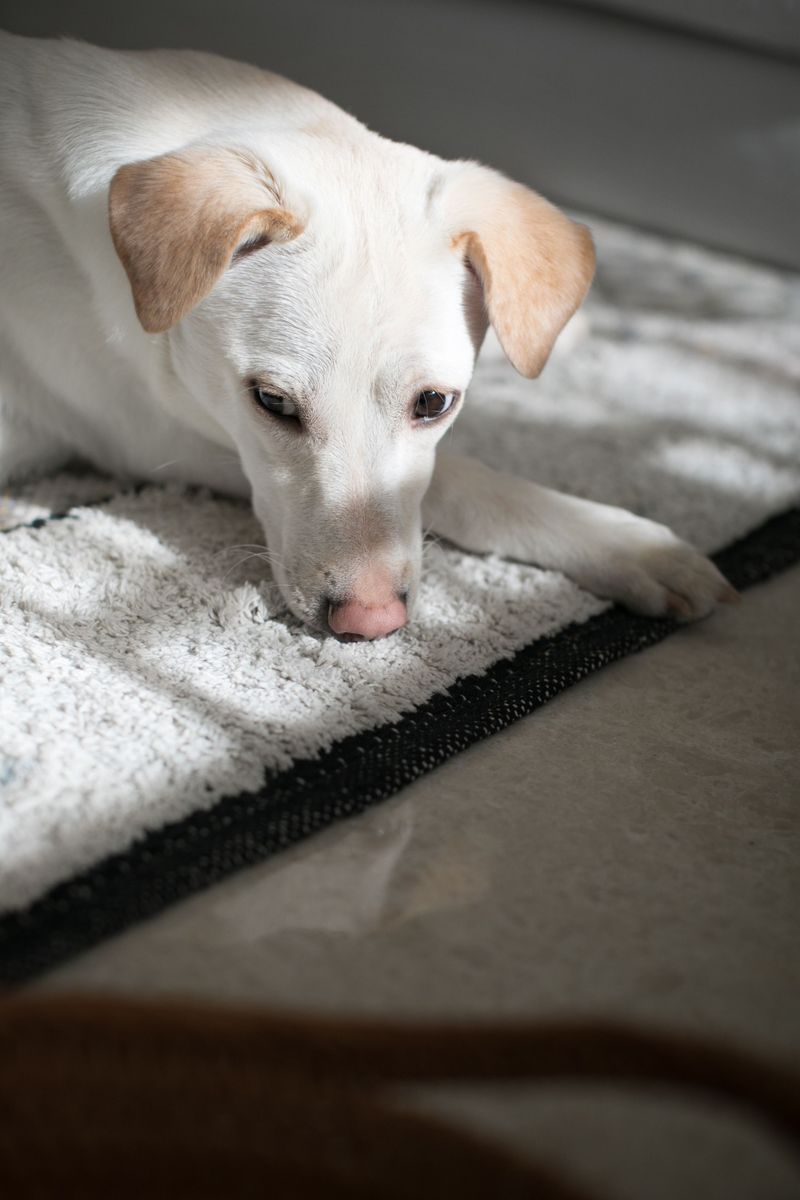
Hallways are highways for pets. They are often long, narrow, and covered in slick flooring.
A low-pile runner with nonslip backing adds steady traction from end to end. Short fibers also keep nails from snagging.
For dogs with arthritis, this means less effort with every step. Measure your hallway first so the runner covers most of the walking path.
14. Skip Dark Decking Outdoors
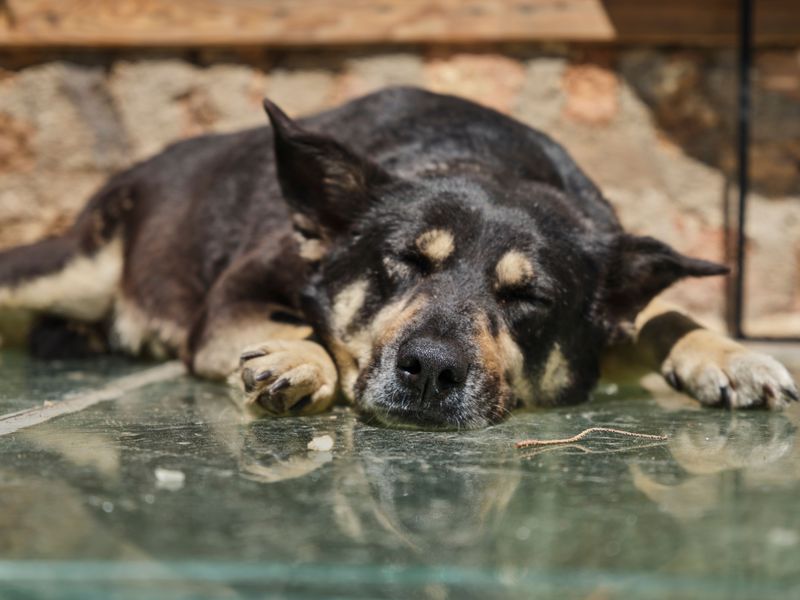
Try this quick test on a sunny afternoon. Press the back of your hand to your patio for several seconds.
If it feels too hot for you, it is too hot for paws. Dark decking and pavers soak up heat quickly.
Lighter materials like travertine or limestone reflect more sunlight. When planning outdoor updates, choosing pale surfaces keeps walking areas much kinder to feet.
15. Build a Cooler Path to the Potty Spot
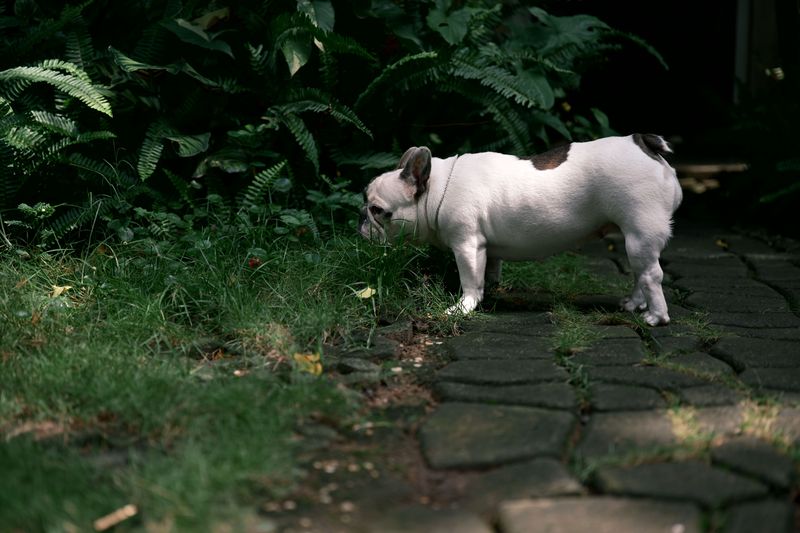
Bathroom breaks still happen in July. Your senior needs a comfortable route to get there.
Shade the path with a pergola, shade sail, or tree. Light stone pavers or outdoor mats in shaded areas stay easier on paws.
Plan potty trips for cooler morning and evening hours when possible. A short, shaded path makes midday trips quick and much less tiring.
16. Create a Shady Outdoor Lounge
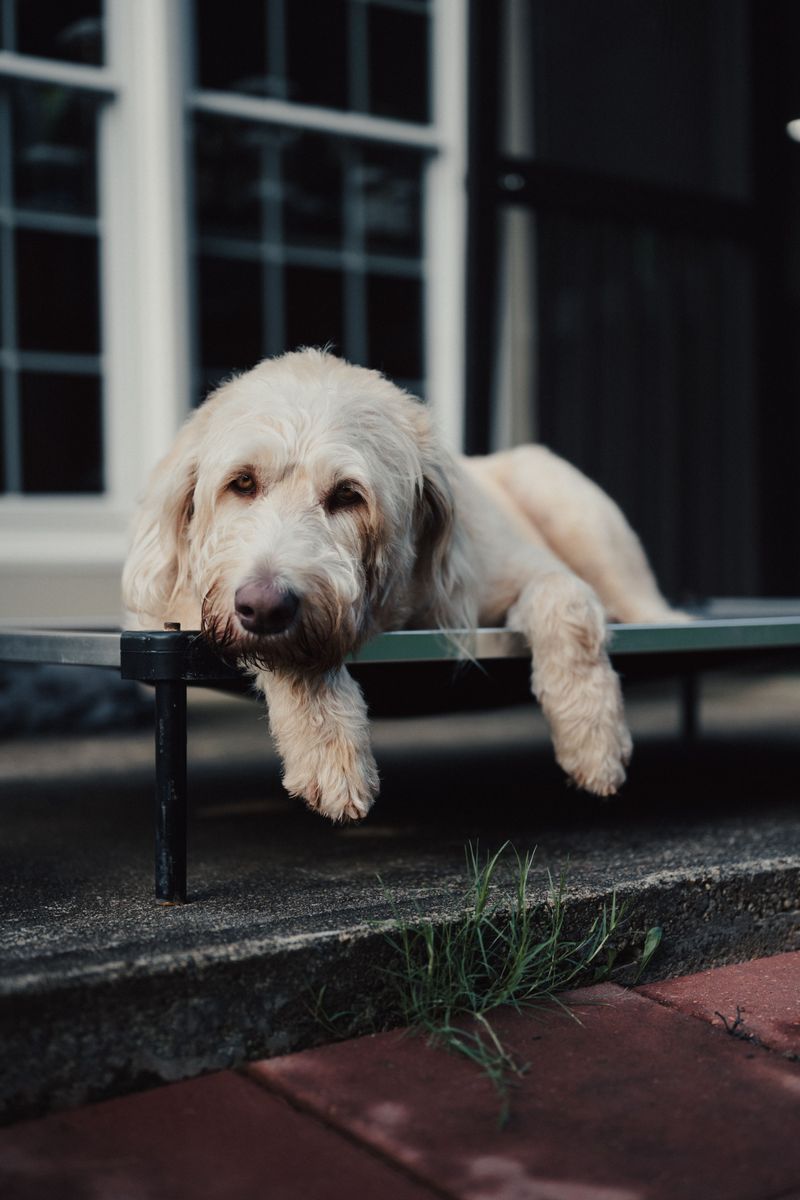
Many older dogs still love lounging outside with their people. Bare, sunny concrete is not the right place for it.
A covered patio with stone or tile flooring offers a cooler surface. An outdoor fan helps move warm air along.
An elevated mesh cot lets air flow beneath your dog. Keep outdoor time short on hot days, and always offer fresh water nearby.
17. Keep Comfort on One Level
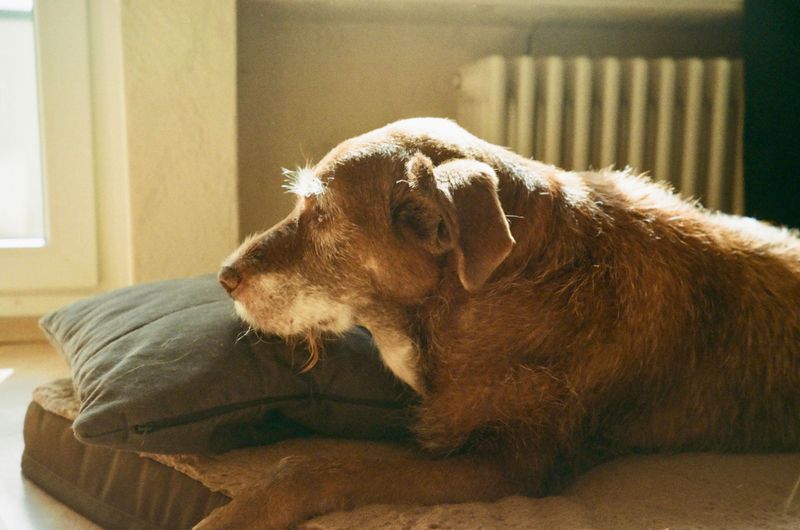
Stairs can feel like a mountain to a senior dog. Climbing puts extra strain on arthritic joints.
Set up cool resting spots, water, and beds on the main floor. That way, your dog finds relief without repeated climbs.
If stairs cannot be avoided, add nonslip treads or a gentle ramp. Your vet can suggest other mobility tips for your dog.
18. Spread Out the Water Bowls
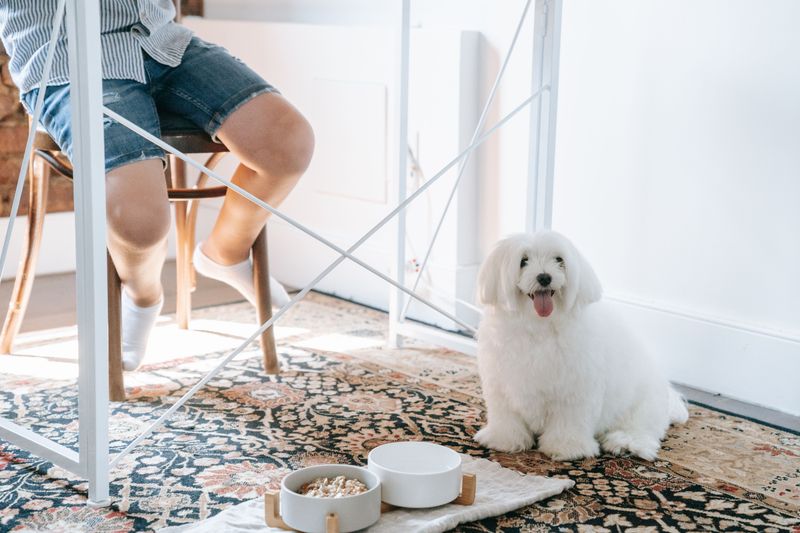
Hydration matters even more when temperatures climb. Yet a slow-moving senior may skip drinks if the bowl feels far away.
Place fresh water in several cool rooms around your home. Keep bowls out of direct sunlight so the water stays pleasant.
Refill and rinse them daily. If your dog suddenly drinks much more or much less, check in with your veterinarian.
19. Block Off Rooms That Trap Heat
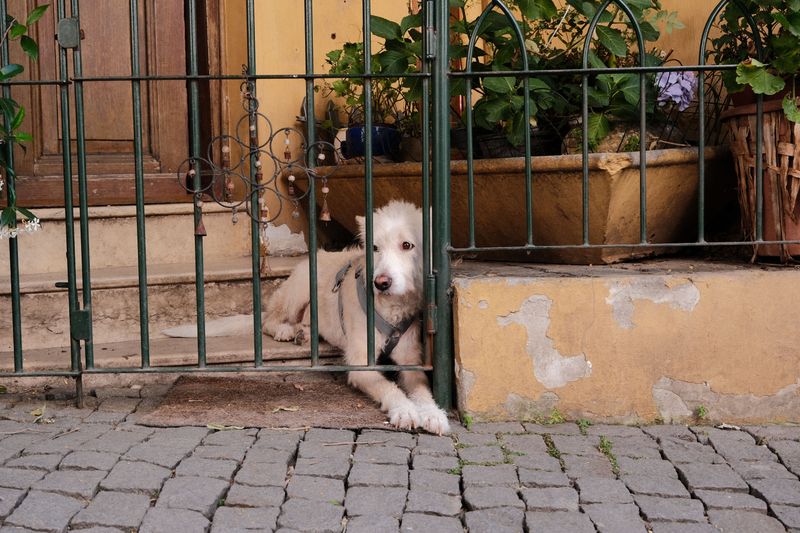
Garages and sunrooms can heat up far faster than the rest of the house. A curious senior may wander in and nap there.
Close those doors or use a sturdy pet gate. It is a simple step that prevents overheating.
Check other warm spaces too, like attics or enclosed porches. With these areas closed off, your dog stays safely in cool zones all summer long.