14 Paw And Coat-Care Habits Texas Dogs Need When Dry Ground, Hot Pavement, And Mud All Show Up In One Year
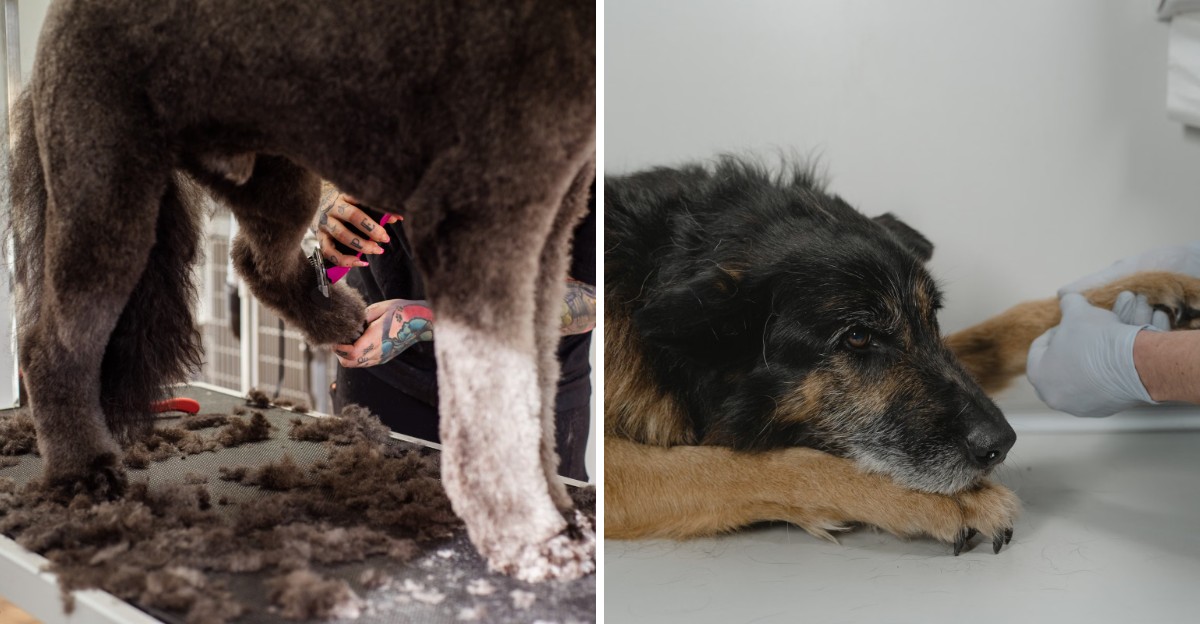
Texas weather can turn a familiar dog walk into a dusty outing, a hot sidewalk shuffle, or a muddy adventure. Your dog’s paws and coat need slightly different care for each kind of day.
Small habits help you catch problems early and keep cleanup simple, without turning every walk into a grooming project. From checking the ground to drying damp fur, here’s how to keep your walking buddy comfortable through changing seasons.
Check Your Dog’s Paws After Every Walk
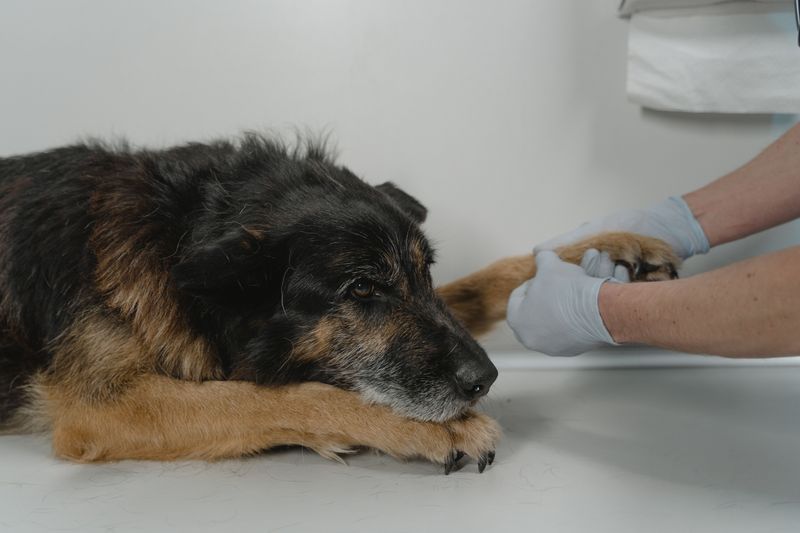
A quick look at each foot can catch trouble before your dog starts favoring a paw. Check pads, nails, and the spaces between toes for grit, redness, or stuck debris.
Notice repeated licking, cracks, or any change in walking. Remove only loose material that comes away easily, without digging into skin.
Contact your veterinarian for limping, swelling, bleeding, or something lodged beneath the surface. A familiar inspection routine also helps your dog accept gentle handling comfortably.
Test Pavement Temperature Before Heading Out
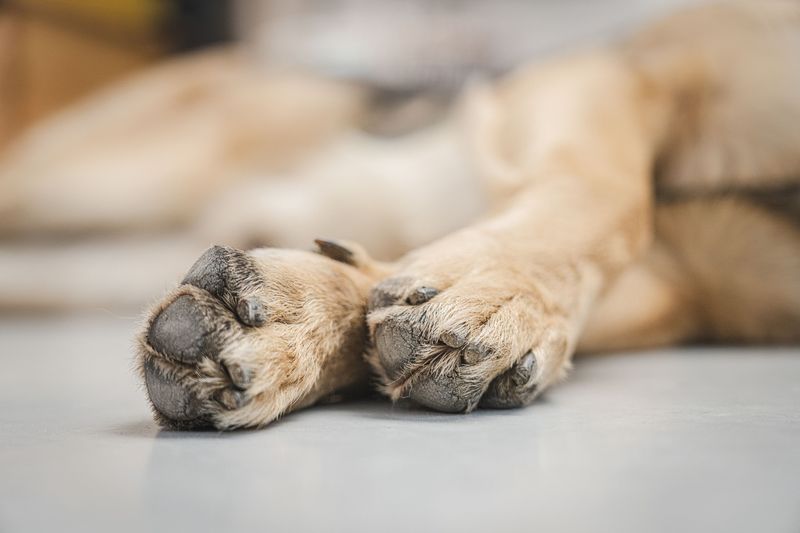
Sunny sidewalks can stay hot even when the air feels manageable. Briefly touch the pavement with your hand, but remember this check cannot guarantee safety.
If it feels hot, choose shade or postpone the walk. Surface temperature varies across asphalt, concrete, and sunny patches.
Well fitted dog boots may help, but they never make every hot surface safe. Practice wearing them indoors first, and check for rubbing or trapped grit after each short outdoor outing together.
Walk During Cooler Hours in Summer

Early mornings often offer a better walking window during Texas summers. Evening outings can help too, although pavement may hold heat long after sunset.
Check conditions each time instead of trusting the clock alone. Keep trips shorter during warm, humid weather, and carry fresh water.
Heavy panting, slowing down, or seeking shade means your dog needs a break. Move somewhere cool, and seek veterinary advice promptly if your dog seems weak, unsteady, or unusually distressed afterward.
Rinse Away Dust and Dried Mud
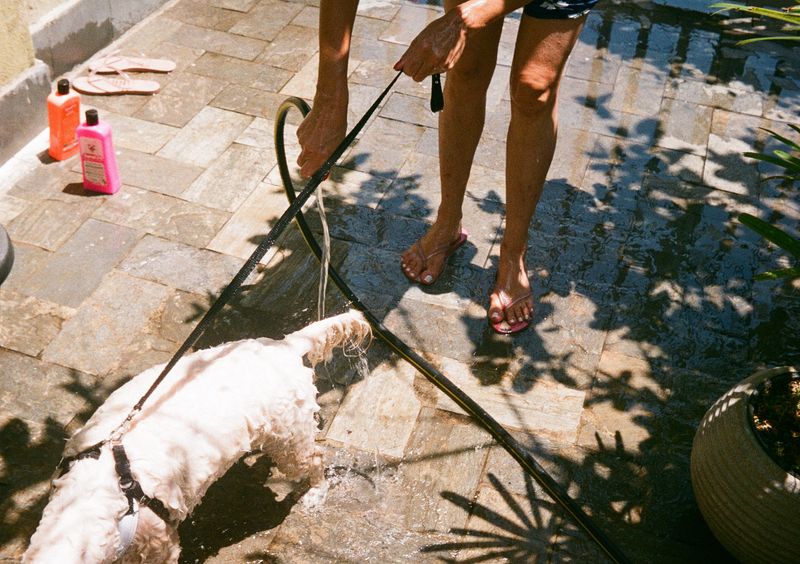
Mud turns stiff as it dries, especially around toes and longer leg hair. Soften stubborn clumps with lukewarm water rather than pulling them from the coat.
A gentle rinse usually handles ordinary dust without a full bath. Work carefully between toes, then pat the feet dry with a clean towel.
Avoid forceful spraying or rough scrubbing over tender skin. If dirt covers a sore spot, rinse gently and ask your veterinarian how to clean it safely.
Keep Paw Pads Soft Without Overdoing It
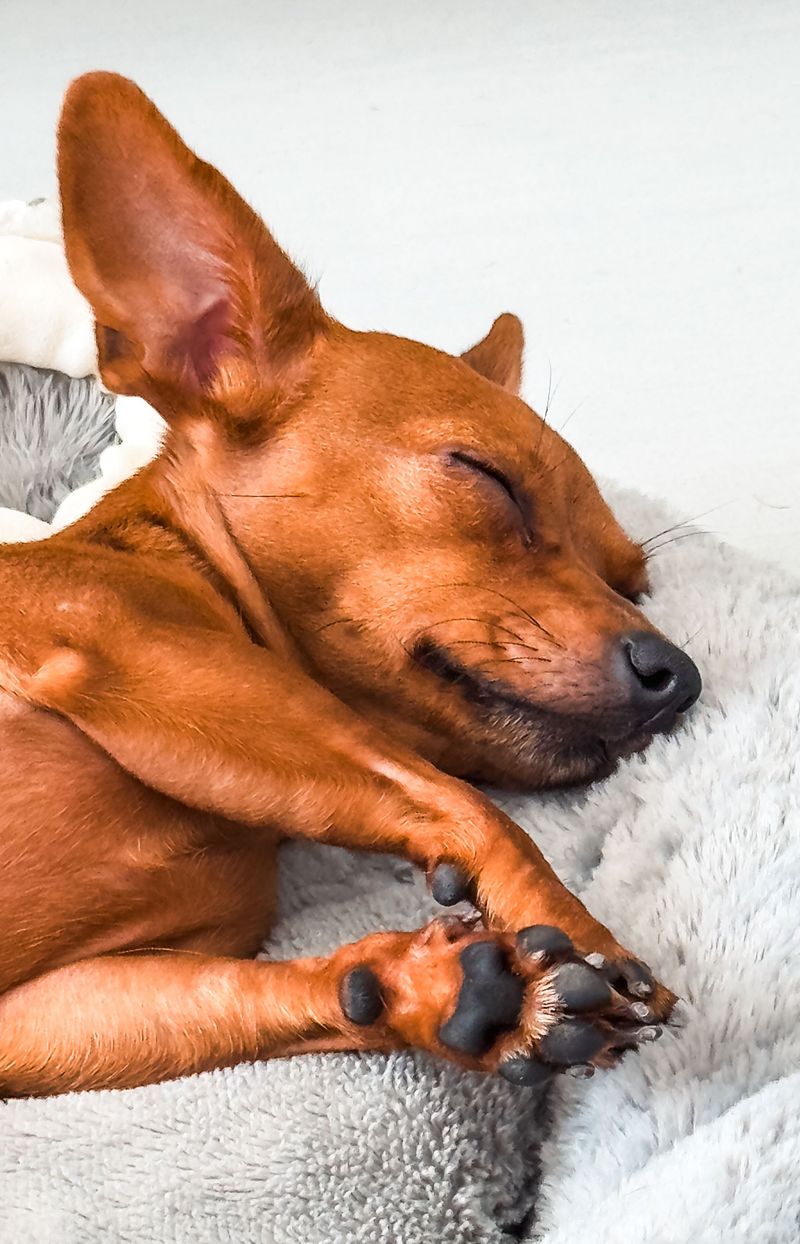
Healthy paw pads feel tougher than human skin, and that texture is normal. They do not need constant moisturizing or a thick coating before every outing.
For mild dryness, ask your veterinarian about a dog safe paw balm. Follow its directions and discourage licking while the product settles.
Skip human lotions unless your veterinarian approves their ingredients. Deep cracks, soreness, or recurring dryness need an examination, not simply more balm layered onto the same irritated area.
Trim Foot Fur Carefully and Clean Your Tools
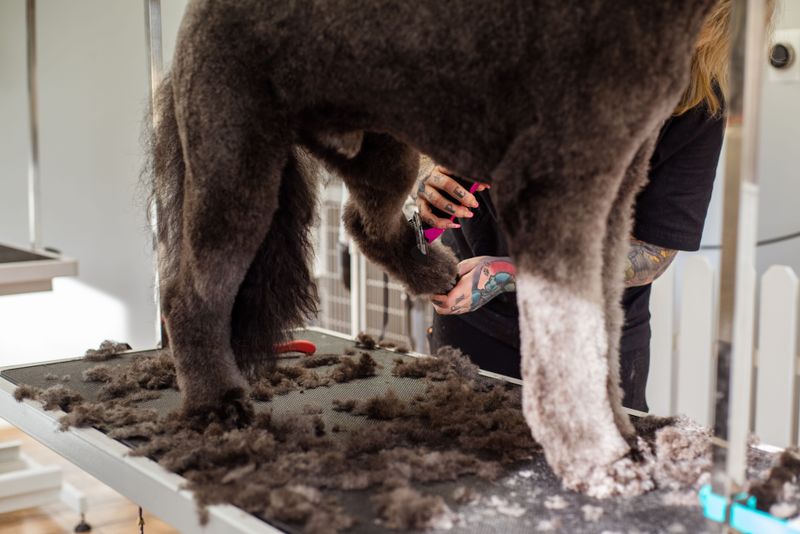
Long hair around feet can collect mud and hide small tangles. Keep excess fur tidy without cutting into the webbing or shaving sensitive skin.
Ask a groomer to demonstrate safe trimming for your dog’s coat. A squirming dog is a good reason to leave scissors aside.
Remove hair from brushes and clippers after use, then clean them according to manufacturer directions. Dry tools before storage, and avoid sharing dirty equipment between dogs with possible skin problems.
Brush Out Dust and Loose Shedding Hair
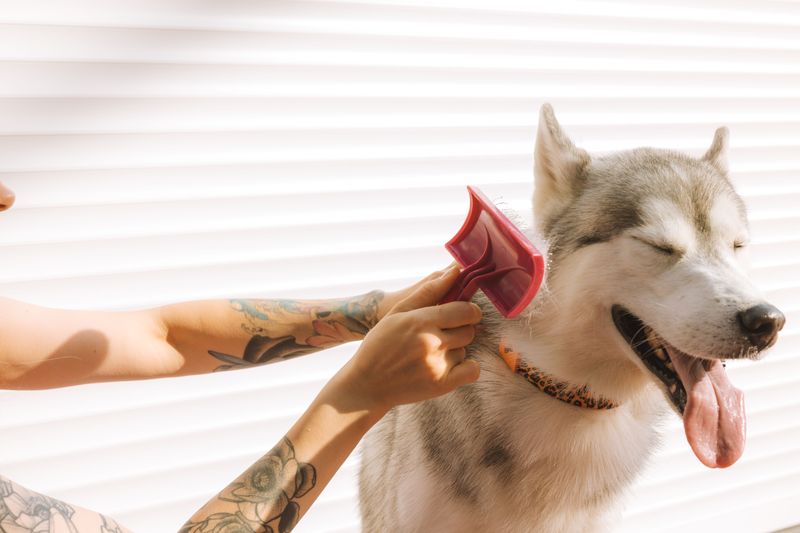
A dusty coat often needs a brush before it needs shampoo. Gentle brushing removes loose dirt and helps you find tangles before water tightens them.
Choose tools suited to your dog’s coat, not whatever looks strongest. During heavy shedding, add short sessions rather than pressing harder or brushing endlessly.
Stop if the skin reddens or your dog seems uncomfortable. Tight mats need skilled help, because pulling them apart or cutting near skin can cause avoidable injuries.
Adjust Bathing to Your Dog’s Coat
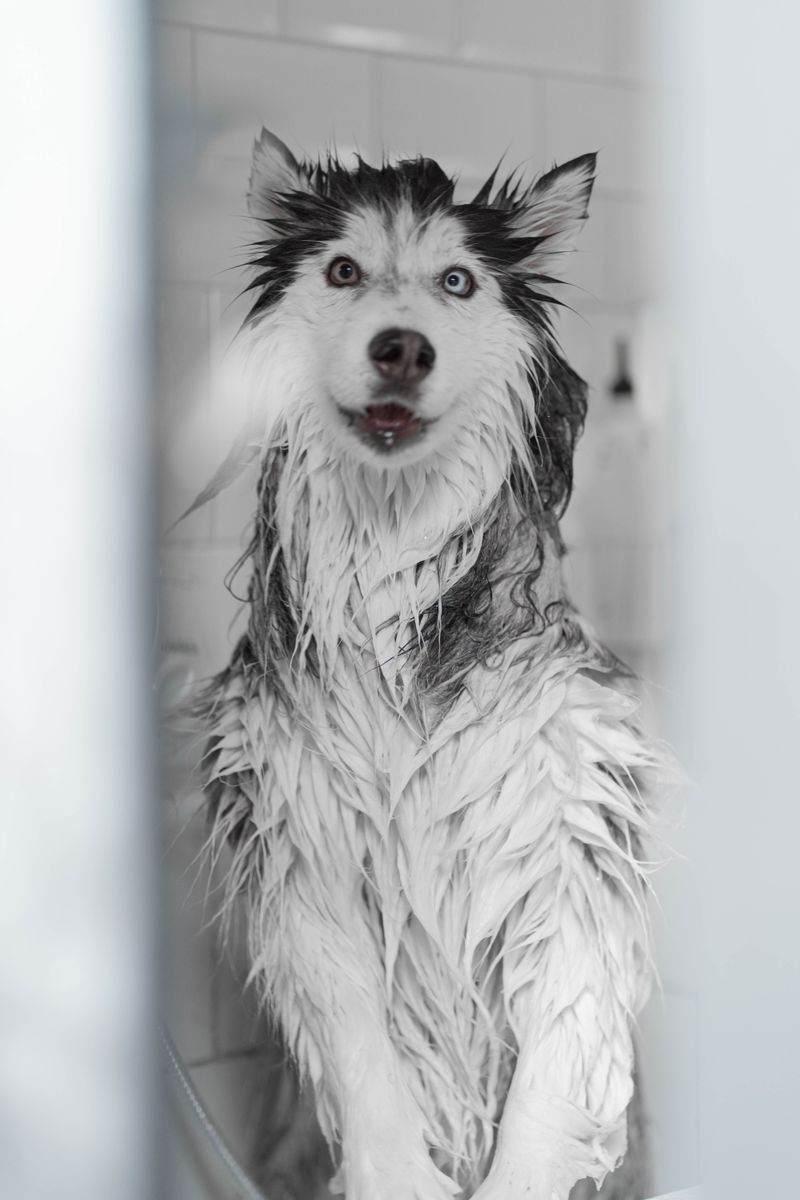
One bathing schedule will not suit every dog in the neighborhood. Coat type, skin health, swimming, and rolling habits all influence how often washing helps.
Use shampoo made for dogs, and rinse until no residue remains. Avoid getting water or cleanser into eyes and ear canals.
Ask your veterinarian about frequent itching, flakes, or a lingering odor. Medicated products need specific instructions, while unnecessary washing can leave some dogs with dry or irritated skin over time.
Dry the Coat Thoroughly After Rain
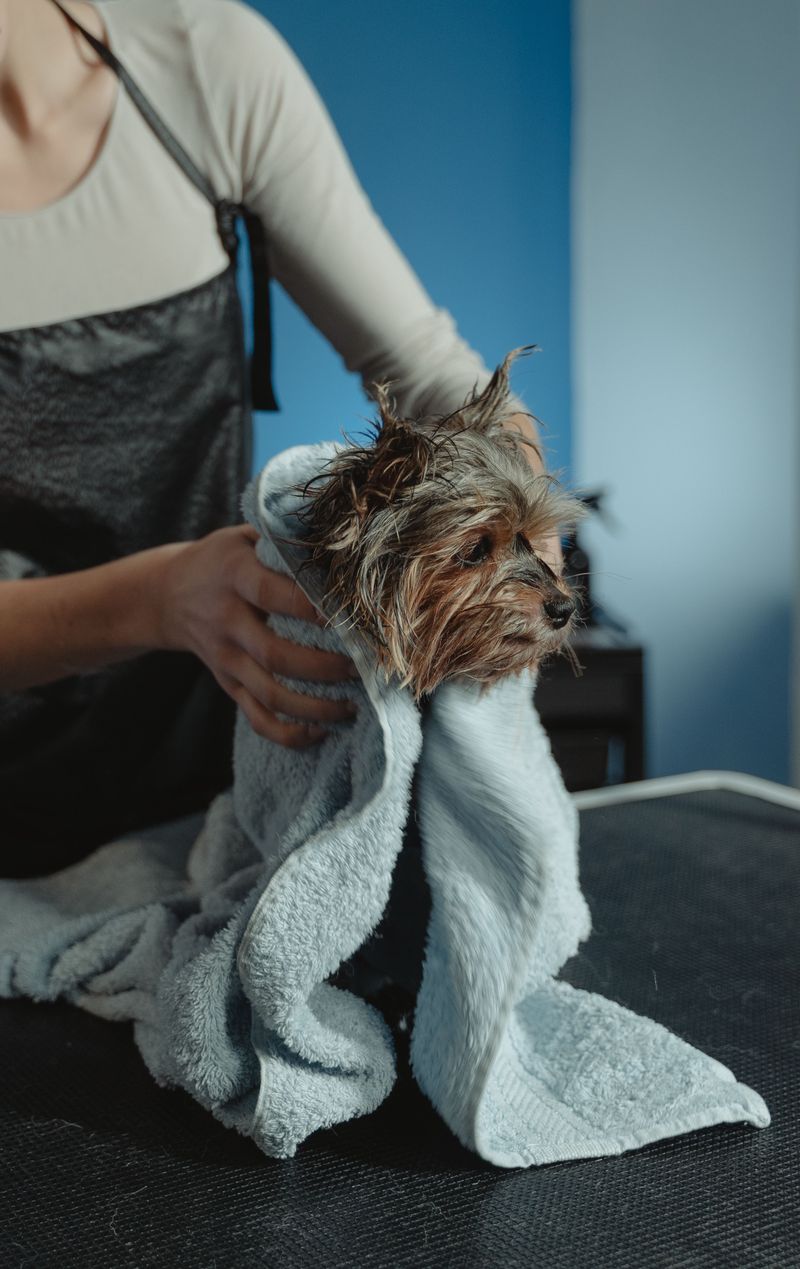
A damp belly can stay wet after the back looks dry. After rainy walks, towel the chest, legs, feet, and areas beneath thick fur.
Pat and squeeze gently instead of rubbing tangles into longer coats. Let your dog finish drying in a comfortable, well ventilated space.
If using a dryer, choose cool airflow and keep it moving. Persistent dampness, redness, or musty odor deserves attention, especially around skin folds that trap moisture beneath the coat easily.
Watch for Burrs and Grass Seeds
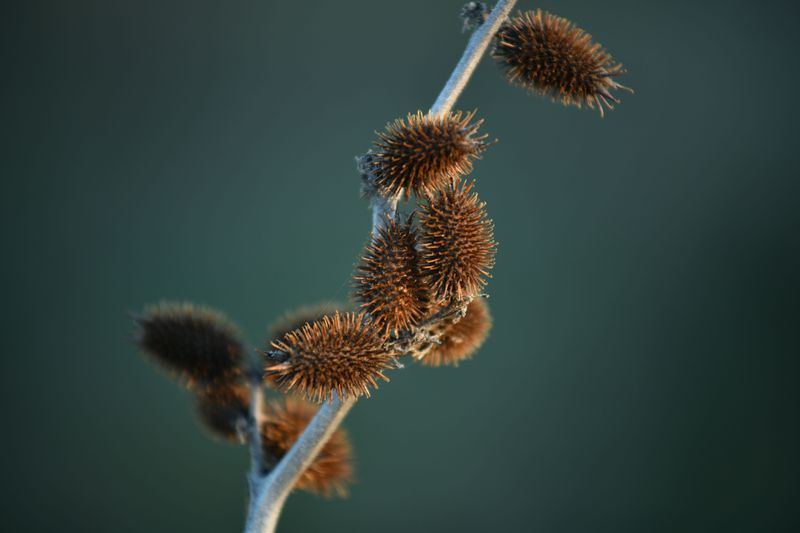
Dry roadside grass can send tiny hitchhikers home in your dog’s fur. Look around ears, armpits, toes, and the belly after outings near tall vegetation.
Gently separate hair around loose burrs, using a comb when helpful. Do not pull hard against the skin or probe for embedded seeds.
Some pointed grass seeds can work beneath skin and require veterinary removal. Get advice for swelling, persistent licking, head shaking, or sudden sneezing after a grassy walk through fields.
Protect Dogs From Mud That Hides Irritation
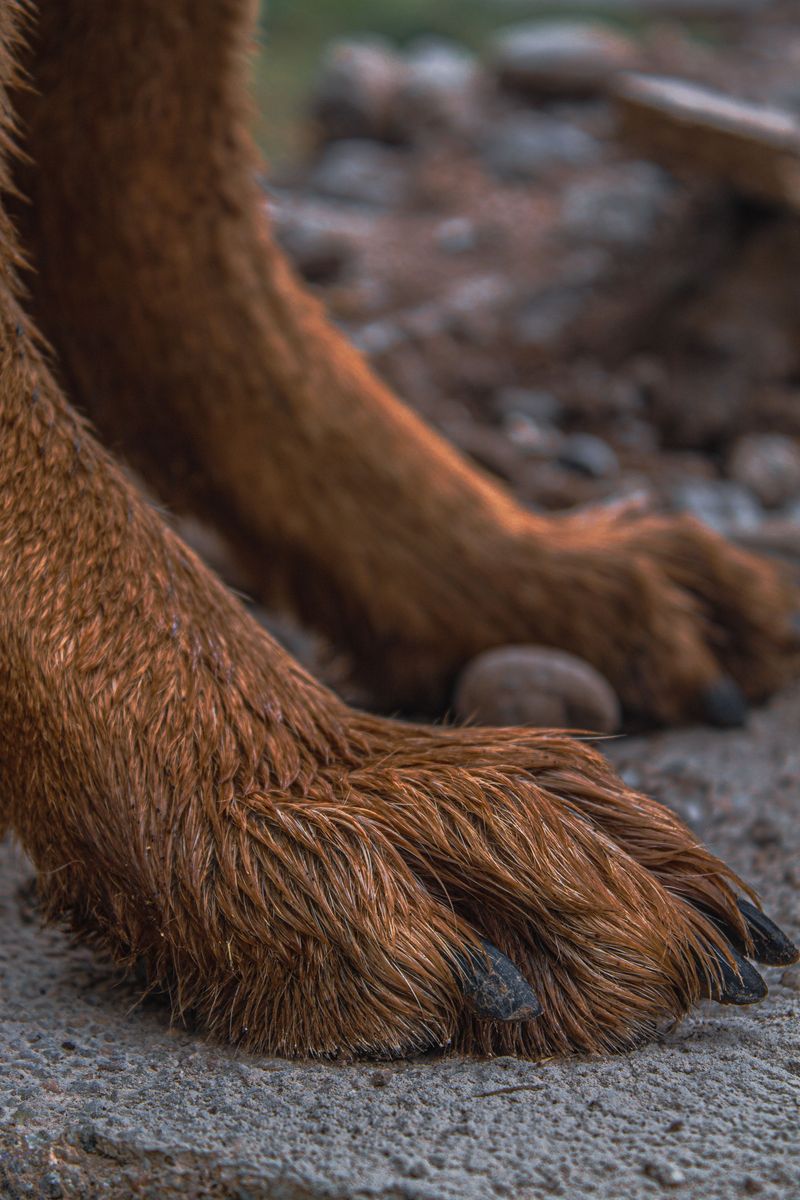
A muddy foot may hide more than yesterday’s trail dust. Once the dirt is rinsed away, inspect the skin for redness, swelling, or tenderness.
Keep dogs away from puddles with unknown runoff or visible contamination. Prevent drinking muddy water, and steer around areas containing sharp debris.
Repeated licking after cleanup suggests something still needs attention. Dry the feet carefully and contact your veterinarian if irritation persists, rather than covering the area with an unapproved home treatment.
Keep Nails Short Enough for Comfortable Walking
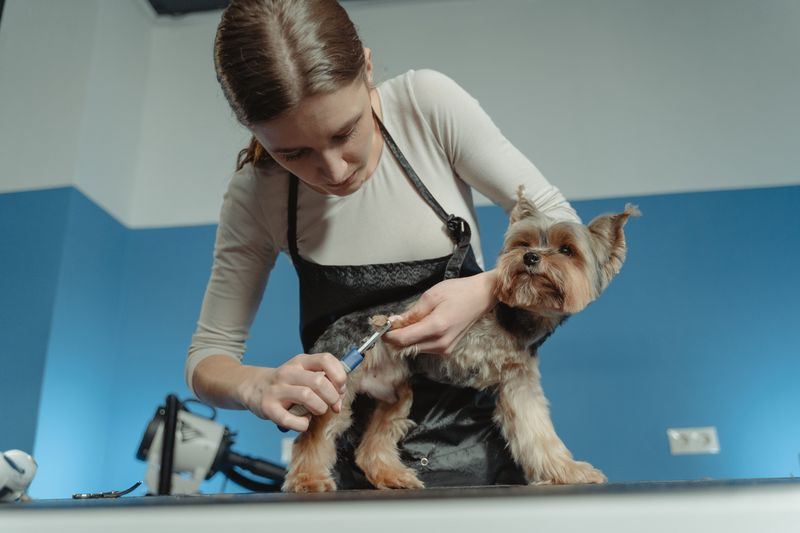
Overgrown nails can change how a foot meets the ground. Check them regularly, including dewclaws, which may not wear down during everyday walks.
Trim small amounts and avoid the quick, which contains nerves and blood vessels. Dark nails make that boundary harder to see.
A groomer or veterinary team can help establish a comfortable length. Reward calm handling, take breaks, and skip wrestling matches that make future nail care harder for both you and your dog.
Choose Walking Routes That Match the Weather
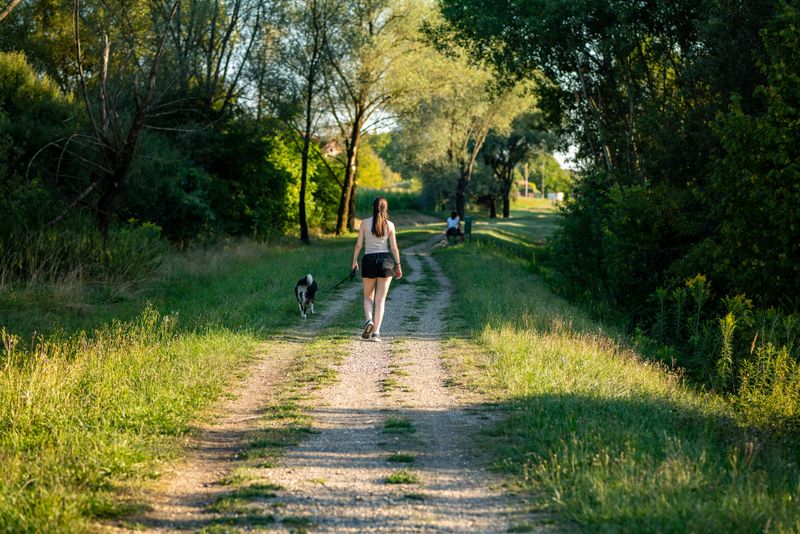
Your usual loop does not have to be your only option. Shaded paths may suit warm days, while firm, maintained routes help after heavy rain.
Inspect grass for burrs and hidden litter before assuming it is safer. Avoid flooded paths, slick banks, and ground where your dog struggles for footing.
Follow posted access rules, which vary among Texas parks and communities. A shorter route with sound footing often beats a longer outing through heat or mud.
Keep a Paw-Care Kit by the Door
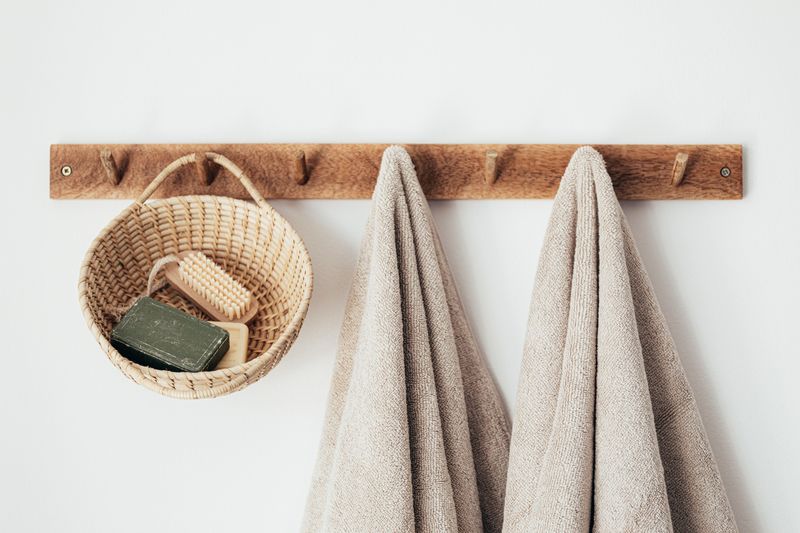
A small doorway station makes good habits easier to keep. Store clean towels, a brush, waste bags, and any veterinarian approved paw products within reach.
Add a rinse container and treats for rewarding relaxed handling. Keep supplies clean, and place medications or sharp tools beyond your dog’s reach.
Pair each return home with a brief paw and coat check. Notice changes, adjust to the weather, and ask for help early.
Small routines keep Texas adventures comfortable.