20 Dog Breeds Built For Active Texas Owners And Plenty Of Outdoor Space
Texas asks a lot of a dog. Long fence lines, sticker burrs, cattle guards, and summer afternoons that feel like a hair dryer set to high.
Some breeds shrug all of that off and beg for more, trotting back to the truck dusty and grinning. Others fold by noon.
Knowing the difference saves you money, heartache, and a chewed-up sofa. So here are 20 breeds that genuinely match wide-open acreage and owners who never sit still.
1. Australian Cattle Dog
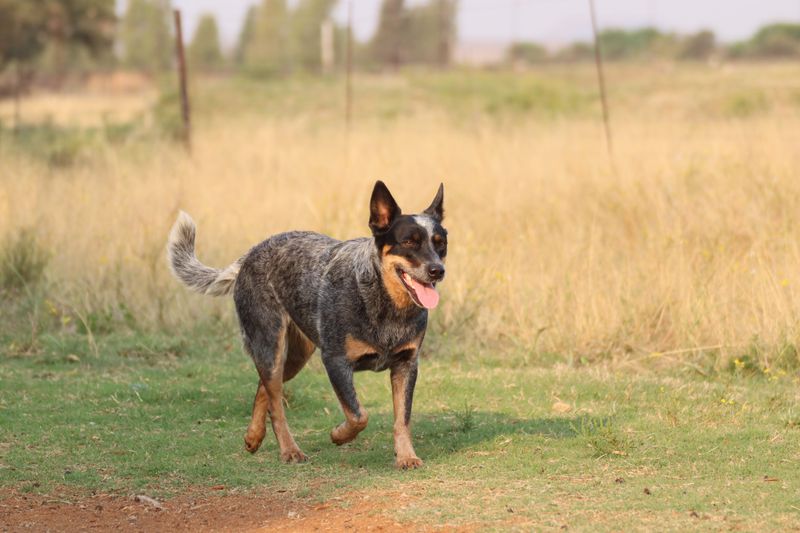
Ask any rancher about heelers and watch the grin appear. Blue and red heelers need 90 to 120 minutes of hard work daily, and a stroll around the block barely registers.
Frisbee, agility, jogging, or moving stock all fit the bill nicely. They handle heat and cold with equal shrugs.
Give them tall, secure fencing and a job. Bored heelers invent their own, usually involving your garden hose.
2. Australian Shepherd
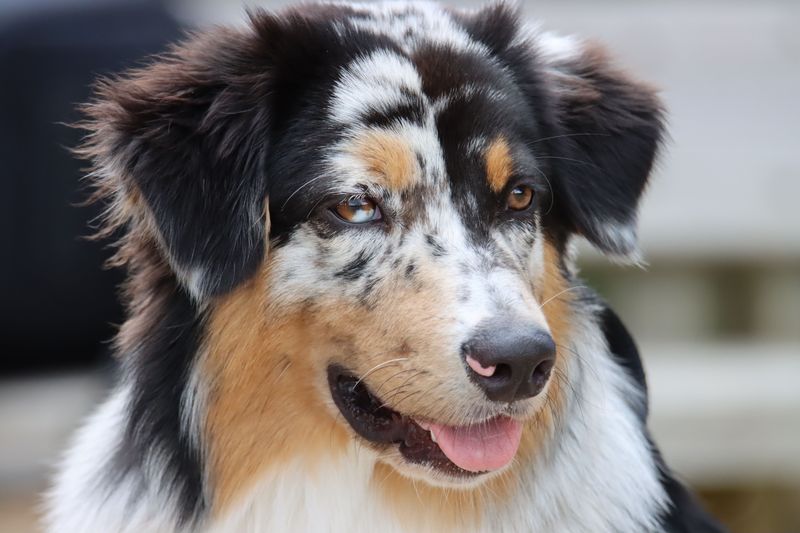
Merle coats, spinning zoomies, and a brain that never clocks out. Aussies want 1.5 to 2 hours of real movement plus puzzles or training to keep their wheels turning.
Swimming, hiking, and frisbee rank high on their wish list.
That plush double coat traps heat, so schedule runs for dawn or dusk. Shade and cool water are non-negotiable through August.
Skip the exercise and your baseboards pay.
3. Border Collie
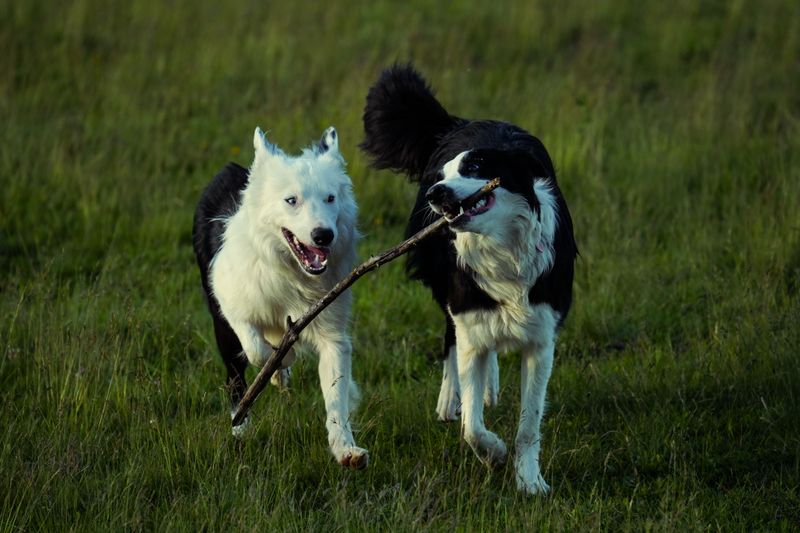
Smartest dog on the planet, and it knows it. Border Collies burn 1.5 to 3 hours daily, splitting time between physical work and mental challenges like scent work or herding.
Rural land or a big yard suits them far better than a small lot.
Heat is their weak spot. Above 77 degrees, ease off entirely and shift activity to early morning.
Water, shade, and common sense keep this athlete safe.
4. Catahoula Leopard Dog
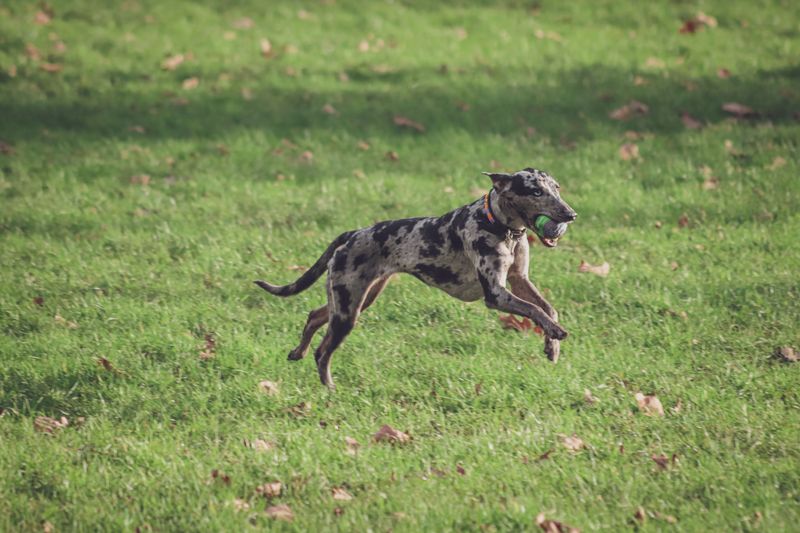
Louisiana bred them for wild hogs, and the work ethic still shows. Catahoulas want 60 to 120 minutes of serious effort, ideally trail hiking, swimming, or fetch that never quite ends.
Farms, ranches, and big fenced acreage suit them best.
Reserved with strangers, they need heavy early socializing. They tolerate moderate heat well, which explains their popularity across the Gulf South.
Purpose keeps them happy.
5. German Shorthaired Pointer
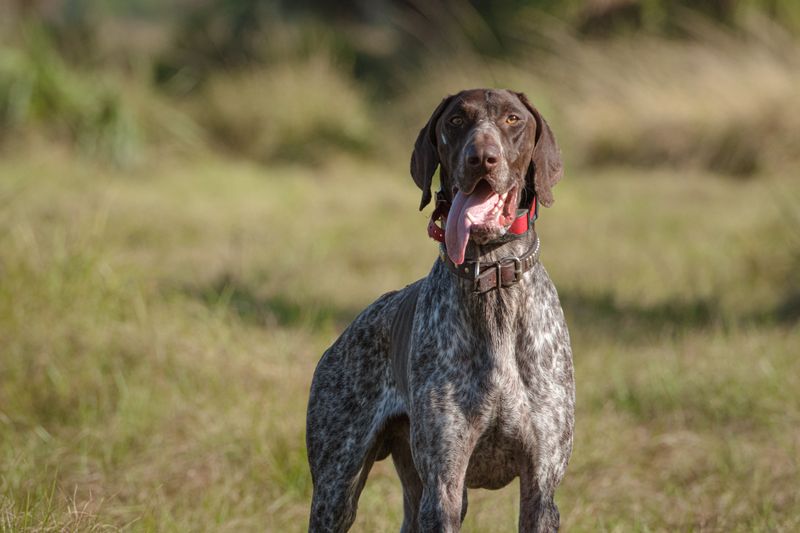
Consider a short walk their warm-up lap. GSPs need one to two hours of vigorous work, and honestly, more is better.
Dock diving, fetch, hiking, scent work, agility: they say yes to all of it.
Here is the Texas bonus. Shorthairs handle heat well, especially with a stock tank or river to cool off in afterward.
Affectionate and clever, they make brilliant partners for anyone who moves.
6. Vizsla
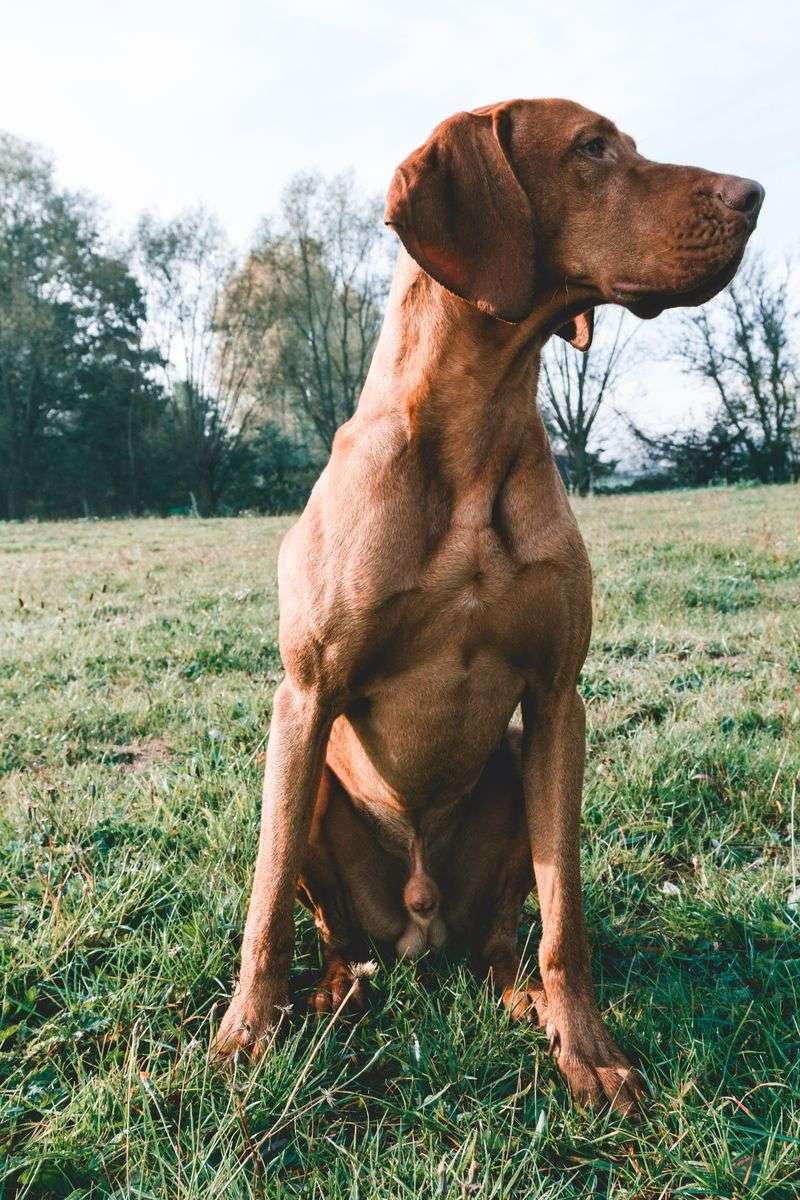
Nicknamed the Velcro dog for good reason. A Vizsla will lean on your leg, follow you to the mailbox, then ask for a two-mile sprint.
Plan on one to two hours daily, including off-leash running in a safe area.
Their thin coat overheats quickly, so run early or late and consider a cooling vest.
Short on exercise, they turn to barking and redecorating your baseboards.
7. Rhodesian Ridgeback
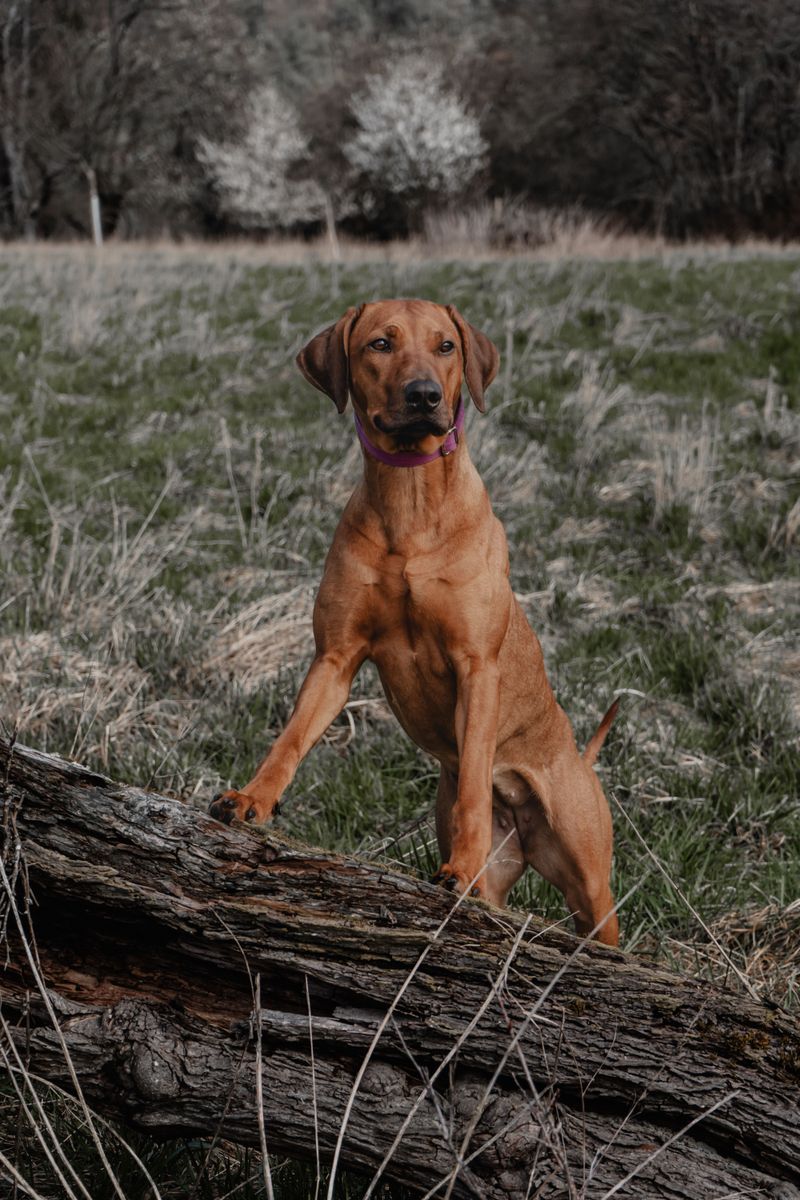
That ridge down the spine is a signature, and the stamina underneath is the real story. Ridgebacks can keep pace with a bike or a horse for miles, then hike miles more.
One to two hours of hard activity keeps them settled indoors.
Tall fencing matters since roaming appeals to them. Strong-willed and dignified, they need confident handling.
On brutal afternoons, they dig cool spots. Give shade instead.
8. American Foxhound
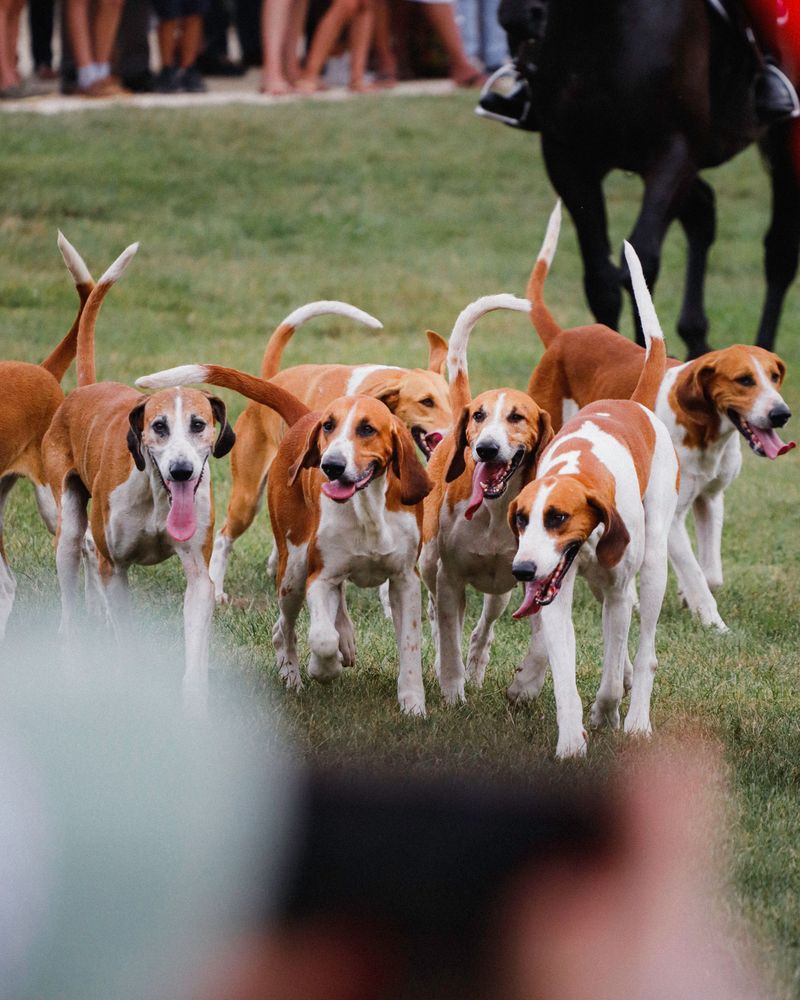
Nose first, questions later. American Foxhounds carry remarkable endurance and need one to two hours of true running, not polite sidewalk strolls.
Scent trails feed their brain as much as their legs, so let them track and explore.
Fenced acreage is essential because a hot trail outranks your recall cue every time.
Good-natured and independent, they suit rural properties where baying blends into the landscape.
9. Treeing Walker Coonhound
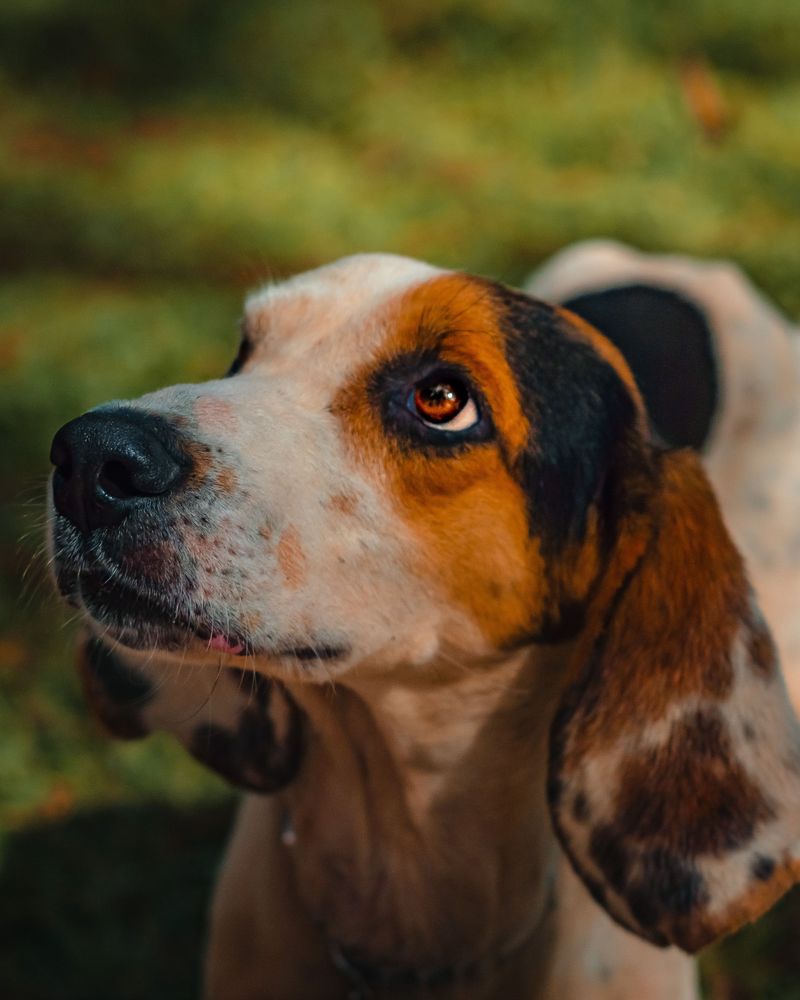
Fair warning: the bay carries for acres. Treeing Walkers pack excellent endurance and need 60 to 90 minutes or more of real effort, plus scent games to satisfy their tracking brain.
Secure fencing is critical because they escape gleefully when a trail calls.
Sweet with family and other dogs, they hide zero opinions.
Their drive can override heat sense, so stick to dawn and dusk and keep water flowing.
10. Pointer
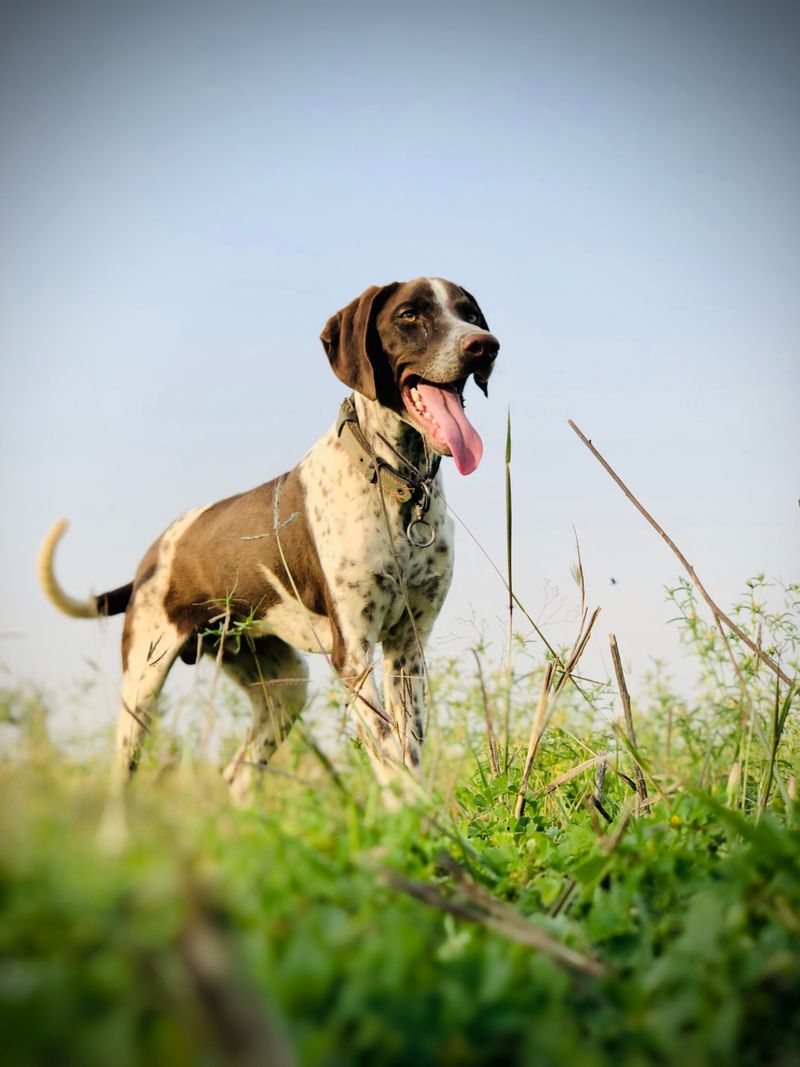
Few sights beat a Pointer locked on point, one paw lifted, tail rigid as a fence wire. English Pointers need at least an hour, often two, of genuine running and field games.
Under-exercised, they get restless and destructive fast.
A large, securely fenced yard keeps wildlife chases from turning into road trips.
People-oriented and affectionate, they hate being left alone. Partnership is the whole point.
11. Brittany
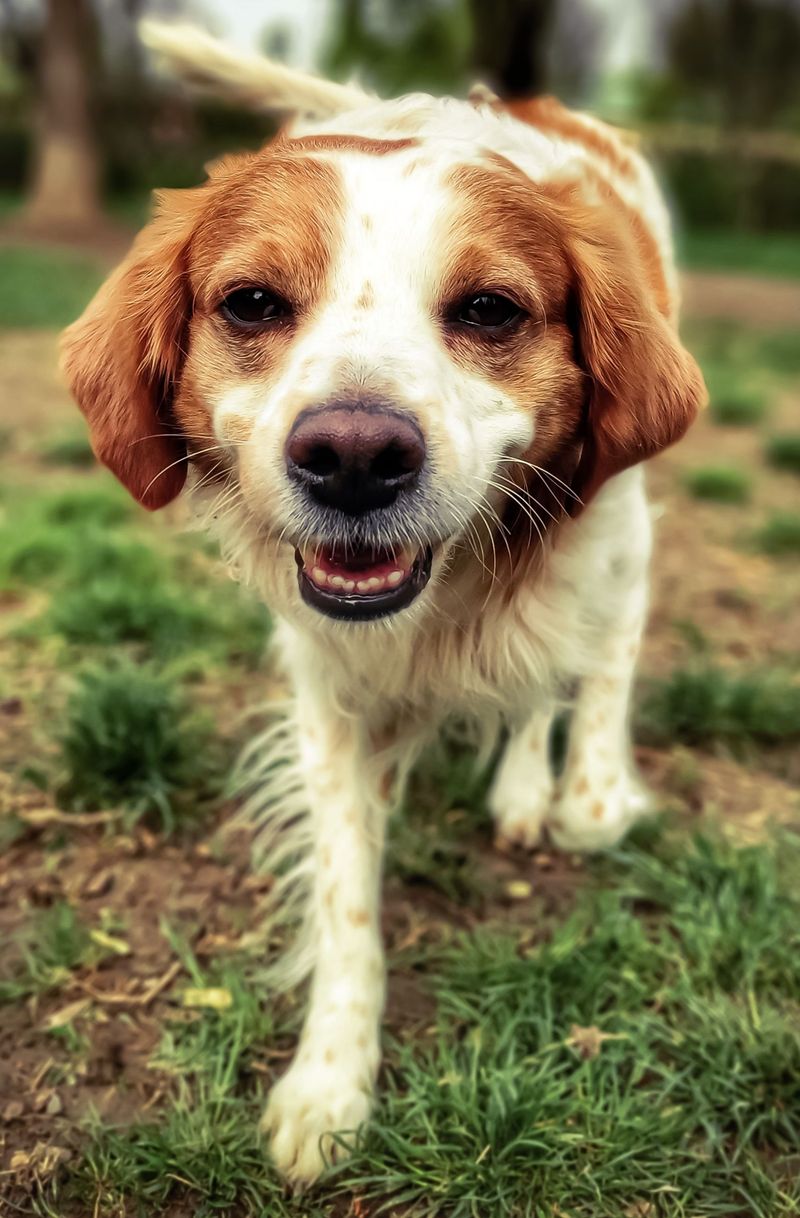
Compact body, enormous engine. Brittanys want 1.5 to 2 hours of daily action, from brisk jogs to agility runs to scent games in the back pasture.
Cheerful and outgoing, they glue themselves to family activities.
Quick learners with strong bird instincts, they pick up training almost too fast.
Leave one bored and you get a hyperactive redecorator. A fenced backyard plus real outings keeps everybody smiling.
12. Weimaraner
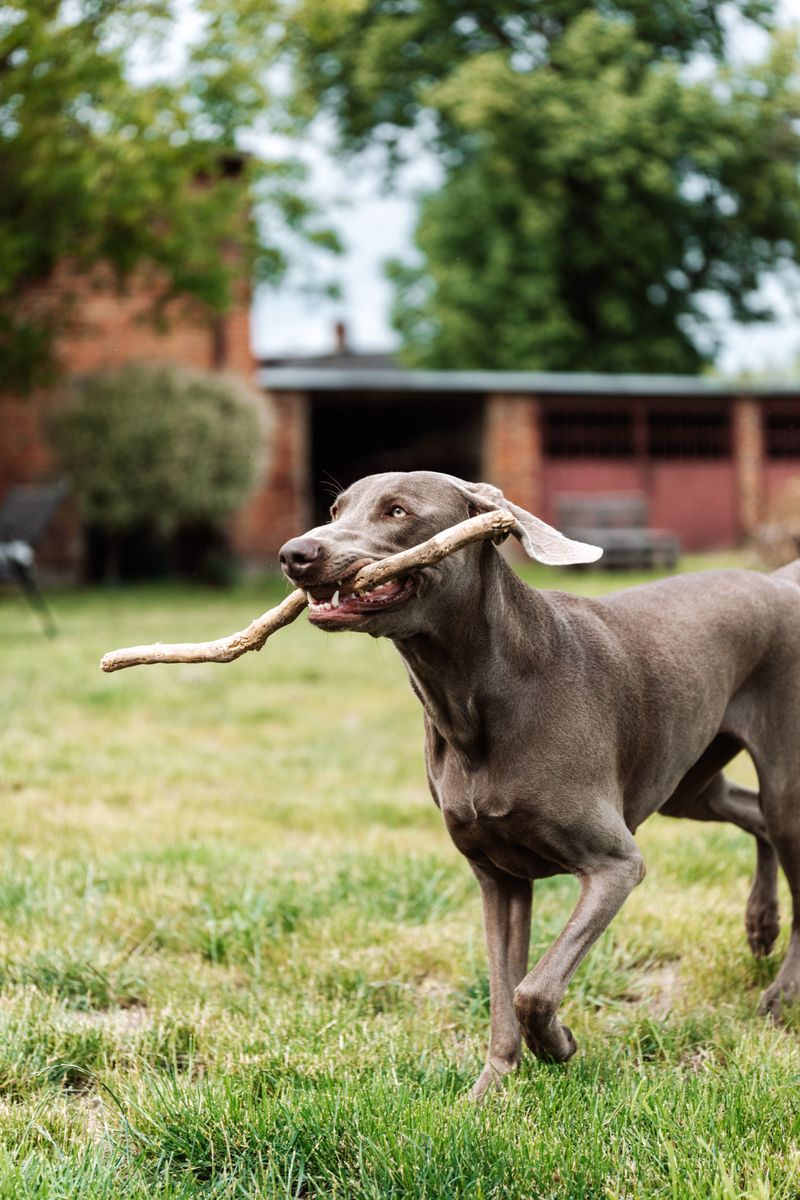
Silver coat, amber eyes, and a shadow habit that follows you room to room. Weimaraners need a solid two hours of physical and mental work every single day.
Running, hiking, fetch, and swimming top the list, and they adore the water.
A big fenced yard beats apartment life by a mile.
Pace them sensibly in summer heat and skip midday overexertion. Their prey drive stays switched on.
13. Labrador Retriever
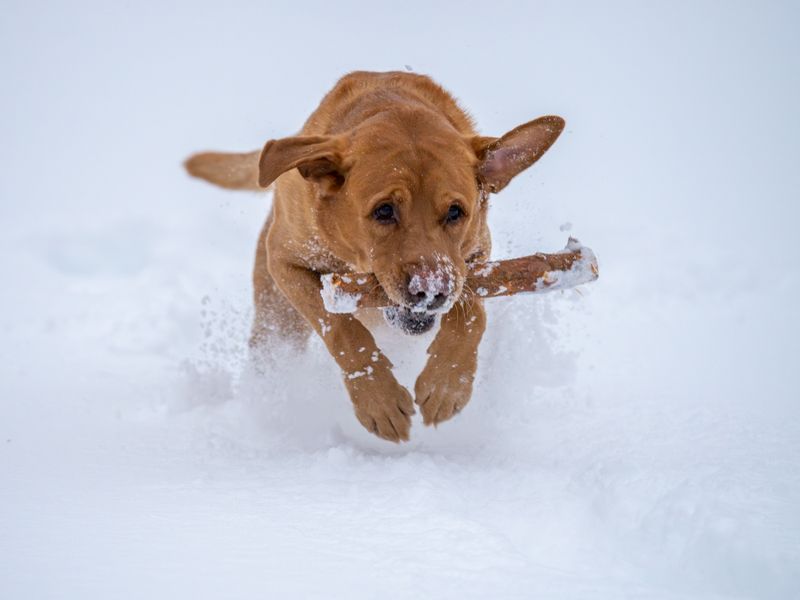
Did you know? Despite the name, Labs trace back to Newfoundland.
What they trace forward to is your lake dock, cannonballing after a bumper.
Plan 90 to 120 minutes daily of retrieving, swimming, hiking, or field training.
Swimming doubles as the smartest warm-weather workout in Texas, and hydration matters on hot outings.
Eager, loyal, and endlessly friendly, an under-exercised Lab still finds trouble.
14. Standard Poodle
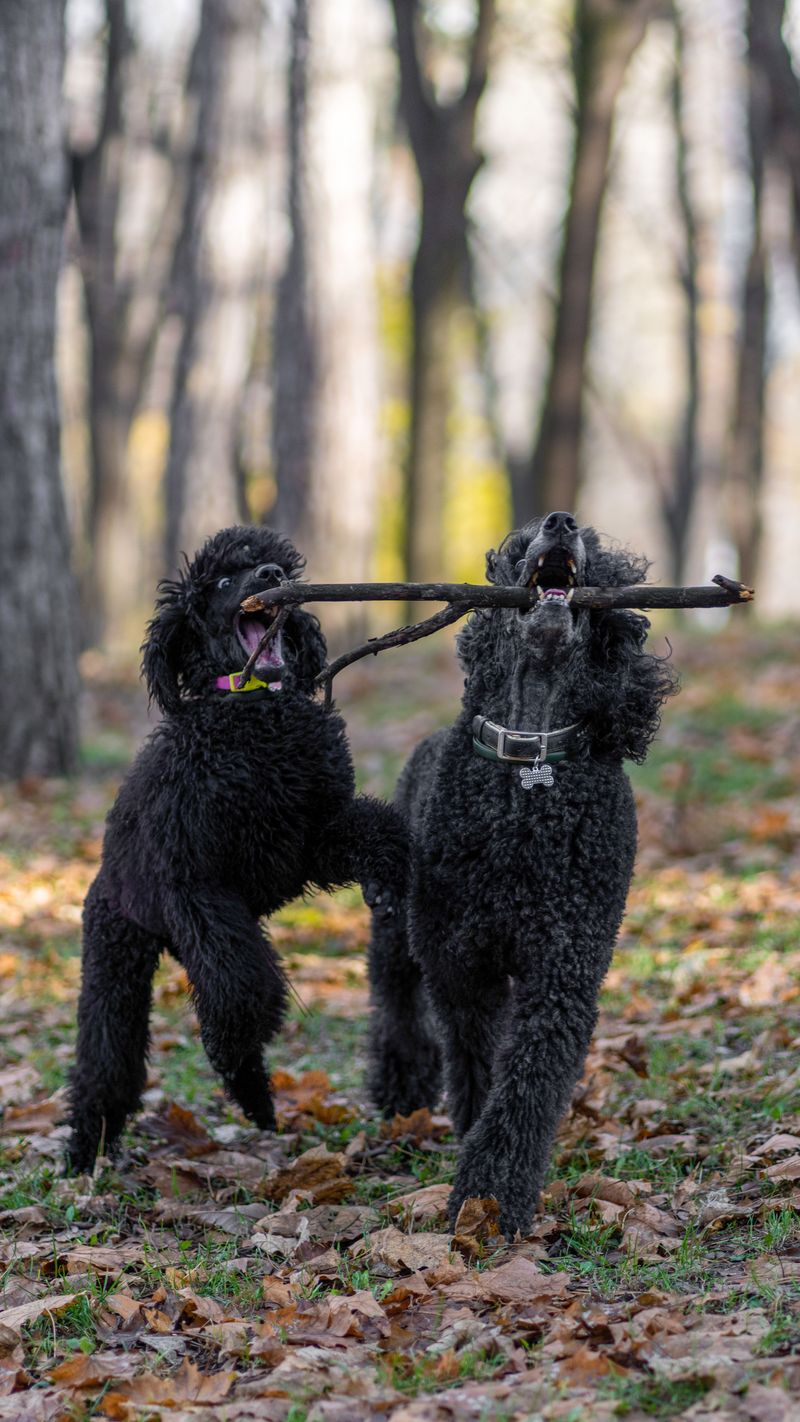
Underestimate a Poodle at your own risk. Before the fancy clips, they worked as water retrievers, and the athleticism never left.
Standards need 60 to 90 minutes daily, whether that means jogging, swimming, scent work, or agility courses.
They adapt to many homes but shine with a yard or open land nearby.
Playful, sharp, and eager, a Standard Poodle will match your energy step for step.
15. Dalmatian
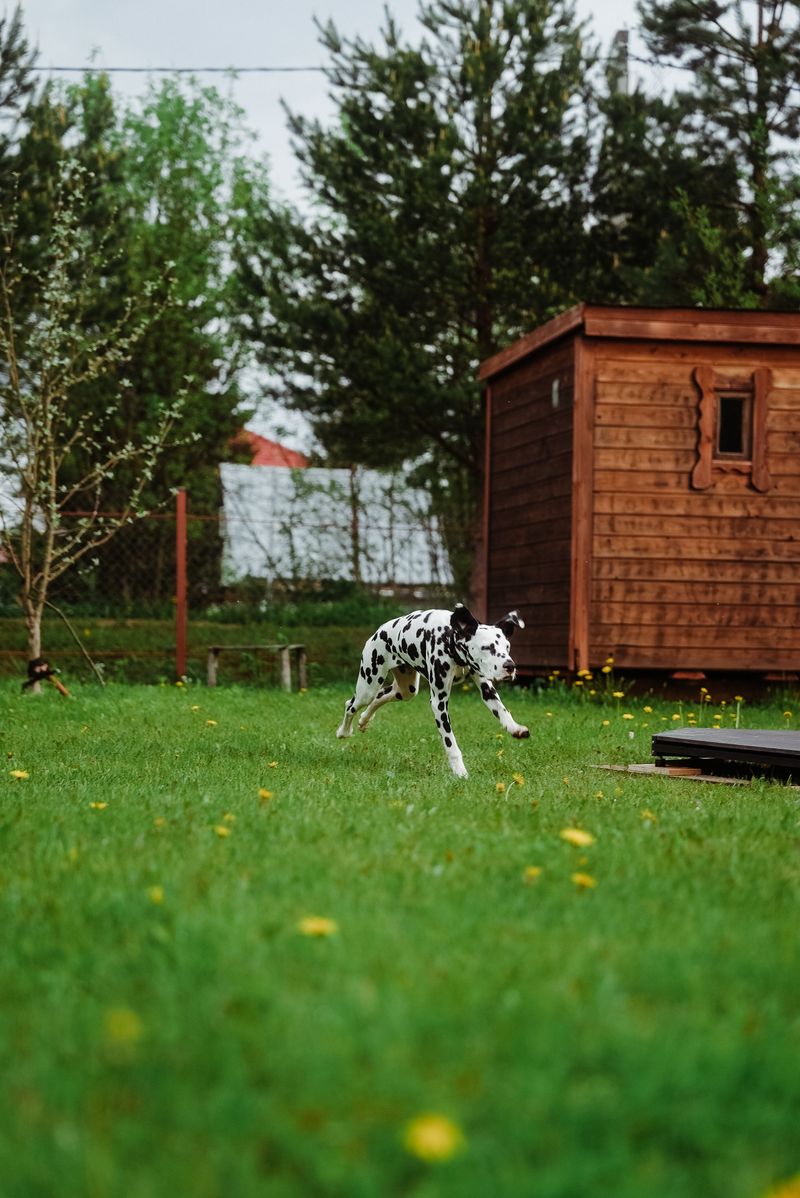
Coach dogs once trotted for miles beside horse-drawn carriages, and that history explains everything about Dalmatians.
They need 1.5 to 2 hours of vigorous exercise split into sessions, with free running, cycling, and long hikes hitting the mark.
Leash walks alone leave them wired.
Secure yards and open space help enormously. Lively, loyal, and playful, spotted dogs reward owners who genuinely like going the distance.
16. Belgian Malinois
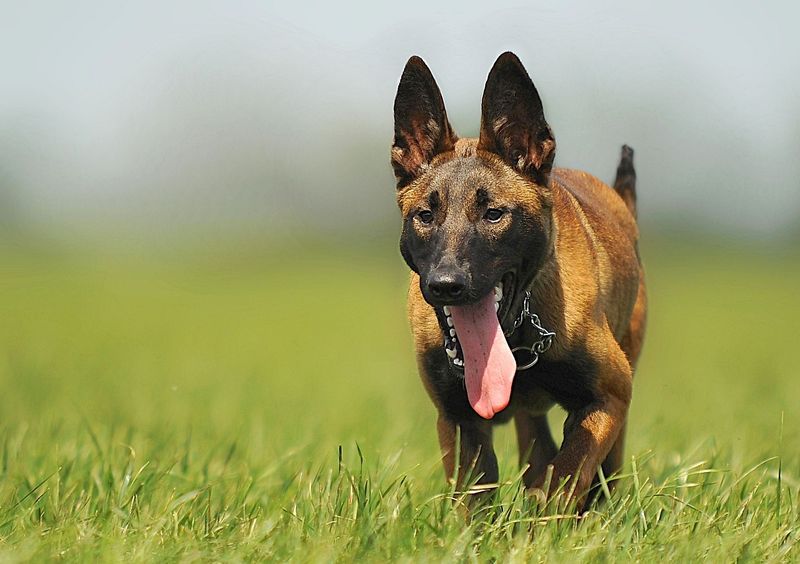
Work ethic in dog form. Malinois often need two to three hours of purposeful activity, and random ball tossing will not satisfy them.
Structured training, nose work, herding, tracking, and agility give their drive somewhere useful to go.
Short coats handle Texas heat better than most.
They bond hard with one handler and stay reserved with strangers. Early socializing is essential.
Skip the work and expect real problems.
17. Doberman Pinscher
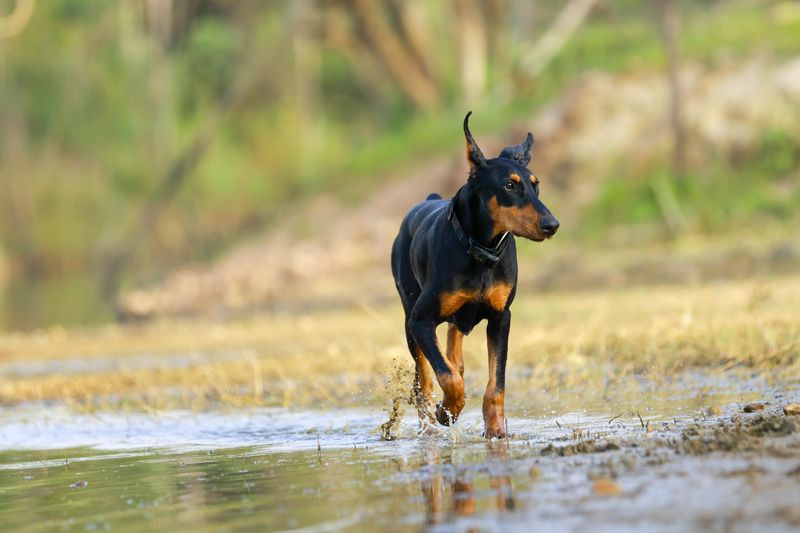
Sleek as a sports car and just as eager to open the throttle. Dobermans want one to two hours of purposeful exercise, mixing jogging, fenced running, fetch, tug, and swimming.
Puzzle toys and training sessions keep that quick mind occupied.
A backyard alone will not cut it, and unmet needs turn them into escape artists. Secure fencing pays for itself.
Loyal and surprisingly patient with kids when socialized early.
18. Boykin Spaniel
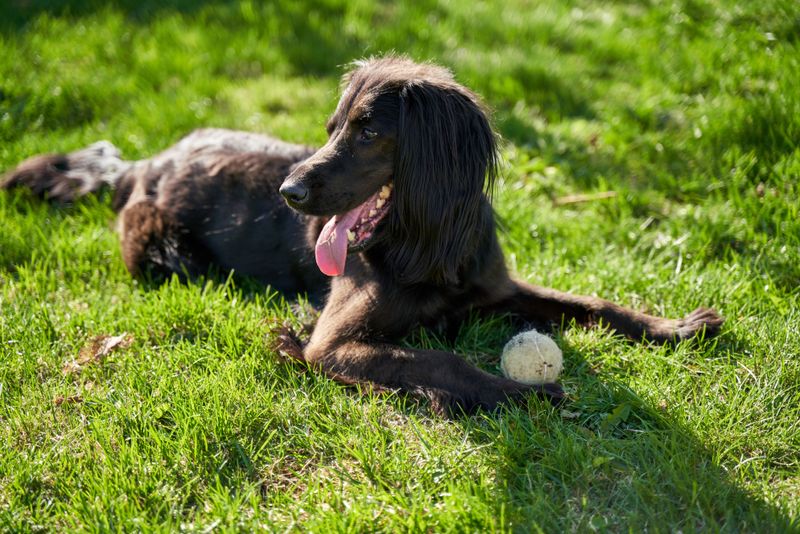
Webbed feet, chocolate coat, and an on-off switch that actually works. Boykins go hard in the field for one to two hours, then melt onto the couch like velvet.
Swimming, dock diving, hikes, and fetch suit them beautifully.
A secure yard prevents bored escape attempts.
One caution: roughly ten percent can experience exercise-induced collapse during sustained warm-weather work. Monitor them closely on hot days.
19. Saluki
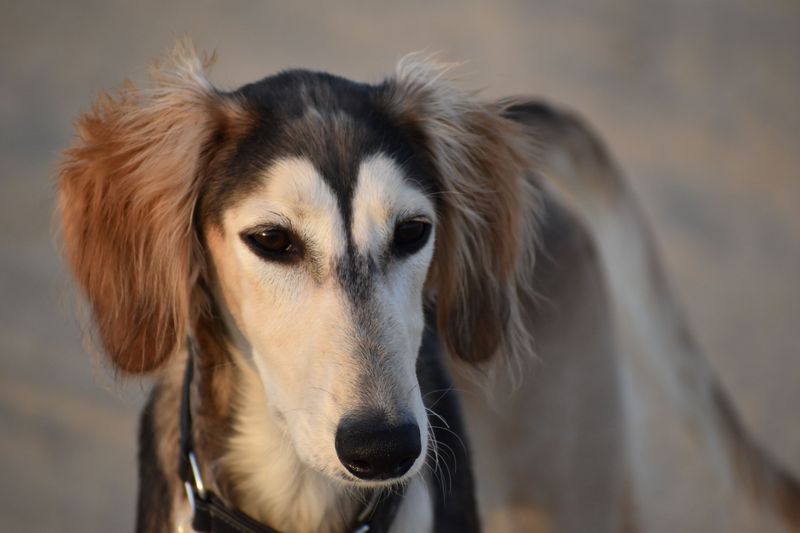
Built for desert speed and desert distance. Salukis need one to two hours daily, ideally with sprint room inside a truly secure fence, plus long relaxed walks.
Their prey drive means off-leash freedom stays enclosed, always.
Middle Eastern heritage helps them handle warmth, yet fine fur and low body fat make extreme heat risky.
Shade, water, and easy afternoons keep this elegant, independent aristocrat comfortable.
20. Parson Russell Terrier
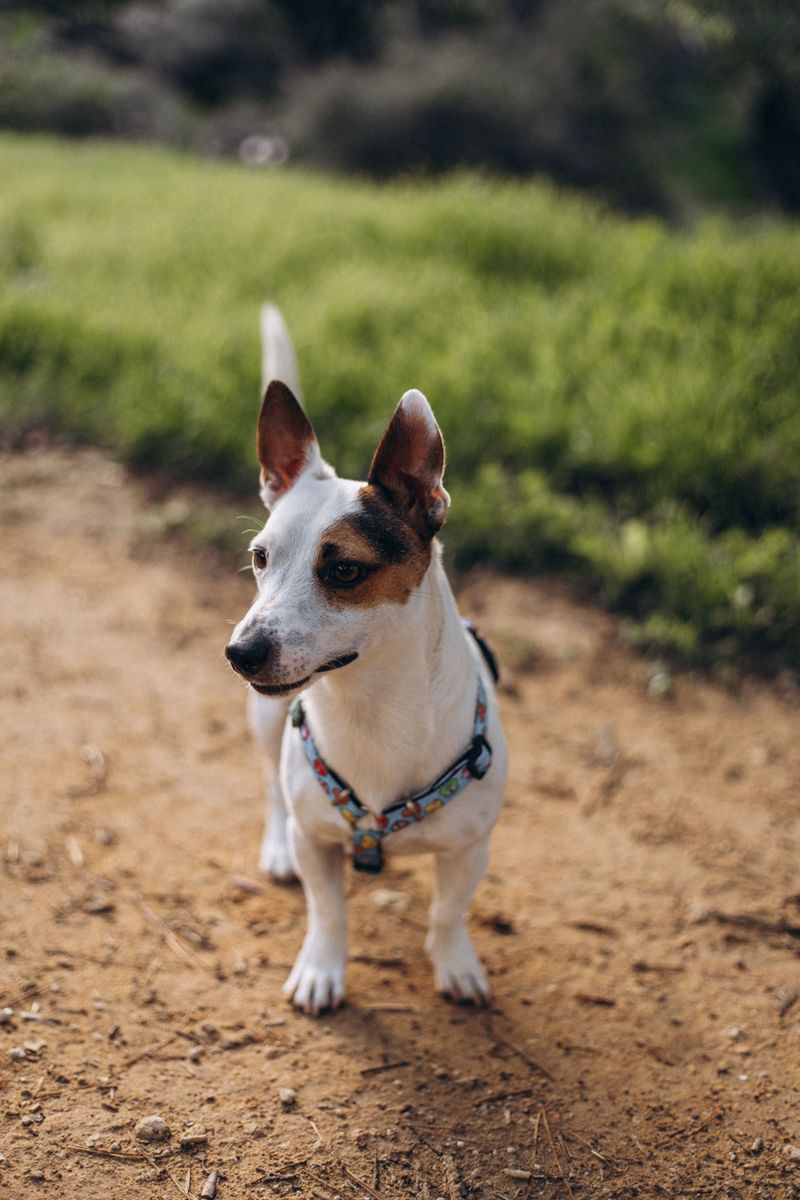
Pound for pound, the biggest attitude on this list. Parson Russells need one to two hours of vigorous activity plus constant mental puzzles, or boredom turns destructive quickly.
Earthdog trials, agility, exploring, and fenced off-leash play suit them perfectly.
Build the fence tall and dig-proof, because they jump, climb, and tunnel like tiny engineers.
Strong-willed and fearless, they suit experienced owners who enjoy the challenge.
Grab that leash, Texas.