20 Georgia Puppy-Proofing Jobs To Finish Before Red-Clay And Pollen Season
Spring in Georgia arrives with two calling cards: sticky red clay and a yellow-green film of pollen on everything. If you have a new puppy, a few small projects now will save you hours of scrubbing and worry later.
None of these jobs are complicated, and most take an afternoon at most. Think of this as a friendly checklist from someone who knows how quickly a curious pup can turn a muddy yard into a living-room problem.
1. Build a Paw-Cleaning Station Right Inside the Front Door
Red clay clings to fur like paint. A small station by your busiest door catches it before it reaches your rug.
Keep folded towels, dog-safe wipes, and a shallow basin of lukewarm water in a basket. Paw-cleaning cups with soft silicone bristles work well for mud packed between pads.
Store everything at hand height so cleanup takes seconds. Puppies learn the routine fast when it happens the same way every time.
2. Lay Washable Mats at Every Door Your Puppy Uses
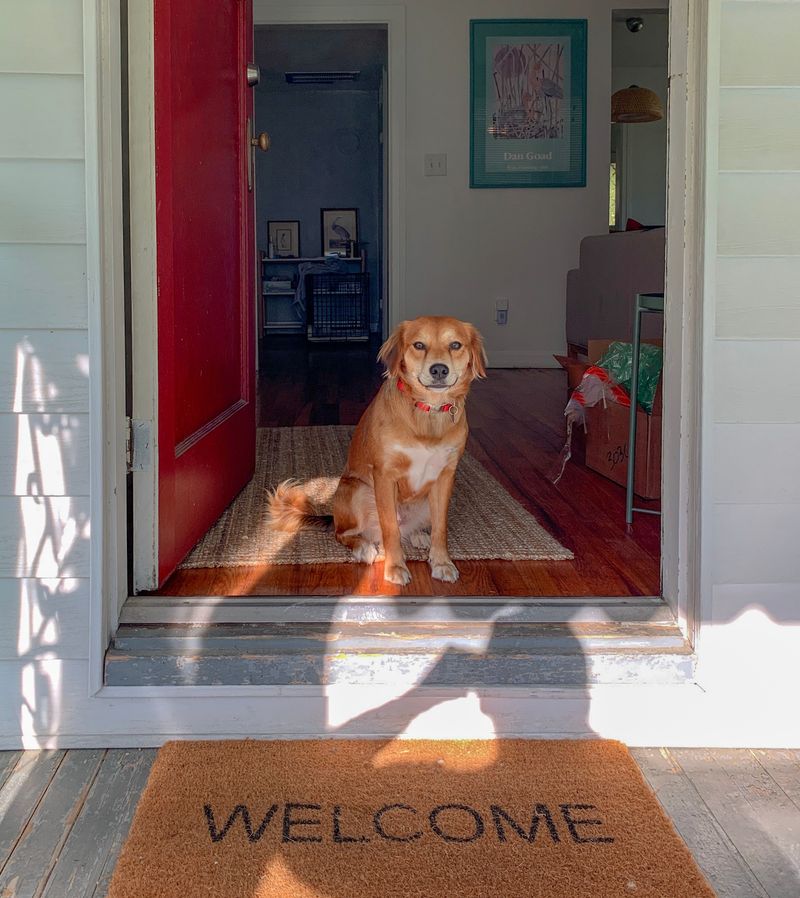
Doors get forgotten until the floors show it. Absorbent, machine-washable mats do the quiet work of trapping moisture and grit.
Microfiber and cotton hold the most water. Look for rubber backing so the mat stays put and nothing seeps into the floor underneath.
Buy two per door. That way one can be in the wash while the other keeps working, which matters plenty during a rainy Georgia week.
3. Set Up a Simple Rinse Spot for Truly Muddy Days
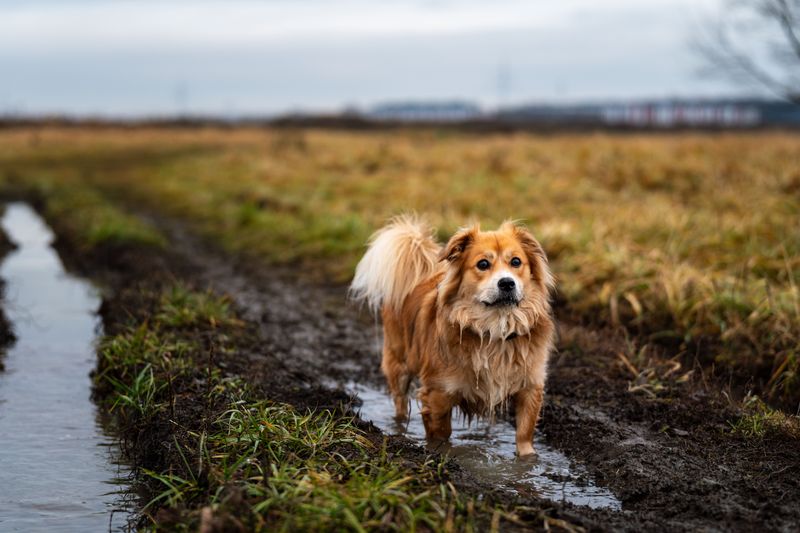
Some days a wipe just will not cut it. Georgia clay turns into a thick coating after heavy rain.
A shallow tub of lukewarm water with a drop of dog shampoo handles the worst of it. Portable paw washers keep the mess contained if you live in an apartment.
Pick a spot with a drain or hard flooring nearby. Dry between the toes afterward, since damp skin can get irritated.
4. Use Baby Gates to Shield Carpet and Hard-to-Clean Rooms
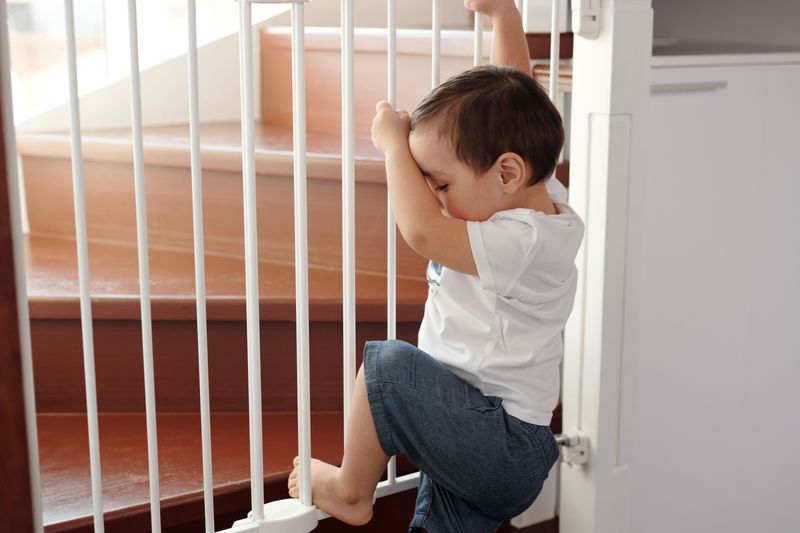
Fewer rooms means fewer messes. Baby gates let you decide where muddy paws are welcome.
Block carpeted bedrooms, formal rooms, and stairs while house-training is still in progress. Pressure-mounted gates work in doorways without damaging trim.
Choose a gate taller than your puppy can reach on hind legs, and check that bar spacing is narrow. Gradual access works better than opening the whole house at once.
5. Slip Washable Covers Over the Furniture You Actually Use

That favorite sofa spot is the first thing a puppy claims. Washable covers make peace between the two of you.
Non-slip backing keeps covers from bunching every time your pup jumps up. Water-resistant fabrics help with damp fur and the occasional accident.
Toss covers in the wash weekly during pollen season to cut down on allergens. Cheaper than reupholstering, and far less stressful than guarding the cushions.
6. Pick Puppy Beds and Crate Pads That Survive the Washer
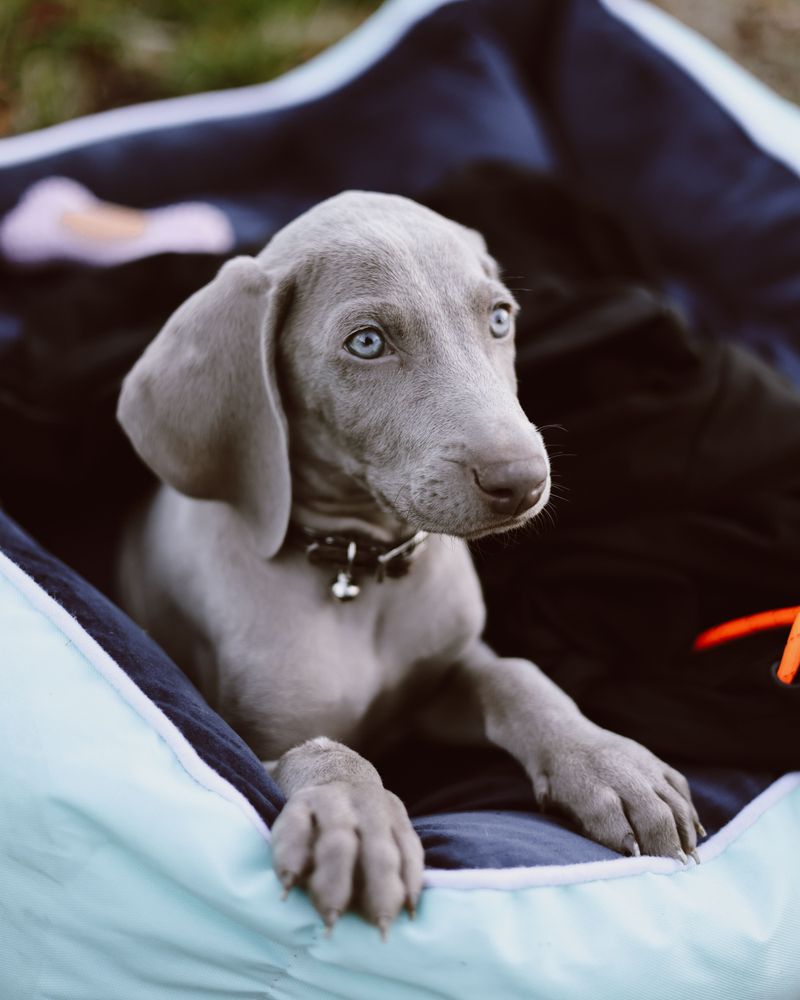
Bedding collects everything a puppy brings inside: dander, clay dust, loose fur, pollen.
Look for zip-off covers and pads labeled machine washable. Quick-drying fill helps if you only own one bed.
Keep a spare set folded nearby so crate time never gets interrupted by laundry day. Clean bedding also makes it easier to spot fleas, ticks, or skin irritation early, which is worth the extra load.
7. Vacuum More Often Once the Yellow Dust Starts Falling
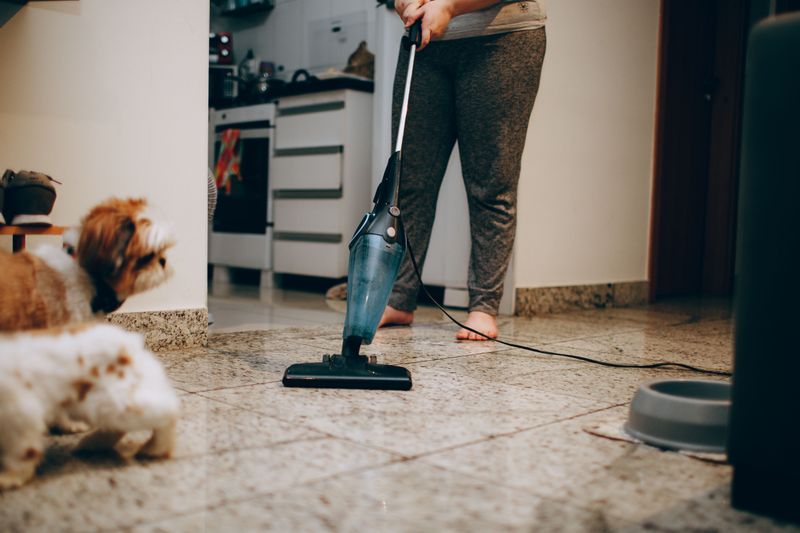
Pollen does not stop at the doorway. It rides in on fur and settles into rugs and cushions.
Vacuuming floors and upholstery a few times a week removes dander, hair, and pollen before it builds up. A sealed vacuum with a HEPA filter traps finer particles.
Do not skip the crate area and along baseboards. Many owners notice their pup scratches less when indoor surfaces stay clean.
8. Swap HVAC Filters Before Tree Pollen Peaks
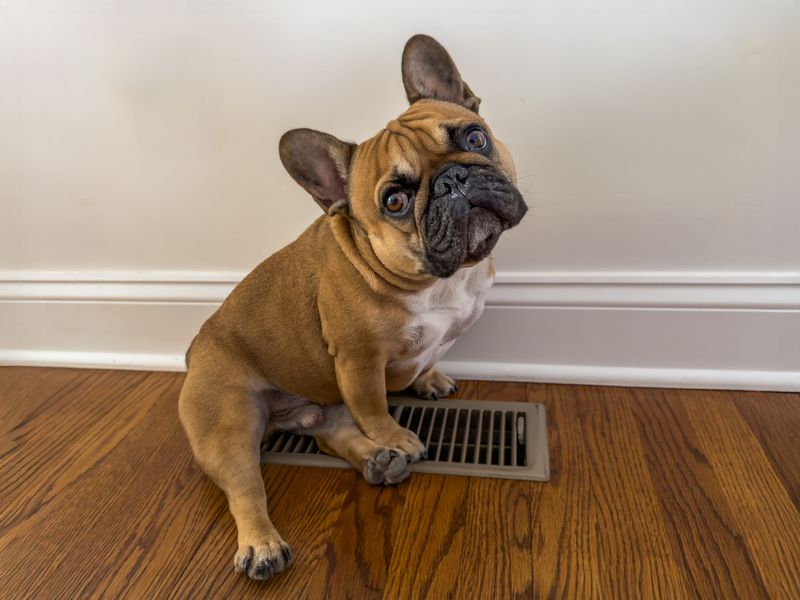
Georgia tree pollen can start in late February and climbs through March and April. Grass pollen follows from spring into early summer.
Fresh filters help. MERV 11 pleated filters catch pet dander and finer pollen without choking airflow in most home systems.
True HEPA filters are often too dense for residential ductwork, so check your unit’s guidance first. Mark a reminder to change filters monthly during peak weeks.
9. Inspect Window and Door Seals for Sneaky Gaps
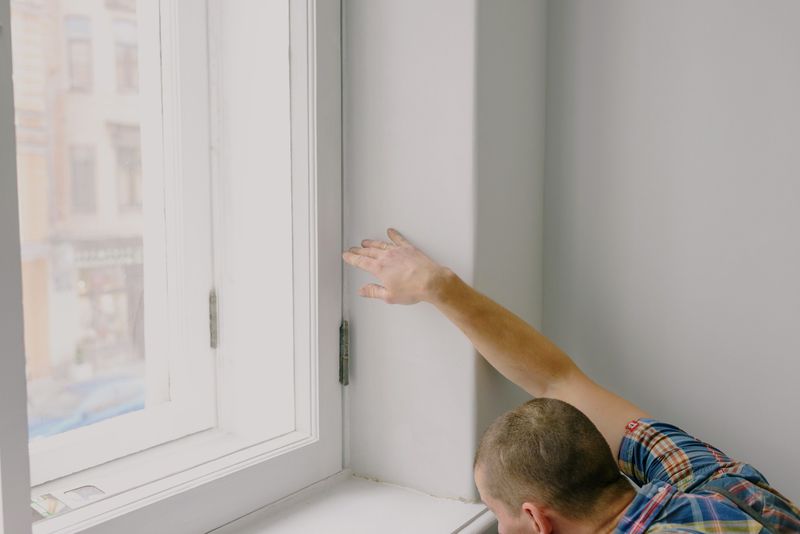
A thin gap around a window lets a surprising amount of pollen drift inside.
Run your hand along frames on a breezy day to feel for air movement. Cracked weatherstripping and worn door sweeps are easy, inexpensive fixes.
Sealing gaps also keeps out ants and other spring visitors. Bonus: tighter seals mean your air conditioning works less, which your summer power bill will appreciate.
10. Move Risky Plants Out of Puppy Reach
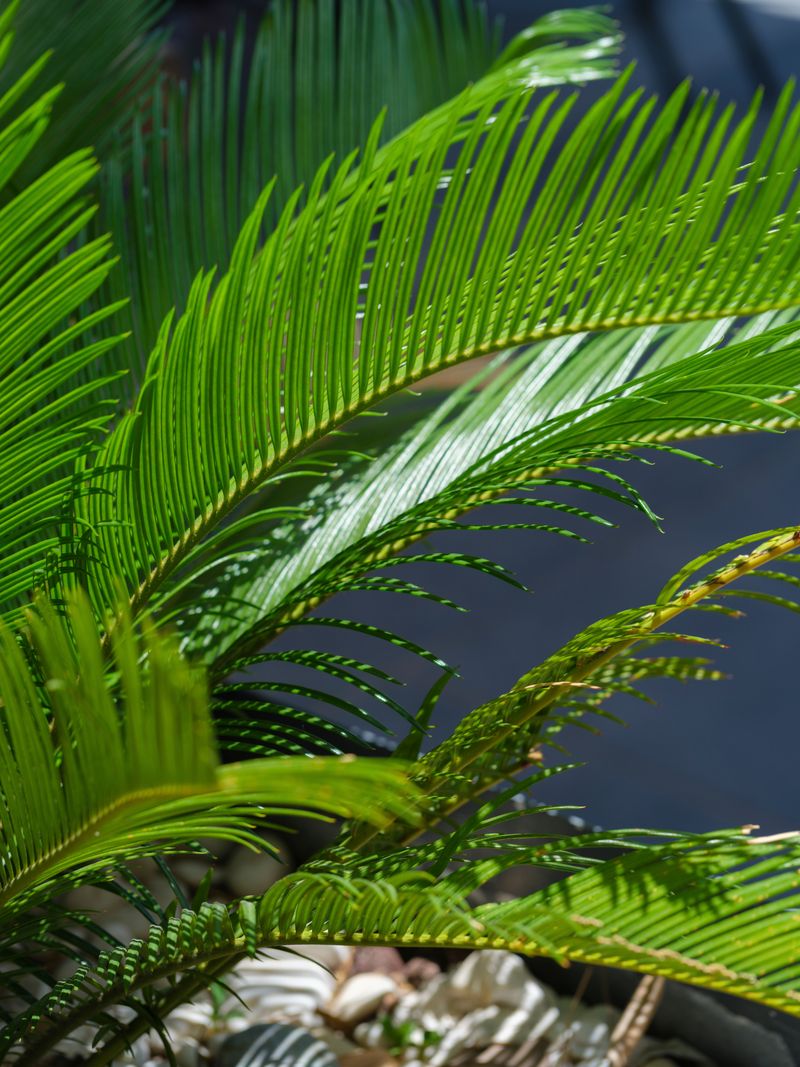
Spring gardens tempt every nose. Several Georgia favorites are unsafe if chewed.
Azaleas, rhododendrons, sago palms, oleander, lantana, and autumn crocus are among the concerning ones. Indoors, pothos, philodendron, dieffenbachia, peace lily, and ZZ plants can cause mouth irritation or stomach upset.
Relocate pots to high shelves and fence off garden beds. Check the ASPCA toxic plant list, and call your veterinarian if you suspect nibbling.
When unsure, remove it.
11. Lock Up Lawn Chemicals and Rodent Bait
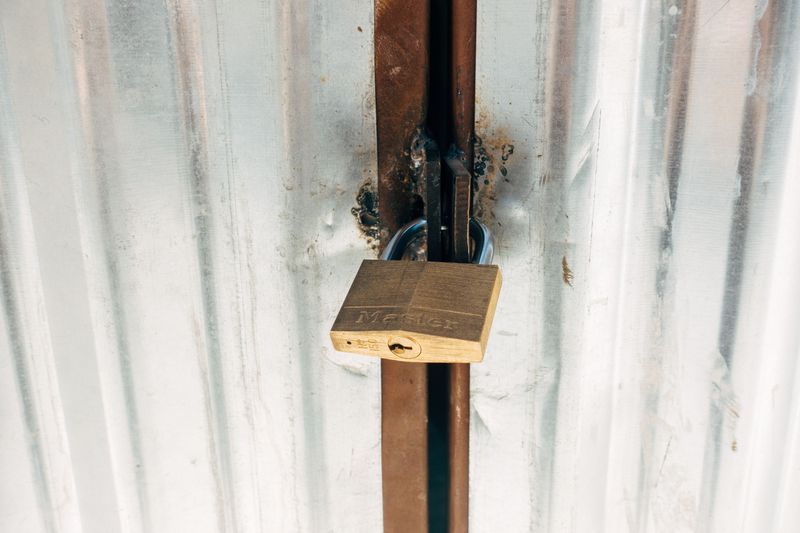
Garage shelves fill up fast in spring. Fertilizers, herbicides, insecticides, and rodent bait all need a locked door between them and your puppy.
Organic fertilizers deserve extra care. Bone meal, blood meal, and feather meal smell like food to dogs, which makes them especially tempting.
Store products in original containers with labels intact. If your pup gets into anything, call your veterinarian or a pet poison helpline right away.
12. Shift Cleaners and Detergents Behind Secured Doors
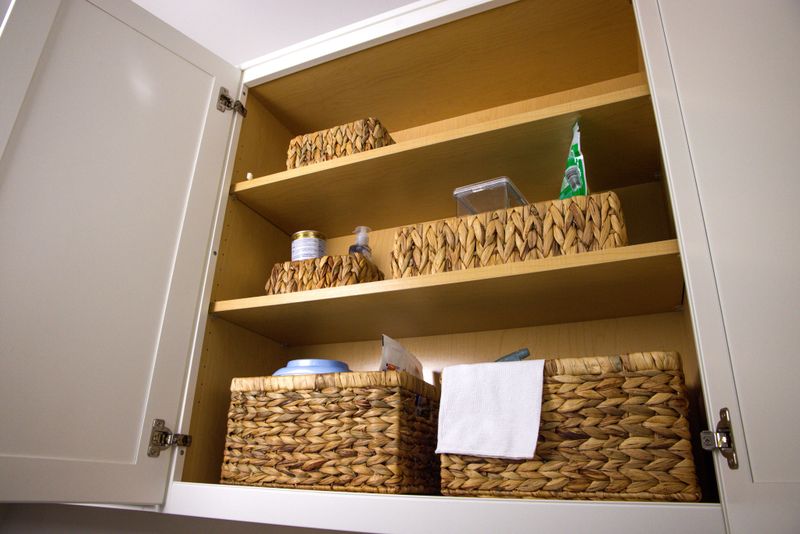
Under-sink cabinets are a puppy magnet. Cool, dark, and full of interesting bottles.
Magnetic or spring latches turn those cabinets into no-go zones in about ten minutes. Laundry pods are worth moving to a high shelf entirely, since their bright colors attract chewing.
Wipe up spills promptly and keep mop buckets emptied. Store the pet-safe cleaners you use most in one basket so you grab the right thing quickly.
13. Keep Paws Off Freshly Treated Grass
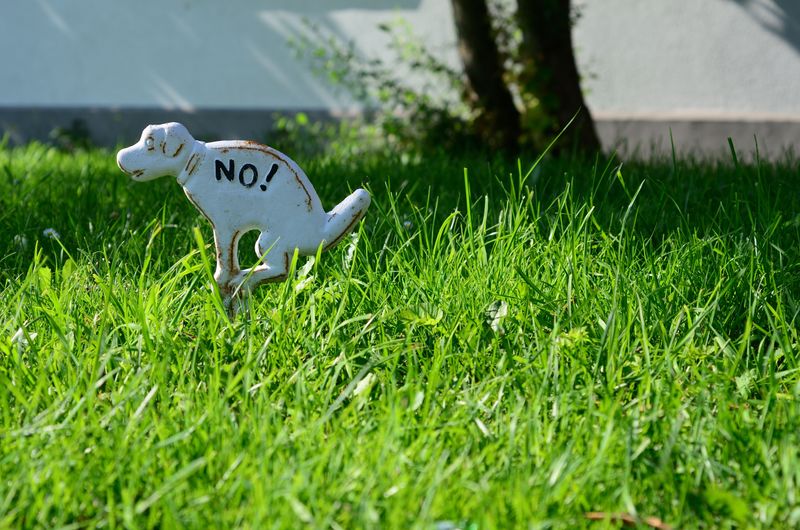
Timing matters more than most people realize after a lawn treatment.
Liquid applications generally need to dry completely before pets return. Granular products should be watered in and the surface allowed to dry again.
Waiting periods often run 24 to 72 hours, so follow the product label exactly. If a lawn service treats your yard, ask for their re-entry guidance in writing and use a gate or leash walk in the meantime.
14. Tame Electrical Cords and Tie Up Blind Pulls
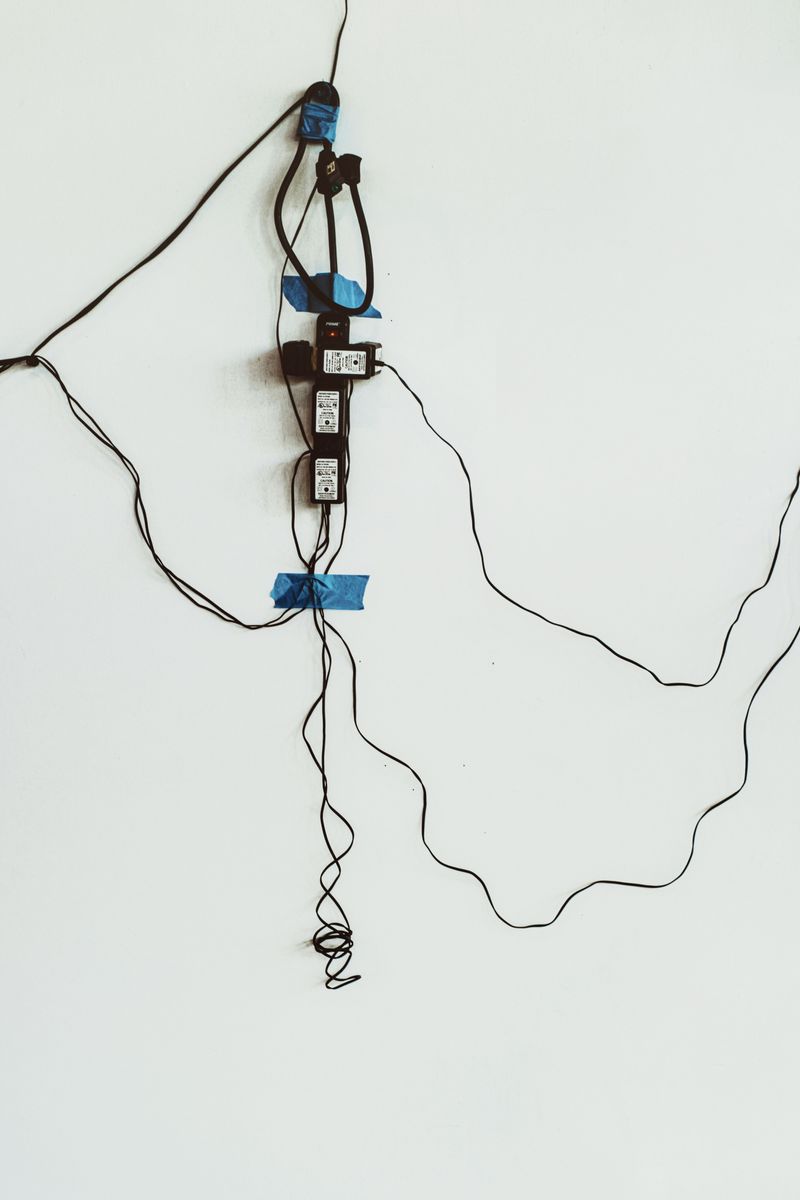
Teething puppies test everything with their teeth, and cords are the wrong thing to find.
Slide cords into split-loom covers or run them behind furniture. Unplug lamps and chargers you are not using.
Dangling blind and curtain cords are a tangle risk, so wrap them around a wall cleat well above nose height. Cordless blinds solve the problem permanently if you are already replacing window treatments.
15. Sweep Floors and Low Shelves for Small Swallowables
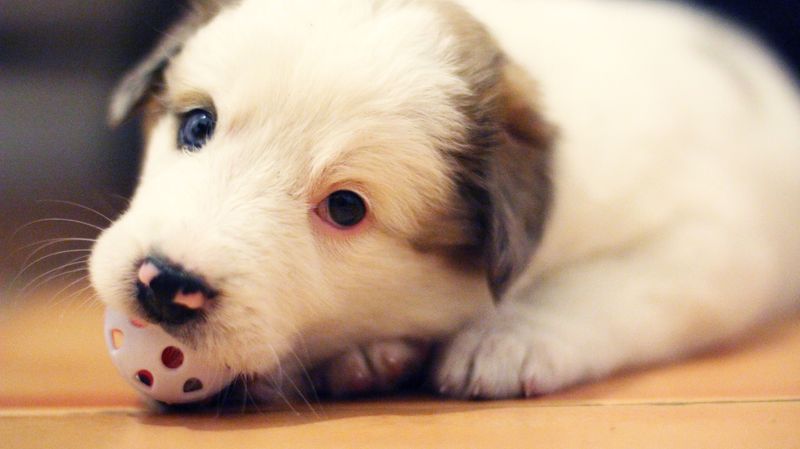
Get down at puppy eye level once and you will spot things you never noticed.
Hair ties, coins, bottle caps, buttons, socks, and small children’s toys are common swallowing hazards. Anything that fits inside a paper towel tube deserves a second look.
Baskets with lids near entryways help corral clutter. A quick nightly floor scan becomes automatic, and it protects your shoes as much as your puppy.
16. Make Trash Cans Genuinely Puppy-Resistant
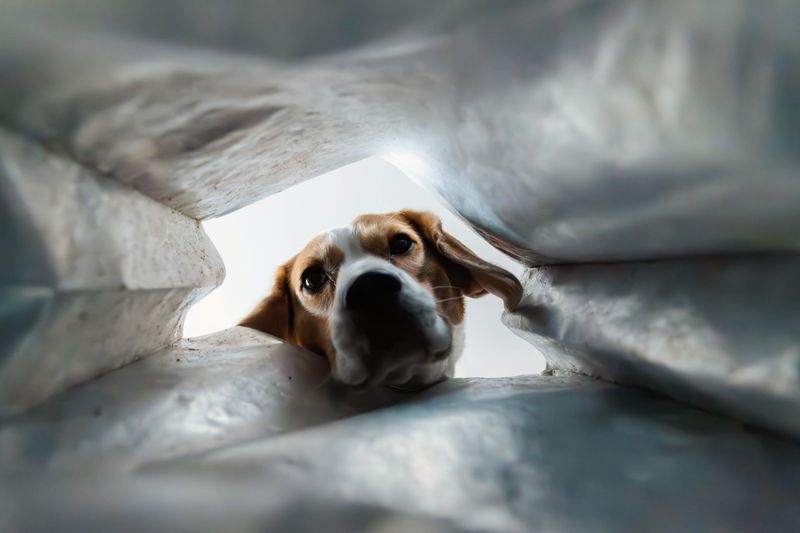
Ask any owner about their pup’s greatest hits and the kitchen trash usually appears.
Step-pedal, press-top, or motion-sensor cans with a locking lid make raids much harder. Tall, narrow cans tip less easily than short wide ones.
Better still, tuck the bin inside a latched cabinet. Do not forget bathroom and garage cans, since tissues, razors, and garage debris all cause problems if swallowed.
17. Design a Rainy-Day Confinement Space That Wipes Clean
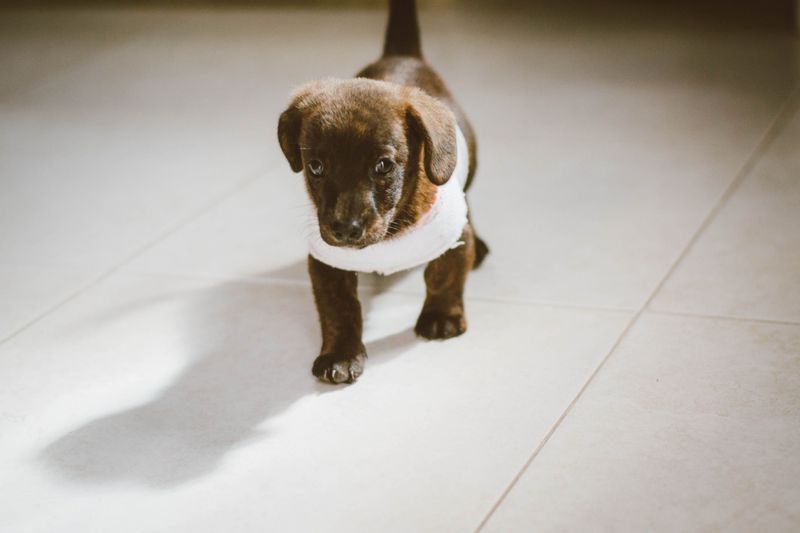
Georgia spring storms can keep a puppy inside for hours. A dedicated easy-clean space keeps everyone sane.
Tile, vinyl, or a playpen set over a waterproof mat all work. Add chew toys, water, and a washable bed so the area feels comfortable rather than like a timeout.
Place it where your family gathers. Puppies settle better near people, and you will notice accidents right away.
18. Stock Gentle Grooming Supplies Before You Need Them
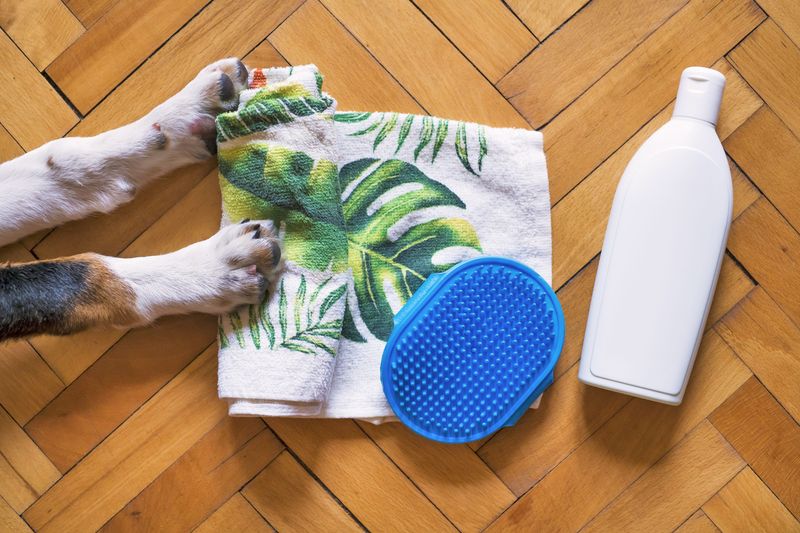
Nothing is worse than a clay-covered pup and an empty shampoo bottle.
Keep hypoallergenic or oatmeal-based puppy shampoo, a soft silicone brush, a slicker for longer coats, paw wipes, and old towels together in one bin. Gentle formulas suit sensitive young skin.
Brushing after outdoor time removes trapped pollen. Ask your veterinarian before using medicated products, especially if your puppy already scratches or licks their paws.
19. Walk the Fence Line for Gaps, Dig Spots, and Puddles
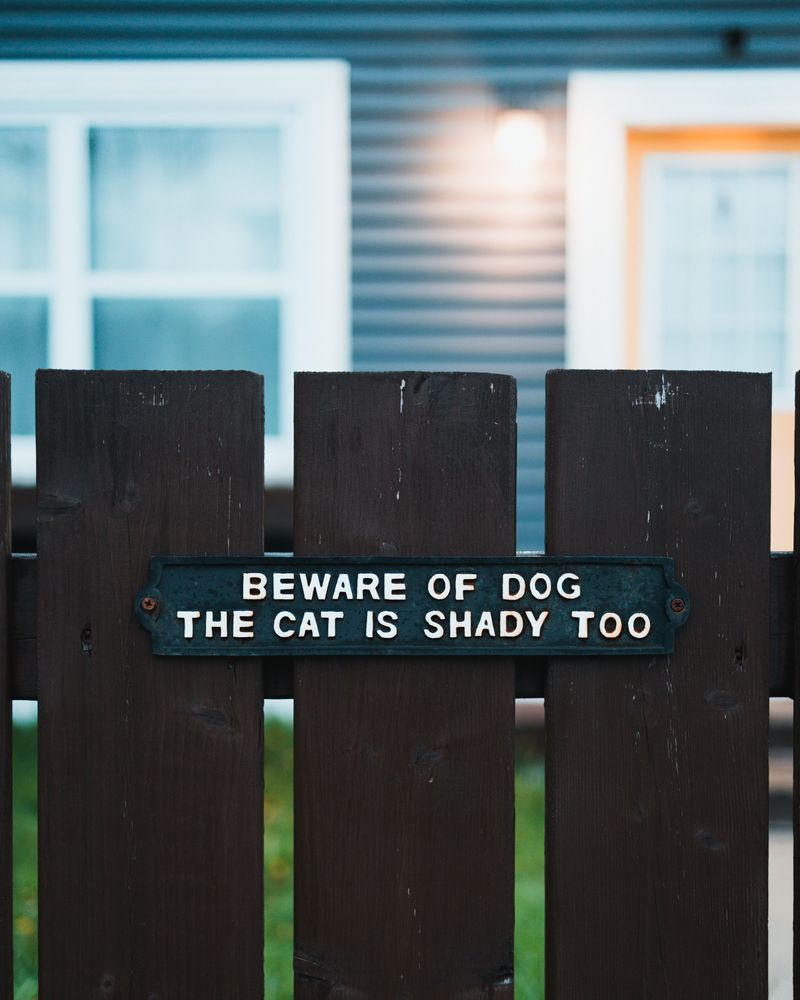
Winter rain shifts soil and washes out gaps under fences. Spring is the time to check.
Look for loose boards, widening gaps, and low spots where clay has eroded. Hardware cloth, gravel, or a buried barrier discourages digging.
Drain standing water too. Puddles and stagnant water can harbor bacteria, parasites, and algae, so empty outdoor bowls daily and refill them with fresh water.
20. Turn Post-Walk Paw and Coat Checks Into a Habit
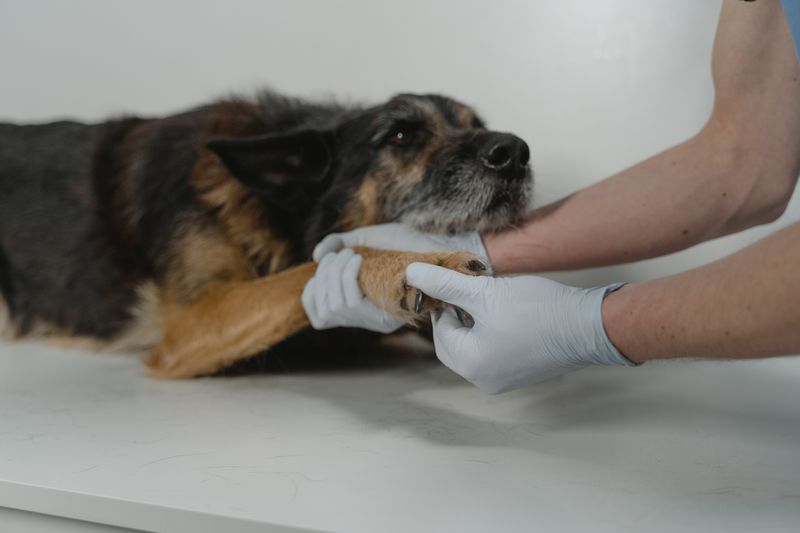
The last job costs about two minutes and pays off all season.
After each walk, wipe paws and lower legs, then run your hands through the coat. Feel for burrs, ticks, small cuts, and clay packed between the pads.
Regular handling also gets your puppy comfortable with vet exams later.
Finish these twenty jobs and Georgia’s messiest, dustiest season becomes something you can simply enjoy together.