What Texas Dog Owners Should Know About Rattlesnakes Around Trails, Parks, And Rural Properties
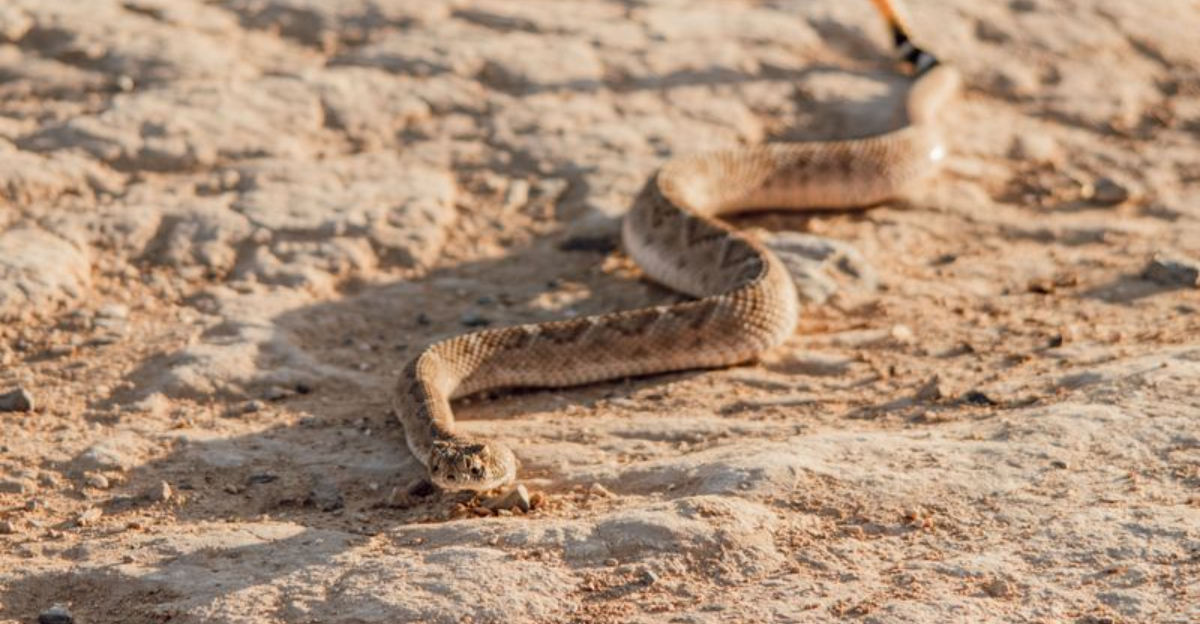
If you walk a dog anywhere in Texas, rattlesnakes are simply part of the landscape. The good news is that most encounters end quietly, with the snake slipping away and everyone unharmed.
A little local knowledge goes a long way here. Knowing where snakes rest, when they move, and how to react keeps walks relaxed instead of nervous.
Think of this as friendly guidance from someone who has hiked plenty of Texas trails with a happy dog leading the way.
Rattlesnakes Are Found Across Texas
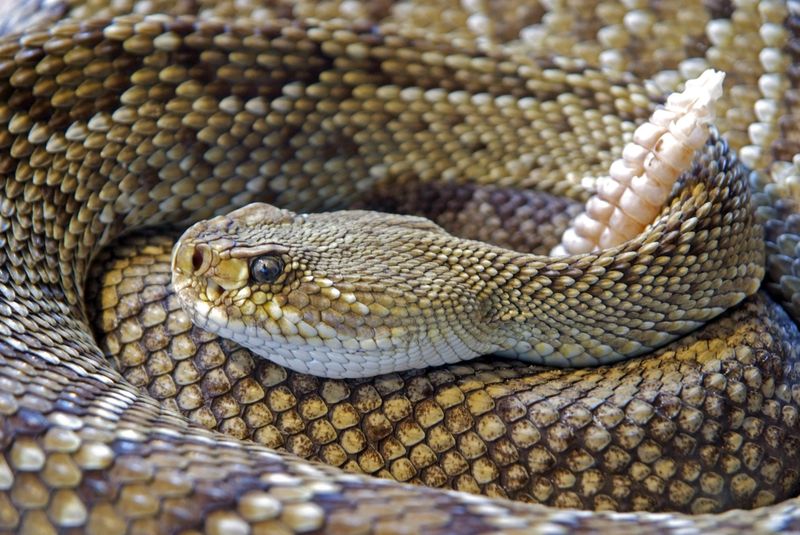
From the Panhandle to the Gulf Coast, Texas hosts several rattlesnake species. The western diamondback is the one most owners meet, though others live here too.
Habitats vary widely: desert scrub, hill country limestone, coastal prairie, and piney woods edges.
Because they are so widespread, assume a snake could be nearby on any outing. That mindset is not fear, just awareness.
Your dog benefits when you scan ahead instead of scrolling your phone.
Keep Your Dog On A Short Leash
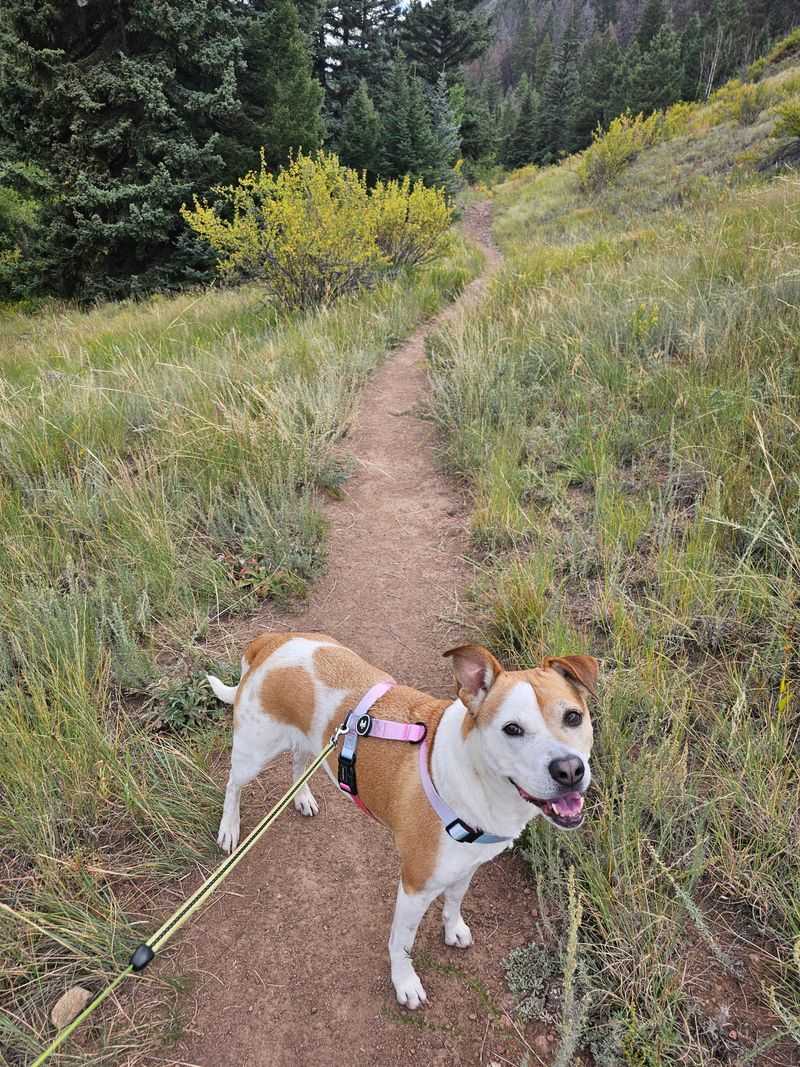
A six foot leash does more than follow park rules. It keeps your dog within arm’s reach of your decisions.
Long retractable leads let dogs wander into brush before you can react. By then, a snake may already feel cornered.
Shorter control also helps you steer around rocks and grass clumps. Most owners find their dogs settle into the routine quickly, especially with a few treats for staying close.
Watch Rocky Areas And Fallen Logs
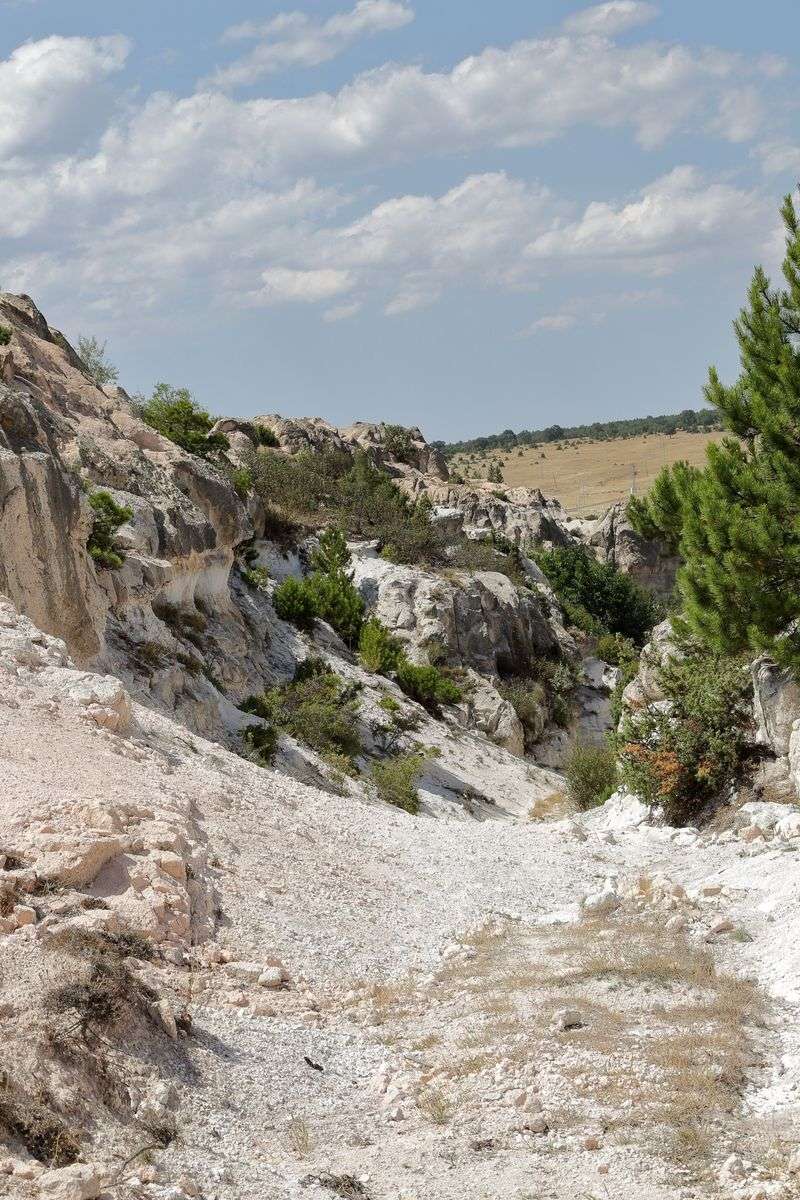
Rocky areas, ledges, crevices, and fallen logs can provide shelter or suitable resting spots for snakes. Their camouflage can also make them difficult to notice.
Fallen logs work the same way, giving cover from hawks and hot sun.
Guide your dog along open trail rather than over these features. If you must step across a log, look on the far side first.
Simple habits, real payoff.
Be Extra Careful Around Tall Grass
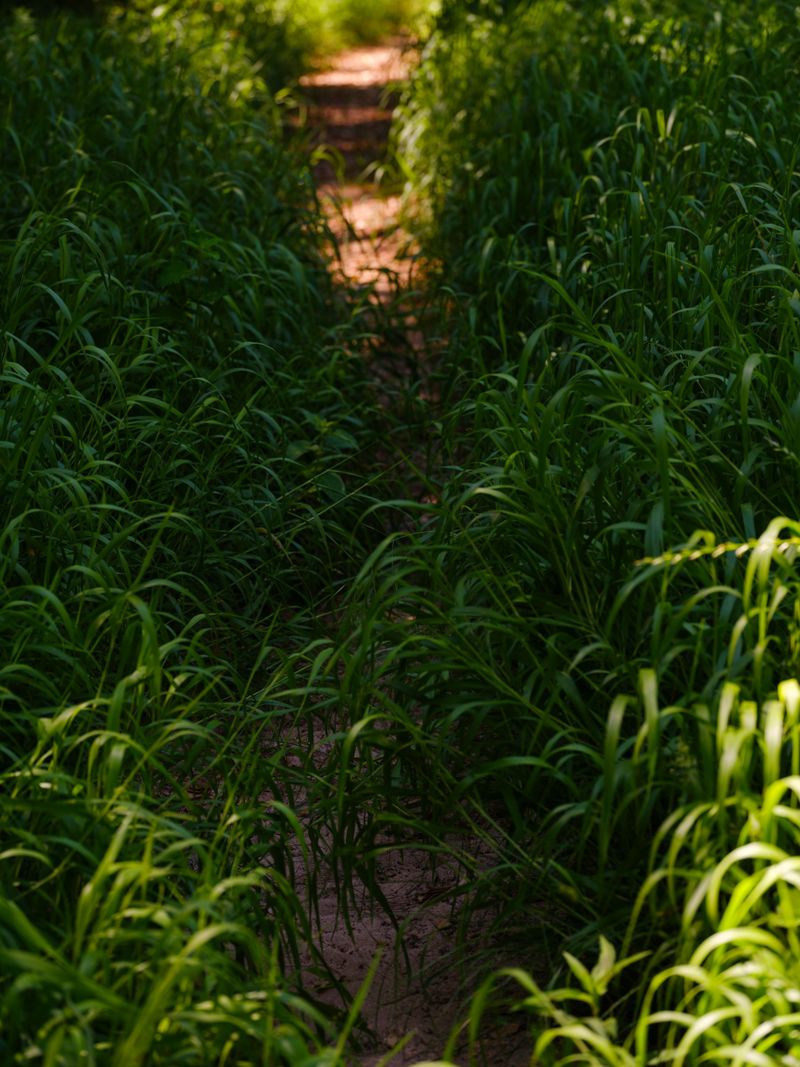
Tall grass hides everything, including a resting snake and your dog’s front paws. Visibility drops to almost nothing once stems reach knee height.
Trails with mowed shoulders are safer choices during warm months.
On rural land, keeping paths trimmed makes a genuine difference. Many landowners mow a wide walking loop each spring for exactly this reason.
Your dog still gets sniffing time, just with better sightlines for both of you.
Stay Alert During Morning And Evening Walks
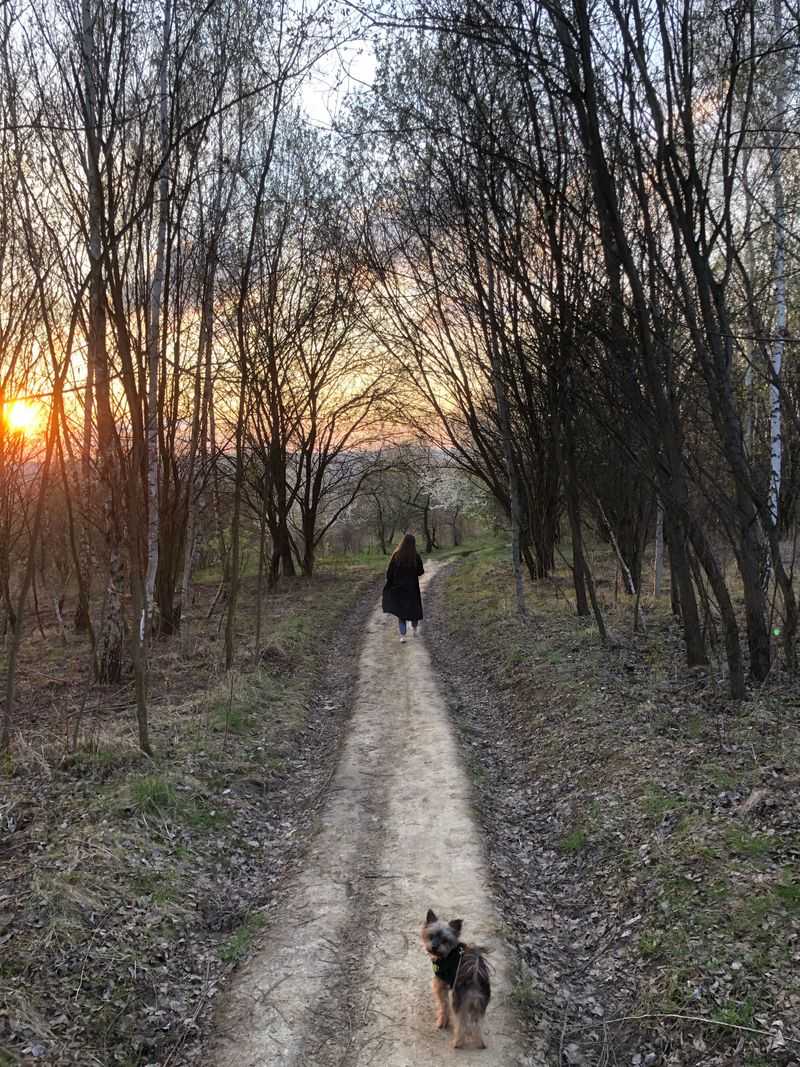
Rattlesnake activity varies with species, season, temperature, and local conditions. Snakes may be encountered at different times of day, so do not assume that a midday walk is automatically safer.
Those happen to be popular walking times for dogs and their people.
You do not need to change your schedule. Just slow down, keep to open ground, and use good lighting when dusk arrives.
In spring and fall, snakes may be out during warm afternoons instead.
Treat A Rattle As A Warning
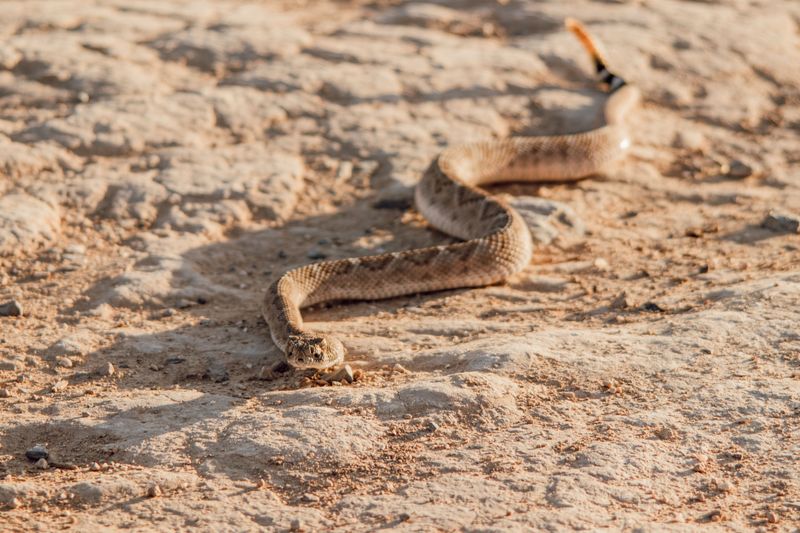
That dry buzzing sound is communication, not aggression. The snake is asking for space in the clearest way it can.
Respond by stopping, locating the sound, then backing away with your dog held close.
Do not rush forward to look. Do not let your dog investigate the noise, since curiosity beats caution in most dogs.
Give the snake plenty of room and take another route if necessary rather than relying on a specific distance as a guarantee of safety.
Understand Why Rattlesnakes Strike
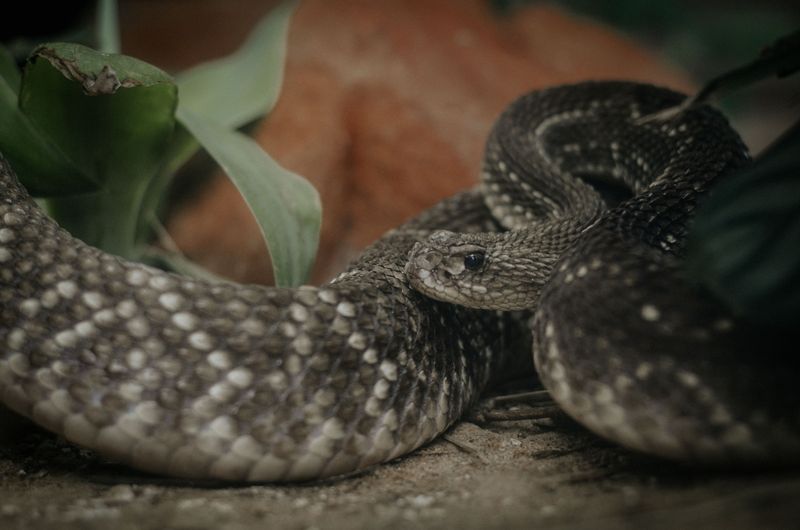
Defense, not hostility, drives nearly every encounter. Snakes strike when they feel trapped, stepped on, or crowded with no exit.
Dogs trigger this by approaching fast, face first, straight into the snake’s space.
Knowing the motive helps you predict trouble. Give room, and the reason to strike disappears.
That is why leash control matters more than anything else you can carry. Calm distance solves the problem before it starts.
Know Where Rattlesnakes Hide Around Rural Properties
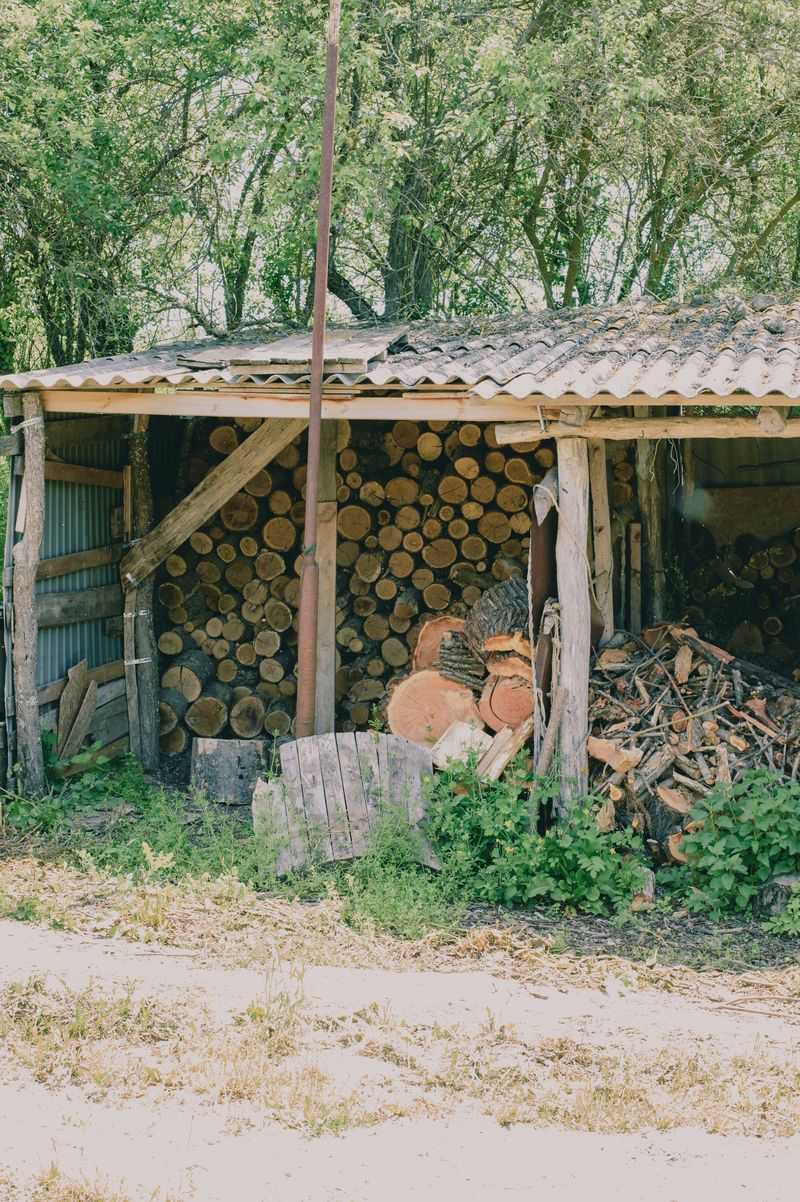
Barns, woodpiles, and equipment sheds offer everything a snake wants: shade, cover, and rodents. Stacked lumber and old tin are especially attractive.
Gaps under porches and foundations count too.
Tidying these areas reduces encounters near the house. Store firewood off the ground and away from doors.
Seal gaps where you can. Keeping feed in sealed containers cuts the rodent supply, which quietly lowers snake interest overall.
Check Your Yard Before Letting Your Dog Roam
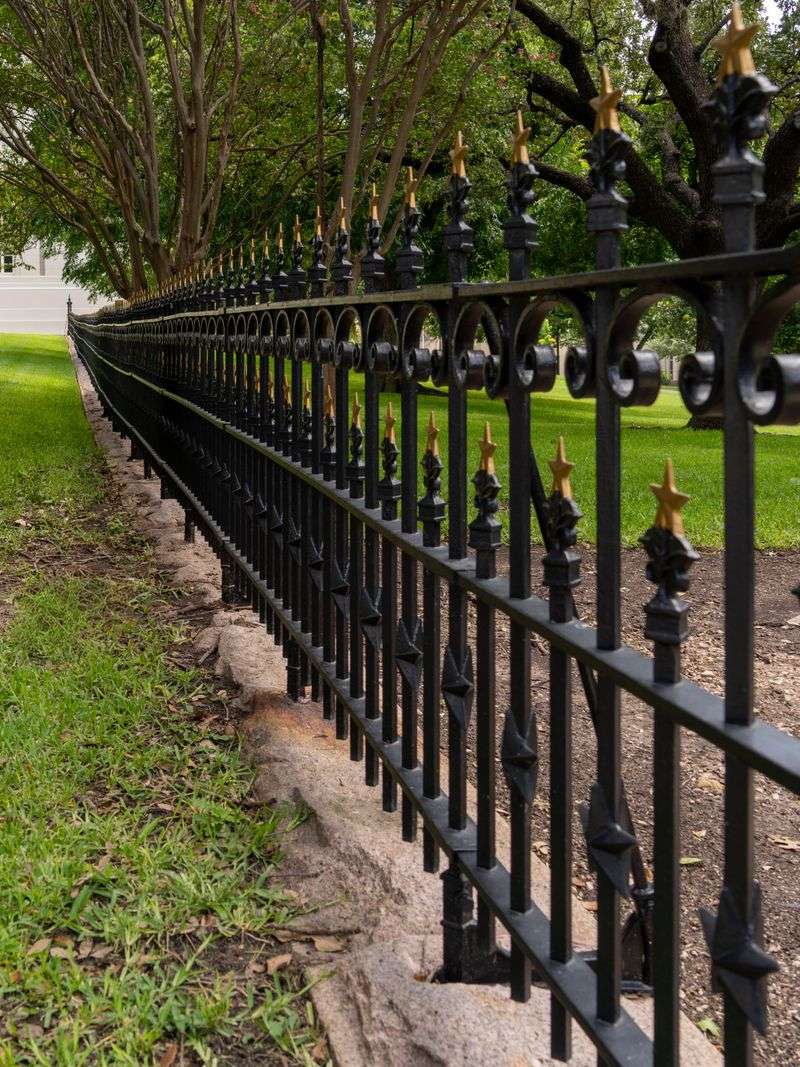
Thirty seconds of scanning beats a stressful afternoon. Step out first, look along fence lines, flower beds, and shady spots near the house.
Pay particular attention to places where snakes could find cover, such as dense vegetation, piles of debris, wood, or rocks.
Once you know the yard is clear, let your dog out. Owners who build this into their routine barely notice it after a week.
Dogs, meanwhile, appreciate a calm start to the morning.
Keep Dogs Away From Animal Burrows
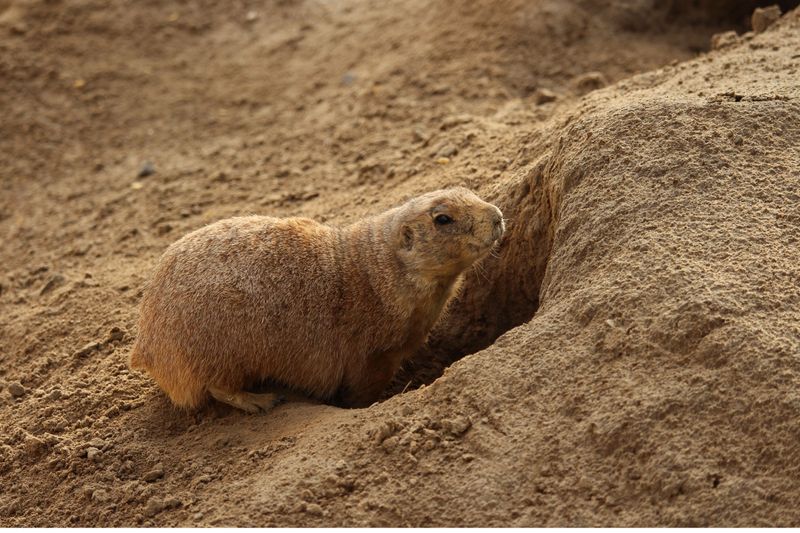
Abandoned burrows are prime real estate for snakes seeking cool shelter. Rodent holes, armadillo diggings, and gopher tunnels all qualify.
Terriers and other diggers find these irresistible, which is exactly the problem.
Redirect with a cheerful recall cue and a treat before your dog commits. On your own land, filling old holes helps.
A dog who learns to leave burrows alone stays safer around water pipes too.
Use A Flashlight After Dark
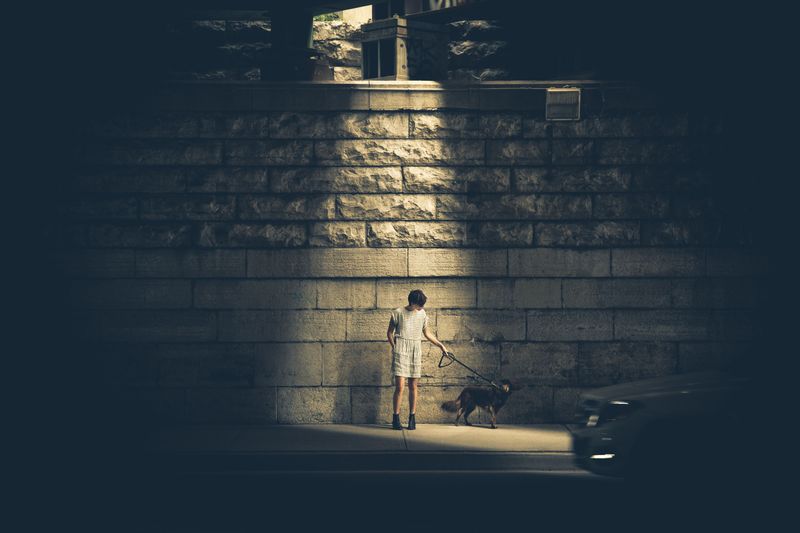
Nighttime bathroom trips are when many rural encounters happen. Snakes rest on warm gravel, driveways, and concrete after sunset.
A decent flashlight or headlamp reveals them easily, since they usually stay still.
Sweep the ground ahead, then walk. Keep your dog leashed for these late outings, even in a familiar yard.
Batteries by the back door sound fussy until the one night it matters.
Never Try To Move Or Kill A Rattlesnake
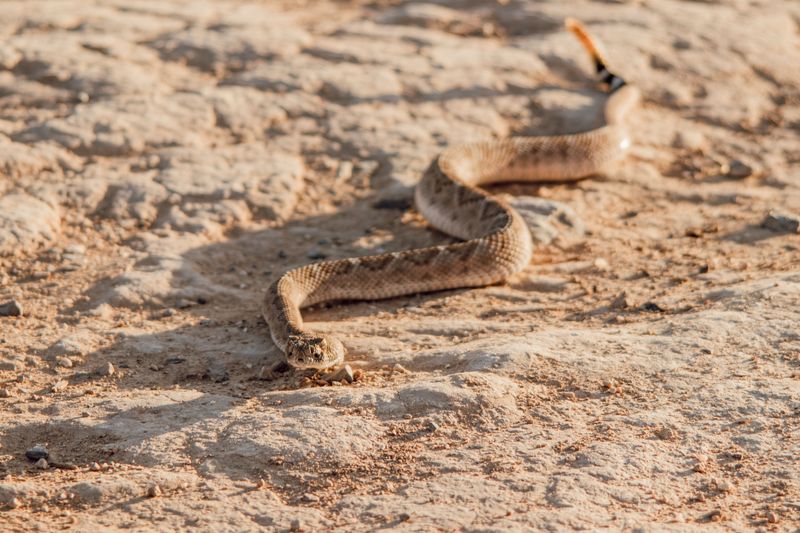
Most bites to people happen while handling or attacking a snake. Reaching in with a shovel or stick puts your hands in range.
Walking away is both safer and simpler.
If a snake is somewhere genuinely problematic, call a licensed wildlife removal service or ask local animal control for guidance. Rules on relocating wildlife vary by area, so check locally.
Distance stays your best tool.
Do Not Assume A Quiet Snake Is Harmless
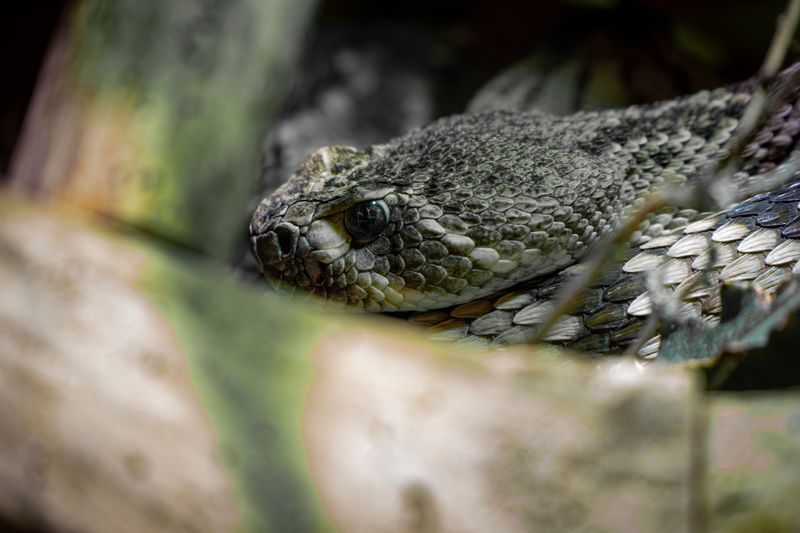
Rattling is optional, not guaranteed. A snake may stay silent if it feels hidden, or if it is cool and sluggish.
Young snakes and those with damaged rattles make little noise at all.
Silence therefore proves nothing. Judge by what you see, not what you hear.
Scan the ground regularly, especially where leaves and dry grass break up outlines. Camouflage is remarkably good on Texas soil.
Stop Dogs From Sniffing Under Rocks And Brush
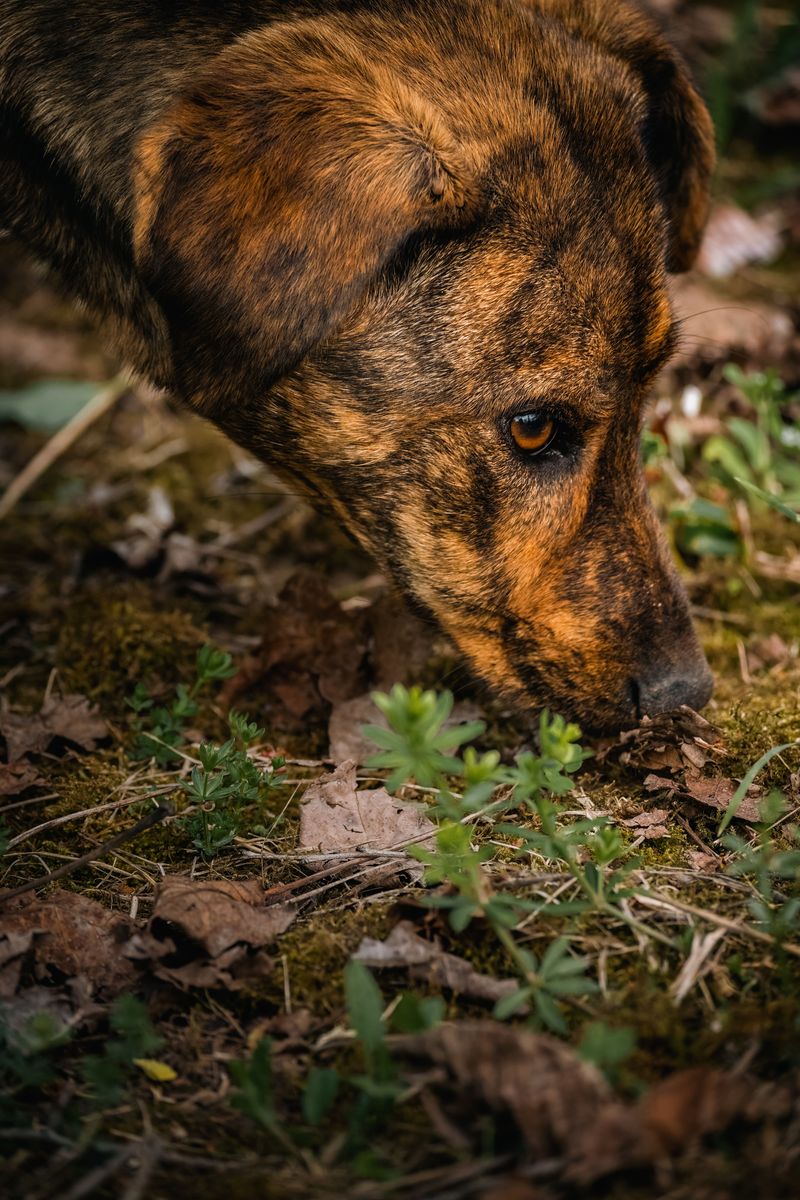
Noses lead dogs into tight, shaded pockets, which is precisely where snakes rest. Under rock overhangs, brush piles, and thick shrubs deserve a hard pass.
Teaching a solid leave it cue pays off here more than anywhere.
Practice at home with boring objects first, then use it outdoors. Reward generously when your dog turns away.
That one skill prevents a surprising number of problems on Texas trails.
Check State Park Pet Rules Before Your Visit
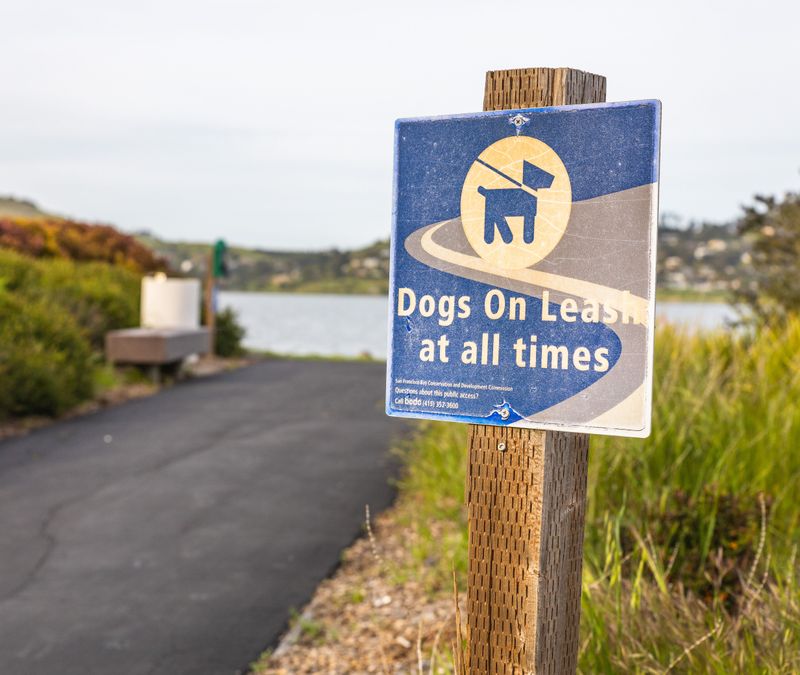
Texas state parks generally require pets to stay leashed, commonly on a lead no longer than six feet. Pets are often restricted from buildings and some swimming areas.
Rules differ between state parks, city parks, and national sites.
Check the specific park page or ask at headquarters before you unload the car. A quick look saves confusion, and leash rules exist partly for wildlife encounters like these.
Know The Signs Of A Possible Snakebite
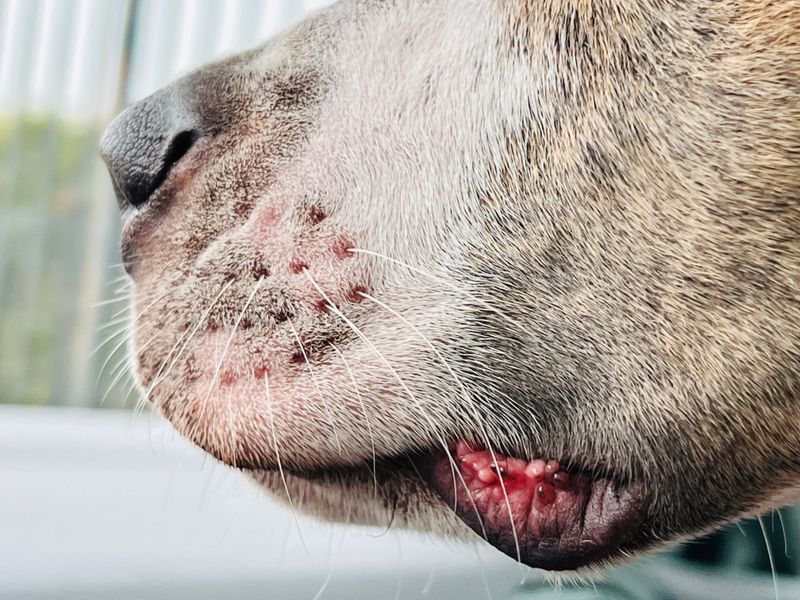
Sudden yelping in tall grass is often the first clue. Look for swelling, puncture marks, bleeding, or pain around the face, muzzle, or legs.
Other signs include drooling, trembling, weakness, restlessness, or rapid breathing.
Swelling can grow quickly, so early notice matters. You may not find clear marks under fur.
When in doubt, treat it as urgent and let a veterinarian make the call.
Treat A Suspected Snakebite As An Emergency
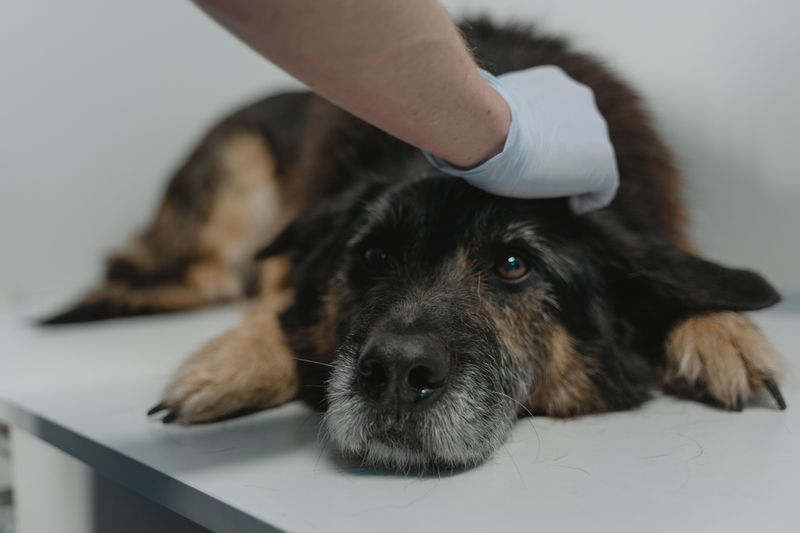
Speed matters most. Head to the nearest veterinary clinic or emergency hospital right away, and call ahead so staff can prepare.
Keep your dog calm and carry them if possible, limiting movement.
Skip old folk remedies: no ice, no tourniquets, no cutting, no suction. Those cause harm without helping.
Antivenin and supportive care are veterinary decisions. Save two nearby emergency numbers in your phone today.
Give Rattlesnakes Plenty Of Room To Escape
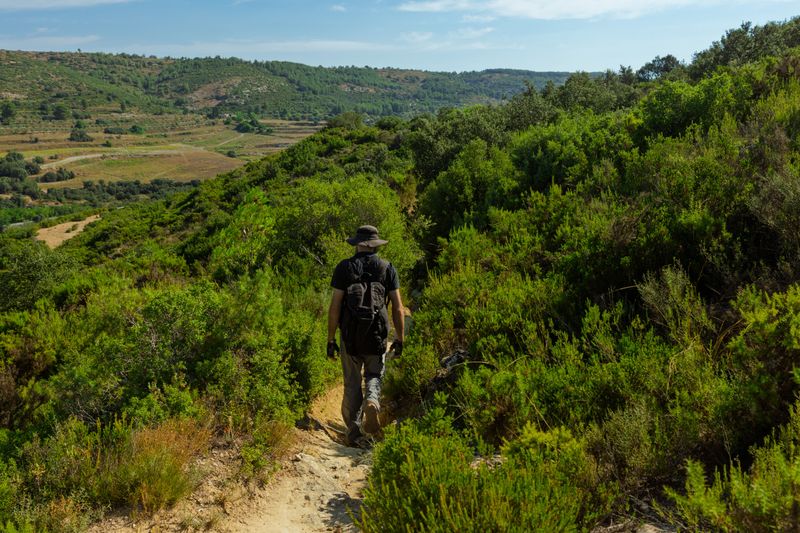
Snakes want out, not confrontation. Blocking the only exit is what turns a calm moment tense.
Step back several paces, shorten the leash, and detour widely. Six feet is a common minimum, though more is better.
Let the snake leave on its own schedule. Standing quietly for a minute usually does it.
Then continue your walk, maybe with a slightly better story for the group chat.
Consider Avoidance Training And Vaccine Questions
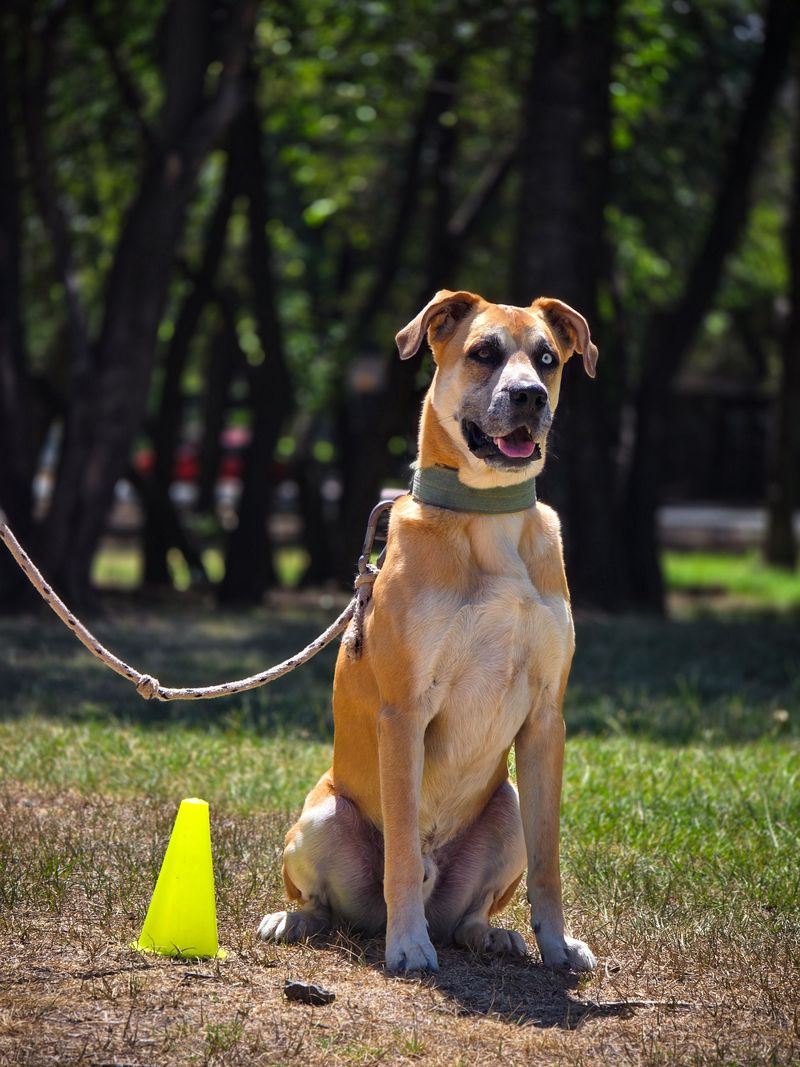
Some Texas trainers offer rattlesnake avoidance classes, teaching dogs to retreat from the scent and sound. Methods vary, so ask about techniques before enrolling.
A rattlesnake vaccine also exists, though evidence for its benefit is limited and debated.
Neither replaces leash control or fast veterinary care. Talk with your own veterinarian about whether either option suits your dog, your property, and where you hike.
Build A Simple Trail Kit And Plan
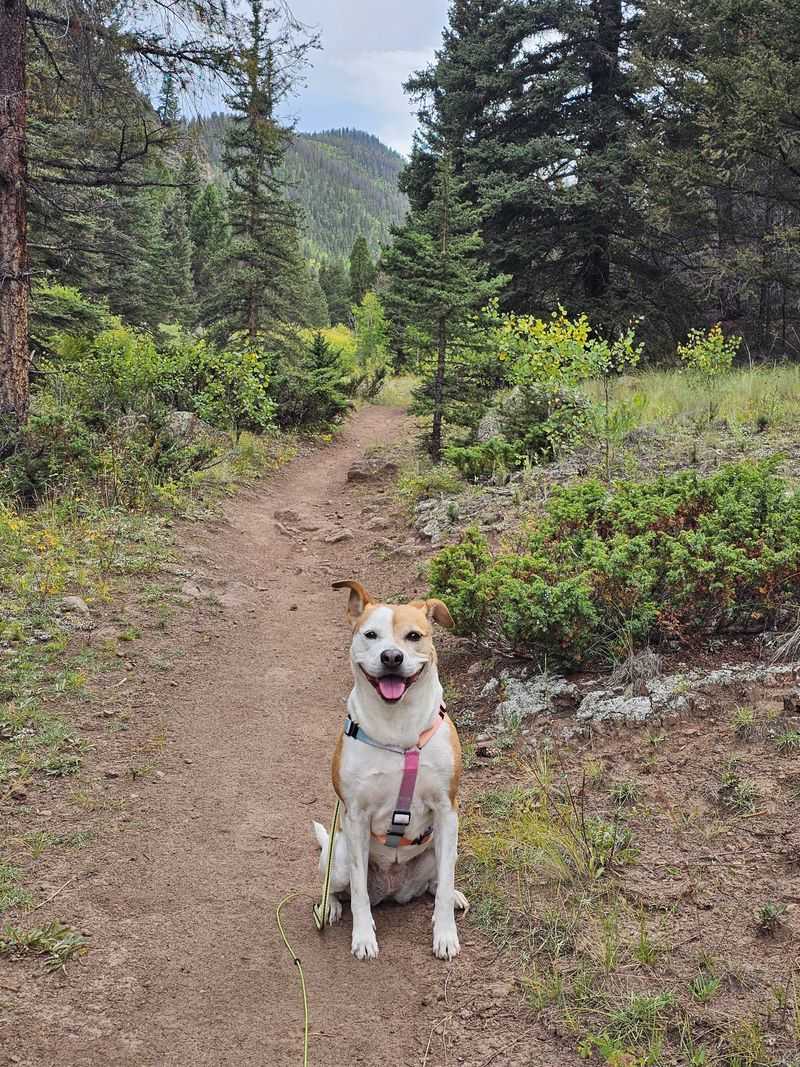
Preparation removes most of the worry. Pack a sturdy six foot leash, water, a flashlight, your phone, and a card listing veterinary contacts.
Note the nearest emergency clinic before heading somewhere remote, since cell service fades fast in Texas.
Tell someone your route. With those basics handled, you can relax and enjoy the walk.
Awareness plus a small kit turns rattlesnake country into ordinary, pleasant dog territory.