20 High-Rise Emergency Supplies Chicago Dog Owners In Illinois Should Keep Ready

Living high above Chicago comes with great views and a few extra things to think about. Power outages, fire alarms, and broken elevators can mean many flights of stairs with your dog beside you.
A little planning now makes those moments much calmer for both of you. Think of this guide as advice from a neighbor who has already packed a go-bag.
Each supply below is simple to find, easy to store, and genuinely useful. Gather them slowly, check them twice a year, and you will feel ready for almost anything.
1. A Sturdy Leash You Can Trust
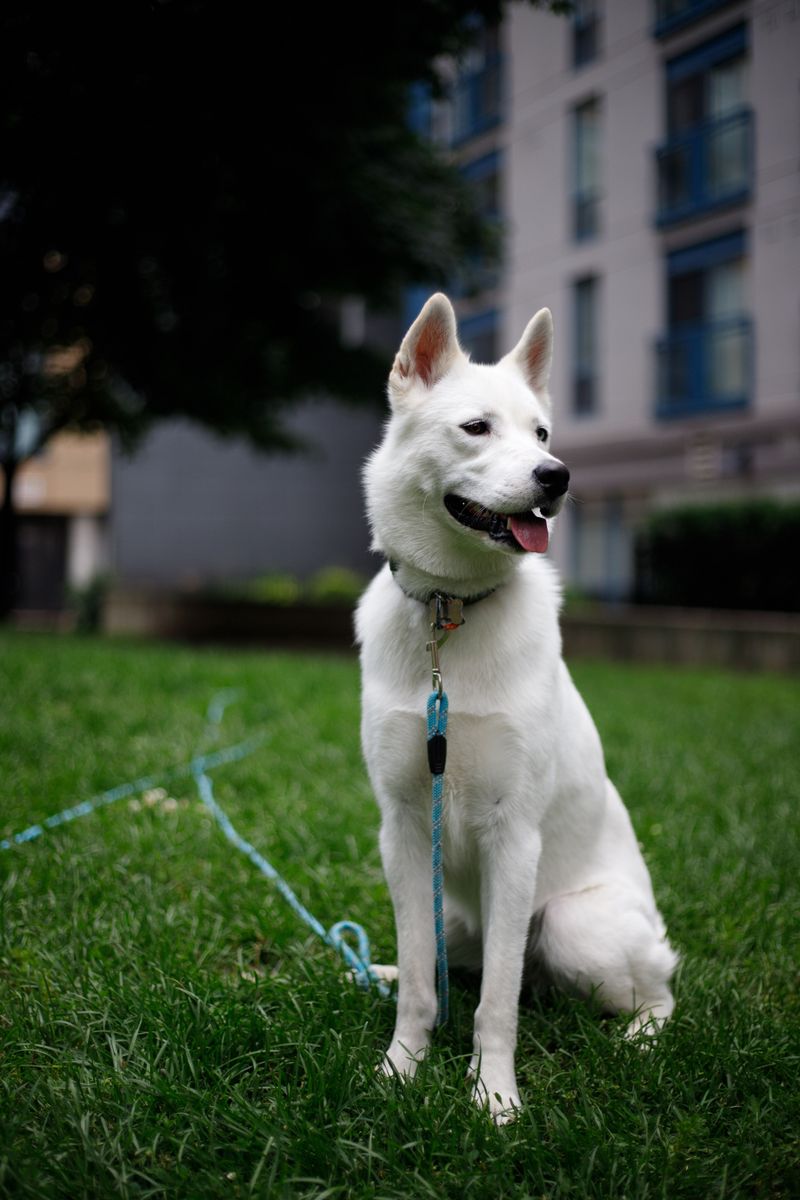
Picture a crowded stairwell during a fire drill, with dozens of neighbors heading down together. A strong, familiar leash keeps your dog close and steady through all that noise.
Chicago generally requires dogs to be leashed in public areas, with leashes no longer than six feet. A standard six-foot nylon or leather leash fits the rule and works well in tight spaces.
Skip retractable leashes for evacuations. Their thin cords can tangle on railings or slip from your hand.
2. Spare Collar or Harness
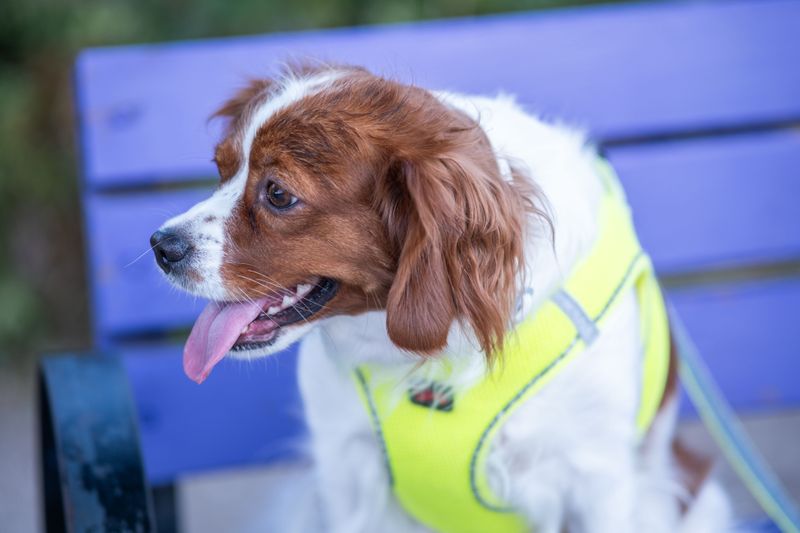
Buckles crack and clips wear out, usually at the worst possible moment. Keeping a spare collar or harness in your kit means one broken piece never leaves your dog unsecured.
A well-fitted harness is often easier to control on long flights of stairs. It spreads pressure across the chest instead of the neck.
Check the fit every few months, especially for growing puppies. You should be able to slide two fingers under the straps comfortably.
Choose reflective trim for dim hallways.
3. ID Tags With Current Contact Details
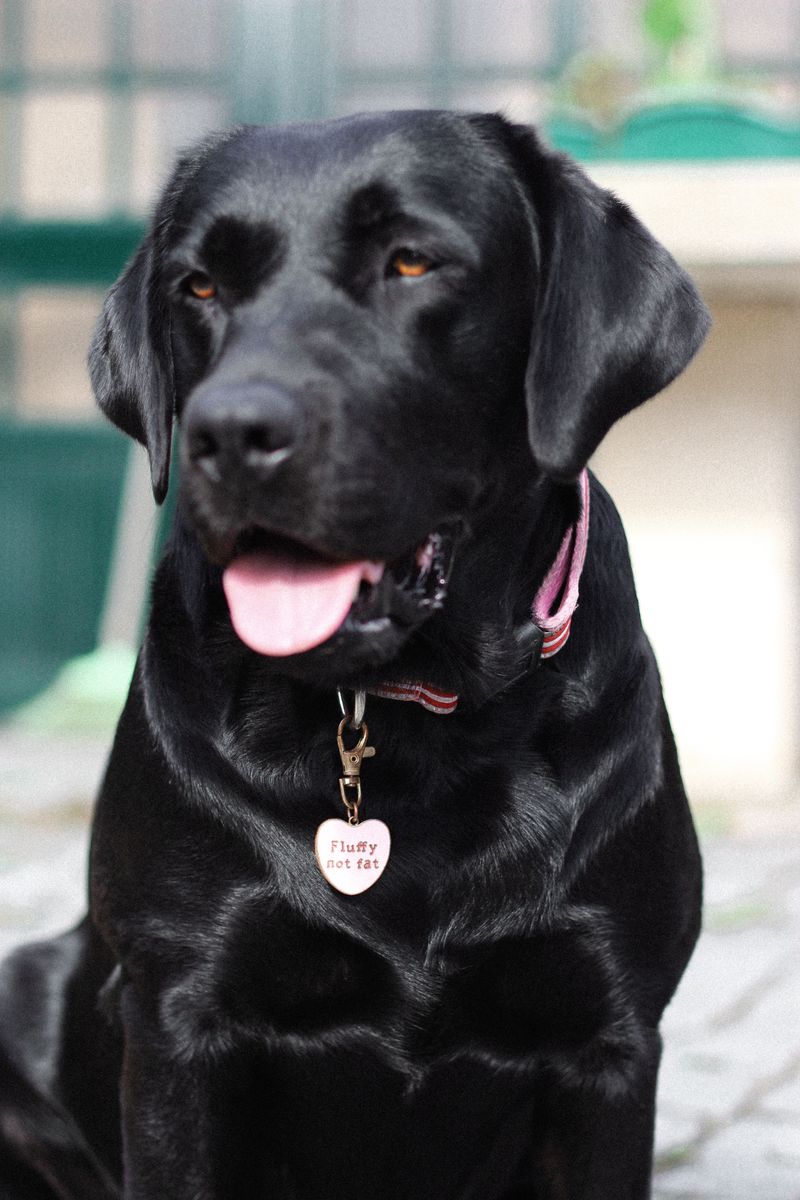
A friendly stranger finds your dog in the lobby. What happens next depends on the small tag jingling from the collar.
Illinois requires dogs four months and older to be vaccinated against rabies and wear a rabies tag. Chicago also requires a city dog registration, and the city recommends tags with your name, address, and phone number.
Microchips add a lasting backup, so keep that registration current too. Rules can differ by county, so confirm details with Cook County Animal and Rabies Control.
4. Bottled Water and a Collapsible Bowl
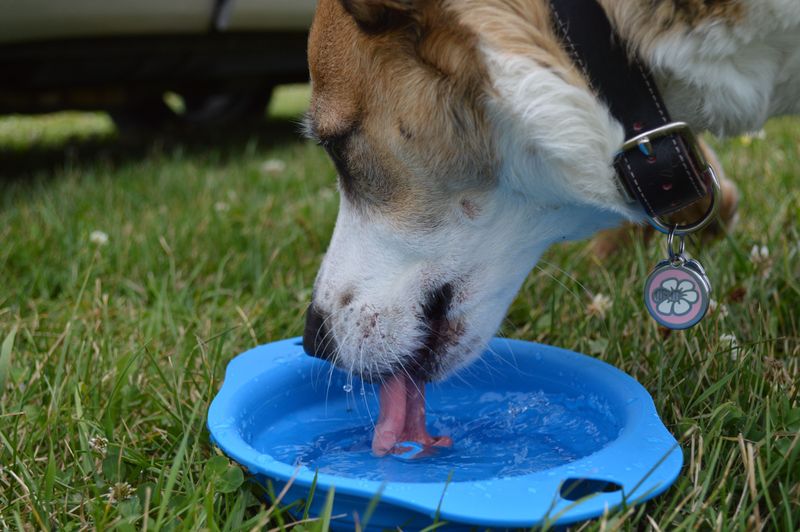
Walking down twenty or thirty floors is real exercise, even for an energetic dog. Panting pups need a drink once you reach the street.
Pack a few sealed bottles of water alongside a collapsible silicone bowl. These bowls fold nearly flat, weigh almost nothing, and clip onto a bag strap.
Offer small sips rather than one huge gulp after heavy exertion. Rinse and dry the bowl after each use so it stays fresh for next time.
5. Several Days of Your Dog’s Regular Food

Grocery runs get tricky when elevators are down and roads are closed. A stash of your dog’s regular food keeps mealtimes calm and familiar.
Many experts suggest packing a three to seven day supply for evacuation. If you plan to shelter in place, some guides recommend closer to two weeks.
Store kibble in an airtight, waterproof container. Swap it out every few months so it stays fresh.
Canned food with pull tabs is handy too.
6. Essential Medications on Hand

Daily pills for allergies, thyroid issues, or joint support do not take a break during emergencies. Missing doses can set your dog back quickly.
Keep about a two-week supply in your kit, along with a copy of the current prescription. Ask your veterinarian whether extra refills are possible for this purpose.
Mark expiration dates on the bottles with a bright marker. Every few months, rotate older medicine into daily use and restock the kit with fresh supplies.
7. Vaccination and Veterinary Records

Shelters, boarding facilities, and emergency clinics often ask for proof of vaccinations before accepting a dog. Having that paperwork ready saves time and stress.
Tuck printed copies of rabies certificates, vaccine history, and recent vet notes into a zip-top waterproof bag. A USB drive or cloud folder makes a smart digital backup.
Update the file after every annual checkup. Include your dog’s weight, known allergies, and any ongoing health conditions for quick reference.
A new vet can then help without guessing.
8. A Well-Stocked Pet First-Aid Kit
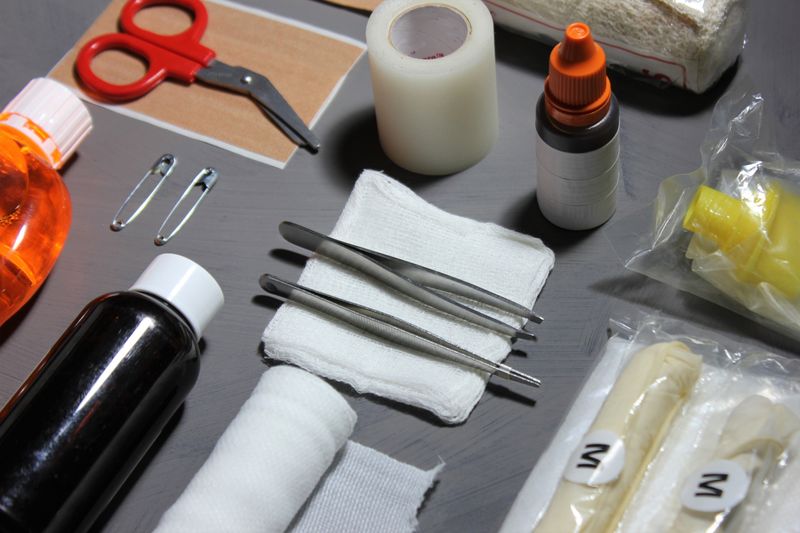
Stairwells can be dusty, crowded, and full of sharp corners. Minor scrapes happen, and a small kit lets you handle them right away.
Stock gauze pads, adhesive tape, antiseptic wipes, blunt scissors, tweezers, and disposable gloves. Add a digital thermometer and saline solution for rinsing wounds.
Keep human medicines out of this kit, since some are unsafe for dogs.
A pet first-aid class, offered by some shelters and clinics, builds real confidence. For anything beyond small cuts, contact a veterinarian promptly for guidance.
9. Plenty of Waste Bags

Nature does not pause for a building alarm. Once your dog reaches the sidewalk, a bathroom break is almost guaranteed.
Chicago expects owners to clean up after their pets, and good neighbors do it even in chaos. Pack a full roll or two of sturdy waste bags in an outer pocket.
A clip-on dispenser attached to the leash means bags are always within reach. Compostable options work fine, just store them away from heat and moisture.
10. Absorbent Potty Pads for Indoor Waits

Sometimes the safest plan is staying inside while crews handle a problem outdoors. Hours can pass before a walk is possible.
Absorbent potty pads give your dog an approved spot on a balcony, bathroom floor, or hallway corner. Small breeds and puppies often adapt to them quickly.
Practice with a pad now, during calm times, so it feels familiar later. A few pads also work as liners inside a carrier during long waits.
Store a small stack flat under the bed to save space.
11. A Headlamp or Flashlight
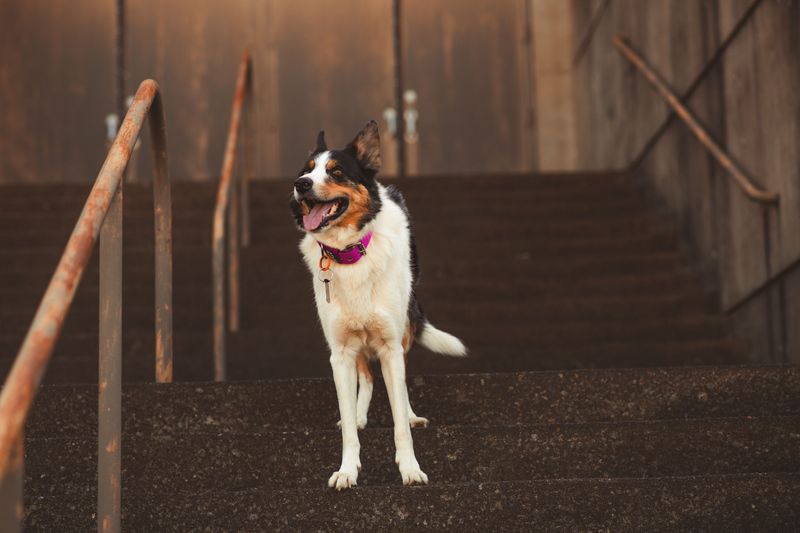
When the power flickers off, many high-rise stairwells turn dim, even with emergency lighting. Seeing each step clearly matters when you are guiding a dog.
A headlamp is the quiet hero here. It lights your path while leaving both hands free for the leash and railing.
Choose a model with a red-light setting, which is gentler on your eyes in the dark. Store a small handheld flashlight too, just in case.
Test both every season so nothing surprises you.
12. Fresh Backup Batteries

Fun fact: alkaline batteries slowly lose charge even while sitting unused in a drawer. That flashlight you packed last year may not shine as brightly now.
Keep a sealed pack of spare batteries in the kit for every device that needs them. Check sizes carefully, since headlamps often use AAA while flashlights may use AA or C.
Store batteries in a cool, dry spot. Mark the purchase date on the package, and replace them about once a year.
13. A Charged Portable Power Bank

Your phone holds the vet’s number, maps to shelters, and alerts from the city. A dead battery cuts off all of that at once.
A fully charged power bank can refill most phones at least once or twice. Pack the right cable with it, since a charger without a cord will not help.
Recharge the bank every few months, because they drain slowly over time. Signing up for Notify Chicago alerts adds another layer of useful updates.
14. A Small Blanket or Towel

Few items are as flexible as a plain old towel. It dries wet paws, cushions a hard floor, and offers a familiar scent in a strange place.
A small fleece blanket adds warmth during chilly Chicago nights outdoors. Lightweight Mylar thermal blankets also fold tiny and help hold in body heat.
In a pinch, a sturdy towel can help carry a small injured dog. Roll it tightly and secure it with a hair tie to save space.
15. A Secure Carrier or Evacuation Bag
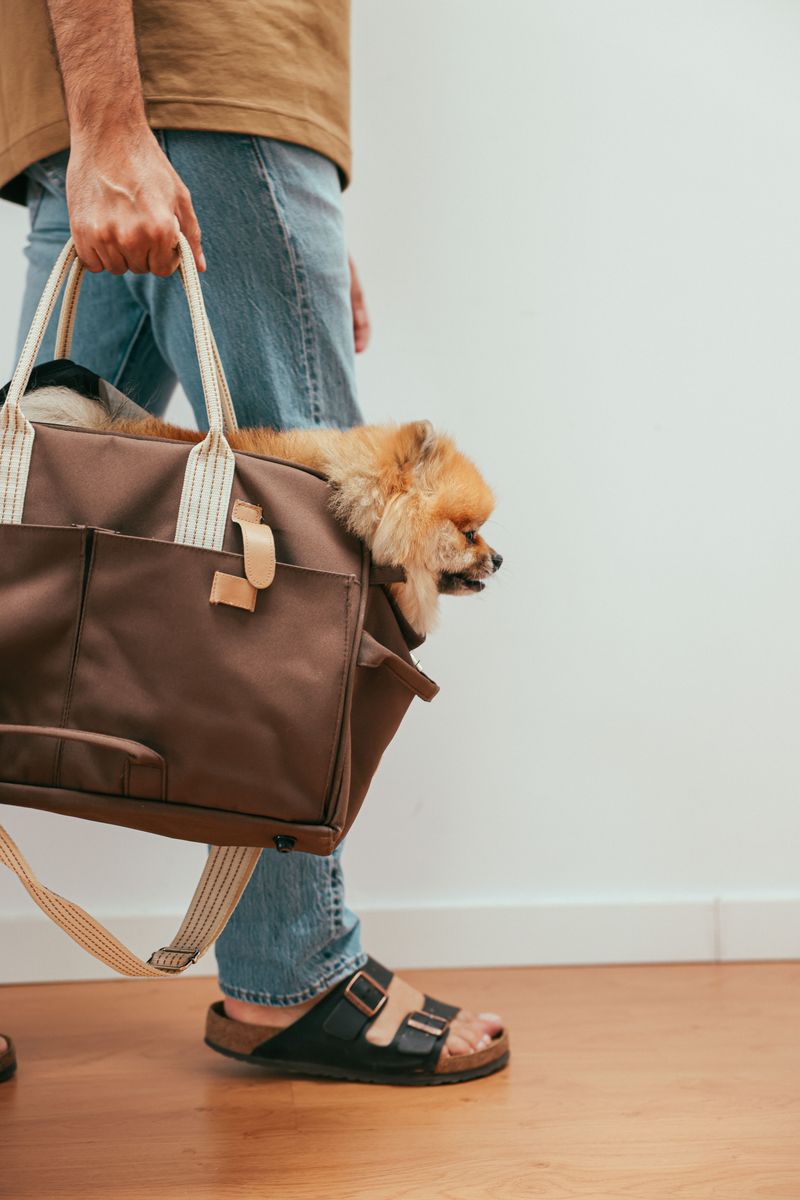
Small dogs and nervous pups often feel safer inside a snug space. A secure carrier becomes a little den they can trust.
Some shelters also require pets to stay in carriers or crates.
Look for strong zippers, good airflow, and a padded shoulder strap for long stair trips. Backpack-style evacuation bags keep your hands free for railings and doors.
Leave the carrier open at home with a soft blanket inside. Dogs who nap there regularly usually step in calmly when it truly matters.
16. A Comfortable Muzzle for Stressful Moments
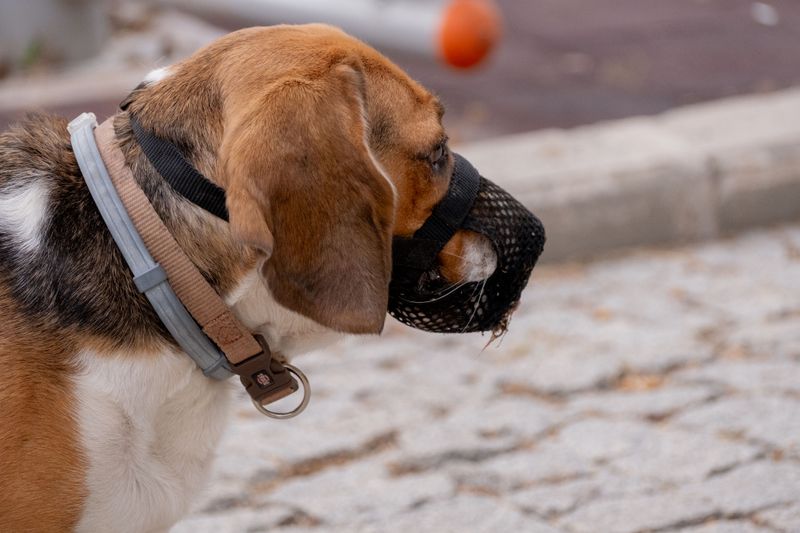
Even the sweetest dog can snap when frightened, hurt, or squeezed into a crowded stairwell. Planning for that possibility is simply responsible care.
A basket muzzle lets your dog pant and drink while still preventing bites. Fabric muzzles are tighter and should only be used for short periods.
Introduce the muzzle slowly with treats and praise, so it feels like a normal accessory. Many owners start with just a few seconds of wear.
Rescuers and neighbors will appreciate the extra calm it brings.
17. A Recent Printed Photo

Phones fail, but paper keeps working. A recent printed photo of your dog helps volunteers and shelter staff spot your pet quickly.
Choose a clear, well-lit picture showing your dog’s face, coat pattern, and any unique markings. Better yet, include a photo of you and your dog together.
That shared image can help prove ownership if you ever get separated. Slip it into a plastic sleeve and replace it yearly as your dog ages.
18. Emergency Veterinary Contact List
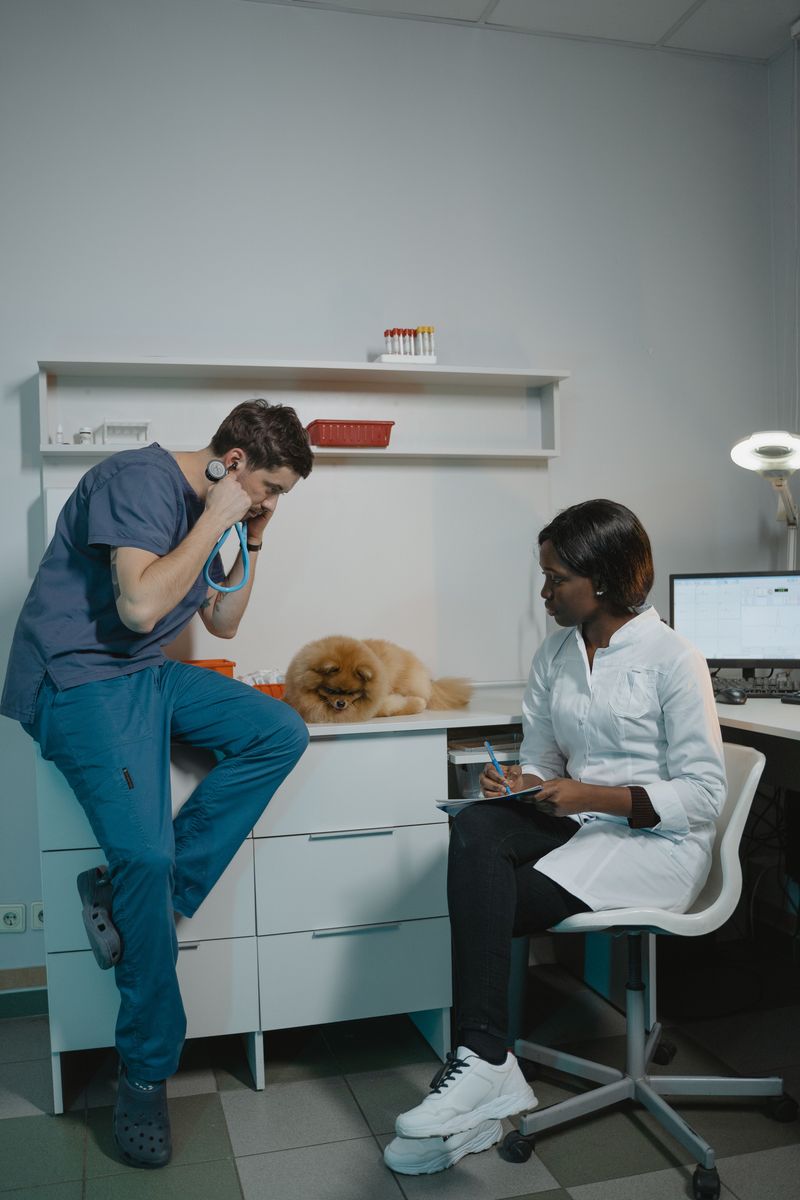
Scrambling for a phone number during a stressful moment is no fun. A written contact list solves that problem in seconds.
Include your regular veterinarian plus a few 24-hour emergency hospitals in the Chicago area, such as MedVet Chicago. Add the ASPCA Animal Poison Control number, which may charge a consultation fee.
Hours and locations can change, so call ahead to confirm. Save the numbers in your phone as well.
Keep one copy in your kit and another taped inside a kitchen cabinet.
19. Paw Protection for Every Season
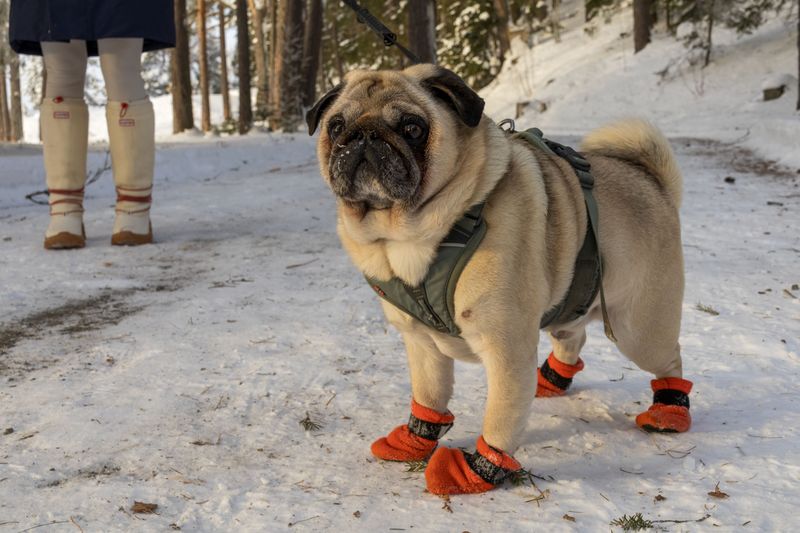
Chicago sidewalks can shift from icy slush in January to scorching pavement in July. Add broken glass or debris after a building incident, and tender paws need help.
Dog boots with grippy soles protect against sharp objects, road salt, and extreme temperatures. Paw balm offers a lighter option for dogs who refuse boots.
Most dogs walk a little funny at first. Short practice sessions indoors, paired with treats, help them adjust before any real emergency arrives.
20. A Lightweight Foldable Water Container
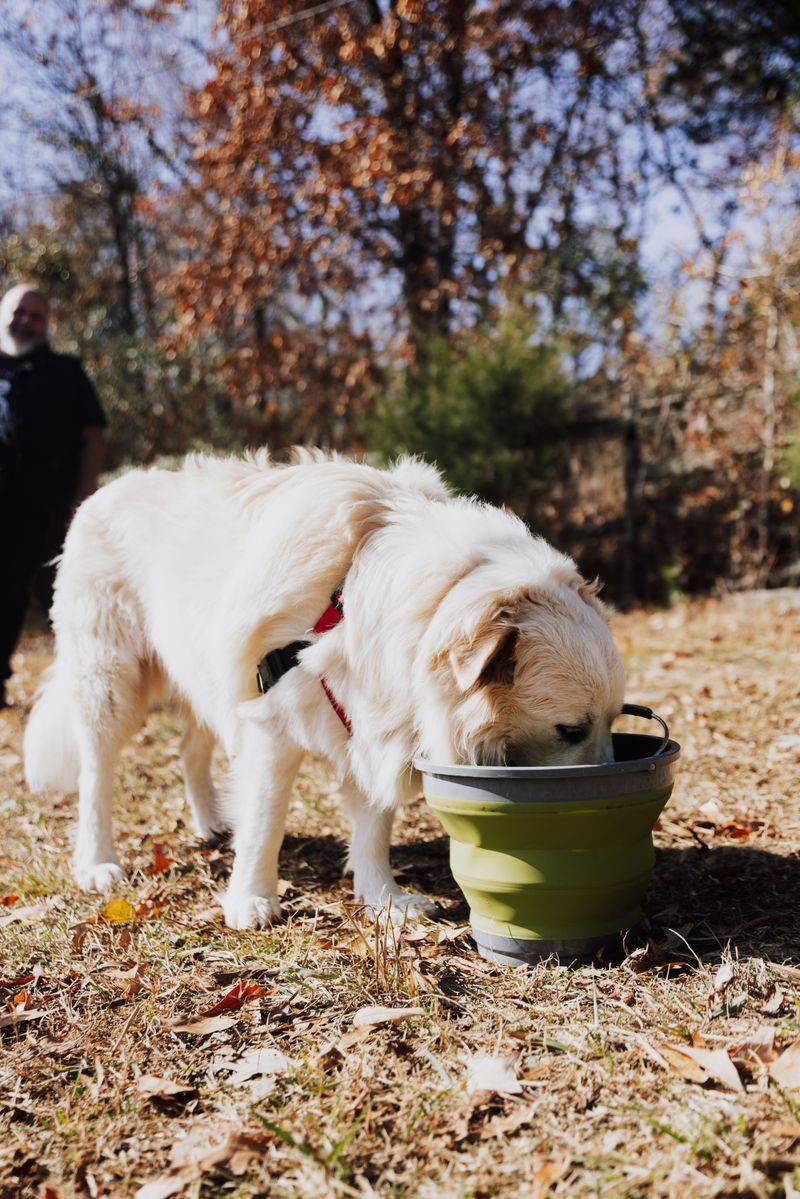
Bottled water runs out faster than most people expect, especially with a thirsty dog. A foldable water container gives you extra supply without the bulk.
Look for a spill-proof, BPA-free model with a secure spout. Empty ones fold flat, so fill them when a storm or outage is forecast.
With these twenty supplies gathered, you and your dog can face surprises with steady confidence. A little preparation today brings real peace of mind tomorrow.