20 Tennessee Yard Plants And Seeds Dog Owners Should Keep Out Of Reach
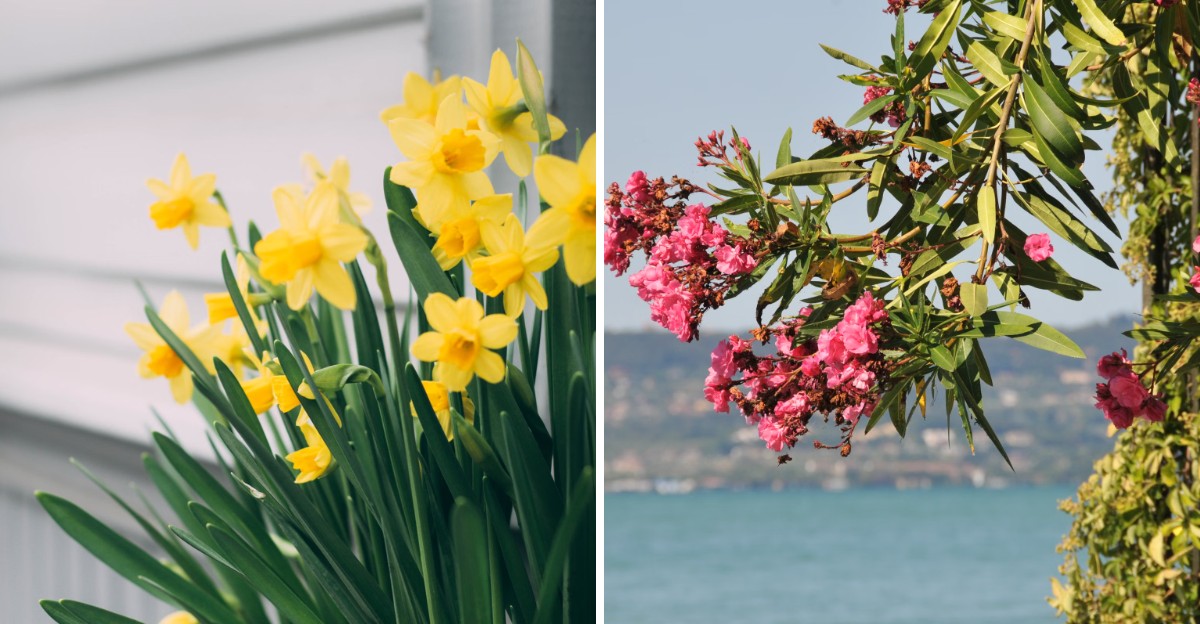
Tennessee yards bloom with color for most of the year, and our dogs love exploring every corner of them. Some common shrubs, bulbs, trees, and seeds can upset a curious pup’s health, though.
Knowing which ones to watch helps you plan a safer yard without giving up beauty. Think of this guide as a friendly walk through the garden with someone who has learned these lessons already.
1. Azaleas and Rhododendrons
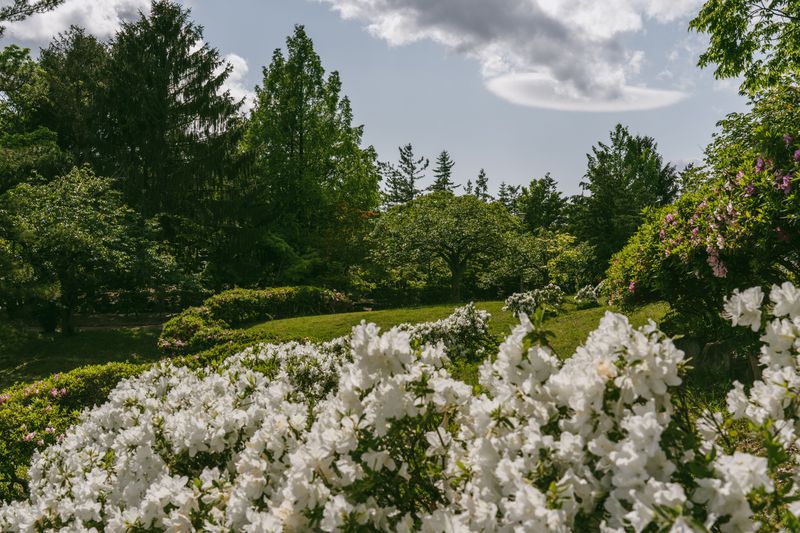
Spring in Tennessee practically glows with azaleas and rhododendrons. Sadly, every part of these shrubs contains grayanotoxins, including leaves, flowers, and nectar.
A dog that chews on them may drool, vomit, or have diarrhea and belly pain. Larger amounts can cause weakness, wobbly walking, and heart rhythm changes.
Fallen petals and trimmed branches are easy to forget. Rake them up after storms or pruning so your pup has nothing tempting to nibble.
2. Yew Shrubs
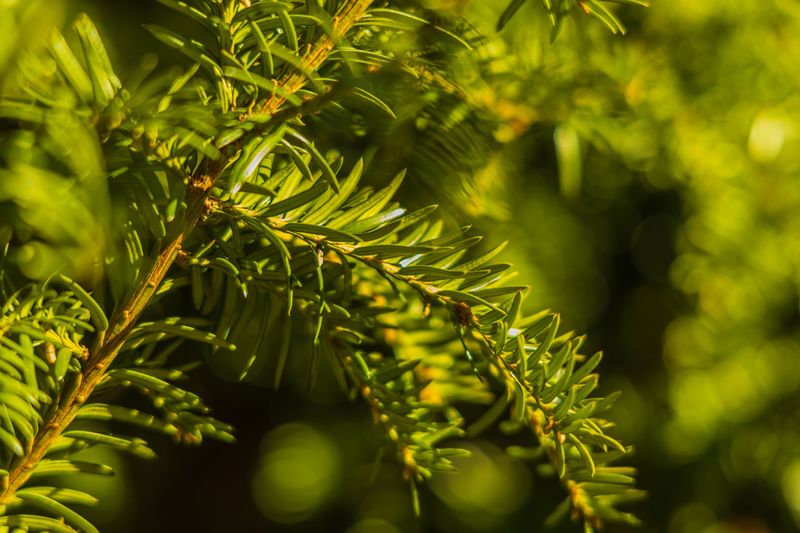
Walk down almost any Nashville or Knoxville street and you will spot neat yew hedges. They look harmless, but they rank among the most serious plant risks for dogs.
Needles, bark, and seeds all contain taxines. The red berry flesh hides a dangerous seed inside.
Eating yew can cause trembling, breathing trouble, and seizures. If your dog gets into one, call your veterinarian right away.
Fencing off hedges is a smart, simple fix.
3. Oleander
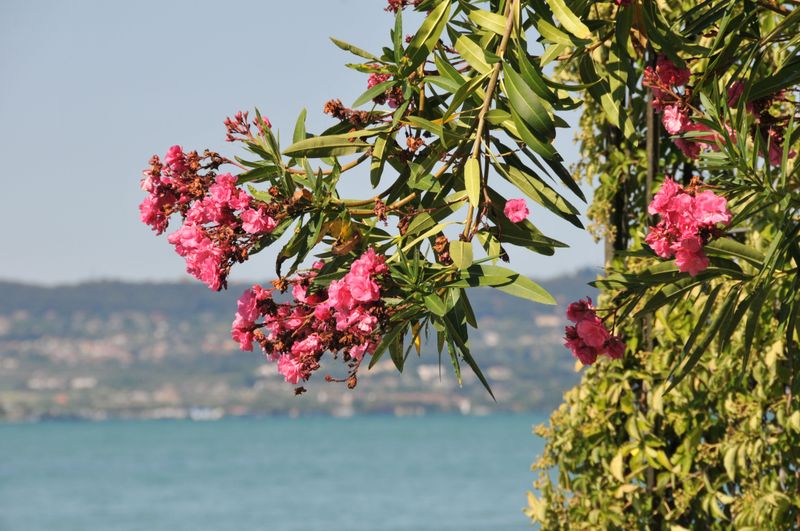
Oleander shows up more often on patios now, especially in warmer parts of the state. Many people grow it in pots and bring it inside for winter.
All parts are highly toxic, fresh or dried. Even water that held oleander clippings can be a problem.
Signs can appear quickly, from vomiting and belly pain to unusual heart rhythms and confusion. If you have dogs, consider choosing a different flowering shrub entirely.
4. Foxglove
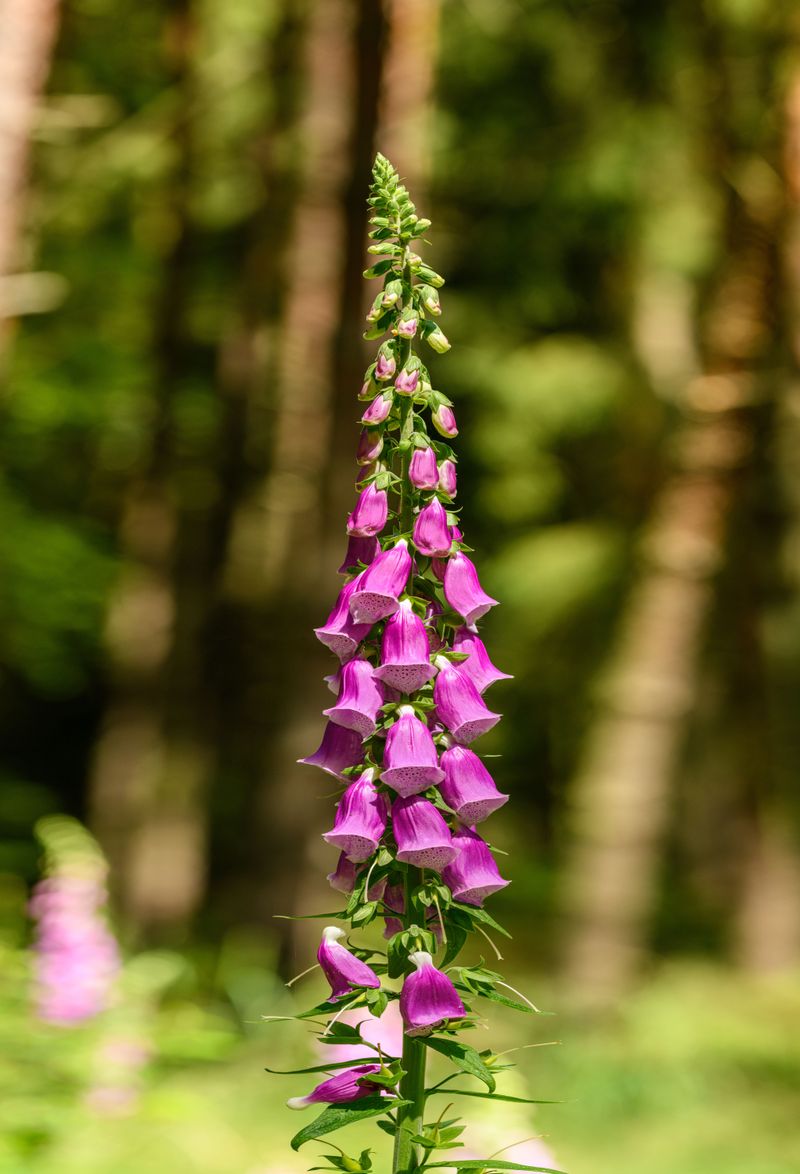
Gardeners adore foxglove for its tall, freckled bell flowers. It brings a storybook feel to cottage borders across East Tennessee.
Behind that charm sit cardiac glycosides, which affect how the heart beats. Every part of the plant carries them.
A dog may drool, vomit, or show weakness and irregular heartbeats within minutes to hours. Plant foxglove only where pets cannot reach, or skip it if your pup loves to graze.
5. Lily of the Valley
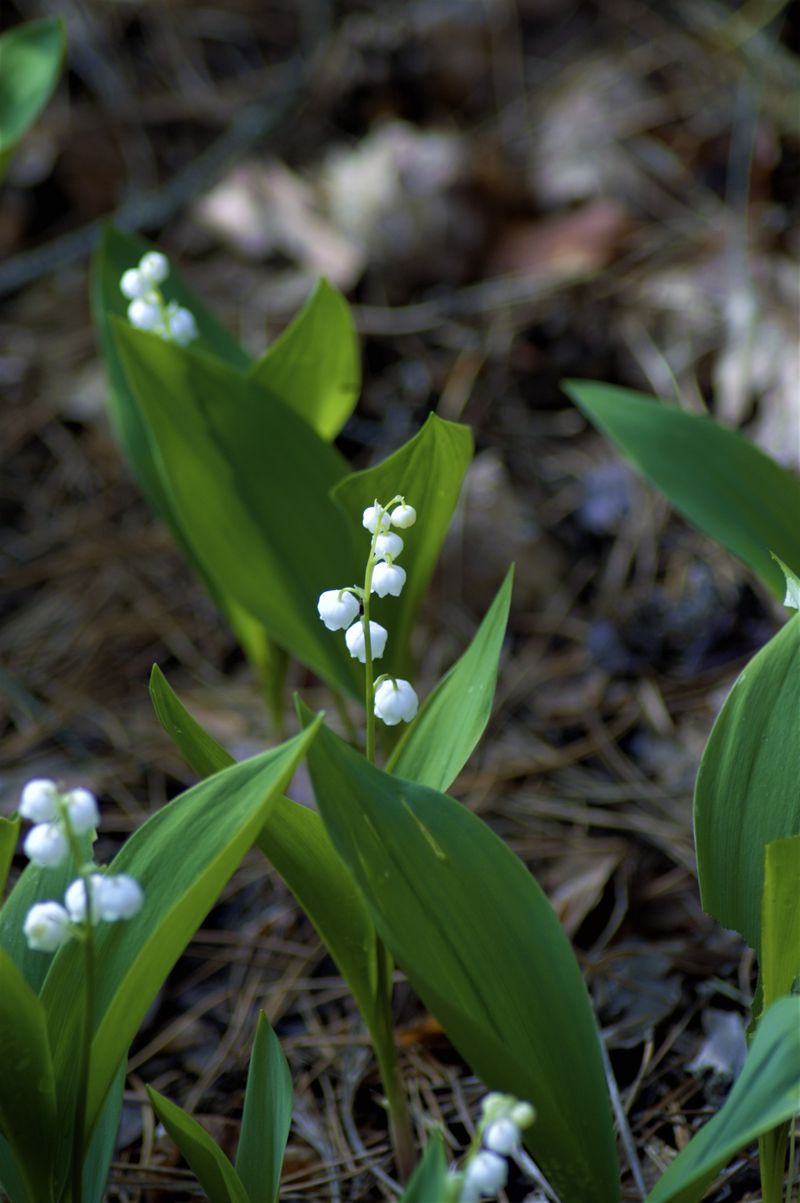
Tiny white bells and a sweet scent make lily of the valley a shade garden favorite. It spreads easily under Tennessee trees.
Unfortunately, the plant is very poisonous to dogs. It holds cardiac glycosides and saponins, and the underground parts are the most concentrated.
Symptoms include vomiting, diarrhea, slowed or uneven heart rate, weakness, and sometimes seizures. Since it creeps outward, check the edges of beds each season for new patches.
6. Daffodils
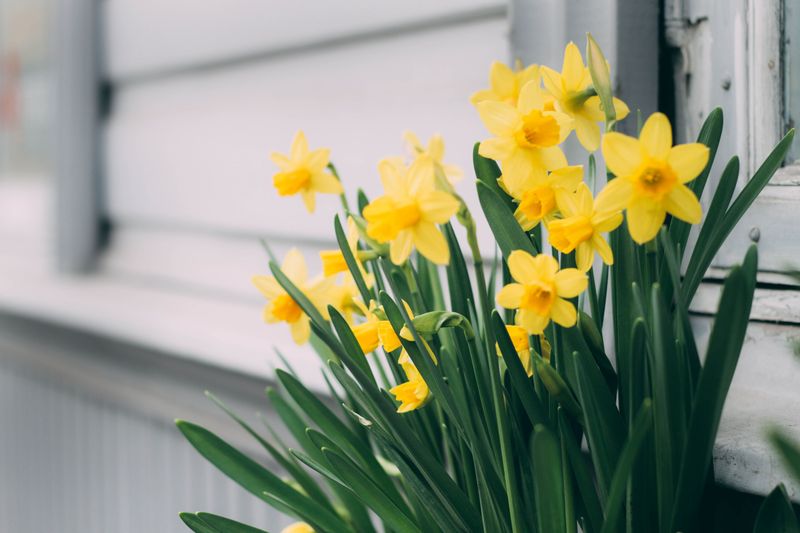
Few sights say “winter is over” like daffodils popping up along Tennessee fence lines. They are cheerful, tough, and nearly everywhere.
The whole plant contains lycorine and calcium oxalate crystals. Bulbs hold the most, so digging dogs face the biggest risk.
Watch for vomiting, diarrhea, belly pain, and heavy drooling. Store bulbs out of reach before planting.
Cover freshly planted beds with chicken wire so curious paws stay out.
7. Tulips

Here is a quick fact many people miss: tulip bulbs are far more toxic than the petals. They contain compounds called tulipalin A and B.
Chewing tulips can irritate a dog’s mouth and stomach. That often means drooling, vomiting, and diarrhea.
Heart and breathing issues are rare but possible with larger amounts. Raised beds make a tidy solution.
They keep bulbs safely above nosy snouts while your blooms still shine.
8. Hyacinths
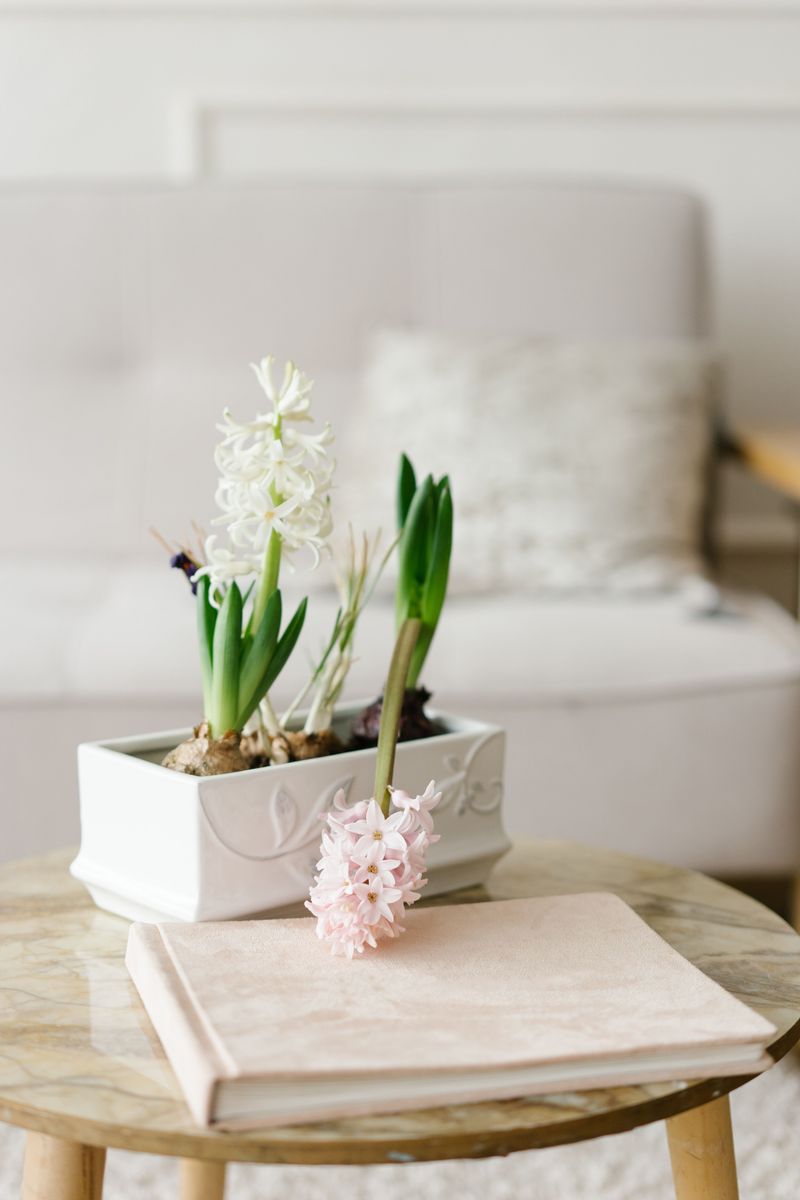
That rich perfume drifting across your yard in March probably comes from hyacinths. Dogs notice the scent too, and some decide to investigate.
Bulbs are the most dangerous part. Their alkaloids can irritate the gut and affect the nervous system.
Signs include strong vomiting, diarrhea, low energy, and tremors. Handling bulbs can even irritate skin, so wear gloves.
Plant them deep and keep spare bulbs sealed in the garage.
9. Autumn Crocus
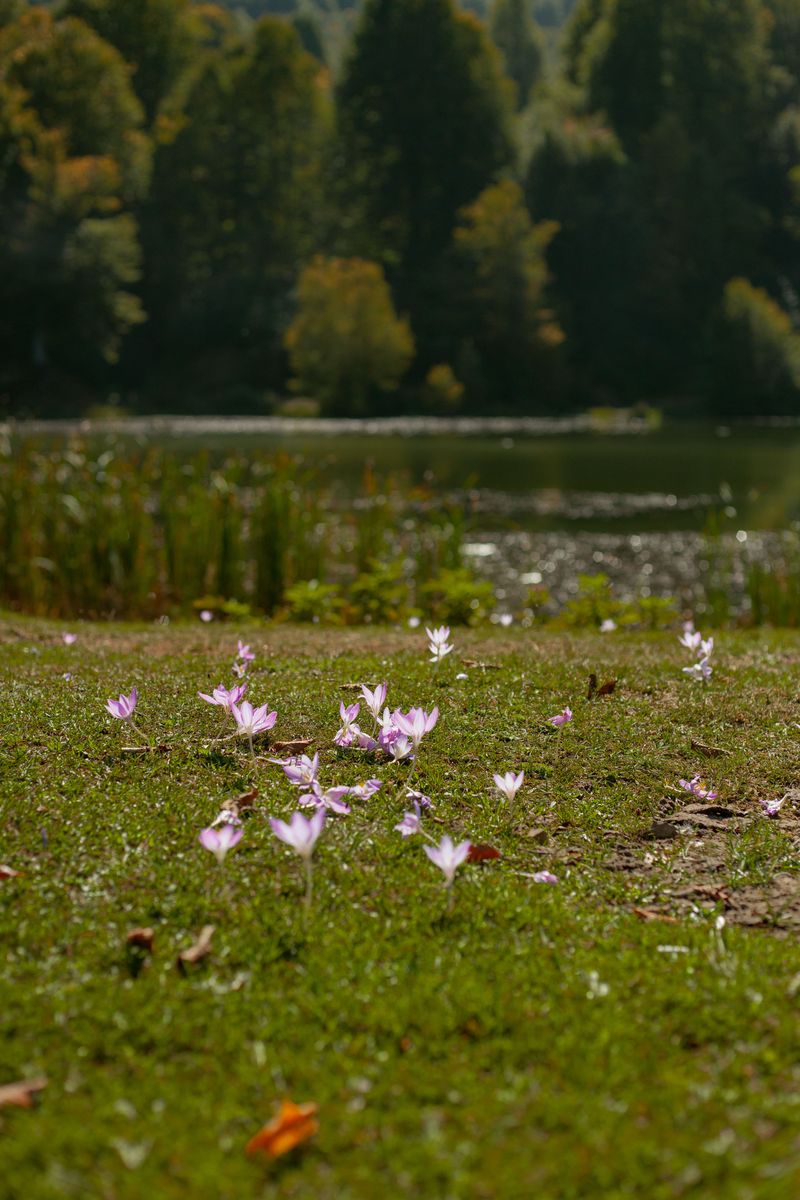
Just when most flowers fade, autumn crocus surprises everyone with soft lavender blooms. Also called meadow saffron, it is not the same as spring crocus.
The plant contains colchicine, and every part is toxic. Bulbs and seeds carry the highest risk.
Effects may include mouth burning, vomiting, diarrhea, and possible organ damage. Signs can show up later, so call your vet promptly even if your dog seems fine at first.
10. Wisteria
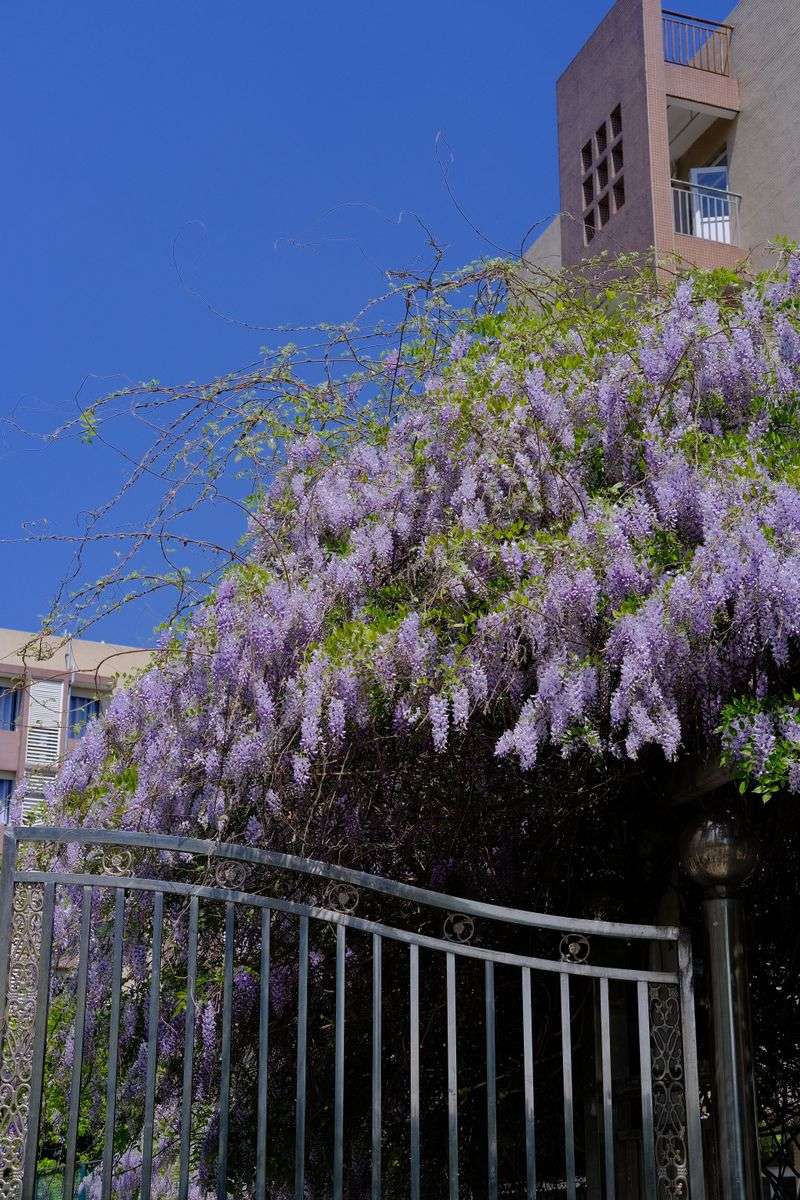
Picture a pergola dripping with purple blossoms. Wisteria is stunning, and it grows with real enthusiasm in Tennessee heat.
Later in the season, velvety seed pods dangle low. Those pods and seeds hold the most lectin and wisterin, though all parts are toxic.
Dogs may vomit, have diarrhea, or seem down and tired. Repeated vomiting can lead to dehydration.
Pick up fallen pods often, especially if your dog treats them like chew toys.
11. Castor Bean Plants
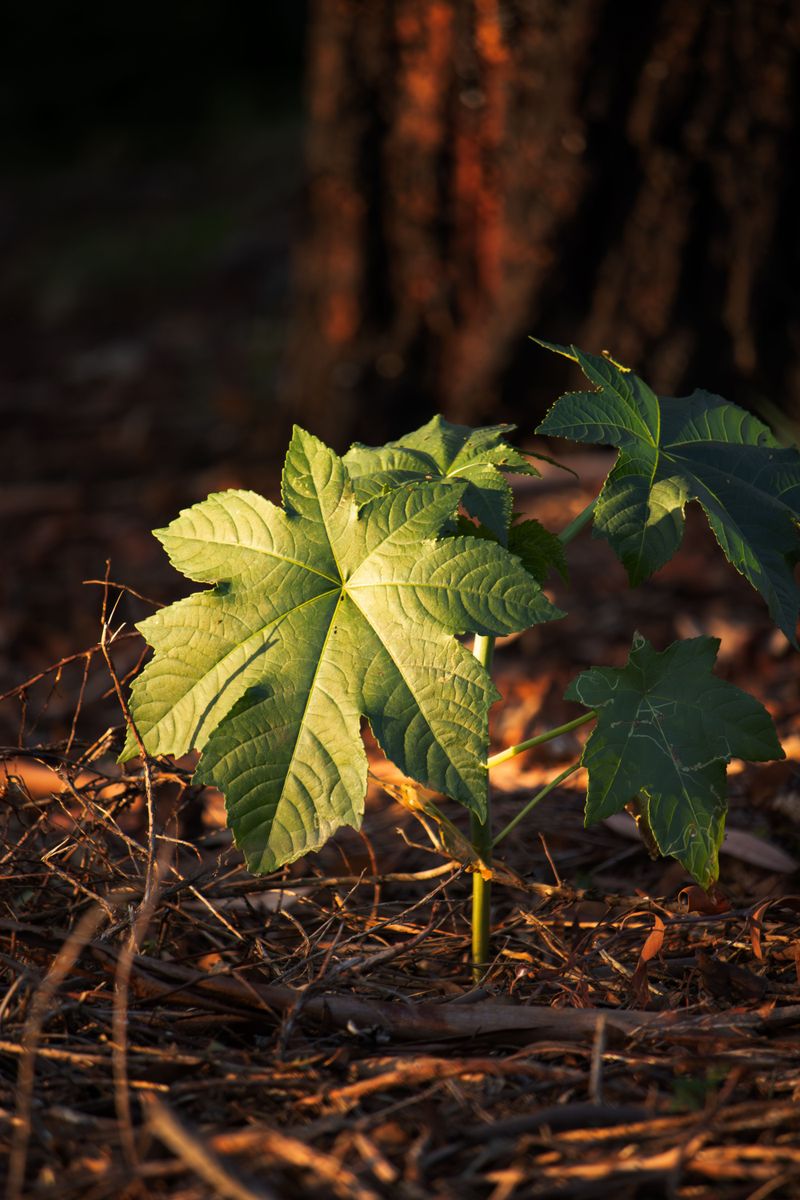
Some gardeners grow castor bean for its huge, tropical red leaves. It makes a dramatic backdrop in summer flower beds.
The seeds contain ricin, and they are extremely toxic. Even a few chewed seeds can cause serious poisoning.
Look for vomiting, diarrhea, tremors, seizures, or trouble breathing. Treat any seed ingestion as an emergency and call your vet.
Honestly, dog households are better off choosing another bold plant.
12. Morning Glories

Morning glories climb mailboxes and fences all over the state, opening fresh blue blooms each sunrise. They also reseed eagerly.
Certain species carry lysergic alkaloids, mostly in the seeds. Dogs eating them may vomit, have diarrhea, wobble, or seem confused.
Dilated pupils and tremors can also appear. A helpful habit is snipping spent flowers before seed pods form.
You will keep vines tidy and remove the riskiest part at once.
13. Buckeye Trees
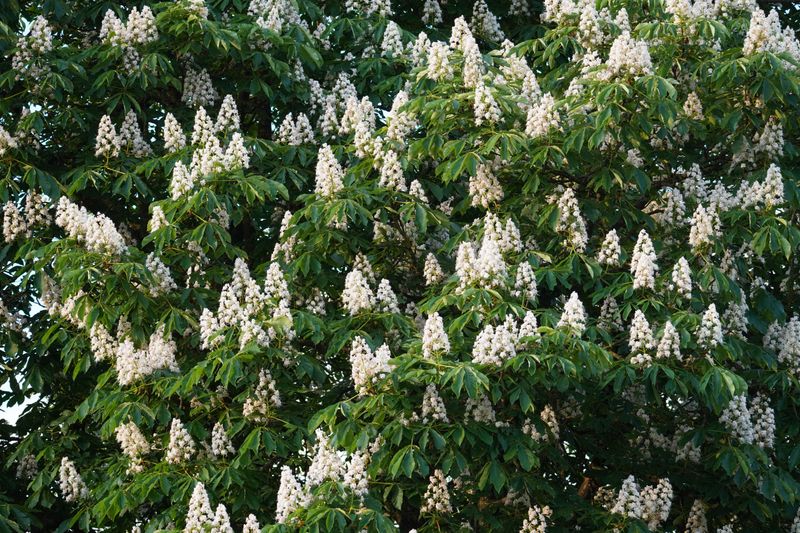
Shiny brown buckeyes are a classic find on Tennessee hiking trails. Kids pocket them for luck, and dogs often want to chew them.
All parts of the tree contain aesculin and saponins. The nuts are especially toxic.
Eating them may cause heavy vomiting, diarrhea, weakness, unsteady walking, and twitching. Their size also creates a choking or blockage concern.
Clear fallen nuts in autumn and keep dogs leashed near buckeye trees on walks.
14. Oak Trees and Acorns
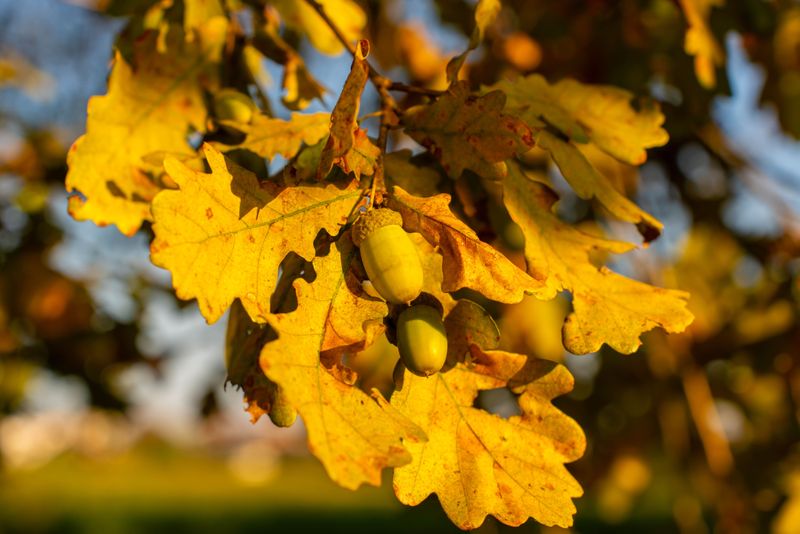
Tennessee has oaks almost everywhere, so acorn season reaches most yards. Each fall, lawns fill with crunchy little treasures.
Acorns and oak leaves contain tannins, which upset a dog’s stomach. Green, unripe acorns tend to be stronger.
Vomiting, diarrhea, and belly pain are common signs. Larger amounts may affect kidneys.
Acorns can also block the gut. A leaf blower or nut gatherer makes quick work of daily cleanup.
15. Cherry, Peach, and Plum Trees
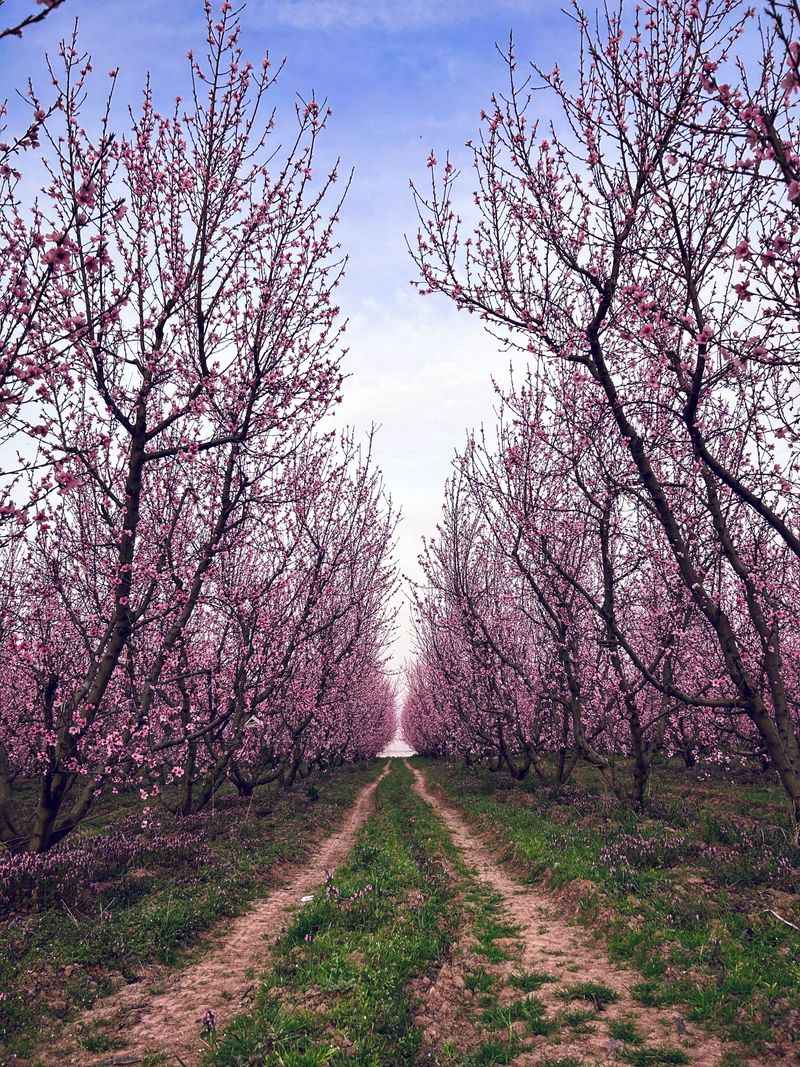
Backyard fruit trees feel like a summer gift, especially Tennessee peaches. The pits, stems, and leaves need attention, though.
They contain cyanogenic glycosides, which can release cyanide when chewed. Wilted leaves after storms may be extra risky.
Watch for breathing trouble, bright red gums, drooling, and vomiting. Pits can also cause choking or blockages.
Pitted fruit flesh is generally fine in small bites. Pick up dropped fruit often.
16. Hydrangeas
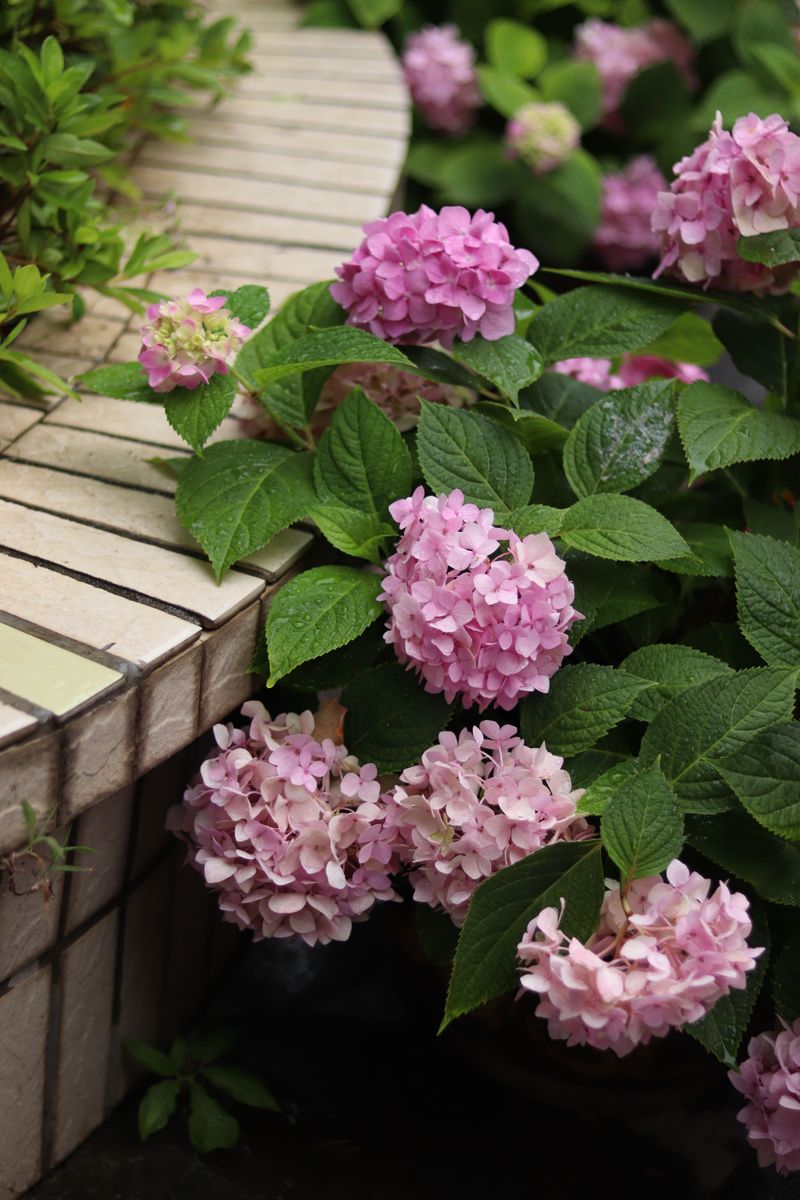
Mophead hydrangeas are almost a Southern porch requirement. Their blue and pink blooms brighten many Tennessee homes.
They do contain cyanogenic glycosides, mostly in leaves and flowers. The good news?
Serious cases are uncommon.
Most dogs that nibble show mild stomach upset, like vomiting, diarrhea, drooling, or sleepiness. Still, call your vet if symptoms appear.
Training a solid “leave it” command helps around these popular shrubs.
17. English Ivy
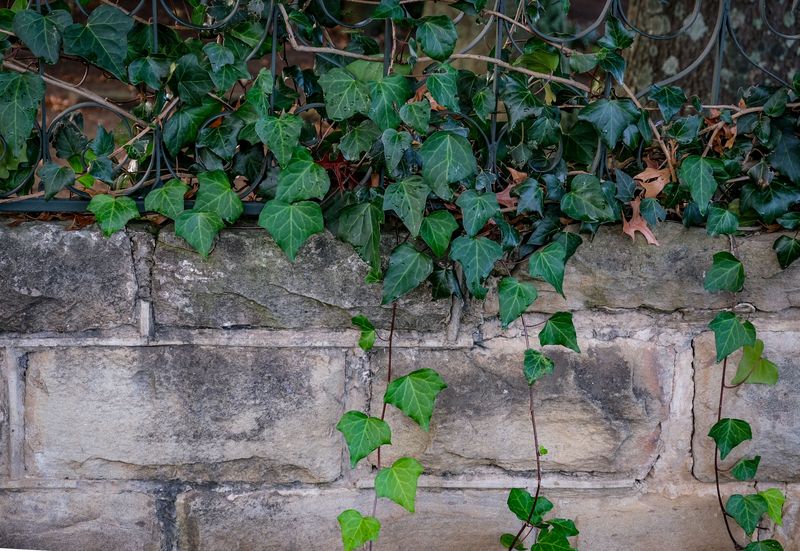
Old brick walls and shady slopes often wear thick coats of English ivy. It spreads fast and stays green all winter.
The leaves hold saponins that bother a dog’s stomach. Foliage is usually more troublesome than the berries.
Expect drooling, vomiting, diarrhea, or belly pain if eaten. The sap can irritate skin too.
It is rarely life-threatening, but pulling back ivy groundcover reduces chewing chances and slows its takeover.
18. Holly Shrubs
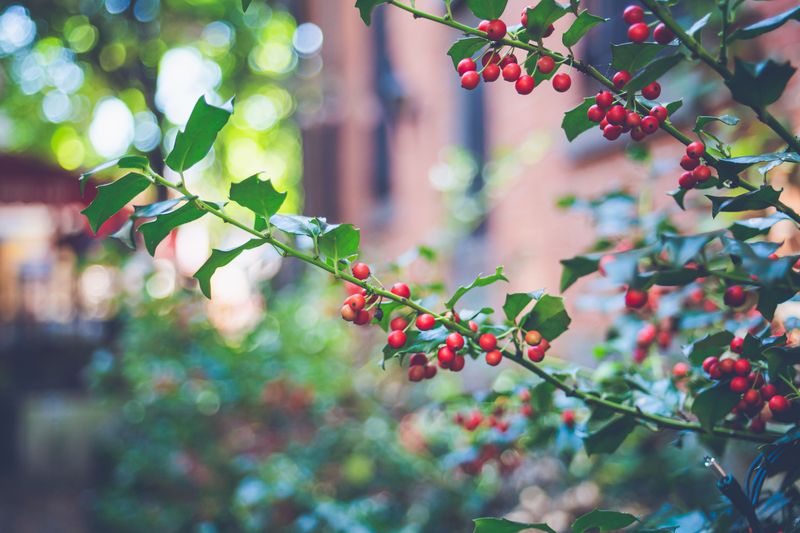
Did you know American holly grows wild in Tennessee forests? Many homeowners also plant it for festive winter color.
Leaves and berries contain saponins and other compounds that upset the stomach. The spiky leaves can scratch mouths too.
Signs include vomiting, diarrhea, drooling, and poor appetite. Holly is considered low toxicity.
However, ongoing vomiting can dehydrate a dog. Sweep up fallen berries, especially around holiday decorating time.
19. Lantana
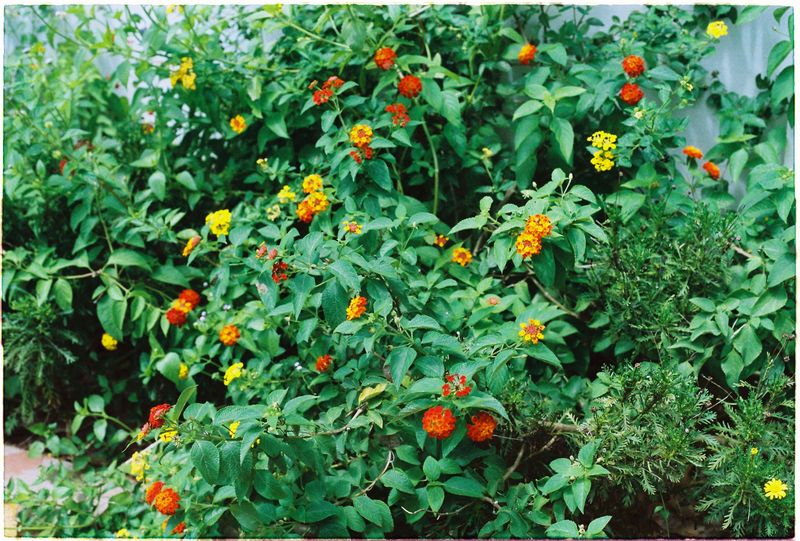
Butterflies love lantana, and so do busy gardeners. It shrugs off Tennessee heat and blooms all summer long.
All parts are considered toxic to dogs. Unripe green berries carry the highest amounts.
Common signs include vomiting, diarrhea, weakness, and labored breathing. Liver problems appear more in grazing animals, but serious dog cases are documented.
Deadheading old flowers limits berry production, which keeps the plant safer and blooming longer.
20. Japanese Pieris
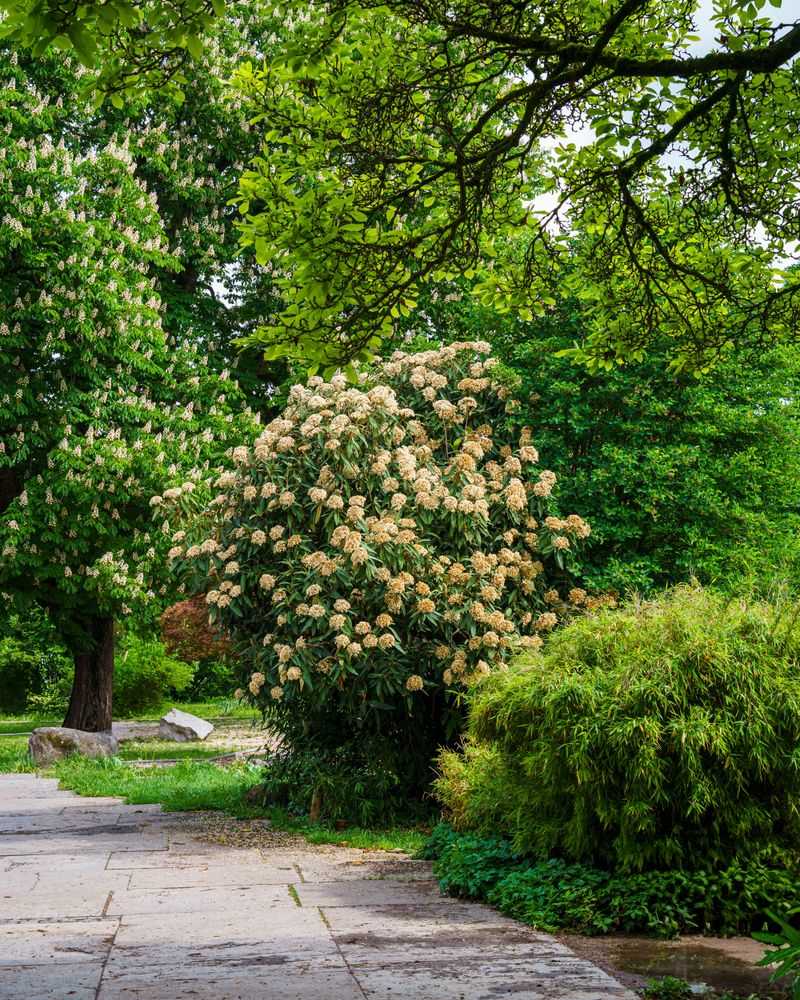
Landscapers love Japanese pieris for its red new growth and drooping white flowers. You may see it called lily of the valley bush.
Like azaleas, it contains grayanotoxins in leaves, flowers, and even pollen. A few leaves can cause real trouble.
Watch for drooling, vomiting, weakness, tremors, and heart changes within hours. Check your foundation plantings for this shrub.
If you find it, consider fencing it or swapping in something pet friendly.