20 Working Dog Breeds Suited To Missouri Farms And Acreage
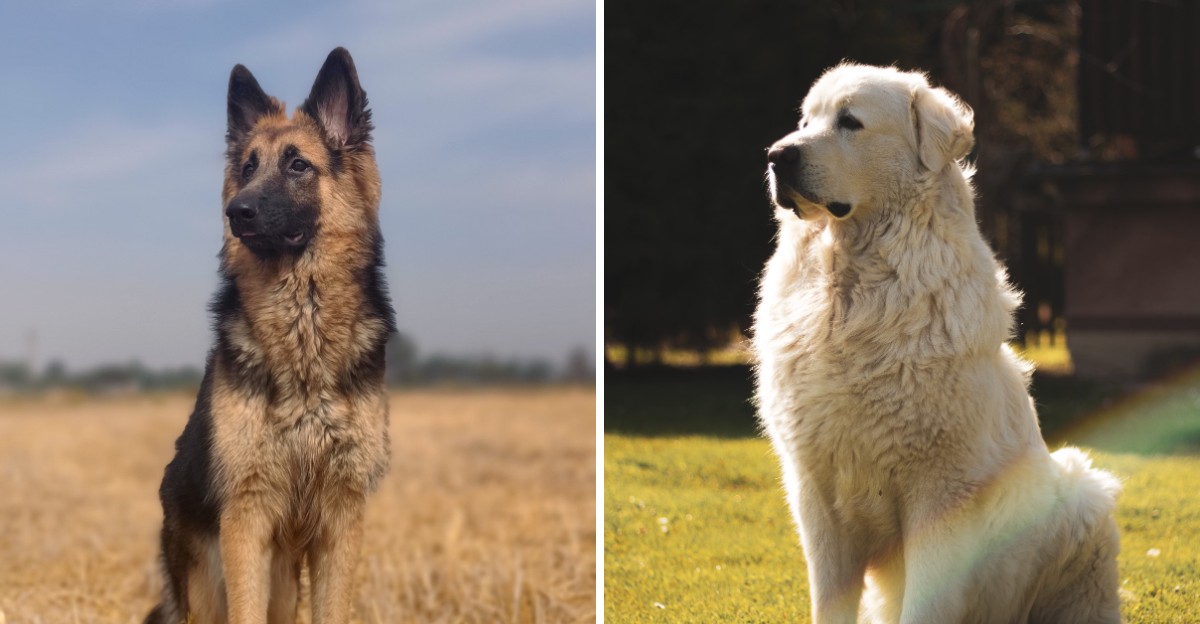
Missouri farms ask a lot from a dog. Summers turn muggy, winters bite, and coyotes sing along every tree line from the Bootheel to the Ozarks.
Add cattle, goats, chickens, and brushy hills, and you need a helper built for real work. Some breeds herd, some guard, and a few chase rats out of the feed room with gusto.
The right match can save you miles of walking and plenty of lost sleep. Below, you will meet twenty proven workers, including one with deep Ozark roots.
Each has a job it does best.
1. Australian Cattle Dog: The Speckled Steer Wrangler
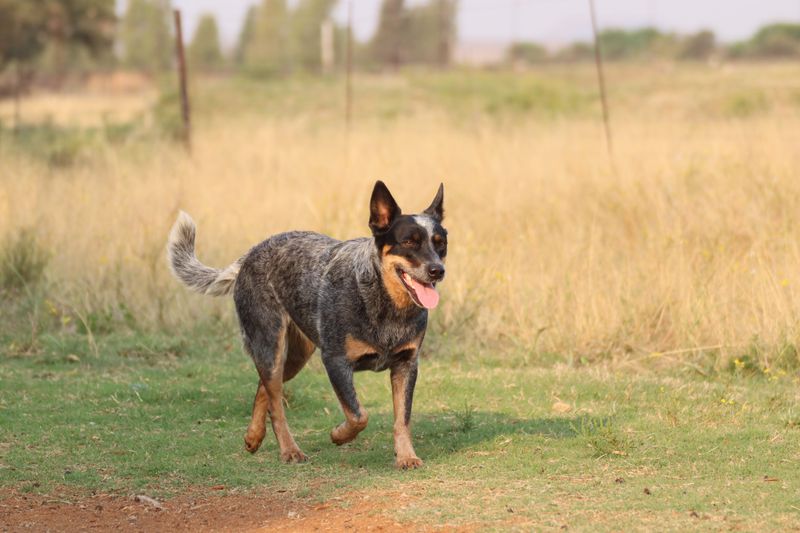
Missouri ranks near the top of the nation for beef cows, so a born cattle mover fits right in. The Australian Cattle Dog was built to push herds across rough Aussie country.
Quick heel nips and sudden bursts of speed keep stubborn steers in line. A weatherproof blue or red speckled coat shrugs off Ozark drizzle and January wind.
Plan on daily jobs and brain games. Early socializing helps this loyal shadow stay polite with visitors and kids.
2. Australian Shepherd: The Cowboy With a Surprise Passport
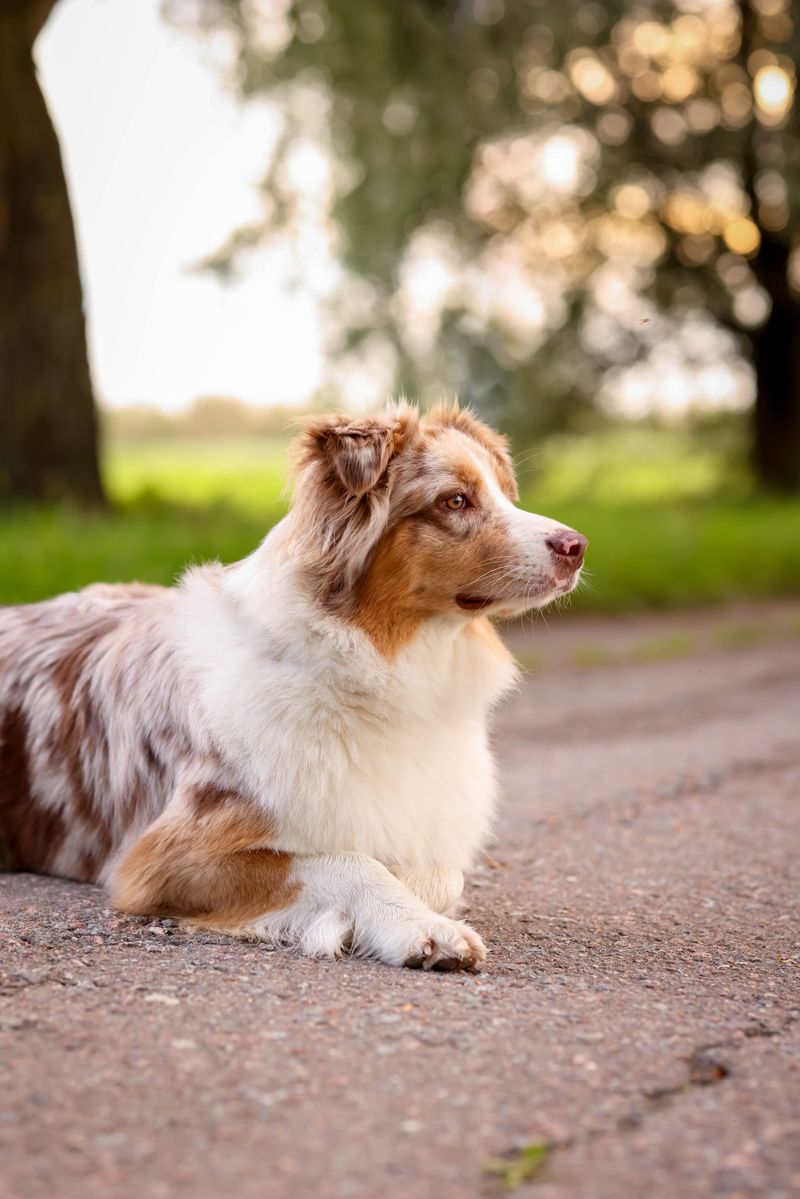
Surprise: the Australian Shepherd is an American cowboy at heart. Ranchers in the West shaped this breed to handle sheep and cattle, even flushing cows from thick brush.
That skill shines on Missouri acreage full of cedar thickets and brushy draws. Aussies also bark a heads-up when coyotes or strangers show up.
Give this clever problem-solver a real task every day. Bored Aussies invent hobbies, like rearranging your garden hose.
Steady training teaches when herding is welcome.
3. Border Collie: Master of the Stare
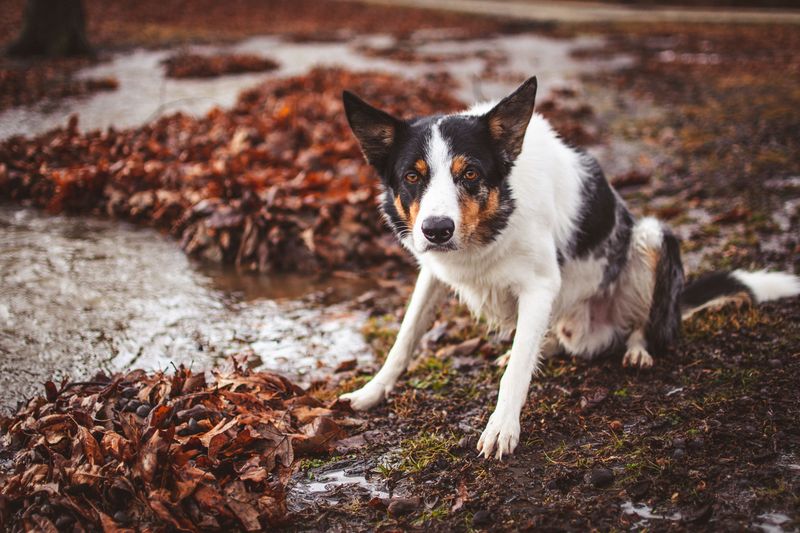
One long, steady stare, and a whole flock shuffles where it should. That famous herding eye makes the Border Collie a legend among sheep folks.
Sheep, cattle, pigs, and even chickens respond to this quiet pressure. Missouri goat and sheep keepers with rolling pasture will see the breed at its brilliant best.
Fair warning: this workaholic needs hours of activity daily. Without a job, it may try herding your kids or the mail truck.
Purpose keeps it happy.
4. Great Pyrenees: The Fluffy Night Watch
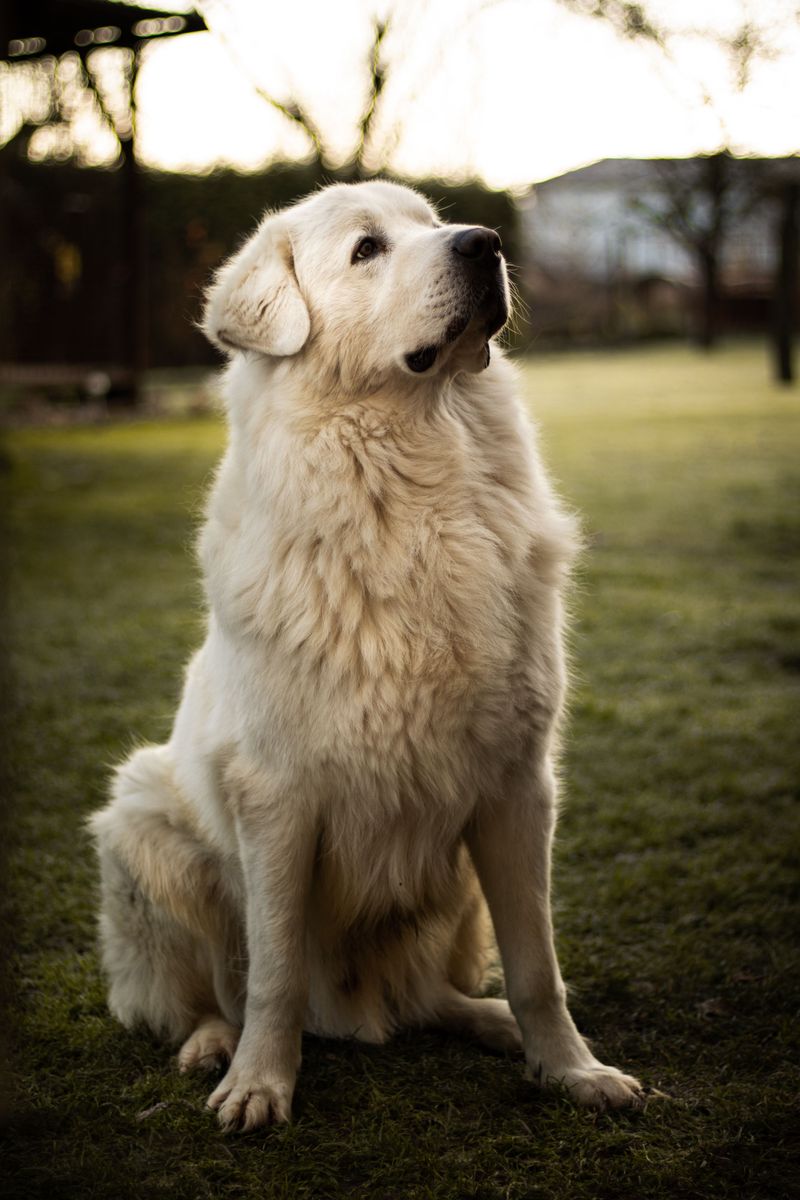
Picture a snowy white cloud parked in the pasture, calmly watching the tree line. Coyotes see that too, and they usually decide to move along.
The Great Pyrenees guards by presence and a booming bark, not by chasing. It bonds with goats and sheep, treating them like family.
Expect nighttime barking, since that is prime patrol hours. Strong fencing matters because these gentle giants love to roam.
Patient, positive training works far better than bossy commands.
5. Anatolian Shepherd: The Thoughtful Security Guard
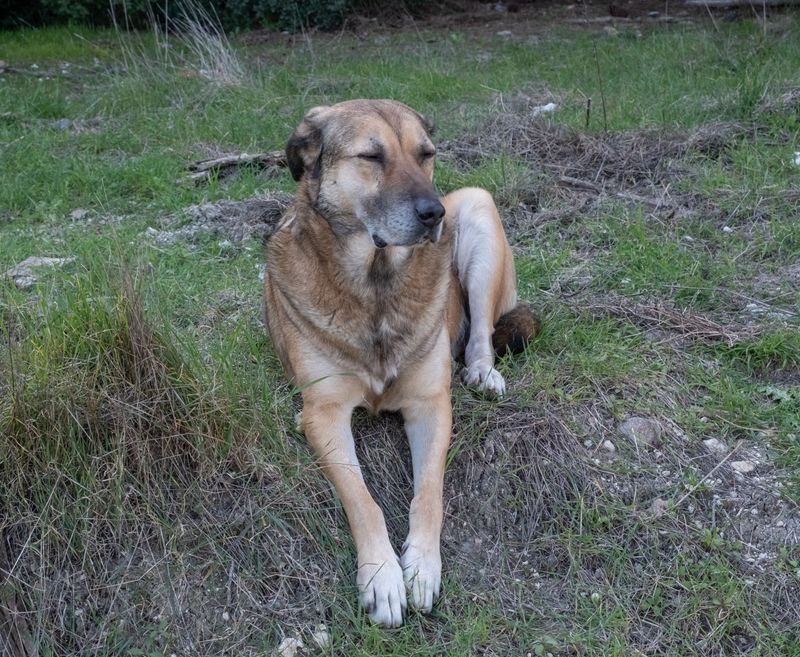
Ancient Turkish shepherds trusted this breed with their flocks for thousands of years. Today, the Anatolian Shepherd brings that same steady confidence to Missouri goat farms.
Think of it as a thoughtful security guard. It patrols the fence line, barks warnings, and makes smart choices without waiting for orders.
Its shorter coat often handles humid summers better than fluffier guardians. An experienced owner, secure boundaries, and early socializing help this loyal protector shine.
Reward-based training earns its respect.
6. Maremma Sheepdog: The Devoted Flock Babysitter
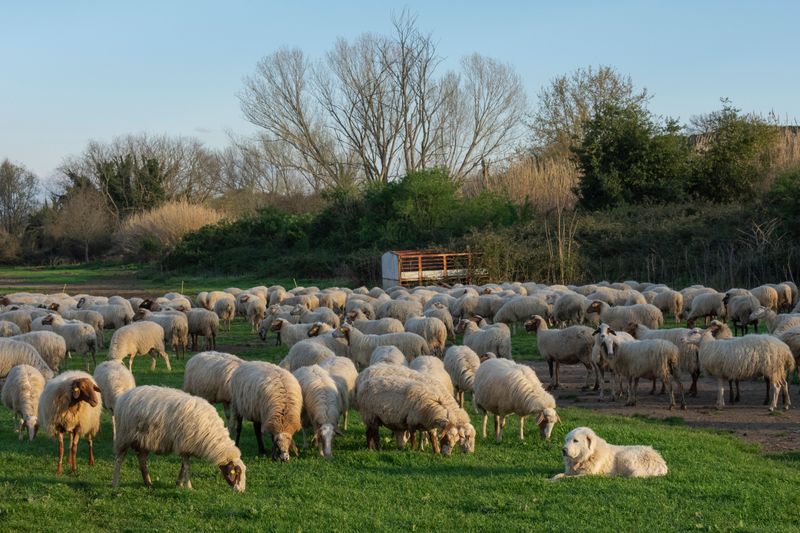
Italian farmers have leaned on the Maremma Sheepdog for centuries. It lives right alongside the sheep and goats, day and night, like a devoted babysitter.
Hawks and eagles circling your chicks? Maremmas watch the sky too, not just the ground.
They protect instead of chase, so livestock stay calm.
Start puppies with the animals early so the bond forms naturally. Without a flock, this majestic white guardian can get possessive.
Give it pasture, fencing, and a purpose.
7. Kuvasz: Hungary’s Moonlit Protector
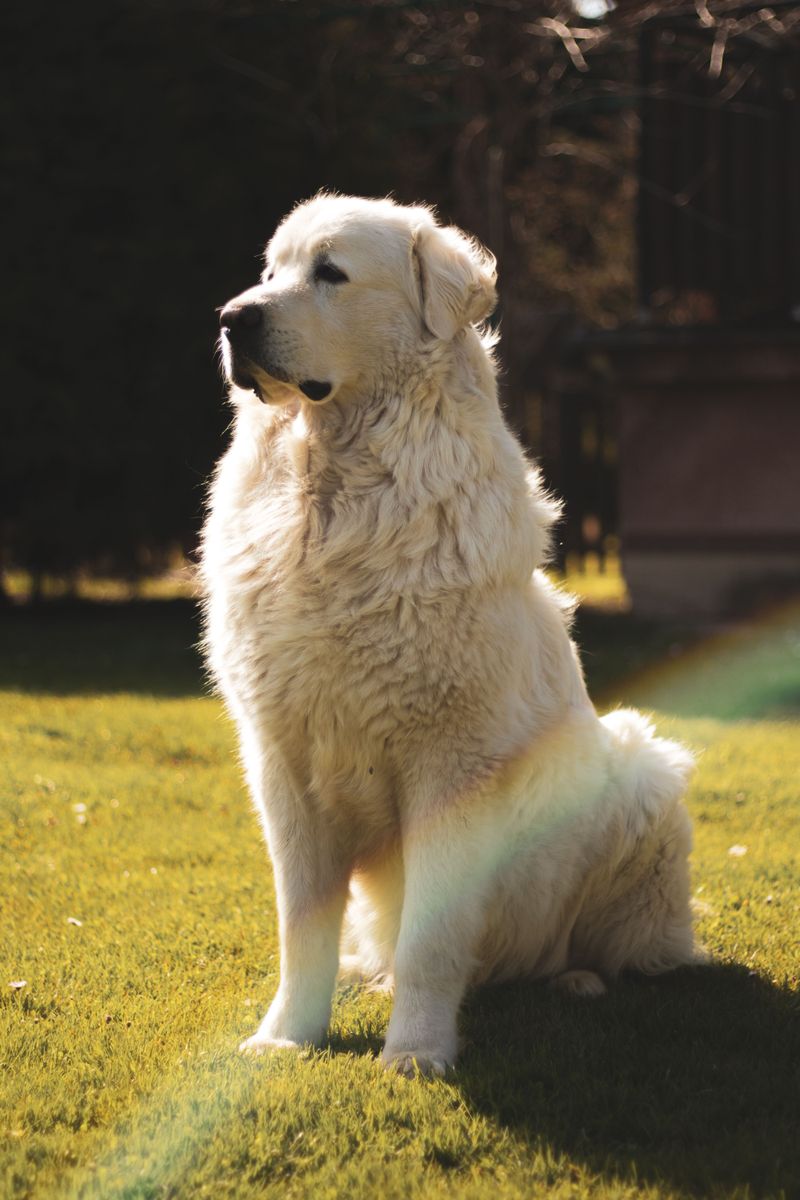
Fun history bit: Hungarian shepherds loved the Kuvasz’s white coat for a practical reason. At night, it helped them tell their dog apart from a prowling wolf.
This large, athletic guardian watched over sheep, goats, and horses. On a Missouri horse property, that versatile protective streak feels right at home.
Kuvasz dogs think for themselves and eye strangers with suspicion. Plenty of socializing in the first year is a must.
First-time owners should probably choose an easier match.
8. Akbash: The Camouflaged Sentinel
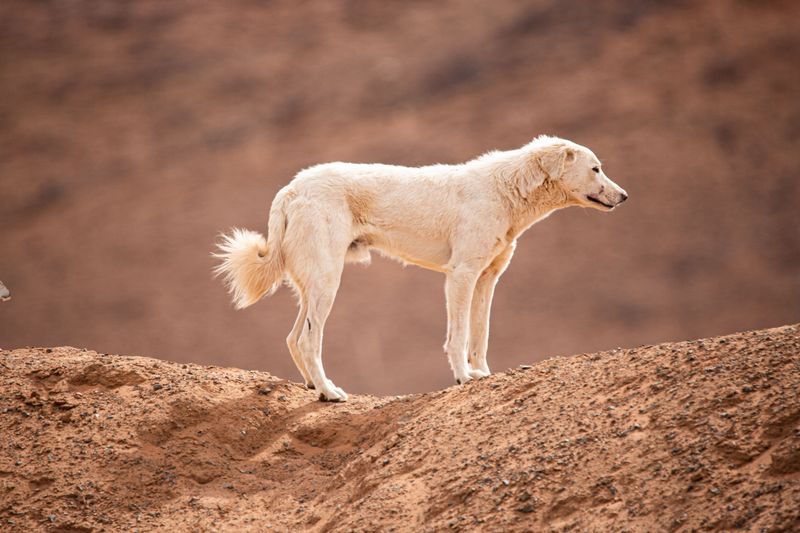
Sleek, tall, and dressed in white, the Akbash blends right into a flock of sheep. That camouflage was the plan all along in western Turkey.
Wolves and jackals were the old threats there. In Missouri, coyotes, stray dogs, and even hawks get the same calm, watchful treatment.
Herding is not in its toolbox, so skip that expectation. The Akbash wants land and a job, not a couch.
Bond puppies with stock early and train with rewards.
9. German Shepherd: The Farmhand Who Clocks In Early
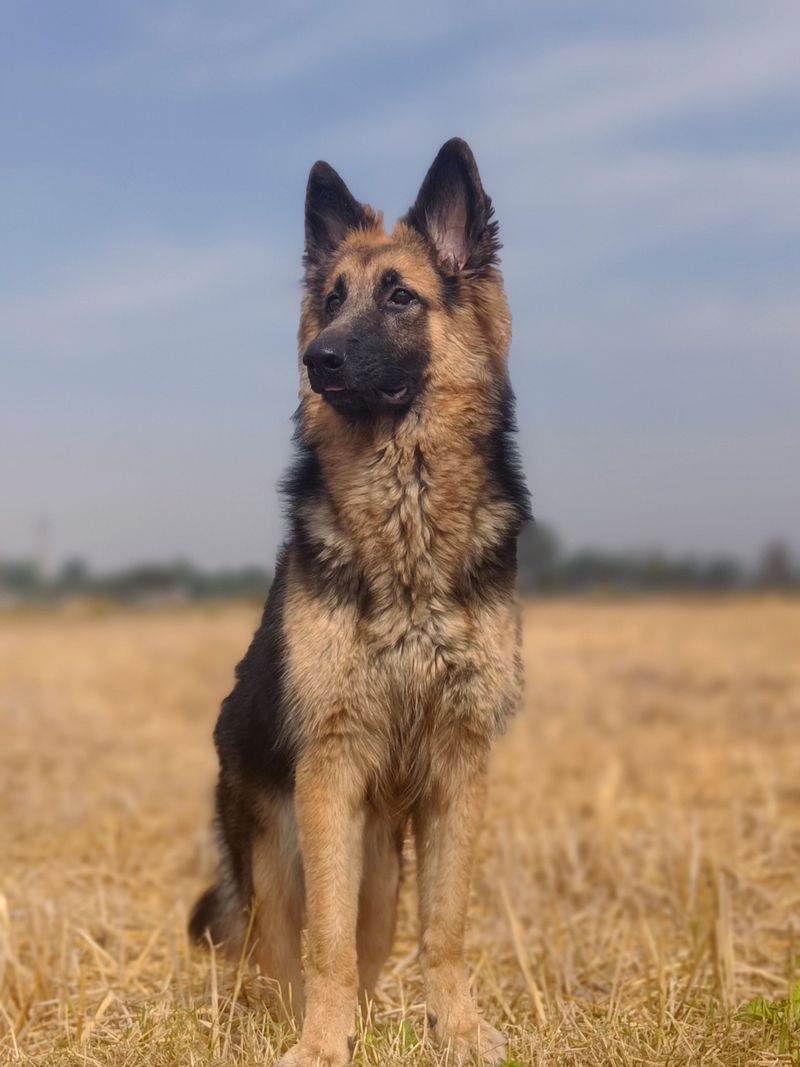
Need a hand fetching tools, guarding the barn, and nudging cows away from the road? The German Shepherd happily clocks in for all three.
Originally bred to herd sheep, these dogs can act as a living fence around crops. Working lines bring big energy, steady nerves, and serious stamina for long Missouri days.
Early socializing keeps their natural caution with strangers in check. Daily exercise and clear rules prevent boredom.
Hand this loyal partner a meaningful job, and watch it glow.
10. Belgian Malinois: Rocket Fuel on Four Legs
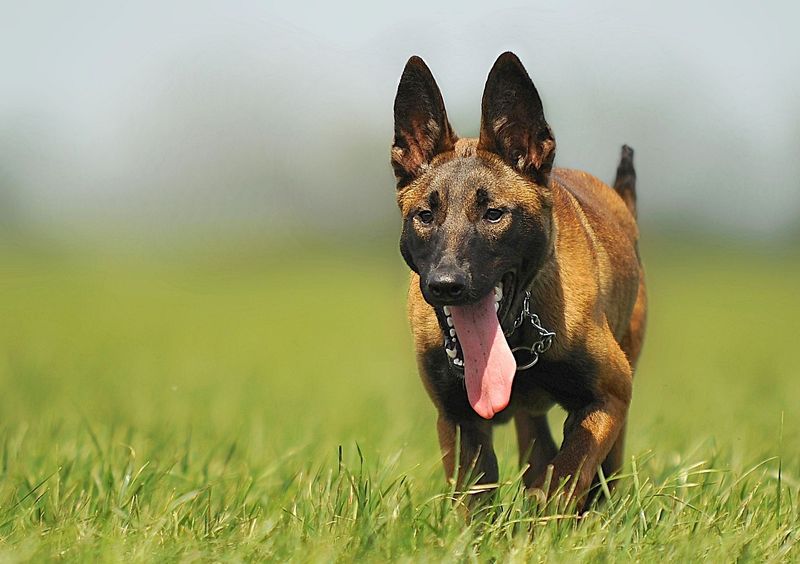
Often mistaken for a German Shepherd, the Belgian Malinois is lighter, quicker, and runs on rocket fuel. Belgian farmers once used it to herd sheep, guard homesteads, and even pull carts.
That do-it-all history still shows. A Malinois bonds tightly with its person and takes guarding duties seriously.
Its short coat handles humid Missouri summers nicely.
Honestly, this breed is best for experienced, active owners. It needs daily training, structure, and hard exercise.
A bored Malinois will absolutely find its own projects.
11. English Shepherd: Grandpa’s Classic All-Rounder
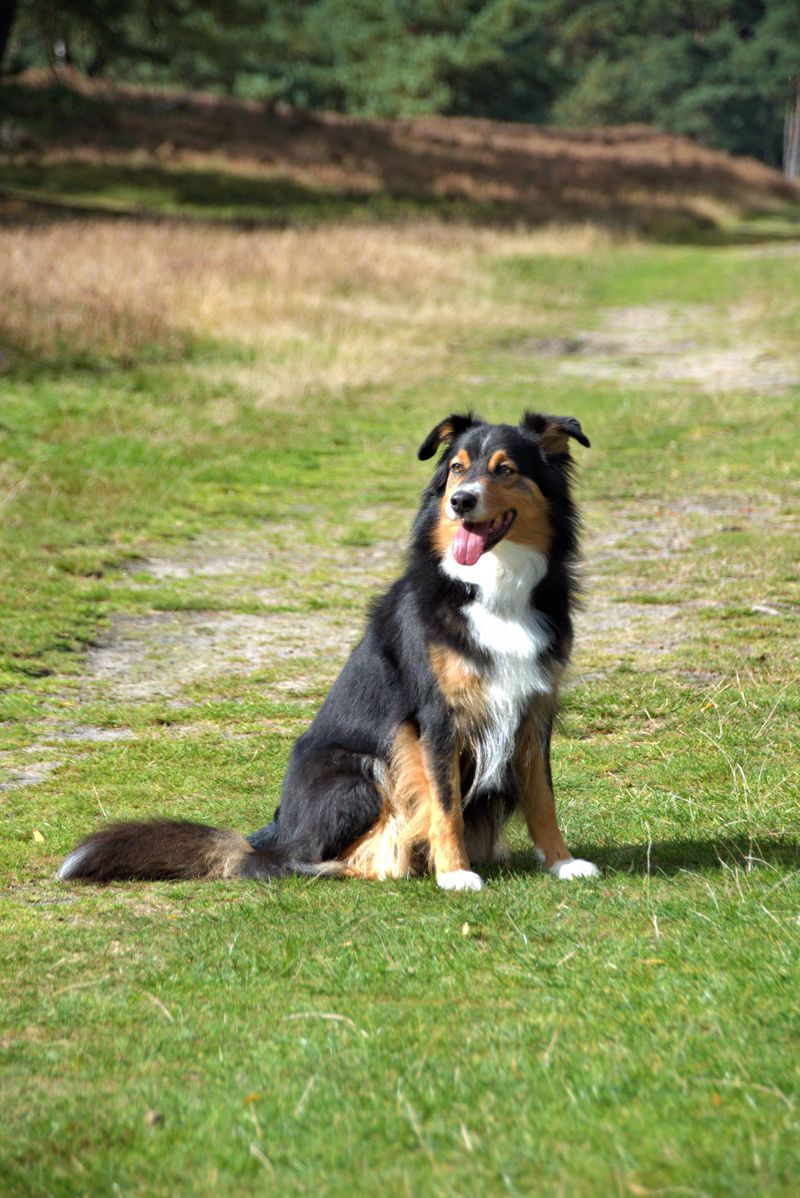
Grandpa’s old farm dog might well have been an English Shepherd. Developed in the United States, this breed was the classic all-rounder on family homesteads.
It herds cattle, hogs, sheep, and poultry with a relaxed, loose-eyed style. It also chases off varmints, trails lost stock, and keeps an eye on the kids.
After chores, it settles down quietly on the porch. Missouri small farms with mixed animals suit it perfectly.
Positive training and early socializing bring out its cooperative, good-natured best.
12. Old English Sheepdog: The Shaggy Drover
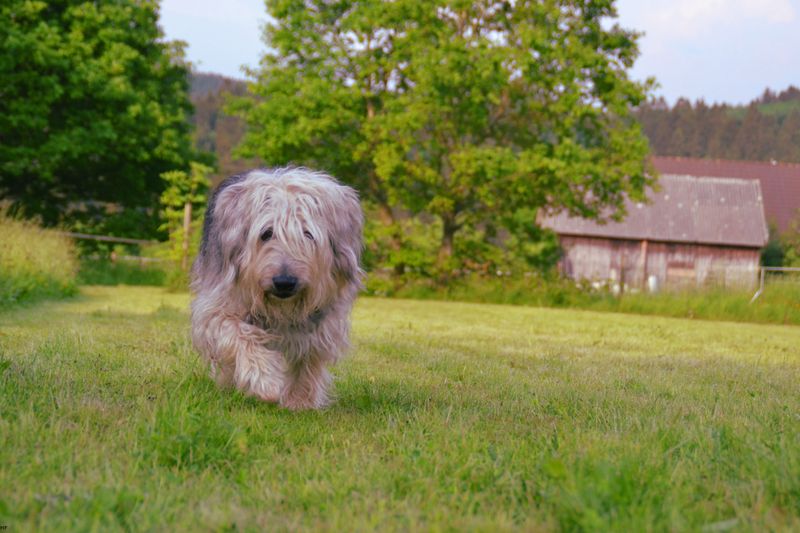
Under all that shaggy fluff lives a real working drover. In western England, Old English Sheepdogs once walked sheep and cattle to market over long miles.
Today they can manage small flocks of goats, ducks, or geese. Their goofy humor earns them the nickname clowns of the dog world.
Here is the catch for Missouri: that thick coat overheats in humid July. Provide shade, water, and cool morning chores.
Budget several hours of weekly grooming too.
13. Pembroke Welsh Corgi: Short Legs, Big Attitude
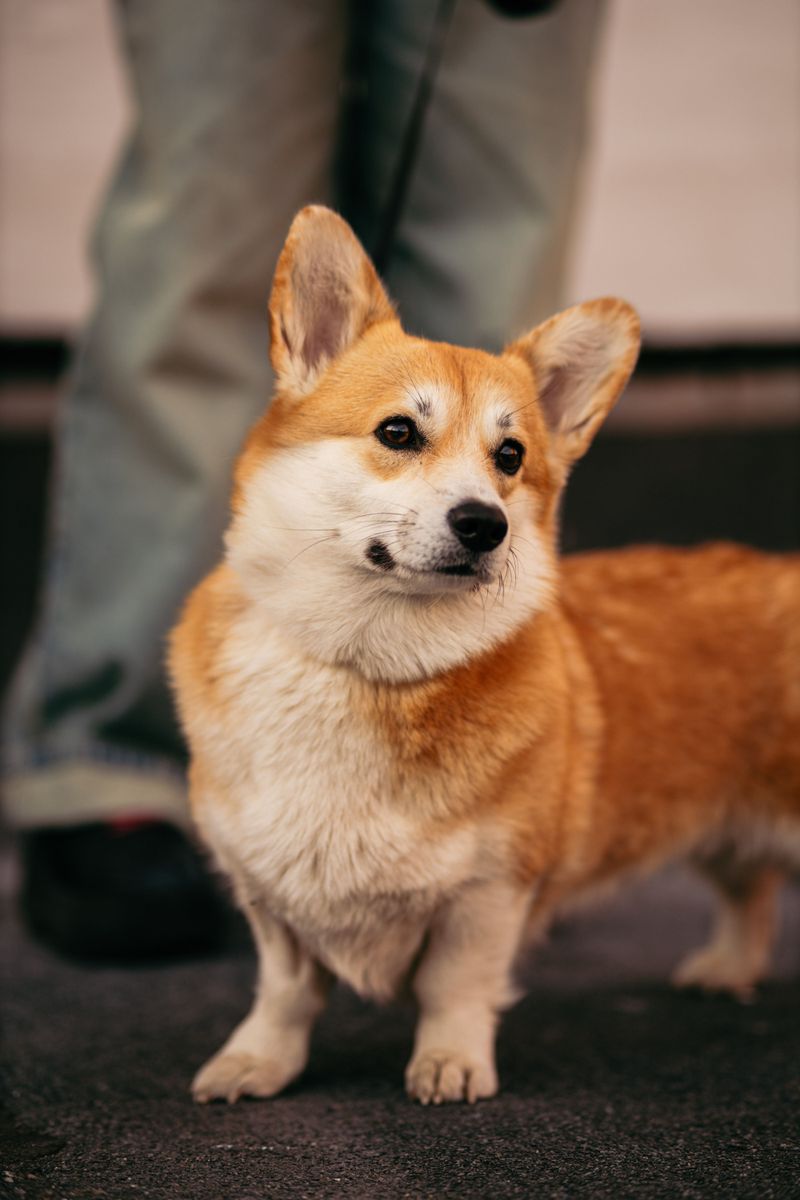
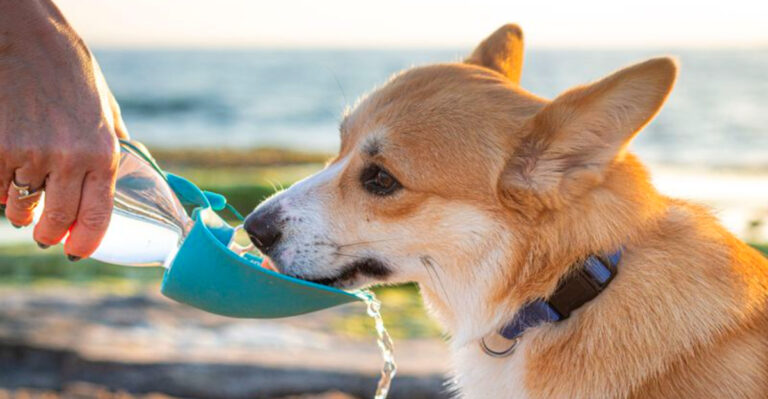
Short legs, big attitude, and zero fear of cattle. Welsh farmers bred the Pembroke Welsh Corgi to nip heels, then duck low as hooves swung past.
Beyond cattle, Pembrokes herd sheep, goats, and poultry. They also bark alerts and chase rodents out of the feed room.
A small Missouri hobby farm is their happy place.
Outgoing and affectionate, they love their people. Early training curbs nipping at running kids.
Keep them trim, because extra pounds strain those long backs.
14. Cardigan Welsh Corgi: The Fox-Tailed Veteran
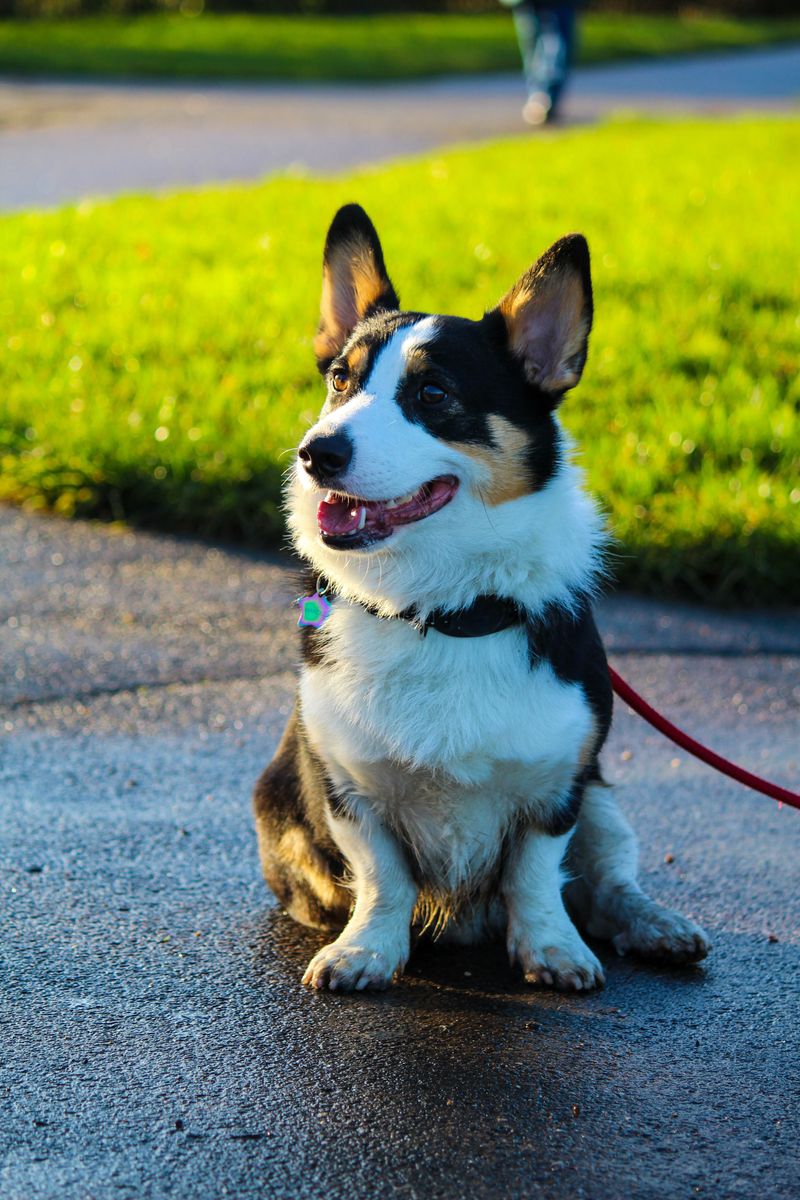
Spot the tail, and you know the difference. The Cardigan Welsh Corgi sports a full, fox-like brush, while Pembrokes often do not.
With roots in Wales going back roughly 3,000 years, Cardigans rank among Britain’s oldest herding breeds. They are a bit larger and more reserved than their cousins, yet goofy once they trust you.
On the farm, they still drive cattle with heel nips.
Expect barking at newcomers, since guarding comes naturally. Daily exercise, patient training, and healthy weight keep this sturdy helper thriving.
15. Australian Kelpie: The Sheep-Back Sprinter
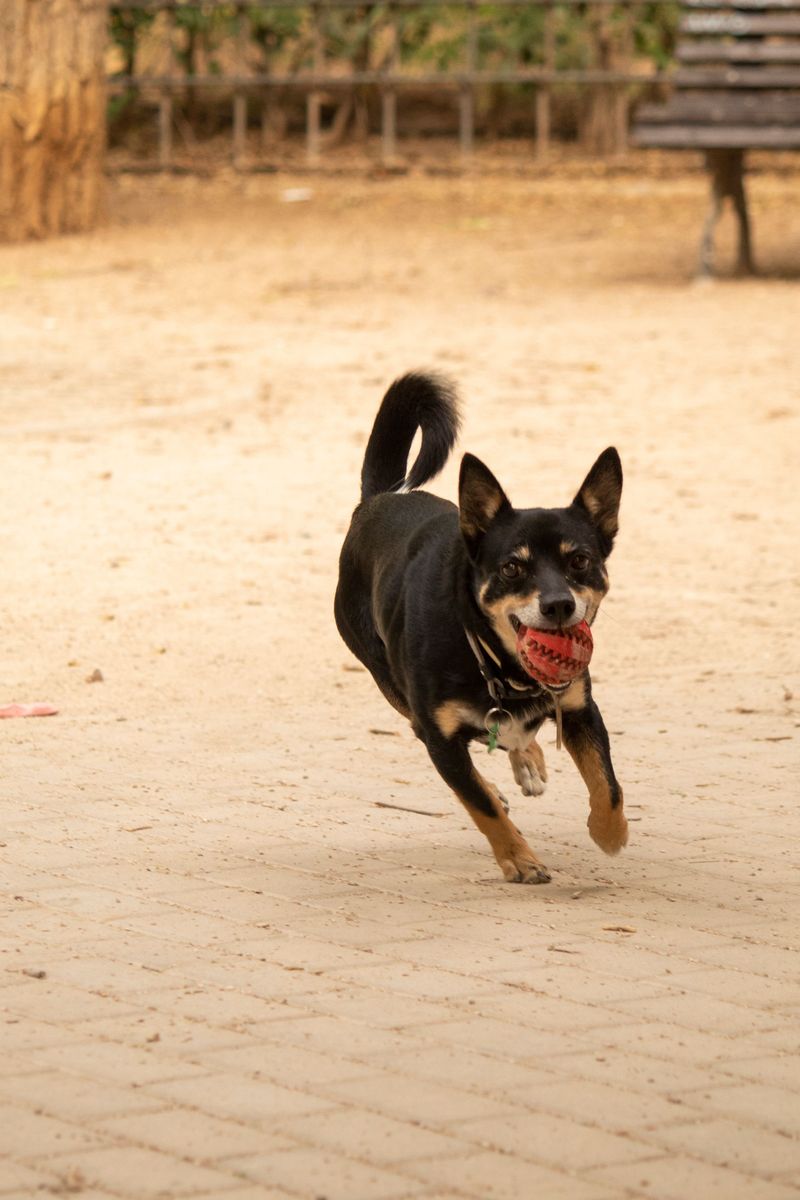
Sheep backs make great sidewalks, at least according to a working Kelpie. These Australian dogs famously scamper across packed flocks to reach the front.
The Australian Kelpie reads livestock with uncanny timing, anticipating moves before they happen. It can gather sheep or cattle over wide, rugged ground with little help.
Its short coat suits hot Missouri summers. Plan for several hours of daily action, though.
Seasoned owners with real chores will get the most from this tireless athlete.
16. Catahoula Leopard Dog: A Painted Powerhouse
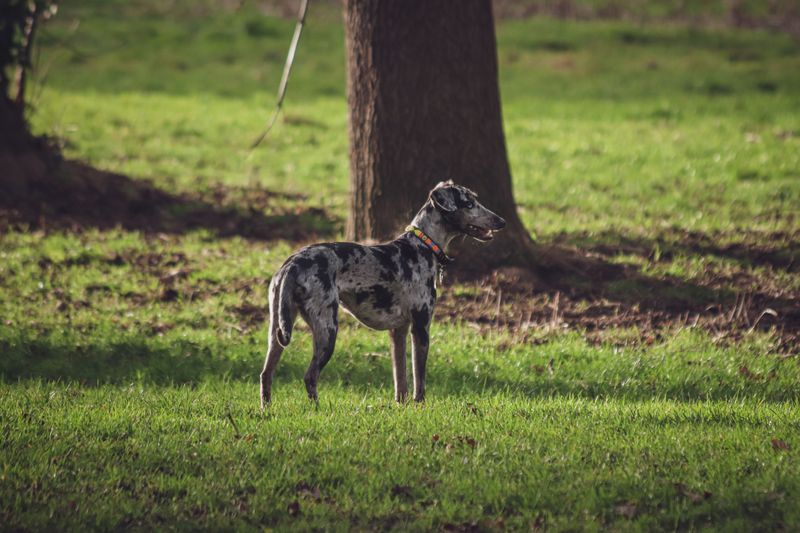
Marbled coats, glass-blue eyes, and a whole lot of grit. The Catahoula Leopard Dog, Louisiana’s official state dog, looks like a painting and works like a pro.
It rounds up wild hogs and cattle, often making smart calls on the fly. Missouri landowners dealing with brushy terrain appreciate that independent drive.
Catahoulas also swim well and track beautifully. Strong prey drive means caution with cats and small pets.
Consistent training keeps boredom from turning into chewed fence posts.
17. Black Mouth Cur: The Southern Jack of All Trades
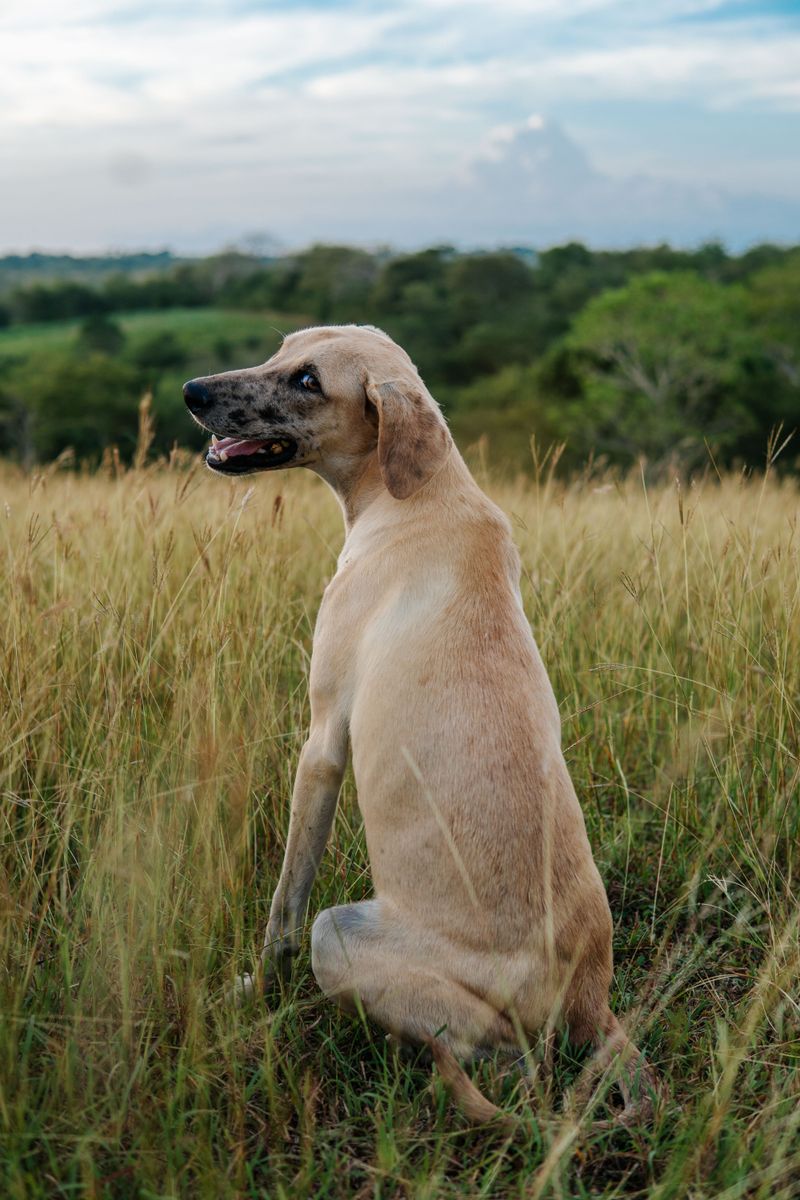
Peek inside its muzzle and you may find dark coloring, the source of its name. The Black Mouth Cur grew up on Southern farms, doing a little of everything.
Treeing squirrels and raccoons, working cattle, and keeping vermin down are all in a day’s work. It is devoted to family and usually sweet with kids raised alongside it.
Sensitive at heart, this dog responds to firm, fair guidance. A well-worked Cur is a relaxed, happy companion.
Rural Missouri woods suit it beautifully.
18. Mountain Cur: An Ozark Hometown Hero
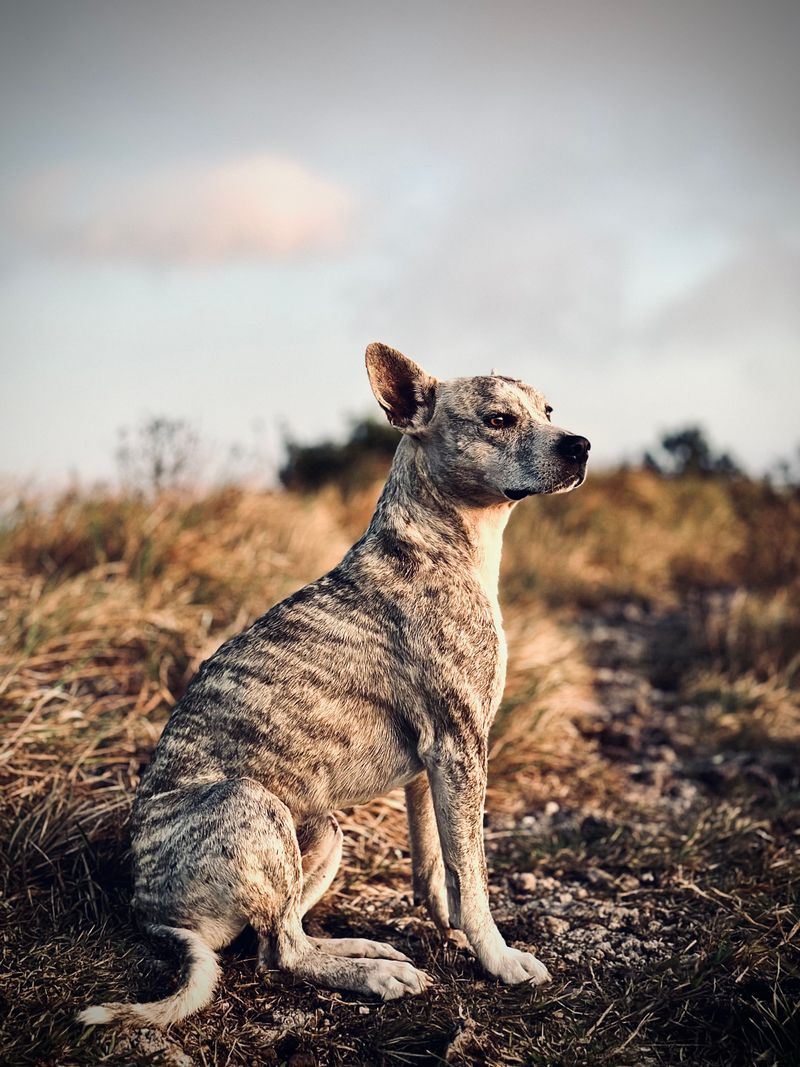
Talk about a hometown hero. Pioneer families in the Ozarks and Appalachians developed the Mountain Cur to hunt, guard, and help around their homesteads.
It trees squirrels, tracks game, herds stock, and watches the cabin door. Some pups even arrive with natural bobtails.
Eager to please, it bonds deeply with family.
Rugged and loyal, this dog handles rocky Missouri hills with ease. Its short coat needs little brushing.
Keep it busy with scent games or hunting, and you will have a true partner.
19. Rat Terrier: The Barn’s Tiny Pest Patrol
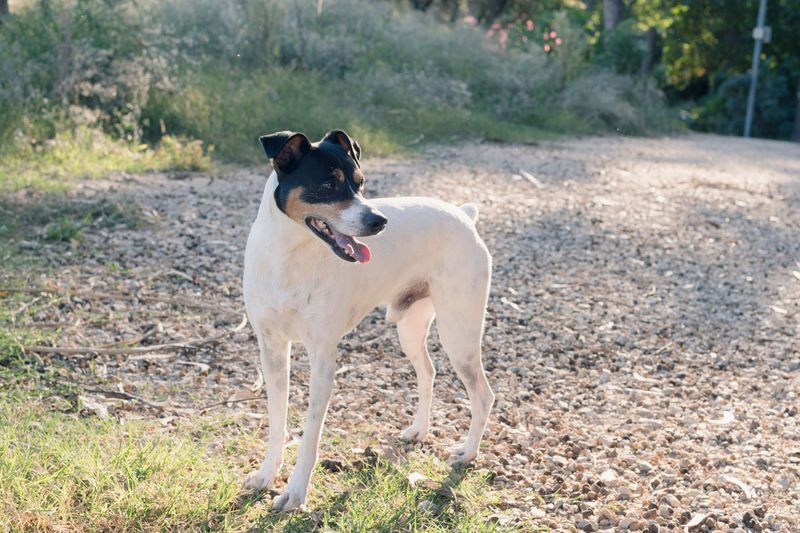
Barn cats, meet your competition. The Rat Terrier was bred on American farms to clear rats and mice from barns, silos, and feed bins.
Compact, quick, and bursting with personality, it comes in miniature and standard sizes. Its slick short coat is wash-and-go easy.
It also barks a quick alert at anything new.
Bury the base of your fence, because these escape artists love to dig. Supervise around chickens and rabbits.
About an hour of daily play keeps this spunky helper content.
20. Standard Schnauzer: The Bearded Farmhand
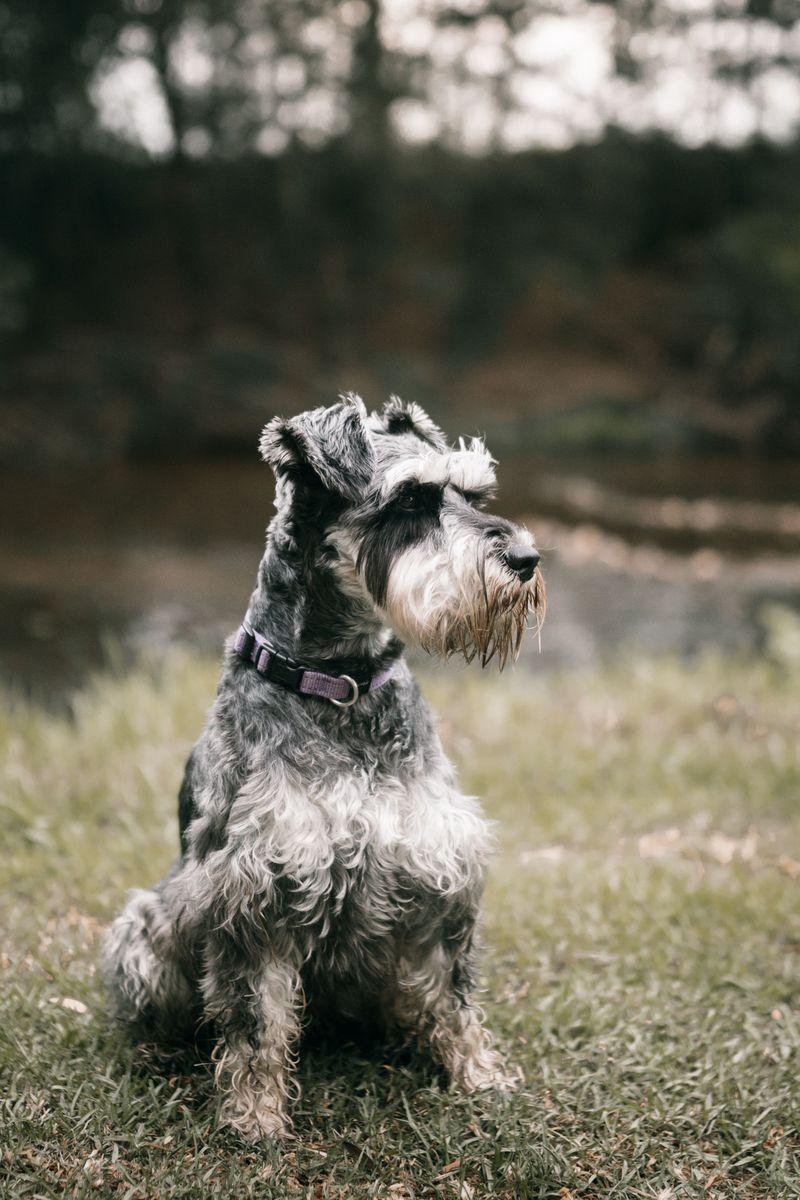
That bushy beard and those dramatic eyebrows hide a hardworking German farmhand. The Standard Schnauzer once chased rodents, guarded land, and turned wandering cows back to the herd.
Its loud bark makes it a natural doorbell. Playful and mischievous, it adores close time with family but stays cool toward strangers.
Early socializing and fresh, varied training keep this quick learner engaged. Whichever breed wins your heart, grab the leash and get your new partner working!