18 Questions Georgia Renters With Dogs Should Ask Before Paying A Pet Deposit

Finding a rental that welcomes your dog feels like a small victory. Before you hand over any money, though, a few smart questions can save you stress later.
Georgia has clear rules about deposits, refunds, and move-out timelines, and many landlords add their own pet policies on top. Think of this guide as a chat with a friend who has rented with dogs for years.
You will learn what to ask, what the law says, and how to protect both your wallet and your pup.
1. Is the Pet Deposit Refundable or a Nonrefundable Pet Fee?

Two charges can look almost identical on paper, yet only one might come back to you. Georgia landlords may charge a refundable pet deposit, a nonrefundable pet fee, or both.
A refundable deposit counts as part of your security deposit under state law. A nonrefundable fee usually covers things like deep cleaning, and you will not see it again.
Ask the landlord to name each charge clearly. Then make sure the lease uses those exact labels, so nobody argues about it later.
2. What Is the Exact Deposit Amount for My Dog?
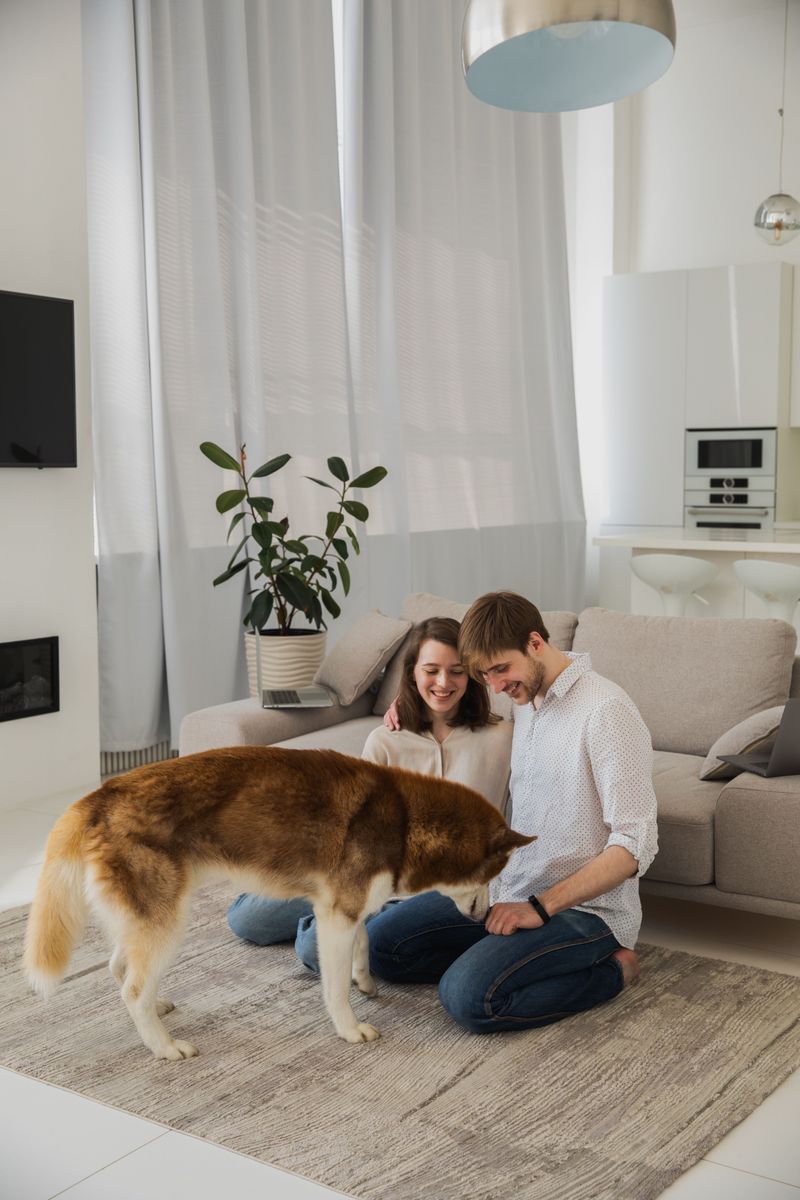
Vague numbers make budgeting hard. Georgia law does not set a separate maximum just for pet deposits, so amounts vary from one property to the next.
Around Atlanta and across the state, many renters see pet deposits between roughly $200 and $500. Some landlords charge more for larger dogs or for a second dog.
Request the exact figure in writing before you apply. Ask whether it is charged per dog or per household.
A clear number now prevents surprises on signing day.
3. Does the Total Stay Under Georgia’s Two-Month Rent Cap?

Here is a rule many renters have never heard about. Georgia’s Safe at Home Act took effect for leases signed or renewed on or after July 1, 2024.
Under it, the total security deposit cannot exceed two months of rent. That total includes any refundable pet deposit.
So with rent of $1,500, all refundable deposits together cannot go past $3,000.
Older leases may not follow this cap until renewal. Some cities may have extra rules, so check locally too.
4. Will I Pay Monthly Pet Rent Too?
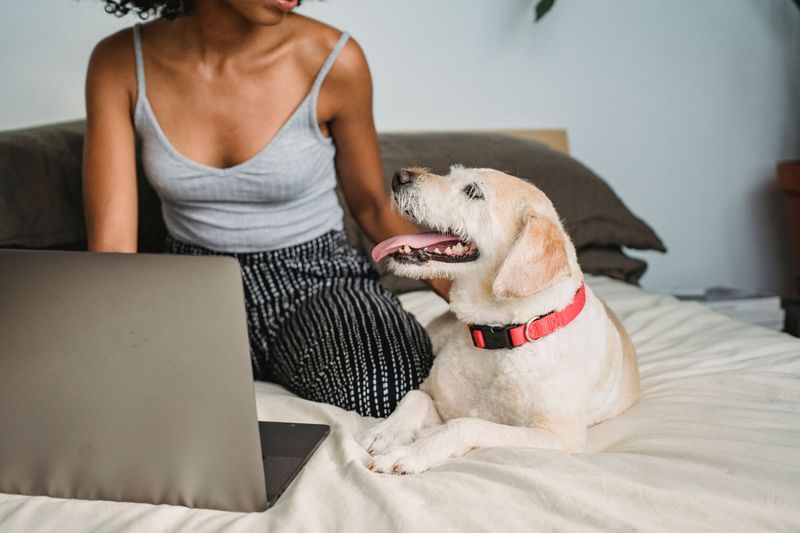
Picture budgeting perfectly for the deposit, then spotting an extra line on your first rent bill. Monthly pet rent is legal in Georgia, and it sits apart from any deposit.
Many landlords charge about $25 to $50 per pet each month. Some charge less, and some charge up to $75.
Big dogs sometimes cost more than cats or small breeds.
Over a year, those payments add up quickly. Ask for the monthly figure and confirm it appears in your lease.
5. Will Everything Be Written Into the Lease?

Friendly promises are nice, but memories fade. A spoken agreement about your dog can turn fuzzy months later, especially if management changes.
Your lease should list the deposit amount, any fees, and the exact refund conditions. It should also say whether each charge is refundable.
A written lease is strongly recommended in Georgia for exactly this reason.
Read the pet addendum slowly before signing. If something you discussed is missing, ask for it to be added.
Keep a signed copy somewhere safe.
6. Does the Property Restrict Certain Breeds?
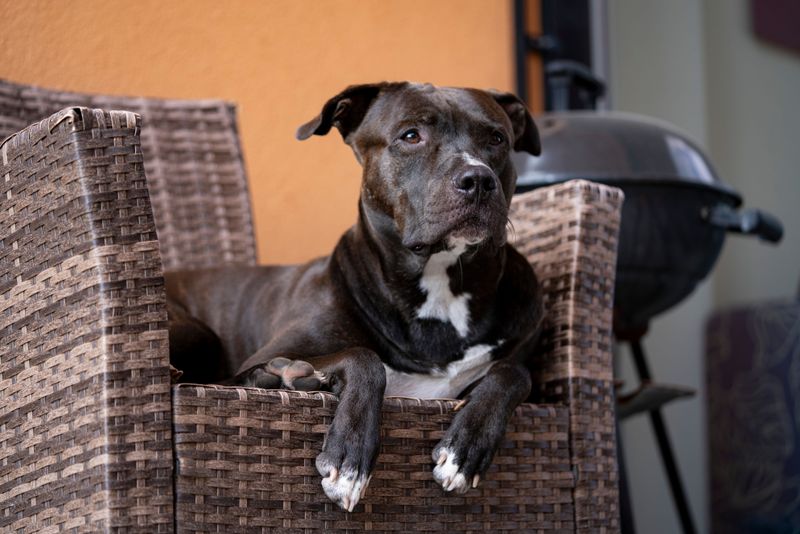
Plenty of loving dogs get turned away because of a list. In Georgia, landlords can legally choose to ban certain breeds through their own pet policy.
Pit bull types and Rottweilers often appear on these lists. Some insurance companies push landlords toward these rules.
The policy belongs to the property, not to state law.
Ask for the written breed list before paying anything. If your dog is a mix, ask how they decide.
A DNA test or vet note sometimes helps.
7. Are There Weight, Size, or Age Limits?
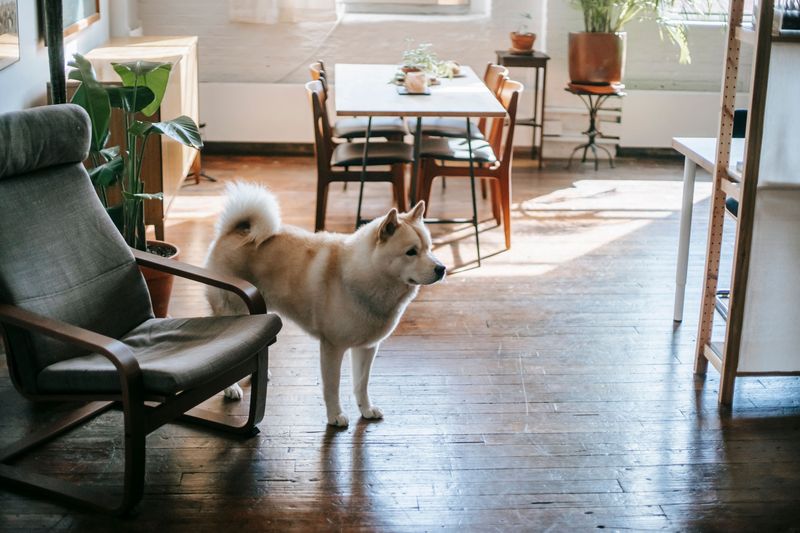
Your eight-pound puppy might grow into a sixty-pound couch hog. Landlords in Georgia can set weight, size, or age limits as part of their pet rules.
A common example is a 25 or 50 pound maximum. Some places also restrict young puppies because of chewing and house training.
Ask how the property measures weight and whether limits apply to adult size. If your pup is still growing, get a written answer.
That way, a growth spurt will not cause a lease problem.
8. How Many Dogs Can Live in the Unit?
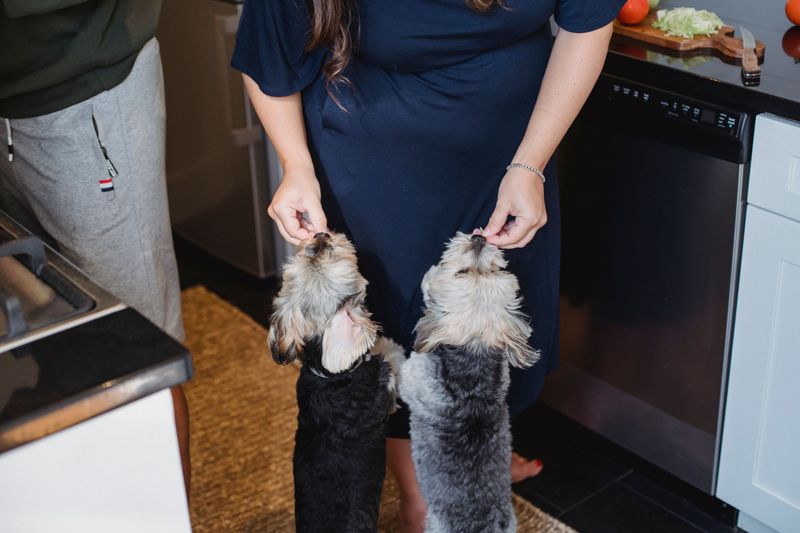
Multi-dog homes bring double the joy and sometimes double the paperwork. Most landlords set a pet limit, and many cap it at one or two per unit.
Local rules can matter too. Some cities and counties set their own household limits on dogs.
Atlanta, for example, has ordinances on pet numbers, and kennel permits may apply beyond them.
Ask the landlord for the property limit in writing. Then check your city or county animal control rules to be sure you are covered.
9. Which Health and License Records Are Required?

Gather your folder now, and you will thank yourself later. Many Georgia landlords ask for vaccination records before approving a dog.
Rabies vaccination is required for dogs in Georgia, so expect that one first. Some properties also want a county license, a vet letter, or proof of other shots.
Ask exactly which documents they need and how recent they must be. Your veterinarian can usually print or email records quickly.
Having them ready can speed up your approval.
10. Do They Need Proof of Spaying or Neutering?
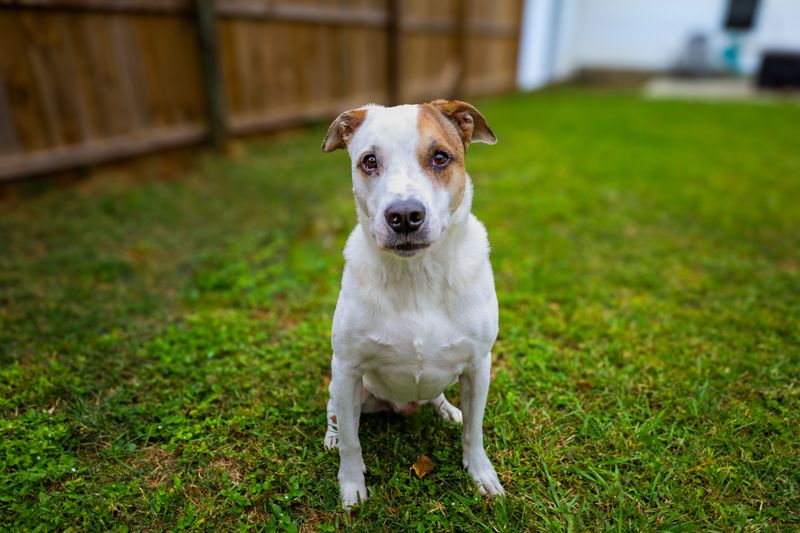
Some pet policies go a step beyond vaccines. Landlords may ask for proof that your dog is spayed or neutered.
Property managers often believe it reduces marking, roaming, and certain behaviors. It is a landlord policy choice, not a statewide rule for renters.
Ask whether this applies before you apply. If your dog is not fixed for health reasons, ask whether a vet note will work.
Your veterinarian can provide the paperwork, usually from the original surgery record.
11. Is Renters Insurance With Dog Liability Required?
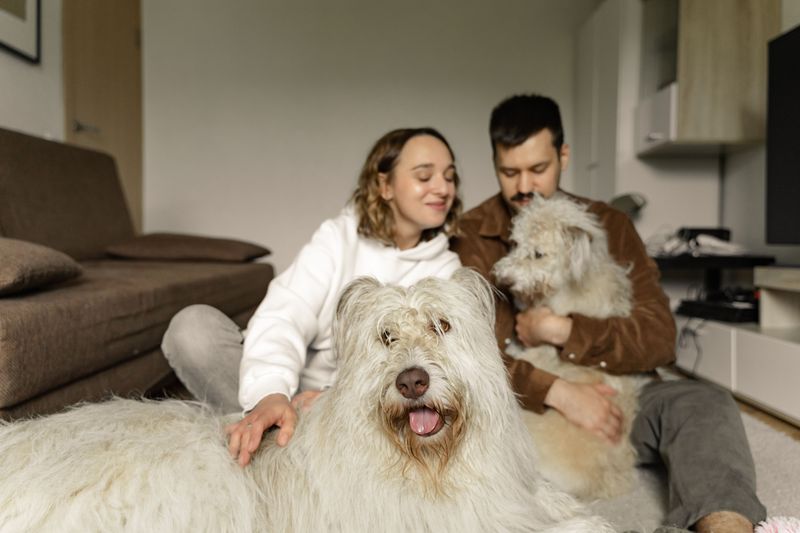
Insurance rarely feels exciting, yet it can be a real lifesaver for dog owners. Georgia landlords can require renters insurance that includes pet liability coverage.
This coverage helps if your dog injures someone or damages property. Some policies exclude certain breeds, so read carefully.
Landlords may also ask to be listed as an interested party.
Ask what minimum coverage amount the property requires. Then compare quotes from several insurers.
Many renters find the monthly cost surprisingly small.
12. What Damage Could Lead to Deductions?

Every dog has a rough day now and then. Knowing what counts as real damage helps you prevent costly surprises.
Landlords can deduct for harm beyond normal wear and tear. Examples include urine stains, large torn carpet patches, or chewed cabinet doors.
Unpaid pet fees can also come out of the deposit.
Ask the landlord for examples of common pet deductions. Chew toys, crate training, and regular walks can protect both your home and your refund.
13. Will I Get a Written Move-In Inspection Report?
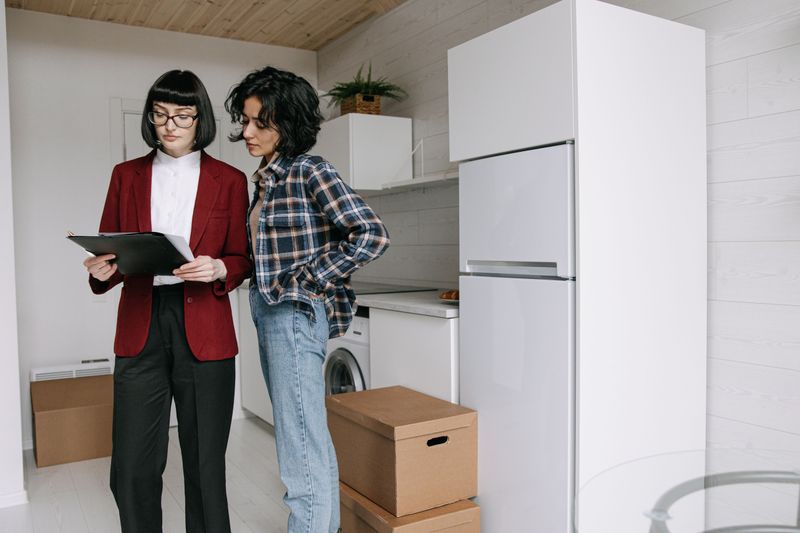
Your phone camera might be your best friend on move-in day. Georgia law requires certain landlords to give a written list of existing damage.
This applies to landlords owning more than ten units or using a property manager. They must provide the list before collecting a deposit.
You then have five days to review and add anything missed.
Smaller self-managed landlords are exempt. Either way, take dated photos of every room.
Those pictures can protect your deposit later.
14. Is Professional Cleaning or Flea Treatment Required at Move-Out?
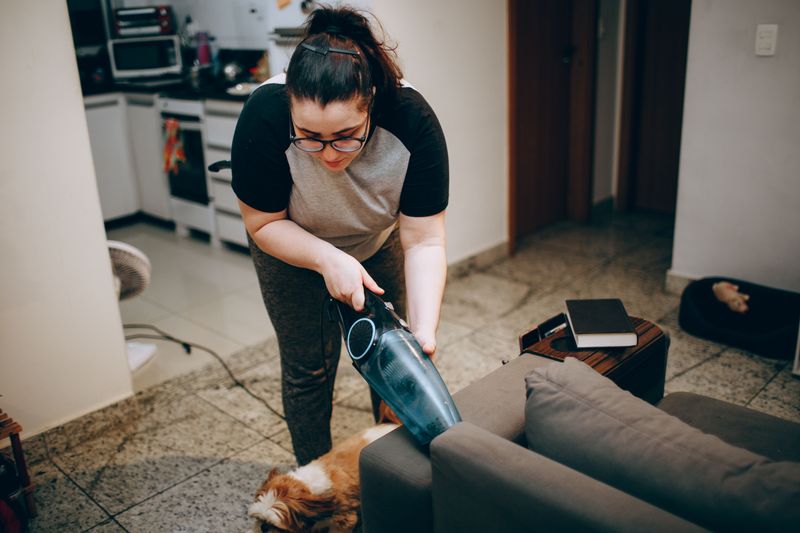
Some leases quietly promise a big cleaning bill at the end. Georgia law does not clearly say landlords may automatically charge for professional pet cleaning.
Landlords can deduct cleaning costs when pet-related mess goes beyond normal wear. Flea treatment or deodorizing may fall here if truly needed.
Every deduction must be itemized.
Ask whether the lease requires any specific service. Also ask if a nonrefundable pet fee already covers cleaning.
Paying twice for the same job makes little sense.
15. When Will My Deposit Come Back, and How Are Deductions Explained?
Waiting for your money can feel endless, but Georgia sets a clear clock. Landlords have 30 days after you move out to return the deposit.
If they keep any amount, they must send a written, itemized list explaining why. It goes by first-class mail to your last known address.
Missing the deadline can limit what they may keep.
Give the landlord your new address in writing. If money is wrongly kept, Georgia law offers remedies.
Legal aid can explain your options.
16. Are There Rules for Shared Yards, Balconies, or Common Areas?

A gorgeous dog park on the tour does not always mean open access. Landlords can set rules for shared yards, balconies, and hallways.
Common rules include leash requirements, set hours, and waste pickup. Some properties ban leaving dogs alone on balconies.
Breaking these rules could lead to fines or lease issues.
Ask for the full community pet rules before signing. Walk the grounds and look for waste stations.
Good rules usually mean a cleaner, friendlier place for everyone.
17. What Happens to the Deposit if My Dog Passes Away, Is Rehomed, or Leaves the Lease?

Nobody likes thinking about this, but planning ahead brings peace of mind. Georgia law does not directly cover pet deposits when a dog passes away or moves elsewhere.
Your lease terms will usually decide the outcome. Some landlords stop pet rent once the dog leaves.
Others keep the deposit until move-out to check for damage.
Ask for a written clause explaining both situations. Gentle questions now spare you hard conversations later.
18. Will Fair Housing Protections Apply if My Dog Is an Assistance Animal?
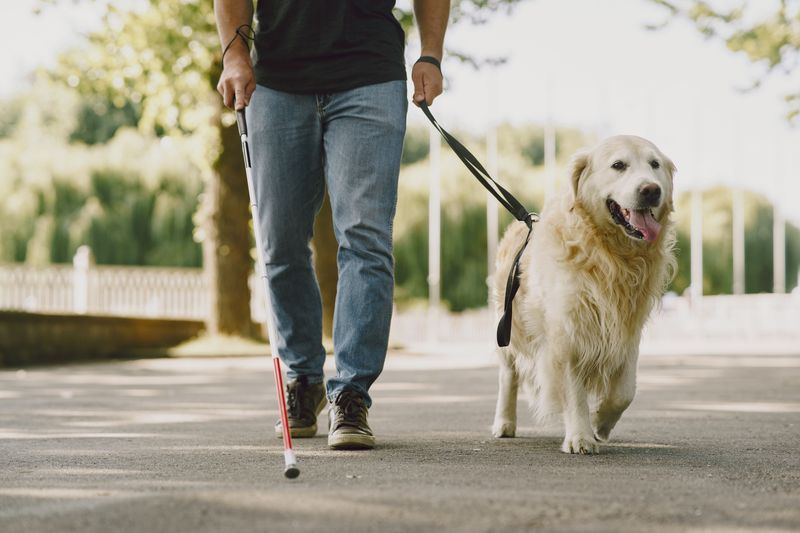
Assistance animals are not pets under federal and Georgia fair housing law. That difference matters a great deal for deposits.
Landlords generally cannot charge pet deposits, pet fees, or pet rent for qualifying assistance animals. They may request reliable documentation of the disability-related need.
You still pay for any actual damage.
Federal guidance has shifted recently, so confirm current rules with a fair housing agency. With these twenty questions answered, you can sign confidently and settle in with your best friend.