What To Check Before Buying A Puppy In Pennsylvania

Bringing home a puppy is one of the happiest moments a family can share. In Pennsylvania, a few smart checks before you buy can protect both your heart and your wallet.
Think of this guide as advice from a friend who has walked this path before. With the right steps, you can welcome a healthy, happy pup with total confidence.
1. Get to Know Who You Are Buying From

A good breeder is never hard to reach. Ask for a full name, a physical address, and a working phone number before anything else.
Search the business name online and look for a consistent history. Ask your local vet or breed club if they know the seller.
Be cautious if someone only wants to meet in a parking lot. Honest sellers welcome questions and share details freely, because they want their puppies placed well.
2. Confirm the Kennel License
Pennsylvania requires a kennel license for anyone who keeps, sells, or transfers 26 or more dogs in a calendar year. Larger commercial kennels have their own special classification.
Licenses expire on December 31 and must be renewed every year. You can check status using the Department of Agriculture’s online Kennel Inspection Search.
Small hobby breeders may fall below the licensing threshold. If anything seems unclear, call the Bureau of Dog Law Enforcement to confirm.
3. Read the State Inspection Reports
Here is a handy tool many buyers never use. The Pennsylvania Department of Agriculture posts kennel inspection reports online for the public.
You can search by kennel name, county, city, ZIP code, or license number. Reports show whether inspectors found any problems with care or facility standards.
One minor issue that was quickly fixed may not worry you. A long pattern of repeated violations, however, is a clear signal to keep looking elsewhere.
4. Walk Through the Facility Yourself

Your own eyes tell you more than any photo. Ask to visit where the puppies live and play each day.
Look for clean floors, fresh water, comfortable bedding, and enough room for dogs to move. Notice smells, too, since a strong odor can hint at poor cleaning habits.
Watch how staff handle the dogs. Calm, kind interactions suggest the animals receive steady attention and care.
5. Spend Time With Mom

Like mother, like pup is often surprisingly true. Meeting the mother dog, called the dam, gives you a preview of your puppy’s future.
Check that she looks healthy, with bright eyes, a clean coat, and good weight. Notice whether she seems relaxed around strangers.
A friendly, settled mom often raises confident puppies. If a seller always has an excuse for why you cannot meet her, take that as a reason to pause.
6. Make Sure the Pup Is Old Enough

Patience pays off for puppies. Pennsylvania law says a puppy must be at least eight weeks old before being sold or transferred.
Those early weeks matter a lot. Puppies nurse, grow, and learn social skills from their mother and littermates.
Ask for the exact birth date and compare it with the health records. A seller pushing to hand over a younger puppy is not following the rules, so walk away politely.
7. Ask for the Full Health Record
Paperwork may not be fun, but it tells your puppy’s story. Under Pennsylvania’s Dog Purchaser Protection Act, sellers must provide a health record at the time of sale.
That record should list the breed, birth date, sex, color, and markings. It should also show any treatments the puppy received.
Keep the originals safe in one folder. Your new vet will want to see them at the very first visit.
8. Look Closely at Vaccine Dates

Shots happen in a series, so dates matter. The health record should list each vaccine given, the type, and the date.
Ideally, it also names who gave the shot. Knowing this helps your vet plan the next round without guessing or repeating doses.
Fun fact: puppies need boosters because protection from their mother’s milk fades over time. Ask your vet which vaccines your puppy still needs.
9. Check Deworming and Parasite Care

Tiny tummies can carry unwanted guests. Many puppies are born with intestinal worms, which is why deworming is so common.
The health record should list any parasite medicine given, including the date, dosage, and type. Ask whether a stool test was done, too.
Your vet can recheck during the first exam. Staying on schedule keeps your pup comfortable and protects everyone in your household.
10. Get a Vet Certificate or Health Guarantee
Pennsylvania gives sellers two options here. They must provide either a vet health certificate issued within 21 days before the sale, or a signed seller guarantee of good health.
A vet certificate should include the vet’s name, address, signature, and exam date. It states the puppy appeared free of contagious illness, detectable hereditary defects, and clinical parasites.
Read whichever document you receive carefully before you pay.
11. Talk About Genetic Testing

Some breeds carry known inherited risks, like hip problems or certain eye conditions. Pennsylvania law does not require genetic testing, but caring breeders often do it anyway.
Ask which tests were run on both parents. Request copies of any health clearances or certificates.
A breeder who explains results openly shows real commitment. Your vet or a national breed club can help you understand which tests matter most.
12. Watch for Signs of Illness
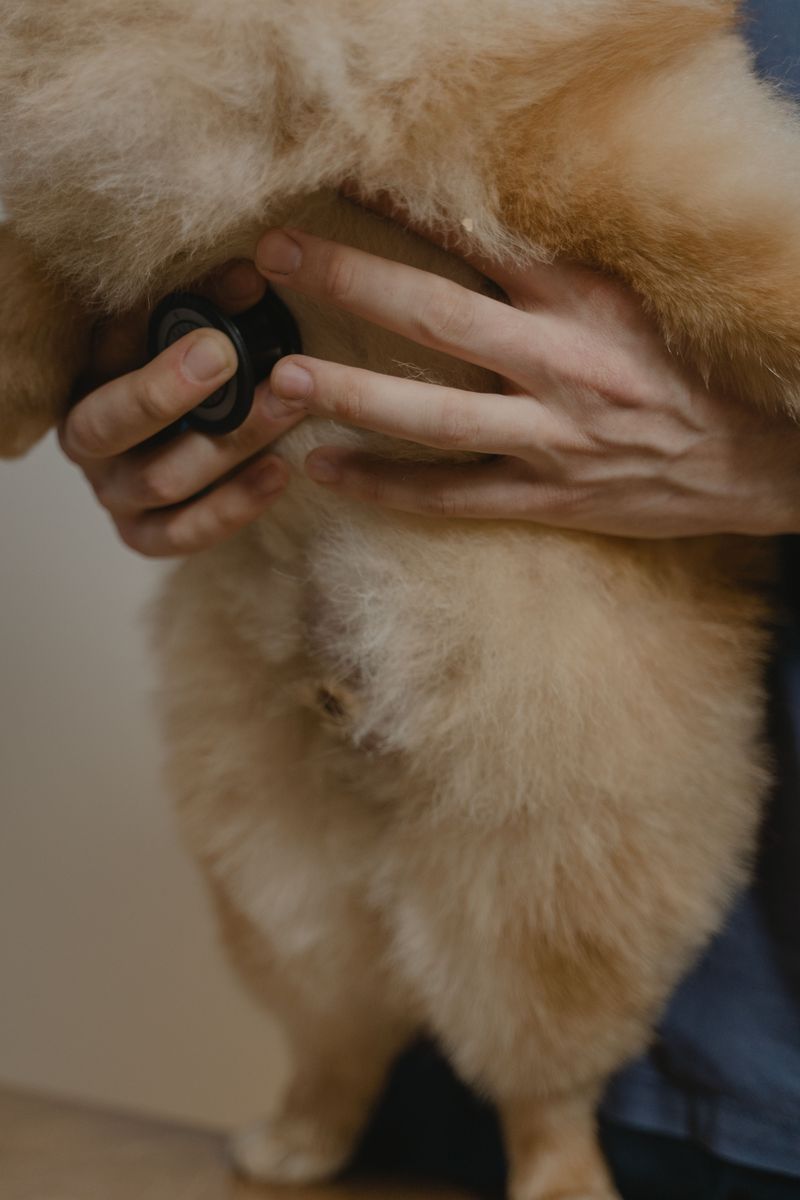
Healthy puppies are usually curious, wiggly, and ready to play. Take a few quiet minutes to watch closely.
Look out for coughing, sneezing, diarrhea, low energy, or runny eyes and nose. A dull coat or swollen belly can also deserve a closer look.
Puppies nap often, so one sleepy moment is normal. Ongoing tiredness, though, is worth asking about.
Trust your instincts and request a vet opinion.
13. Notice Personality and Socialization

Every litter has its explorers and its quiet thinkers. Watch how each puppy reacts to people, littermates, and new sounds.
Ask the breeder how the puppies have been handled. Have they heard household noises or met children and visitors?
Early gentle exposure helps puppies grow into relaxed adult dogs. Choose a personality that fits your home, whether that means lively and bold or calm and cuddly.
14. Double-Check Pedigree Papers

Papers should match the promise. If a seller says a puppy can be registered, they must name the registry where both parents are registered.
Under Pennsylvania law, if registration documents are not provided within 120 days, buyers may have options. These include returning the dog for a full refund or keeping it with a 50 percent refund.
Contact the registry directly to confirm the parents’ records.
15. Read Every Line of the Contract
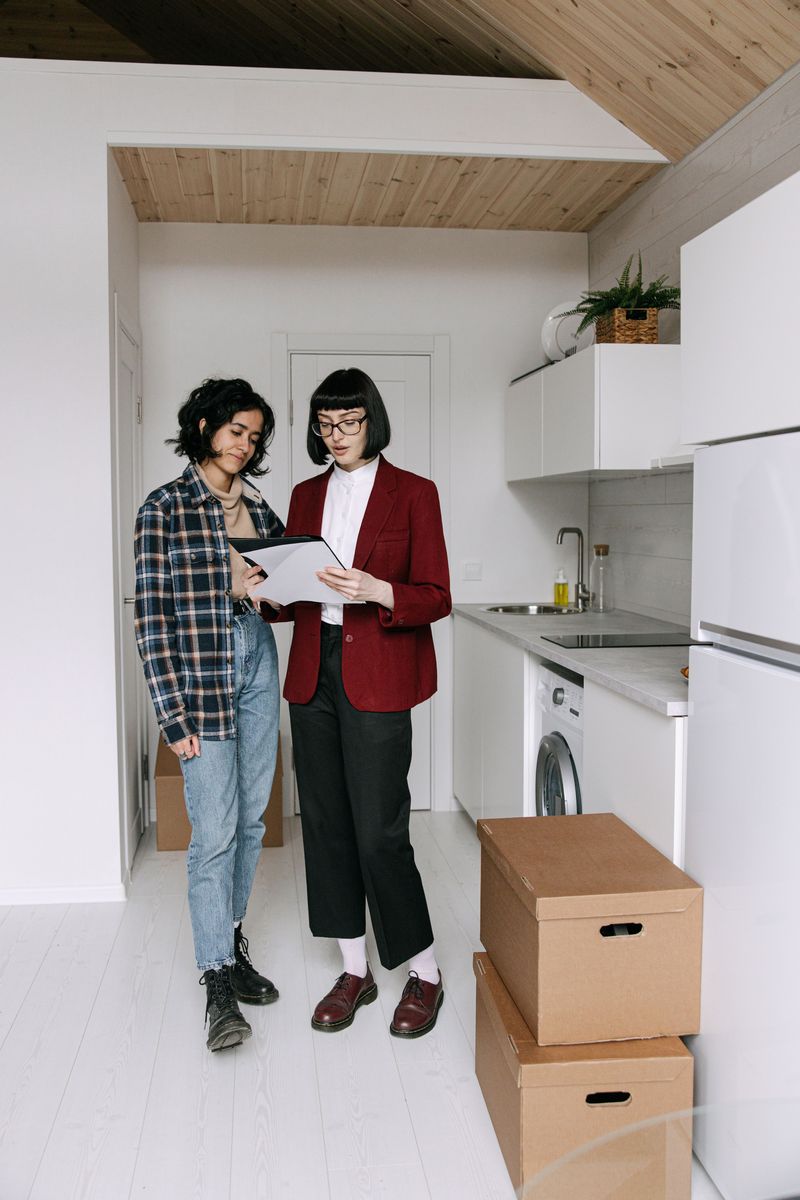
Take your time with the fine print. A clear contract protects both you and the seller.
Check the deposit amount and whether it is refundable. Look at the final price, return rules, and any health guarantee terms.
Some guarantees require you to follow certain steps, like feeding specific foods or visiting a vet by a deadline. Ask questions about anything confusing before you sign.
16. Learn the Puppy Lemon Law

Pennsylvania backs buyers with the Dog Purchaser Protection Act, often called the Puppy Lemon Law. It covers dogs from breeders, dealers, and pet shops covered by the law.
If a vet finds a contagious, infectious, or parasitic illness within 10 days, you have options. For hereditary or congenital defects, the window is 30 days.
Remedies may include a refund, replacement, or vet cost reimbursement up to the purchase price.
17. Ask for Your Written Rights Notice
Knowing your rights starts with a simple piece of paper. Sellers covered by the law must give buyers a written notice explaining their rights at the time of sale.
That notice summarizes the Puppy Lemon Law protections. Covered businesses must also post it clearly where customers can see it.
If you do not receive one, ask for it. Keep it with your contract and health records.
18. Book a Vet Visit Right Away
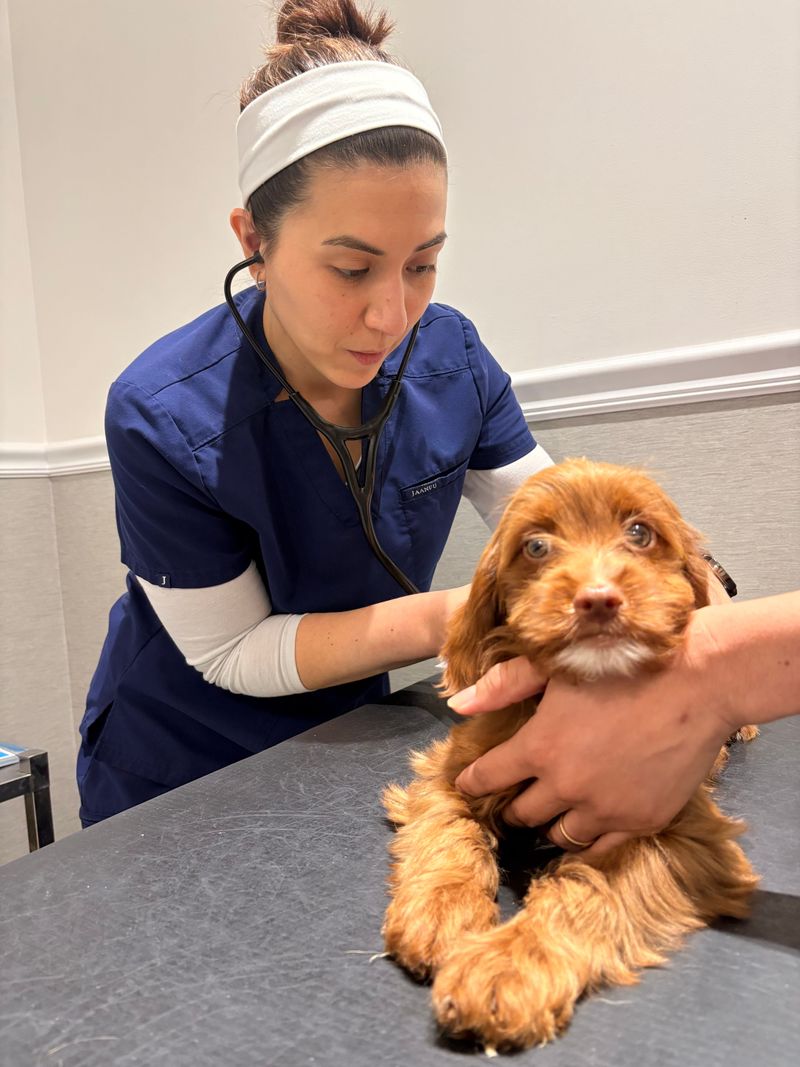
Schedule that appointment before your puppy even comes home. The Lemon Law timelines are short, so an early exam matters.
A licensed vet can spot problems while you still have legal options. Bring every record the seller gave you.
If the vet certifies a covered illness or defect, notify the seller within two business days of receiving that certification. Quick action keeps your protections in place.
19. Handle the License and Rabies Shot
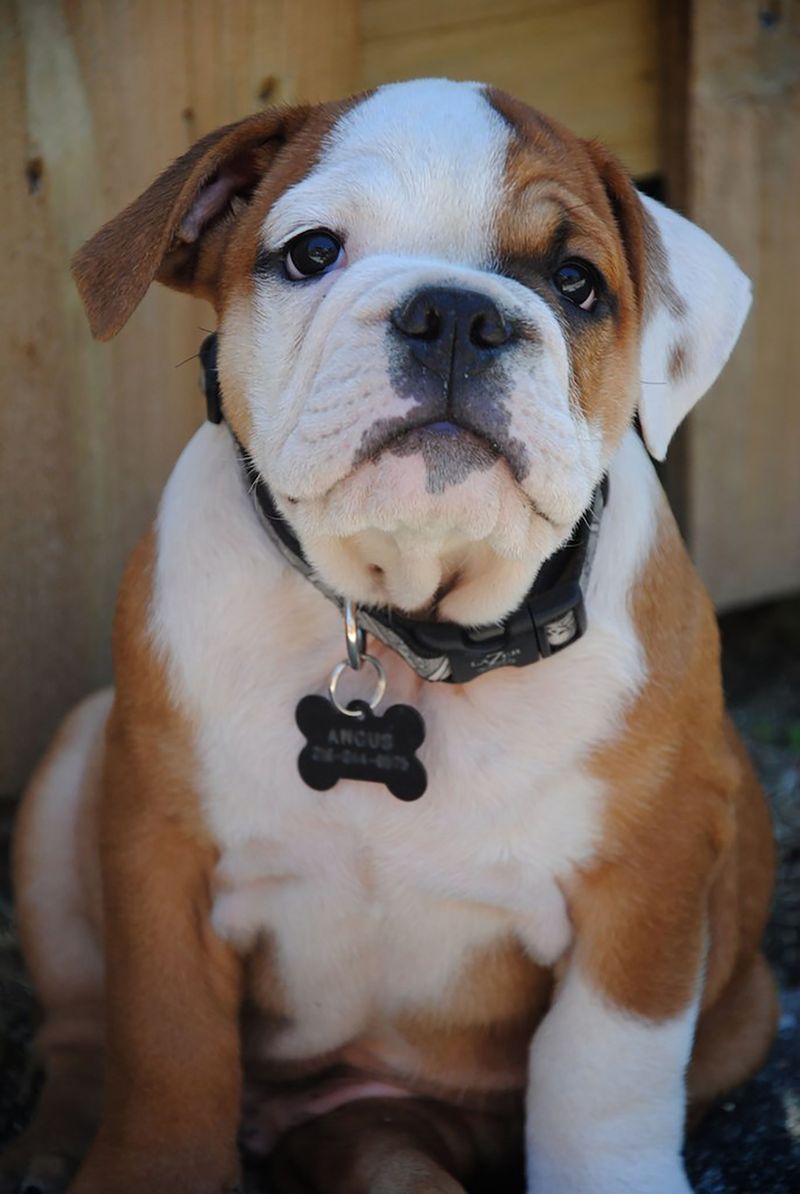
A little tag on the collar goes a long way. Pennsylvania requires dogs to be licensed by three months of age or upon transfer, whichever comes first.
Licenses are sold through your County Treasurer, often online. Annual licenses expire December 31, and lifetime options are also available.
Dogs must also get a rabies vaccine by about three months of age. Check details with your county, since procedures can differ.
20. Budget for the Years Ahead

The purchase price is only the beginning. Some estimates place yearly dog costs in Pennsylvania between about 1,430 and 2,900 dollars.
Plan for food, vet checkups, vaccines, grooming, training classes, supplies, and pet insurance. Set aside an emergency fund for surprise visits, too.
Costs vary by breed, size, and location. A realistic plan lets you enjoy your puppy without money stress.
Happy tails start with a prepared family.