15 Pennsylvania Yard Hazards That Catch Dog Owners Off Guard
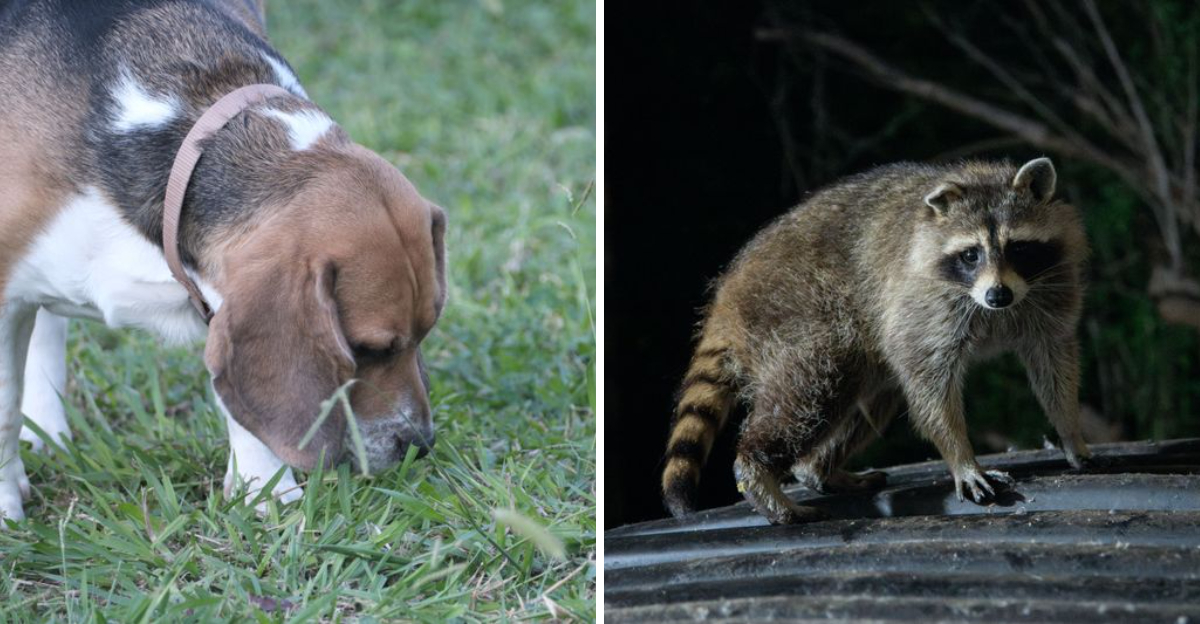
If you share a Pennsylvania yard with a dog, you already know how much they love it out there.
A few things, though, deserve a second look from you before your dog finds them first. Pennsylvania has a mix of woodland wildlife, damp shady soil, popular landscape shrubs, and seasonal lawn products.
That combination creates a handful of risks that surprise even careful, experienced owners.
The good news is that nearly all of them are easy to manage once you know what to watch for.
1. Blacklegged Ticks Hiding in Leaf Litter
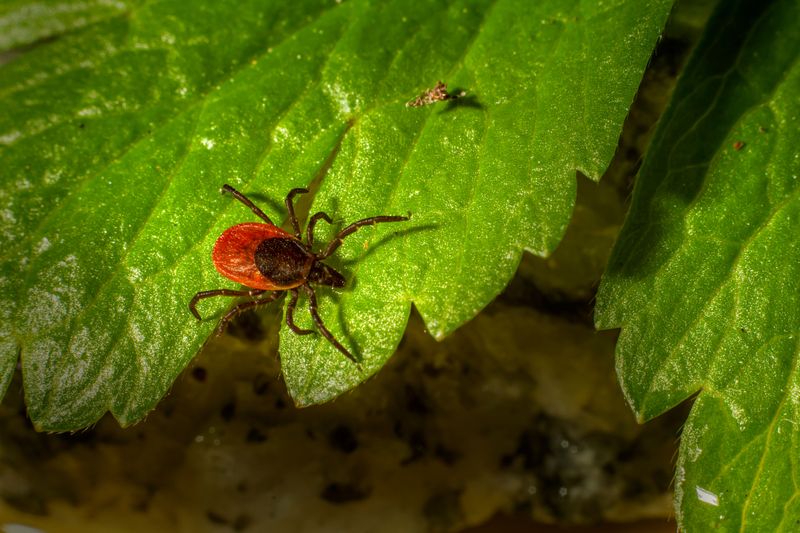
Pennsylvania consistently reports among the highest numbers of Lyme disease cases in the country. Blacklegged ticks, also called deer ticks, thrive in shady leaf litter and tall grass right along yard edges.
They can pass Lyme disease and anaplasmosis to dogs. Attachment usually needs 36 to 48 hours, so daily tick checks really pay off.
Ask your vet about year-round prevention plus the Lyme vaccine. Keep grass trimmed and rake leaves away from play areas.
2. Wild Mushrooms Popping Up Overnight
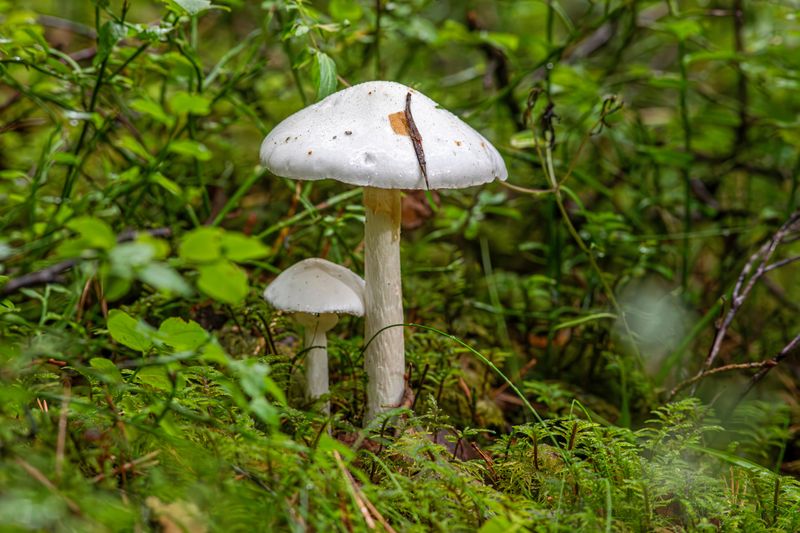
After a rainy stretch, mushrooms appear in Pennsylvania lawns almost overnight. Some are harmless.
Others, including Amanita species like the death cap and destroying angel, are genuinely dangerous.
Signs may be delayed six to twelve hours, which makes waiting a poor plan. Vomiting, tremors, weakness, or liver damage can follow.
Treat every unknown mushroom as unsafe. Walk the yard, pluck them out, and call your veterinarian promptly if your dog swallows one.
3. Moldy Compost Piles Behind the Garage

Gardeners love compost. Dogs love it too, unfortunately, because rotting scraps smell fascinating.
Decomposing matter can grow fungi that produce tremorgenic mycotoxins. Small amounts may trigger drooling, panting, agitation, overheating, wobbly walking, tremors, or seizures, sometimes within thirty minutes.
A sealed bin or a fenced compost corner solves most of the problem. Skip meat and dairy scraps entirely.
If your dog raids the pile, call your vet right away rather than waiting for symptoms.
4. Cocoa-Bean Mulch in the Flower Beds
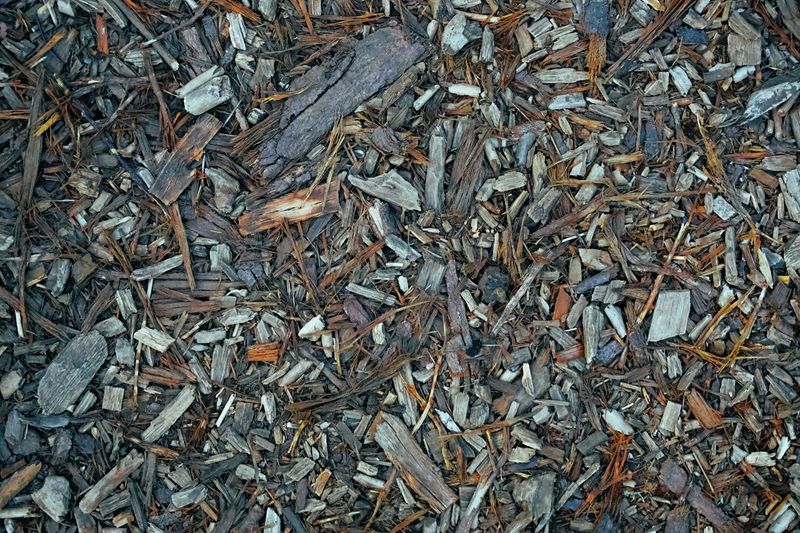
Sweet-smelling mulch sounds delightful until you realize where it comes from. Cocoa-bean mulch is made from cocoa shells and contains theobromine and caffeine, the same compounds that make chocolate risky.
Some batches carry more theobromine than baking chocolate. Eating it may cause vomiting, restlessness, a racing heart, tremors, or seizures.
Choose shredded hardwood, pine, or cedar instead. Theobromine-free versions exist, but plain mulch removes the guesswork completely.
5. Fertilizer Granules Left on the Grass
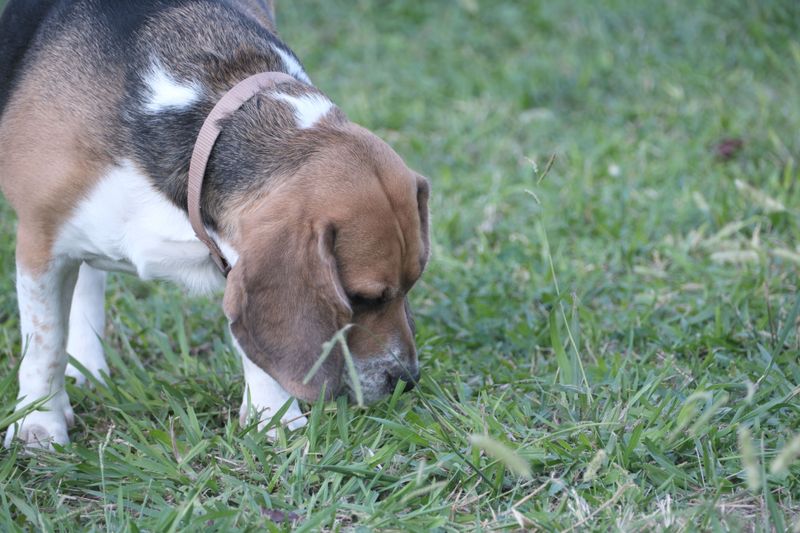
Bone meal, blood meal, and fish meal make many fertilizers smell like dinner to a curious dog. That is exactly why large mouthfuls happen.
Standard blends usually cause vomiting, diarrhea, drooling, or belly pain. Big helpings of bone meal can clump in the stomach and block it.
Sweep up spilled granules, water products in, and keep paws off until everything dries fully. Save your vet’s number and a pet poison helpline.
6. Weed and Pest Treatments Freshly Applied
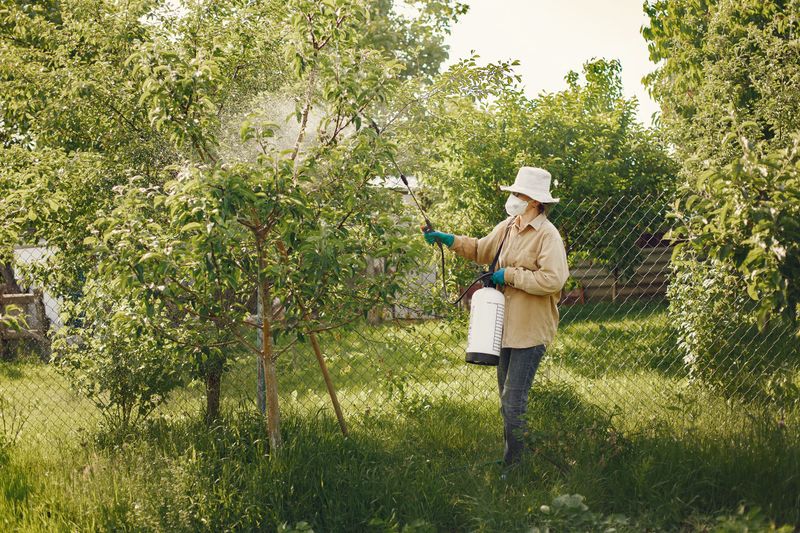
Lawn care season brings herbicides and insecticides to yards across the state. Labels matter more than most people realize.
Contact can cause stomach upset, skin irritation, or more serious effects depending on the product and amount swallowed.
Read directions, then honor the drying time before letting your dog out. Ask any lawn service for pet-safe options and re-entry guidance.
Pet-friendlier alternatives exist. When exposure happens, call your veterinarian or poison control instead of guessing.
7. Rodent Bait Tucked in Sheds and Corners
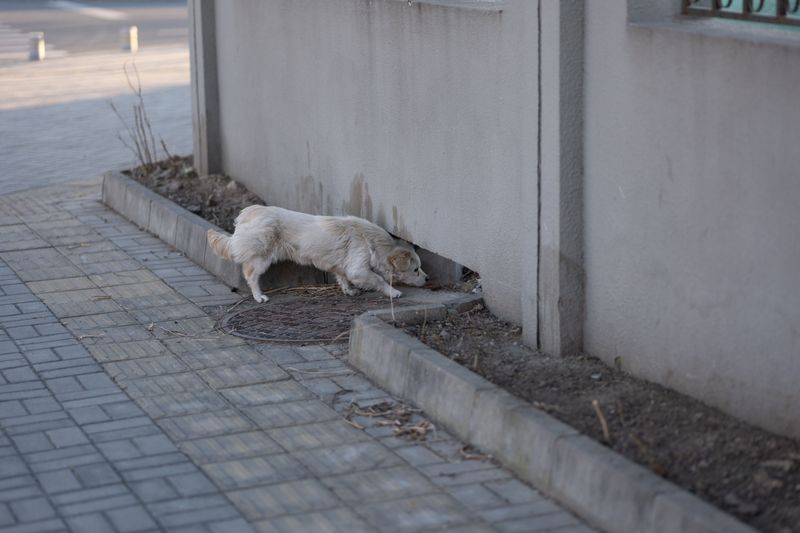
Rodenticides are built to taste good to pests, which unfortunately appeals to dogs as well.
Anticoagulant baits interfere with blood clotting, and signs often lag by several days. Weakness, pale gums, nosebleeds, or labored breathing may show up later.
Store bait locked away, or use snap traps and enclosed stations instead. Neighbors and landlords sometimes place bait you never see, so check outbuildings.
Suspected ingestion means an immediate vet visit, symptoms or not.
8. Antifreeze Puddles on the Driveway
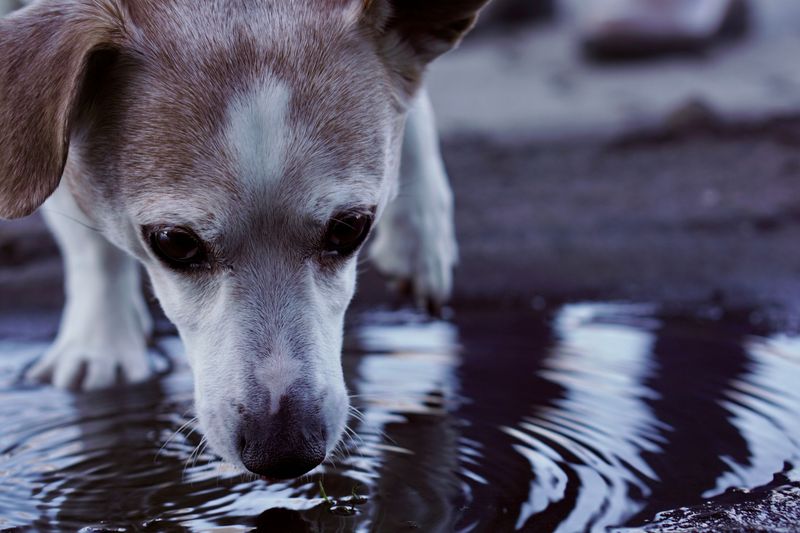
A small green puddle under the car is easy to overlook. Dogs notice it because ethylene glycol tastes sweet.
Very little causes kidney failure. Roughly two tablespoons can be lethal for a fifteen-pound dog.
Early signs mimic drunkenness: wobbling, vomiting, extra thirst, and sleepiness. Treatment works best within about eight hours.
Clean spills immediately, store containers sealed, and consider propylene glycol products, which are less toxic. Check where visitors park too.
9. Tulip and Daffodil Bulbs Underfoot

Spring planting season turns some dogs into enthusiastic excavators. The bulbs are the problem, since they hold the highest concentration of toxins.
Tulips contain tulipalin compounds, and daffodil bulbs carry their own irritants. Drooling, vomiting, and diarrhea are common, with heart rhythm changes or tremors in bigger exposures.
Store bulbs in closed containers on high shelves. Low fencing, chicken wire under mulch, or raised beds discourage digging nicely.
10. Azaleas and Rhododendrons Along the Foundation

Few shrubs are more Pennsylvania than a rhododendron hugging the porch. Beauty aside, every part contains grayanotoxin.
Chewed leaves or flowers can bring drooling, vomiting, diarrhea, weakness, and abnormal heart rhythms. Large amounts affect blood pressure seriously.
You do not need to rip out established plantings. Border fencing, thick ground cover, or supervised yard time usually keeps mouths away.
Rake fallen blooms and prunings before your dog investigates them.
11. Yew Shrubs and the Clippings You Just Trimmed
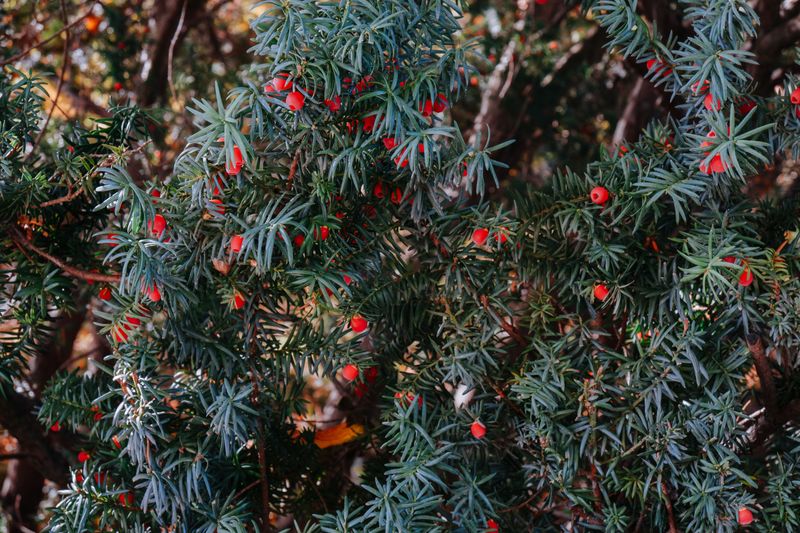
Yews line countless walkways here, and they rank among the most dangerous landscape plants for dogs.
Taxine alkaloids affect the heart, and a surprisingly small amount of foliage can be fatal. Winter growth tends to be especially potent.
Fresh clippings are the sneaky part. Dogs sometimes chew piles left by the fence after trimming.
Bag prunings immediately and haul them off. Any suspected nibble is an emergency worth calling about at once.
12. Blue-Green Algae Blooming in Backyard Ponds
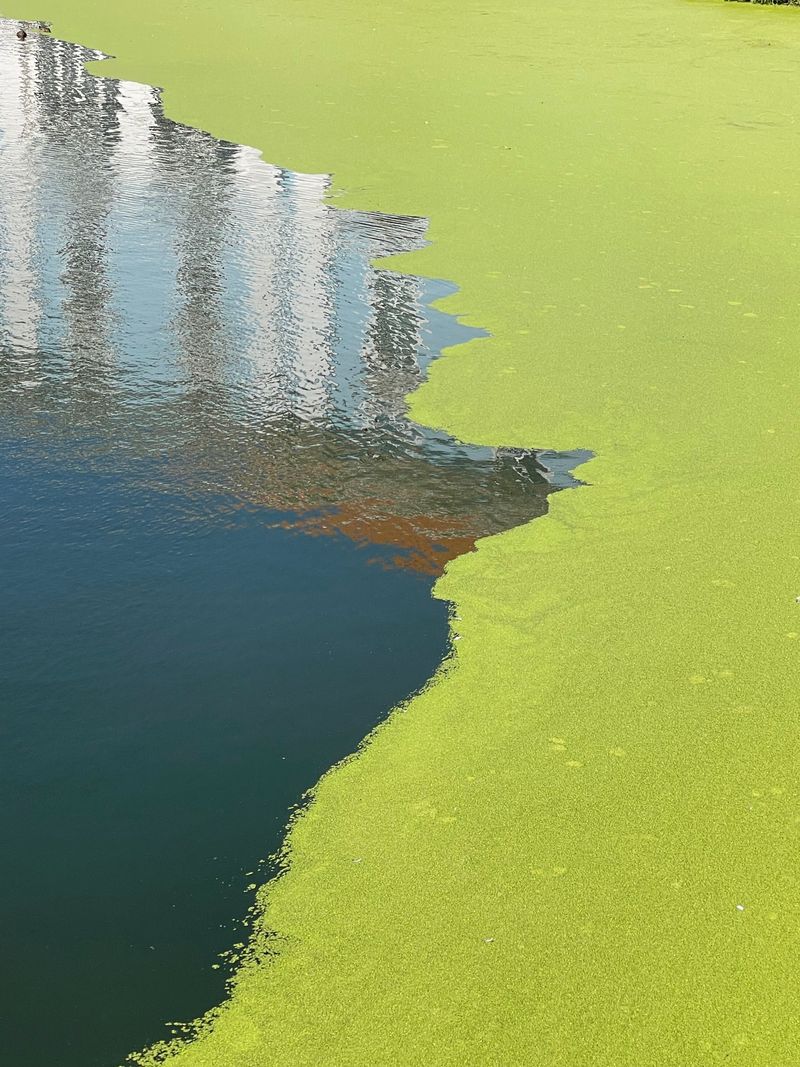
Warm, still water plus fertilizer runoff can trigger cyanobacteria blooms in ponds statewide. Surface scum may look like spilled paint or pea soup.
Toxicity cannot be judged by sight. Dogs are especially exposed because they swallow water and lick their fur afterward.
Signs may begin within minutes: vomiting, staggering, drooling, breathing trouble, or seizures.
Skip questionable water entirely, watch state environmental alerts, and rinse your dog after any swim.
13. Copperheads and Timber Rattlesnakes Near Rock Walls
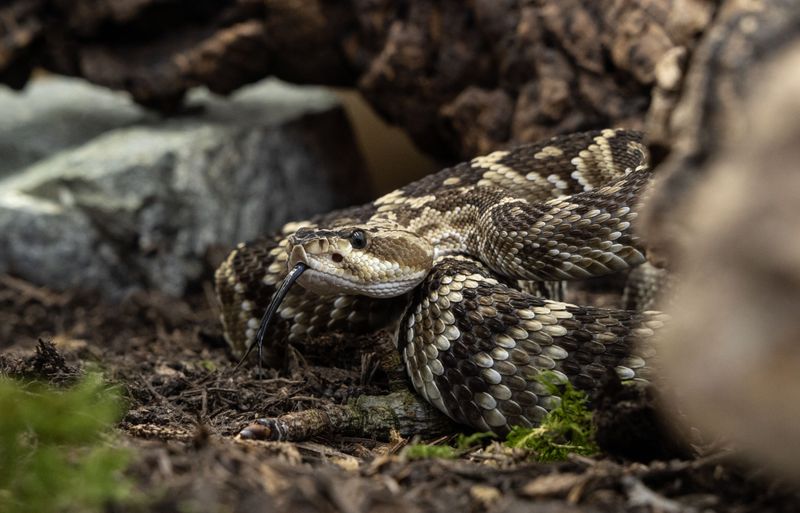
Pennsylvania has two venomous snakes: the copperhead and the timber rattlesnake. Both prefer rocky, wooded ground, and yards bordering forest see more encounters.
Bites often land on the muzzle or a paw. Swelling, pain, drooling, trembling, weakness, or collapse can develop over thirty minutes to a day.
Keep your dog calm and drive to a vet immediately. Tourniquets, ice, heat, and suction cause harm without helping.
Clear woodpiles and brush.
14. Porcupines Wandering In After Dark
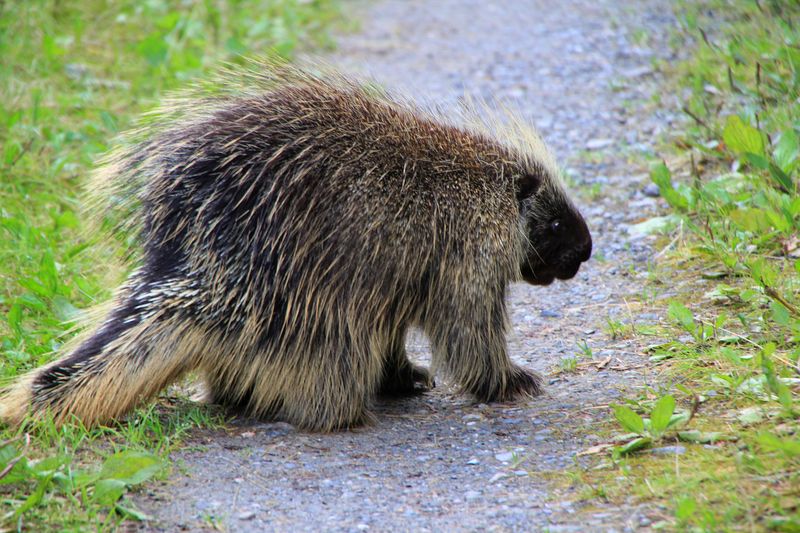
Porcupines want nothing to do with your dog. Their quills are simply excellent defense: hollow, barbed, and quick to detach.
Those barbs make quills migrate inward rather than fall out. Untreated, they cause swelling, infection, abscesses, or damage to eyes and deeper tissue.
Home removal usually breaks quills and pushes them further. Sedation at a veterinary clinic is safer and far more thorough.
Leash your dog for nighttime walks near woods.
15. Raccoons, Skunks, and Foxes Visiting the Yard
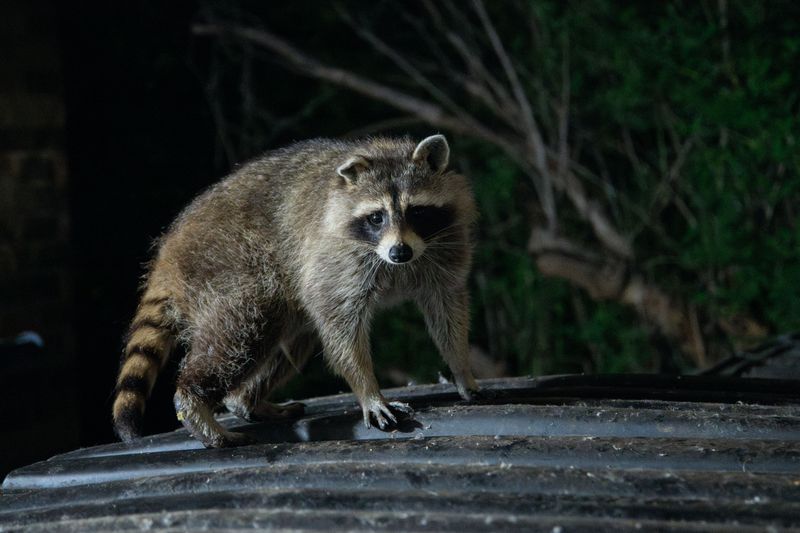
Nighttime visitors are part of life here, and rabies circulates in Pennsylvania wildlife.
State law requires rabies vaccination for dogs and cats over twelve weeks old, indoor pets included. Unvaccinated pets exposed to wildlife may face lengthy quarantine.
Foxes can also spread mange and parasites. Skunk spray irritates eyes badly; a peroxide, baking soda, and dish soap mix helps, followed by rinsing.
Secure trash, never handle wildlife, and call animal control about odd behavior.