20 Pennsylvania First-Year Dog Costs Rowhouse Owners Face Differently From Rural Families
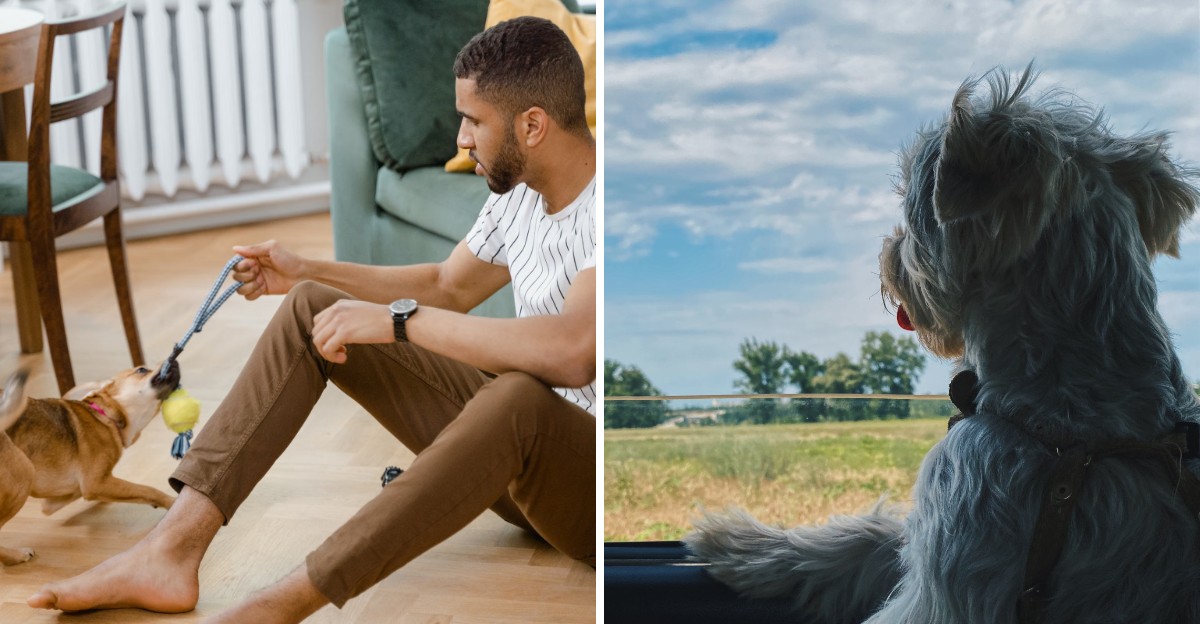
Bringing home a dog in Pennsylvania is exciting, but the first-year budget depends a lot on where you live. A rowhouse in Philadelphia or Pittsburgh brings different costs than a farmhouse in the countryside.
Some expenses grow in the city, while others climb on wide rural land. Here is a friendly, practical look at where your money may go, so you can plan with confidence.
1. Paying for Daily Dog Walkers
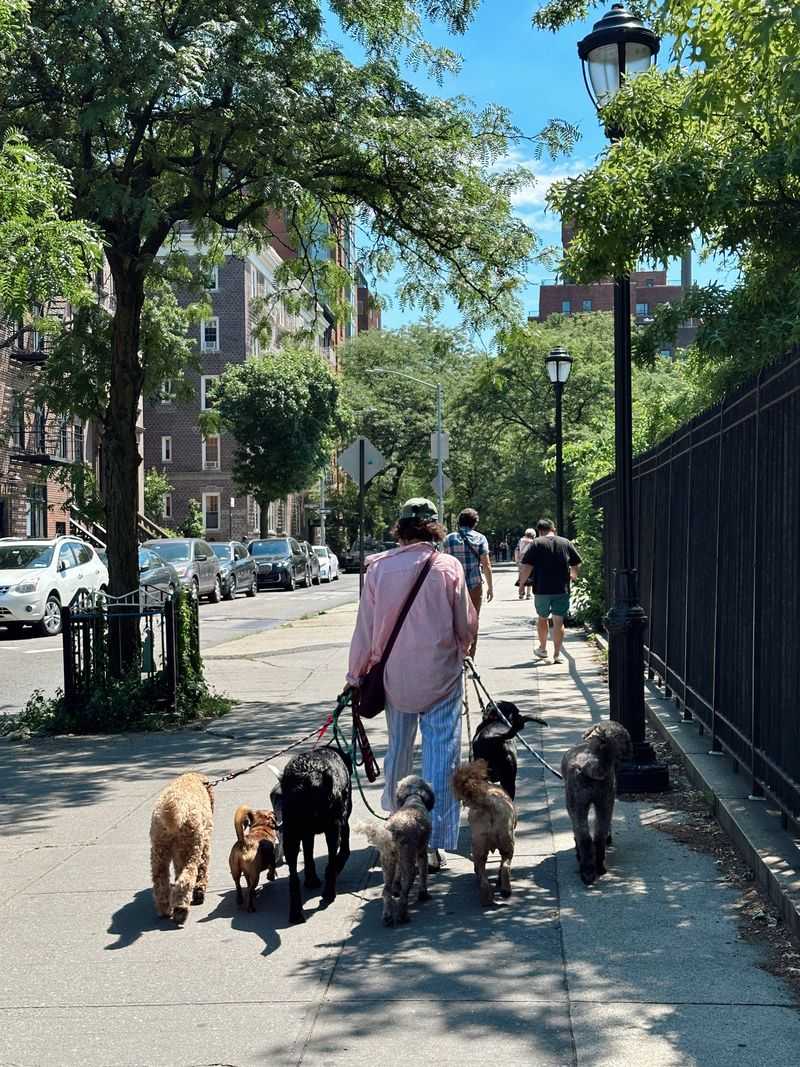
Long workdays and no backyard can make a midday walker feel essential. In Philadelphia, a 30-minute walk often runs about $18 to $25.
Five weekday walks can add up to roughly $400 a month.
Rural families usually skip this cost because open land offers easy exercise. To save in the city, ask about package rates.
You might also trade walking days with a trusted neighbor who owns a dog.
2. Fencing Bigger Rural Properties
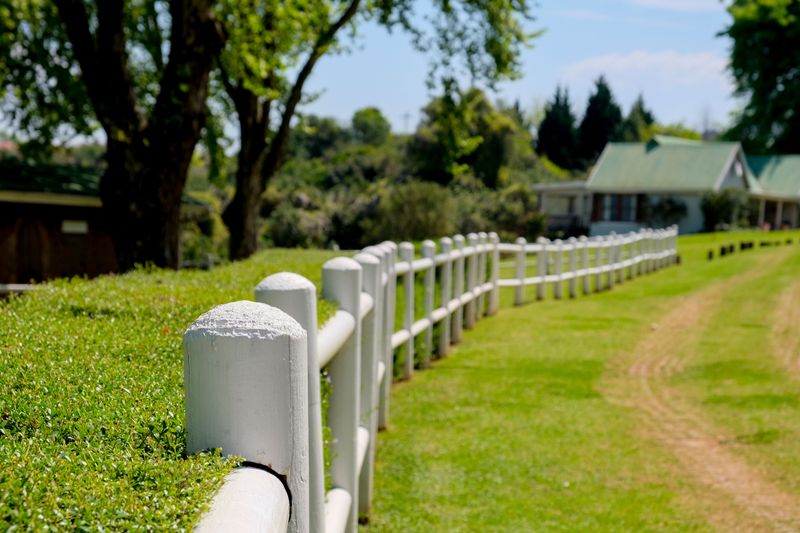
Picture a fence line stretching across an acre of farmland. Every extra foot means more posts, more material, and more labor.
Rural families often face the bigger bill here.
Pennsylvania’s Dog Law requires owners to keep dogs confined, but it does not set fence height. Local townships may have their own rules, so check first.
A 4-foot fence suits small dogs, while large breeds may need 6 feet.
3. Dog Daycare for City Pups
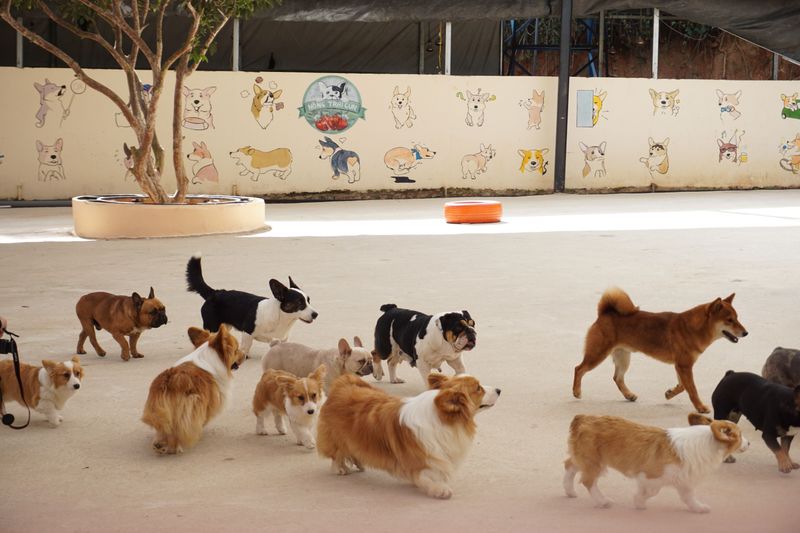
City puppies have energy to burn, and a small rowhouse cannot always handle it. Many urban owners lean on daycare for play and social time.
A full day in Philadelphia averages around $42. Near Pittsburgh, some centers charge about $36 a day, with discounted multi-day packages.
Rural owners use daycare less often, partly because fewer centers exist nearby. Buying a package can trim your yearly total nicely.
4. Indoor Potty Training Gear
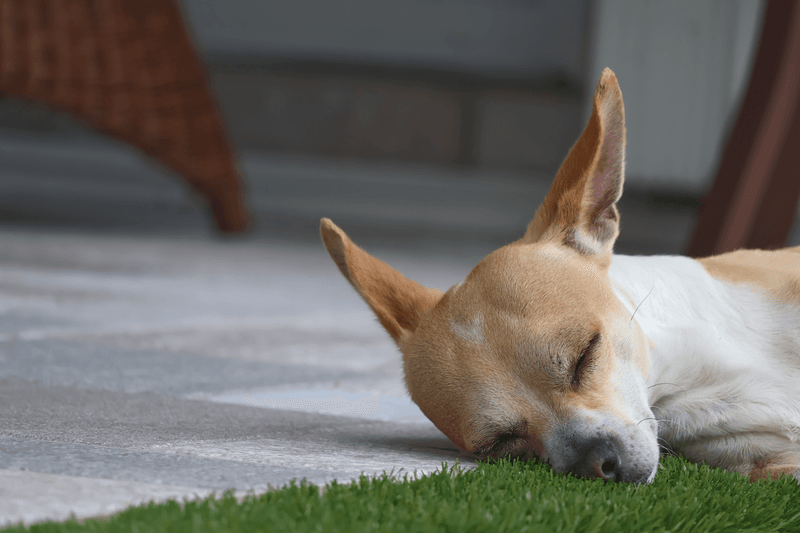
Three flights of stairs stand between some puppies and the sidewalk. That trip feels long when a little bladder cannot wait.
Rowhouse owners often buy potty pads or artificial grass patches as backup.
Rural puppies can usually step right outside onto grass. If you use indoor pads, place them near the door.
Gradually move them outside so your pup learns where the real bathroom belongs.
5. Sturdy Leashes and Harnesses
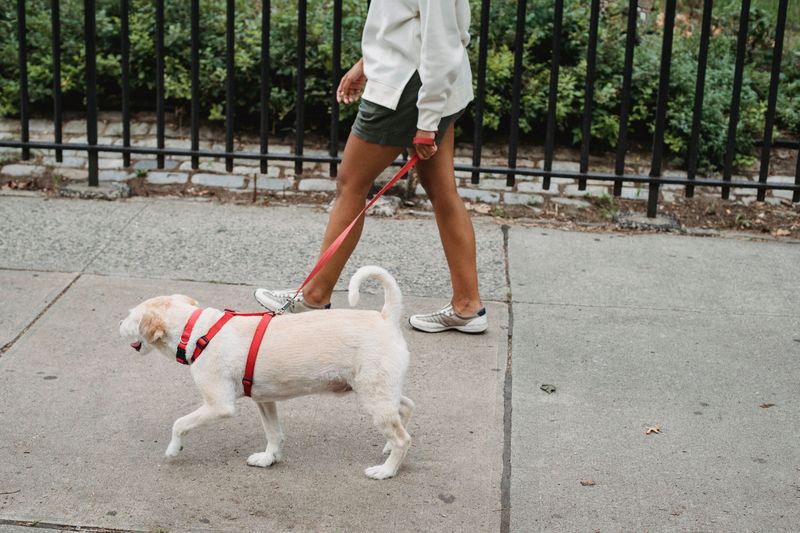
Buses rumble by, scooters zip past, and a food wrapper tempts your pup. Busy sidewalks demand gear you can trust.
Urban owners often buy a secure harness, a reflective leash, and a spare set. Pennsylvania law expects dogs to stay confined or under reasonable control.
Many cities add their own leash rules. Rural families may need less walking gear but often want a long training line.
6. Tick and Flea Protection
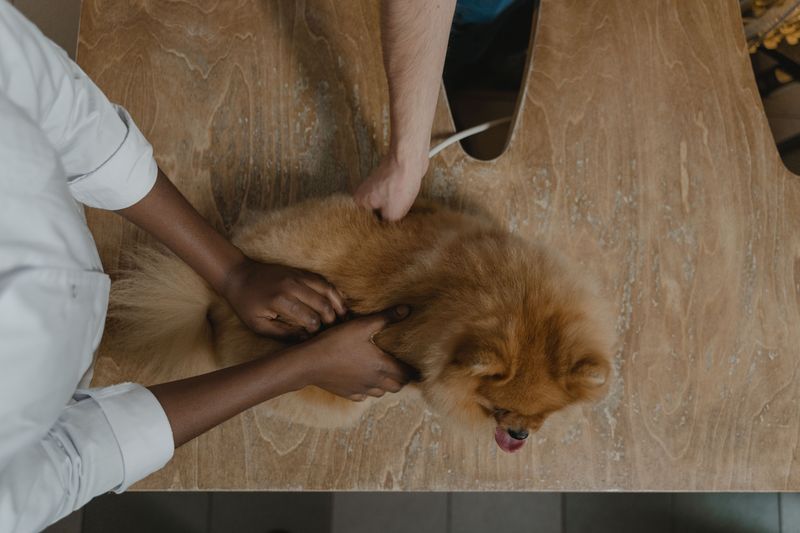
Fun fact: ticks live in all 67 Pennsylvania counties. The state is also considered high risk for Lyme disease.
So every dog needs prevention, no matter the zip code.
Rural dogs roaming fields and woods may meet far more ticks. Ticks stay active whenever temperatures rise above freezing.
Ask your veterinarian about year-round prevention. Do quick tick checks after outdoor adventures, too.
7. Training Goals That Differ
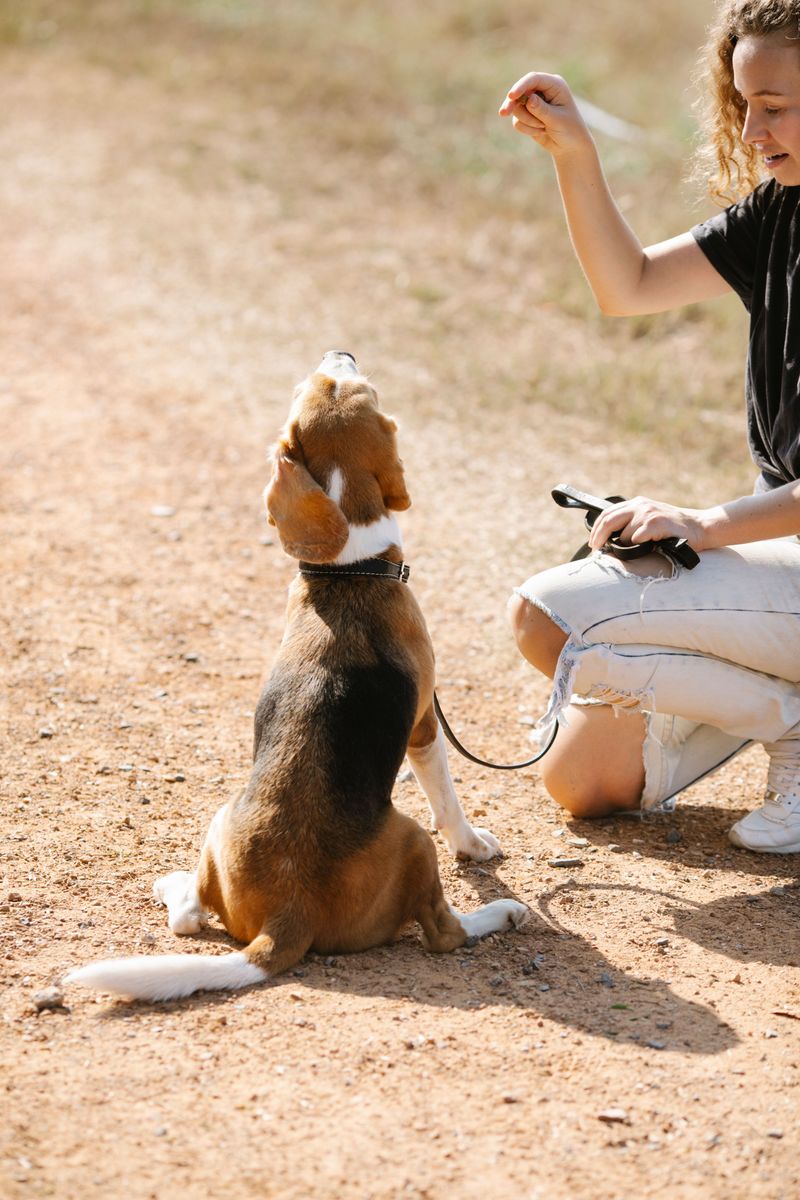
A city dog must stay calm beside strangers and crosswalks. A country dog must come back fast when a deer bounds away.
Same training budget, different lessons.
In the Lehigh Valley, six-week adult obedience courses run about $305 to $315. Board and train programs cost much more.
Choose a trainer who understands your setting. Ask whether they practice sidewalk manners or long-distance recall.
8. Getting to Puppy Classes
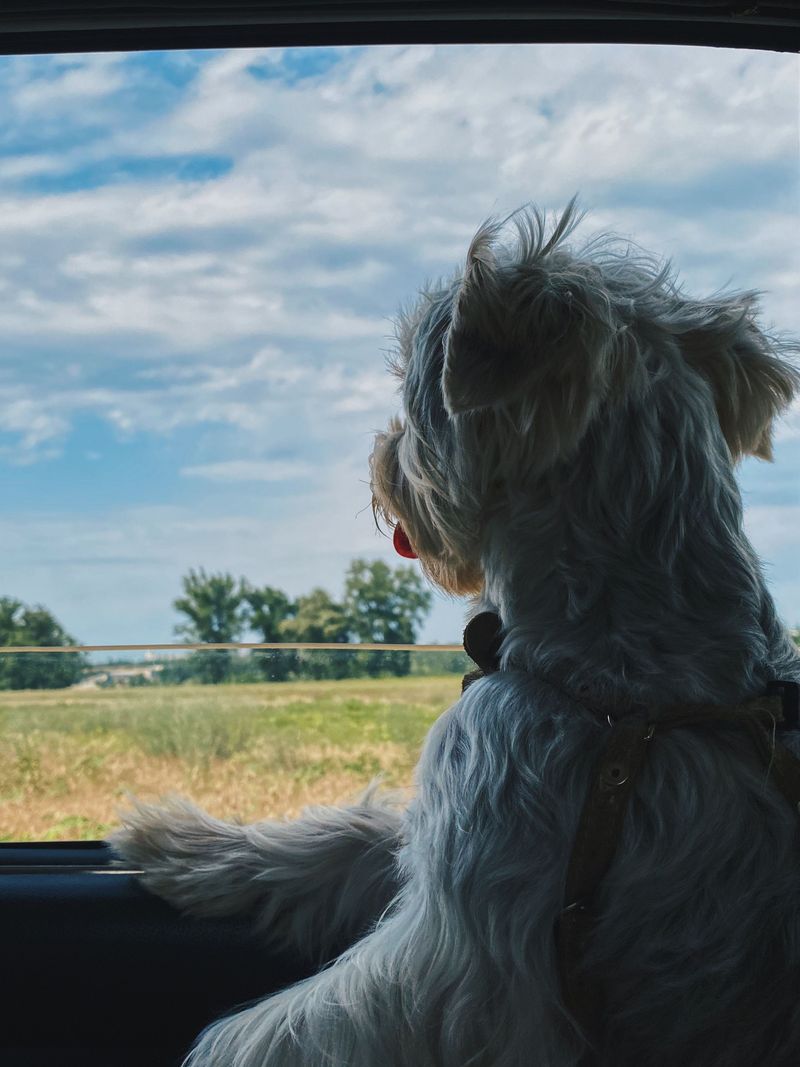
Gas money rarely shows up on a puppy checklist. For rural families, though, reaching a socialization class can mean a long weekly drive.
A six-week puppy course near Allentown costs about $295. City owners may walk or ride a short distance to class.
Rural owners should add fuel and time to the budget. Carpooling with another puppy family can ease the cost.
9. Extra Baths After Muddy Fun
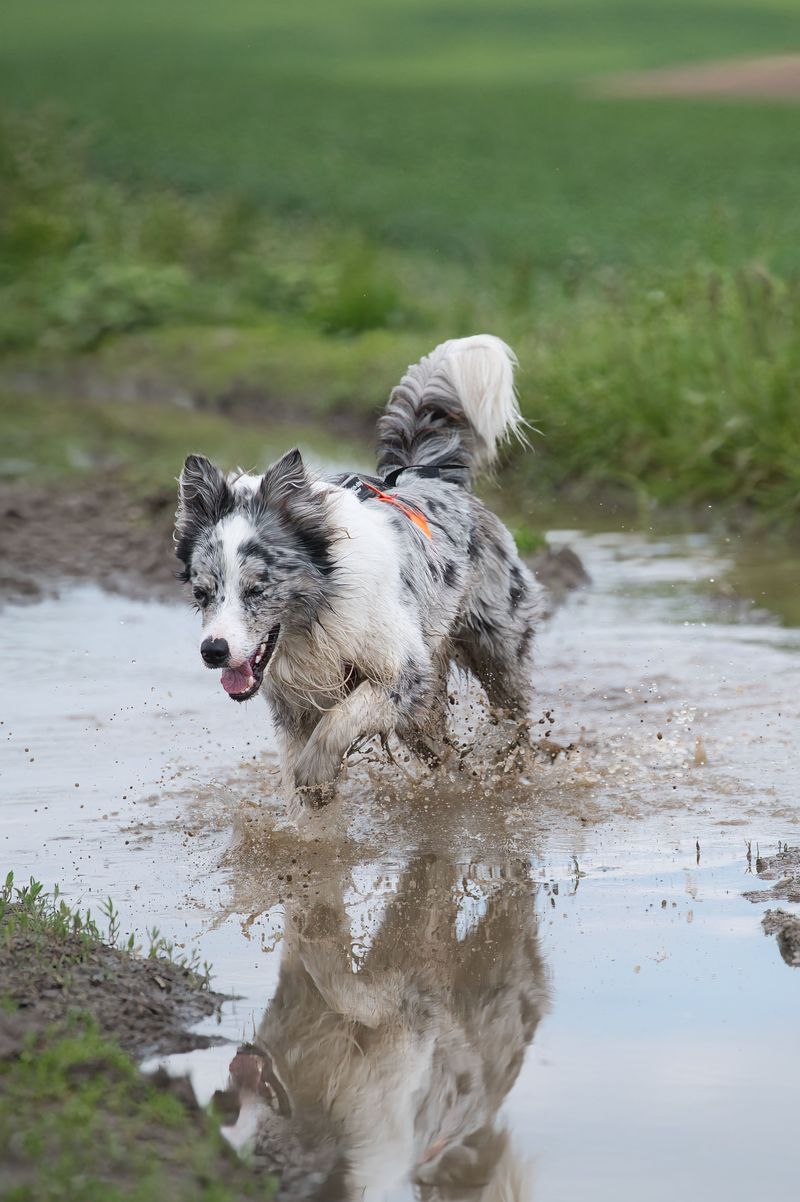
Spring rain turns country trails into mud pits, and dogs love every splash. That joy often ends with a bath.
Rural dogs may need cleaning far more often than city pups. Near Pittsburgh, a bath and nail trim can cost about $35.
Full grooming may be around $50. Owners who bathe at home should stock dog shampoo, towels, and a sprayer.
10. Protecting Paws Year-Round
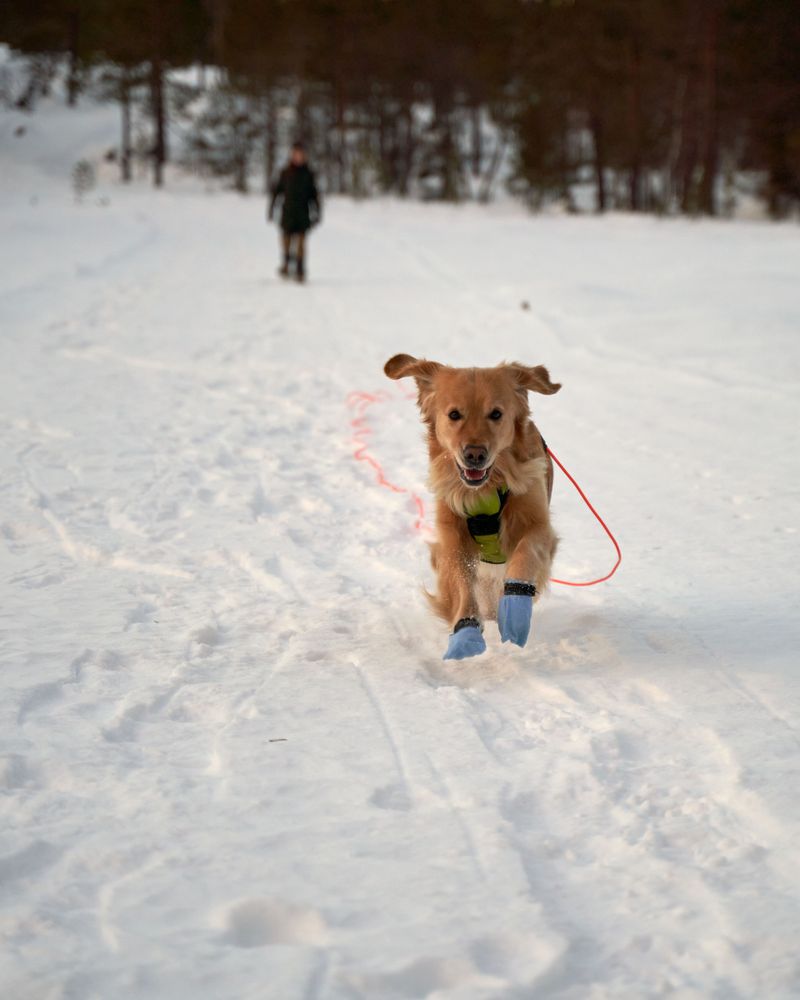
Winter sidewalks in Philadelphia often sparkle with salt. That salt can irritate tender paw pads.
City owners may buy booties or paw balm. Summer pavement can also get very hot.
Rural dogs face their own challenges, like icy fields, sharp rocks, and rough trails. Wiping paws after each walk helps everyone.
A small towel by the door is cheap and surprisingly useful.
11. Handling Pet Waste
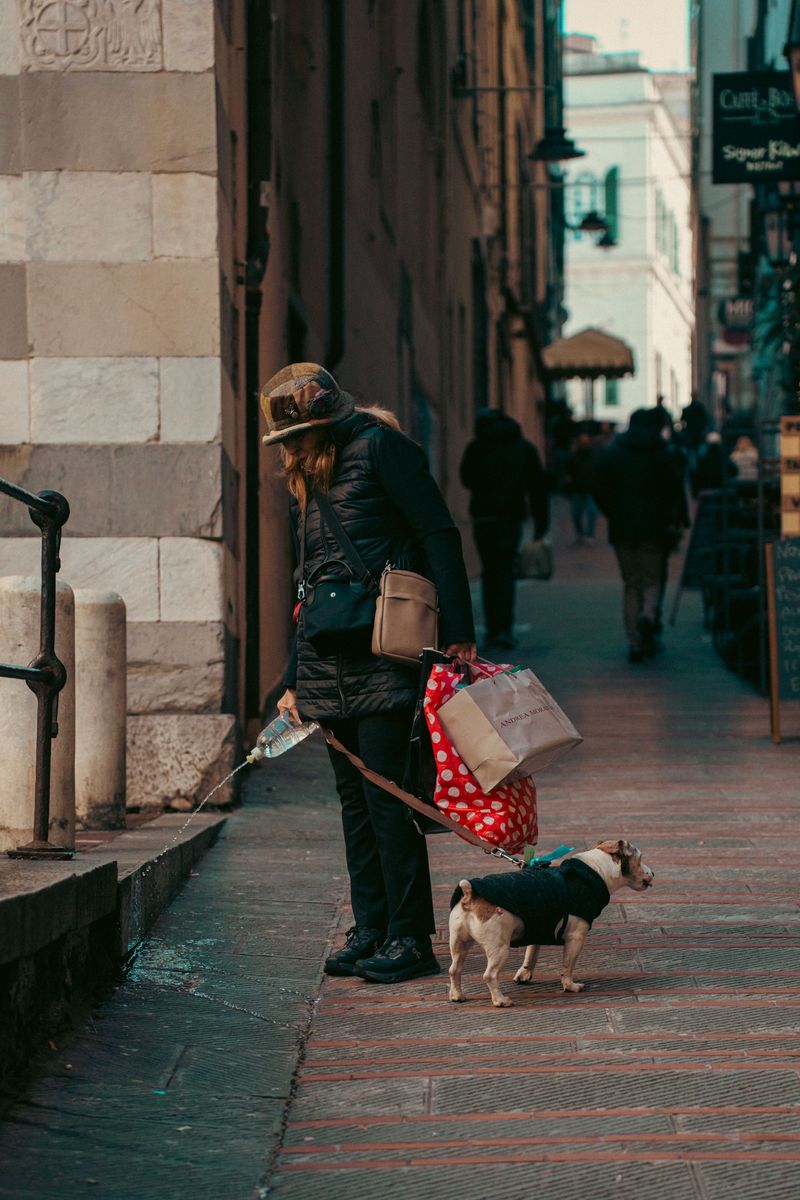
Every single city walk needs a bag, and that adds up quickly. Urban areas often enforce pickup rules, so supplies matter.
Small packs cost about $10 to $20, while bulk cases can top $60. Rural families still need bags for outings.
At home, though, they may prefer a scooper and rake for the yard. Buying bulk bags early usually saves city owners money.
12. Traveling to the Vet
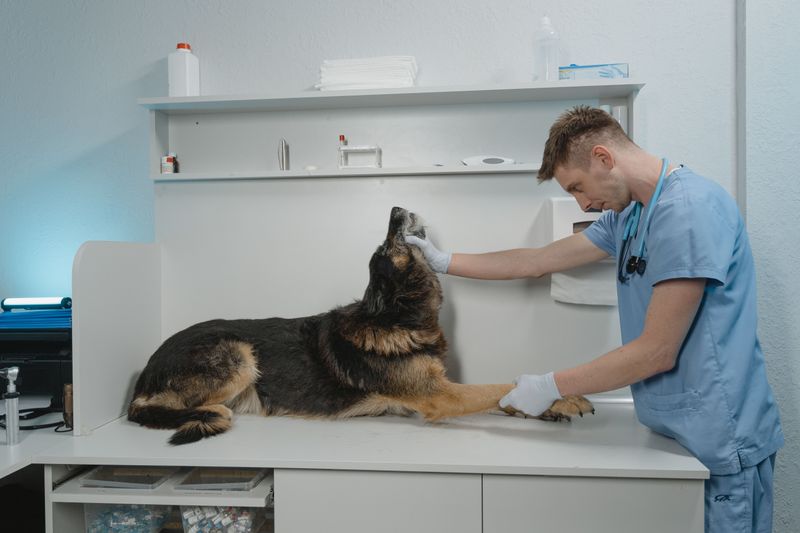
A routine Pennsylvania vet visit has a median cost near $75. Getting there costs extra, and it varies by location.
Rural families may drive many miles, spending more on fuel and time. City owners might pay for parking, which can run $11 to $50 near some Philadelphia clinics.
Ask your clinic about parking discounts. Grouping appointments together can also cut trips.
13. Staying Safe Around Wildlife
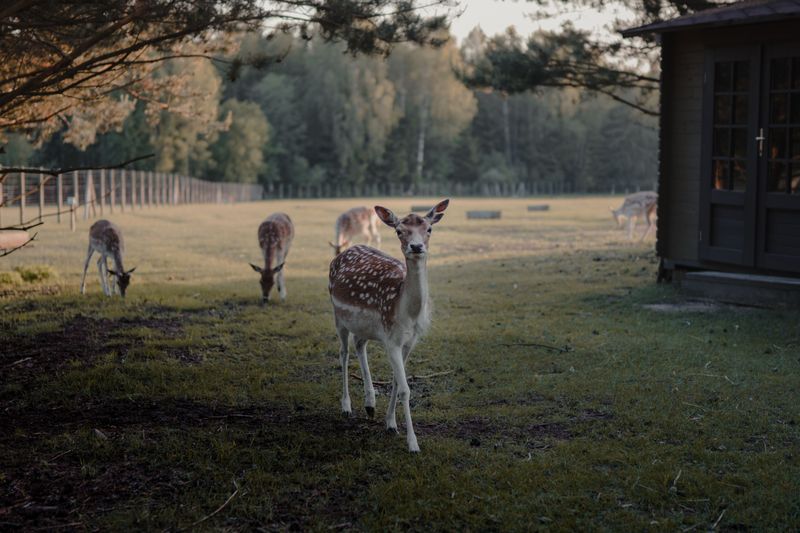
Deer, foxes, and coyotes all share Pennsylvania’s countryside. A curious dog may want to chase them.
Rural owners often spend more on recall training and secure containment. A long line, a reliable fence, and evening supervision all help.
City dogs meet squirrels more than coyotes. Still, both groups benefit from a solid leave it cue.
Ask local trainers about wildlife-focused lessons.
14. Rowhouse Home Protection
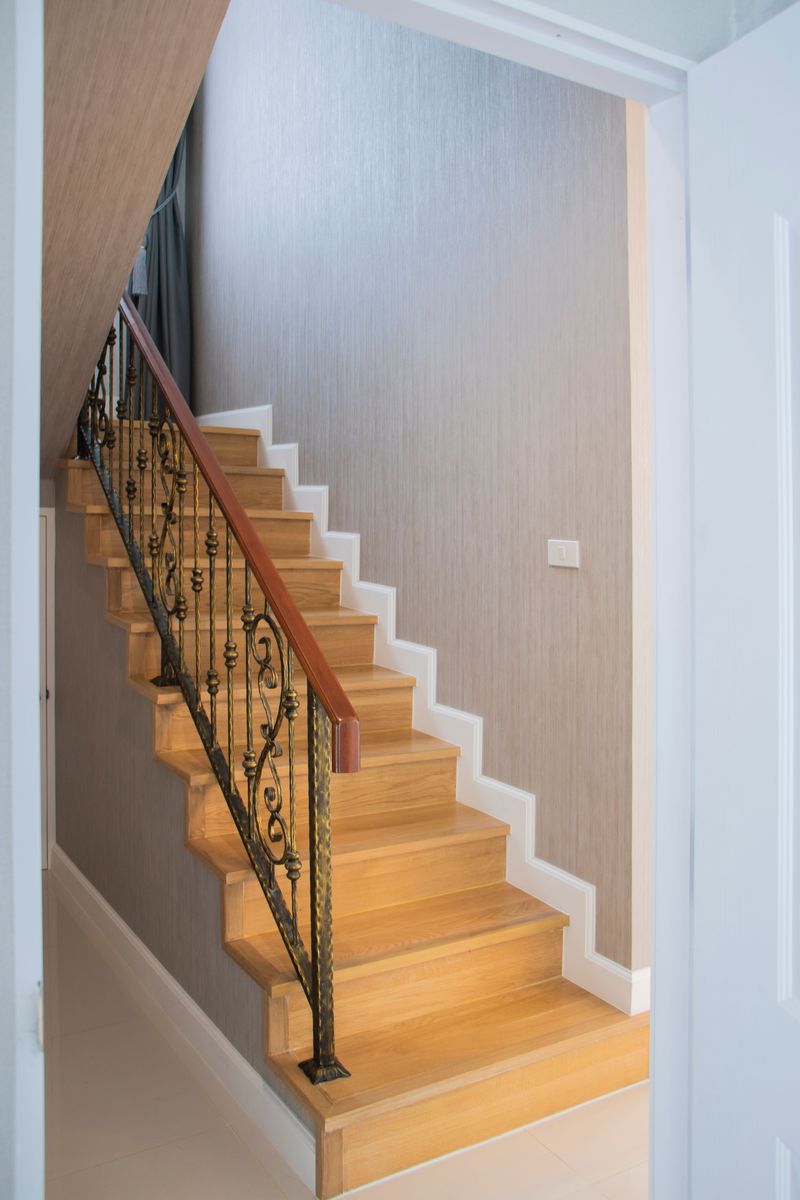
Steep, narrow stairs are a rowhouse classic. They are tricky for wobbly puppies.
Many city owners buy stair gates, washable rugs, and floor covers for accidents. Shared walls add another concern: barking that neighbors can hear.
White noise machines or soft rugs can help soften sound. Spending a little here keeps your home cozy and your neighbors friendly.
15. Outdoor Shelter and Shade
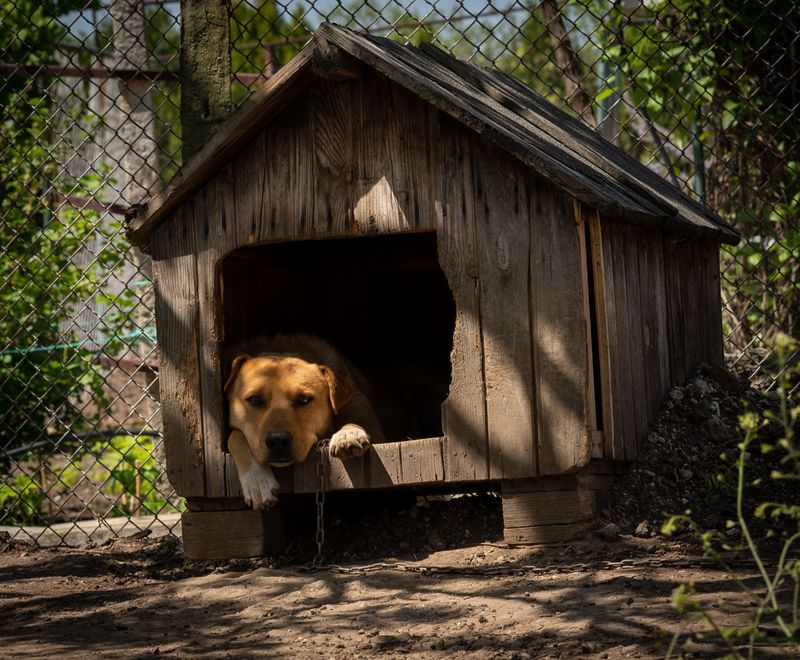
Country dogs often spend long hours outside. Good shelter becomes a real budget item.
Rural families may buy insulated dog houses, shade structures, or kennels. Pennsylvania law limits keeping a dog outside over 30 minutes at 32 degrees or below without proper shelter.
Hot summers matter too, so plan for shade and fresh water. Your veterinarian can share tips for your breed.
16. Indoor Versus Outdoor Exercise Gear
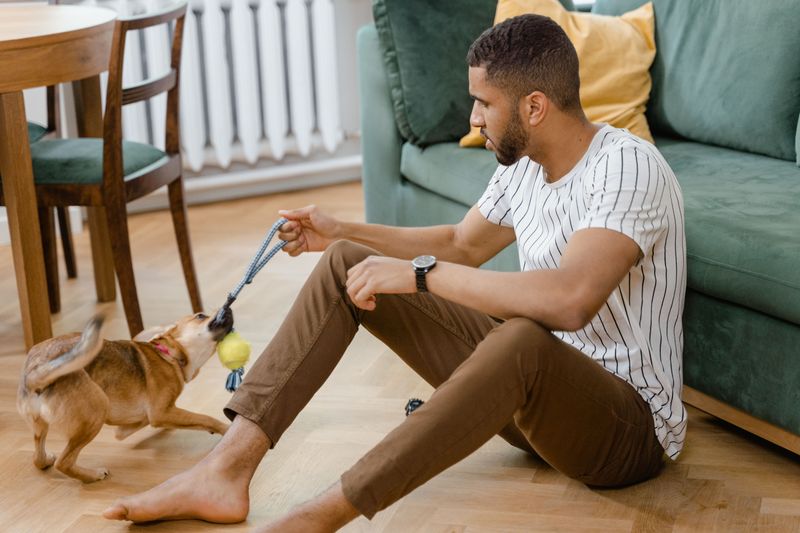
Rainy days in a small rowhouse call for creativity. Puzzle toys, snuffle mats, and tug ropes keep city minds busy.
Some urban owners even buy a dog treadmill. Rural families, with plenty of space, may choose agility jumps or tunnels instead.
Both approaches work well. Start small and see what your dog enjoys before buying bigger equipment.
17. Finding Sitters and Boarding
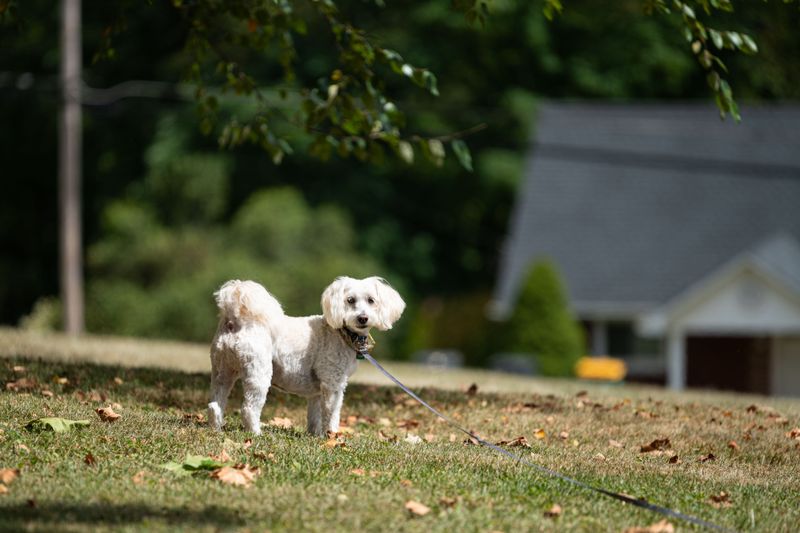
Vacation plans bring a new question: who watches the dog? City owners usually have many nearby choices.
Philadelphia boarding averages about $52 per night. In Reading, nightly rates may run $35 to $42.
Rural owners might have fewer options and pay travel fees for in-home sitters. Book holidays early, since rates often climb then.
A trial overnight can reduce surprises.
18. Keeping Up the Yard
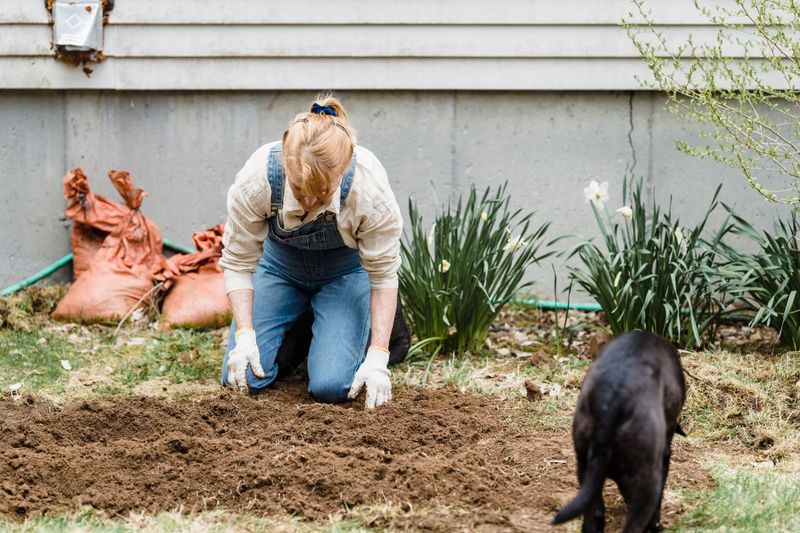
Dogs dig, run tracks into grass, and leave brown spots behind. Big yards mean big repair jobs.
Rural families may spend more on reseeding, dog-safe plants, and clearing brush. Short grass and cleared leaf litter also help reduce tick habitats.
Check plant choices with your veterinarian or extension office. Some common garden plants are not friendly to dogs.
19. Planning for Emergency Visits

Nobody plans an urgent vet trip, but a little preparation helps. In Pennsylvania, emergency exams have a median cost near $148.
Treatment can push the total much higher. Rural families may face long drives to the nearest emergency hospital.
City owners may pay for parking or rideshares. Save the closest clinic’s number and address now.
An emergency savings fund or pet insurance offers peace of mind.
20. Winter Path Upkeep
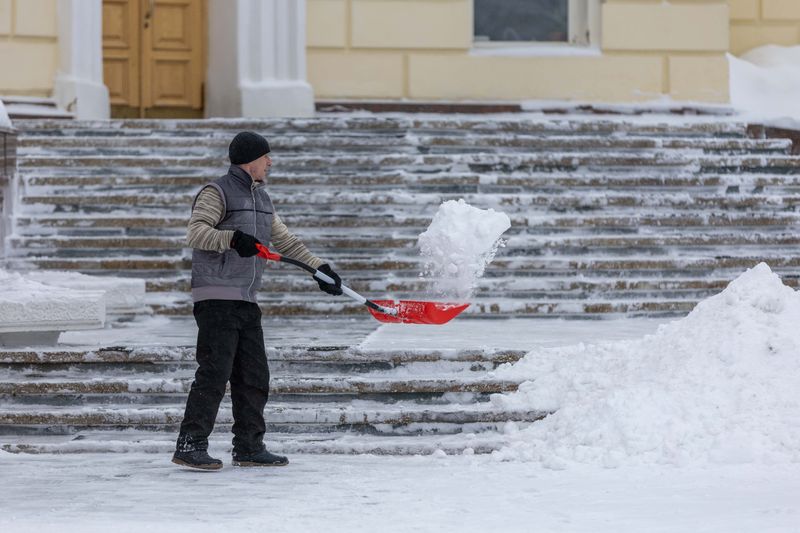
Snow days look magical until your dog needs to go out. Each household handles winter differently.
Rowhouse owners often buy pet-safe ice melt and a sturdy shovel for the front sidewalk. Rural families may need a snow blower or extra time to clear long paths.
Either way, a cleared route keeps paws safe. Stock supplies before the first storm arrives.