What New York Dog Owners Should Know Before Taking A Dog On Metro-North Or The Long Island Rail Road
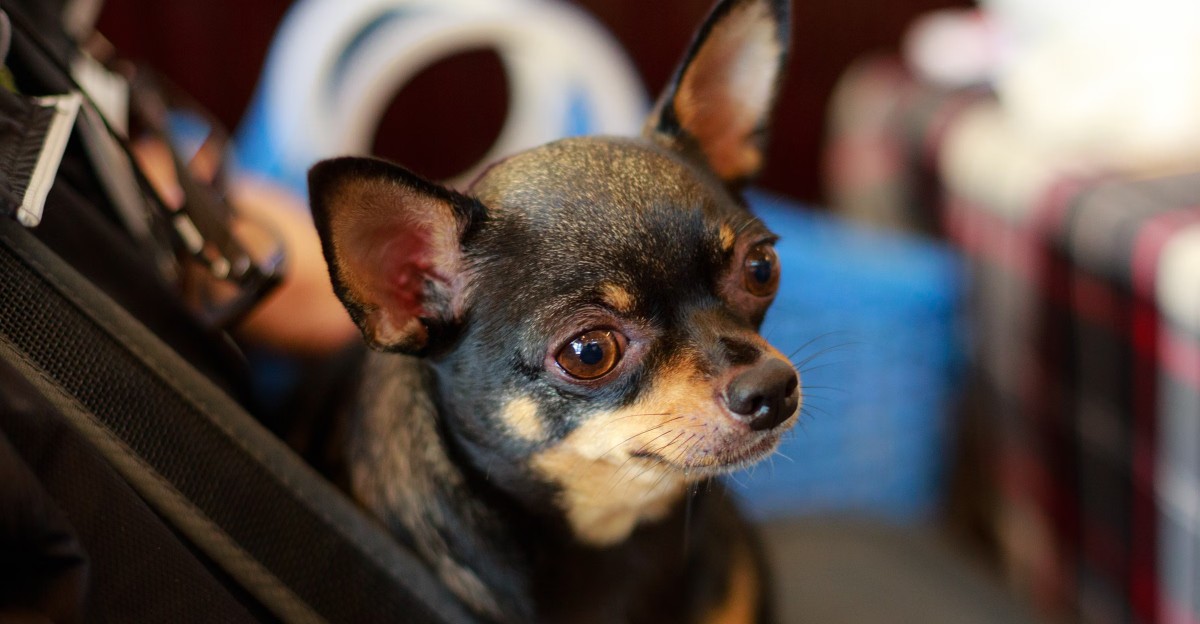
Taking your dog on a train ride out of the city can feel like a small adventure for both of you. Still, Metro-North and the Long Island Rail Road do not share the same pet rules, and the subway has its own as well.
Knowing the basics ahead of time keeps your trip smooth, calm, and friendly for everyone on board. Here is what every local dog owner should understand before heading to the platform.
1. Metro-North Gives You Two Options
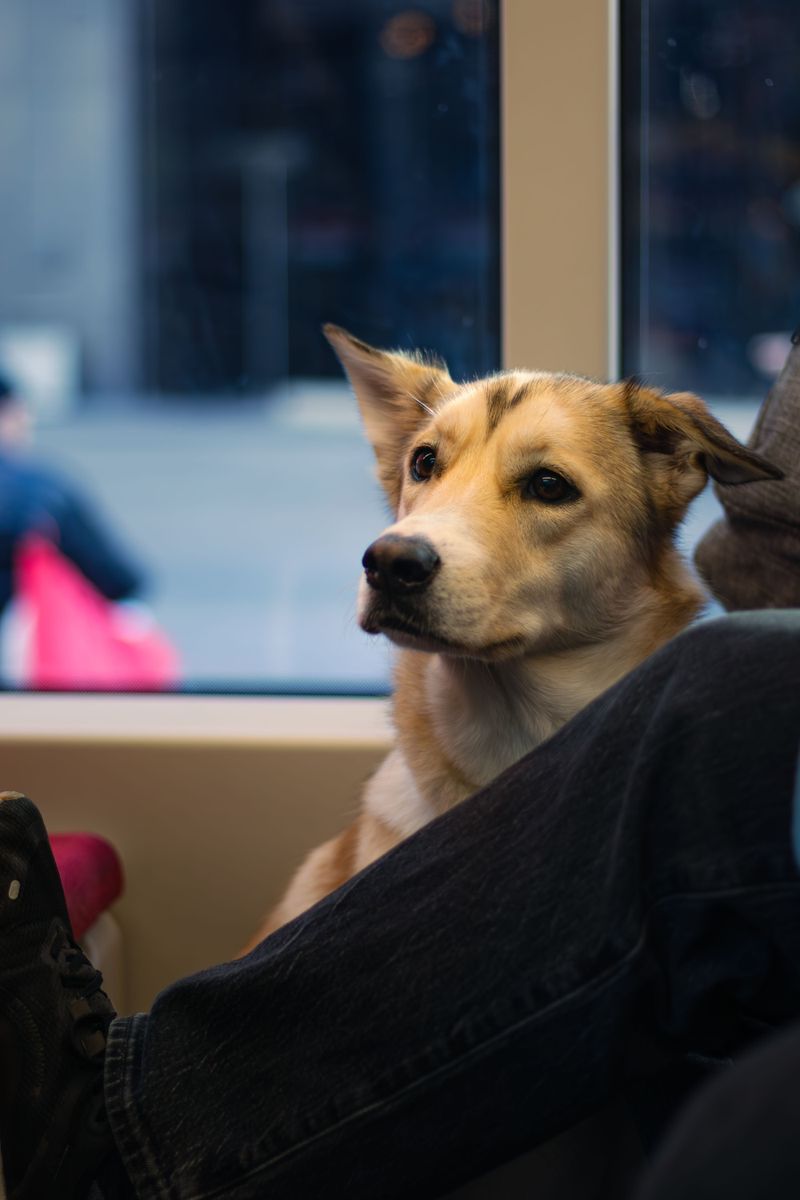
Good news for Hudson Valley and Connecticut riders: Metro-North is one of the friendlier railroads for dogs. Your pet can ride in a carrier or travel securely controlled on a leash.
No specific size or weight limit is listed for leashed dogs. The key condition is good behavior that does not bother other riders.
That flexibility makes day trips to towns like Beacon or Cold Spring much easier for owners of medium and larger dogs.
2. The LIRR Lap Rule
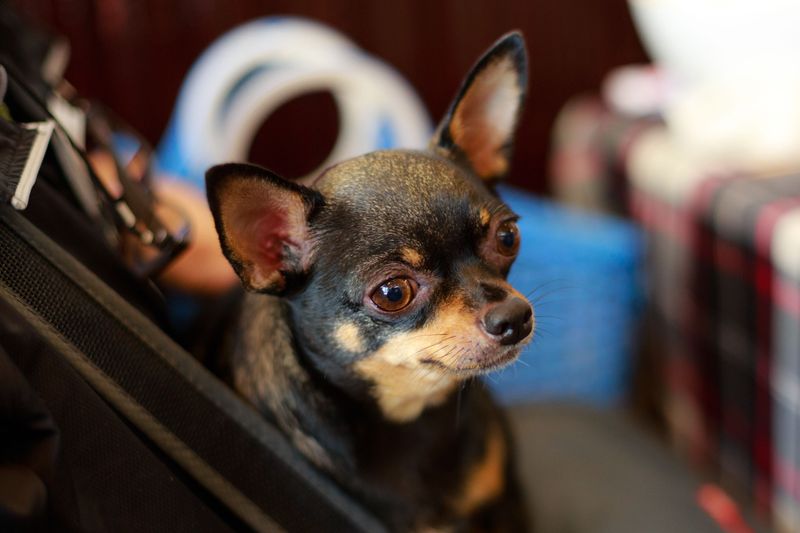
Long Island trips work a little differently. The Long Island Rail Road requires pet dogs to travel inside a container.
That container must fit on your lap. It should also be carried in a way that does not annoy fellow passengers.
Small breeds like Chihuahuas, Yorkies, and toy poodles usually manage this fine. Practice at home first, so your pup feels relaxed resting on your knees for the full ride.
3. Big Dogs and the Long Island Line
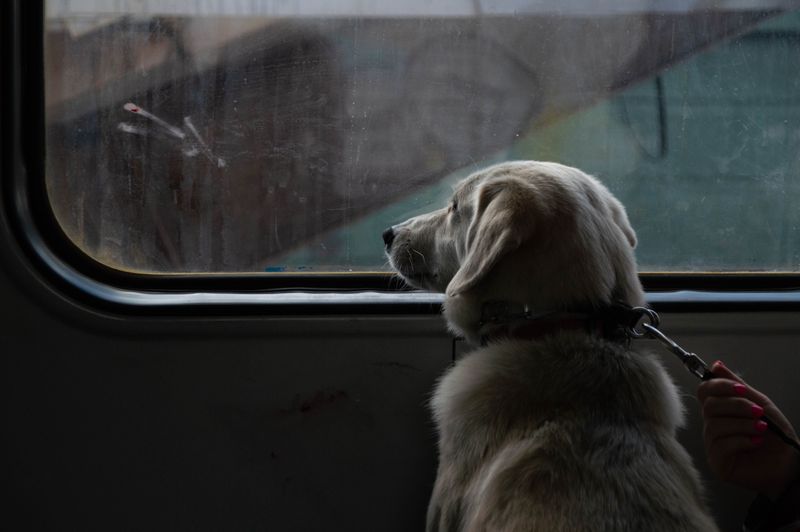
Love a Labrador or a shepherd mix? You may need a different plan for Long Island travel.
Large dogs that cannot fit in a suitable lap-sized carrier generally cannot ride the LIRR as regular pets. Since the lap rule is firm, size matters a great deal here.
Many owners of bigger dogs drive, use pet-friendly car services, or ask a friend for a lift. Planning ahead saves a disappointing moment at the station.
4. Muzzles Are Usually Optional on Metro-North
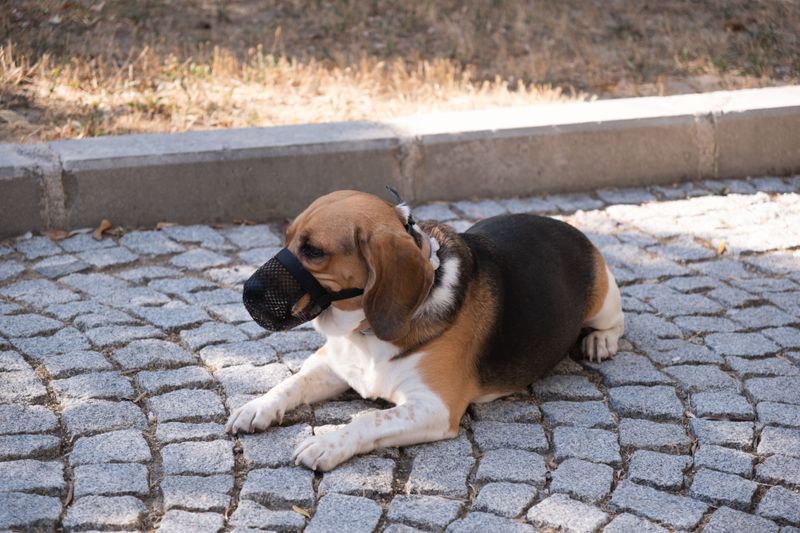
Some owners worry they will need to buy a muzzle before boarding. On Metro-North, that is generally not required for leashed dogs.
Your dog still needs to stay calm and well-mannered. A muzzle may be a sensible personal choice if your pet gets nervous around strangers.
If you go that route, a basket style lets your dog pant and drink. Introduce it slowly at home with treats.
5. Control Starts Before the Train Arrives
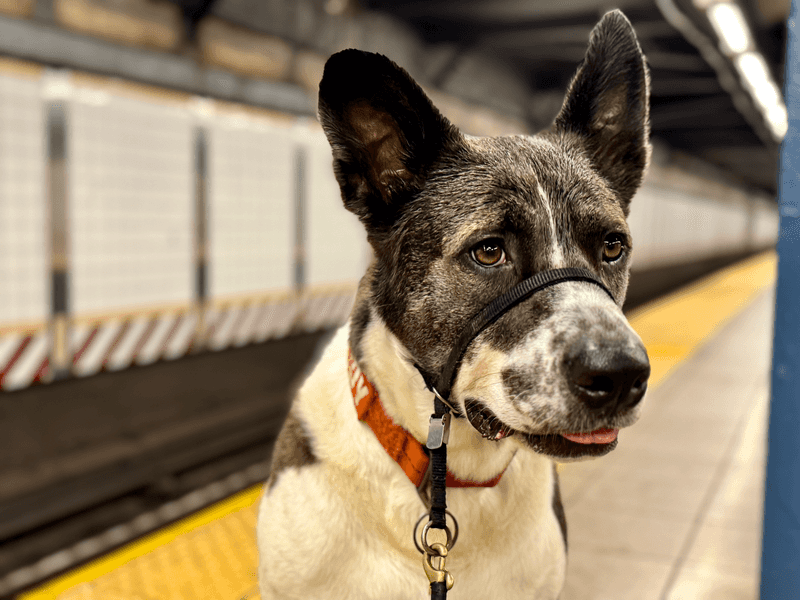
Think of the trip as beginning the moment you enter the station. Your dog must stay under control throughout the journey, including platforms and waiting areas.
Stations can be loud and crowded. Announcements echo, trains rumble, and people rush past with bags.
Keep your pet close, focused, and calm from the ticket machine to your seat. A few treats in your pocket can help hold their attention.
6. Seats Belong to People
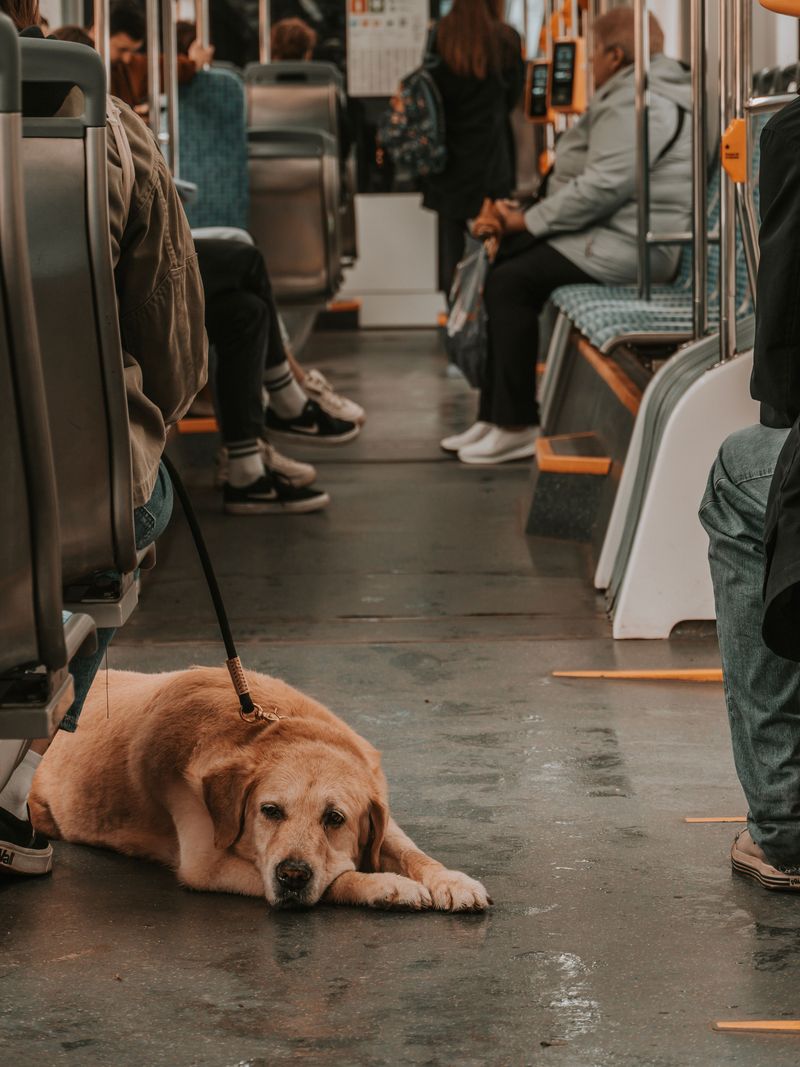
Even the cutest pup cannot claim a seat on the train. Pet dogs must not occupy passenger seats.
They also cannot block aisles or doorways. Conductors and riders need clear paths, especially at busy stops.
For leashed dogs, a spot at your feet works well. Carriers can sit on your lap or tucked close to your legs.
Keeping things tidy shows respect and helps keep dogs welcome on board.
7. Choosing a Comfortable Carrier
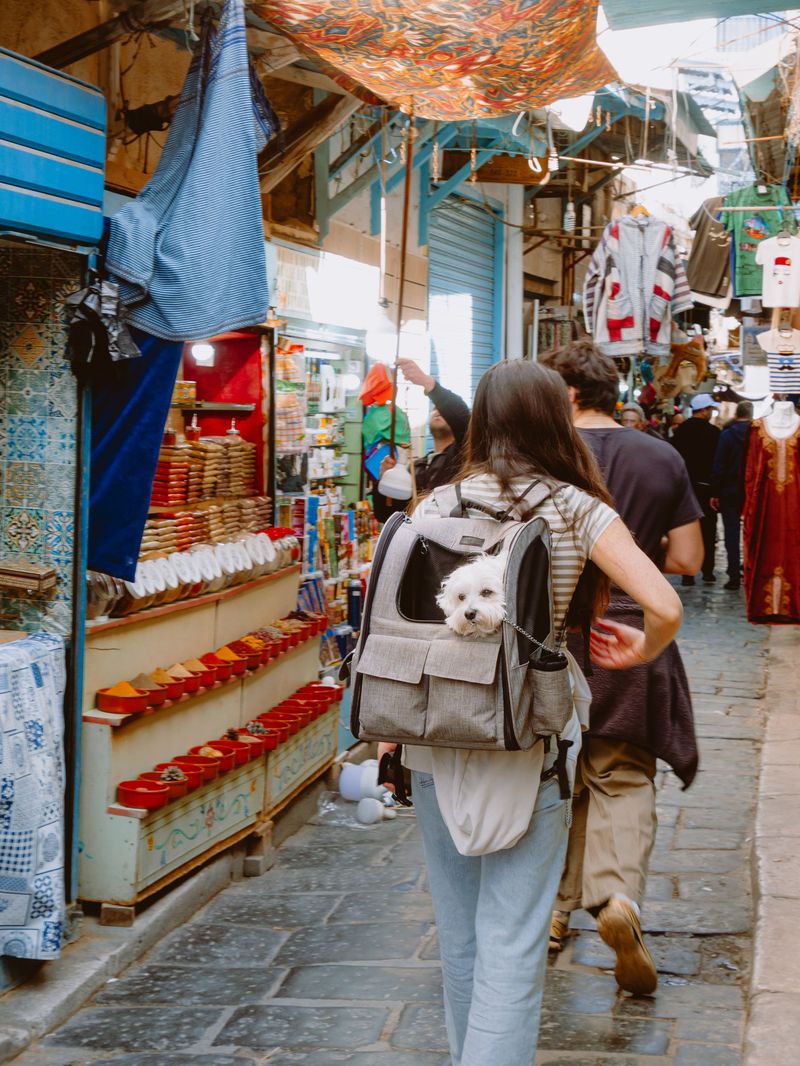
A good carrier is like a cozy travel room for your dog. It should be secure, well ventilated, and comfortable.
Look for strong zippers, mesh panels, and a sturdy bottom. Your dog should be able to stand, turn around, and lie down easily inside.
Add a familiar blanket that smells like home. Let your pet nap in the carrier for a week before the trip, so it feels safe.
8. Keeping the Peace on Board
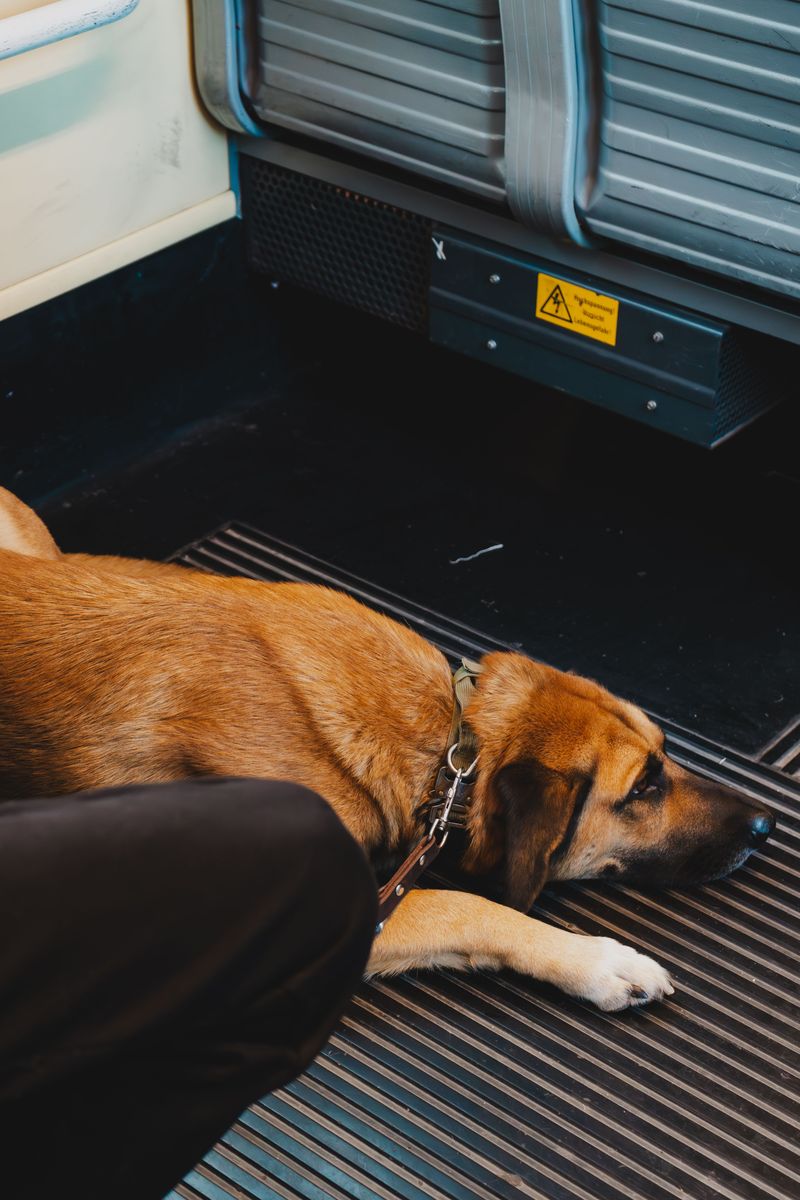
Picture a car full of tired commuters heading home. Constant barking would not make anyone’s evening better.
Dogs must not disturb other passengers with excessive barking, aggression, or disruptive behavior. Crew members may ask you to leave if problems continue.
If your dog is still learning manners, start with short rides. Reward quiet moments.
Sitting near the end of the car can also give everyone a little more space.
9. Service Dogs Ride Freely
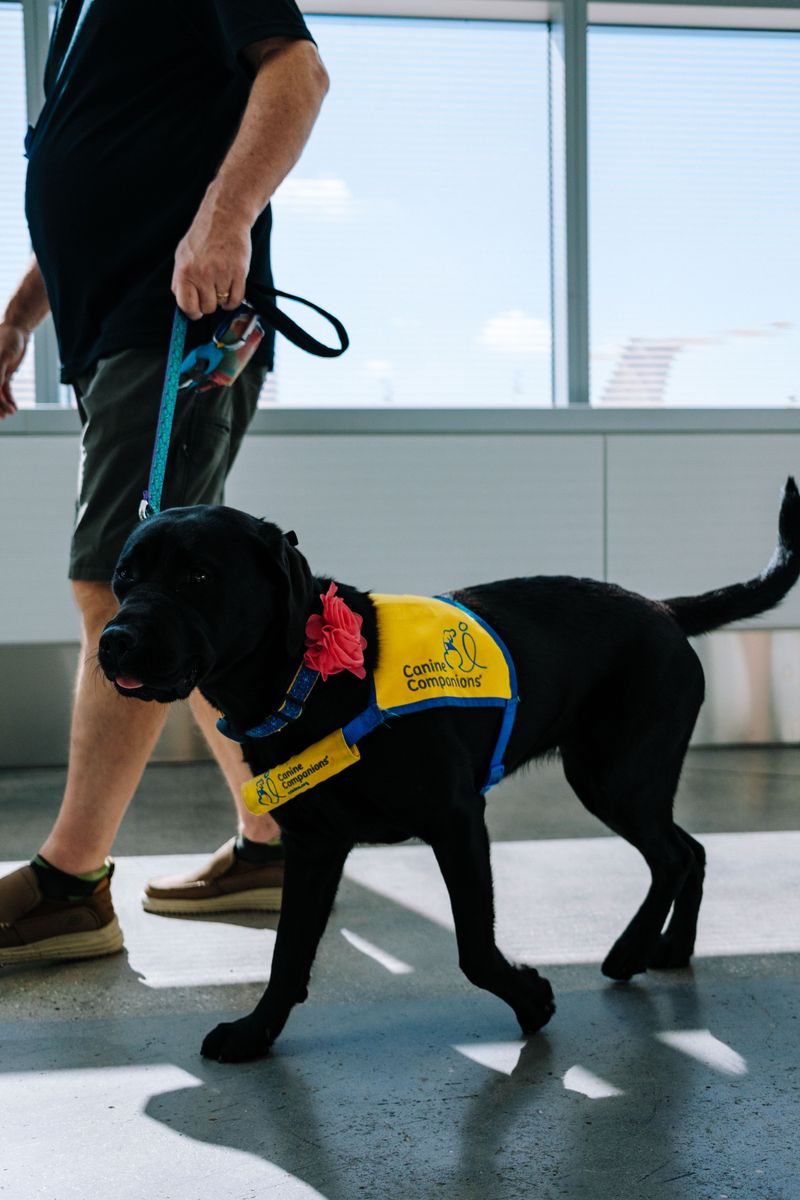
Trained service dogs have a special place in transit rules. They may ride both Metro-North and the LIRR without a carrier.
The handler must keep the dog under control, usually with a harness or leash. Identification is not required to travel on MTA service.
If you see a service dog working, give it space. Avoid petting or calling to it, since distractions can interrupt its important job.
10. Emotional Support Animals Follow Pet Rules
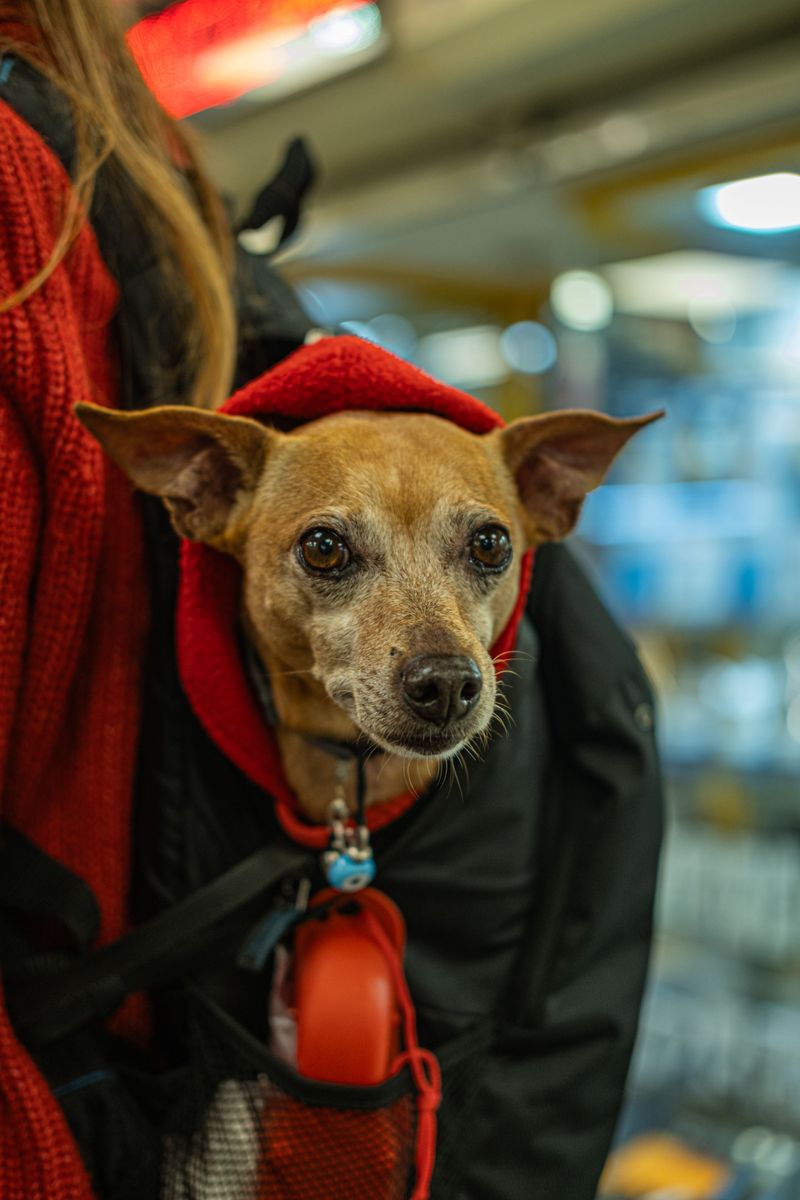
Many people find real comfort in their emotional support animals. Transit rules, though, treat them differently from trained service dogs.
Emotional support animals are generally subject to ordinary pet rules. In most cases, that means they need to ride in a carrier.
On the LIRR, the lap-sized container rule applies. If you are unsure about your situation, contact the MTA directly before your trip for clear guidance.
11. Subway and Bus Bag Rules
You may have seen photos of big dogs riding the subway in tote bags. There is a reason behind that funny sight.
NYC subways and buses require pet dogs to be carried in a bag or suitable container. The container must fully enclose your pet.
It also cannot block walkways or take up seats. A leash alone will not meet the rule underground or on city buses.
12. Planning a Smooth Transfer
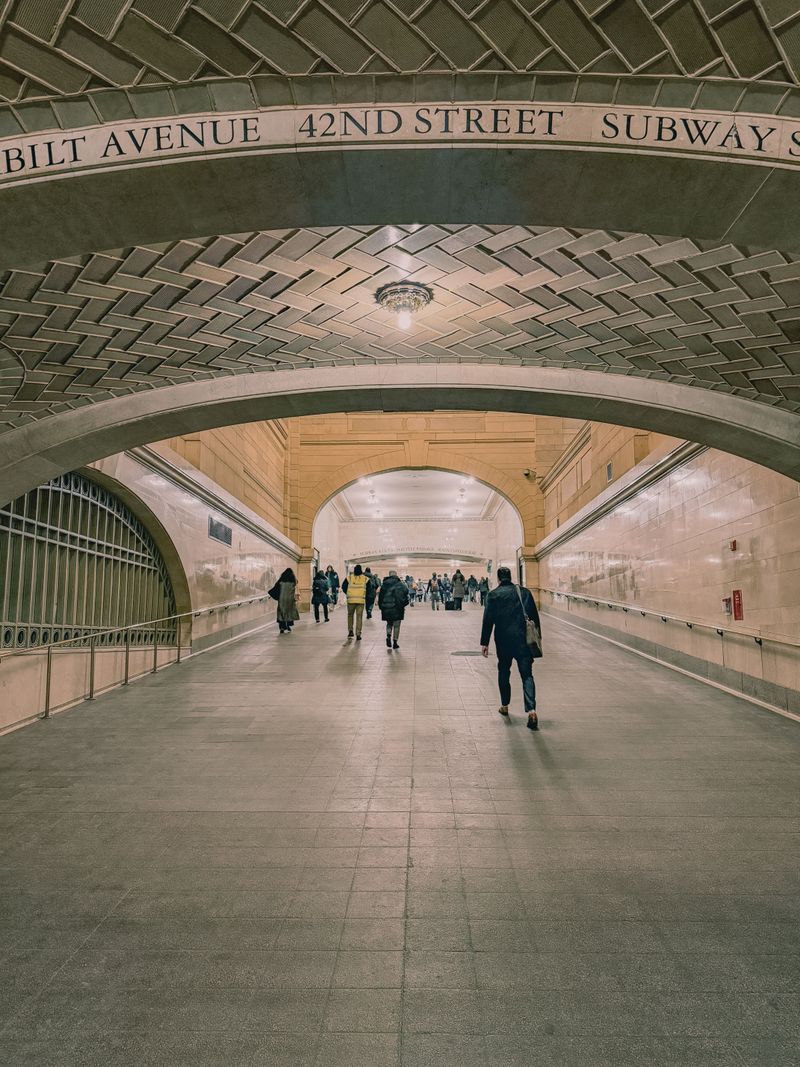
Grand Central is a busy meeting point of two worlds. Metro-North may welcome your leashed dog, but the subway below expects a bag.
If you plan to transfer, pack a carrier that suits both systems. A leash-only plan could leave you stuck at the turnstile.
Think through each leg of the trip at home. A quick checklist helps you switch trains without stress or surprise.
13. Pick Quieter Travel Times
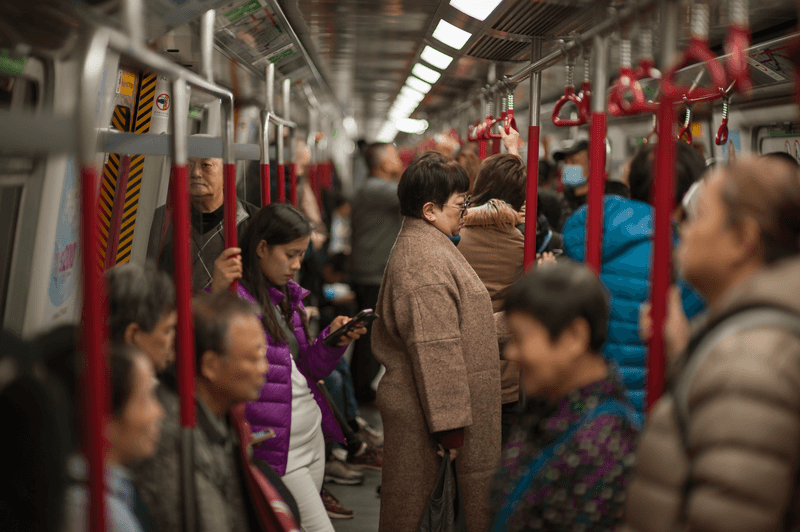
Rush hour can test anyone’s patience, including your pup’s. Crowded cars bring noise, bumping bags, and very little room.
Traveling during quieter, off-peak periods can lower stress for dogs and other riders. Midday and weekend trains often feel much calmer.
Metro-North is especially known for being friendlier to larger leashed dogs during off-peak times. Checking schedules helps you find the most peaceful ride.
14. A Good Walk Before Boarding
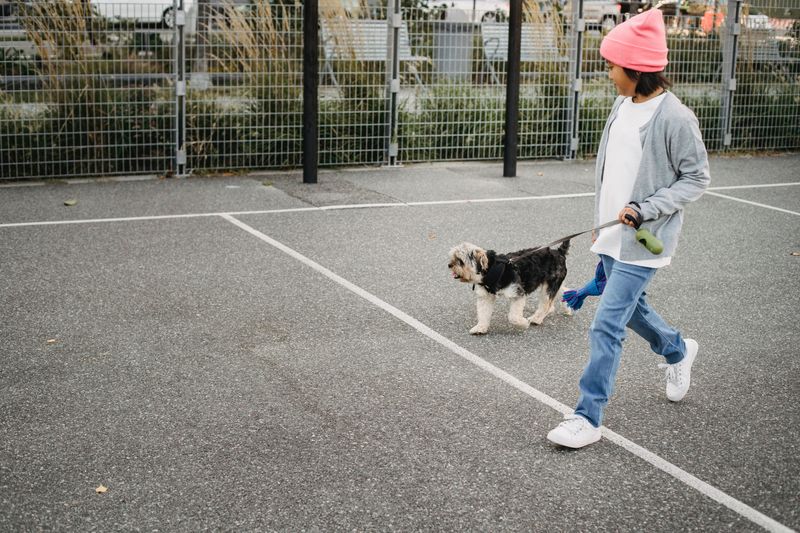
A tired dog is usually a calm passenger. Before heading to the station, give your pet a solid walk or play session.
Bathroom breaks matter too. Trains do not offer stops for quick relief.
Some owners limit water an hour or two before short trips. Always offer water on longer journeys, though.
Let your dog sniff around outside the station for a few minutes before boarding.
15. Packing the Right Supplies
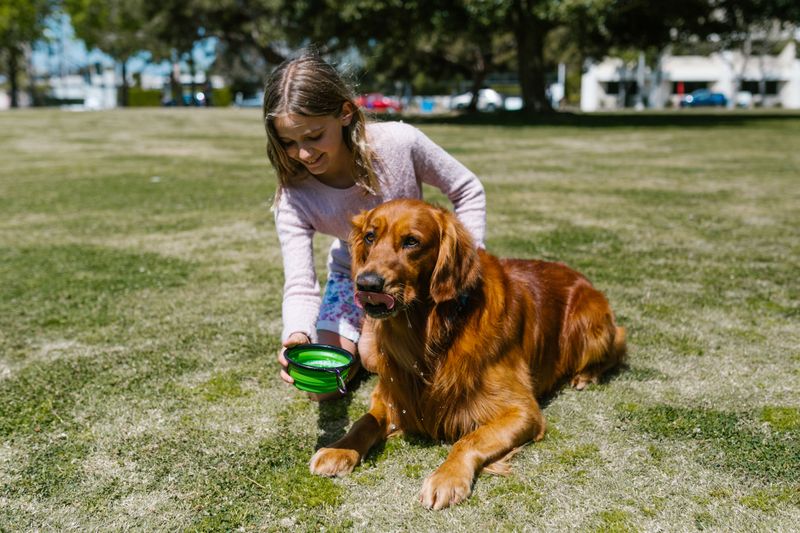
Longer rides call for a small travel kit. Pack water and a collapsible bowl for your dog.
Bring waste bags, wipes, and paper towels for cleanup. Absorbent pads or travel diapers can help with surprise accidents.
If your dog takes medication, keep it handy rather than buried in a suitcase. Ask your veterinarian about anything your pet might need for travel jitters.
16. Short Leash, Safe Steps
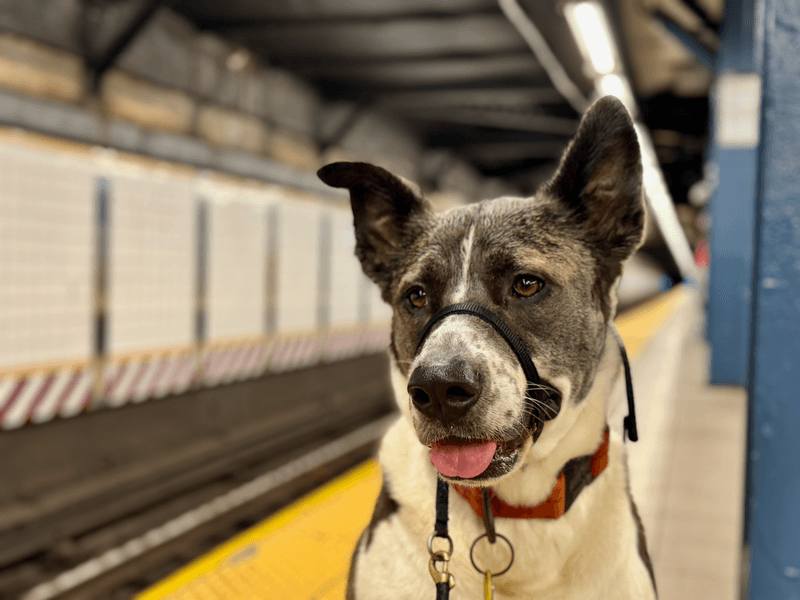
Platform edges, escalators, and sliding doors call for extra care. A loose leash can tangle or swing into risky spots fast.
Keep the leash short in these areas. Hold your dog close as doors open and close.
Escalators can catch paws and fur. Using stairs or an elevator is often the safer choice, and many trainers suggest carrying small dogs instead.
17. Check Elevators and Access
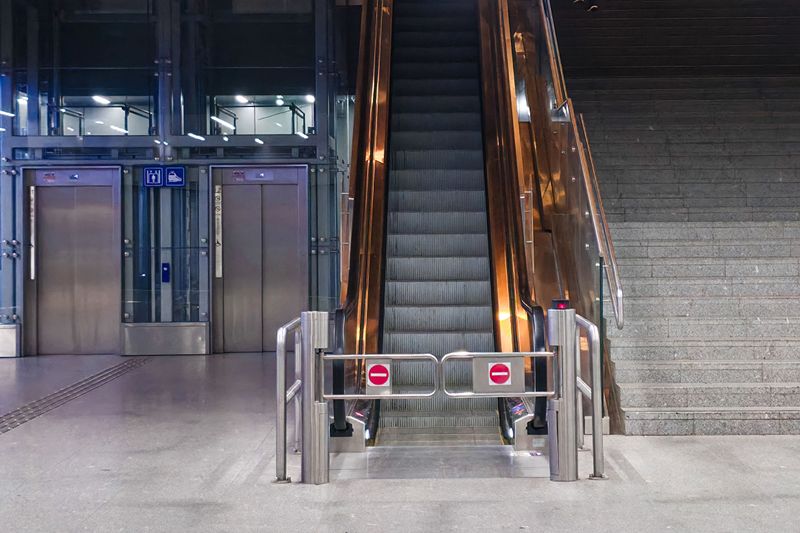
Hauling a heavy carrier up long stairs is no fun. Not every station has working elevators every day.
Before your trip, check station accessibility on the MTA website or app. Elevator outages are often posted ahead of time.
Knowing the layout lets you plan an easier path. A wheeled carrier can also save your arms on longer walks between platforms.
18. Listen to the Crew
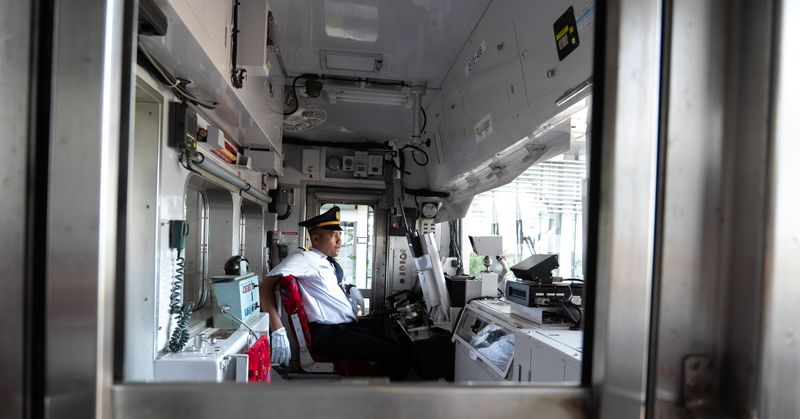
Conductors and train crew see all kinds of situations every day. Their job is keeping everyone safe and comfortable.
If a crew member asks you to move, shorten the leash, or settle your dog, follow their instructions calmly.
A polite attitude goes a long way. Friendly cooperation helps keep pets welcome on trains for every owner who rides after you.
19. Emergency Evacuation Exceptions
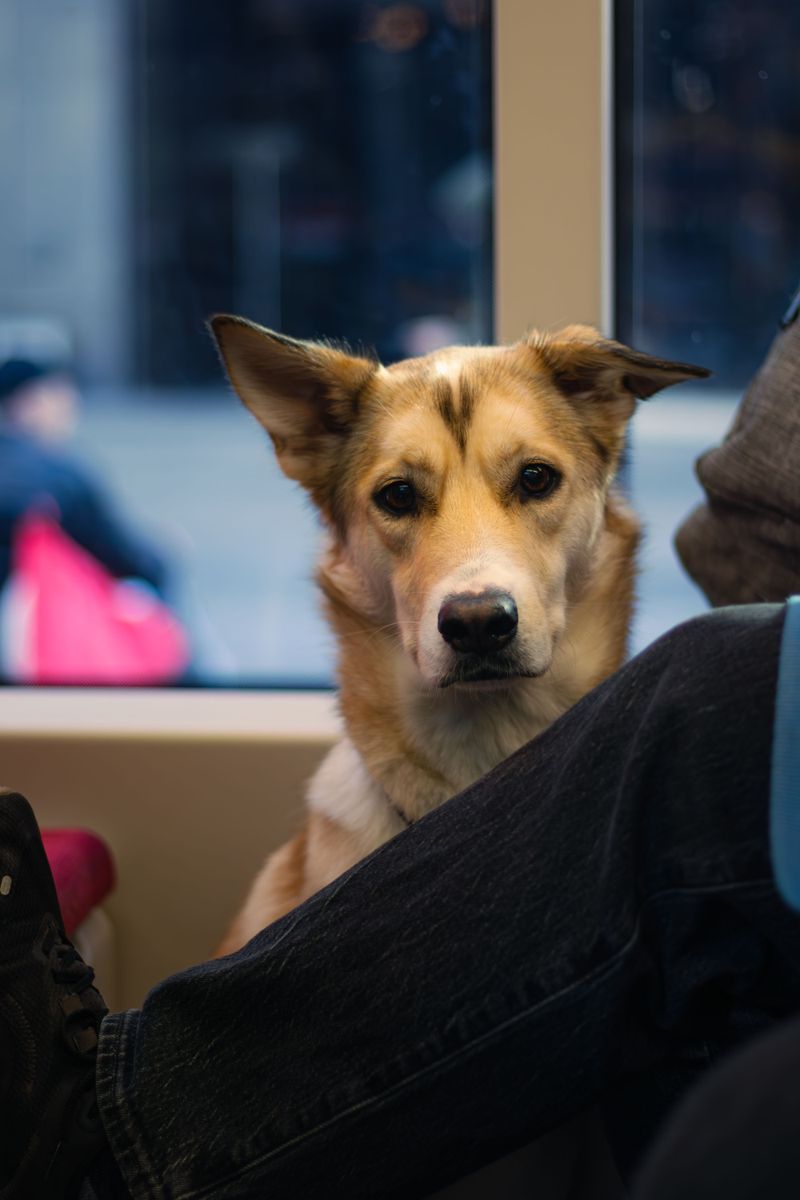
During a hurricane or major storm, regular routines may change. Officially authorized emergency evacuations can come with special transit rules.
In those cases, additional pets may be allowed on board under proper control. Larger animals might need a muzzle.
Watch for announcements from city, county, or MTA officials. Keeping a muzzle, leash, and carrier together in your emergency kit helps you stay ready.
20. Check Before You Go
Rules and service can shift over time. A quick check before leaving home is a smart final step.
Review current MTA pet policies and service alerts, especially if you are connecting to the subway or buses. Track work can add transfers you did not expect.
With updated details, your plan stays solid. Then you and your dog can simply enjoy the ride and the view.