20 Pennsylvania Doggy Daycare Questions For Commuters Who Spend Long Hours Away From Home
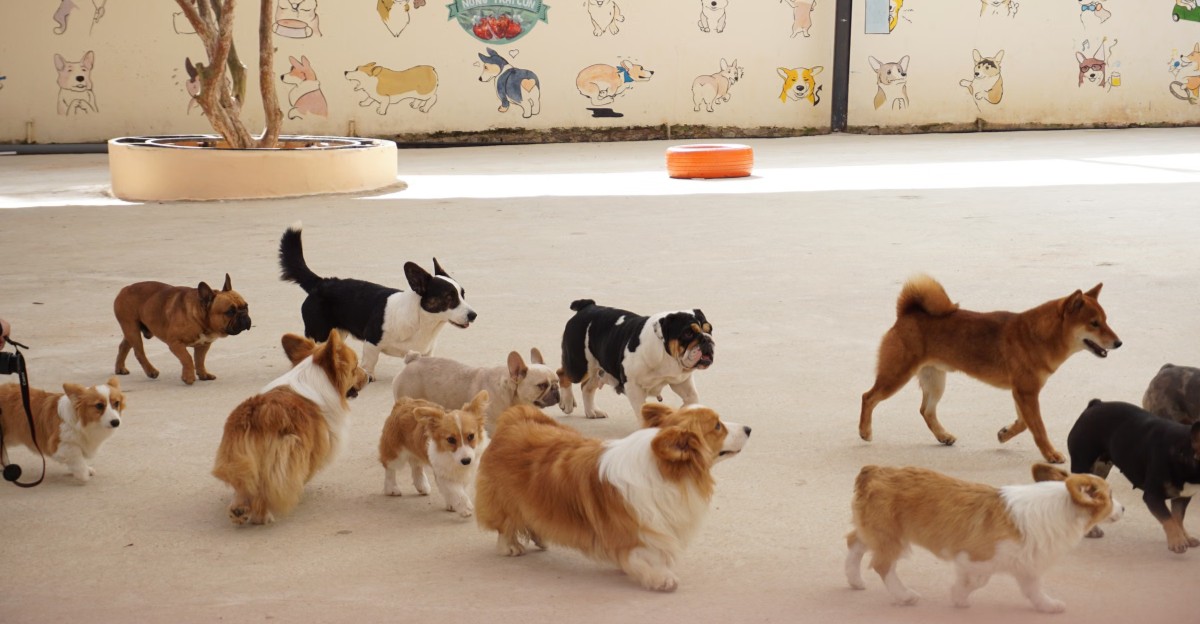
Long commutes can make a workday feel endless, especially when a dog is waiting at home. A good daycare can turn those empty hours into play, rest, and safe company.
Still, not every facility fits a commuter’s schedule or a dog’s needs. The questions below will help you tour Pennsylvania daycares with confidence and choose a place you truly trust.
1. Licensing and State Inspections
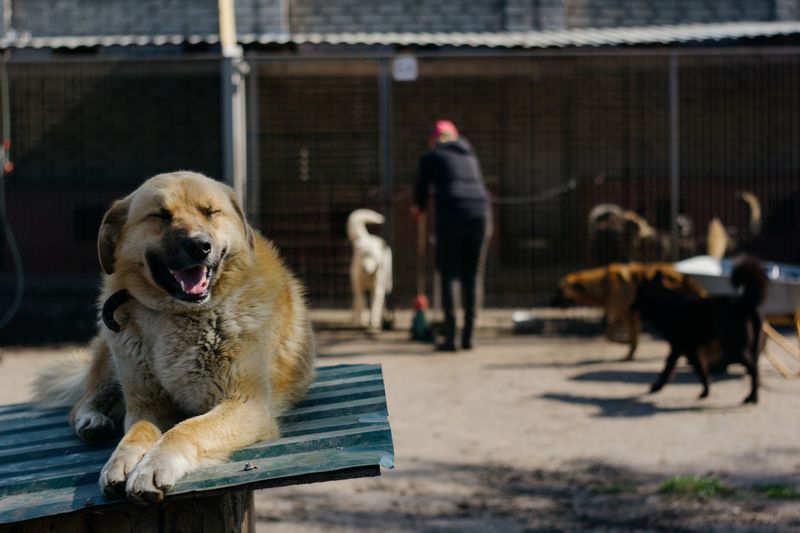
Paperwork may sound dull, but it tells you a lot. In Pennsylvania, places that board or keep 26 or more dogs in a calendar year need a Dog Law kennel license.
The Bureau of Dog Law Enforcement, part of the state Department of Agriculture, oversees licensing and inspections. Ask to see the current license.
You can also check public inspection reports online. Smaller home-based sitters may fall below the threshold, so ask how the rules apply to them.
2. Hours That Match Your Commute
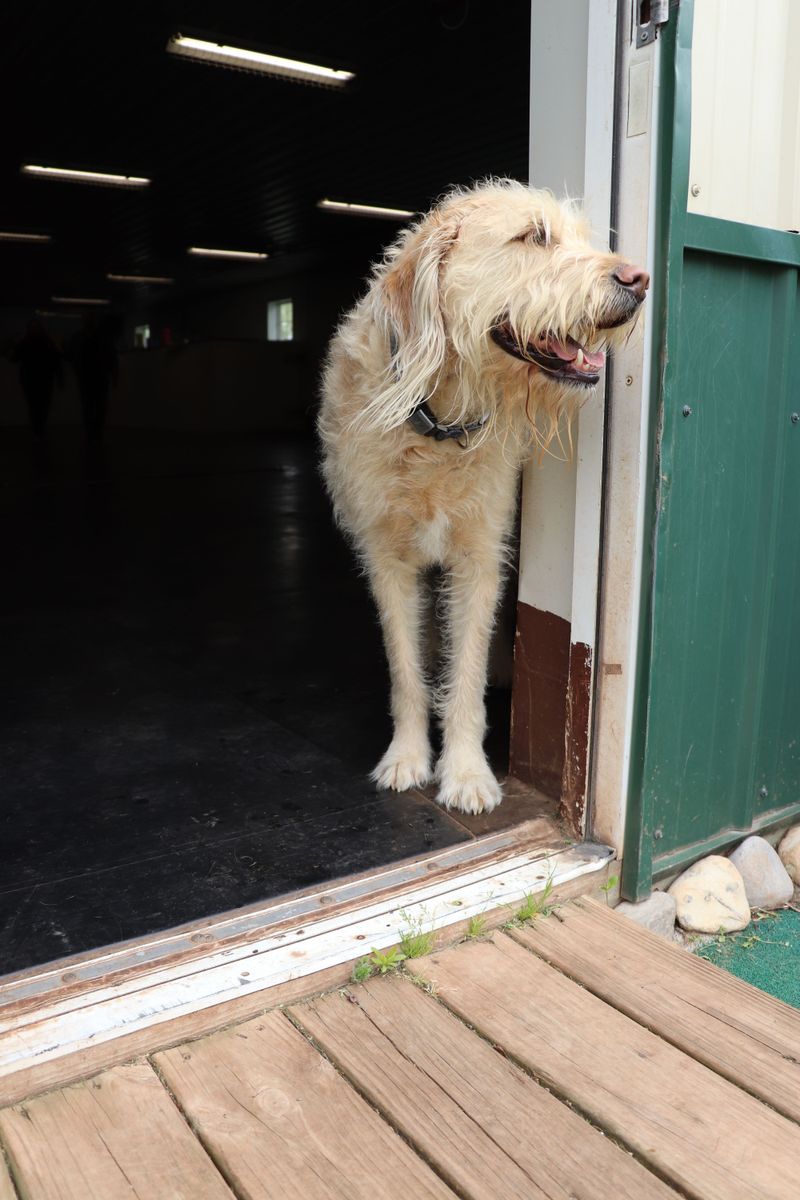
Picture leaving home at 6:15 for a train into Philadelphia or Pittsburgh. Your daycare needs to be open before you board.
Hours differ widely between facilities. Some run from about 7 AM to 7 PM on weekdays, while others close earlier.
Map out your full door-to-door travel time. Then compare it with the daycare’s posted hours, leaving a small cushion on both ends for comfort.
3. Grace for Traffic and Train Delays

Anyone who drives the Schuylkill Expressway knows traffic has its own plans. Delays happen, even on your best days.
Ask what happens when you are running late. Some daycares allow a short grace window.
Others start late fees right at closing time.
A few facilities move dogs into overnight boarding after a set hour. Knowing the policy ahead of time keeps a stalled train from becoming a stressful evening.
4. Daily, Weekly, and Monthly Pricing
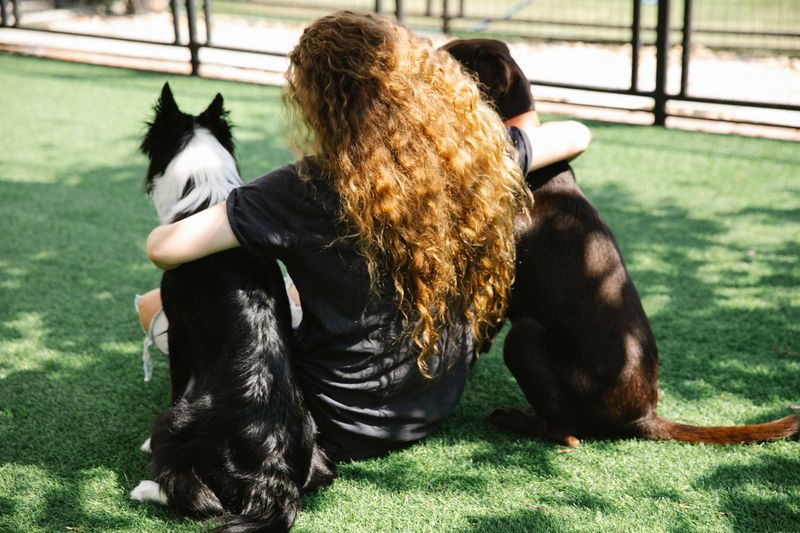
Budgets matter when daycare becomes a five-day habit. In Philadelphia, daily rates often land somewhere between 32 and 50 dollars.
Prices shift based on full or half days, location, and amenities. Home-based care may cost differently than a large facility.
Ask about packages of 5, 10, or 20 days. Many places also discount regular weekly enrollment, which can add up to real savings for steady commuters.
5. Hidden Fees Worth Knowing

Surprise charges sting more than planned ones. Late pickup fees are common, sometimes billed in 30-minute increments.
Cancellation rules vary too. Some facilities charge part or all of the cost for same-day or short-notice changes.
No-show fees also exist at certain places.
Holidays may carry surcharges. Medication handling or special care can cost extra.
Request a written fee list so your monthly total holds no mysteries.
6. Vaccines, Records, and Your Dog License
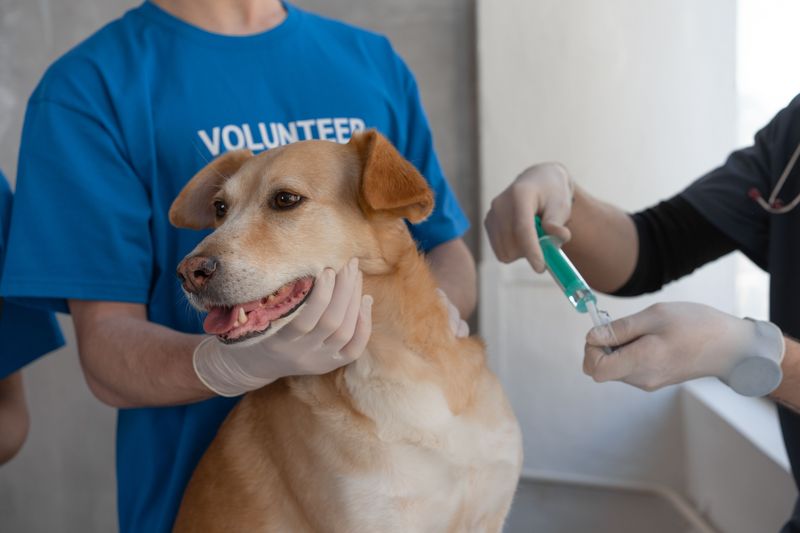
Pennsylvania law requires rabies vaccination for dogs three months and older. Daycares keep a vet certificate on file, not just a bill.
Most also ask for DHPP and Bordetella. Some want Bordetella given 10 to 14 days before a first visit.
Canine influenza may be required too.
Your county treasurer issues the annual state dog license. Keep it current, since daycares may ask for proof.
7. The Temperament Evaluation
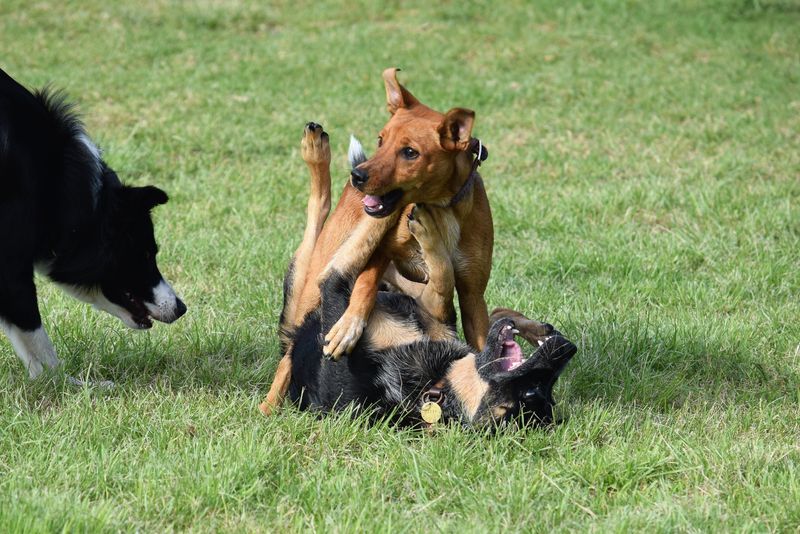
First days are a little like a job interview for dogs. Most reputable daycares require an evaluation or trial day.
Staff watch how your dog greets people, handles other dogs, and settles into the noise. Some ask you to stay reachable in case your pup needs an early pickup.
Ask how they judge comfort and play style. A careful screening process protects every dog in the group, including yours.
8. Staff-to-Dog Ratios
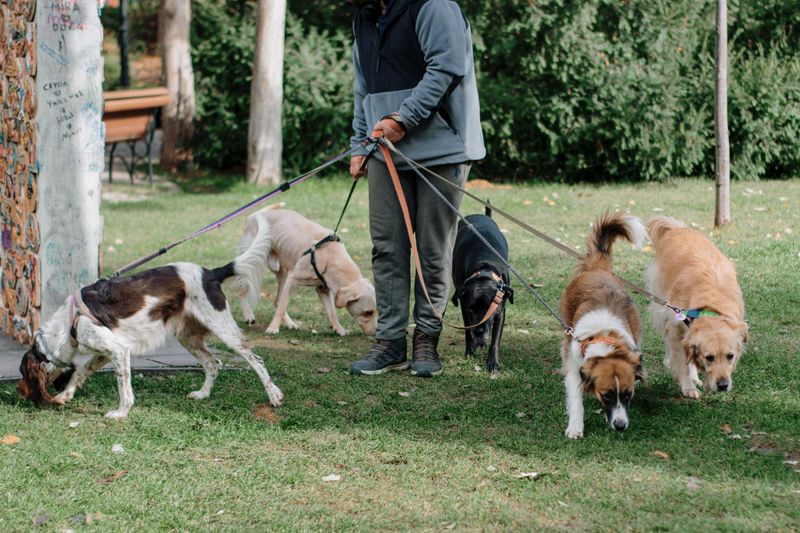
Here is a detail many owners never think to ask. Pennsylvania kennel rules set space standards, but they do not set a staff-to-dog ratio.
That means each daycare chooses its own. One facility, for example, advertises one trained leader per 15 dogs in a playgroup.
Ask about ratios at busy times, like mornings and late afternoons. Fewer dogs per person usually means more attention for everyone.
9. Eyes on the Playgroup

Good play can turn rowdy fast. That is why constant supervision matters so much during group time.
Ask whether a staff member is always in the room. Trained handlers watch for stiff bodies, raised hackles, and signs of stress or overexcitement.
They step in early, often with a calm redirect or a short break. Listen for confident, specific answers.
Vague replies may mean supervision is lighter than you would like.
10. Smart Playgroup Sorting
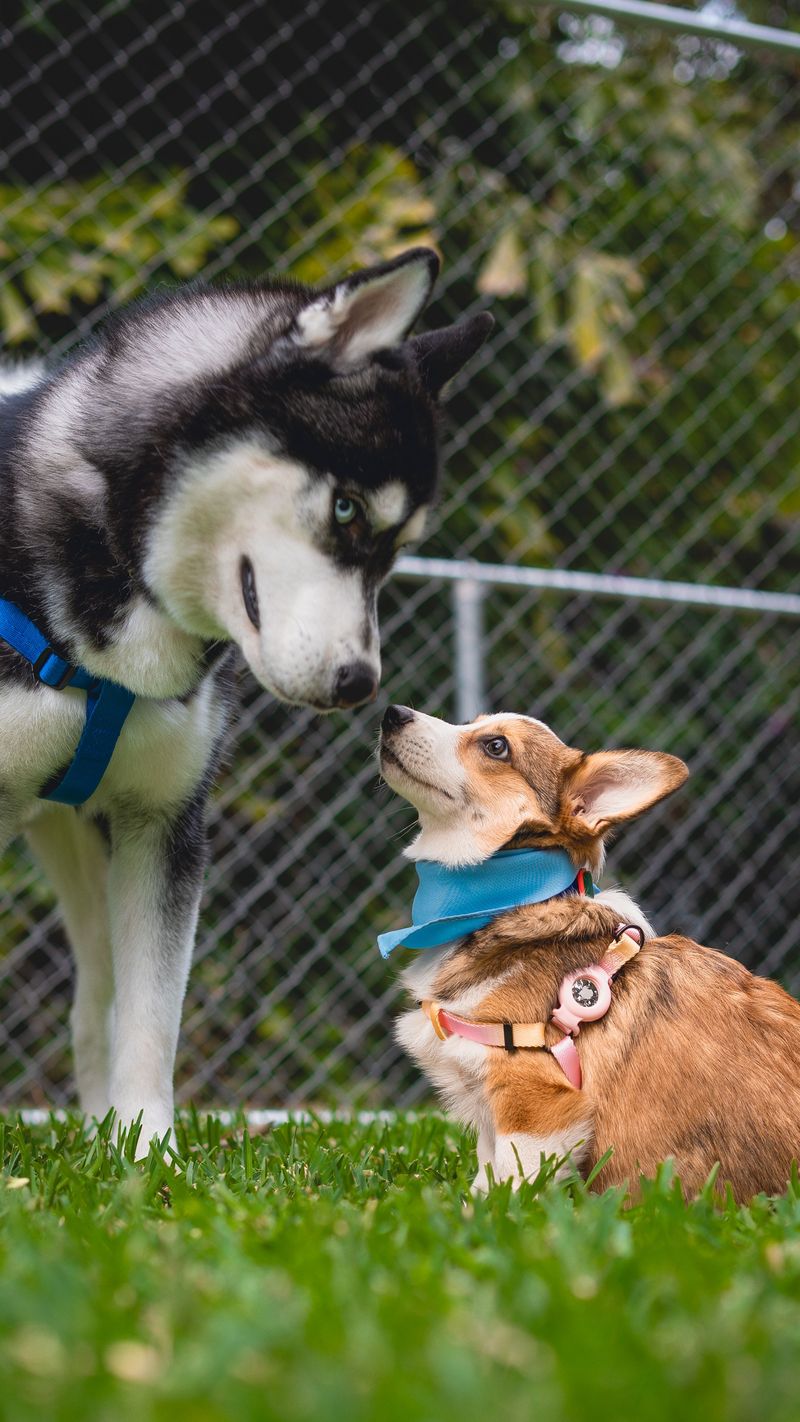
A tiny Chihuahua and a bouncy Great Dane might both love play. Their styles, though, are very different.
Many Pennsylvania daycares sort dogs by size, age, energy, and temperament. Puppies often get their own space.
Some facilities group mostly by size. Others focus more on play style.
Ask how groups are formed and whether dogs can switch groups if they seem uncomfortable.
11. Activities for a Long Day
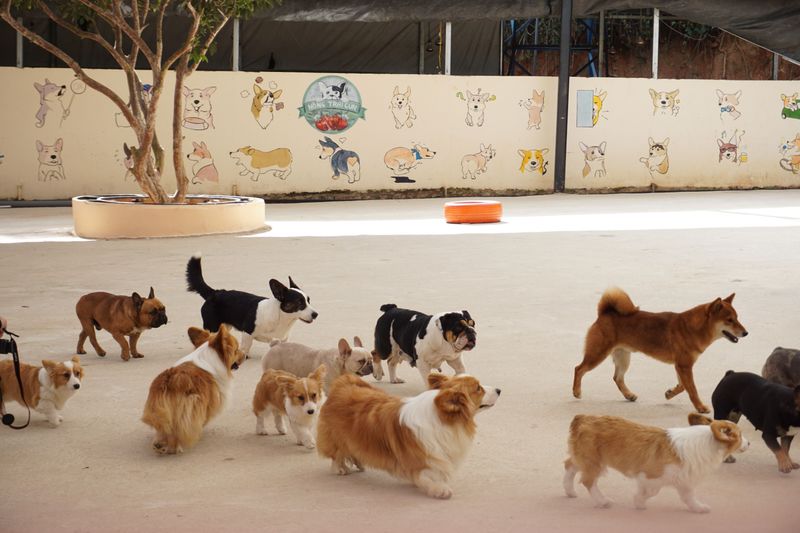
Ten hours is a long stretch for any dog. Good daycares fill that time with variety, not just nonstop running.
Look for indoor and outdoor yards, structured play, and agility equipment. Brain games like scent work, puzzles, and snuffle mats help tire busy minds.
Some places offer enrichment programs or puppy classes. Ask for a sample daily schedule.
It shows you exactly how your dog will spend the hours.
12. Built-In Nap Time

Even the most playful pups need a pause. Without rest, dogs can get cranky, overstimulated, or worn out.
Many Pennsylvania daycares schedule quiet breaks in calm rooms or private suites. Some call them canine condos.
Ask when naps happen and where your dog will rest. A well-rested dog usually comes home happy instead of frazzled.
That makes your evening smoother too.
13. Water and Potty Breaks
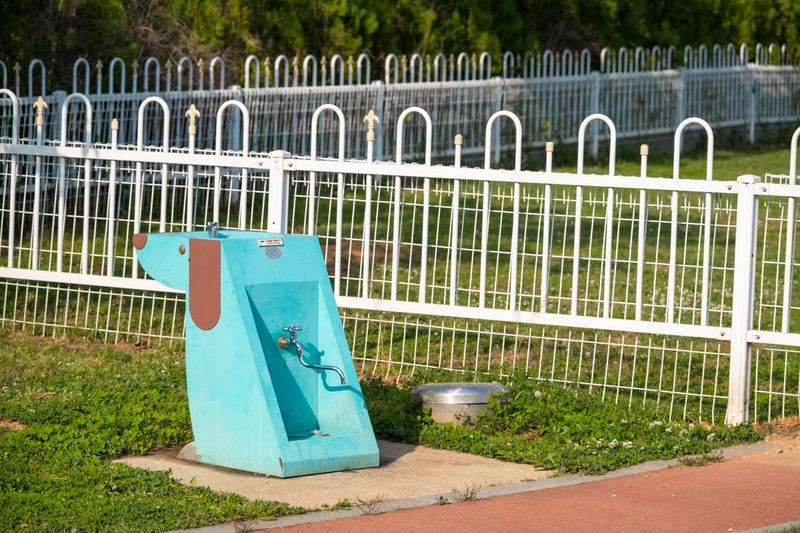
Basic needs deserve clear answers. Fresh water should always be easy for dogs to reach throughout the day.
Bathroom breaks matter just as much. Some places offer potty trips as needed, while others follow set times with outdoor relief areas.
Ask how often bowls are refreshed and cleaned. If your dog has a small bladder or is still learning, mention it during enrollment.
14. Special Diets and Medications
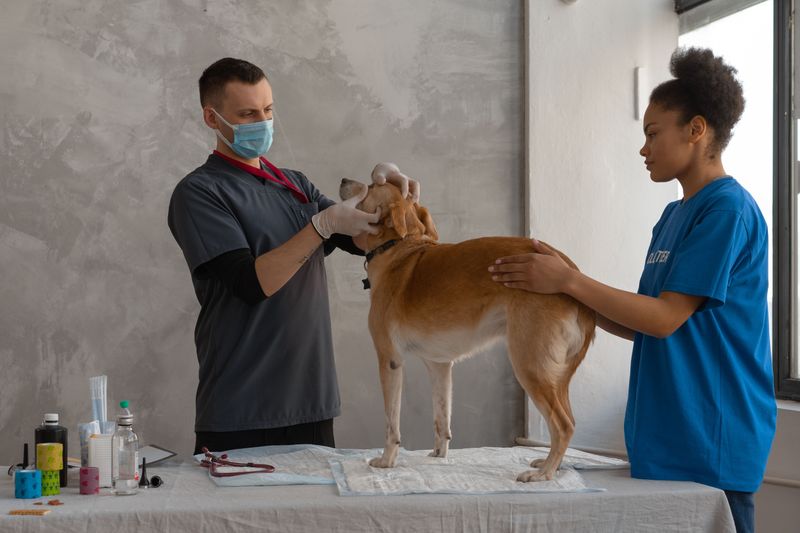
Does your dog take allergy pills or eat a special food? Many daycares can help, with a little planning.
You may need to bring meals bagged and labeled by day. Medication is often handled for an extra fee.
Share instructions in writing and include your vet’s contact. Ask who gives medicine and how they record it.
Some facilities keep isolation rooms for dogs that feel unwell.
15. When Things Go Wrong
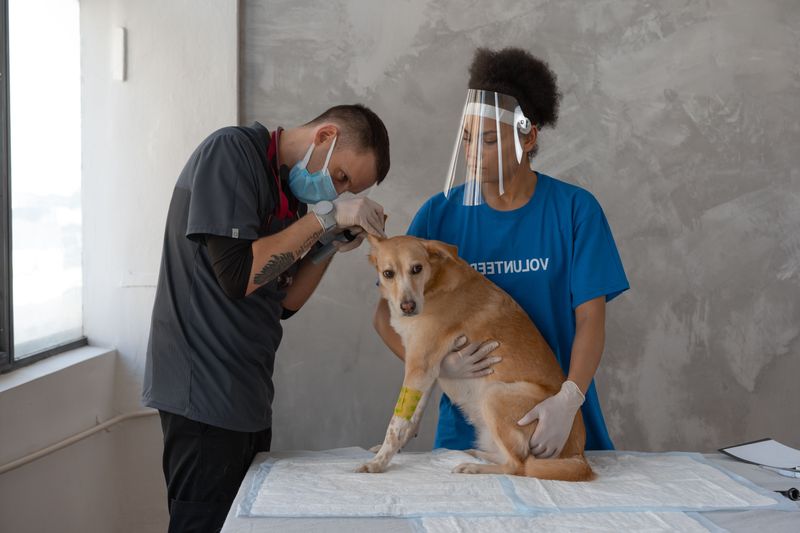
Nobody likes to imagine an emergency. Still, a clear plan brings real peace of mind.
Ask how staff handle rough play, injuries, or sudden illness. Dogs showing aggressive behavior may be removed from group play or asked not to return.
For health concerns, staff usually call you first, then your emergency contacts. If no one answers, they may go to a vet.
Owners typically cover those costs.
16. A Trusted Veterinary Partner
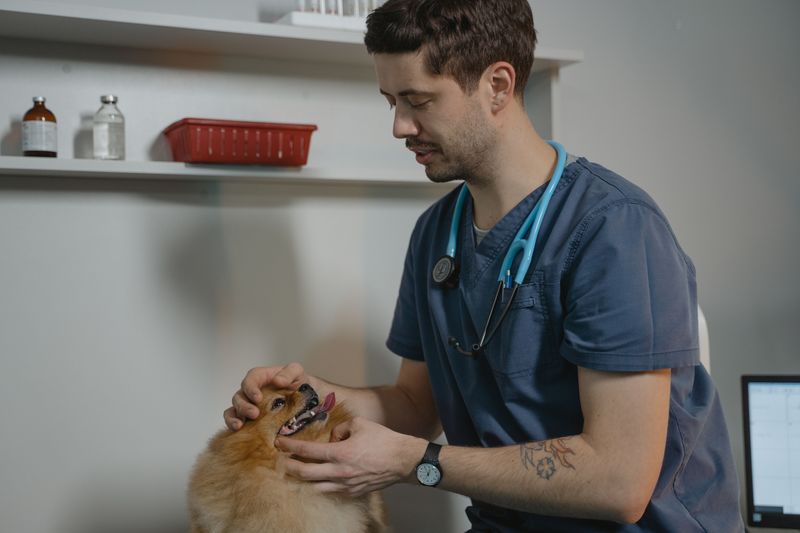
Quick access to care can make a big difference. Many Pennsylvania daycares work with a nearby veterinarian or keep one on call.
Some will contact your own vet first. If yours is unavailable, they may use an affiliated clinic or the closest emergency hospital.
Ask for the name and distance of that clinic. Then save its number in your phone, right next to the daycare’s.
17. Comfort Through Every Season
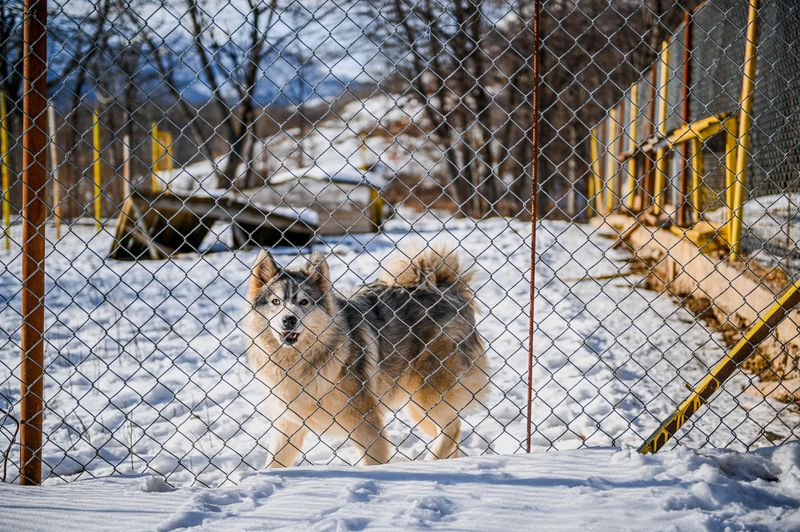
Pennsylvania weather loves extremes. July can feel steamy, and January can bring icy wind.
Most quality daycares use climate-controlled indoor play areas. Staff choose indoor or outdoor time based on the day’s conditions.
Ask about shade, cooling, and limits on outdoor play in heat. In winter, ask about warm rest spaces and how they protect paws from ice and salt.
18. Staying Connected From Work

A quick peek during lunch can brighten a long workday. Many modern daycares make that possible.
Some offer live webcams so you can watch playtime. Others send daily photos, report cards, or post updates on social media.
If transportation is used, text alerts may confirm pickup and drop-off. Ask which options are included and which cost extra.
Seeing a wagging tail midday feels great.
19. Plans for Unexpected Closures

Snowstorms, power outages, and short staffing can shut doors without warning. Planning ahead keeps you from scrambling.
Ask how the daycare tells clients about closures. Text, email, and app alerts are common choices.
Find out how early notices usually go out.
It also helps to line up a backup. A trusted neighbor, sitter, or second facility can step in when your usual spot cannot open.
20. Rides, Flexibility, and Backup Boarding
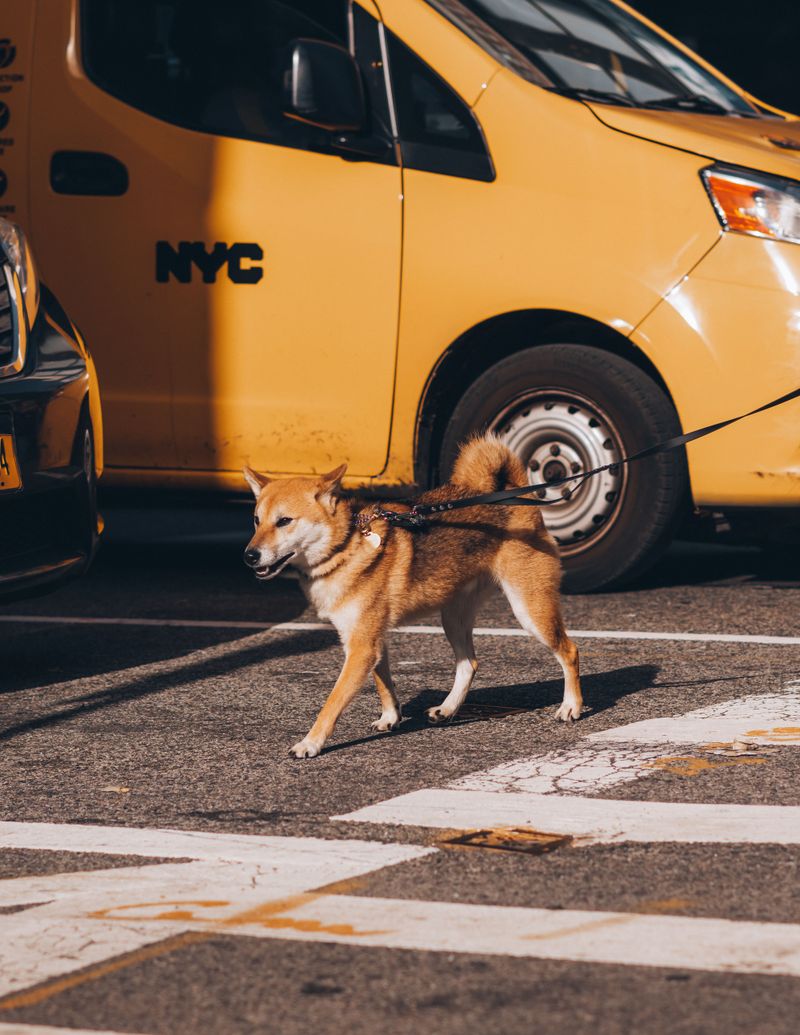
Some daycares go the extra mile, literally. Pet taxi services can pick up and drop off your dog within set areas.
Fees range from flat round-trip rates to per-mile charges. Advance booking is often needed, and same-day rides may cost more.
Overnight boarding offers a handy fallback when work runs late. Ask about flexible packages too.
They can make an unpredictable schedule feel much more manageable.