What Ohio Law Says About Dogs Running Loose Beyond Their Owner’s Property

An open gate or an unexpected squirrel can turn an ordinary afternoon into a search for your dog. Ohio law sets clear rules about keeping dogs confined or under reasonable control, even when they are friendly.
Knowing those rules helps you protect your pet, respect your neighbors, and avoid preventable legal trouble. Here is what local owners should understand about loose dogs, shelter pickup, and the responsibilities that follow a trip beyond home.
1. Ohio Law Requires Dogs to Remain Under Their Owner’s Control
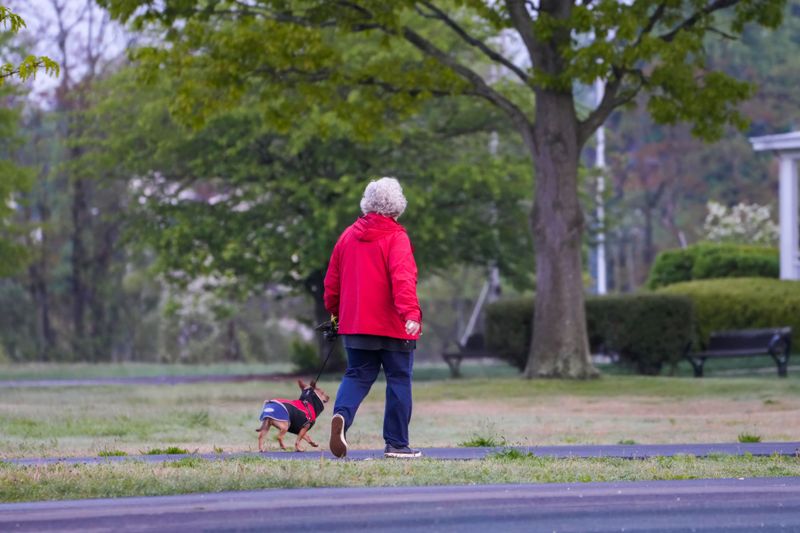
A dog’s adventure beyond the yard comes with legal responsibilities. Ohio Revised Code Section 955.22 sets the main statewide rules for controlling dogs.
Those duties can apply to an owner, keeper, or harborer, not just the person listed on registration.
Generally, dogs must be properly confined on the premises or kept under reasonable control. Limited exceptions exist.
Understanding both options helps you plan walks, yard time, and visits without assuming freedom means permission to roam.
2. Dogs Must Be Confined or Restrained on Private Property
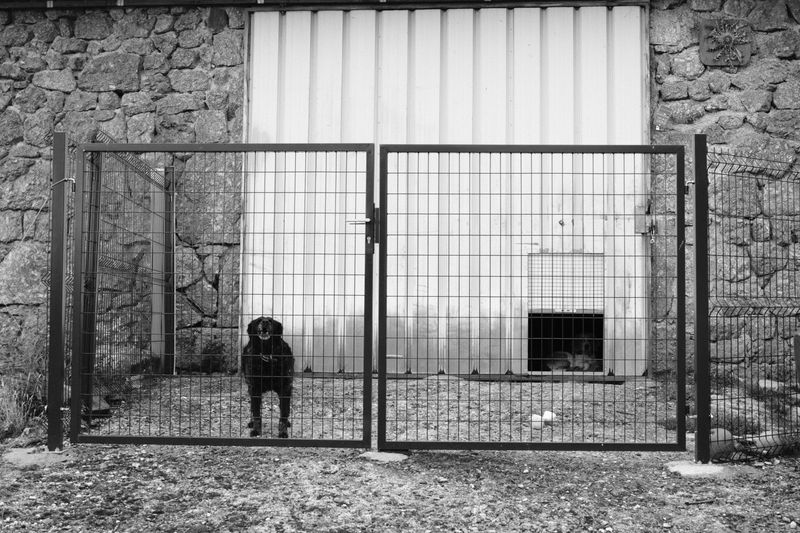
Your backyard needs more than an invisible boundary in your dog’s mind. State law allows secure confinement through a suitable enclosure or another permitted method.
A fence should actually keep your particular dog inside.
Check loose boards, digging spots, and gate latches regularly. Simply owning a yard does not excuse escapes.
Reasonable control is another statutory option, but leaving a dog outside unattended requires careful attention to effective confinement and any additional local rules.
3. Owners Must Keep Dogs Under Reasonable Control

Calling your dog is not always the same as controlling your dog. Reasonable control depends on the circumstances, including whether you can prevent unwanted approaches or wandering.
State law does not make every ordinary outing a universal leash requirement.
However, local ordinances may require leashes in specific places. A secure leash offers a practical way to maintain control.
Before relying on voice commands, check local rules and honestly assess distractions your dog may encounter.
4. A Dog Running Loose Can Lead to a Legal Violation

An escape does not need to cause an injury before authorities become involved. Failing to meet Ohio’s confinement or control requirements can itself support a violation.
A neighbor’s report or an officer’s observation may bring attention.
If your dog gets out, retrieve it calmly and secure the escape route immediately. Cooperate with the responding officer.
Explain what happened truthfully, but remember that an accidental open gate does not automatically erase your legal responsibility afterward.
5. Friendly Dogs Are Not Exempt From Restraint Rules
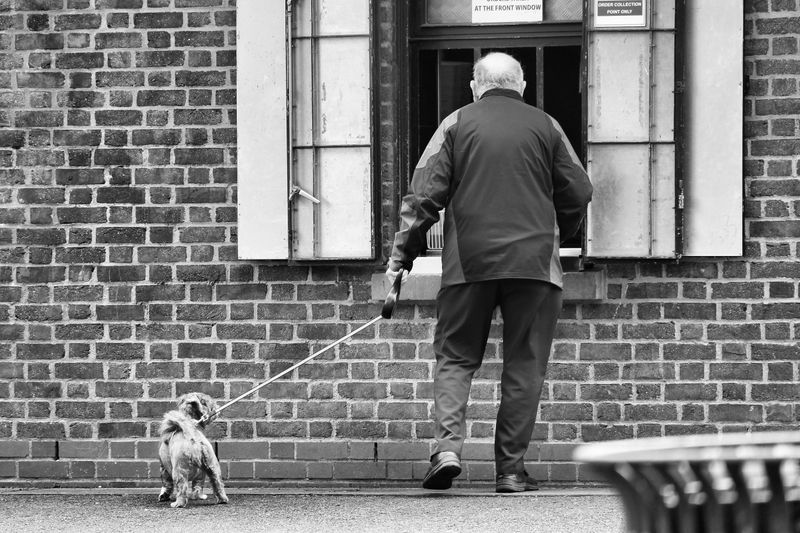
A wagging tail does not create a legal exception. Even an outgoing dog must meet the same basic confinement and control rules.
Other people may feel uneasy, and another animal may need extra space.
Keep greetings optional instead of allowing your dog to approach everyone. Ask permission before moving closer, and respect a refusal without debate.
Saying your pet is friendly cannot replace control, especially near children, walkers, cyclists, or dogs that prefer quiet.
6. Dog Wardens Can Pick Up Dogs Running at Large

County dog wardens have legal authority to seize and impound dogs found running at large. Ohio Revised Code Section 955.12 addresses that authority and related duties.
Pickup can happen before an owner realizes a gate opened.
If you see an unfamiliar loose dog, contact the county dog warden or appropriate local agency. Share its location and direction of travel.
Avoid chasing it into traffic or attempting handling that feels unsafe for you or others.
7. A Loose Dog May Be Taken to the County Animal Shelter

The first place to call may be your county’s dog shelter. A dog collected by a warden can enter the county impound system.
Some counties use facilities operated through another organization.
Ask where found dogs are taken rather than assuming every nearby rescue handles strays. Provide a recent photograph, identifying marks, and registration information.
Check neighboring counties if your home sits near a boundary. Online posts help, but direct contact remains essential during searches.
8. Owners Have a Limited Time to Reclaim an Impounded Dog
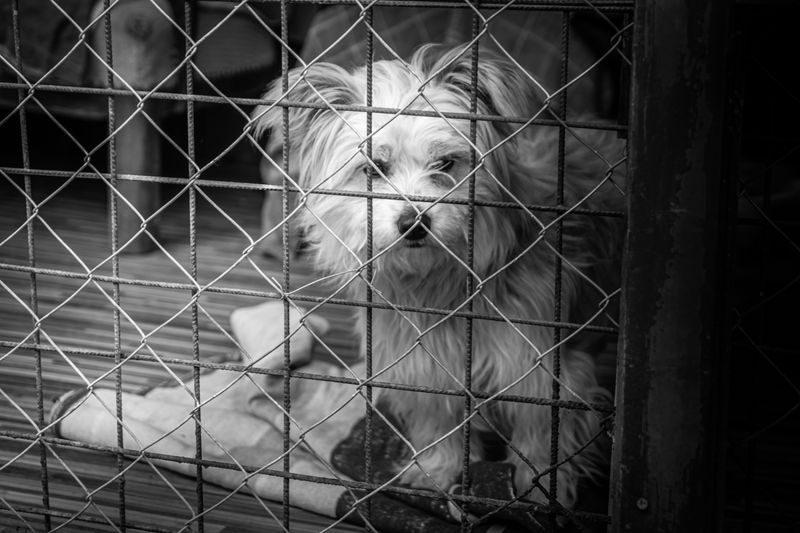
Waiting several days can make a missing dog harder to recover. Ohio law establishes specific notice and redemption periods for dogs impounded under certain procedures, including court-ordered impoundments following an affidavit.
Registered dogs receive specific statutory notice protections.
Call promptly and ask the shelter for your dog’s exact reclaim deadline. Confirm required identification, ownership proof, registration, and applicable fees.
Do not assume a social media message reserves your pet. Follow the facility’s instructions and document conversations while arranging a timely pickup.
9. First-Time Offenders Can Face Fines

A first incident can still have a financial cost. Under Ohio Revised Code Section 955.21(B), a violation involving a dog that is not classified as a nuisance, dangerous, or vicious dog carries a fine of $25 to $100 for a first offense.
Local charges may follow different penalty provisions.
Court costs and shelter expenses can add separate amounts. Read any citation carefully, including deadlines and court instructions.
Ask the issuing agency which rule applies. Paying an impound fee does not necessarily resolve a court citation arising from the same loose-dog incident.
10. Repeated Violations Can Bring Higher Penalties
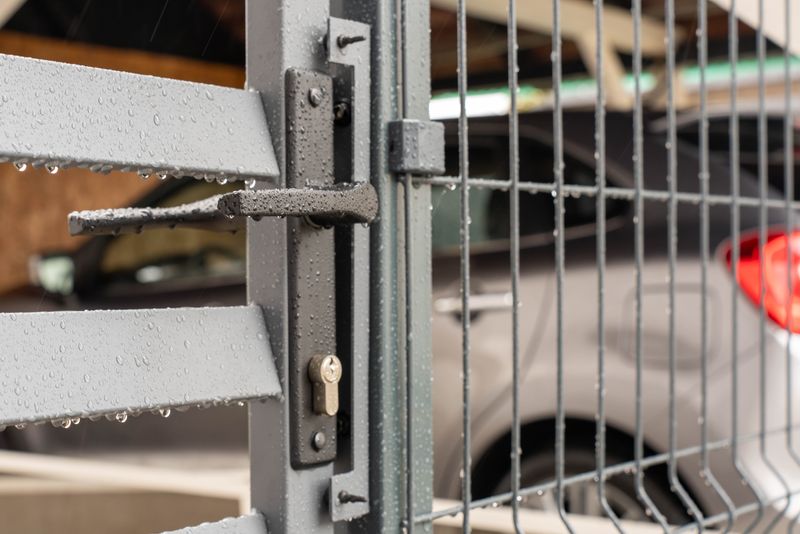
Another escape may carry consequences beyond another ordinary fine. Ohio’s penalty law increases the offense level for subsequent violations of the general confinement provision.
The applicable charge depends on the statute and case history.
After any incident, fix the underlying problem rather than relying on closer attention alone. Replace faulty hardware, review household routines, and consider qualified training support.
If you receive another citation, seek legal advice about your record and the possible consequences.
11. A Dog Can Be Classified as a Nuisance Dog

Under Ohio law, nuisance dog has a specific meaning. It is not simply a neighbor’s label for barking.
Section 955.11 describes qualifying behavior involving an unprovoked, menacing approach or apparent attitude of attack.
A dog running loose is not automatically a nuisance dog under that definition. Certain conduct and circumstances must support the designation.
If you receive an official designation notice, read it immediately. Ohio provides a process to challenge designations within a deadline.
12. Dangerous and Vicious Dogs Face Stricter Requirements

Special legal classifications bring duties beyond everyday dog ownership. Ohio defines dangerous and vicious dogs separately, based on statutory criteria.
A dangerous designation can also follow three or more confinement convictions involving that dog.
Depending on classification, requirements can include secure confinement, liability insurance, identification, and other safeguards. Local restrictions may add obligations.
Do not guess which category applies. Review the notice with the dog warden or an attorney and request clear compliance instructions.
13. Dangerous Dogs Must Be Leashed and Properly Restrained
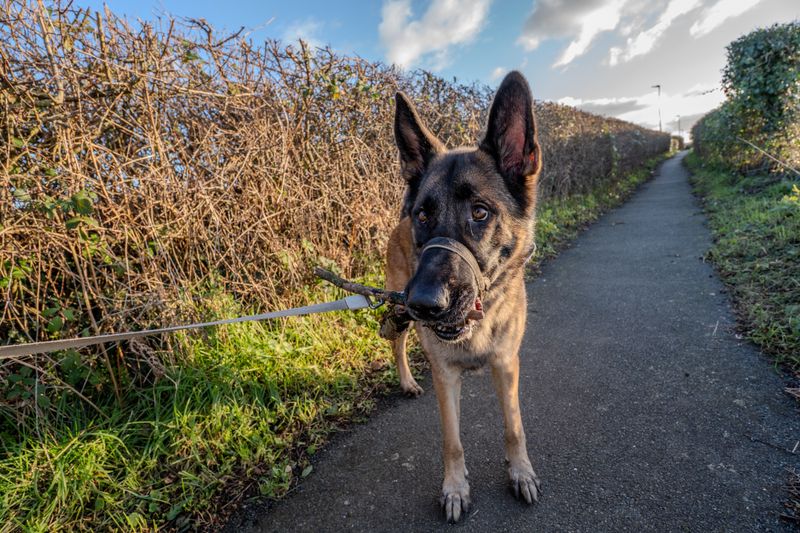
Ordinary walking equipment may not satisfy a dangerous dog’s legal restrictions. Ohio Section 955.22 sets special requirements outside the required enclosure.
These include a muzzle and a suitable chain-link leash no longer than six feet.
A responsible person must control the dog, and additional statutory safeguards apply. Ask the warden to explain the complete requirements for your situation.
Choose properly fitted equipment, introduce it calmly, and never substitute training progress for compliance with legal restrictions.
14. Owners Can Be Held Responsible if a Loose Dog Injures Someone
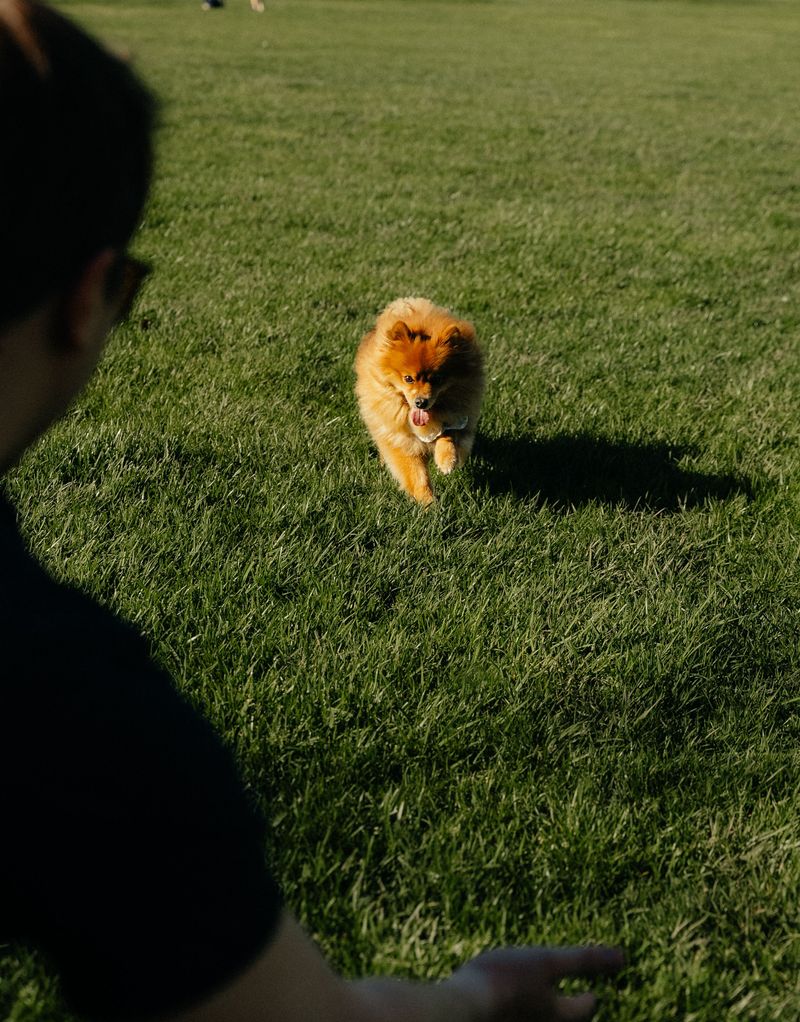
Financial responsibility can extend beyond the cost of retrieving your pet. Ohio Revised Code Section 955.28 can hold owners, keepers, or harborers liable for qualifying injuries or losses.
Statutory exceptions and case facts matter.
After an incident, secure your dog, exchange contact details, and help anyone obtain appropriate care. Preserve photographs and witness information.
Notify your insurer promptly. Because liability can apply without a previous bite, consult an attorney about your particular circumstances and coverage.
15. Local Communities Can Have Additional Dog Control Rules
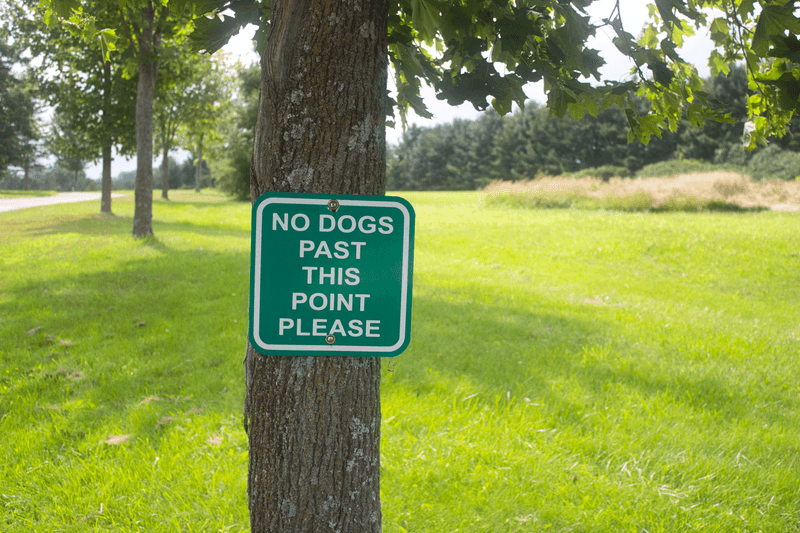
Crossing a city boundary can change the rules for your walk. Municipal ordinances and park regulations may require leashes even where statewide reasonable-control language seems broader.
Designated dog parks can have separate conditions.
Check your municipality’s official code and the rules for each park you visit. County dog wardens can help identify the correct local contact.
Follow posted restrictions, but verify unclear signs. Permission to run freely in one location does not transfer elsewhere automatically.
16. Dogs Must Wear Valid Registration Tags

A collar tag gives officials a direct route back to you. Ohio generally requires dogs older than three months to be registered.
Section 955.10 requires registered dogs to wear their registration tags, subject to exceptions.
Keep your county registration current and your contact information accurate. A microchip offers useful backup, but does not replace a required tag.
Check the attachment regularly. If a tag disappears, ask your county auditor about obtaining a replacement without delay.
17. Hunting and Field Trials Have Limited Exceptions

Working outdoors does not give every dog permission to wander. Ohio’s general control provision includes exceptions for dogs lawfully hunting with an accompanying person.
Field-trial participation has specific legal treatment, not a blanket roaming exemption.
Confirm activity rules, land access, and applicable local requirements before releasing your dog. Ordinary neighborhood exploring does not qualify as hunting.
For everyday peace of mind, remember the essentials: secure the yard, maintain control, and keep identification ready for unexpected escapes.