What Wisconsin Dog Owners Should Know Before Taking A Dog On A Lake Michigan Ferry
Your ferry ticket may promise lake views, but your dog’s ticket comes with a different set of rules. On Lake Michigan, choosing the right crossing means knowing where your dog will stay while you’re upstairs enjoying the ride.
A little homework before leaving Wisconsin can prevent surprises at the dock, especially when kennel space, warm weather, and time apart enter the picture.
1. Choose the Right Lake Michigan Ferry for Your Trip
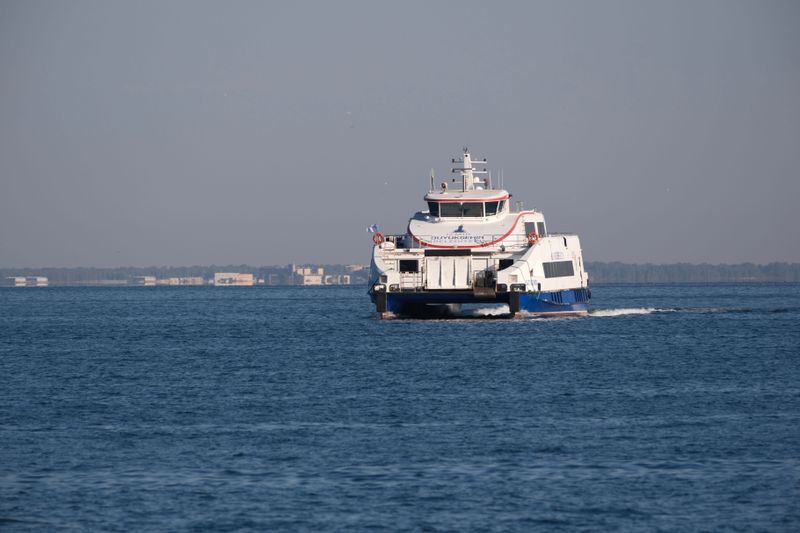
Two Wisconsin ports give you very different starting points for a crossing with your dog. Lake Express connects Milwaukee with Muskegon, Michigan, while the S.S.
Badger links Manitowoc with Ludington, Michigan.
The routes differ in crossing time, onboard arrangements, and the drive before boarding. Compare the whole journey, not just ticket prices.
A shorter sailing can lose its advantage if reaching the terminal adds hours your dog finds uncomfortable in the car before boarding even begins.
2. Check the Pet Policy Before Booking
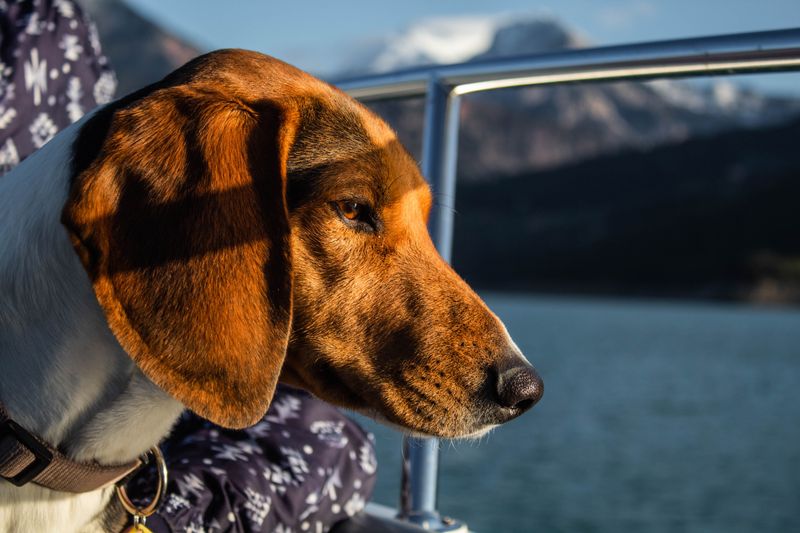
A ticket confirmation is a poor place to discover that your dog cannot sit beside you. Read the operator’s official pet policy before paying, including the rules for your specific sailing.
Look for permitted locations, kennel availability, fees, and any restrictions affecting your dog. Save the policy and booking confirmation on your phone.
Third party travel pages can offer ideas, but only the ferry company can confirm what applies to your reservation and travel date.
3. Understand Where Dogs Can Stay on the Lake Express
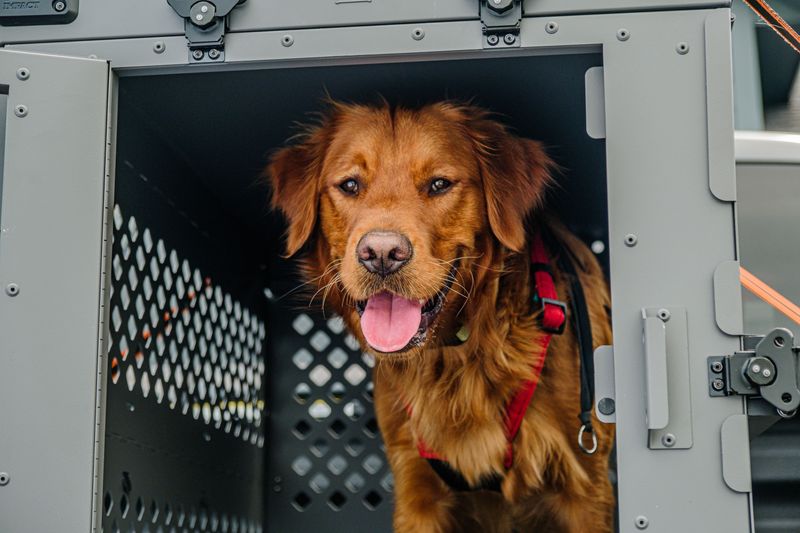
Lake views beside your pup are not part of the usual Lake Express pet arrangement. Ordinary pets cannot join owners in passenger areas during the Milwaukee to Muskegon crossing.
The operator provides options involving your vehicle or an onboard kennel, subject to its current rules. Ask which arrangement fits your dog before purchasing tickets.
Never assume a small carrier earns cabin access. Service animals follow different requirements, which deserve a separate conversation with staff before booking.
4. Know the S.S. Badger’s Rules for Pets
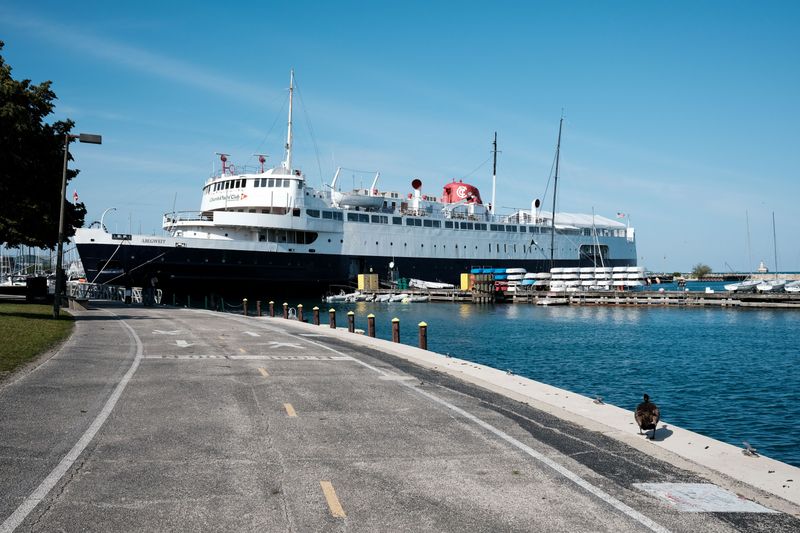
The Badger’s classic ship shape comes with a longer stretch aboard than the faster Lake Express. Its Manitowoc to Ludington crossing generally takes about four hours, making your dog’s setup especially important.
Ordinary pets stay in approved pet accommodations rather than joining owners throughout passenger spaces. Ask about the current kennel and vehicle options, charges, and access procedures.
Do not assume rules from another ferry apply simply because both ships cross the same lake each summer.
5. Request a Ferry Kennel When Making Your Reservation

An available seat for you does not guarantee an available kennel for your dog. On Lake Express, request a complimentary kennel when booking your tickets.
On the S.S. Badger, a limited number of complimentary kennels are available on a first-come, first-served basis, so ask about availability before your trip.
Give staff your dog’s size and ask about kennel dimensions, costs, and booking procedures. Confirm whether bedding or a personal crate is allowed.
Keep written confirmation with your travel details. A quick call now beats discovering that your chosen accommodation cannot comfortably fit your pup later on.
6. Prepare Your Dog for Time Away From You
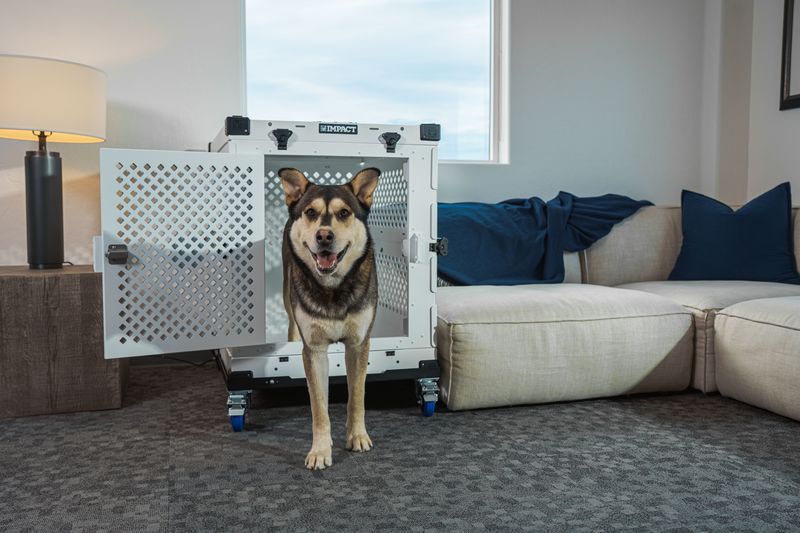
Practice starts at home, where the floor stays still and familiar smells do the reassuring. Build short periods of calm separation well before your sailing date.
Reward relaxed behavior around a crate if your dog will use one. Increase practice slowly, without pushing through signs of distress.
A ferry should not become the first test of being apart. If separation already causes trouble, speak with your veterinarian or a qualified trainer before committing to the crossing.
7. Remember That You Cannot Visit the Car Deck Whenever You Want
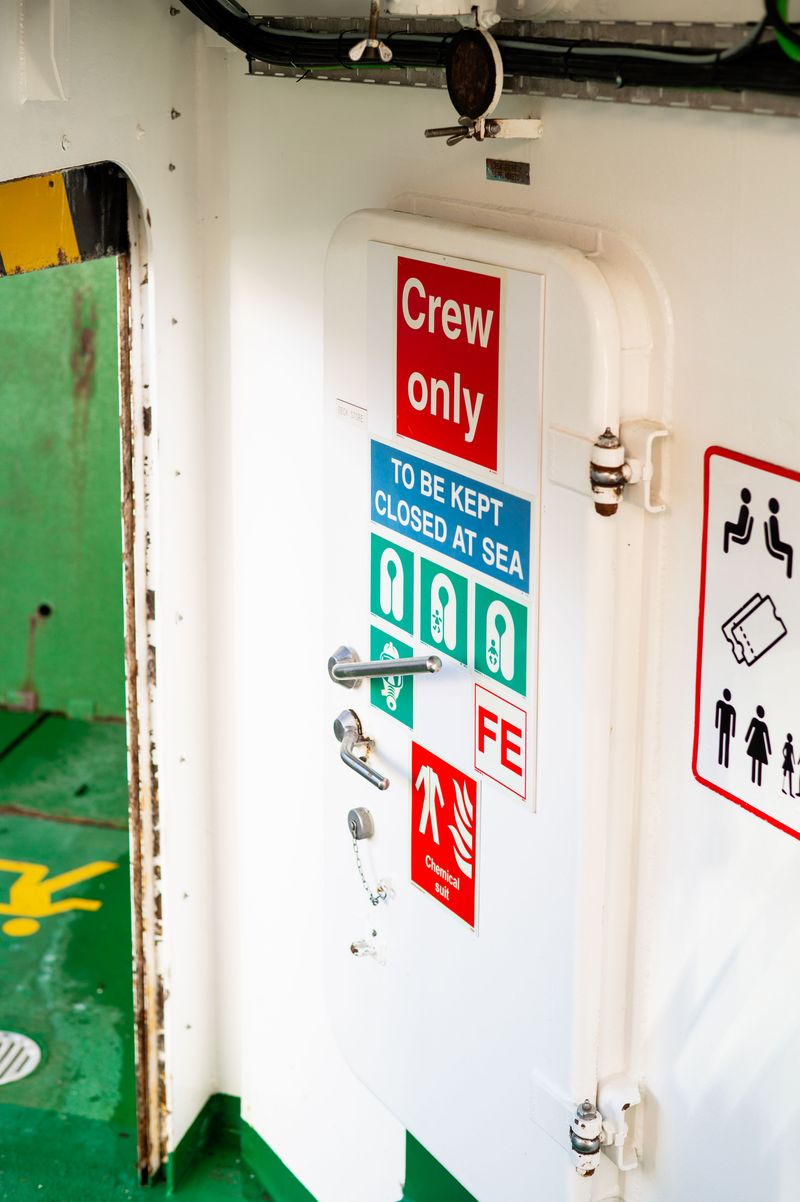
That extra blanket in your trunk may be out of reach once the ship gets moving. Vehicle decks are controlled areas, not places passengers can enter whenever they choose.
Ask each operator about access during the crossing and how pet concerns are handled. Bring your own essentials upstairs before leaving your vehicle.
Never promise yourself frequent checkups without confirming they are allowed. Follow crew directions, even when your dog’s usual routine includes plenty of personal attention.
8. Plan for Your Dog’s Bathroom Break Before Boarding
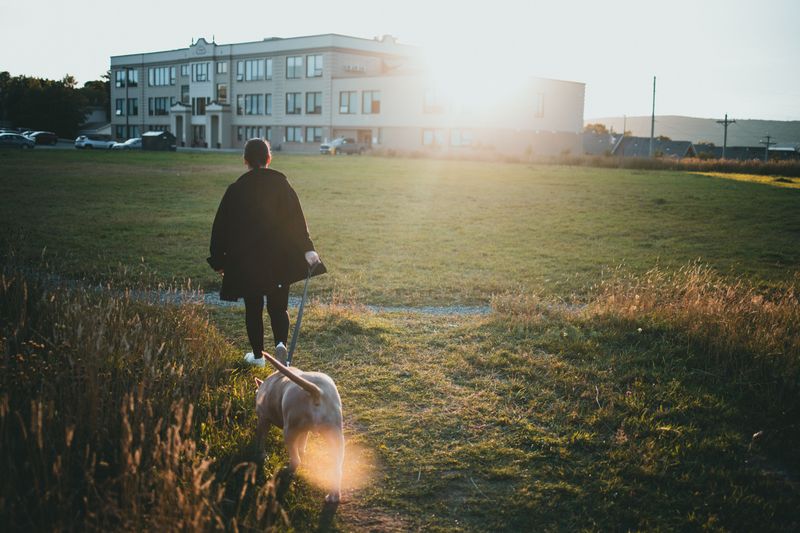
A proper sniff around before boarding can be worth more than another minute in the gift shop. Give your dog a calm bathroom walk in a permitted area near the terminal.
Bring waste bags and clean up promptly. Ask staff where dogs may walk, since loading lanes need to stay clear.
Do not count on an onboard relief stop for an ordinary pet. Puppies, older dogs, and dogs with medical needs may require a different plan.
9. Pack Familiar Items to Help Your Dog Relax

Home can travel in something as small as a well loved towel. Familiar bedding may help your dog settle, provided the ferry permits it in the assigned space.
Choose washable items without loose pieces, and leave treasured belongings at home. Ask before adding toys, treats, or chews to a kennel.
Some items need supervision or may not suit shared facilities. Label allowed supplies with your name and phone number so they stay with the right passenger.
10. Understand the Rules for Dogs Traveling Inside Vehicles
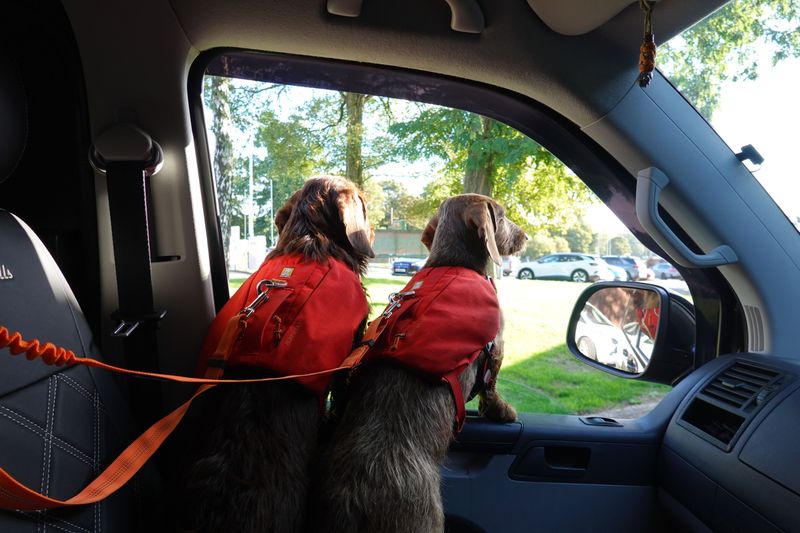
Your car may smell familiar, but its ferry setup needs more thought than an ordinary parking stop. First, confirm that leaving your dog inside is permitted for your sailing.
Ask about ventilation requirements, alarms, electric vehicle settings, and any restrictions on vehicle systems. Never depend on an idling engine for cooling.
Follow crew instructions rather than improvising. If safe conditions cannot be maintained throughout the crossing, choose another approved arrangement or leave your dog ashore instead.
11. Think Carefully About Warm Weather Travel
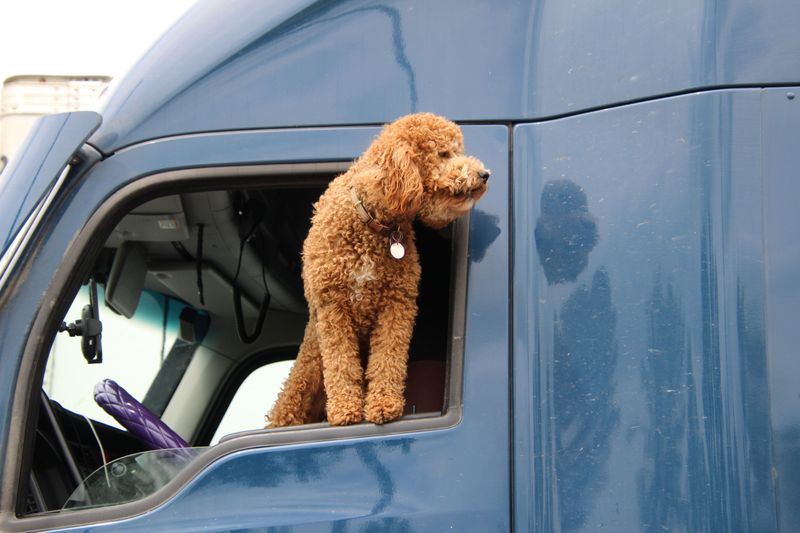
A cool breeze beside Lake Michigan does not guarantee a comfortable temperature inside a parked vehicle. Sunshine and limited airflow can change conditions quickly, even when the waterfront feels pleasant.
Discuss warm weather arrangements directly with the operator. Short nosed dogs, older dogs, and dogs with health problems need special consideration.
Ask your veterinarian whether this travel plan makes sense. If heat raises doubts, change the booking rather than relying on cracked windows or hopeful guesses.
12. Choose a Crossing That Suits Your Dog’s Needs

For some dogs, a shorter clock makes a bigger difference than a scenic route. Lake Express usually crosses in about two and a half hours; the Badger generally takes about four.
Add check in, loading, unloading, and driving when judging the total time. Consider bathroom needs, medication schedules, and comfort with separation.
The best choice fits your actual dog, not an imaginary easygoing traveler. Sometimes driving around the lake is the kinder option for everyone involved.
13. Arrive Early Enough to Prepare Your Dog
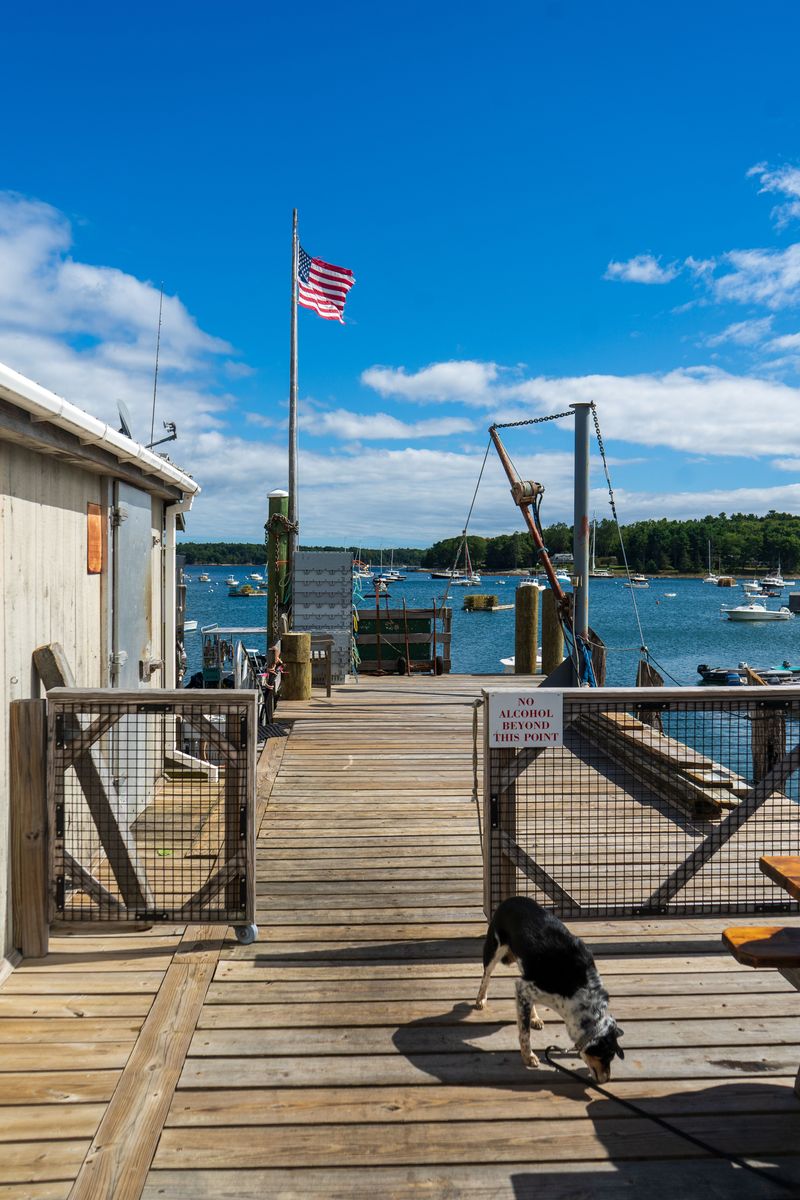
Rushing from the highway straight into loading leaves little room for a relaxed doggy reset. Follow your operator’s required arrival time, and allow extra time for pet arrangements.
Traffic, check in lines, and a needed bathroom walk can quickly use your buffer. Keep booking details handy and ask where to wait safely.
Loading areas bring moving vehicles and unfamiliar sounds, so use a secure leash. Save the sightseeing stroll for a place away from working lanes.
14. Check Whether Your Dog Qualifies as a Service Animal
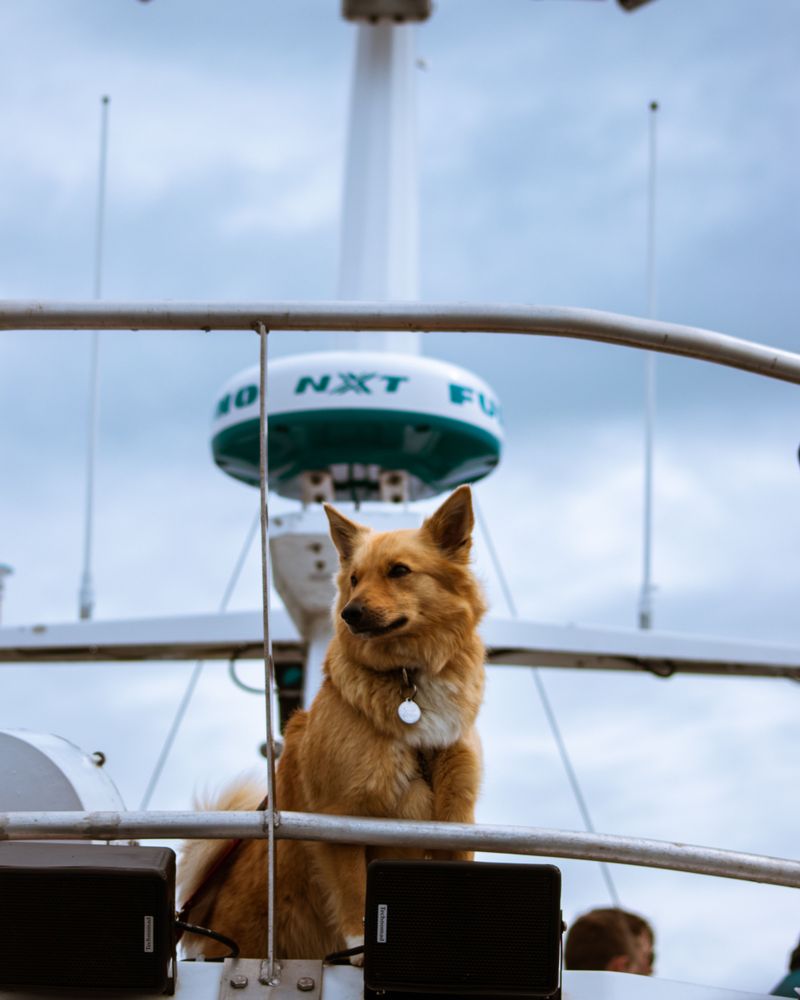
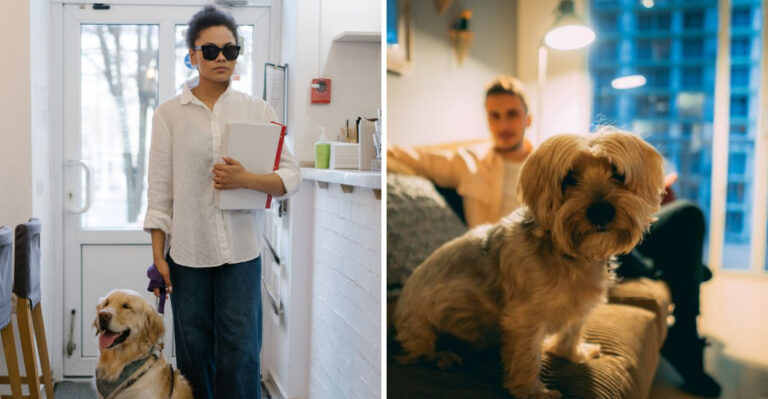
A comforting presence does not automatically make a dog a service animal under federal access rules. Service dogs are individually trained to perform tasks for a person with a disability.
Emotional support animals and pets do not receive the same public access rights. Contact the ferry about its service animal procedures and relief arrangements.
Staff may ask the permitted questions when a dog’s role is unclear. Avoid online certificates promising access; purchased paperwork does not establish eligibility.
15. Bring Water and Plan for Your Dog’s Comfort

Thirst does not check the sailing schedule before showing up. Bring fresh drinking water and ask how it can be offered in your dog’s approved travel space.
A stable bowl may help, but confirm what the kennel setup allows. Discuss feeding timing and motion sickness with your veterinarian if your dog struggles during travel.
Never try a new calming medicine on departure day. Pack regular medications, identification, and your veterinarian’s number somewhere you can easily reach.
16. Consider Your Dog’s Temperament Before Booking
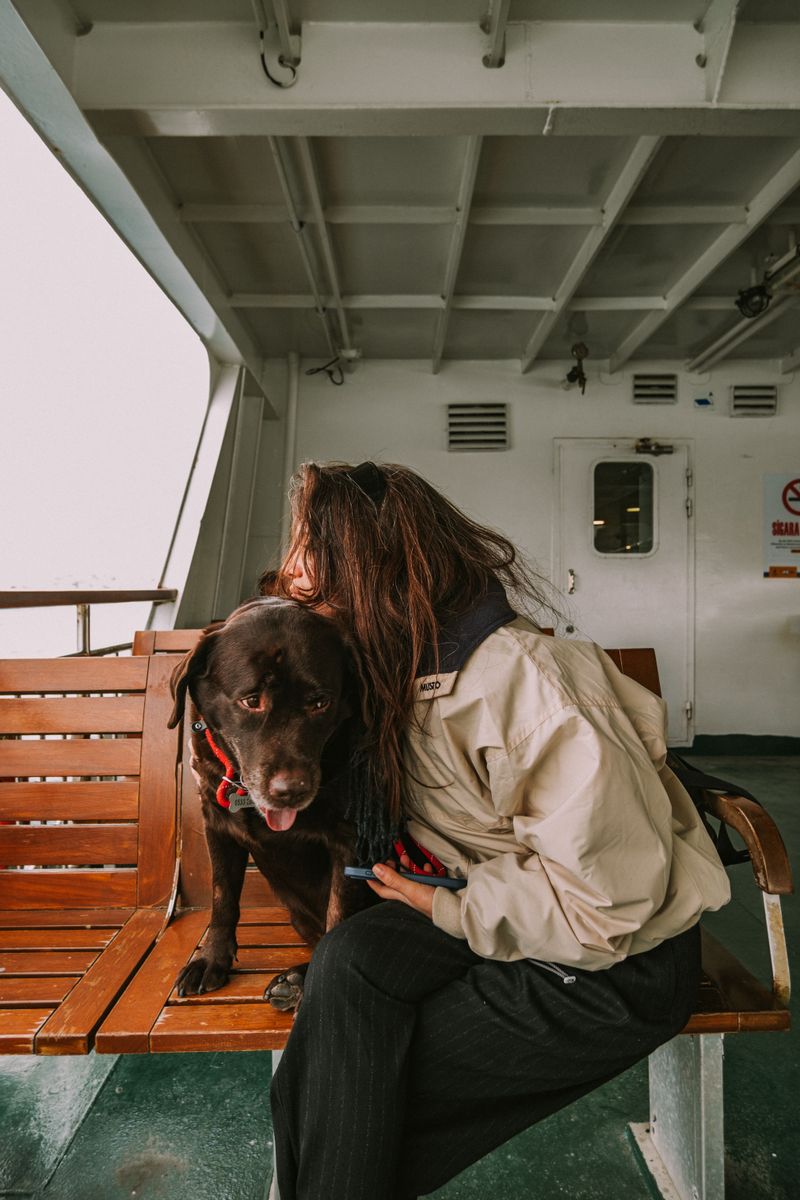
Engines rumble, unfamiliar people pass, and the floor may move beneath a resting dog. Even a sociable pup can find that combination harder than a neighborhood outing.
Think honestly about noise sensitivity, confinement, and separation rather than focusing only on friendliness. Watch your dog’s reactions during ordinary car rides and busy public outings.
Discuss concerns with a qualified trainer or veterinarian. A trusted sitter is a thoughtful choice when ferry conditions would ask too much of your dog.
17. Check Seasonal Schedules and Weather Conditions
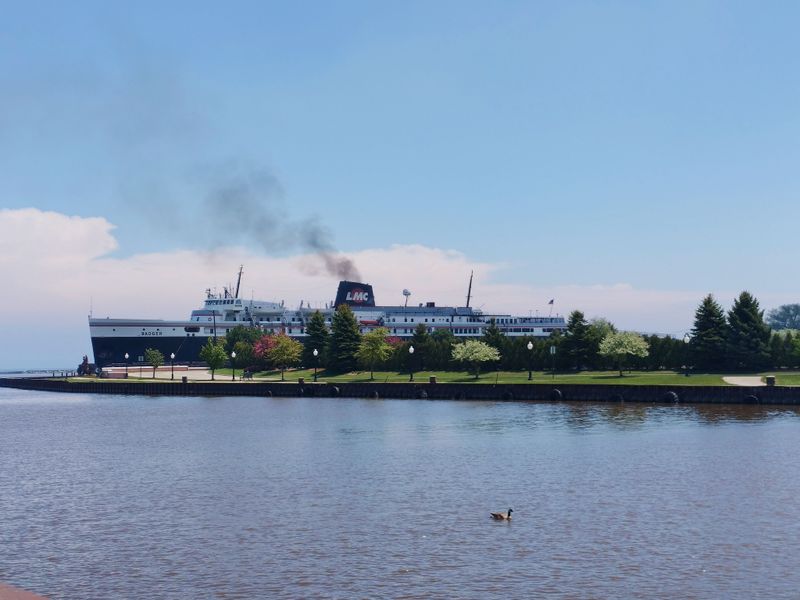
Lake Michigan gets a vote in your plans, even when every bag is packed. Both routes operate seasonally, and weather can affect departures or make the crossing less comfortable.
Check the current timetable and operator updates before leaving home. Wisconsin and Michigan ports also use different time zones, so read departure times carefully.
Keep a backup plan for delays or cancellations. Flexible lodging and a spare meal for your dog can turn disruption into a manageable detour.
18. Confirm Pet Arrangements Directly With the Ferry Company

One clear conversation can settle the details that a booking screen leaves fuzzy. Contact Lake Express or the S.S.
Badger directly with your sailing date, dog’s size, and planned accommodation.
Confirm kennel space, fees, vehicle rules, access limits, and any documents the operator requires. Ask what happens if weather changes your departure.
Save the answers with your reservation and check updates before leaving. Then grab the leash: good planning gives your lake crossing a happier start.