16 South Carolina Rental Questions For Dogs In Coastal Condos And Inland Apartments

Finding a South Carolina rental feels easier when you know which dog rules to check before signing. Coastal condos may have association rules, while inland apartments often set their own pet limits and fees.
Your dog’s comfort matters, along with clear costs, safe outdoor spaces, and a plan for storm season. Bring these questions to your next showing, and ask for written answers you can keep with your lease.
1. What Is the Condo or Apartment’s Written Pet Policy?

A friendly welcome does not replace a clear agreement about your dog. Ask for the lease, pet addendum, and any community rules before paying.
Read them together, since separate documents may describe different limits or duties.
Check whether approval covers your specific dog, rather than dogs in general. Keep signed copies and save written answers from the property manager.
Clear paperwork helps prevent confusion after you have unpacked and settled into your new home together.
2. Are There Breed or Weight Restrictions?

Your dog’s size on moving day may not tell the whole story. Some properties restrict breeds, adult weight, or mixes listed in their policies.
South Carolina does not impose one universal rental breed or weight limit.
Ask how management verifies size and handles puppies that are still growing. Request approval in writing before signing, especially when breed records are uncertain.
Assistance animals may require a different review under applicable fair housing rules, rather than pet restrictions.
3. How Many Dogs Can You Keep in One Rental?

Two small dogs may still exceed a property’s limit, even with plenty of space. Rental agreements often count animals rather than their combined weight or size.
Local animal limits can also vary by city or county.
Confirm whether the limit includes visiting dogs, foster dogs, or temporary pet sitting. Ask management before adding another animal during your lease.
If local rules seem unclear, contact animal control for the address, and keep its guidance with your records.
4. Do Coastal Condo Associations Have Additional Dog Rules?

Ocean views can come with another layer of rules beyond your landlord’s lease. A condo association may regulate dog size, walking routes, entrances, or tenant pet ownership.
An owner’s permission alone may not satisfy those requirements.
Request the association’s current rules and confirm that tenants may keep dogs. Ask who handles registration and whether separate approval is needed before arrival.
Save that approval with your rental paperwork, so check-in feels simple rather than uncertain for everyone.
5. Are Dogs Allowed on Balconies and Patios?

A sunny patio can look like bonus space for your dog’s daily routine. However, some rentals prohibit unattended animals, outdoor crates, or bathroom pads on balconies.
Others limit pet furniture or anything attached to railings.
Get permission before installing screening, gates, or another barrier around an outdoor area. Check openings carefully, since small dogs can slip through surprisingly narrow gaps.
Stay nearby during outdoor visits, and bring your dog inside whenever conditions become uncomfortable or unsafe.
6. Where Can Your Dog Go for Bathroom Breaks?

Before picturing morning walks, find the nearest approved bathroom spot on the property. Ask whether lawns, courtyards, dunes, or landscaped beds are off limits to dogs.
Beach access does not automatically mean dogs are welcome there.
Coastal dog hours and seasonal restrictions vary, so check the local government’s current guidance. Walk the route yourself, including stairs and elevator access from your unit.
A nearby, well-lit option makes rainy nights and quick breaks much easier to manage.
7. Are There Pet Fees, Deposits, and Monthly Rent?

The advertised rent may leave out several costs tied to having a dog. Properties may charge a nonrefundable fee, refundable deposit, monthly pet rent, or combinations.
Ask for each charge separately, including any costs for additional dogs.
Find out what each payment covers and whether it changes at renewal time. Never assume a pet fee replaces responsibility for damage your dog causes.
Covered assistance animals generally cannot incur pet fees, although actual damage can still be charged.
8. Can a Landlord Require Proof of Vaccinations?

Updated records make rental approval smoother and help keep shared spaces healthier for dogs. South Carolina requires rabies vaccination for dogs, with limited exceptions under state law.
Landlords may also request vaccination records through their written rental policies.
Ask which documents are needed and when updated records must be submitted again. Your veterinarian can explain your dog’s vaccine schedule and any medical concerns.
If an exception applies, discuss suitable documentation rather than simply leaving the requirement unanswered.
9. Are There Rules About Dogs in Elevators and Hallways?

Shared hallways feel smaller when a dog and a neighbor meet around a corner. Buildings may require short leashes, designated elevators, or specific entrances for routine walks.
Ask whether dogs must be carried through any common areas.
Keep your dog close without blocking doors, and allow others room to pass. Wait for another elevator when your dog seems uneasy around a crowd.
Practice calm lobby visits early, using rewards and distance to build comfort at your dog’s pace.
10. What Happens If Your Dog Barks While You Are Away?

New building sounds can unsettle even a dog that usually stays quiet at home. Review the lease’s noise rules and ask how management handles barking complaints.
Local noise ordinances also vary, including their definitions and enforcement procedures.
Build alone time gradually instead of testing a full workday immediately after moving. A camera can help reveal patterns, provided its placement respects others’ privacy.
Speak with your veterinarian when distress continues, and arrange walks or company when needed.
11. Are Dogs Allowed in Shared Outdoor Amenities?

A green courtyard is not always an open invitation for your dog’s next adventure. Pools, playgrounds, grilling spaces, and community gardens may have separate animal access rules.
Even a dog park can have posted limits and maintenance closures.
Ask which amenities welcome pets and whether leashes remain required inside fenced spaces. Do not assume an empty area means the rules are relaxed that day.
Assistance animal access involves different legal considerations, so discuss necessary accommodations with management directly.
12. Do Coastal Rentals Have Rules for Sand and Wet Dogs?

Beach outings often bring home more sand than anyone expects from four small paws. Some coastal properties require designated rinse stations or restrict wet dogs in lobbies.
Confirm whether outdoor showers allow animals before using them after beach walks.
Pack towels, a washable entry mat, and a brush suited to your dog’s coat. Rinse salt from paws and fur with fresh water when practical afterward.
Dry your dog before entering shared spaces, and follow posted water-use instructions.
13. Are Coastal Hurricane Evacuation Plans Pet-Friendly?
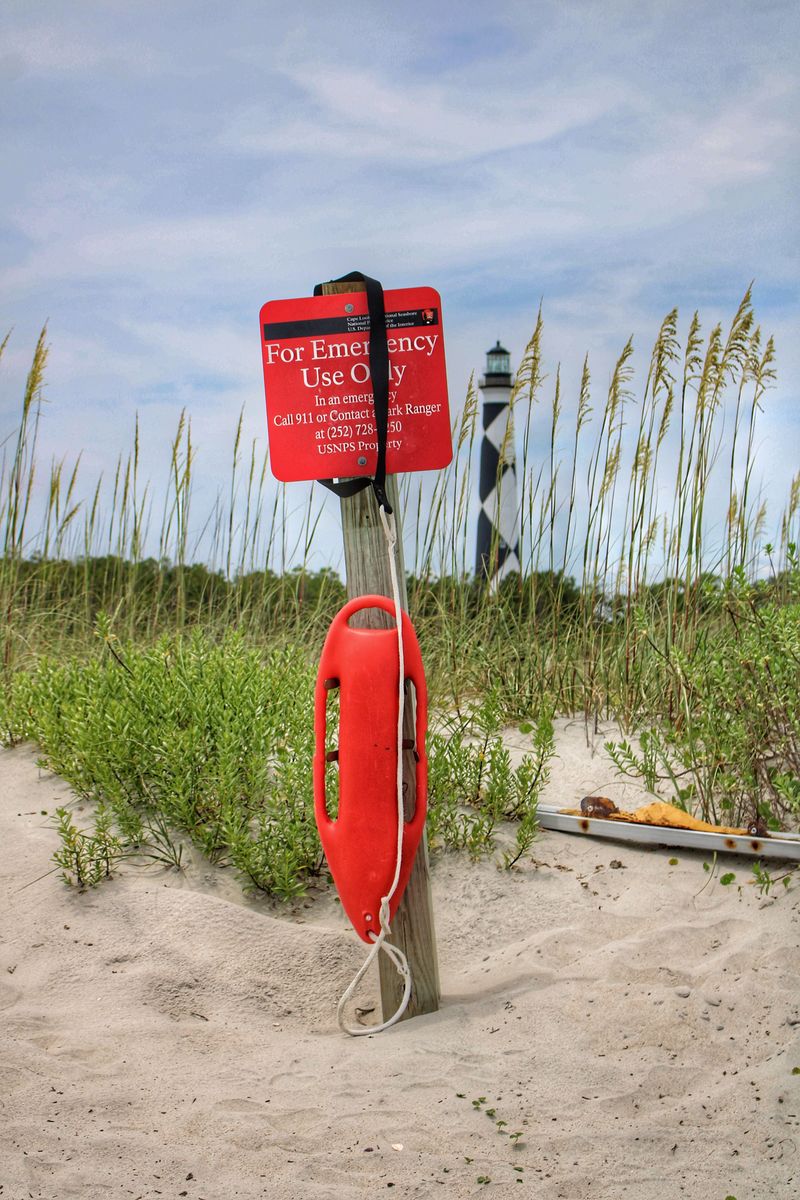
Storm planning works best while the sky is clear and travel choices remain open. Ask management about evacuation notices, building access, and any storm-related restrictions affecting residents.
Follow official evacuation guidance rather than relying only on the property’s messages.
Confirm pet-friendly lodging and shelter arrangements through current county emergency management information sources. Not every shelter accepts household pets, and some require advance steps or records.
Keep identification, medication, food, water, leashes, and veterinary documents ready for travel.
14. What Are Your Responsibilities for Cleaning Up After Your Dog?
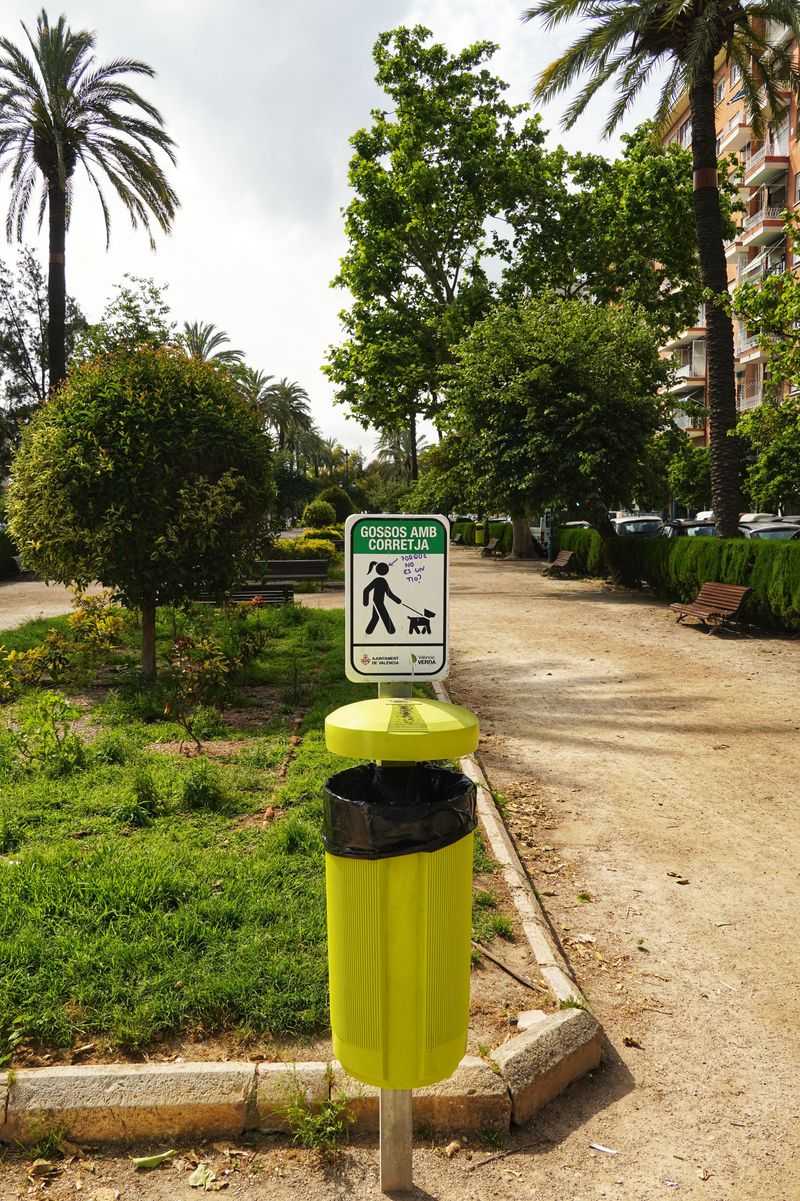
One forgotten bag can turn a simple walk into an awkward moment with neighbors. Carry extras and remove dog waste promptly from lawns, paths, and relief areas.
Follow property instructions and local rules for bagging and disposal at your address.
Never leave waste bags beside a bin or place them in storm drains. Report empty bag dispensers without depending on them as your only available supply.
Handle indoor accidents quickly, using surface-safe cleaners and reporting damage when required.
15. Can Pet Rules Change During Your Lease?

A new notice on the lobby board deserves a careful look, not an immediate assumption. South Carolina law sets conditions for enforceable landlord rules under its residential rental law.
Later rules substantially changing the rental bargain require the tenant’s written consent.
Whether a particular pet rule qualifies depends on the facts and applicable law. Compare notices with your lease and request a written explanation from management promptly.
Seek local legal advice before withholding payments or ignoring disputed requirements.
16. What Happens to Your Pet Deposit When You Move Out?

Move-out photos help show whether marks were existing, ordinary wear, or actual pet damage. Under South Carolina law, security deposit deductions must be itemized with any refund due.
The deadline is generally thirty days after tenancy termination, possession delivery, and tenant demand.
Provide your forwarding address in writing, and keep proof of your deposit request. Nonrefundable pet fees differ from refundable deposits, so review the agreement before expecting repayment.
Clear records make your next move feel easier.