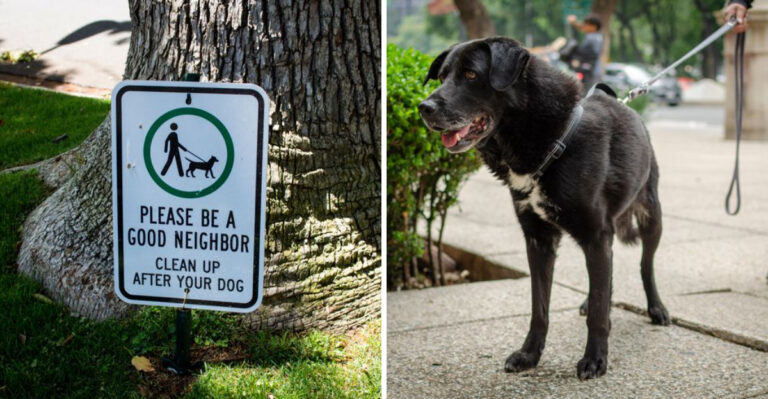
How King Tides And Large Surf Change Coastal Walks With A Dog In California
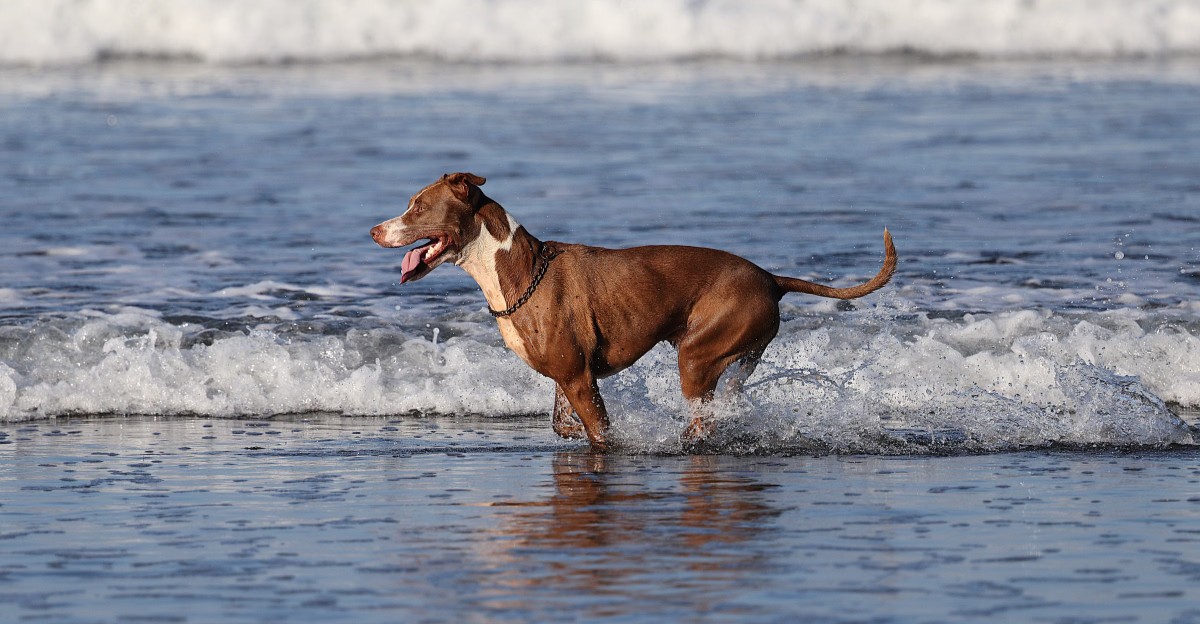
Your favorite beach can look surprisingly different when the water rises and bigger waves arrive. Along California’s coast, king tides and large surf can shrink sandy paths, cover stairs, and change familiar walking routes.
A few simple checks can help you choose a comfortable outing for your dog without giving up your coastal routine. Knowing when to change plans makes room for more relaxed sniffing and fewer unexpected detours.
1. Why King Tides Make Familiar Coastal Walks Different
Yesterday’s roomy beach may have little dry sand when you return with your dog. King tides are exceptionally high tides caused by predictable astronomical conditions, not by storms alone.
Water can reach farther inland and cover places that usually stay dry. Storm surge and large waves can raise water levels further.
Treat each visit as a fresh assessment. Choose a route with generous space, clear exits, and no need to cross wet pinch points ahead.
2. How Large Surf Shrinks Walking Space
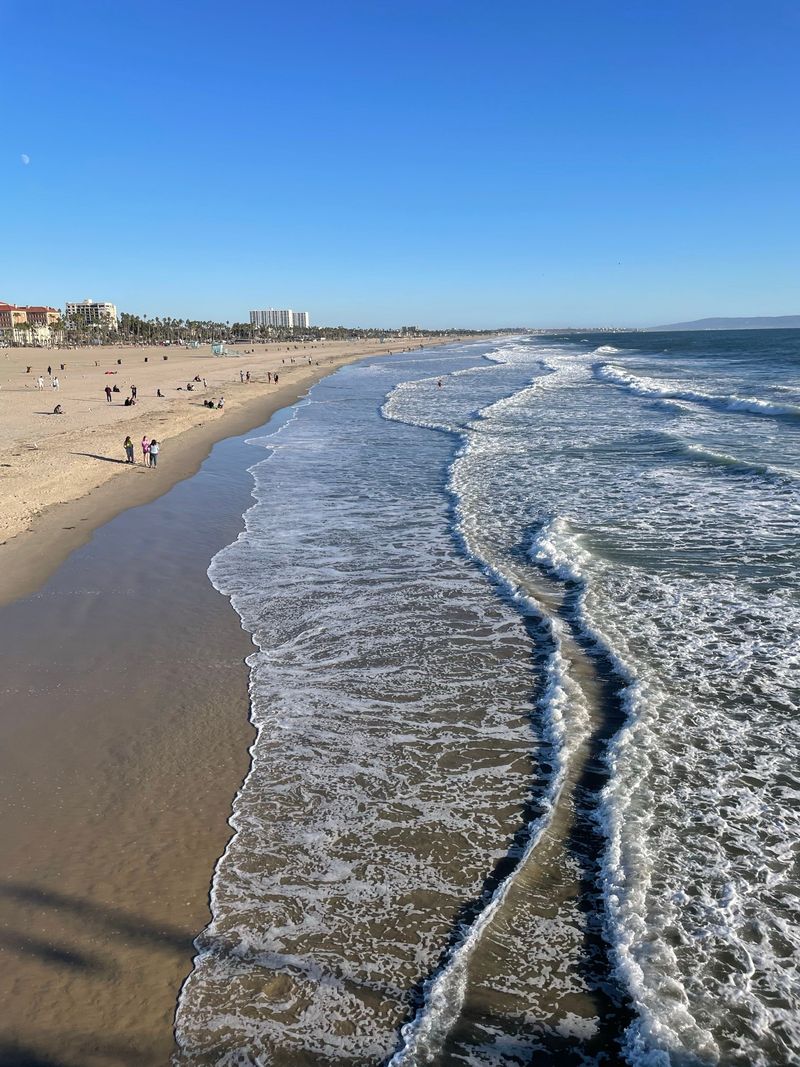
A low tide does not guarantee a wide, comfortable walking strip. Large surf can send water much farther up the beach than ordinary waves.
Your dog’s usual fetch area may become part of the active wash zone. Never use the current waterline as a reliable boundary for approaching waves.
Look for broad separation from the surf and an easy retreat inland. If waves repeatedly cover your intended path, choose another walk instead of squeezing past.
3. Why Checking Tide Times Before Leaving Matters

Before grabbing the leash, check tide predictions for a station near your destination. NOAA tide tables show predicted high and low tides, including their times and heights.
Plan for the entire outing, including your return journey. A route open when you arrive may narrow as the tide rises.
Remember that predictions do not describe every wave or storm effect. Pair tide information with current surf forecasts, weather alerts, and local access updates before leaving home.
4. Understanding Sneaker Waves Along California Beaches
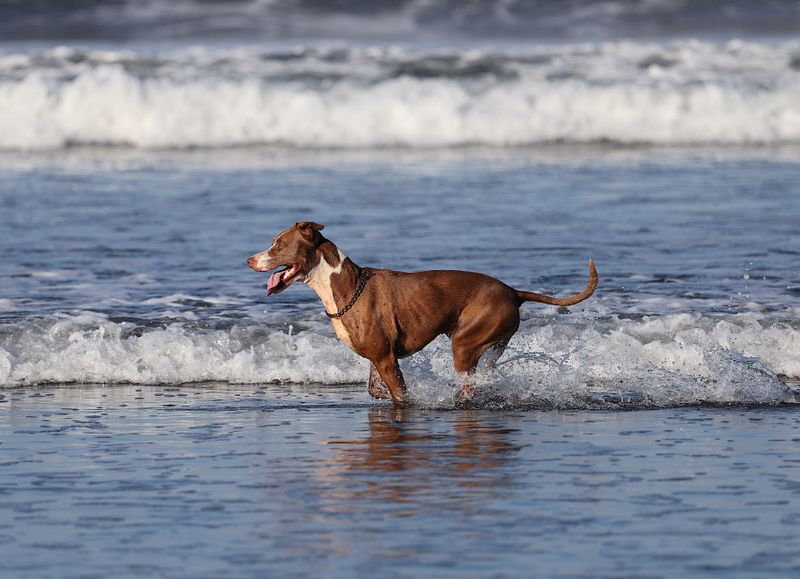
Quiet stretches between wave sets can make the shoreline seem more settled than it is. Sneaker waves can surge unexpectedly far up beaches, especially along Northern California’s coast.
Keep watching the ocean, even while picking up waste or taking photographs. Stay away from driftwood near the water, which waves can move.
No fixed waiting period proves a beach is safe. During sneaker wave alerts, move your outing away from exposed shorelines and choose inland routes.
5. When Familiar Beach Routes Become Dead Ends
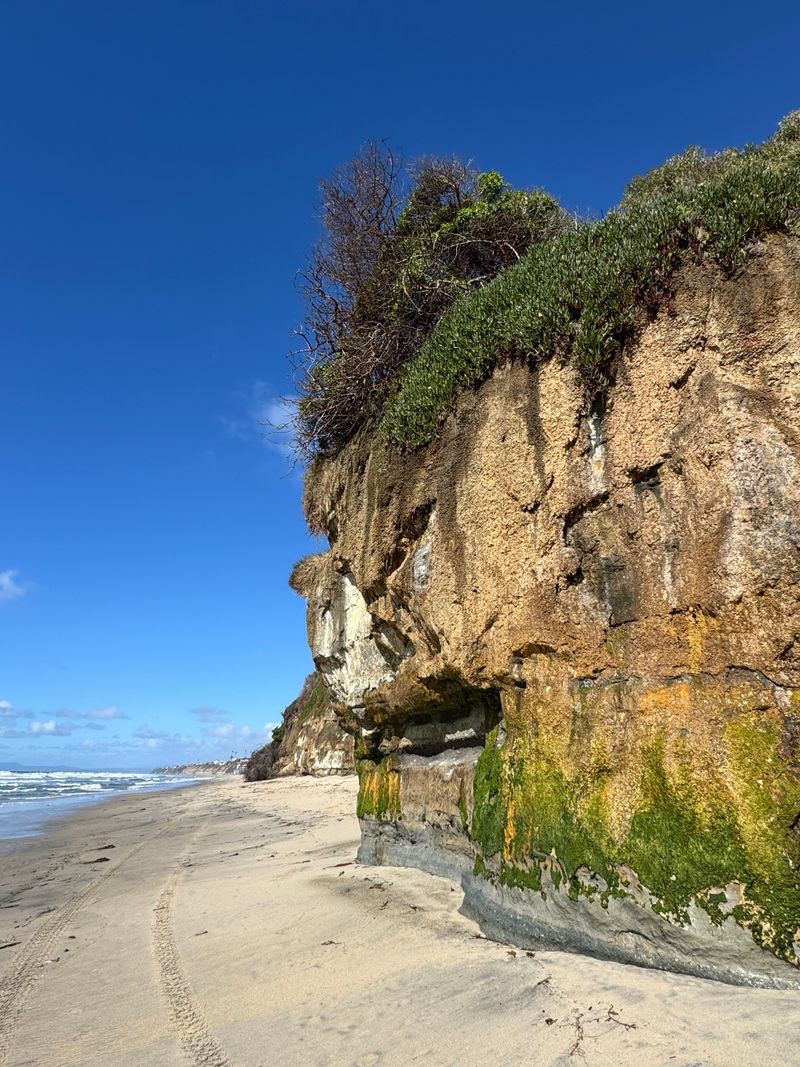
That easy shortcut around a headland can disappear beneath rising water. Pocket beaches, rock passages, and stairs with low landings deserve special attention during higher tides.
Identify your return route before walking farther from the entrance. Do not assume another staircase or public exit exists beyond the next bend.
Turn around while the way remains comfortably open. Never wade around a flooded point with your dog to complete a route you planned earlier that morning.
6. Giving Cliffs And Rocky Edges Extra Room
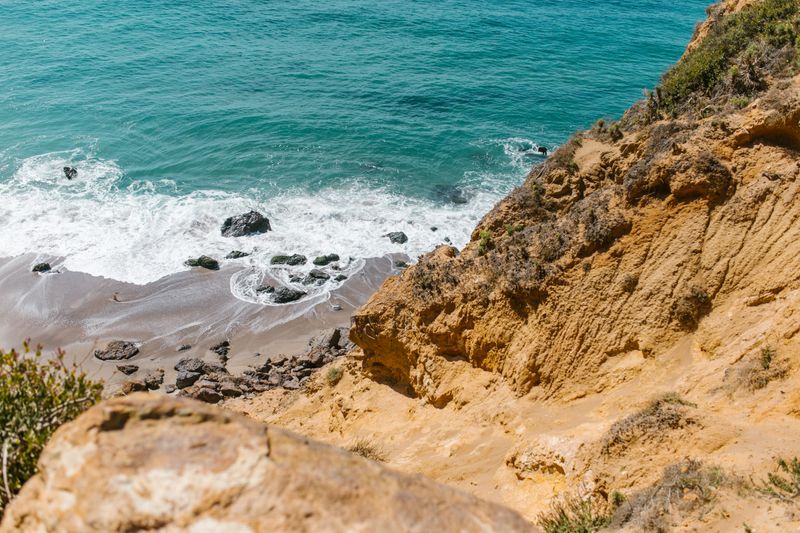
A dog following an interesting scent may head toward an edge before you notice. Coastal bluffs can crumble, while spray makes shoreline rocks slippery.
Keep to designated trails and give cliff edges plenty of room. Avoid walking directly beneath unstable bluffs, especially after rain or visible erosion.
Do not climb onto rocks for a better view of the surf. Keep your dog beside you and turn back whenever the marked path lacks safe footing ahead.
7. Why Water-Loving Dogs Need Firmer Boundaries
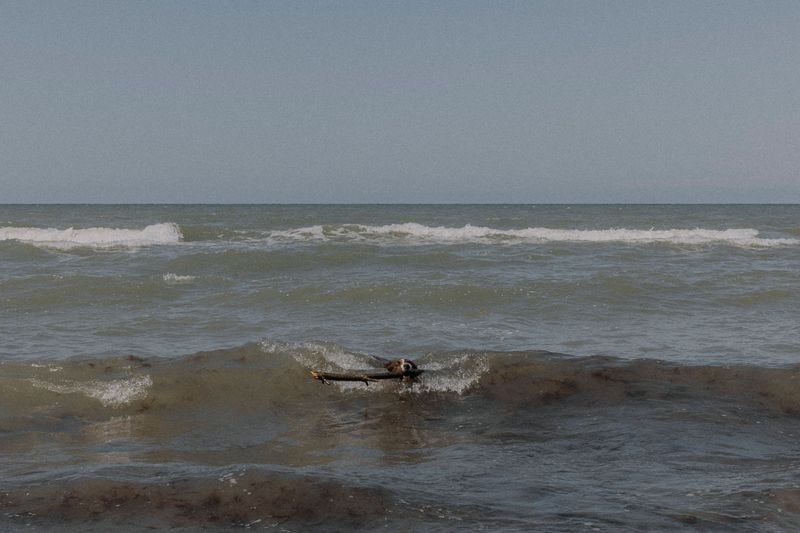
Enthusiasm for swimming does not prepare a dog for powerful shorebreak or strong currents. Even confident swimmers can struggle when waves knock them off balance.
Skip ocean fetch and water entry during rough conditions. A canine life jacket does not make hazardous surf suitable for play.
If your dog enters trouble, avoid entering dangerous water yourself. Call 911 for an active emergency and alert lifeguards.
Follow responder instructions rather than attempting an improvised water rescue.
8. Leaving Tide Pools For Another Day
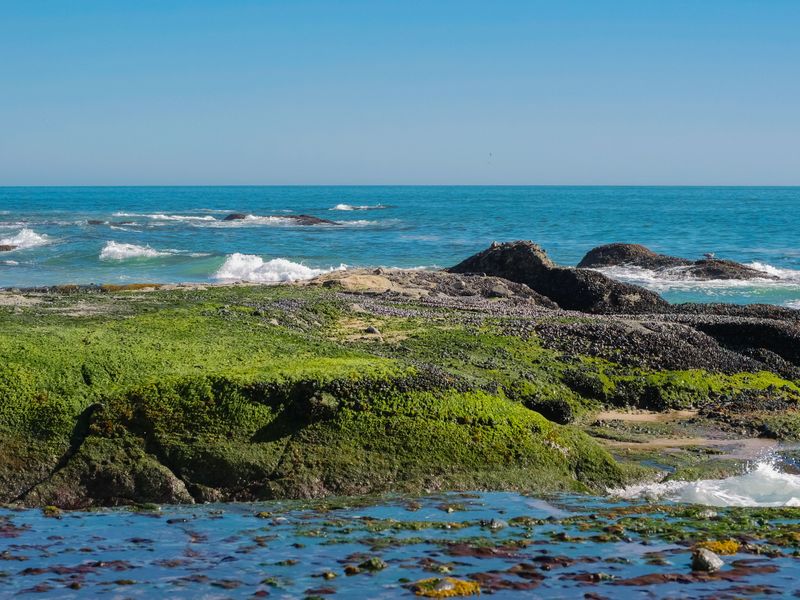
Slippery rock shelves offer little room when waves begin covering tide pools. Dogs can lose footing, disturb wildlife, or step on sharp shells.
Many protected areas restrict dogs or prohibit access to sensitive intertidal habitat. Check the specific park’s rules instead of assuming a leash makes entry acceptable.
During king tides or large surf, leave rocky exploration for another visit. Choose an approved path above the shore, where paws avoid fragile marine life and slippery surfaces.
9. Spotting Erosion Around Trails And Beach Access
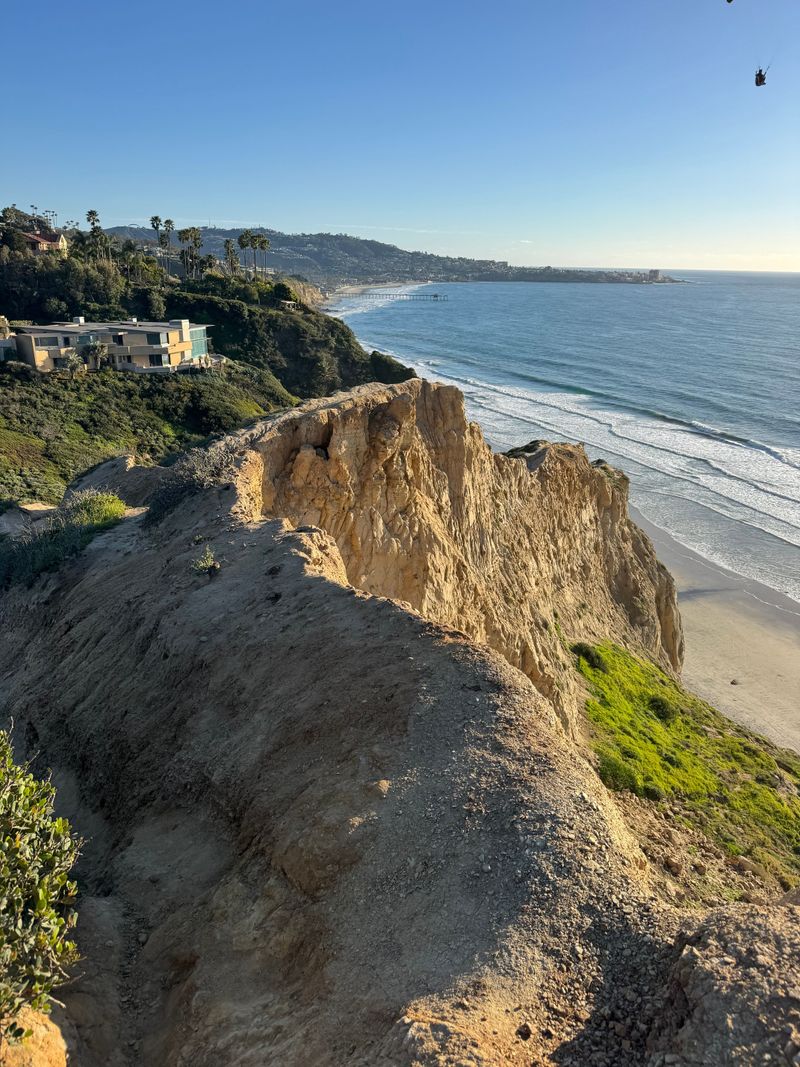
Sand and soil can shift between visits, changing access you remember clearly. Strong waves may undermine stairs, remove beach sand, or damage the base of a trail.
Look for fresh cracks, sagging pavement, exposed supports, and missing steps. Respect barriers even when the section beyond them appears usable.
Avoid testing damaged access with your dog pulling ahead. Report concerns to the managing agency when practical, and use an officially open alternative rather than making shortcuts.
10. Watching Seawalls And Coastal Promenades

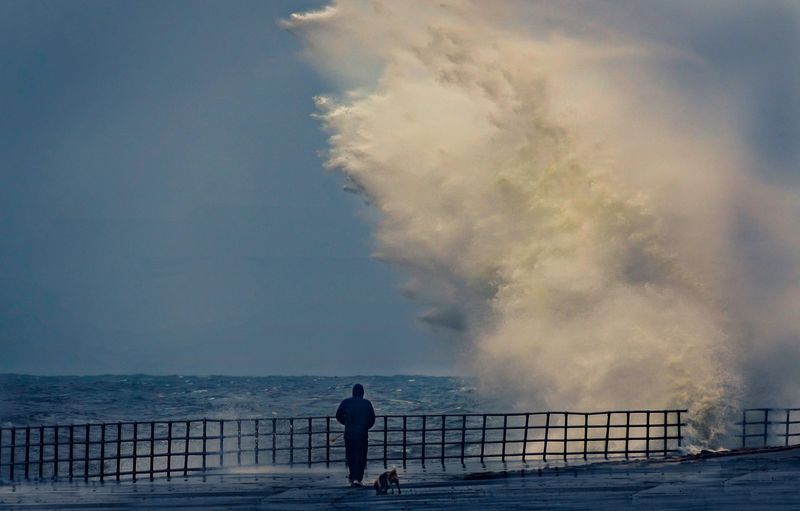
Pavement beside the ocean can feel more protected than sand, but waves may overtop seawalls. Water can sweep across promenades and leave slippery patches or debris.
Stay away from sections receiving spray or flowing water. Never pause beside a seawall to photograph waves breaking over it.
Watch your dog’s footing around puddles, drains, and scattered material. If the waterfront path is being overtopped, take an inland street or another route well away from the water.
11. Keeping Leashes Useful During Rough Conditions
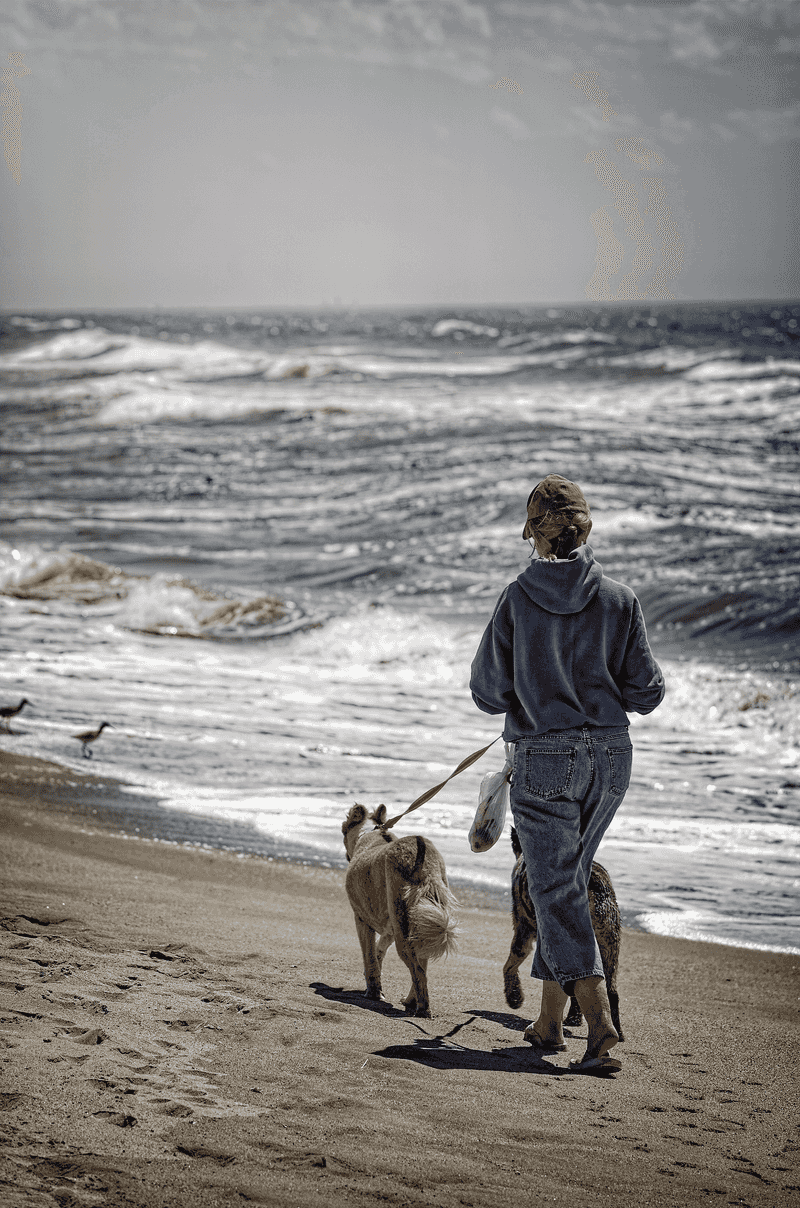
Extra freedom is not helpful when the available walking space keeps changing. A fixed leash helps prevent sudden runs toward foam, birds, floating objects, or unstable edges.
Keep enough slack for comfortable movement without allowing a long wandering radius. Check that your dog’s collar or harness fits securely before leaving.
Leash laws vary by beach and managing agency, so confirm local requirements. Even where dogs may run freely, rough conditions call for a different plan.
12. Steering Clear Of Driftwood And Washed-Up Objects

An interesting smell can turn storm debris into a tempting investigation. Washed objects may include fishing line, hooks, sharp fragments, and unfamiliar marine animals.
Guide your dog around debris rather than allowing chewing or carrying. Large logs near the surf can shift when water reaches them, so keep well away.
If your dog swallows something or encounters a hook, contact a veterinarian promptly. Report hazardous debris to local beach staff without handling unfamiliar objects yourself first.
13. Recognizing When A Coastal Trail Is No Longer Safe
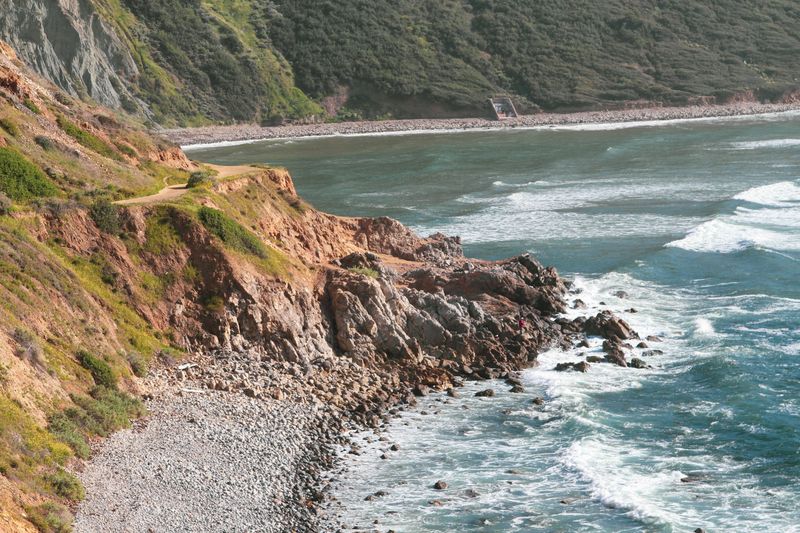
You do not need an official closure sign to decide conditions exceed your comfort level. Fresh washouts, falling material, deep mud, and water crossing the path deserve a turnaround.
Notice your dog’s movement as well. Repeated slipping or hesitation can signal that the footing is becoming difficult.
Do not push onward simply because other walkers continue. Choose a stable alternative, and notify park staff about new damage when you can do so from somewhere safe.
14. Checking Conditions Before The Drive
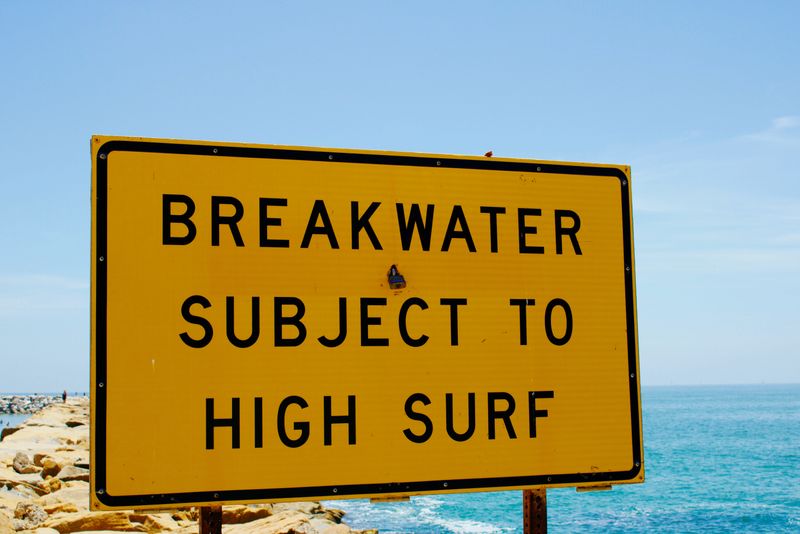
A quick check at home can spare you a disappointing parking lot arrival. Review National Weather Service beach hazards, high surf information, and forecasts for your destination.
Then check the beach manager’s website for closures, parking changes, and dog access rules. California beaches have different restrictions, including seasonal limits and leash requirements.
Use current official updates rather than older photos or social posts. Save an inland backup nearby before starting the drive with your walking companion.
15. Choosing Higher Paths Without Trading One Risk For Another

Ocean views do not require walking at the water’s edge. A broad inland promenade or designated coastal path may offer a pleasant alternative during large surf.
Higher does not automatically mean safer, especially near eroding bluffs. Favor maintained routes set back from cliff edges, with firm footing and open access.
Check dog permissions before choosing a park or preserve. Keep watching conditions, and move farther inland if spray, wind, or trail damage affects your chosen route.
16. Building More Flexibility Into Winter Walks

Shorter daylight and changing weather can squeeze a winter outing’s comfortable window. King tides often draw attention during winter, although unusually high tides also occur in other seasons.
Allow time to return before dark and reassess when rain or wind increases. Wet surfaces can make familiar stairs and paths harder to navigate.
Keep your distance goal flexible rather than fixed. A shorter sniffing walk on stable ground can serve your dog better than a difficult shoreline.
17. Packing For A Comfortable King Tide Season Walk
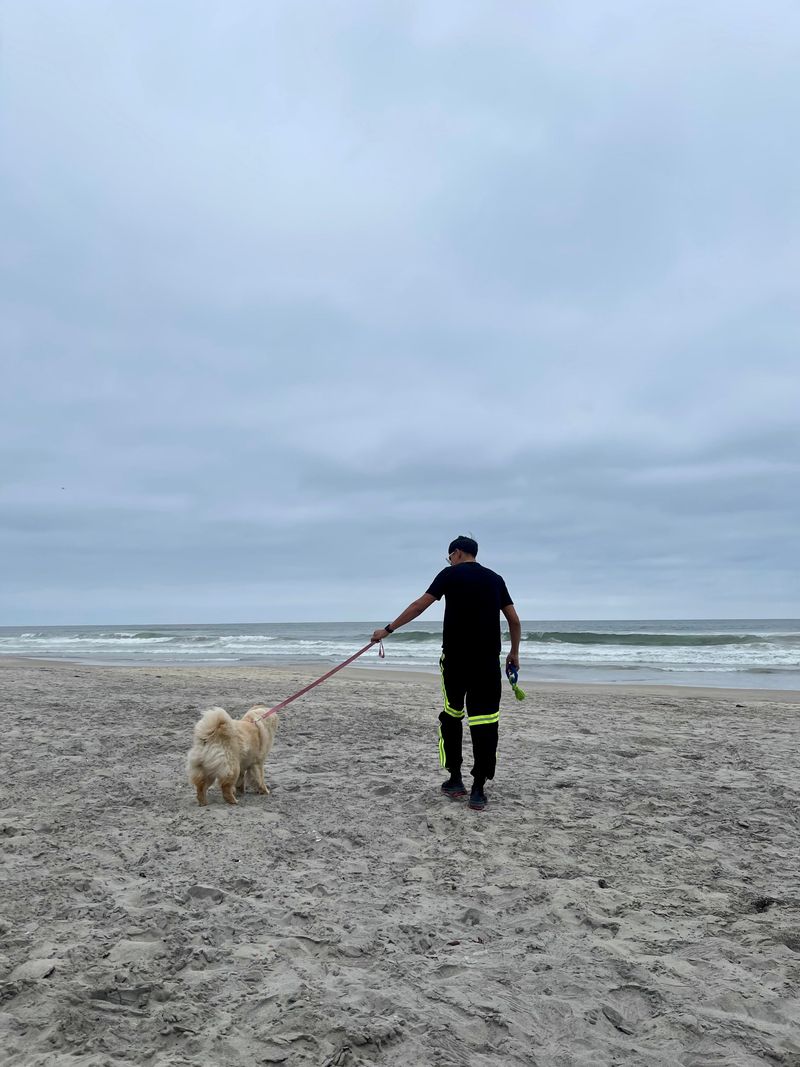
A small walking kit makes changed plans easier to handle. Bring fresh water, a bowl, waste bags, identification, and a charged phone.
Add a towel for wet paws and a light for visibility if daylight fades. Pack any supplies your veterinarian recommends for your dog’s specific needs.
Check leash clips and harness straps before heading out. Equipment supports good decisions, but it cannot make rough surf safe or replace choosing a suitable route for your dog.
18. Knowing When Skipping The Beach Is Better
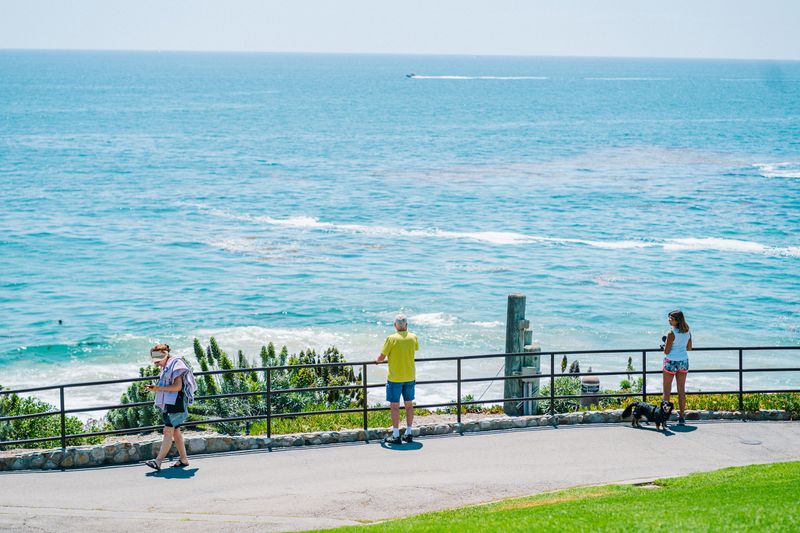
Some days, the best coastal walking decision happens before you reach the sand. Active warnings, closed access, and waves covering your route are good reasons to change destinations.
Try a neighborhood sniff walk, an approved inland trail, or simple training games at home. Your dog can enjoy the day without visiting the shoreline.
Save the beach for conditions that leave comfortable room to explore. Check first, stay flexible, and let the ocean set the schedule today.