Why Abandoned Fishing Line Is A Hidden Risk Along Pennsylvania Creeks
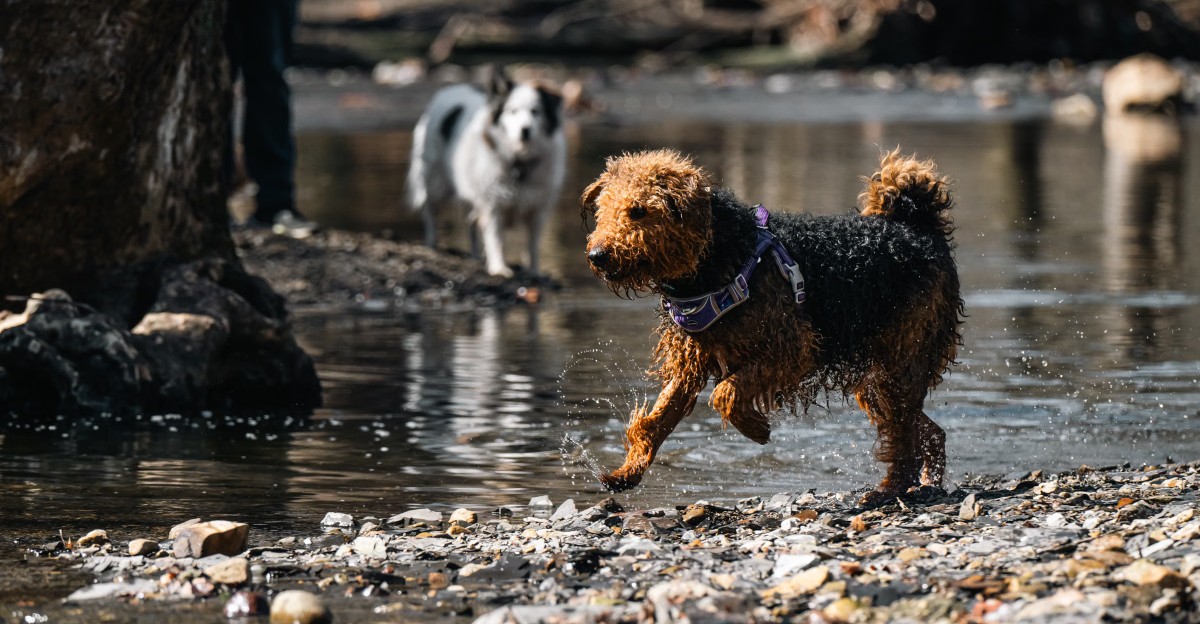
A creek walk with your dog should feel like a small break from the busy day. Along Pennsylvania waterways, a nearly invisible strand of fishing line can create problems for pets and wildlife.
Knowing where line collects, and how to respond safely, helps you enjoy those familiar paths with more confidence. A few simple habits can also leave the creek safer for its wild neighbors.
1. Why Abandoned Fishing Line Can Be Dangerous for Pennsylvania Wildlife
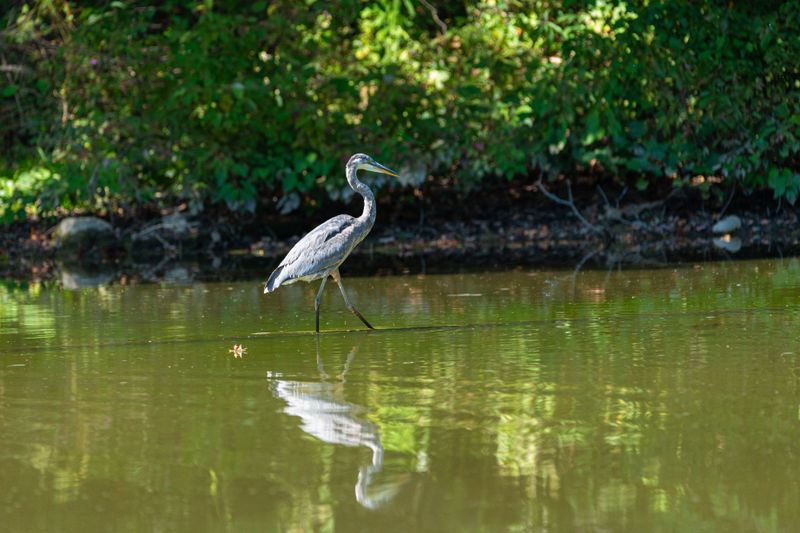
A loose strand may look harmless beside a much larger creek. Yet fishing line can wrap around wildlife, limit movement, and make feeding harder.
Animals may also swallow line attached to bait or hooks.
Pennsylvania creek edges bring birds, turtles, fish, and mammals into the same narrow spaces. Keeping your dog nearby helps prevent extra disturbance when wildlife is struggling.
Watch from a distance, note the location, and seek trained help rather than attempting a rescue.
2. How Fishing Line Ends Up Along Pennsylvania Creeks
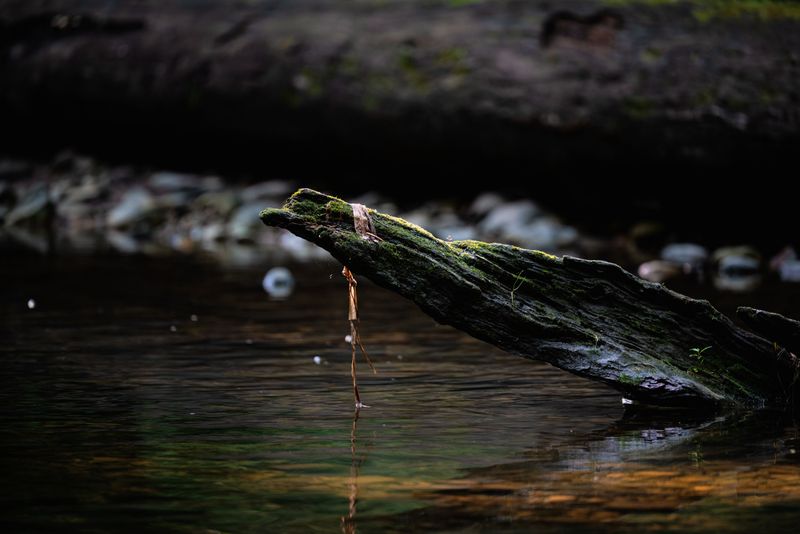
One snagged cast can leave line wrapped around a branch or submerged rock. Other pieces come from broken tackle, loose scraps, or line dropped while equipment is repaired.
Not every strand starts as deliberate litter.
Understanding these sources helps you recognize likely trouble spots during walks. Look near popular casting areas, bridges, and low branches without stepping into unsafe terrain.
Anglers can reduce losses by checking worn line and collecting scraps before leaving the creek bank.
3. Why Monofilament Line Is Difficult to Spot
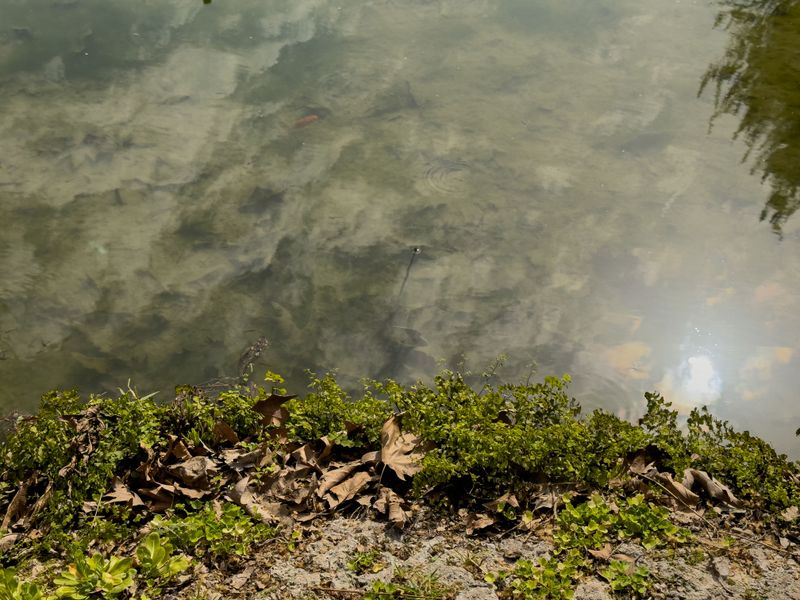
Sunlight sometimes reveals a strand that was invisible a moment earlier. Monofilament is a single plastic strand, often clear or lightly colored.
Against water, wet stones, or pale grass, it can blend into the background.
Scan creek access points before letting your dog sniff around. Change your viewing angle if something glints between branches or rocks.
Never run bare fingers along a suspicious strand. A hidden hook may be attached beyond the part you can see.
4. Birds Can Become Entangled While Searching for Food
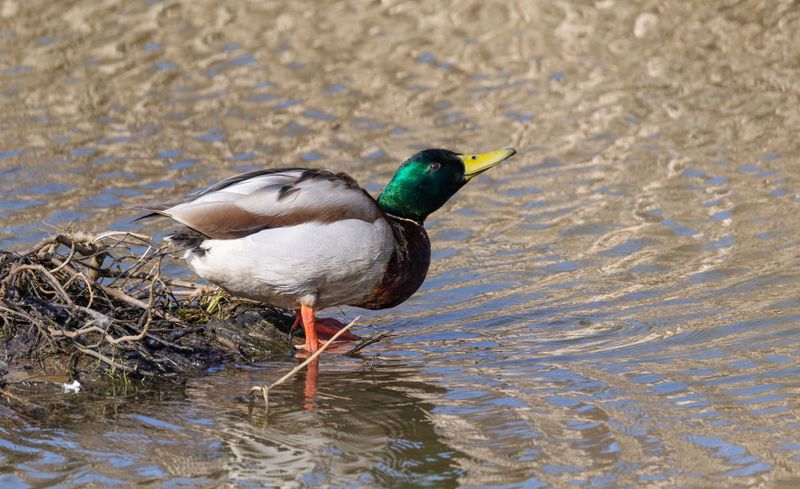
A duck searching the shallows is focused on food, not discarded tackle. Line can catch around feet, wings, or bills as birds move through feeding areas.
Some birds also collect strands with nesting material.
Give resting and feeding birds plenty of room, especially when walking a curious dog. An unusual hopping motion or trailing strand deserves attention from a safe distance.
Contact a permitted wildlife rehabilitator for guidance, and avoid chasing the bird toward deeper water.
5. Turtles Face Risks From Loose Hooks and Fishing Line
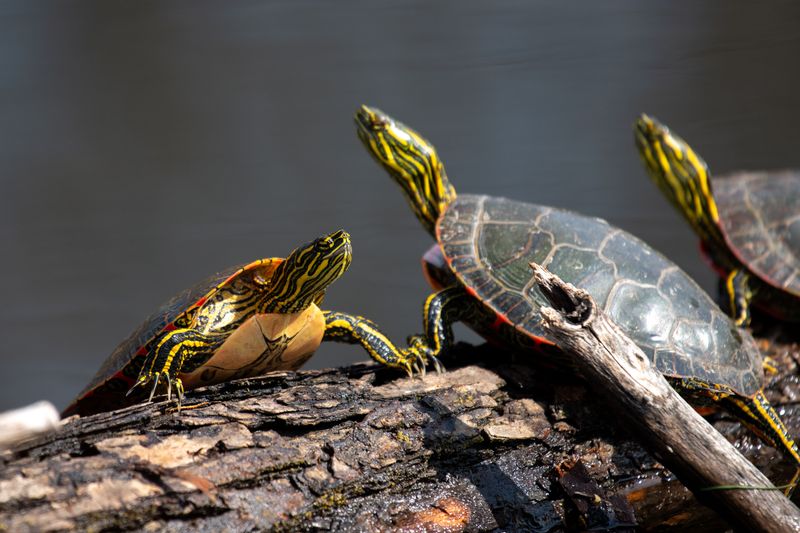
Slow movement does not protect a turtle from discarded fishing gear. A turtle may investigate bait, swallow a hook, or become wrapped in loose line.
Strands can also catch around legs as turtles explore shallow edges.
Keep your dog away from any turtle you notice. Never pull line coming from its mouth or attempt hook removal yourself.
Photograph the location from a respectful distance, then ask a permitted wildlife rehabilitator about the safest next steps available.
6. Fish Can Get Caught in Fishing Line Underwater
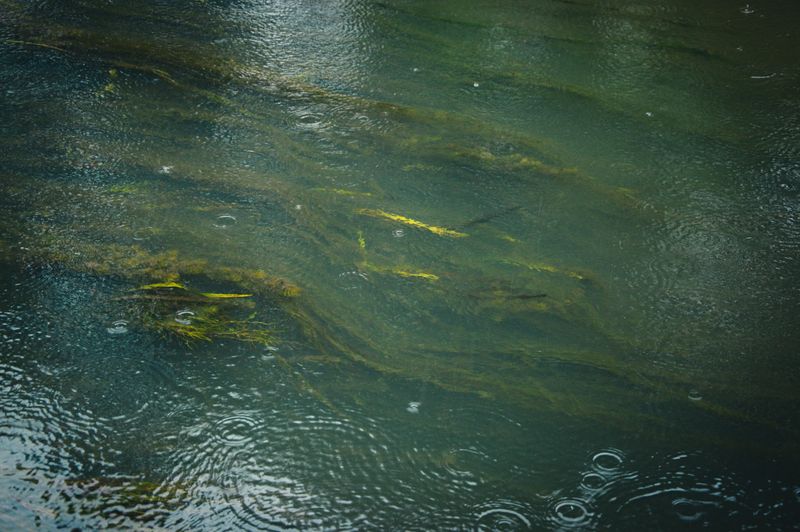
Beneath a calm surface, loose loops can remain caught between roots and rocks. Fish moving through those spaces may become entangled.
Attached hooks can create additional problems, even when nobody is fishing nearby.
From shore, underwater line is often impossible to assess safely. Do not wade into unfamiliar pools or reach beneath slippery rocks to retrieve it.
Report larger tangles to the land manager, including a clear location and photographs taken from stable, accessible ground nearby.
7. Hooks and Sinkers Add to the Danger
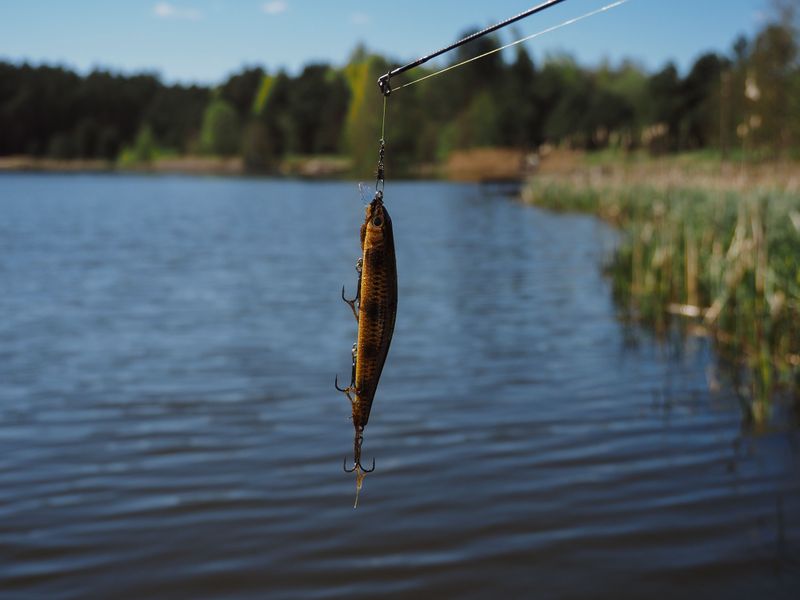
A tempting bit of bait can hide a hook from a sniffing dog. Hooks may catch in paws or mouths, while swallowed tackle requires prompt veterinary advice.
Some sinkers contain lead, which is toxic if swallowed.
Keep your dog away from found tackle and prevent further chewing. Never pull line extending from the mouth or attempt to remove an embedded hook.
Call your veterinarian immediately for instructions, even if your dog seems comfortable after the encounter.
8. Creek Currents Can Carry Discarded Line to New Areas
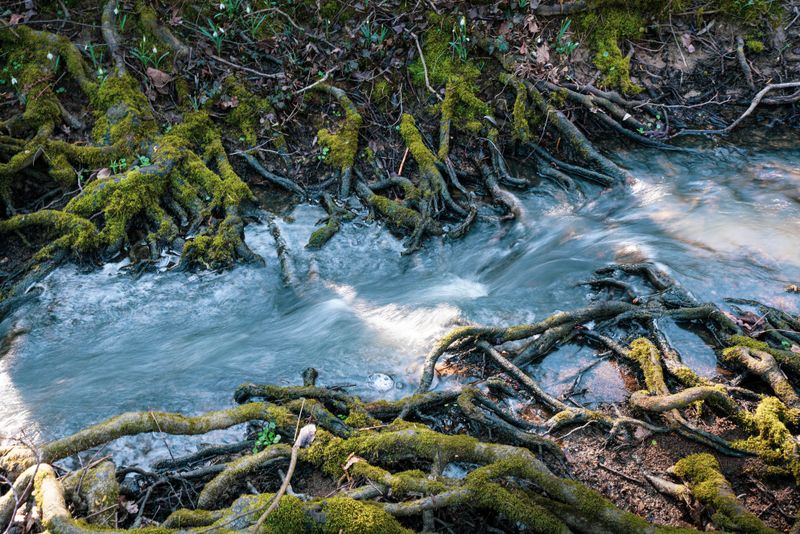
The place where line appears may be far from where it entered the water. Moving water carries loose strands downstream until they snag on roots, rocks, or branches.
Quiet bends can collect debris from busier fishing spots.
A familiar walking route still deserves a quick check each visit. Watch places where leaves and twigs gather, since line may collect there too.
Stay on firm ground, and avoid reaching across moving water for something beyond easy reach.
9. Flooding Can Spread Fishing Debris Along Creek Banks
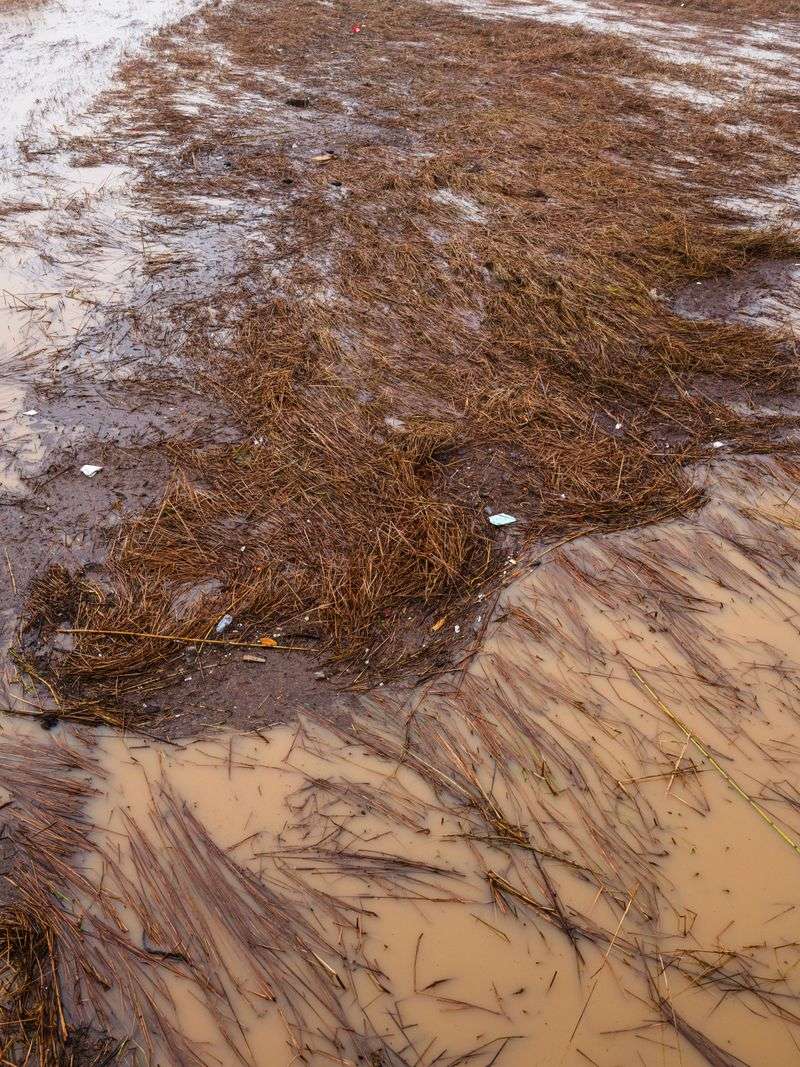
After heavy rain, yesterday’s clean path may hold unfamiliar debris. High water can lift old line from snags and leave it above the usual shoreline.
Mud and leaf piles may hide hooks along popular walking routes.
Wait until flooding has passed and local access is safe before returning. Keep your dog close while checking newly deposited material.
Avoid unstable banks and fast water. Report dangerous debris piles to the property manager rather than climbing through them.
10. Dogs Can Encounter Fishing Line During Creek Walks
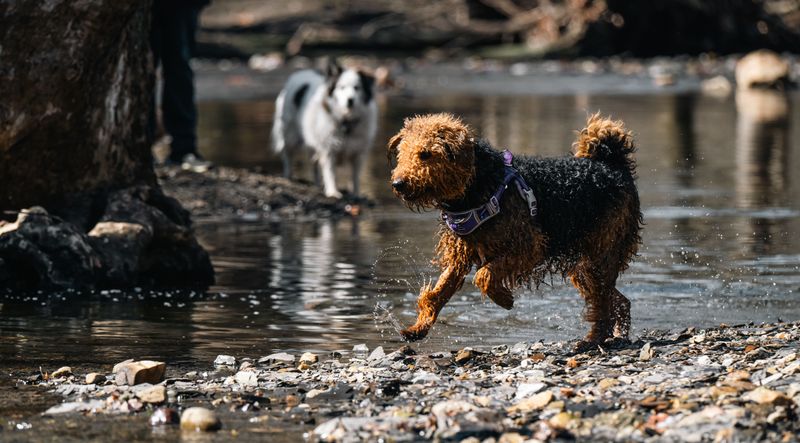
Your dog’s nose often reaches creekside litter before your eyes do. Line can wrap around a paw, while baited tackle may invite a quick taste.
A leash and a practiced leave it cue offer useful protection.
Inspect busy fishing access points before allowing closer exploration. If line catches your dog, stop movement and prevent chewing while you assess safely.
Embedded hooks, swallowed material, limping, or mouth discomfort call for veterinary guidance rather than a homemade fix.
11. Fishing Line Can Remain in the Environment for Years
Plastic line does not disappear when it slips beneath fallen leaves. Depending on its material and conditions, it can remain for years.
Sunlight and wear may weaken strands without making the remaining pieces harmless.
Avoid relying on precise breakdown timelines, since conditions vary widely between creek banks and underwater snags. The useful message is simpler: remove accessible litter safely instead of expecting nature to handle it.
Even an old, faded tangle deserves careful attention during cleanup.
12. Why Tangled Line Can Be Difficult for Wildlife to Escape
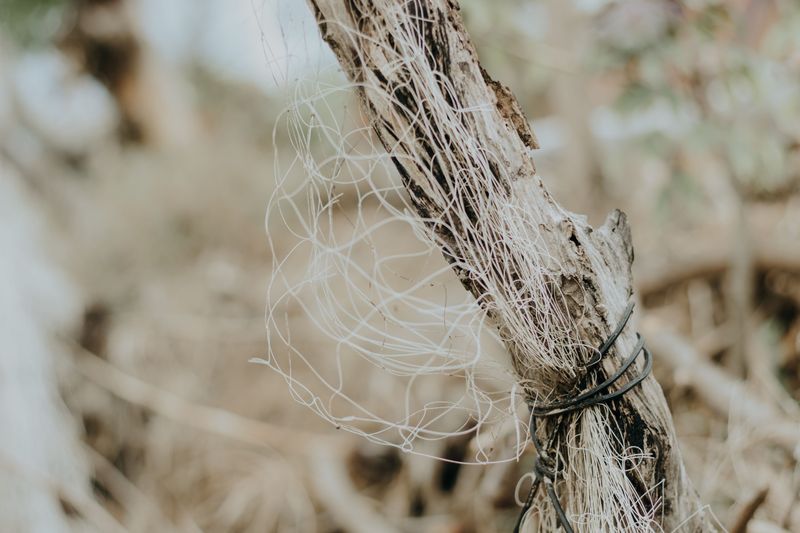
Pulling away can tighten a loop instead of opening it. Fishing line is made to resist tension, and tangled strands can form several loops.
An animal cannot simply untie the knot or understand what holds it.
That makes prevention more useful than waiting for wildlife to work free. Never tug line attached to an animal, even when the tangle looks simple.
Keep dogs and onlookers back while a wildlife professional explains what to do next safely.
13. Pennsylvania Creeks Need Regular Fishing Line Cleanup
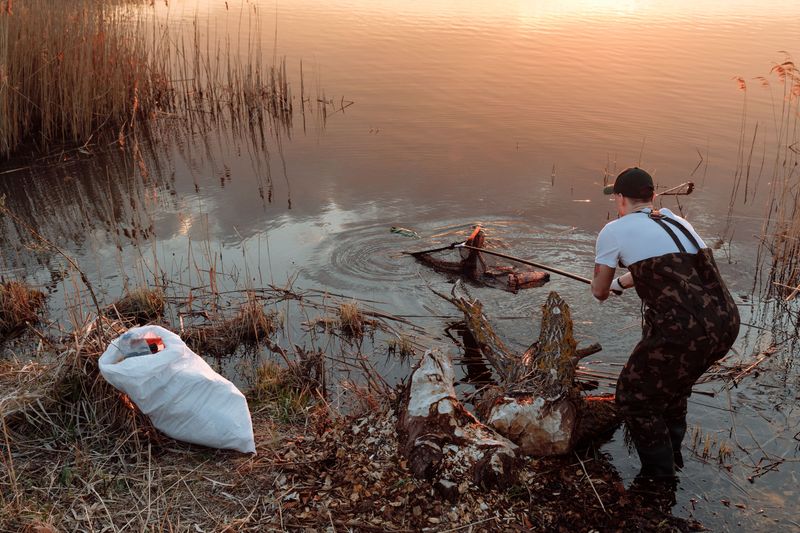
One cleanup helps, but popular creek access points need repeated attention. New snags, storms, and regular use can bring more line into places already checked.
Seasonal vegetation also hides material until leaves fall or water drops.
Ask park staff or a watershed group about organized cleanup opportunities. Follow their safety instructions and keep dogs away from collected tackle.
Volunteers should work within safe access areas, leaving underwater tangles and unstable banks to people with suitable training.
14. How Anglers Can Dispose of Damaged Fishing Line Properly
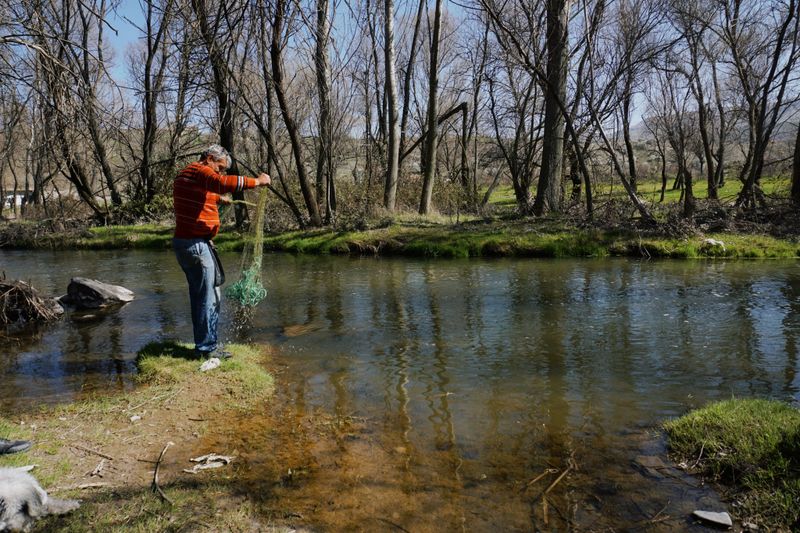
A small container in a tackle bag can prevent scattered scraps. Place damaged line inside as soon as you replace it.
Keep hooks secured separately, using a rigid container that protects people handling the waste.
Never leave loose strands beside an overflowing bin or tuck them under rocks. If recycling is unavailable, follow local waste guidance and contain line securely.
Check your fishing spot before leaving, including nearby branches and the ground beneath your gear bag.
15. Fishing Line Recycling Programs Offer Another Option
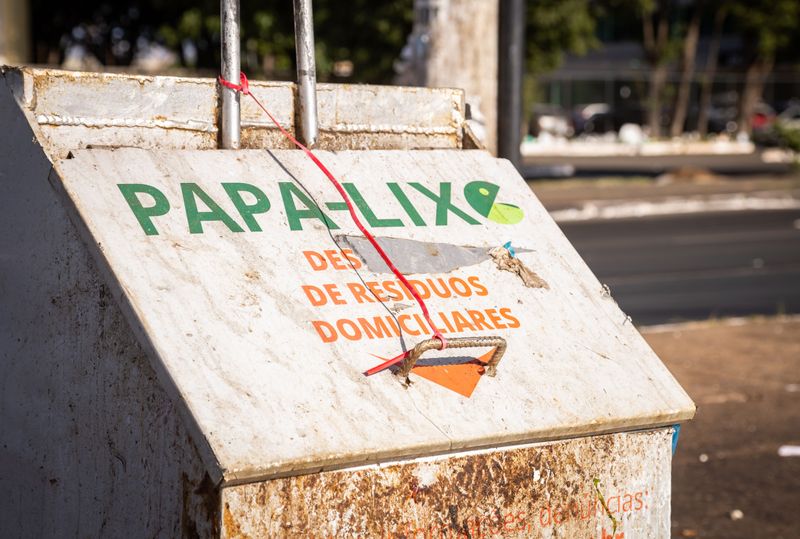
Some fishing locations and tackle shops offer collection points for used monofilament. Availability varies, so check with local park staff, tackle retailers, or program organizers.
A general recycling bin is not automatically suitable for fishing line.
Read collection instructions before adding anything. Many programs require clean line without hooks, sinkers, bait, or other trash.
Braided line may not be accepted. Store your scraps securely until you confirm a suitable dropoff, rather than leaving them beside containers.
16. What to Do When You Find Abandoned Fishing Line
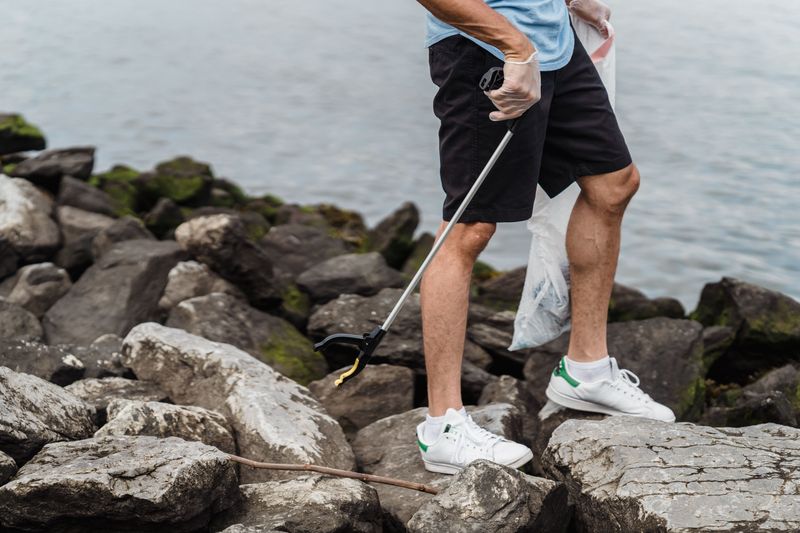
Pause before picking up that shiny strand beside the trail. Check whether it connects to wildlife, a hook, or an underwater snag.
Secure your dog away from the area before deciding whether removal is safe.
For loose, accessible litter, use a grabber and suitable gloves while watching for sharp tackle. Gloves do not make hooks harmless.
Contain everything securely, and wash your hands afterward. Leave difficult tangles in place and report their location to site staff.
17. When an Entangled Animal Needs Professional Help
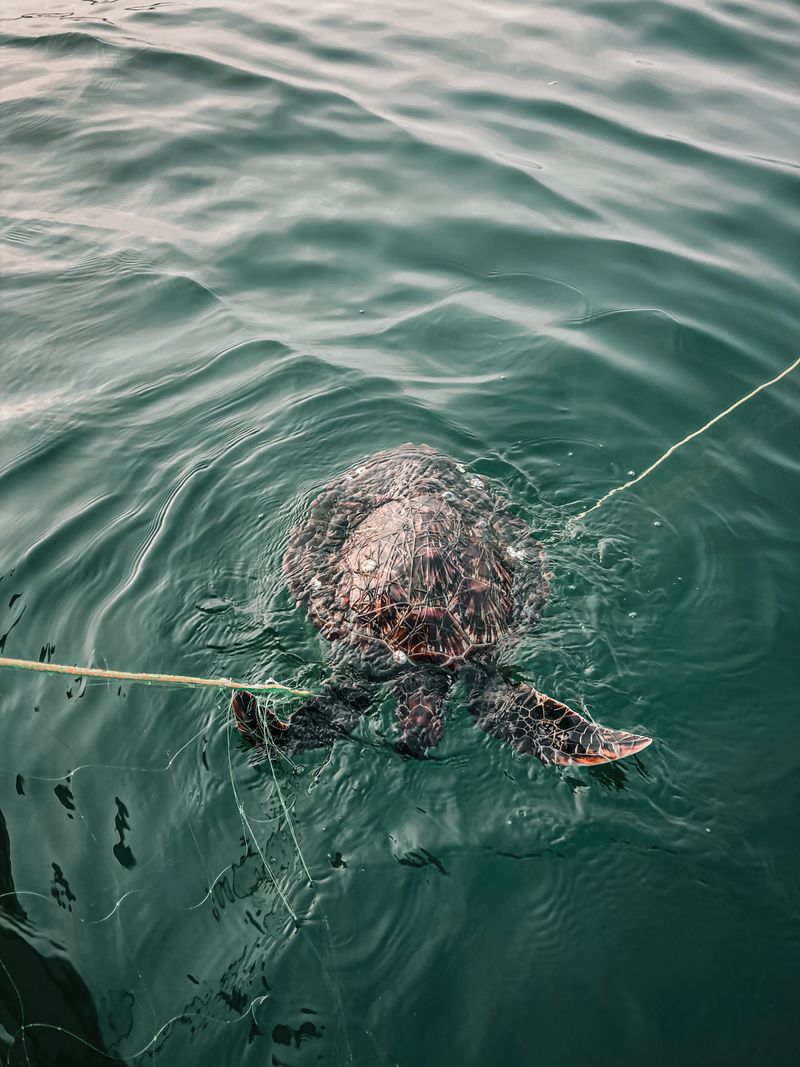
A struggling animal needs space, not a crowd of helpers. Keep your dog well back and avoid touching, chasing, or feeding the animal.
Note its location, behavior, and any visible line without moving closer.
Contact an appropriate permitted wildlife rehabilitator or state agency for guidance. In Pennsylvania, the Game Commission handles wild birds and mammals, while the Fish and Boat Commission handles fish, reptiles, and amphibians.
For an entangled dog, call a veterinarian instead. Follow professional instructions, since capture and handling can create additional risks.
Share photographs only when taking them is safe.
18. Small Cleanup Efforts Can Make Pennsylvania Creeks Safer
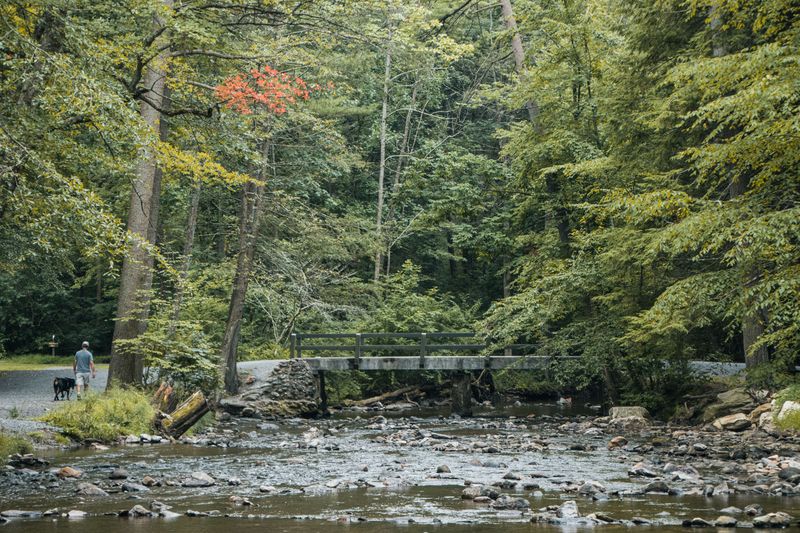
You do not need to clear an entire creek to help. Carrying out one safely collected strand removes a possible hazard from a shared space.
Reporting a larger problem gives site managers useful information.
Pack a small cleanup kit, supervise your dog, and share practical advice without blaming other visitors. Those habits fit easily into ordinary walks and fishing trips.
Leave each bank a little better, and enjoy knowing your next visit starts with greater awareness.