15 Hunting-Season Precautions For Dogs On Texas Ranches And Public Land
A walk across a Texas ranch can be a great day for you and your dog. During hunting season, a little planning helps you share that space safely with hunters, wildlife, and working dogs.
Rules can change between private ranches and public hunting areas, so checking ahead makes a real difference. From choosing quieter routes to checking paws afterward, these habits help keep outdoor time relaxed and enjoyable.
1. Check Texas Hunting Seasons Before Taking Your Dog Outdoors
A quiet pasture in summer may be busy when fall hunting opens. Check current Texas Parks and Wildlife Department season dates before planning your walk.
Dates vary by species, county, and hunting method.
Ask the ranch manager about scheduled hunts, including activities outside common deer seasons. Public properties may also hold special hunts or temporary closures.
Confirm conditions again before leaving home, rather than trusting last year’s calendar or a neighbor’s memory alone for planning.
2. Choose Walking Routes Away From Active Hunting Areas
Good route choices begin before your boots touch the trail. Ask land managers which roads or paths avoid active hunting areas.
Favor approved routes with clear sightlines, rather than brushy shortcuts.
Early morning and evening can be busy, but hunting also happens throughout daylight hours. Never assume midday means an area is clear.
If you hear nearby shots or encounter hunters, calmly turn around and choose another permitted route well away from their activity today.
3. Use Bright Orange or Other Highly Visible Dog Gear
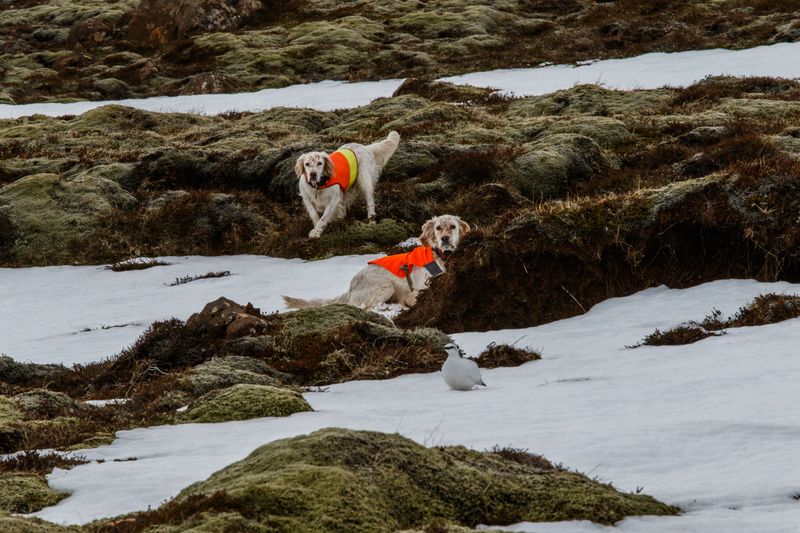
Brown fur can disappear against dry Texas grass surprisingly quickly. Fit your dog with a bright orange vest that stays visible from several directions.
Wear a visible outer layer yourself.
Check that straps allow comfortable movement without rubbing or catching brush. Reflective details help in low light, but they do not replace daylight visibility.
Bright gear helps others notice you; it never replaces distance, leash control, or permission to enter an area during hunting activities.
4. Keep Dogs Leashed Near Hunters and Hunting Equipment
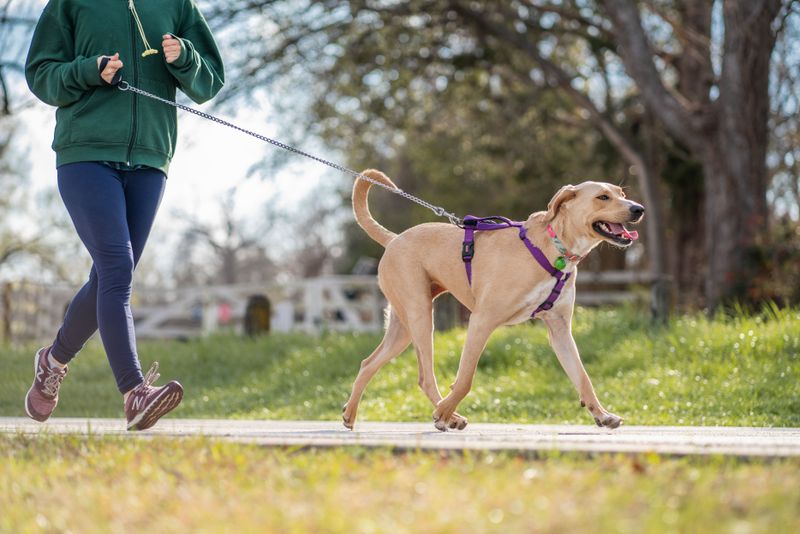
Even a steady dog may rush toward an unfamiliar smell. Use a sturdy leash near hunters, parked vehicles, equipment, and unfamiliar dogs.
A fixed length leash offers better control than a long retractable line.
Choose a comfortable harness or secure collar, then check every buckle before leaving. Keep enough space to prevent greetings unless everyone agrees.
Follow posted leash requirements, and avoid tying your dog unattended where people or vehicles may pass during the day.
5. Get Permission Before Exploring Private Texas Ranches
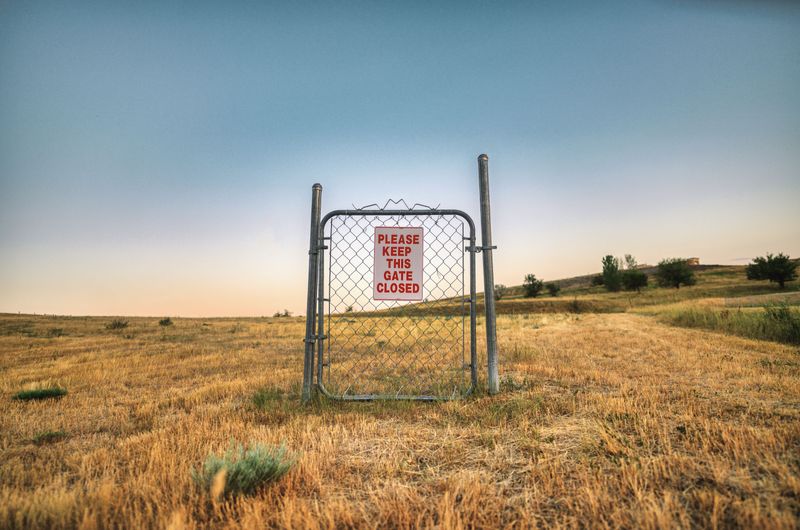
An open gate is not an invitation to explore. Get permission from the landowner or an authorized manager before entering private ranchland.
Ask specifically whether your dog may come along.
Confirm approved routes, parking spots, livestock locations, and any hunting plans. Respect posted notices and purple paint markings that can identify restricted entry under Texas law.
Leave gates as instructed, avoid crossing fences, and carry the manager’s number in case plans change while you are visiting.
6. Check Public Hunting Area Rules Before Bringing a Dog
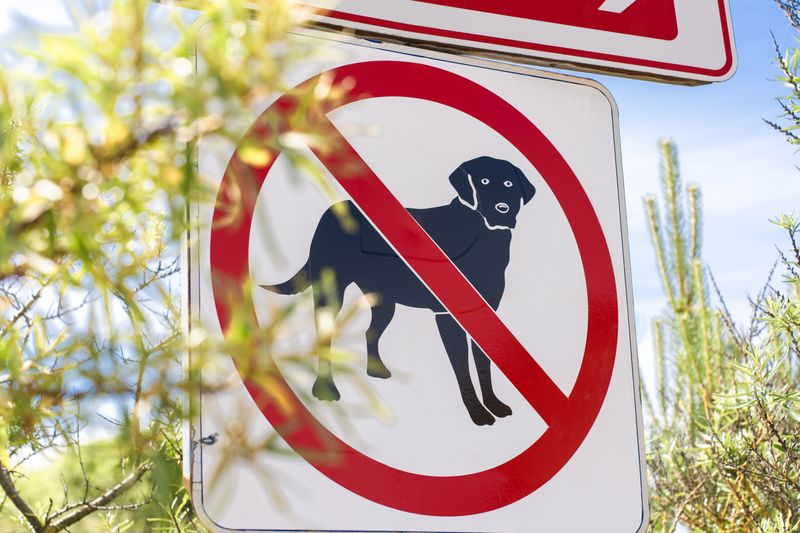
Public access does not mean every activity is allowed. Read the current rules for the exact property you plan to visit.
Texas public hunting lands can have specific access and dog restrictions.
Check permit requirements, allowed dates, closures, and whether recreational dog walking is permitted. Rules for hunting dogs may differ from rules for pets.
Contact the managing agency when details are unclear. Save current maps offline, since phone service can fade beyond the entrance road.
7. Teach Your Dog to Respond Reliably to Recall Commands
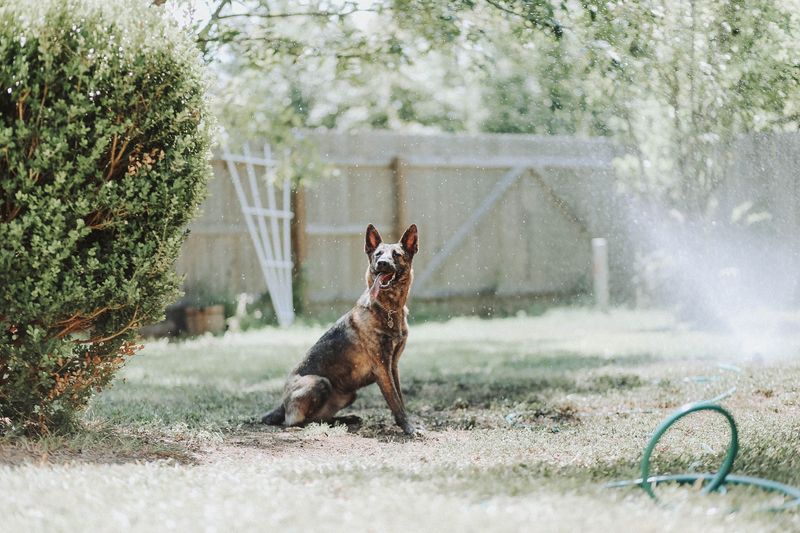
A practiced return cue gives you another useful safety tool. Build the skill in a fenced space using rewards your dog loves.
Gradually add distractions while keeping sessions short and upbeat.
Practice with a long line only where safe and permitted, away from hunting activity. Never test unfinished training around wildlife or working dogs.
Reward every successful return, and avoid scolding after your dog comes back. Reliable recall supports leash handling rather than replacing required restraints.
8. Avoid Letting Dogs Chase Deer, Hogs, or Other Wildlife
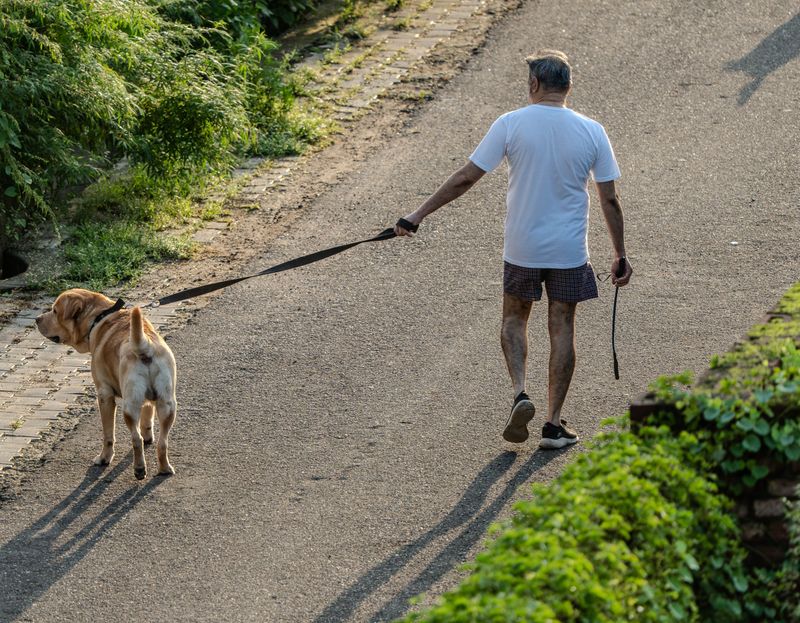
One exciting scent can pull attention away from you. Keep your dog close where deer, feral hogs, or other wildlife may appear.
Watch for tracks, movement, and sudden changes in your dog’s posture.
Turn away early instead of approaching for a better look. Never encourage chasing, cornering, or barking at animals.
Texas hunting regulations restrict the use of dogs to pursue deer, with rules and exceptions depending on the circumstances and location. Regardless of local regulations, keep your dog from chasing or harassing wildlife during ordinary walks.
9. Keep Dogs Away From Hunting Blinds and Feeding Stations
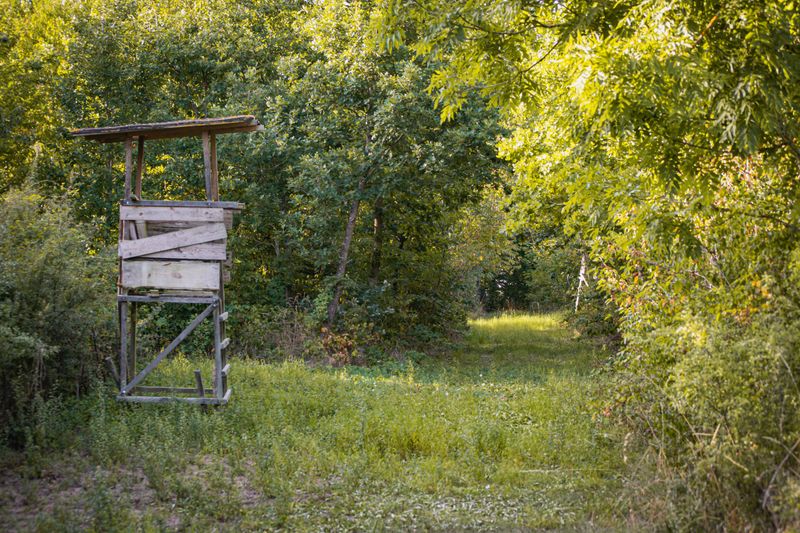
Feeders and blinds deserve plenty of space, even when nobody seems nearby. Wildlife may gather around feeding stations, and hunters may be present without being obvious.
Choose another route rather than investigating.
Do not let your dog sniff beneath blinds, eat scattered feed, or approach stored hunting supplies. Some substances on ranches are unsafe for pets.
Ask the manager about restricted locations before walking. If equipment blocks your planned path, turn back instead of squeezing past.
10. Watch for Hunting Dogs Working Nearby
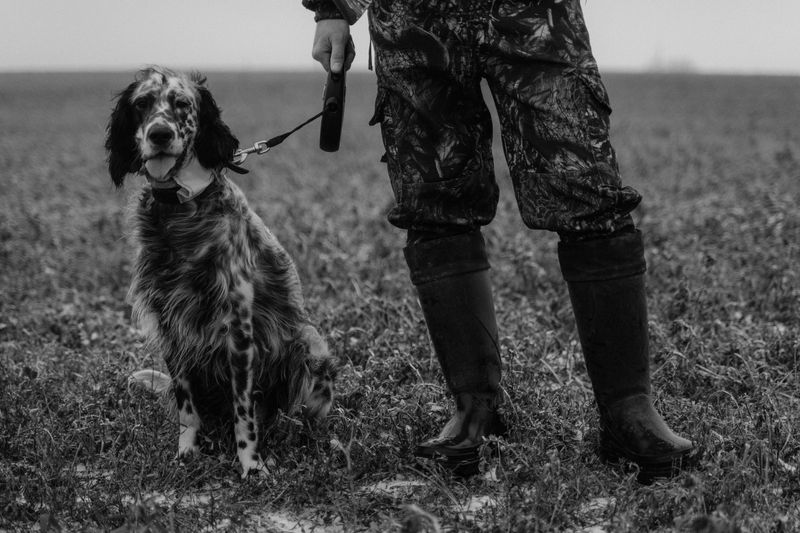
A dog wearing tracking gear may be working, not seeking play. Bring your pet close when hunting dogs appear, and give their handlers room.
Avoid calling, feeding, touching, or following unfamiliar dogs.
Ask the handler before allowing any greeting, even if both animals seem friendly. If a loose dog approaches, stay calm and create distance when possible.
Report a dog that seems lost to the land manager, rather than assuming it needs immediate removal yourself.
11. Prepare for Gunshots and Sudden Loud Noises
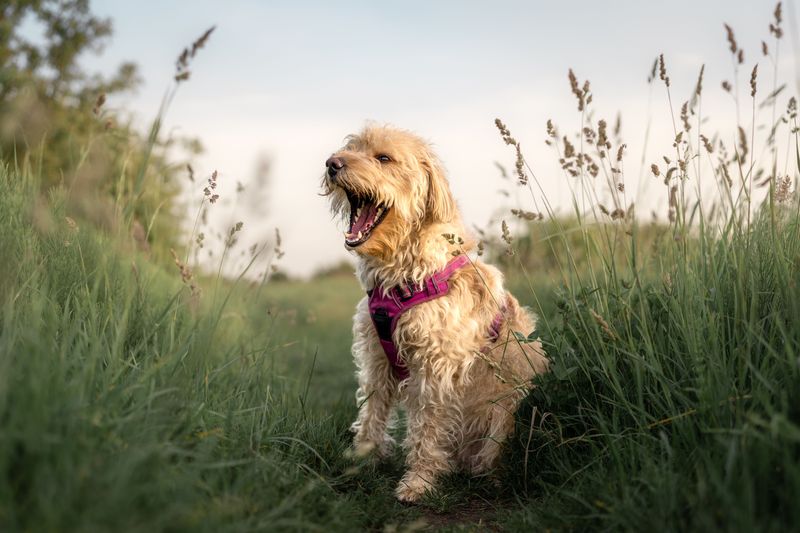
Unexpected noise can unsettle dogs that usually seem confident. Before visiting hunting country, check that identification tags and microchip contact details are current.
Use secure walking gear that your dog cannot easily escape.
For noise concerns, ask your veterinarian about training support before the trip. Never use nearby hunting as a training test.
If shots cause trembling, pulling, or hiding, leave calmly. A quieter location is a better choice than asking your dog to endure distress.
12. Check the Ground for Snares, Traps, and Other Hazards
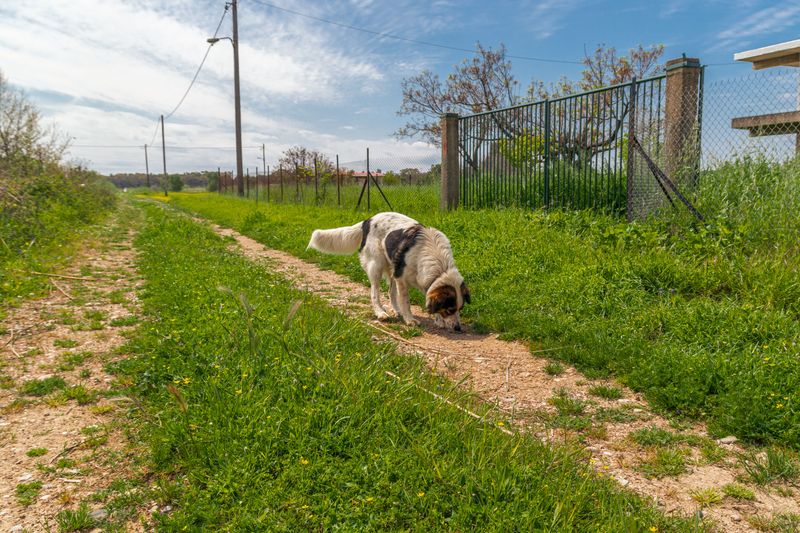
Ground level hazards are easy to miss beneath grass. Ask the ranch manager whether trapping or predator control is underway.
Stay on approved routes and keep your dog from investigating bait, wire, or unfamiliar devices.
Never handle or disturb a trap you find. Note its location from a safe distance and contact the manager or appropriate authority.
If your dog becomes caught, prevent further pulling and seek immediate professional guidance. Keep emergency numbers accessible before entering.
13. Protect Paws From Rough Terrain and Hidden Debris
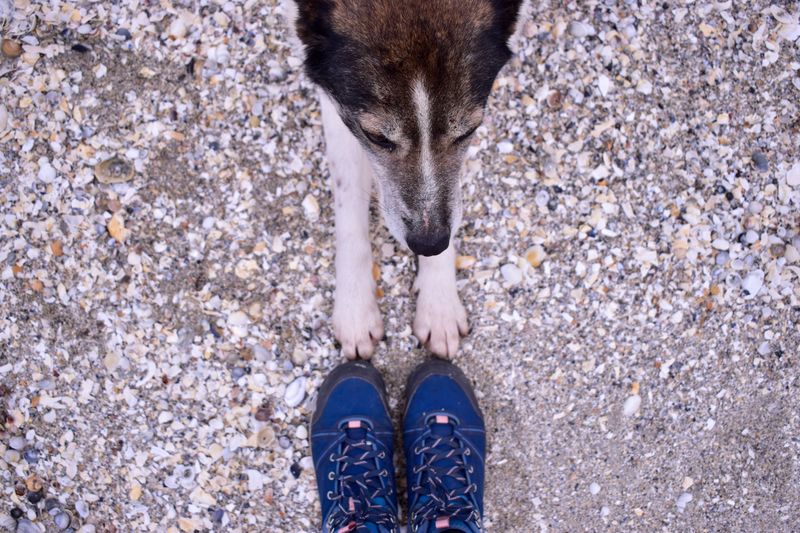
Texas ground can be tough on tender feet. Limestone, sandburs, cactus spines, and discarded debris can interrupt an otherwise pleasant walk.
Inspect the route ahead and steer around rough patches.
Introduce properly fitted dog boots at home before relying on them outdoors. Check paws during breaks, including between toes and around pads.
Carry basic first aid supplies, but leave deeply embedded objects for a veterinarian. Limping, persistent licking, or bleeding means the outing should end promptly.
14. Carry Enough Water for Long Walks Across Texas Land
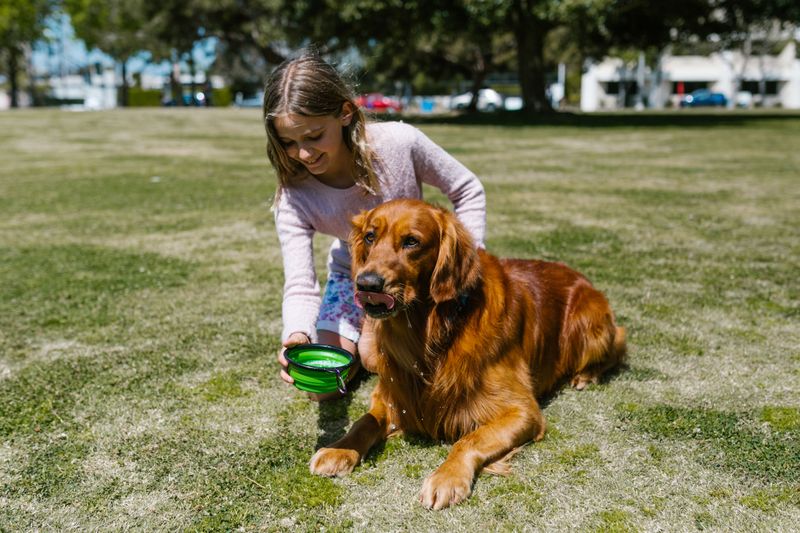
Cool mornings can turn warm before the walk ends. Pack clean water for both of you, plus extra for delays.
Offer your dog regular drinks and shaded breaks rather than waiting for obvious thirst.
Avoid relying on ponds, troughs, or puddles, which may contain harmful contaminants. Shorten walks when conditions feel hot or humid.
Heavy panting, weakness, or unusual behavior calls for stopping and cooling your dog. Contact a veterinarian promptly if heat illness is suspected.
15. Check Your Dog for Ticks and Injuries After Every Visit
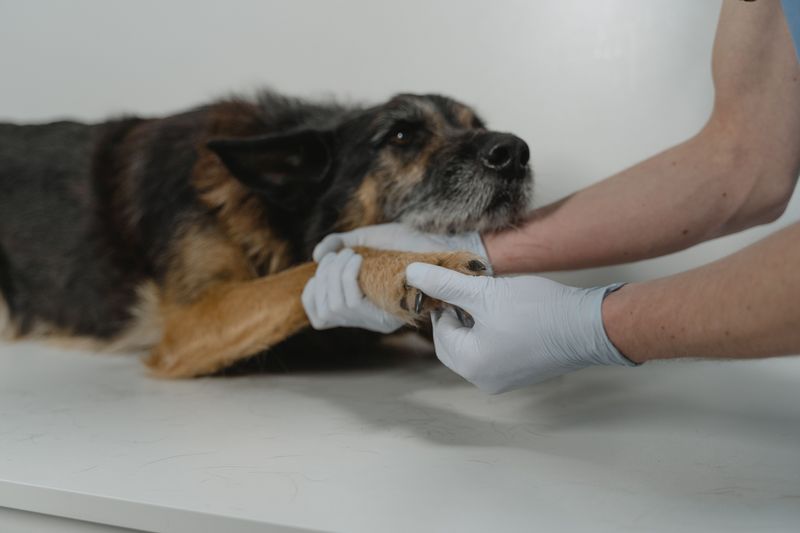
The final safety check happens back at home. Run your hands through your dog’s coat and inspect ears, toes, belly, and armpits.
Look for ticks, burrs, sore spots, and small cuts.
Use veterinarian recommended parasite prevention, and remove attached ticks promptly with an appropriate tool. Call your veterinarian about swelling, limping, unusual tiredness, or wounds needing care.
Wash dirty gear and refill your walking kit. Plan ahead, stay visible, and finish every adventure with a check.