What Pennsylvania Law Says When A Neighbor’s Dog Injures Yours
Finding out your dog has been hurt by a neighbor’s dog is one of the most stressful moments a pet owner can face. You want answers fast, and you want to know your options.
Pennsylvania actually has clear rules about who is responsible when one dog attacks another, and knowing those rules can make a real difference.
Think of this as your friendly guide to understanding exactly where the law stands and what steps you can take to protect your dog and your wallet.
Pennsylvania Requires Dogs to Be Confined or Under Control
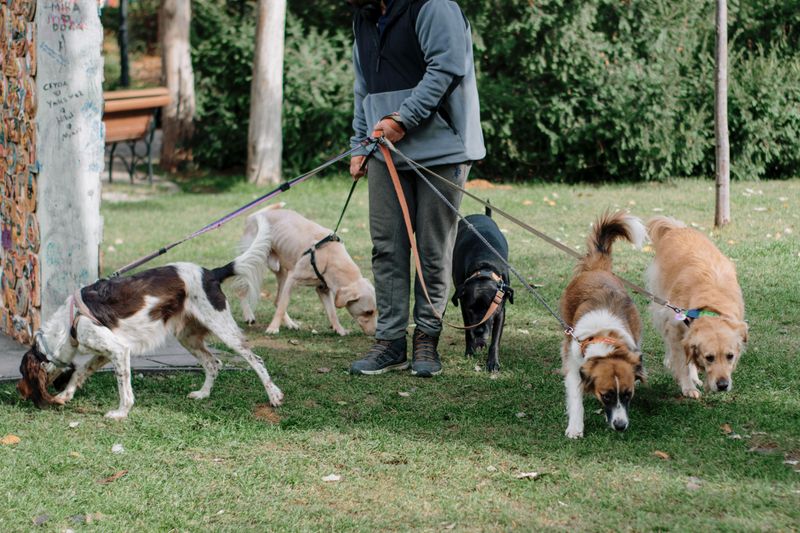
Every dog owner in Pennsylvania has a legal duty to keep their dog confined or under reasonable control at all times.
A dog must either stay on its owner’s property or be securely restrained by a collar and leash when outdoors.
Even during activities like hunting or training, the dog must remain under the supervision of a responsible person. Violating this basic rule is often the starting point for any legal dispute when one dog injures another.
The Attacking Dog’s Owner May Owe Your Vet Bills
When a neighbor’s dog injures yours, Pennsylvania law holds the attacking dog’s owner strictly liable for veterinary expenses. You generally do not need to prove the neighbor was careless or negligent to recover those costs.
Strict liability means the financial responsibility applies simply because the attack happened.
Vet bills fall squarely under the category of recoverable medical expenses, giving injured dog owners a solid legal foundation to seek reimbursement without a complicated legal battle.
Citations and Fines for Failing to Control a Dog
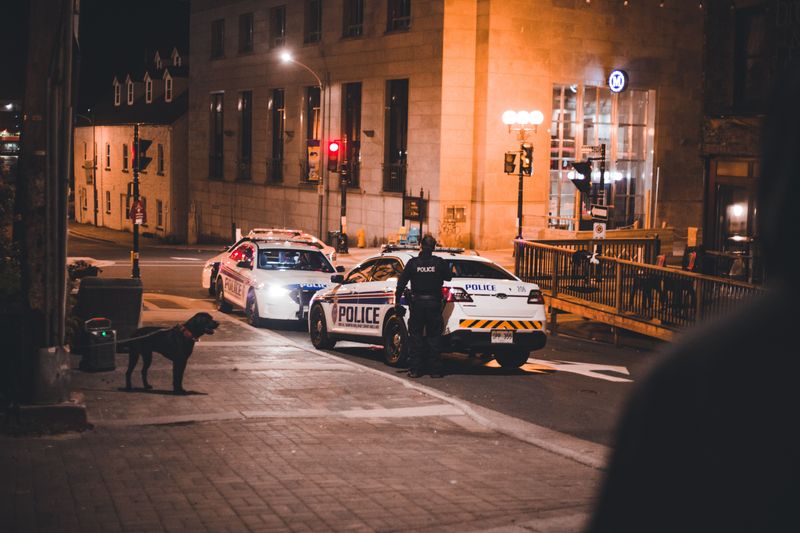
An owner who fails to keep their dog under proper control does not just face civil liability. They can also receive an official citation from authorities.
Fines for such violations in Pennsylvania can range from $500 to $1,000 per dog, depending on the circumstances.
Getting hit with a fine on top of paying vet bills is a real consequence that highlights why responsible dog ownership matters. Reporting the incident promptly gives authorities the information they need to act.
A Dog Can Be Officially Declared Dangerous
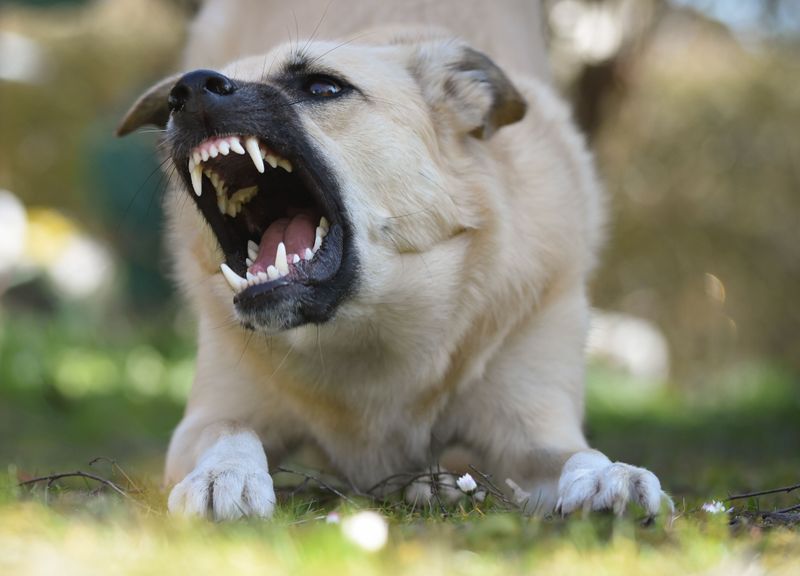
Beyond fines, the attacking dog itself can be legally labeled as dangerous under Pennsylvania law. A dog may earn that classification if it caused extremely serious injury to a domestic animal while off its owner’s property, without provocation.
A single serious, unprovoked attack can be enough to trigger this process. Once declared dangerous, the owner faces strict ongoing requirements.
Knowing this option exists gives victims an important tool for preventing future incidents involving the same animal.
What Counts as a Severe Injury Under Pennsylvania Law
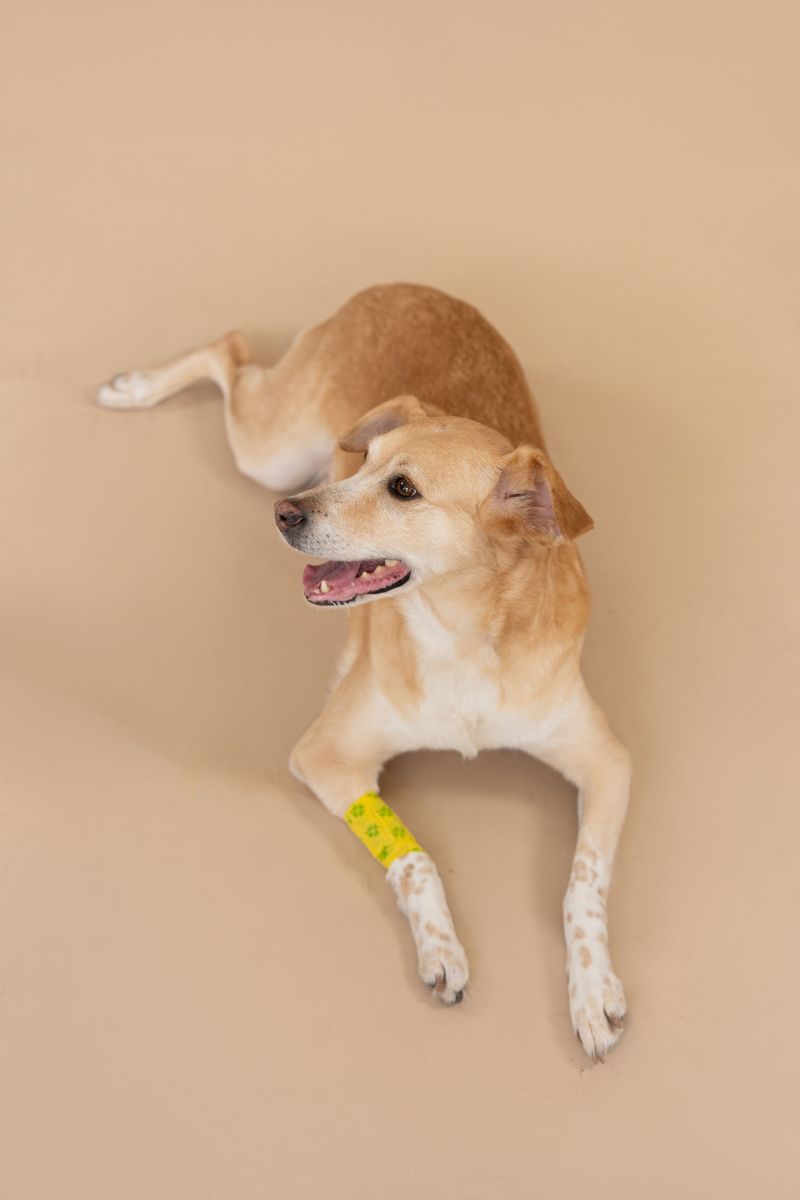
Pennsylvania law defines severe injury in specific terms. An injury qualifies as severe if it results in broken bones or significant wounds requiring multiple sutures or corrective surgery.
This legal definition matters a lot when determining whether a dog can be declared dangerous. If your dog’s injuries meet this threshold, it strengthens your case significantly.
Documenting the exact nature of the wounds, with your vet’s written assessment, helps establish whether the legal standard for severity has been met.
A Magisterial District Judge Makes the Dangerous Dog Call
The legal process for declaring a dog dangerous does not happen automatically. A state dog warden or local police officer must file a formal complaint to start the process.
From there, a magisterial district judge reviews the facts and makes the official determination.
Once a dog is declared dangerous, its owner must register it annually with the Bureau of Dog Law Enforcement, pay a $1,000 annual fee, and follow strict containment rules, including muzzling the dog outside its enclosure.
Prior Attacks Can Strengthen Your Case
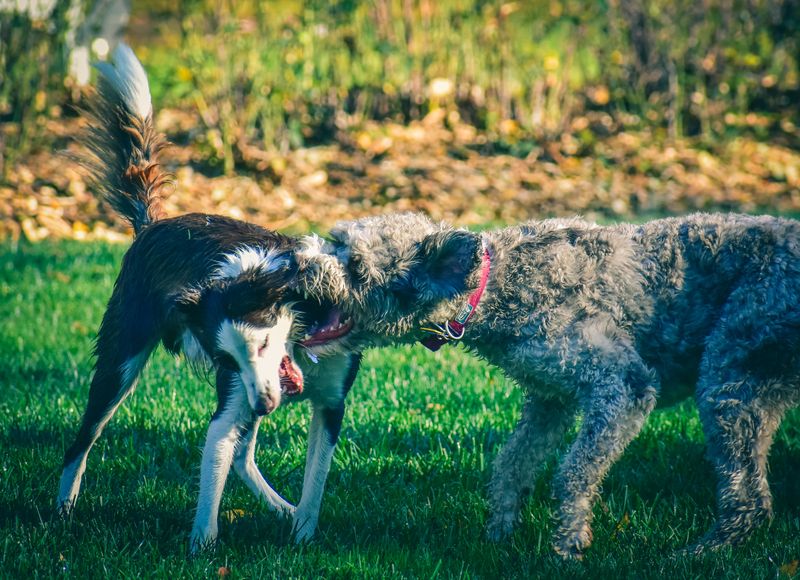
History matters in dog attack cases. If the attacking dog has a documented record of unprovoked aggressive behavior, that history makes it easier to prove the owner’s negligence for damages beyond just vet bills.
Prior incidents suggest the owner knew, or should have known, their dog was a risk.
Checking with local animal control for any previous reports about the dog is a smart early step. That paper trail can meaningfully shift the legal conversation in your favor.
Emotional-Distress Damages Are Hard to Win in Pennsylvania
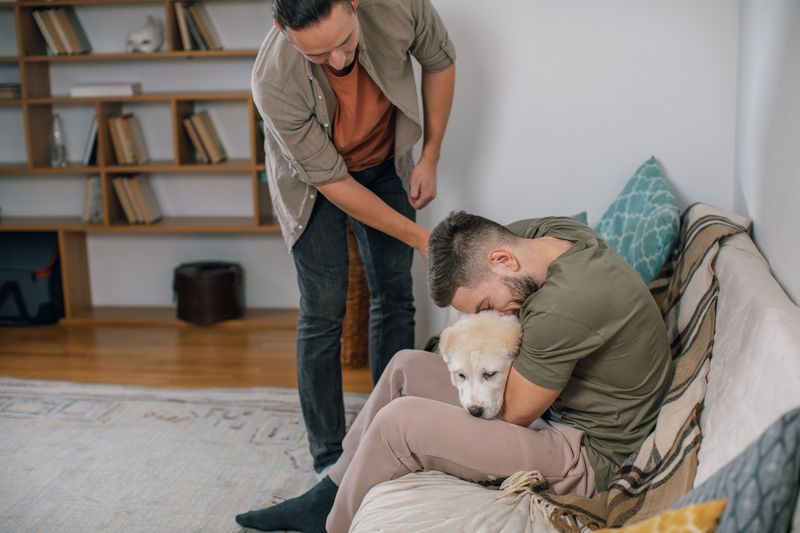
Many dog owners naturally feel deep emotional pain when their pet is hurt. However, Pennsylvania courts treat pets as personal property, which limits what you can recover financially.
Emotional-distress damages are generally very difficult to obtain.
Recoverable amounts are typically limited to vet bills and the fair market value of the pet. A bill has been introduced to allow non-economic damages up to $15,000 for severe pet injury or loss, but as of now it remains pending legislation.
Confirm the current status with a local attorney.
Get Your Dog to a Vet Right Away
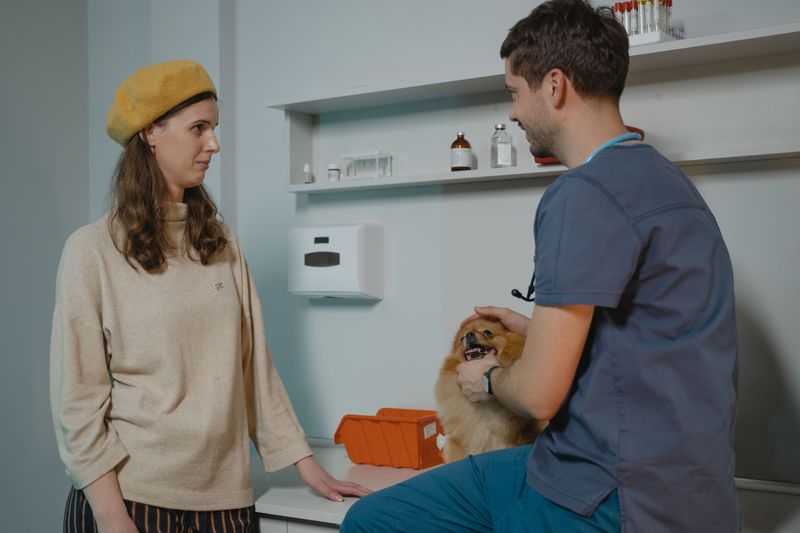
Speed matters after a dog attack. Getting your dog to a veterinarian immediately is the single most important step you can take, both for your pet’s health and for building any future legal claim.
Prompt treatment prevents infections and addresses hidden injuries that may not be visible right away. Your vet’s records from that first visit become foundational evidence.
Waiting even a day can complicate both your dog’s recovery and your ability to document what the attack actually caused.
Save Every Veterinary Bill and Medical Record

Every receipt, invoice, and treatment record from your vet is a piece of evidence. Keep all of them in a safe, organized place from the moment your dog is treated.
Medical records document the timeline, the severity, and the cost of your dog’s injuries.
If your case goes to court or involves an insurance claim, these documents carry serious weight. Digital copies stored in a cloud folder add an extra layer of protection, just in case paper copies are misplaced over time.
Photograph the Injuries and the Attack Location
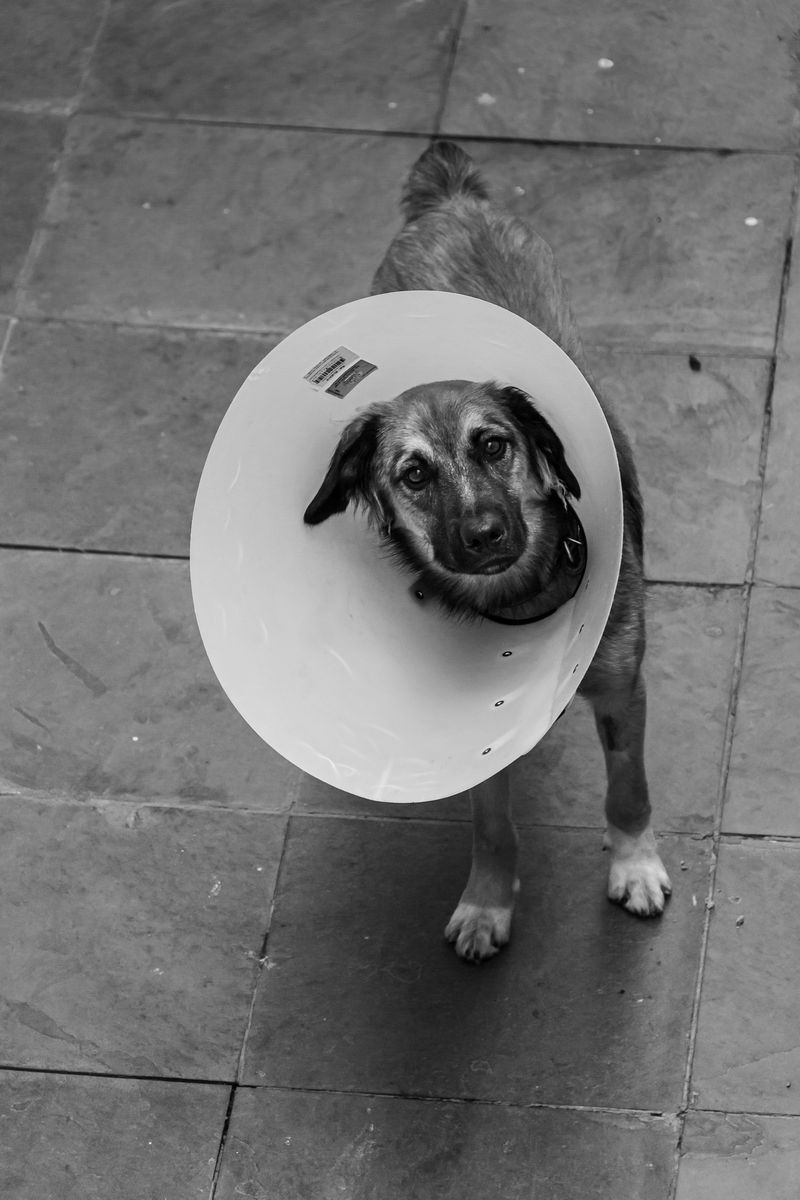
A picture really is worth a thousand words when it comes to a dog attack claim.
Take clear photos of your dog’s injuries as soon as possible after the incident, preferably before treatment covers the wounds.
Also photograph the exact location where the attack happened. Capture any broken fences, open gates, or missing leashes that show how the other dog got loose.
Time-stamped photos from your phone are especially useful because they create an automatic record of when the images were taken.
Collect Witness Information and Video Evidence

Witnesses can make or break a dog attack case. If anyone saw what happened, ask for their name and phone number right away, while the details are still fresh in their memory.
Also look around for security cameras on nearby homes, businesses, or doorbell systems. Video footage can confirm exactly how the attack unfolded and whether the other dog was restrained.
Reach out to neighbors promptly, since many home security systems overwrite footage within a few days.
Report the Attack to Police, Animal Control, or a Dog Warden
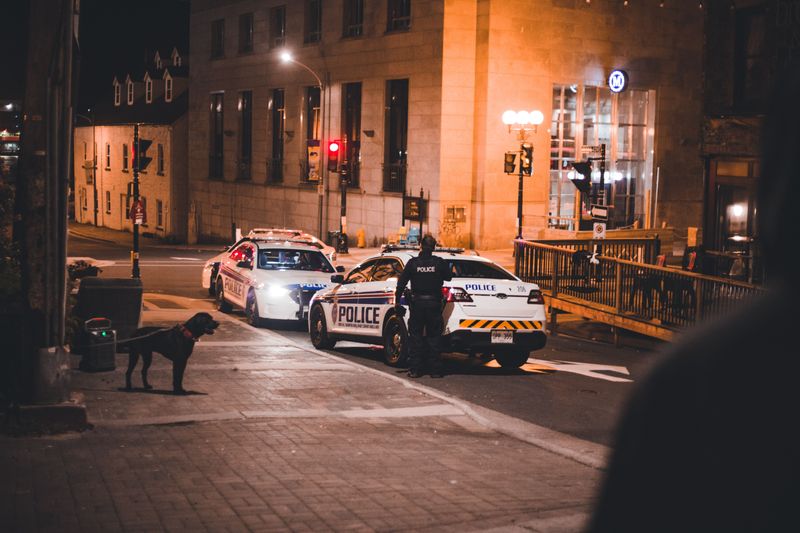
Filing an official report is a critical step that many people overlook in the immediate stress after an attack. Contact your local police department, municipal animal control, or a Pennsylvania dog warden as soon as possible.
Pennsylvania dog wardens operate under the Bureau of Dog Law Enforcement and have the authority to investigate attacks and issue citations.
An official report creates a formal record of the incident, which supports both your financial claim and any request to have the dog declared dangerous.
Check the Neighbor’s Homeowners or Renters Insurance

Most dog bite and attack claims are paid through a dog owner’s homeowners or renters insurance policy, not directly out of their pocket.
Contacting the neighbor’s insurance company is often the most practical path toward getting your vet bills covered. Be aware that some policies exclude certain dog breeds or require the dog to have been listed on the policy.
If coverage is denied, document that denial in writing. It becomes part of your overall record if the matter moves toward court.
Send a Written Demand for Payment
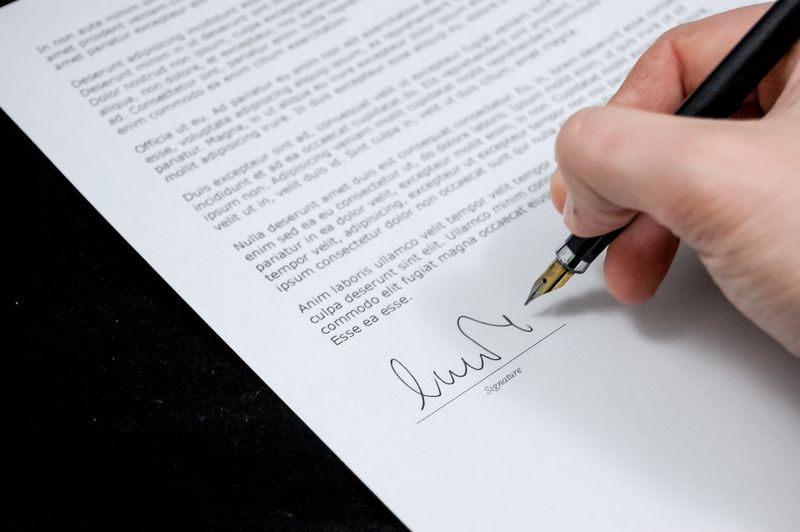
Before heading to court, sending the dog’s owner a written demand letter is a reasonable and often effective first step. The letter should clearly state what happened, what your vet bills totaled, and how much you are requesting.
Keep the tone factual and professional. Send it by certified mail so you have proof of delivery.
Many disputes get resolved at this stage without any further legal action, saving both parties the time and cost of a formal court process.
Small Claims Up to $12,000 Go to Magisterial District Court

If a written demand does not resolve things, Pennsylvania’s magisterial district courts handle claims up to $12,000. These courts are often called small claims courts and are designed to be accessible without a lawyer, though having one certainly helps.
Filing fees are relatively low, and the process is less formal than higher courts.
For many dog attack cases involving vet bills and related costs, this court level is exactly the right venue. Check your local courthouse for current filing fees and procedures.
Larger Claims Belong in the Court of Common Pleas

When damages exceed $12,000, the case moves up to the Court of Common Pleas. This applies in situations where injuries were extensive, surgeries were required, or the dog had significant monetary value.
Proceedings in this court are more formal, and having an attorney is strongly recommended. Legal representation at this level improves your ability to present evidence properly and navigate procedural rules.
Consulting with a Pennsylvania personal injury or animal law attorney early gives you a clearer picture of your options and realistic expectations.
You Usually Have Two Years to File a Claim

Pennsylvania’s statute of limitations for personal injury and property damage claims is generally two years from the date of the incident. That means you typically have two years from the day of the attack to file a lawsuit.
Waiting too long can permanently close the door on your legal options, even if your case is strong.
Starting the process early, even if you hope to settle without court, keeps all your options open.
Confirm the exact deadline with a licensed Pennsylvania attorney, as specific facts can affect the timeline.
Provocation and Restraint Can Affect Who Is Liable
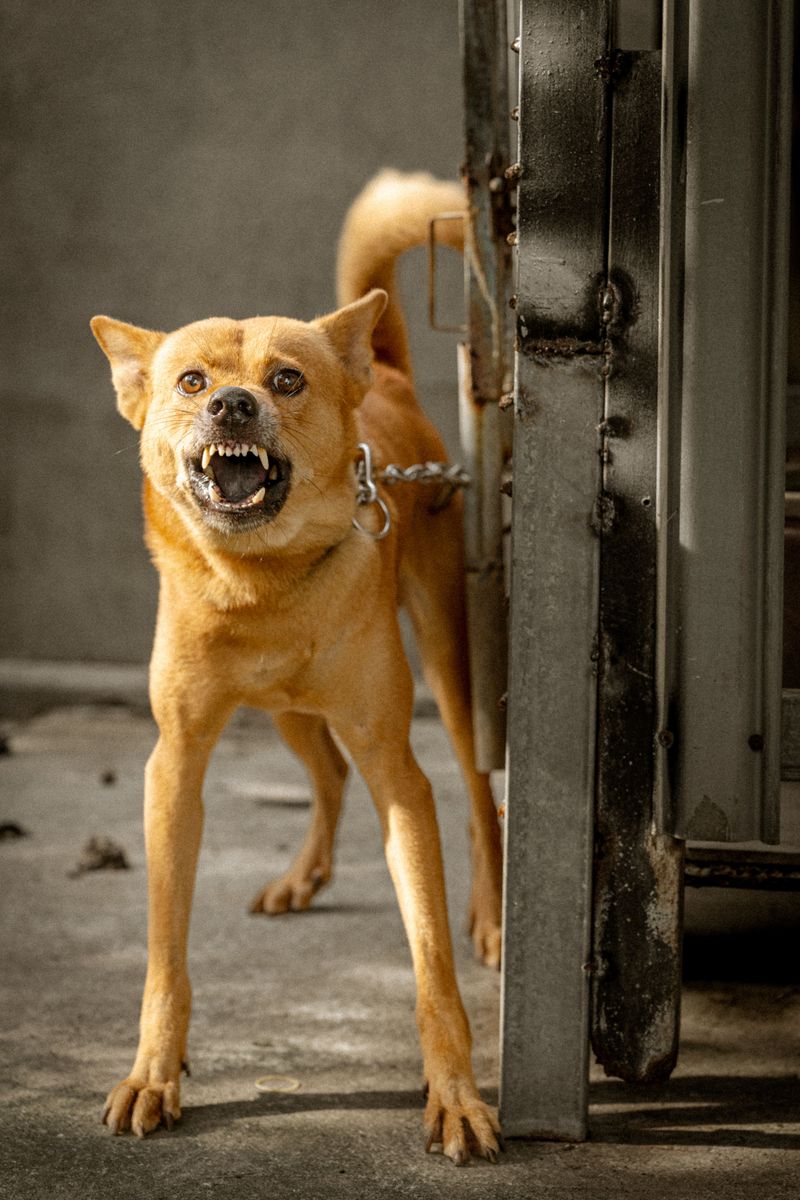
Liability in a dog attack case is not always straightforward. Pennsylvania applies a comparative negligence standard, meaning that if your dog’s behavior contributed to the incident, your compensation could be reduced.
Provocation is a recognized legal defense. If your dog initiated aggression or the attack happened because your dog was off-leash in a restricted area, those facts matter.
Whether either dog was restrained at the time of the attack is a key detail authorities and courts will examine carefully when assigning responsibility.