15 Toxic Plants for Dogs Growing in Texas Gardens
Texas gardens are full of color, life, and beauty. Many of the most popular plants growing in local yards, though, can be surprisingly harmful to dogs.
If your dog loves to sniff, chew, or dig around in the garden, knowing which plants to watch out for is one of the smartest things you can do as a pet owner. This guide walks you through 15 plants commonly found in Texas landscapes that are toxic to dogs, so you can garden with confidence and keep your furry friend safe at the same time.
Sago Palm
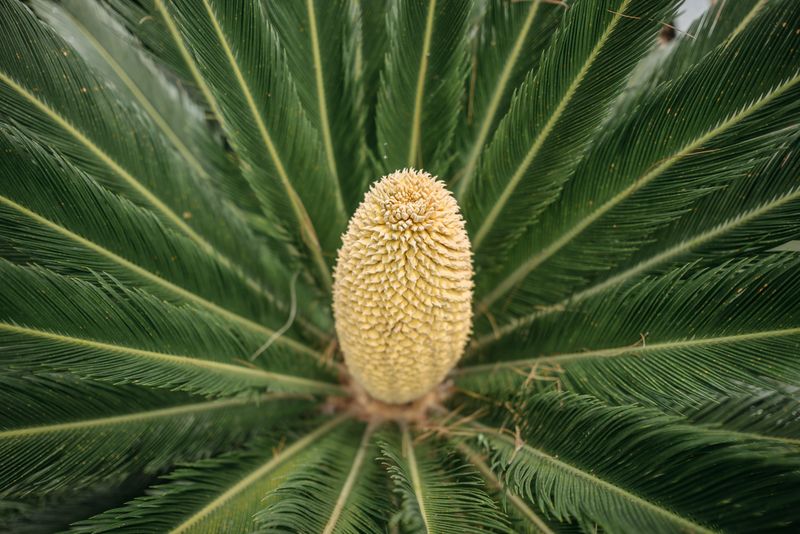
The sago palm is one of the most dangerous plants a dog can encounter in a Texas yard. Every part of it is toxic, but the seeds carry the highest concentration of cycasin, a compound that causes severe liver damage.
Even a small amount can be life-threatening.
If your dog chews on any part of this plant, contact your vet immediately. Time matters a great deal with sago palm poisoning.
Many Texas homeowners grow these as ornamental plants without realizing the risk they pose to pets.
Oleander
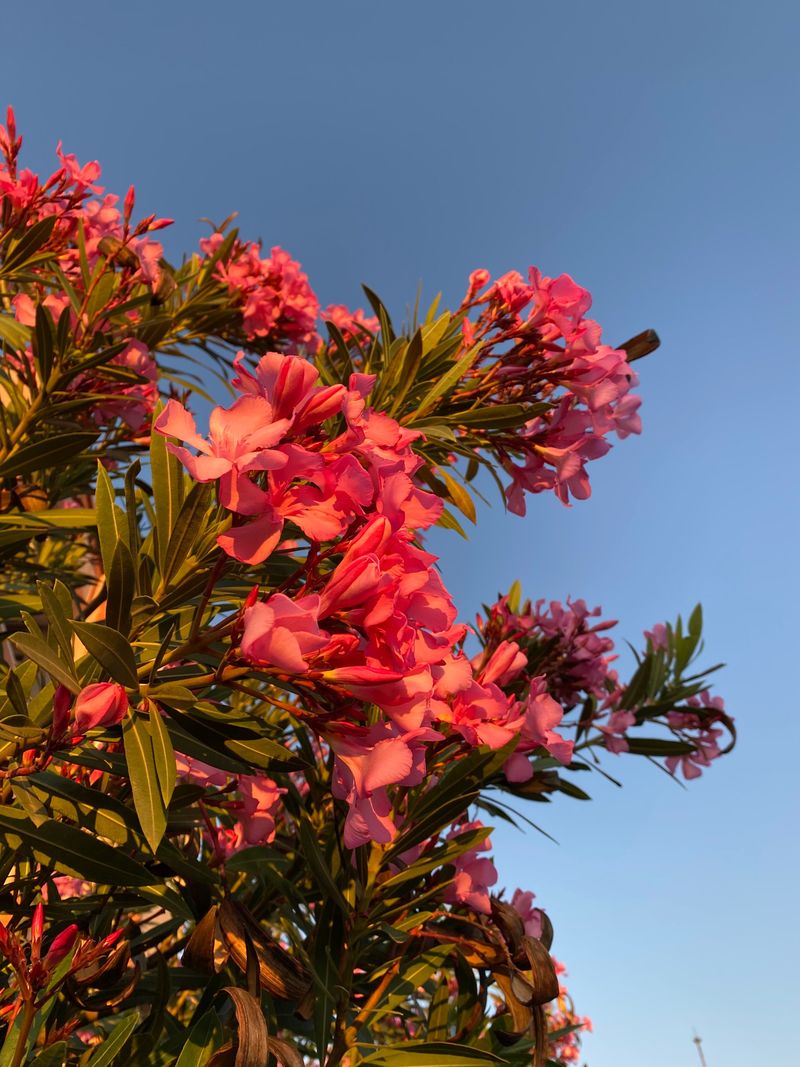
Oleander is a tough, heat-loving shrub that thrives in the Texas climate, which is exactly why you see it everywhere. Its pink, red, or white flowers look harmless, but the entire plant contains cardiac glycosides that can disrupt a dog’s heart rhythm.
Symptoms of oleander poisoning include vomiting, drooling, and irregular heartbeat. The plant remains toxic even when dried or clipped.
Keep trimmings away from areas where your dog roams, and consider replacing oleander with a pet-safe alternative.
Azalea
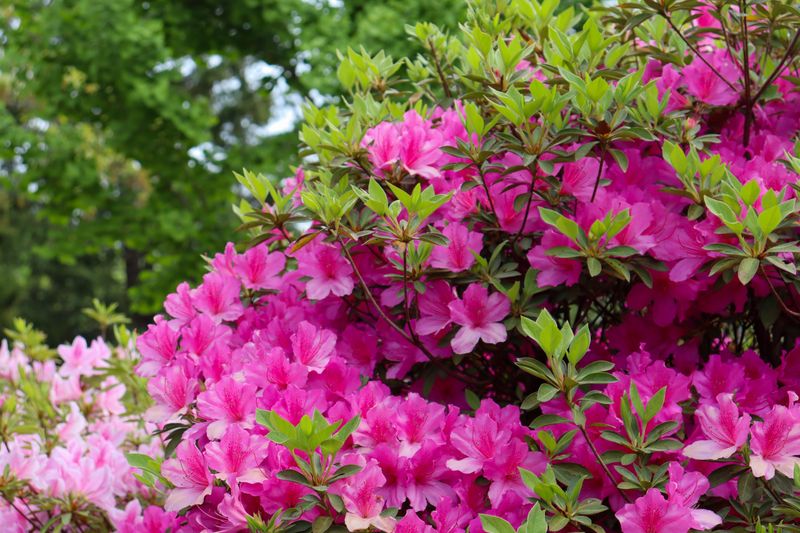
Spring in Texas often brings a burst of azalea blooms, and these shrubs are a staple in many front yards. What most people do not realize is that azaleas contain grayanotoxins, which interfere with a dog’s nerve and muscle function.
Even nibbling a few leaves can cause drooling, weakness, vomiting, and in serious cases, a drop in blood pressure. Dogs that spend time near azalea bushes should be supervised closely during the blooming season.
Your vet can guide you on next steps if exposure happens.
Lantana
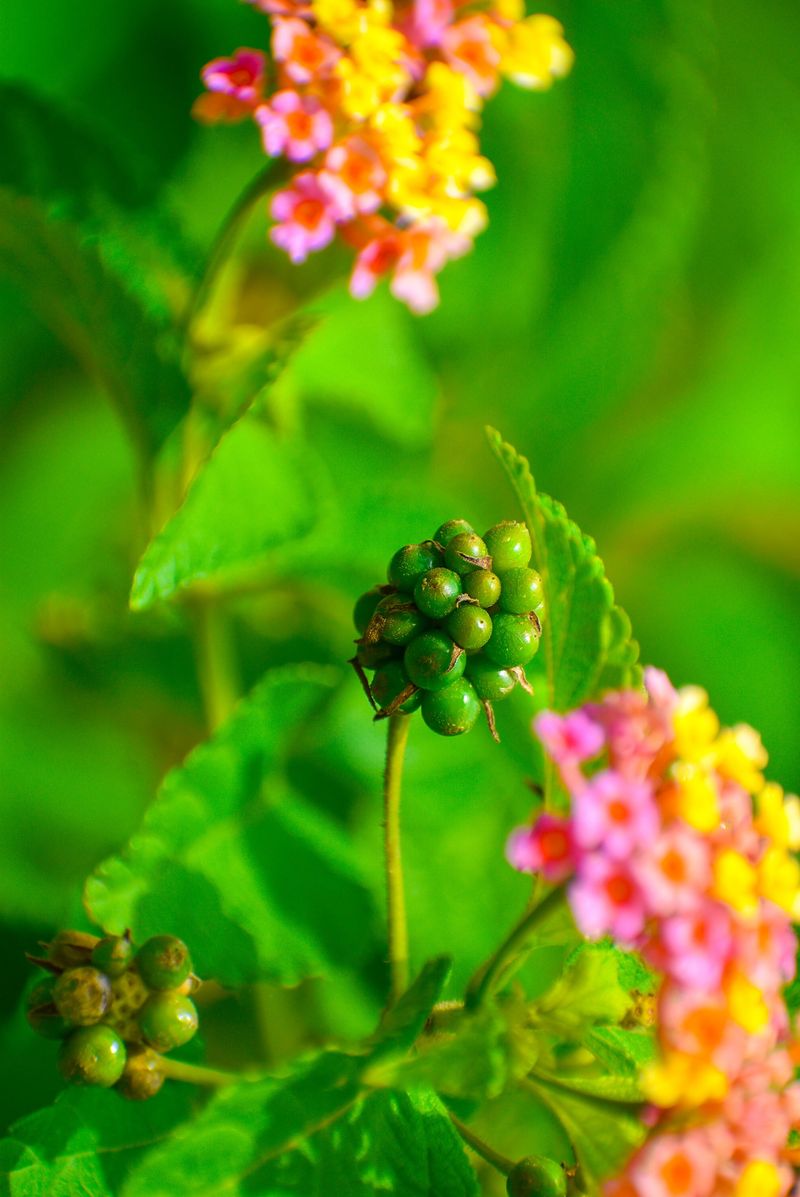
Lantana is a popular Texas garden plant because it handles heat well and attracts butterflies. The berries, however, are particularly toxic to dogs.
Green, unripe berries carry the highest risk and can cause liver damage when eaten in large amounts.
Other symptoms include vomiting, diarrhea, and lethargy. Dogs are naturally curious about low-growing plants with colorful berries, so lantana can be a real hazard in a yard.
Planting it in raised beds or behind barriers can help reduce your dog’s access to it.
Castor Bean Plant
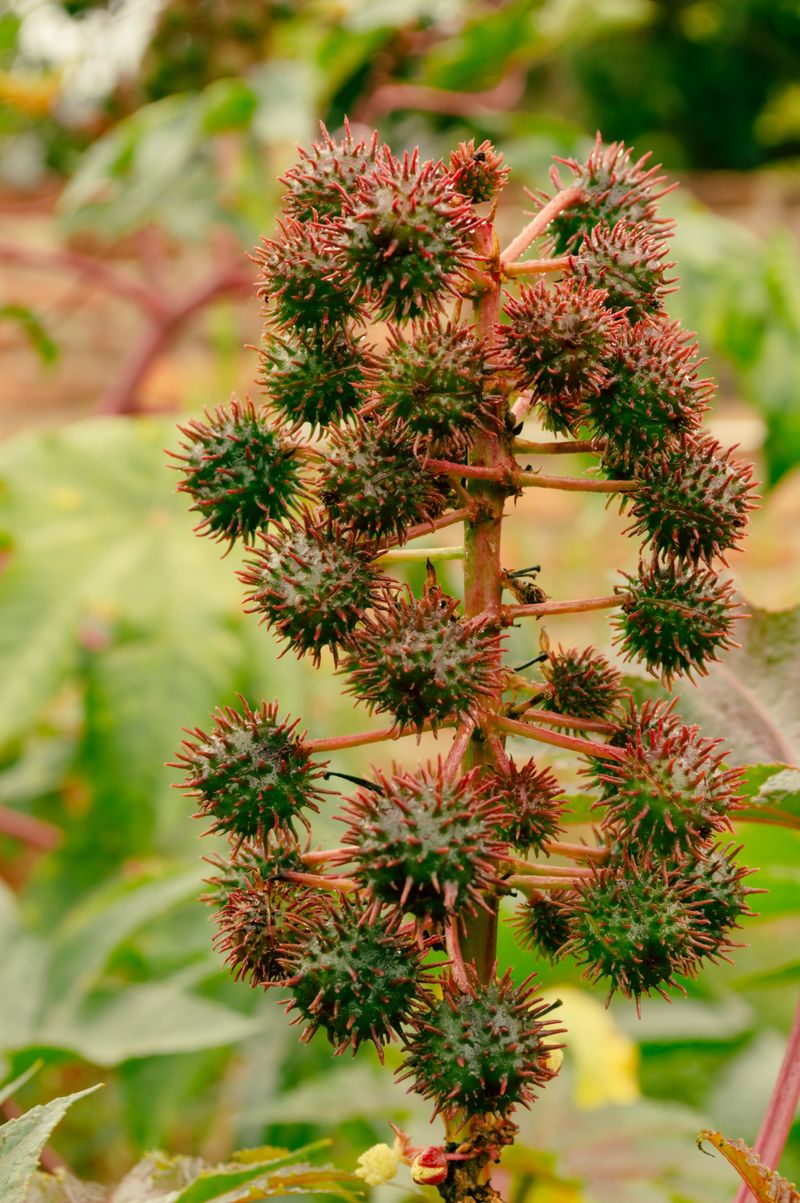
The castor bean plant grows quickly and impressively, which makes it a tempting choice for adding dramatic texture to a garden. Its seeds, though, contain ricin, one of the most potent natural toxins known.
Even a single seed can be fatal to a dog.
This plant is not something to take lightly. Symptoms of ricin poisoning include severe vomiting, diarrhea, seizures, and organ failure.
If you have a dog, the safest choice is to avoid planting castor bean entirely and remove any existing plants from your yard.
Wisteria
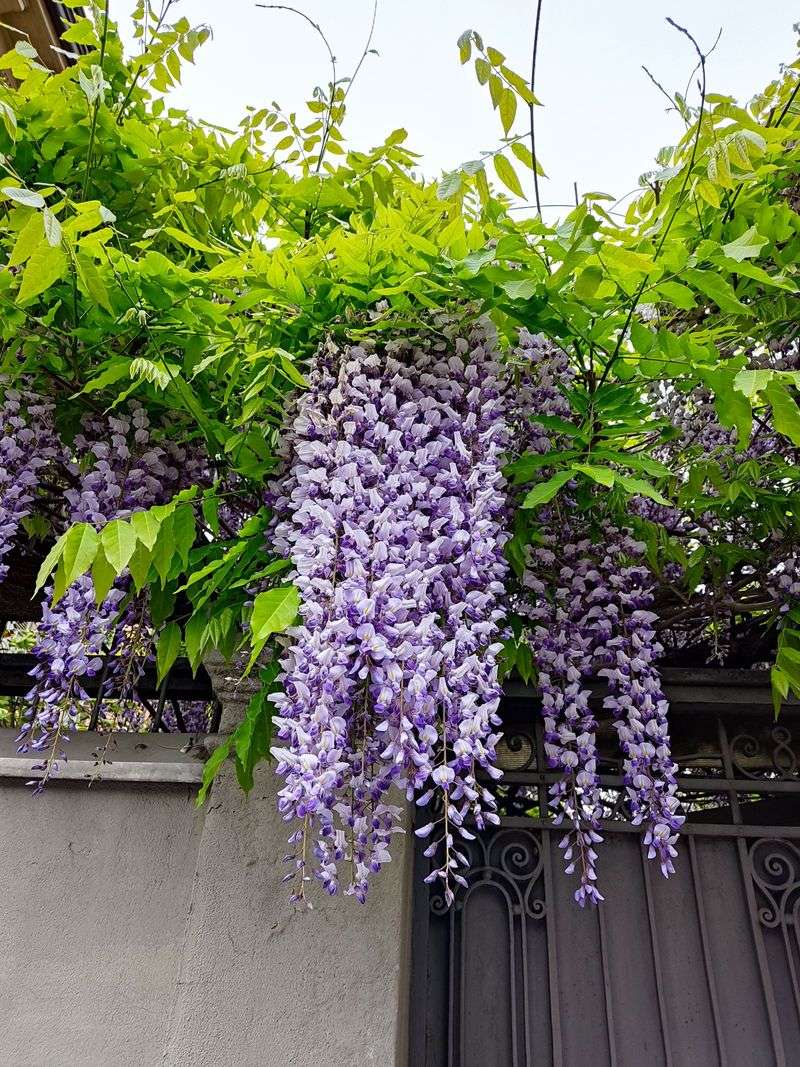
Wisteria is breathtaking when it blooms, with long clusters of purple or white flowers draping over fences and trellises. All parts of the plant are toxic to dogs, with the seeds and pods being the most dangerous.
The toxic compounds can cause vomiting, diarrhea, and depression.
Dogs may be drawn to fallen flowers or seed pods on the ground, making cleanup important during bloom season. Wisteria can spread aggressively in Texas, so regular pruning also helps limit the amount of plant material your dog might encounter.
Hydrangea
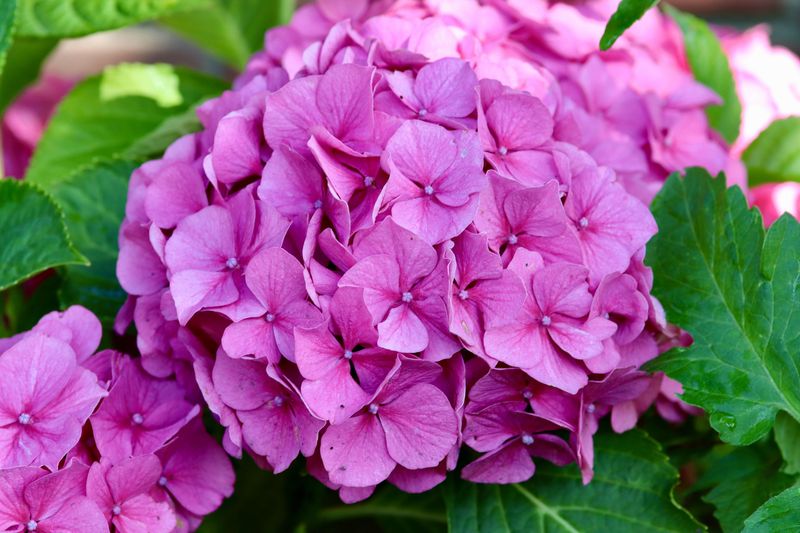
Hydrangeas are beloved for their big, lush blooms and ability to add a soft, cottage feel to a garden. They contain cyanogenic glycosides, which can release cyanide compounds when chewed or digested by a dog.
Fortunately, serious poisoning requires eating a fairly large amount. Mild cases typically cause stomach upset, vomiting, and lethargy.
Still, it is worth keeping dogs away from hydrangea plants as a general rule. Planting them in areas your dog cannot easily access is a practical and simple precaution.
Foxglove
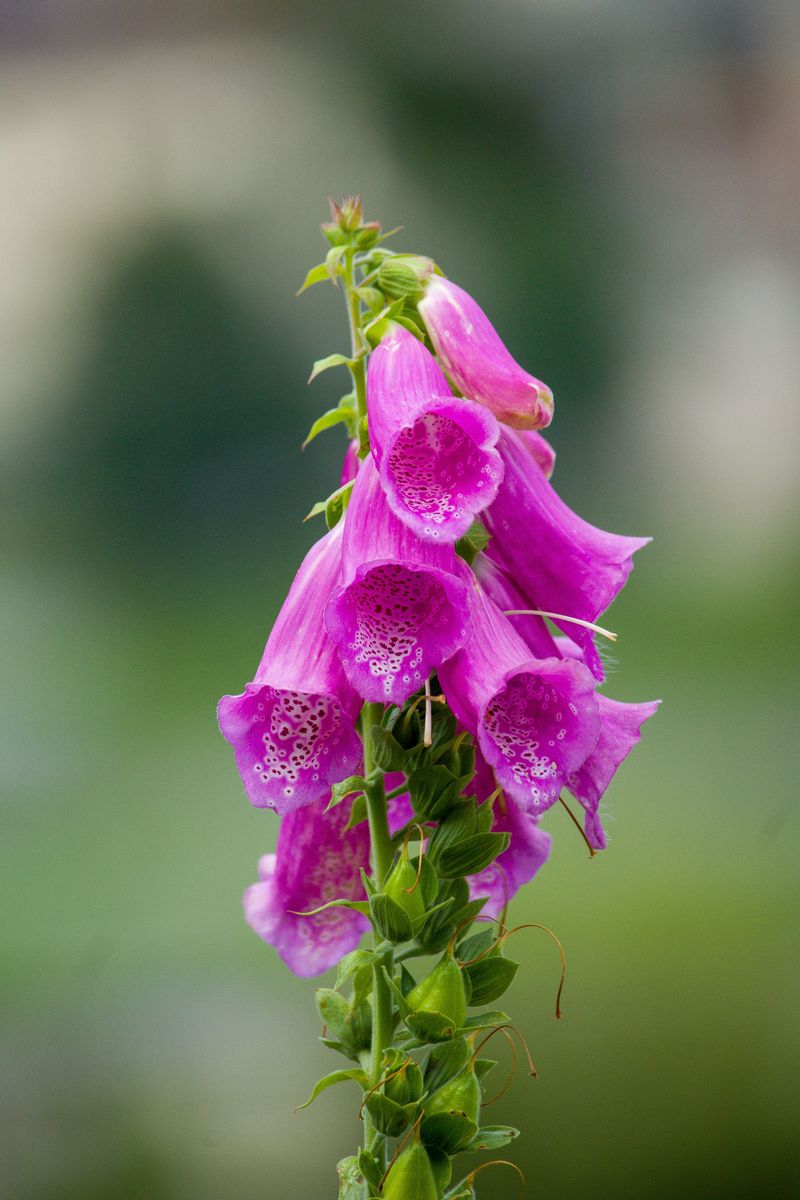
Foxglove has a long history in medicine, and that should tell you something about how powerful its compounds are. The plant contains digitalis glycosides, the same compounds used in heart medications.
For dogs, ingesting foxglove can cause serious heart problems, including abnormal rhythm and rate.
Other signs include drooling, nausea, and weakness. Foxglove can grow as a biennial in Texas, so it may appear in your garden unexpectedly if seeds spread from a neighbor’s yard.
Knowing what it looks like helps you catch it early.
Daffodil
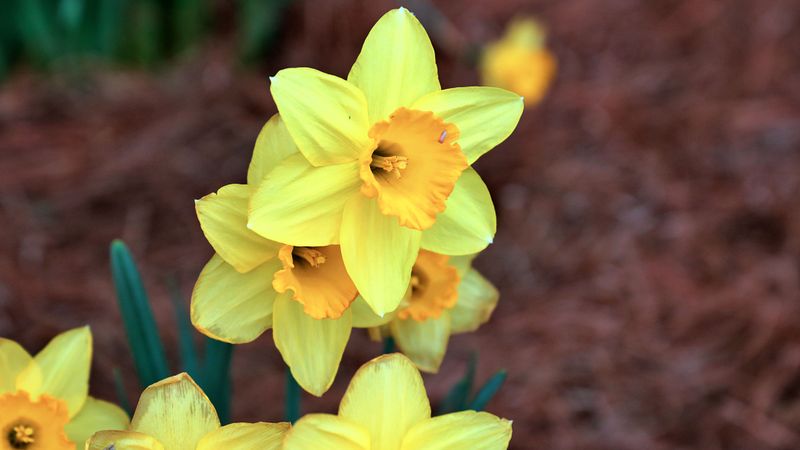
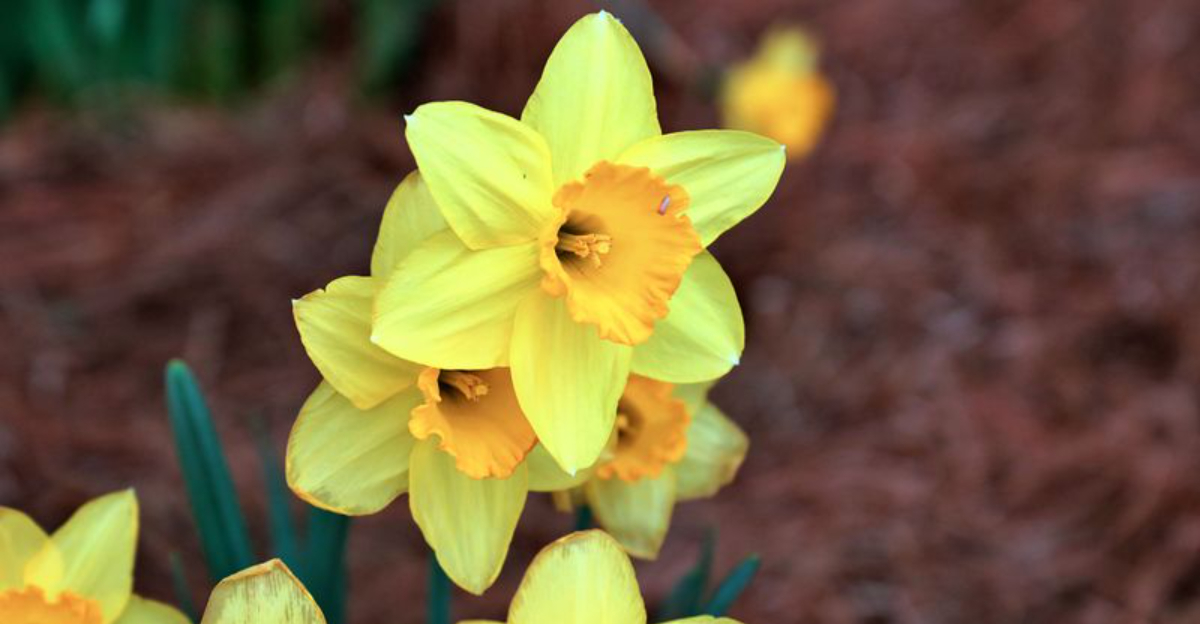
Daffodils are a cheerful sign of spring and a common choice for Texas gardeners who want early color. The bulbs hold the highest concentration of toxic alkaloids, including lycorine, which triggers intense vomiting and stomach pain in dogs.
Dogs that dig in garden beds are especially at risk, since they may unearth and chew on bulbs. The flowers and leaves also carry some toxicity.
Store unused bulbs securely, and consider fencing off bulb beds during the fall planting season when digging activity is highest.
Tulip
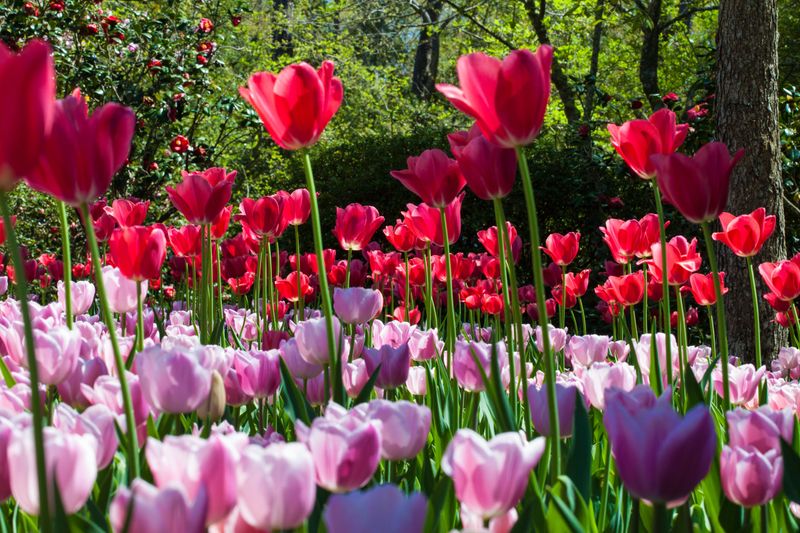
Tulips are another bulb plant where the danger lies mostly underground. The bulb contains tulipalin A and B, compounds that can cause significant gastrointestinal distress in dogs.
Chewing on the bulb leads to drooling, vomiting, and sometimes loss of appetite or lethargy.
Tulips are not as commonly grown in Texas as in cooler climates, but some gardeners do plant them for winter color. If you grow tulips, be especially careful during planting and replanting seasons, when bulbs are most accessible to a curious dog.
Garden Hyacinth
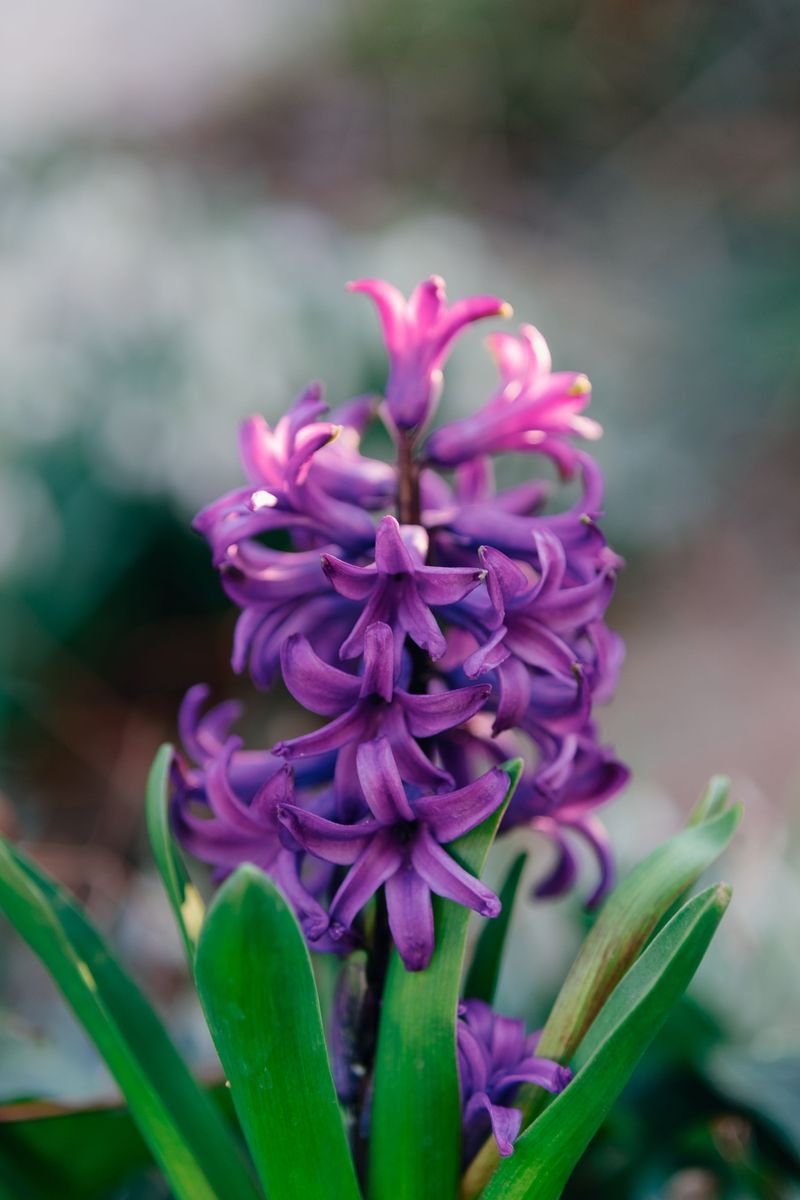
Garden hyacinths fill the air with a sweet, strong fragrance that many gardeners love. Like tulips and daffodils, the bulb is the most toxic part, containing alkaloids that can cause vomiting, diarrhea, and trembling in dogs.
Skin contact with the bulb can also cause mild irritation, which is worth knowing if you handle them without gloves. Dogs that dig or root around in garden beds could easily find and chew on a buried hyacinth bulb.
Marking bulb locations and supervising your dog in those areas is a smart habit.
Iris
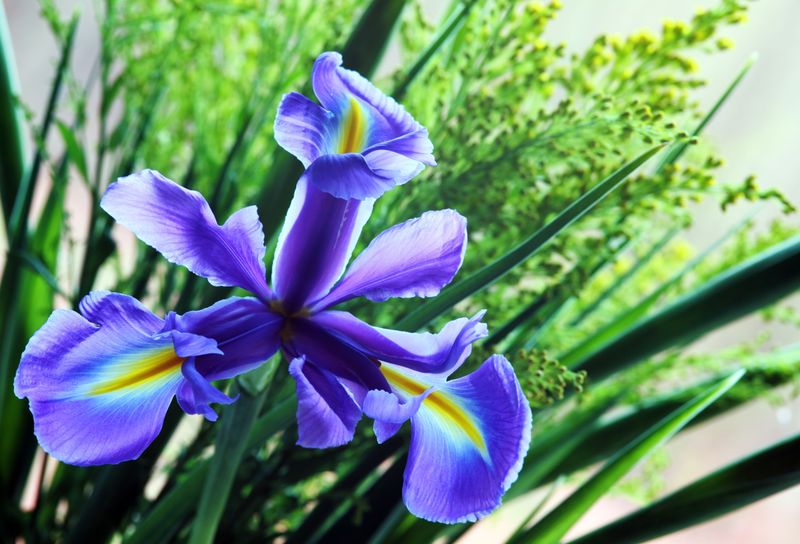
Irises are a classic garden flower, and they grow well across much of Texas. The rhizomes, which are the thick underground stems, are the most toxic part.
They contain irisin and other compounds that can cause drooling, vomiting, stomach pain, and lethargy in dogs.
The leaves and petals carry lower levels of toxicity but are still worth keeping away from dogs. Since irises spread through their rhizomes, curious dogs that dig near established clumps could come into contact with the most harmful parts of the plant fairly easily.
Kalanchoe
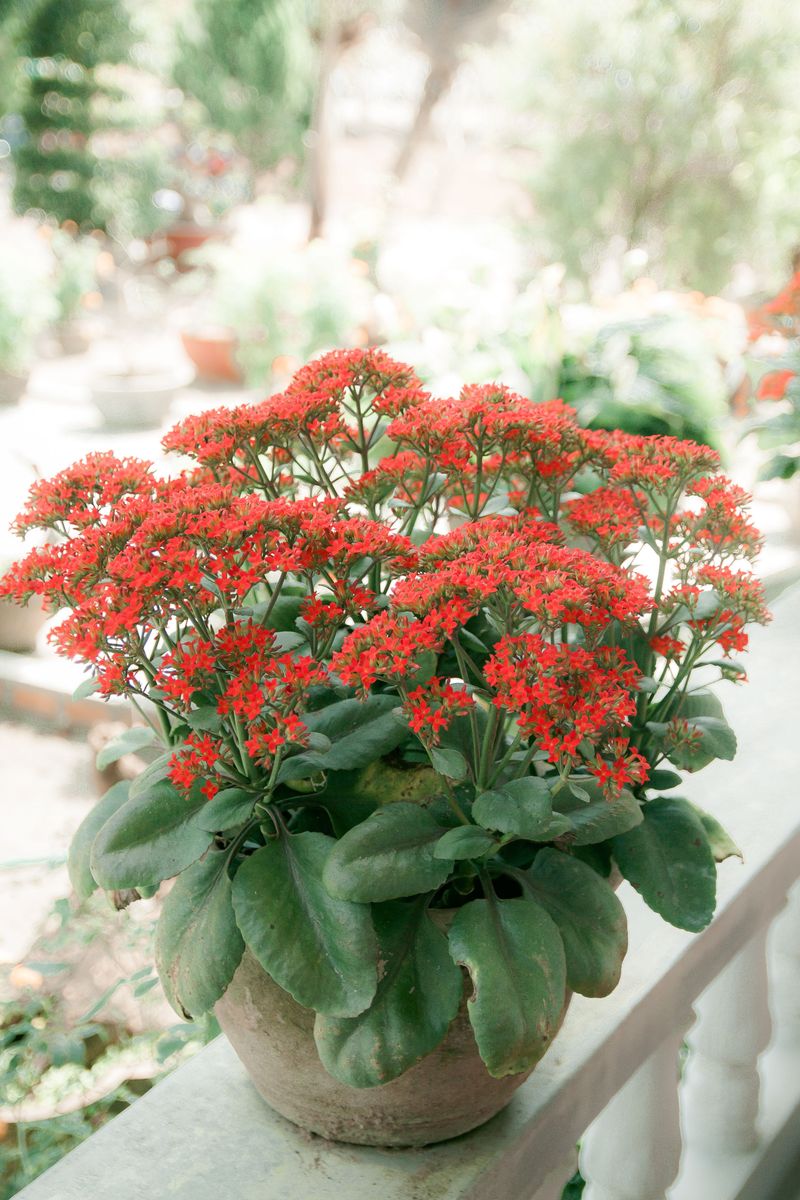
Kalanchoe is a popular succulent that shows up in Texas gardens and on patios because it handles heat and drought well. It contains bufadienolide cardiac glycosides, which can affect a dog’s heart if ingested in significant amounts.
More common symptoms include vomiting, diarrhea, and drooling. In rare, severe cases, heart rhythm problems can develop.
Kalanchoe is often sold as a houseplant too, so it can be a hazard both indoors and outside. Keeping potted kalanchoes on high shelves or in areas your dog cannot reach is an easy fix.
Yesterday, Today and Tomorrow (Brunfelsia)
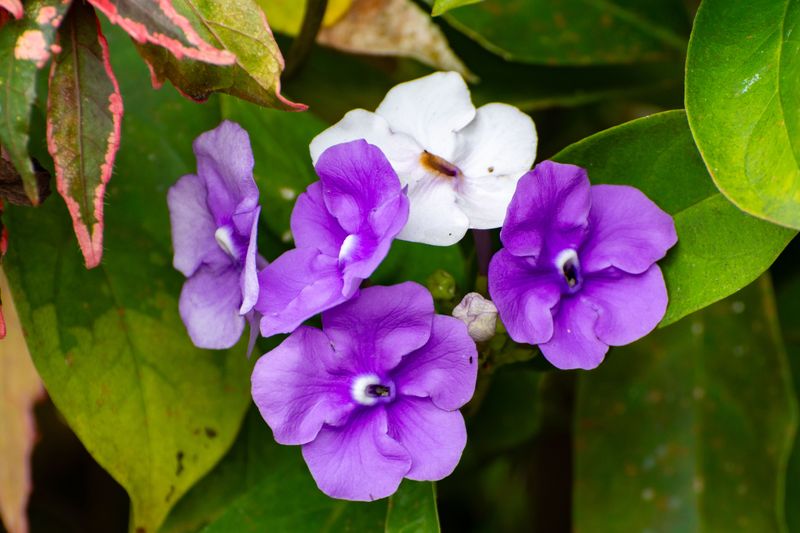
Yesterday, Today and Tomorrow is a striking shrub named for the way its flowers change color over three days. It is grown in Texas gardens for its unusual, fragrant blooms.
The entire plant is toxic to dogs, with the berries and seeds being the most dangerous parts.
Brunfelsia contains brunfelsamidine, which affects the nervous system and can cause muscle tremors, seizures, and vomiting. Toxicity can be serious, and symptoms may appear quickly after ingestion.
This plant is beautiful but genuinely risky in a yard shared with dogs.
Yew
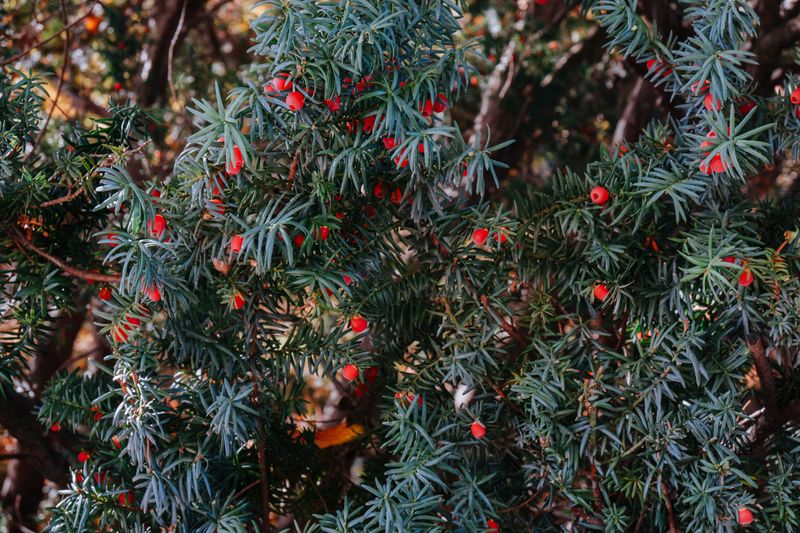
Yew is an evergreen shrub often used for hedges and foundation plantings. Nearly every part of the yew is toxic, with the exception of the fleshy red berry coating.
The seeds inside those berries, along with the needles and bark, contain taxine alkaloids that can cause sudden heart failure in dogs.
What makes yew especially concerning is how fast symptoms can appear. A dog may collapse with little warning after ingesting a significant amount.
If you have yew in your yard, consider replacing it with a non-toxic evergreen shrub instead.