How Arizona Dust Changes Coat, Paw And Ear Care
Arizona dust has a way of following your dog home, even after a short neighborhood walk. Fine grit can settle in fur, collect between toes, and leave sensitive skin feeling uncomfortable.
You do not need a complicated grooming plan to keep your dog comfortable through dry weather and windy afternoons. A few thoughtful checks can help you spot problems early while keeping everyday cleanup simple.
1. How Arizona Dust Affects Your Dog’s Coat
A dusty coat can look clean until you run your hand through it. Fine desert particles settle near the skin, especially after rolling or walking beside dry trails.
Some dogs develop itching when grit stays trapped against their bodies.
Feel through the coat after outings, checking areas beneath collars and harnesses. Remove loose dust with gentle brushing or a damp cloth.
Avoid rubbing hard, which can make already sensitive skin feel worse during daily cleanup sessions.
2. Why Desert Dust Can Dry Out Your Dog’s Skin
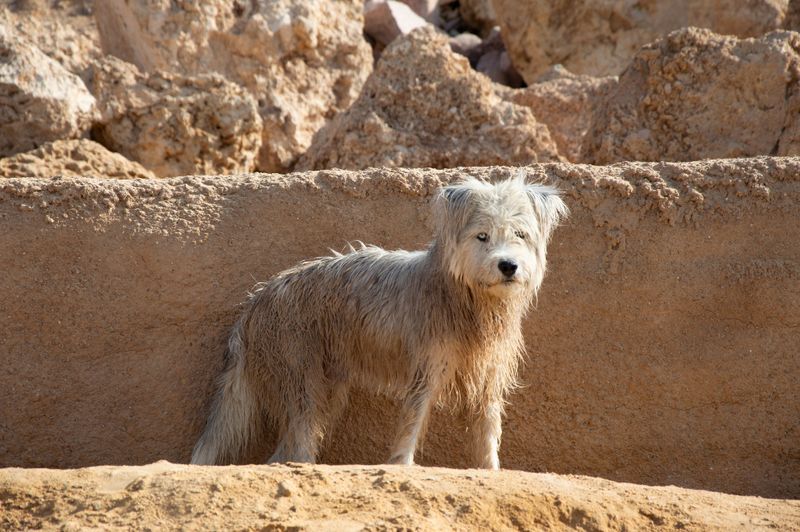
Flakes are not always a sign that your dog needs another bath. Arizona’s dry air can contribute to skin dryness, while dust adds friction and irritation.
Frequent washing with unsuitable shampoo may also remove protective skin oils.
Watch for scratching, redness, or a coat that feels unusually rough. Keep fresh drinking water available, but remember hydration alone does not treat skin disease.
Ask your veterinarian about ongoing dryness before adding supplements or trying unfamiliar moisturizing products.
3. Brushing Helps Remove Dust Between Baths
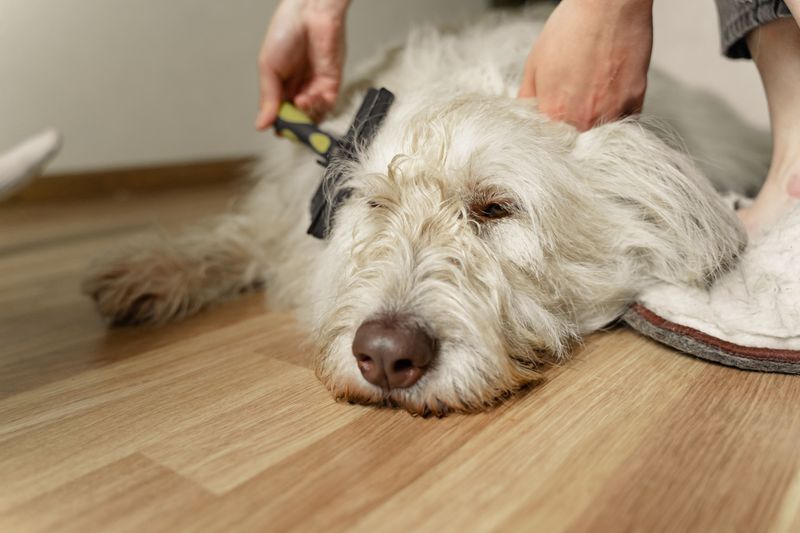
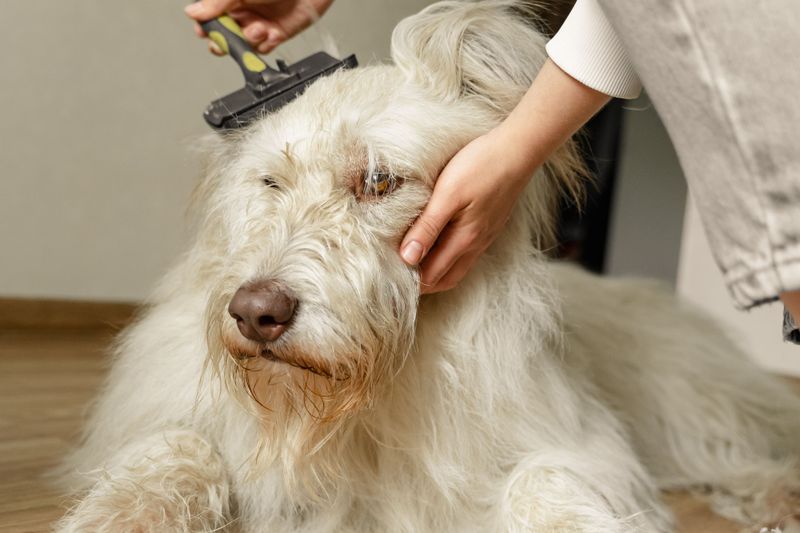
A brush can do plenty without turning every dusty walk into bath time. Choose a tool suited to your dog’s coat, rather than the toughest brush available.
Work gently in the direction the hair grows.
Short sessions help you notice tender spots before they become bigger concerns. Stop if your dog pulls away or the skin looks irritated.
For thick coats, ask a groomer to demonstrate safe brushing that reaches trapped dust without scraping sensitive skin underneath.
4. Choose Bathing Products That Protect the Skin
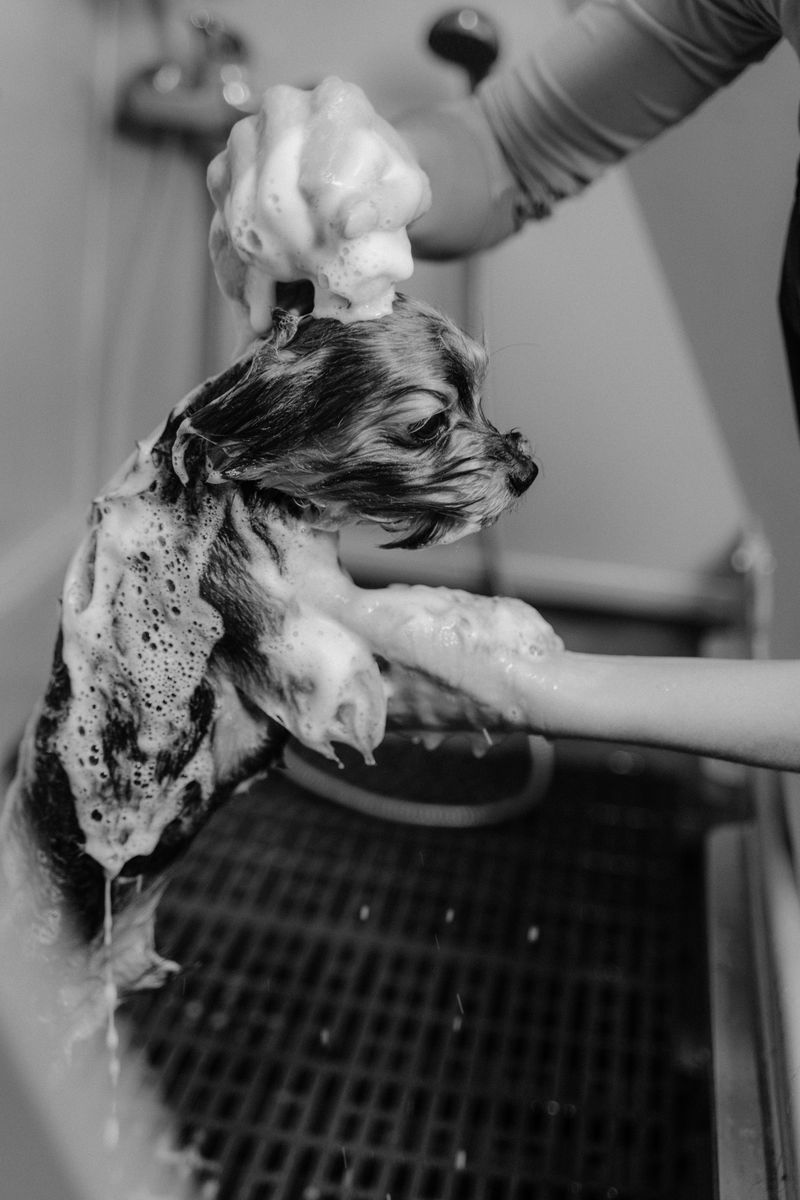
The right bottle matters more than a strong scent or lots of bubbles. Use shampoo made for dogs, preferably one your veterinarian recommends for your dog’s skin.
Human shampoo and household cleaners are poor substitutes.
Rinse thoroughly with lukewarm water, since leftover product can cause itching. Dry carefully, including skin folds, without using high heat.
Let your dog’s coat, activity, and medical needs guide bath frequency instead of following a fixed schedule for every dusty outing.
5. Check Your Dog’s Fur After Dusty Walks
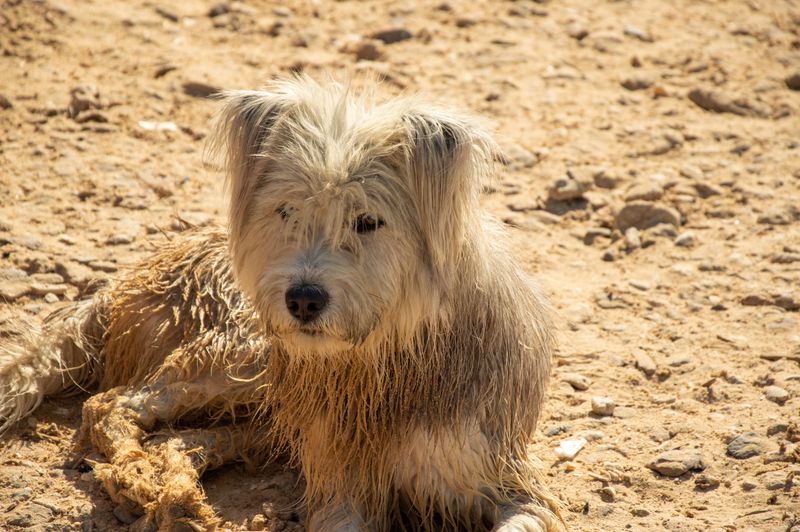
Trail souvenirs sometimes hide beneath an ordinary layer of dust. Seeds, burrs, and small plant pieces can catch behind ears, under legs, or around the belly.
Check these spots before your dog settles indoors.
Separate the fur with your fingers and remove loose debris carefully. Never pull sharply on something caught against the skin.
Embedded objects, painful swelling, or persistent licking need veterinary attention. A quick check also helps you find collar rubbing and unnoticed scrapes early.
6. Long Coats Need Extra Attention in Arizona
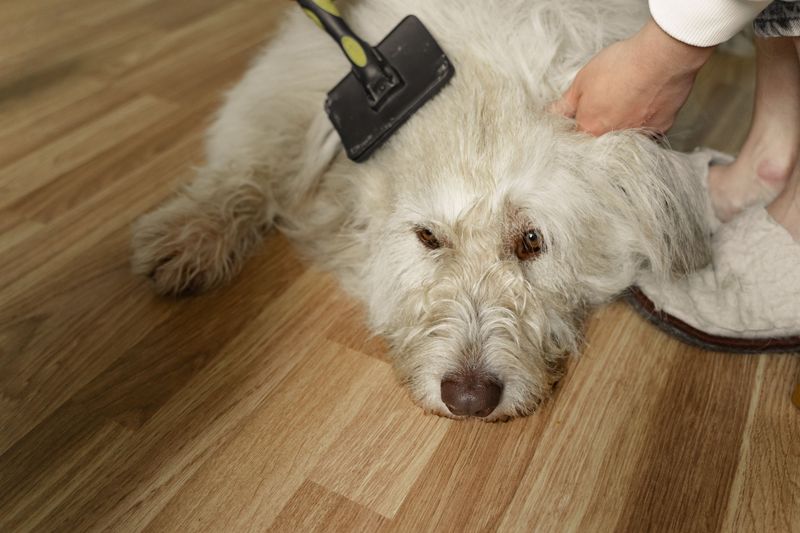
Long fur gives dust more places to hide and tangles more chances to form. Pay special attention behind the ears, beneath the chest, and along feathered legs.
Work through small sections rather than brushing only the surface.
Hold hair near the skin while easing out minor tangles. Tight mats need professional help, not scissors close to skin.
Avoid assuming a short shave solves desert grooming problems. Coat type matters, and some dogs need their natural coat protection.
7. How Dusty Ground Affects Paw Pads
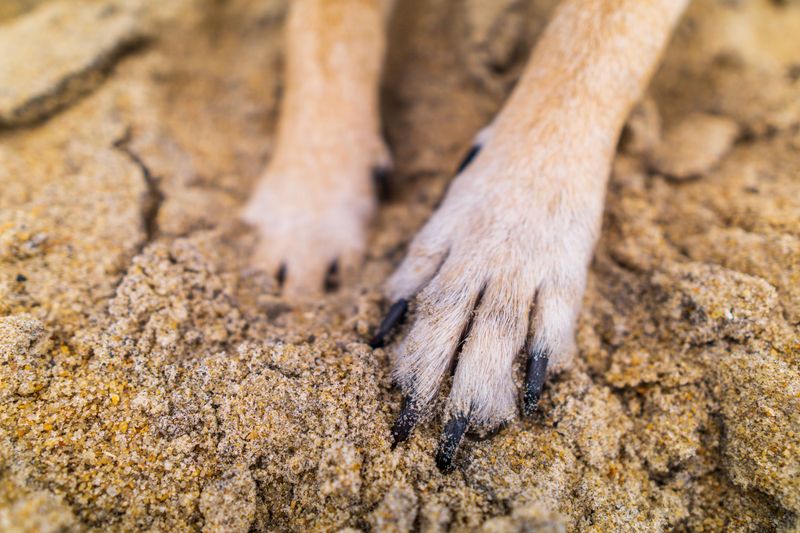
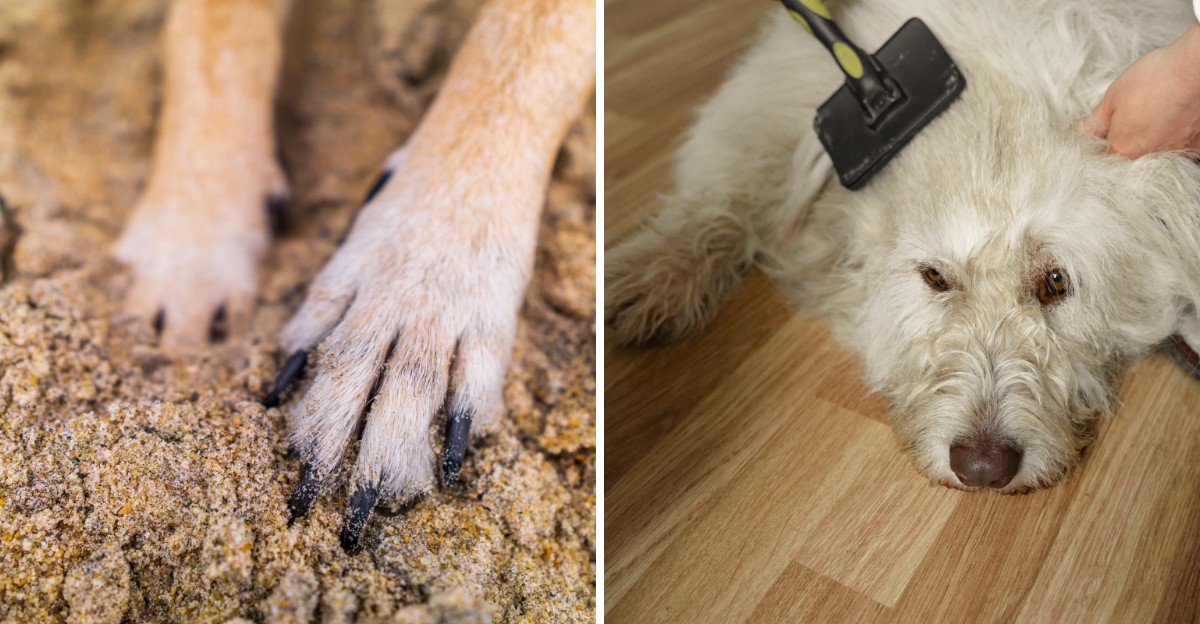
Every step brings paw pads into contact with grit, sand, and rough ground. Dust alone does not explain every sore paw, but trapped particles can rub sensitive areas.
Rough trails may also wear pads over time.
Check for tenderness, surface cracks, or changes in how your dog walks. Choose shorter outings when ground conditions seem uncomfortable.
Remember that cactus spines and sharp stones require separate attention. Do not assume a limp comes from simple dryness or dust.
8. Wipe Paws After Every Outdoor Walk
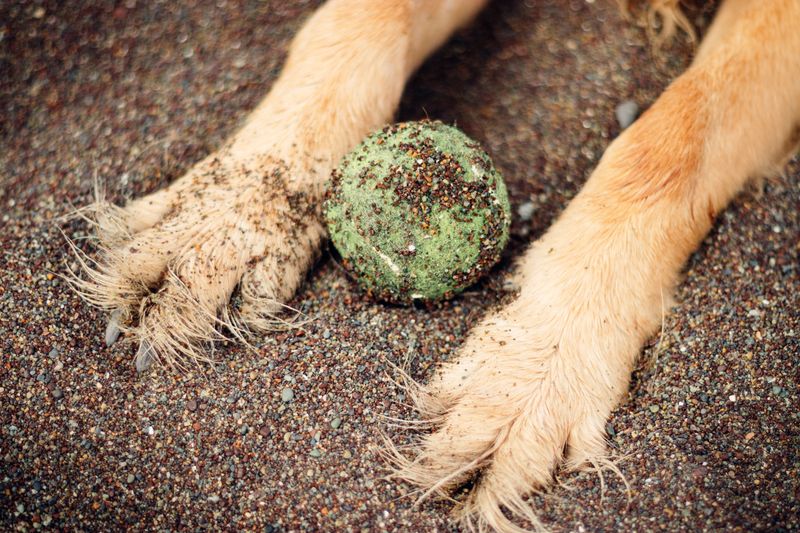
A damp cloth by the door makes paw care easy to remember. Wipe each foot gently after walks, especially when your route crosses loose dirt.
Plain water and a soft cloth are often enough.
If you use pet wipes, choose products labeled for dogs and follow their instructions. Avoid household cleaning wipes on paws.
Dry the feet afterward, paying attention between toes. Reward calm handling so this small habit becomes a comfortable part of coming home together.
9. Look Between the Toes for Trapped Dirt
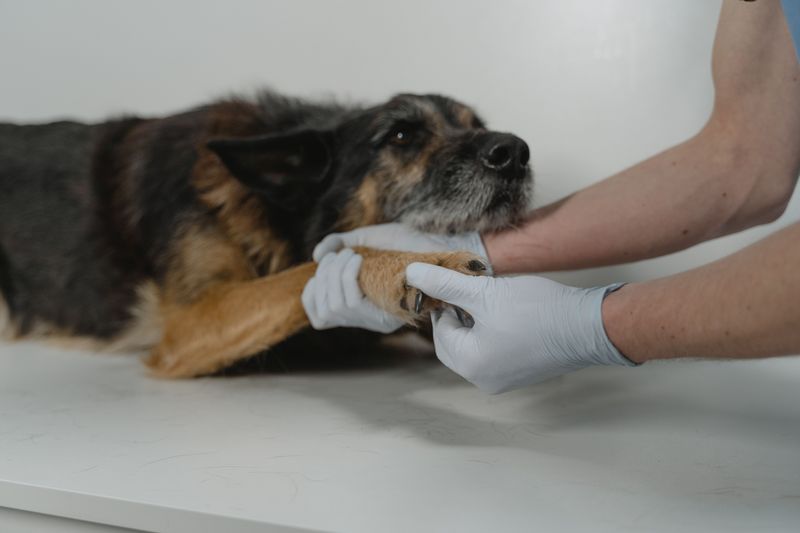
Tiny spaces between toes can hold surprisingly stubborn trail debris. Gently spread the toes and look for packed dirt, redness, or plant material.
Check around the nails and beneath longer foot hair too.
Rinse loose dirt away, then dry carefully. Do not dig into skin or tug at deeply lodged objects.
Grass awns can work into tissue and need prompt veterinary attention. Repeated licking, swelling, or favoring one foot deserves a closer examination by your veterinarian soon.
10. Protect Paw Pads From Hot Desert Surfaces
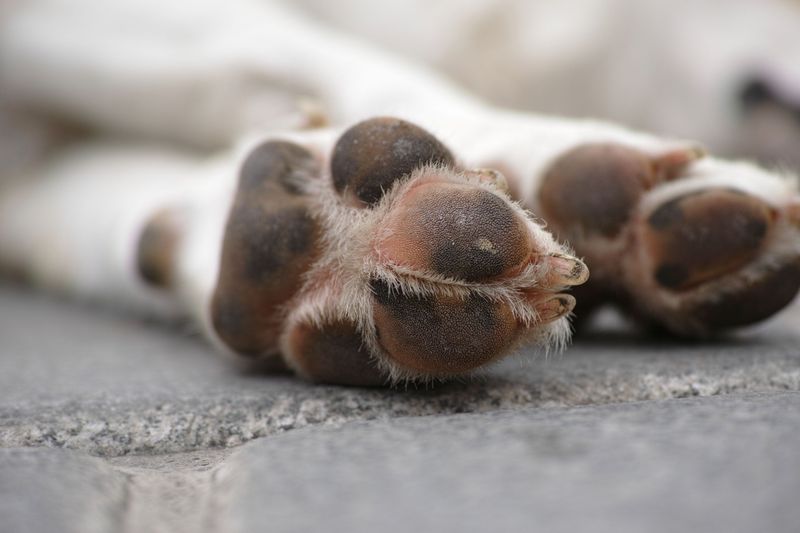
Sunlit pavement can become uncomfortable even when the air seems manageable. Dust does not provide reliable protection from hot sidewalks, asphalt, or sand.
Plan walks for cooler periods and favor shaded routes.
A hand check offers a warning, not a guarantee of safety. Watch your dog for hesitation, lifting feet, or seeking shade.
Properly fitted boots may help when introduced gradually. If pads become painful or damaged, stop the walk and contact your veterinarian for care guidance.
11. Know When Dry Paw Pads Need Extra Care
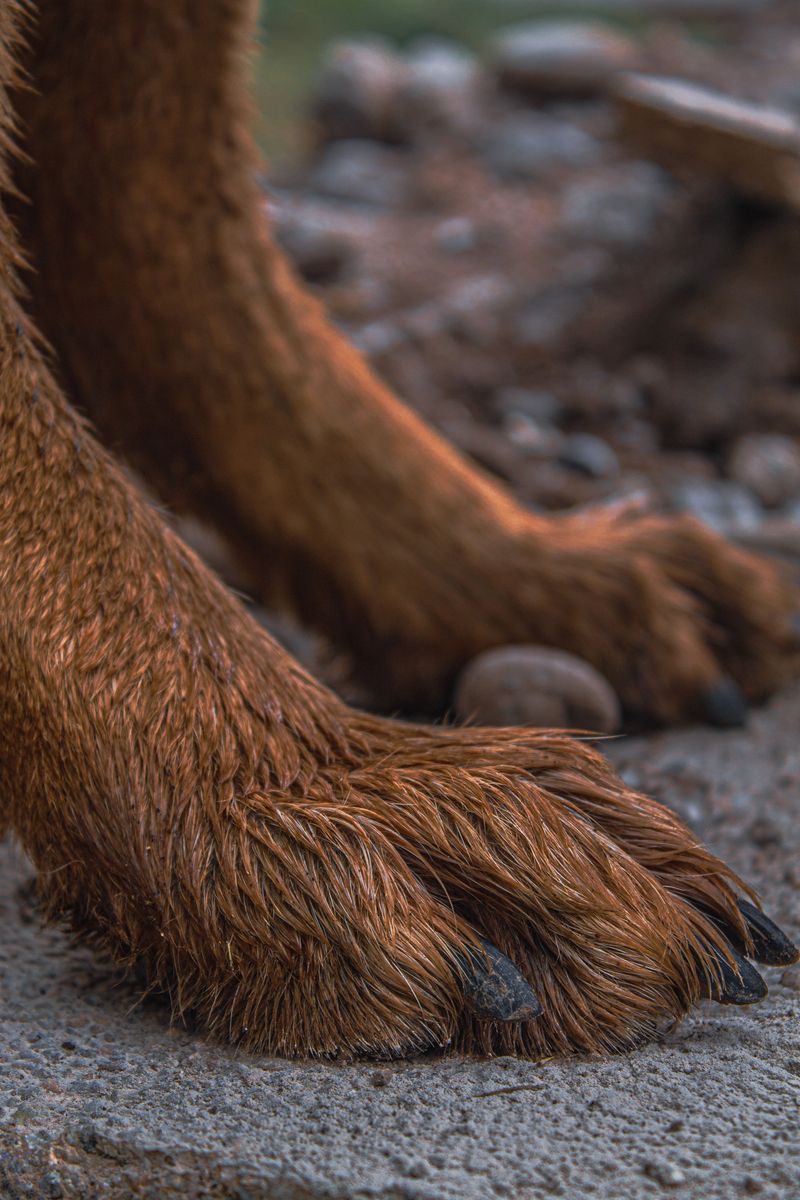
Healthy pads usually feel tougher than the skin on your own hands. A slightly rough surface can be normal, so softness is not the goal.
Deep cracks, bleeding, and tenderness are different concerns.
Ask your veterinarian whether a dog paw balm suits your pet. Avoid applying random lotions or encouraging your dog to lick products away.
Follow label directions and keep floors safe from slippery residue. Persistent changes deserve an exam rather than repeated home treatments alone.
12. Why Dust Can Irritate Your Dog’s Ears
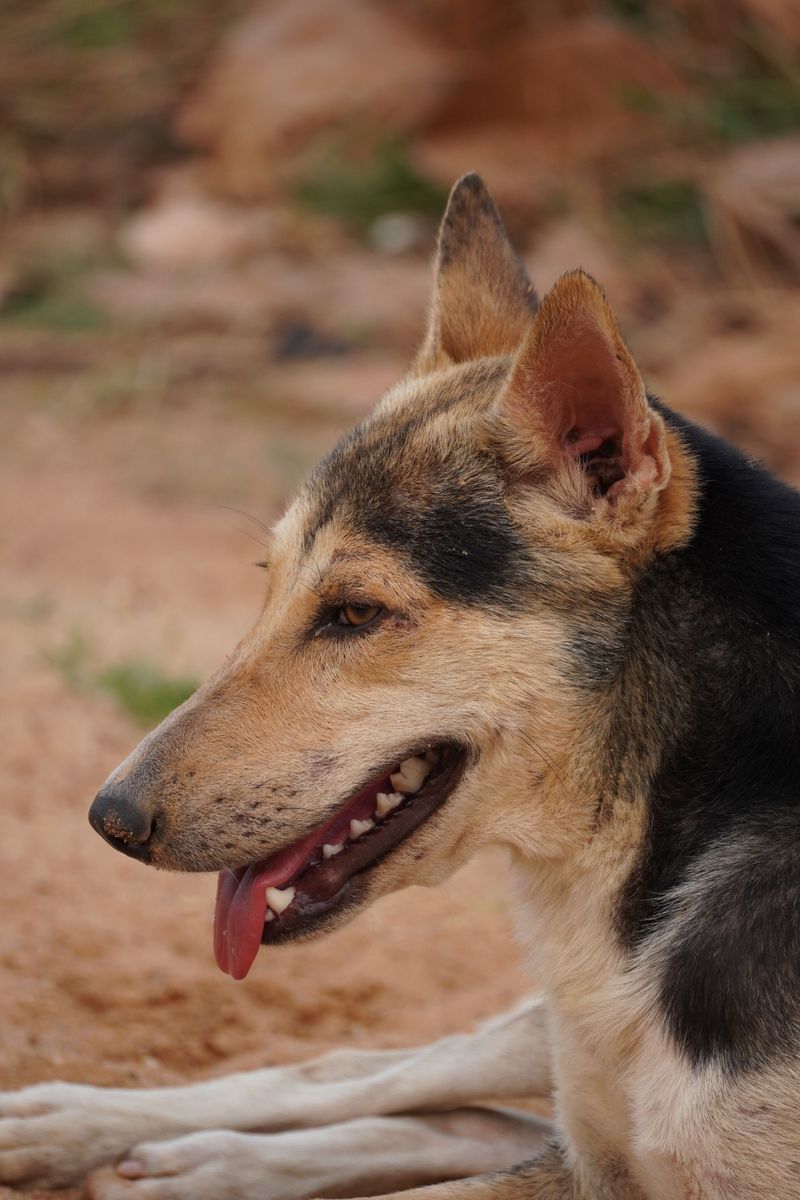
Wind can carry fine particles toward the ear opening during desert outings. Dust may irritate the outer ear, but it is not the only cause of discomfort.
Allergies, trapped material, and infections can produce similar signs.
Look at the visible ear without pushing fingers or tools inside. Compare both sides for redness or unusual buildup.
Healthy ears do not need aggressive cleaning after every walk. Let your veterinarian recommend a cleaning schedule based on your dog’s history.
13. Clean the Outer Ears Gently

Think gentle wipe, not deep scrub, when dust settles on ear flaps. Use soft gauze or a cloth lightly dampened with water for visible outer surfaces.
Keep water from running into the ear canal.
Never push cotton swabs down inside, where they can move debris deeper. Use ear cleaner only as directed by your veterinarian or its label.
Painful, red, or draining ears need professional advice before cleaning. Homemade mixtures can irritate tissue and complicate existing ear problems.
14. Watch for Signs of Ear Problems
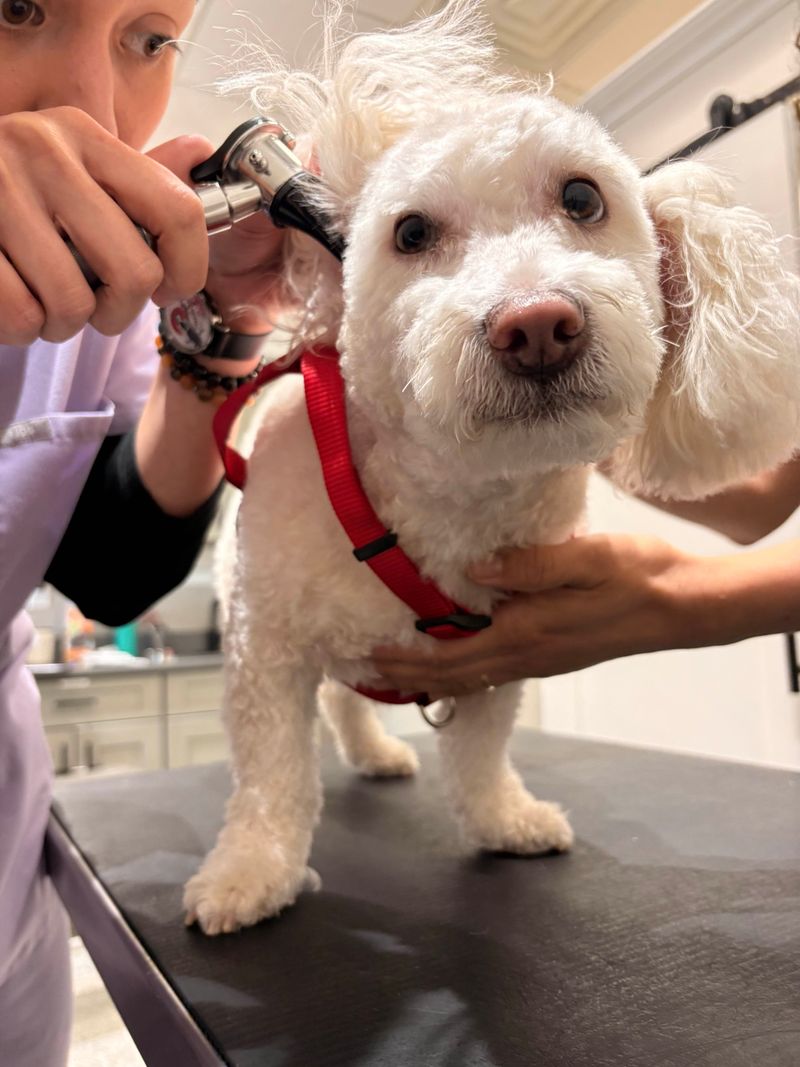
Repeated head shaking is a clue worth noticing, not a grooming challenge. Ear scratching, unusual odor, redness, and discharge can also signal trouble.
Some dogs become sensitive when you touch near the ear.
Arrange a veterinary visit rather than trying leftover ear medicine. Different causes need different treatments, and some products are unsuitable when the eardrum is damaged.
Sudden balance changes or a persistent head tilt need prompt attention. Record when symptoms started to help explain the pattern.
15. Dogs With Floppy Ears May Need More Frequent Checks
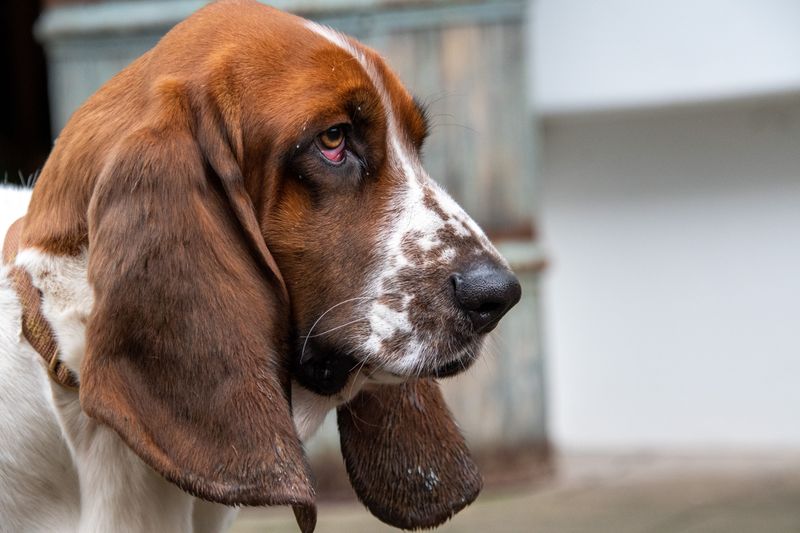
Floppy ears can make early changes harder to spot during everyday cuddles. Their shape may limit airflow, especially when moisture collects beneath the flap.
Dust exposure adds another reason to look regularly.
Lift each flap gently and check visible skin without probing. Dry the outside after baths or swimming, following your veterinarian’s advice for deeper care.
More checks do not automatically mean more cleaning. Dogs with recurring problems need an individual plan based on their ears and allergies.
16. Create a Simple Cleaning Routine After Outdoor Adventures
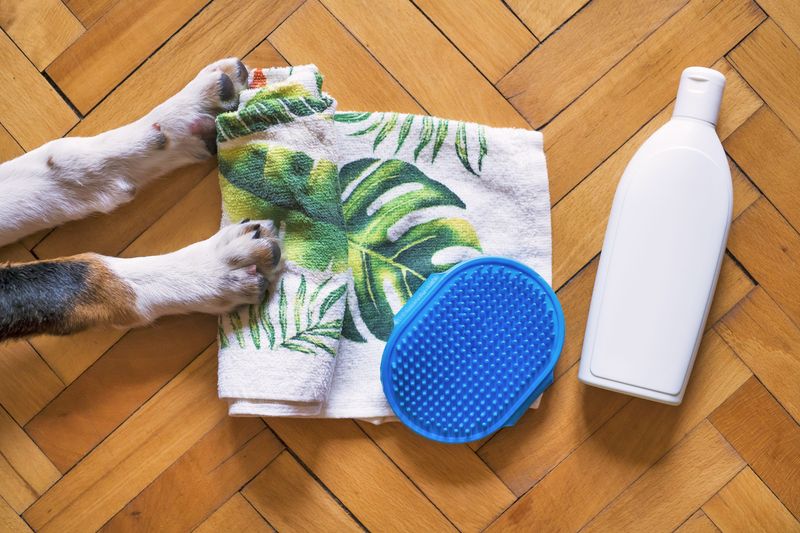
Coming home should feel like a reset, not a second expedition. Set out a towel, soft cloth, brush, and treats near your usual entrance.
Start with paws, then scan the coat and visible ears.
Keep handling brief and reward cooperation before your dog gets restless. After major dust storms, wait until blowing dust settles before outdoor cleanup.
Avoid forcing a frightened dog through grooming. Build comfort gradually, and ask your veterinary team for help with painful or stressful handling.
17. Keep Dust Away From Your Dog’s Bedding
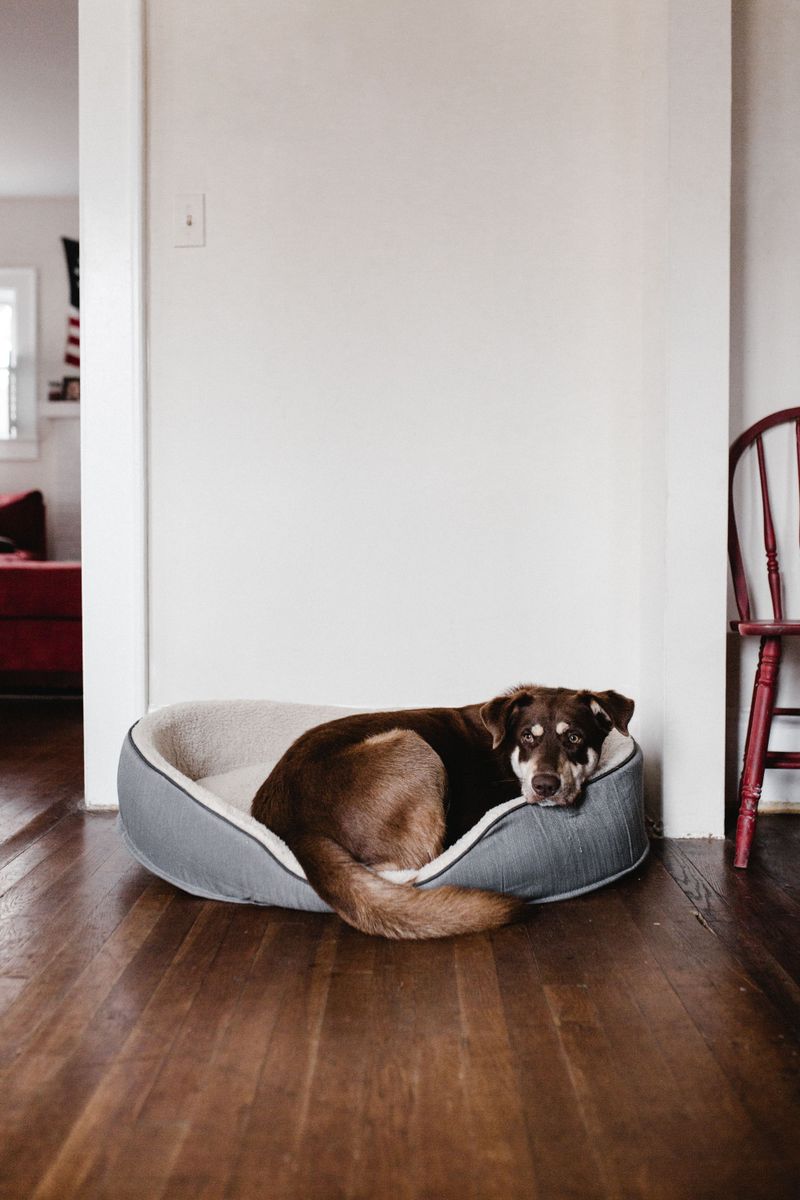
A clean dog can pick up yesterday’s dust from a favorite sleeping spot. Wash removable bed covers according to their care labels and dry them fully.
Vacuum nearby floors and upholstery to reduce settled grit.
Keep bedding away from open doors during windy weather. Replace dusty entry mats or wash them before dirt spreads indoors.
Choose mild laundry products if your dog has sensitive skin. Cleaning the resting area supports grooming without adding another bath to your dog’s week.