What to Do If Your Dog Meets a Rattlesnake in Arizona
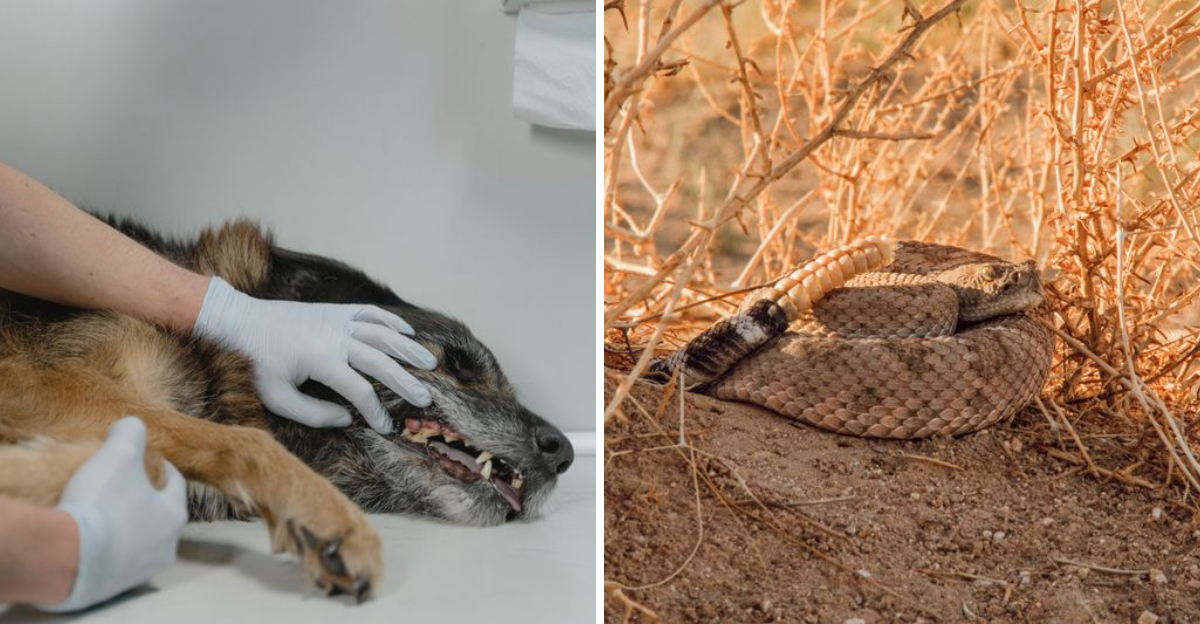
Arizona is stunning, wild, and full of trails worth exploring with your dog by your side. It is also home to several rattlesnake species that share those same trails, washes, and rocky hillsides.
Knowing what to do in the moment of a snake encounter can make a real difference for your dog’s safety. This guide walks you through exactly what to do, step by step, so you can stay calm, act fast, and keep your best friend protected when it matters most.
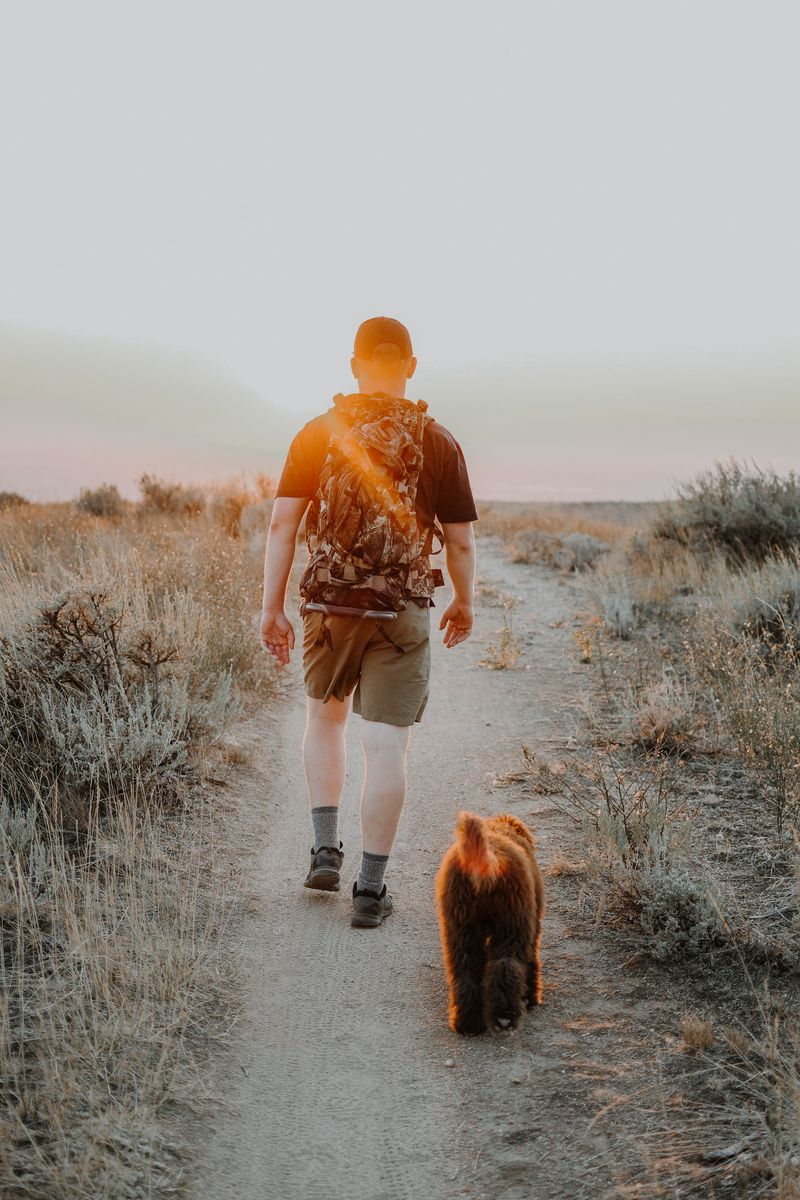
Keep Your Dog Close and Stop All Movement Toward the Snake
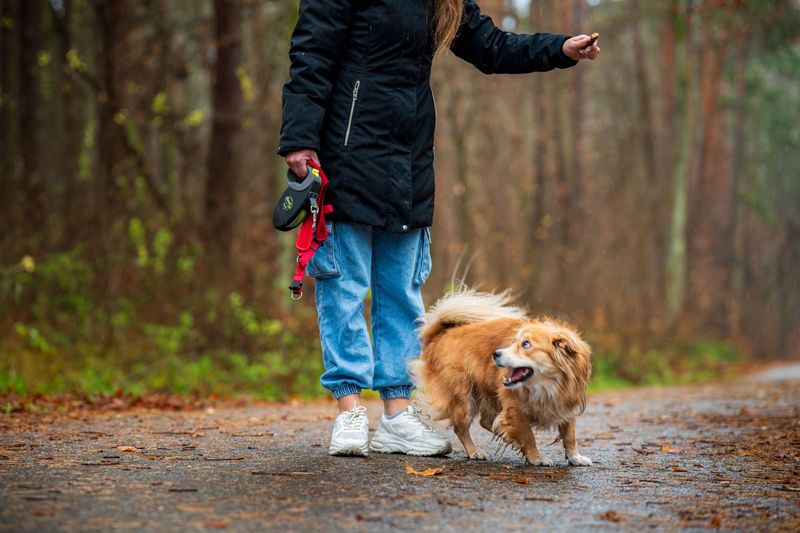
The very first thing to do when you spot a rattlesnake is shorten your leash and hold firm. Do not let your dog take another step toward the snake.
Dogs are naturally curious, and that curiosity can lead to a bite in seconds.
A short leash gives you direct control. Keep your dog at your side and focused on you.
Stay calm so your dog stays calm too. Your steady energy in that moment matters more than you might expect.
Back Away Slowly and Give the Snake Plenty of Space
Rattlesnakes do not chase people or pets. They strike when they feel cornered or threatened.
Once you have your dog secured, move backward at a slow, steady pace. Give the snake a wide berth, ideally several feet in every direction.
Quick movements can startle the snake and trigger a defensive strike. Keep your eyes on it as you retreat.
Slow and deliberate is the right pace here. Distance is your best protection in this situation.
Do Not Try to Move, Scare, or Kill the Snake
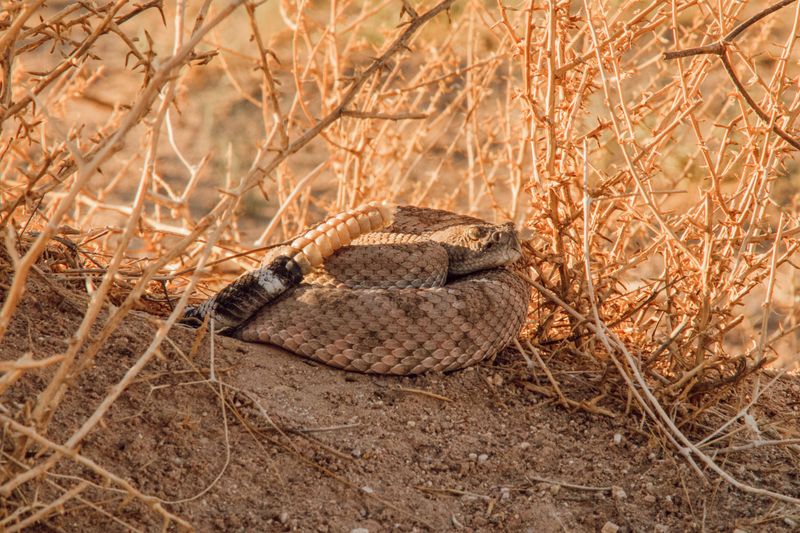
It might feel instinctive to shoo the snake away or try to remove it from the trail. Resist that urge entirely.
Most rattlesnake bites to humans happen when someone tries to handle or kill the snake.
The snake is not being aggressive. It is defending itself.
Leave it where it is and reroute your walk. No trail is worth putting yourself or your dog at greater risk.
The safest snake is one you simply walk away from.
Leave the Area by a Different Route if You Need To
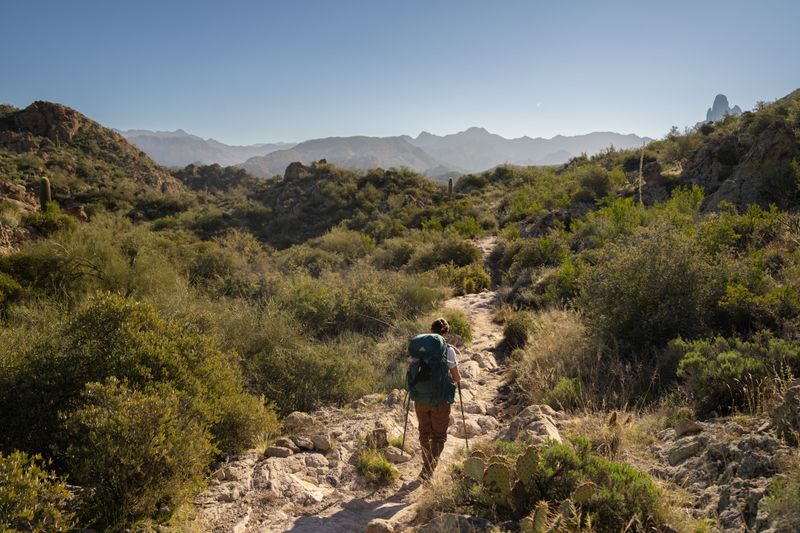
Once you have backed away safely, do not return to the same spot. If the snake is blocking your usual path, take a different route back to your car or campsite.
Rattlesnakes often rest in one location for extended periods.
Also, do not let your dog sniff around where the snake disappeared. Snakes can tuck under rocks, brush, or into holes nearby.
Treat the whole area as still active and give it a wide, respectful pass.
Recognize the Signs of a Rattlesnake Bite on Your Dog
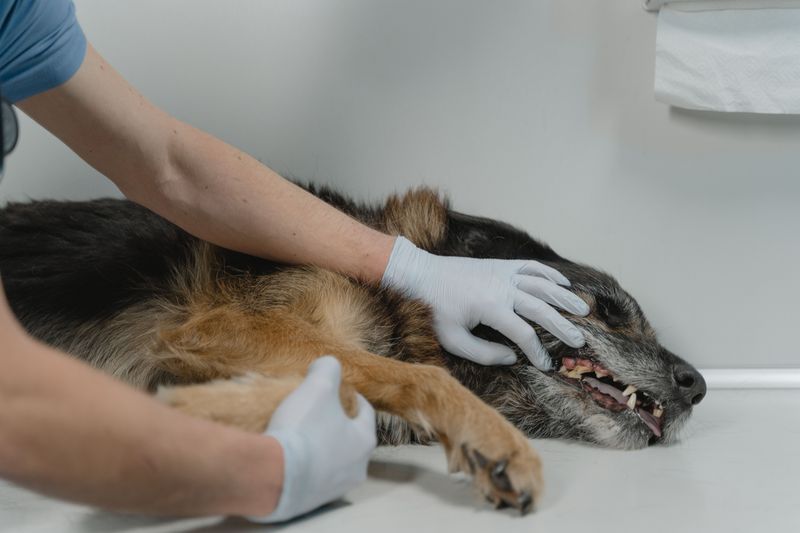
Rattlesnake venom acts quickly, so knowing what to look for helps you respond without delay. Watch for rapid swelling, especially around the face, neck, or limbs.
Other signs include pain at the site, bleeding, weakness, vomiting, or sudden collapse.
Bites near the face or neck are especially serious because swelling in those areas can affect breathing. Even if your dog seems normal right after the encounter, do not wait.
Symptoms can develop fast and escalate without warning.
Treat Any Suspected Bite as an Immediate Veterinary Emergency
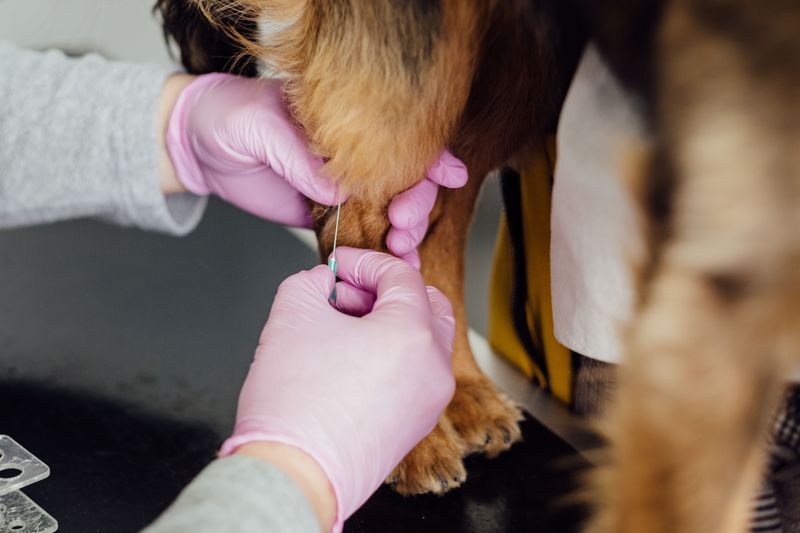
There is no safe window to wait and see with a rattlesnake bite. The moment you suspect your dog has been bitten, head to an emergency veterinarian right away.
Do not pause to monitor symptoms at home first.
Time is a critical factor with envenomation. The sooner your dog receives professional care, the better the outcome is likely to be.
Call the clinic while you are on your way so the team can prepare before you even arrive.
Carry Your Dog to the Car Instead of Letting Them Walk
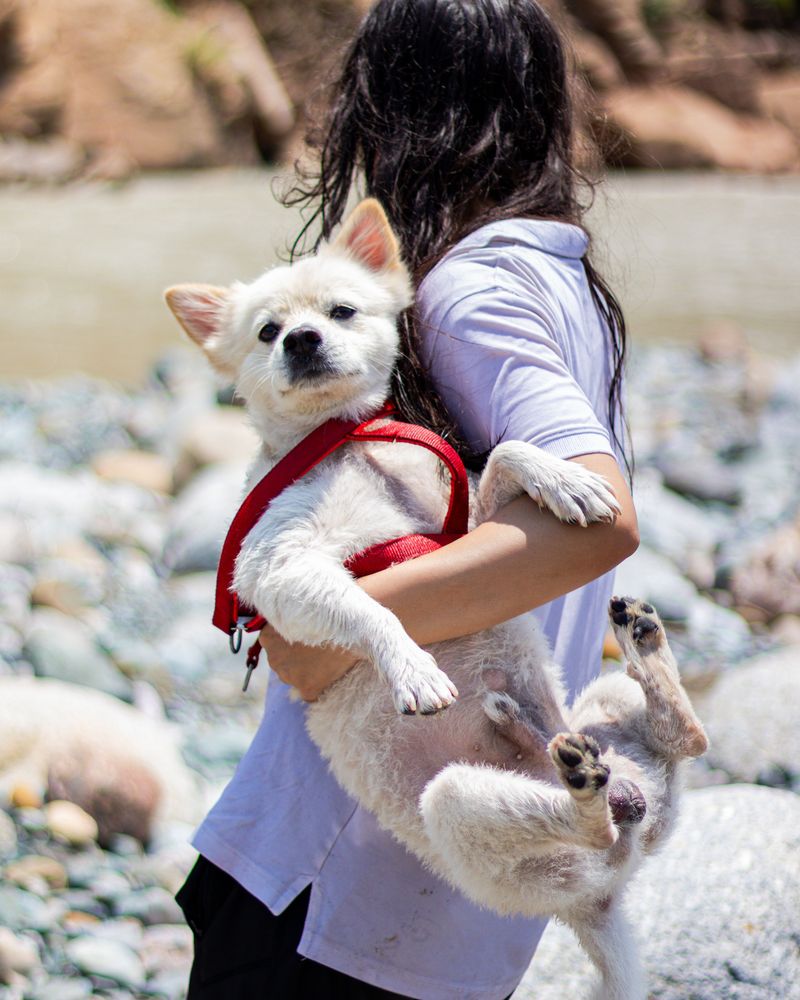
Physical activity speeds up circulation, which can spread venom through the body more quickly. If your dog has been bitten and you can safely carry them, do so.
Keep their movement as limited as possible from the moment of the bite onward.
For larger dogs, this may not be practical. In that case, walk them slowly and calmly.
Avoid letting them run, jump, or become excited. The goal is to keep their heart rate low and their body as still as you can manage.
Keep Your Dog Calm and Still During the Ride to the Vet
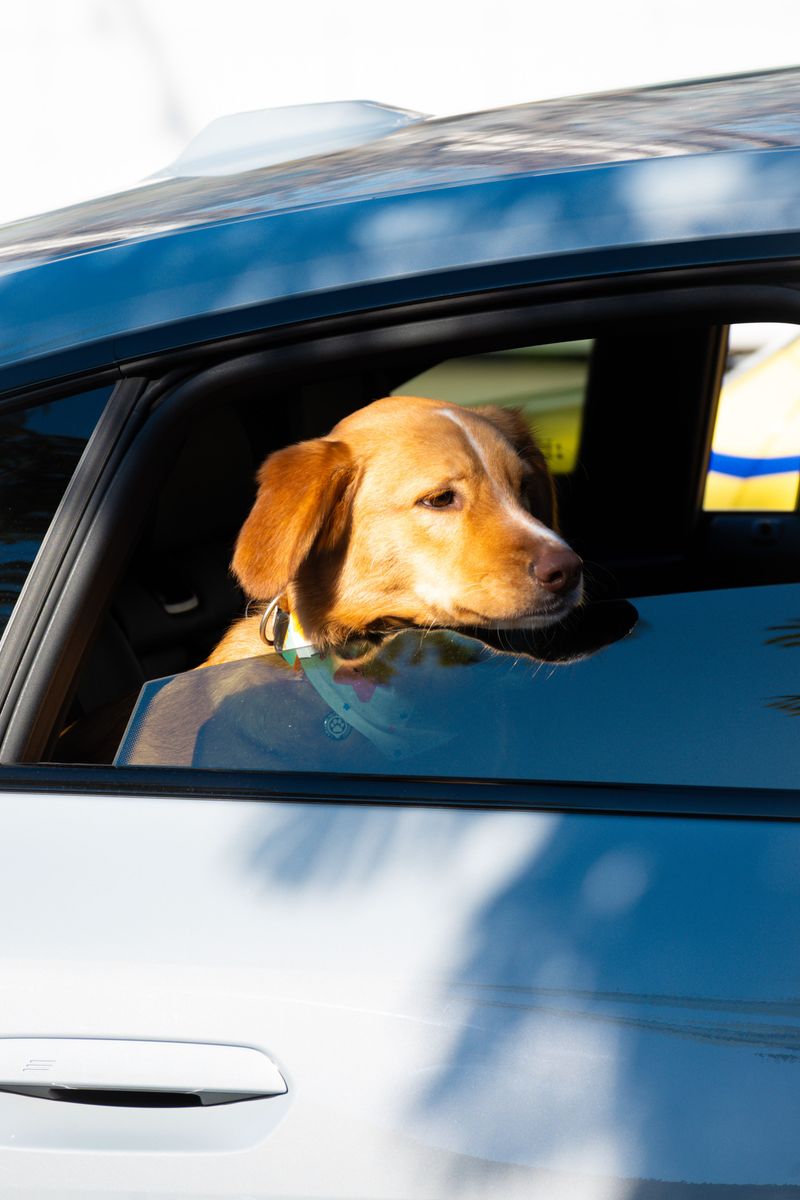
Stress and movement can increase heart rate, which may speed venom absorption. During the drive, keep your dog as still and relaxed as possible.
Speak to them in a calm, steady voice. Avoid sudden stops or erratic driving that could cause your dog to shift around.
If you have a second person with you, have them sit in the back to keep the dog settled. Your calm presence is genuinely helpful.
Dogs often mirror the energy of the people around them.
Know What Not to Do: Common Mistakes That Make Things Worse
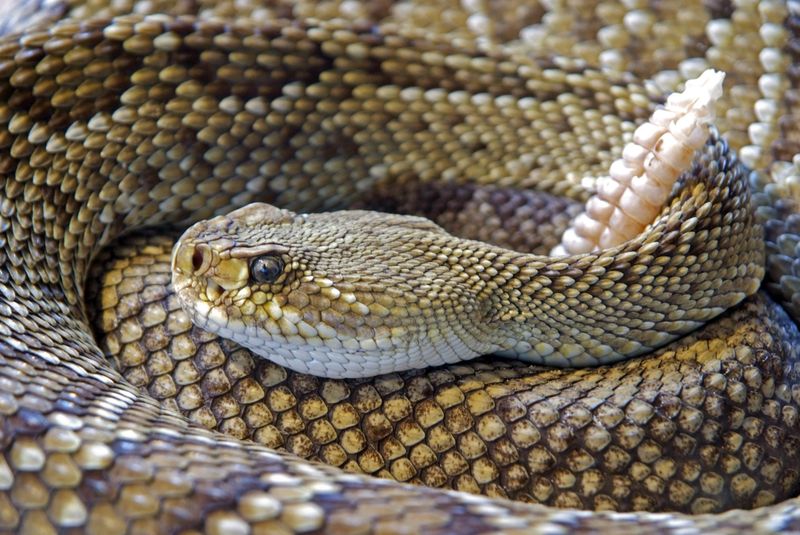
Several well-meaning actions can actually harm your dog after a rattlesnake bite. Do not apply ice or cold packs to the wound.
Do not cut the bite or try to suck out the venom. Do not wrap a tourniquet or compression band around the limb.
Do not give any medications unless a veterinarian specifically tells you to. Home remedies are not effective against venom and can delay real treatment.
The most helpful thing you can do is get your dog to a vet as quickly as possible.
Do Not Waste Time Trying to Identify or Catch the Snake
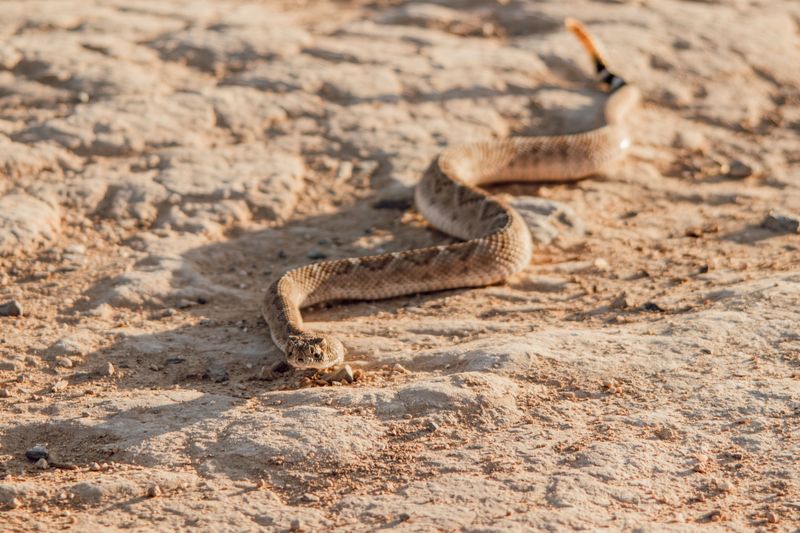
You do not need to bring the snake to the vet or catch it for identification. Veterinarians in Arizona are experienced with local rattlesnake species and will treat based on symptoms and clinical signs, not species ID.
If you can safely photograph the snake from a distance without approaching it, that information can be helpful. But never risk a second bite trying to get a closer look.
A rough description of color and pattern from a safe distance is more than enough.
Ask Your Vet About the Rattlesnake Vaccine for Dogs
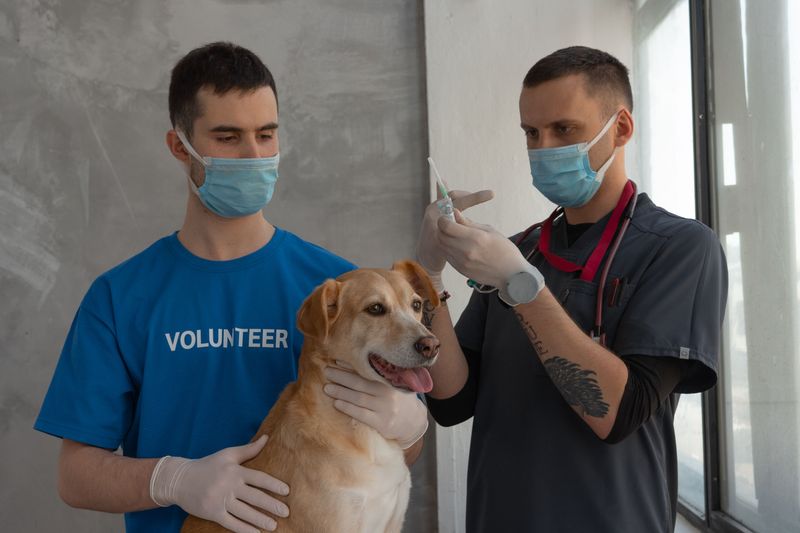
A rattlesnake vaccine is available for dogs and is worth discussing with your veterinarian, especially if you spend time outdoors in Arizona regularly. The vaccine may help reduce the severity of a bite’s reaction, though it does not replace emergency treatment.
Your vet can tell you whether your dog is a good candidate based on size, age, and health history. Ask about it at your next wellness visit.
Being proactive before a snake encounter is always a smarter strategy than reacting after one.
Build Safer Habits for Every Future Arizona Outing
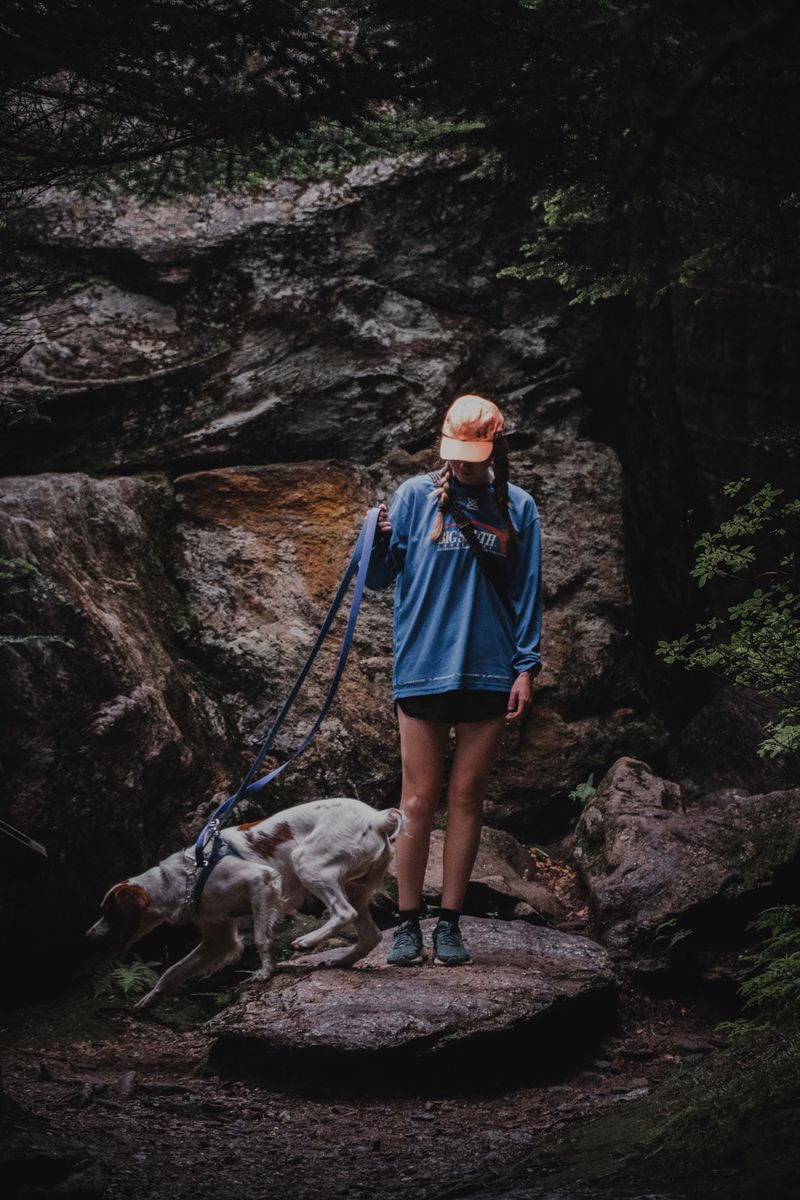
Prevention is the strongest tool you have. Keep your dog on a leash on every outdoor outing, especially in desert terrain.
Stay on established trails and avoid letting your dog investigate rocks, brush piles, holes in the ground, or shaded ledges where snakes rest.
Rattlesnakes are most active from spring through early fall, often at dawn and dusk. Wearing sturdy shoes and keeping your dog leashed close to you reduces risk significantly.
A little trail awareness goes a long way toward keeping every adventure a good one.