What to Know Before Letting Your Dog Off-Leash in Washington
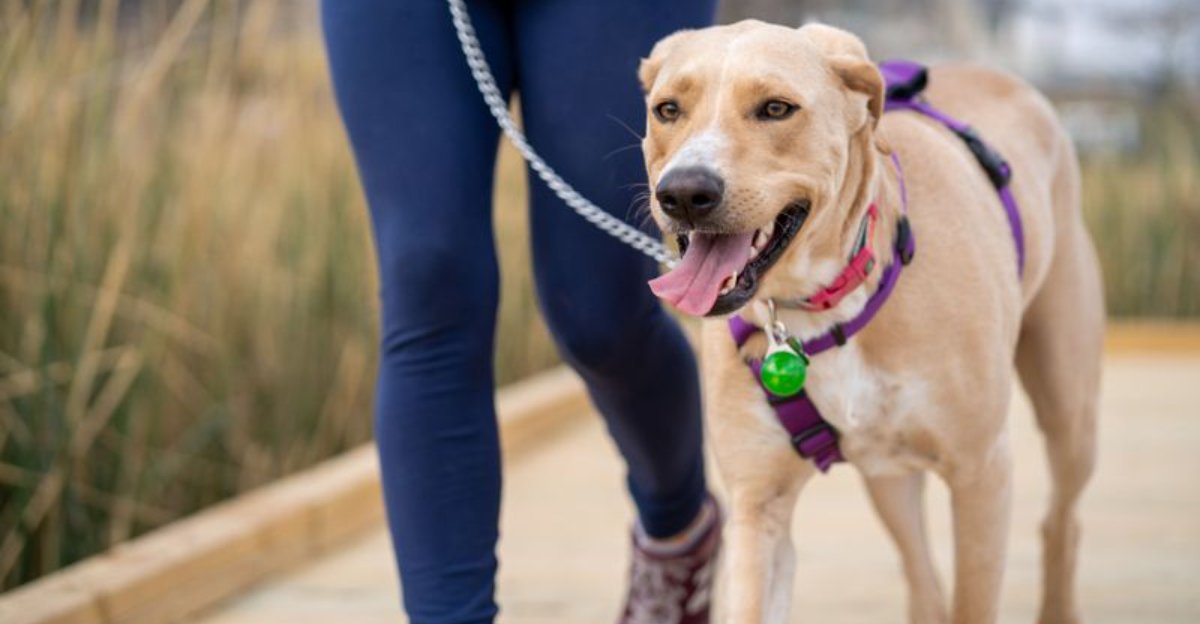
Taking your dog off-leash in Washington can be one of the best parts of exploring the outdoors together. But knowing the rules before you go makes all the difference.
Washington has a mix of state, county, and city regulations that vary depending on where you are.
This guide walks you through what every dog owner in Washington should know before unclipping that leash.
1. Washington State Parks Require Dogs to Stay Leashed
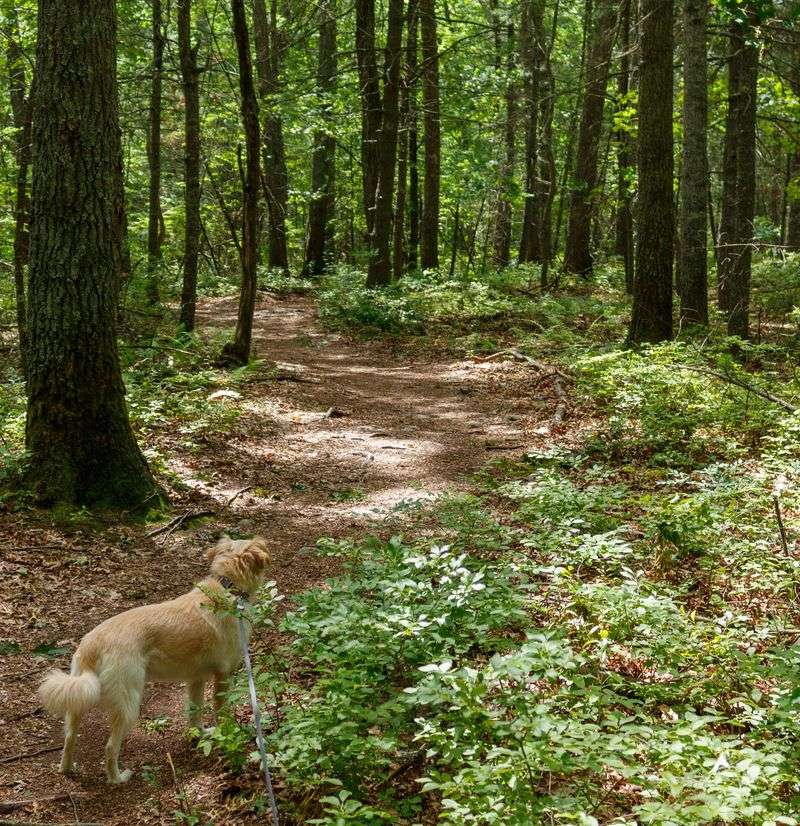
Washington State Parks welcome dogs in most areas, but a leash is always required. Your dog must stay on a leash no longer than eight feet at all times while inside park boundaries.
Some parks with culturally or environmentally sensitive areas may not allow dogs at all.
Before visiting, check the specific park’s rules on the Washington State Parks website. Keeping your dog leashed protects local wildlife, other visitors, and your dog.
2. Voice Control Does Not Replace a Required Leash
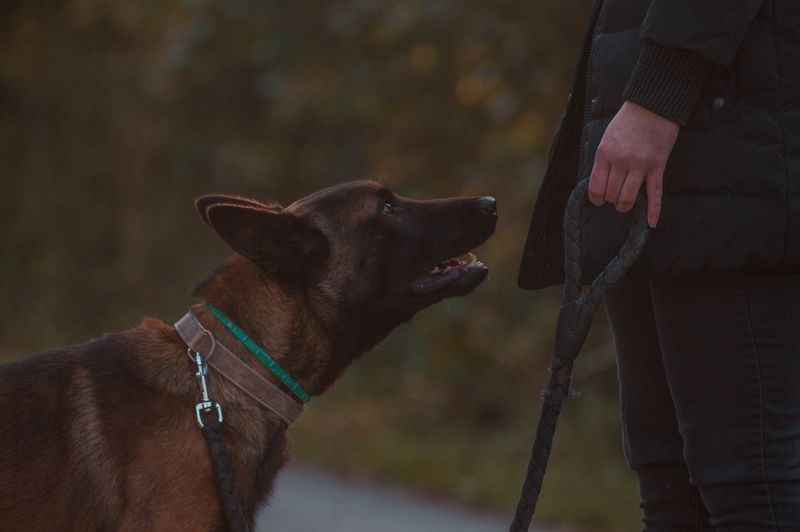
Your dog may have excellent recall, but that skill does not satisfy Washington’s leash requirements. In state parks, a physical leash no longer than eight feet is required, regardless of how well-trained your dog is.
Voice control is simply not a legal substitute in those areas.
In Seattle’s designated off-leash zones, handlers must still carry a leash for each dog. Good training is a bonus, but the leash stays in your hand.
3. Dogs Are Banned from Designated Swimming Beaches in State Parks
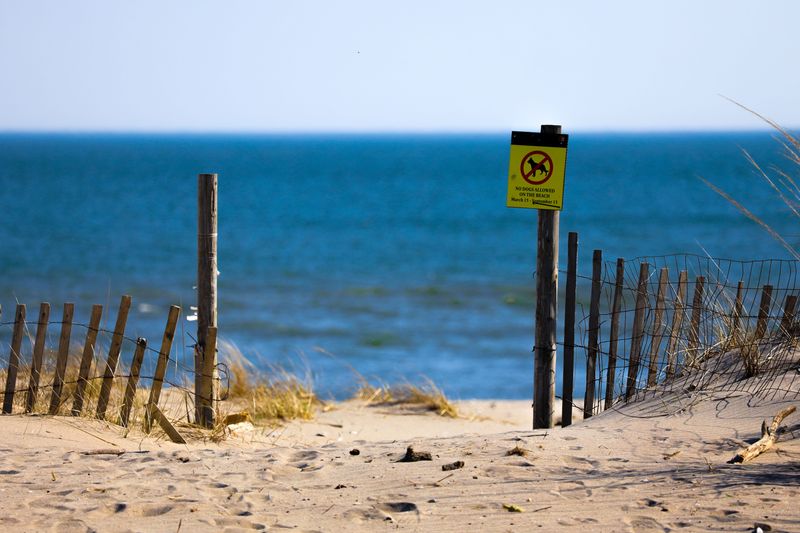
Planning a beach day at a state park? Dogs are not allowed on any designated swimming beach within Washington State Park areas.
The rule keeps shared spaces clean and comfortable for all visitors during busy summer months.
Many city and King County parks follow similar restrictions. If you want to enjoy the water with your dog, look for non-designated shoreline areas where dogs are permitted, and always confirm rules before you arrive.
4. DNR Natural Area Preserves Are Completely Off-Limits for Dogs
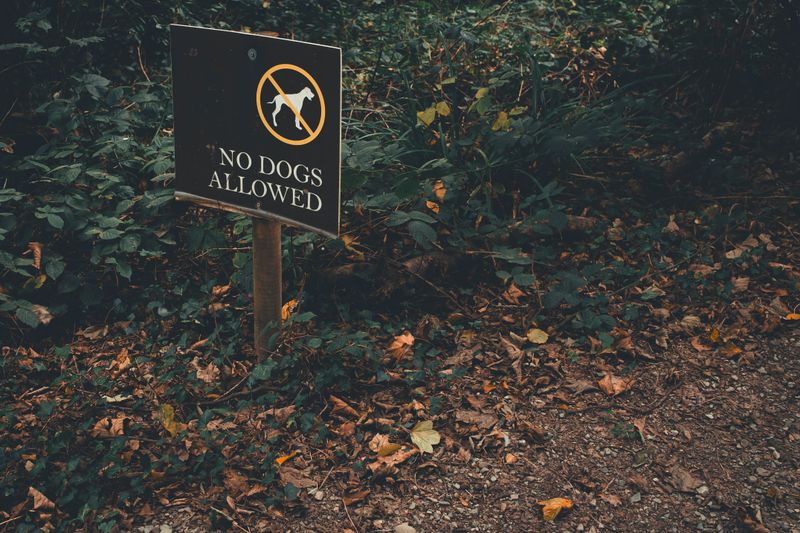
Dogs are not permitted in any Natural Area Preserves or Natural Resources Conservation Areas managed by the Washington Department of Natural Resources. These protections exist to preserve fragile ecosystems and sensitive wildlife habitat from disturbance.
Even leashed dogs are not allowed in these zones. If you see a DNR Natural Area Preserve sign at a trailhead, plan to visit a different location with your dog that day.
5. Most DNR Recreation Sites Require Dogs to Stay Leashed
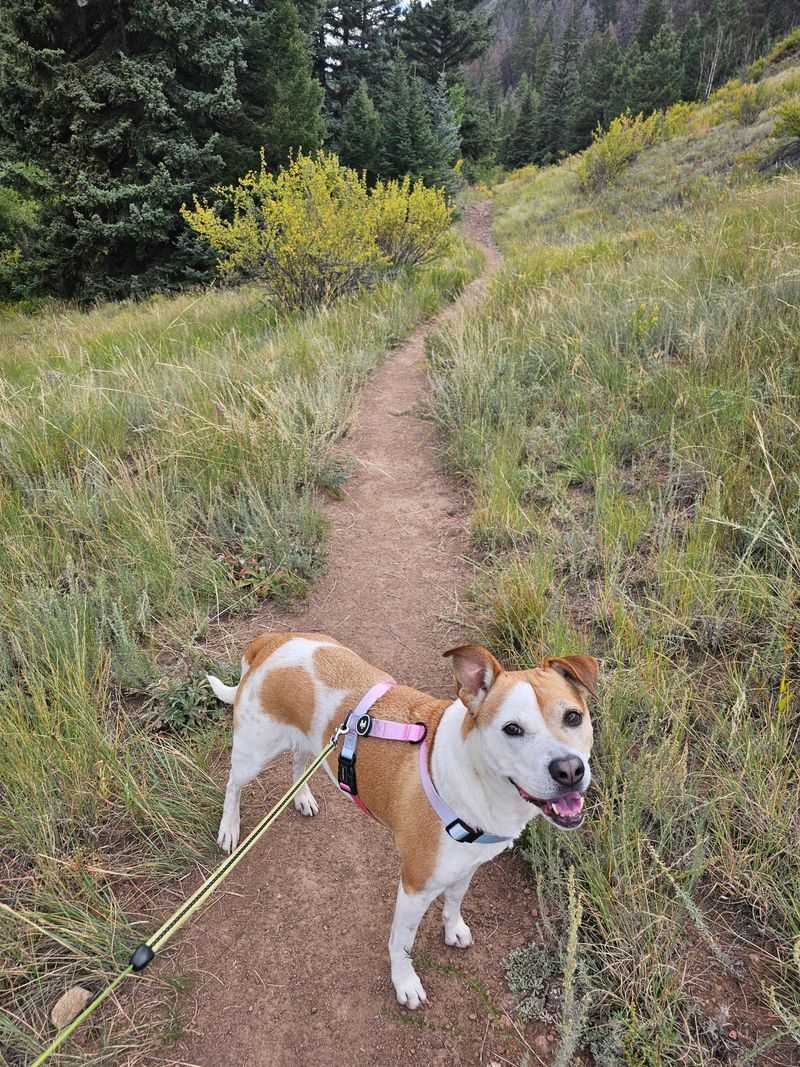
Outside of restricted preserves, dogs are generally welcome at other DNR recreation sites, but a leash is required. Popular DNR trails like Mount Si and Tiger Mountain both require dogs to remain leashed throughout the hike.
Leash rules at DNR sites help protect other trail users and native wildlife. Always check the DNR’s recreation page for the specific trail you plan to visit, since conditions and rules can vary by location.
6. WDFW Lands Have a Seasonal Leash Rule from April Through July
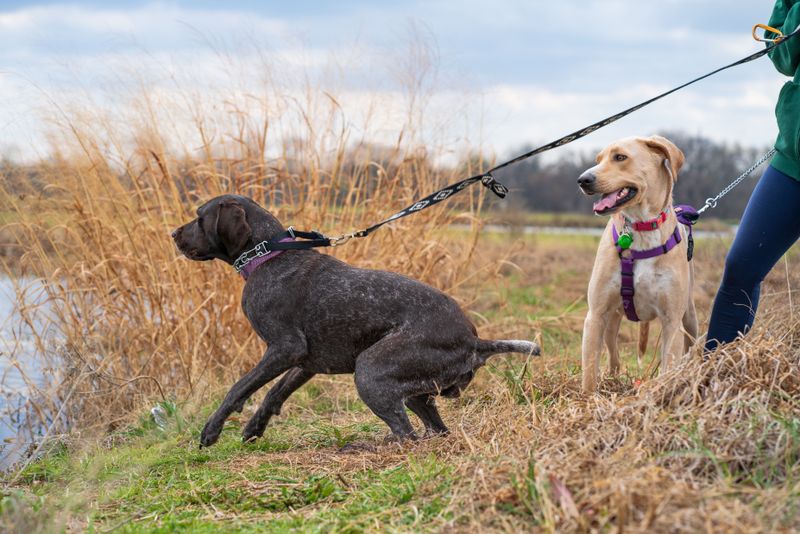
From April 1 through July 31, all dogs must be leashed on lands managed by the Washington Department of Fish and Wildlife. This seasonal rule is designed to protect ground-nesting birds and other wildlife during their most vulnerable breeding period.
Even experienced hunting dogs are subject to this rule unless specific exemptions apply. Mark the dates on your calendar and plan accordingly if you visit WDFW lands with your dog during spring and summer.
7. Certain WDFW Areas Enforce Leash Rules All Year Long
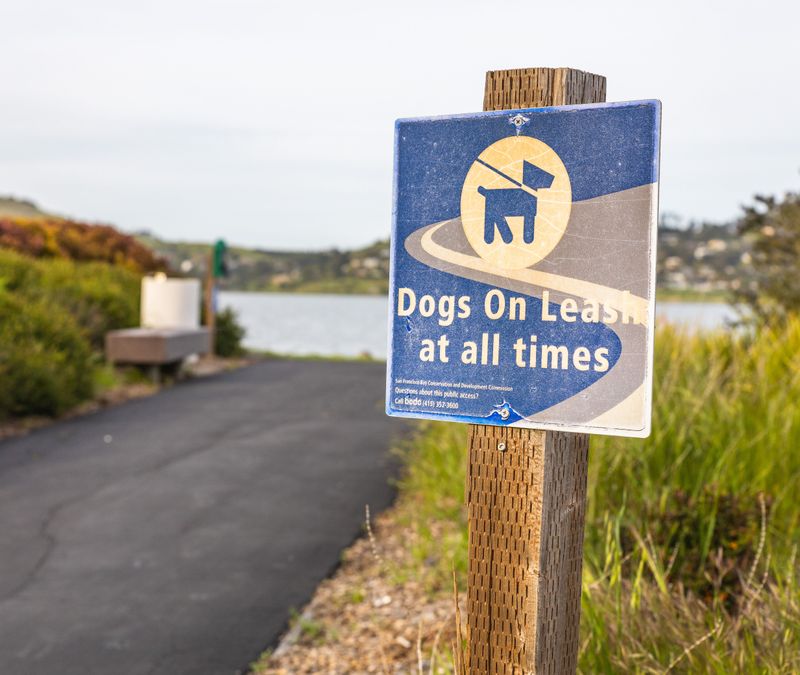
Some WDFW wildlife areas go beyond the seasonal rule and require leashes throughout the entire year. The Swanson Lakes Wildlife Area and the Reardan Audubon Lake Unit are two examples where year-round leash requirements are in place.
At these sites, dogs that are not leashed must remain in a vehicle. Hunters may use hunting dogs under control, but pet dogs are not allowed to roam freely.
Always verify the rules of any specific WDFW area before your visit.
8. Individual Wildlife Areas Can Set Stricter Dog Rules
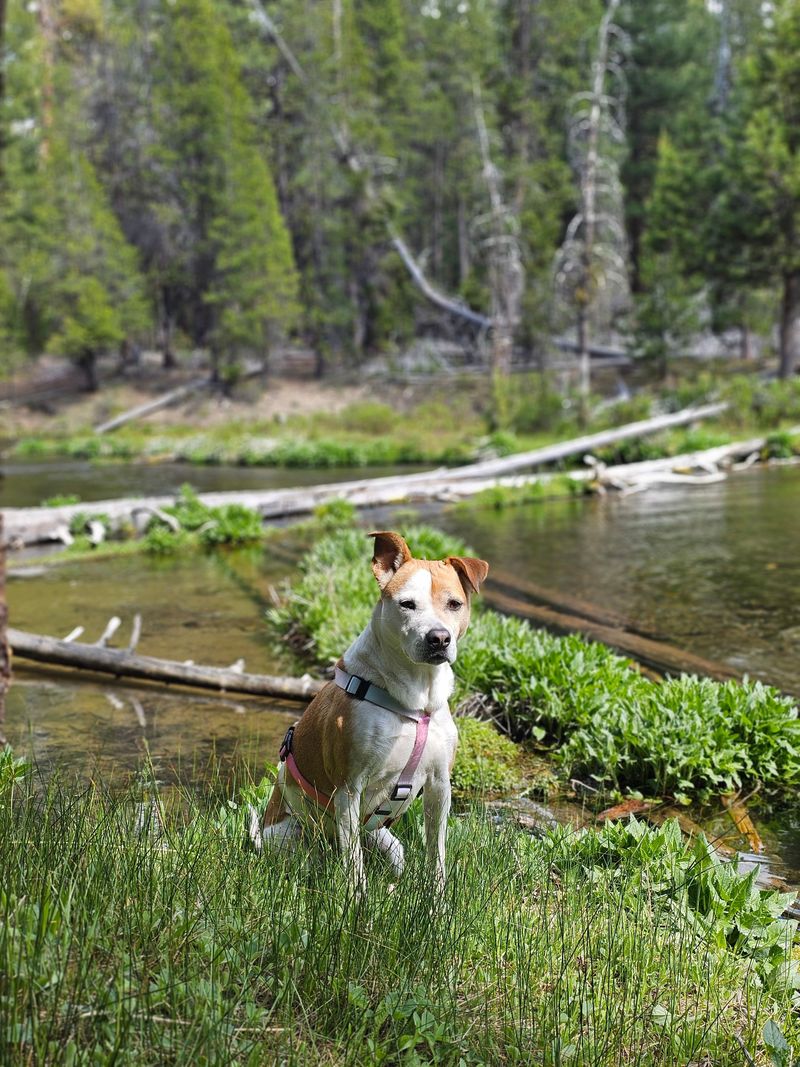
Beyond the general WDFW guidelines, individual wildlife areas are allowed to create their own, stricter dog policies. Scatter Creek Wildlife Area, for example, requires dogs to be leashed from April 1 through July 31, matching the state seasonal standard.
Other areas may have additional restrictions or closures in certain zones. Checking the rules for each specific wildlife area before you go is the most reliable way to stay compliant and avoid surprises on the trail.
9. Letting Your Dog Chase Wildlife Can Lead to Criminal Charges
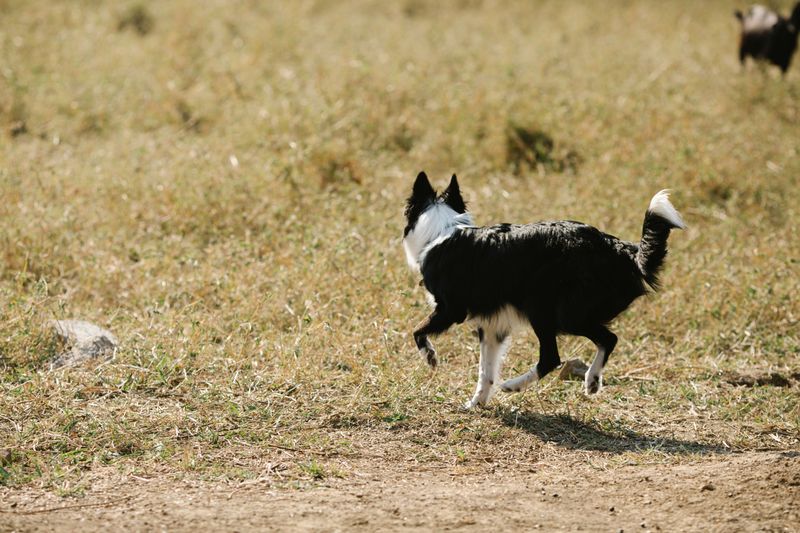
Allowing your dog to pursue, harass, or attack wildlife in Washington is a criminal offense. Under state law, negligently failing to prevent your dog from chasing deer, elk, moose, mountain sheep, or endangered animals is a misdemeanor.
Using a dog to hunt deer or elk is also considered unlawful. Even if your dog is just being playful, the legal consequences are real.
Keeping your dog leashed near wildlife areas is the simplest way to stay out of trouble.
10. Wildlife Officers Can Intervene When Dogs Repeatedly Harass Wildlife
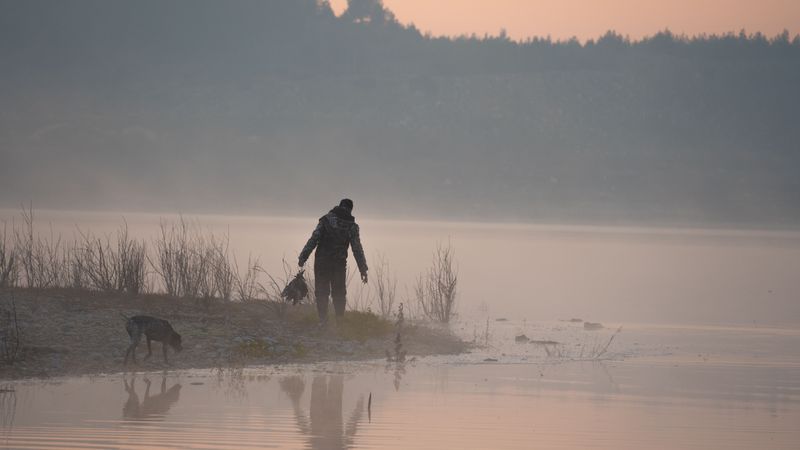
Fish and wildlife officers in Washington have the authority to take a dog into custody if they believe it is actively pursuing or harassing protected animals. In serious cases, if repeated harassment or injury to wildlife cannot be stopped otherwise, officers may be authorized to destroy the dog.
Officers who take such action are protected from civil or criminal liability. This is not meant to alarm you, but it underscores why leash compliance near wildlife habitat truly matters.
11. Dogs That Attack Livestock Face Serious Legal Consequences
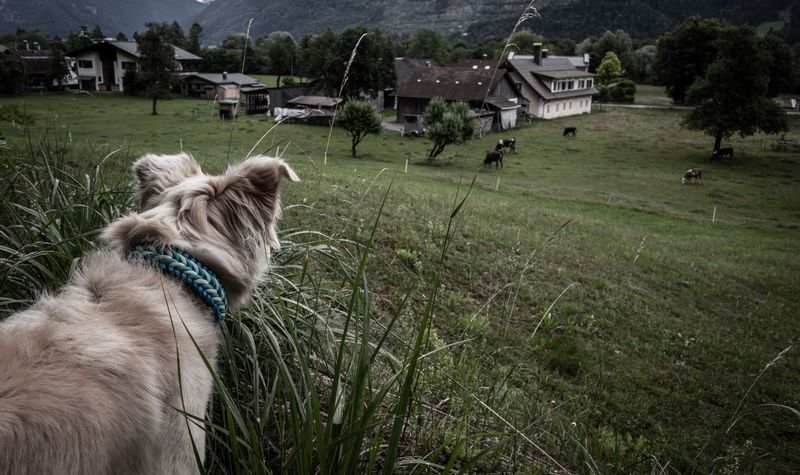
Washington law holds dog owners financially liable if their dog kills or injures any domestic animal, including poultry. If a dog is found harming livestock, the owner must immediately keep the dog leashed or confined.
Failure to comply puts your dog at serious risk. A livestock owner may lawfully kill a dog found running at large after it has already harmed their animals.
Rural areas with farms nearby are places where leash control is especially critical.
12. Dangerous Dogs Must Be Muzzled and Leashed Outside Their Enclosure
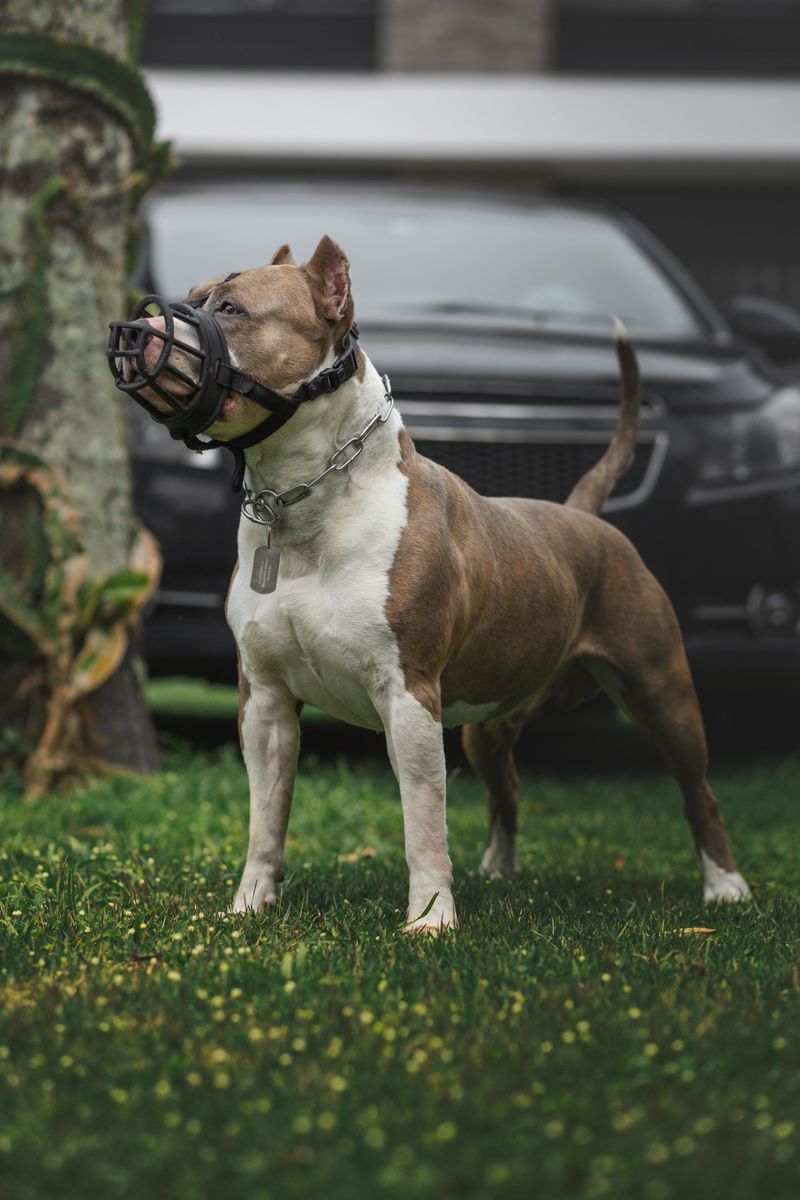
Washington law requires owners of dangerous dogs to keep them muzzled and restrained by a substantial chain or leash whenever outside a proper enclosure. The dog must also remain under the direct physical control of a responsible person at all times.
Local ordinances may add further restrictions for dogs classified as potentially dangerous. If your dog has been given any legal classification related to aggression, review both state law and your local municipal code carefully.
13. Washington Holds Dog Owners Strictly Liable for Bites
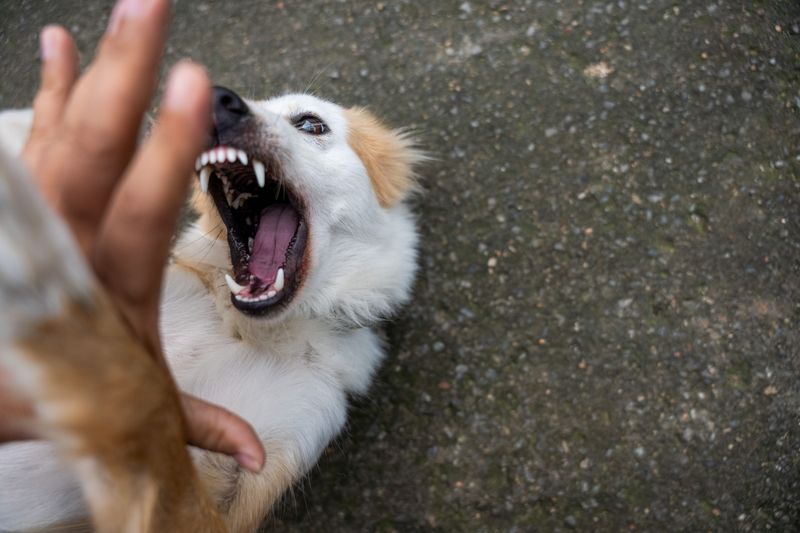
Under RCW 16.08.040, Washington follows a strict liability standard for dog bites. Owners are financially responsible for injuries their dog causes, even if the dog has never shown aggression before and even if the owner had no warning.
This rule applies in public places and in private spaces where the injured person had a right to be. Knowing this law is a strong reason to keep your dog leashed and well-managed whenever you are around other people.
14. Cities and Counties Set Their Own Leash Laws
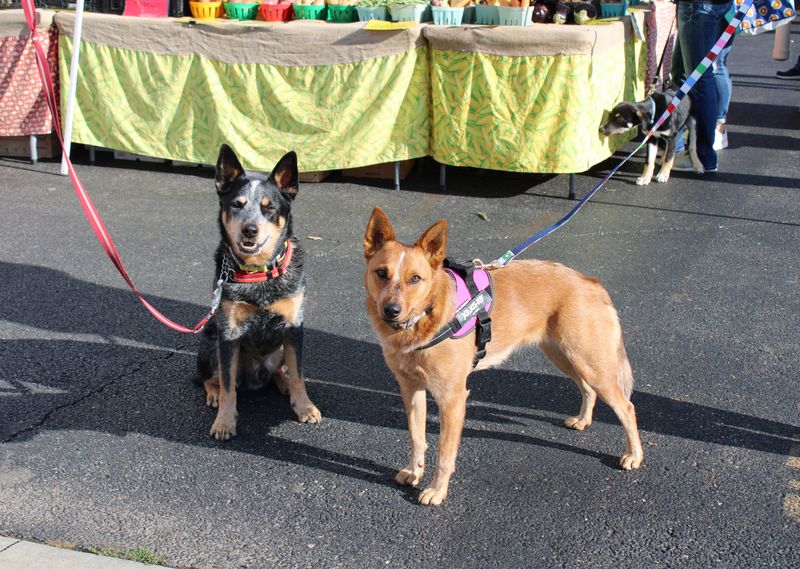
Washington State does not have a single statewide general leash law. Each city, county, and municipality has the authority to write and enforce its own leash ordinances, and many are stricter than state-level rules.
What applies in one town may be completely different just a few miles away. Contact your local animal control agency or check your city’s municipal code to confirm the specific leash requirements for your area before heading out with your dog.
15. Seattle Only Allows Off-Leash Dogs in Designated Areas
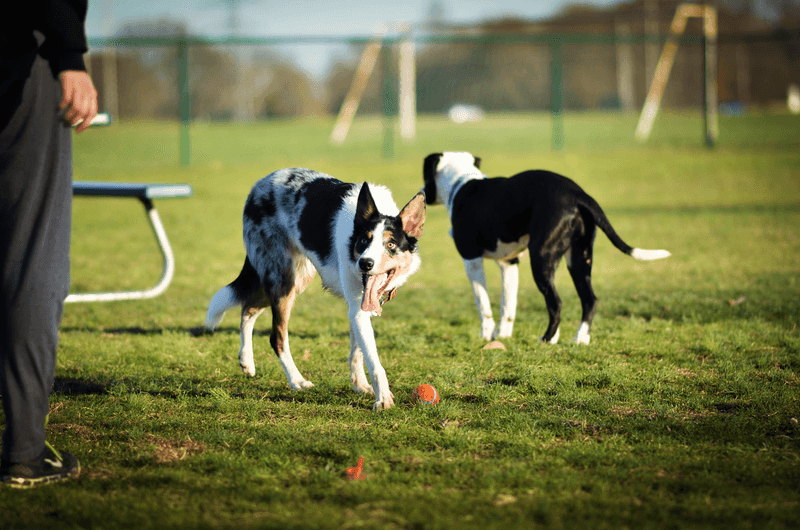
In Seattle, dogs must be on a leash at all times unless they are inside the boundaries of a designated off-leash area. Seattle Parks and Recreation manages 15 official off-leash areas across the city, giving dog owners plenty of options.
Letting your dog roam freely outside of those designated zones is a violation of city rules. Finding your nearest off-leash area is easy through the Seattle Parks website, and it gives your dog a safe, legal space to run.
16. Seattle Off-Leash Areas Still Require You to Carry a Leash
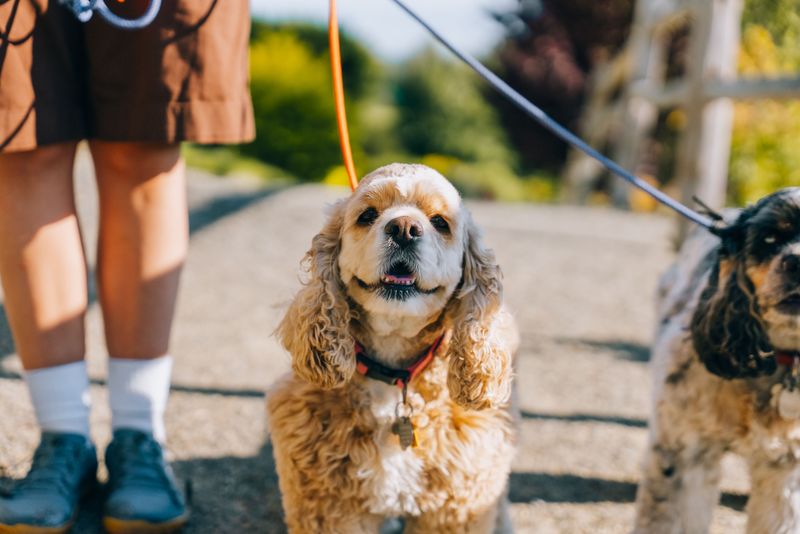
Even inside Seattle’s off-leash areas, city rules require handlers to carry a leash for every dog they bring. Maintaining voice control over your dog in these spaces is also required under Seattle’s off-leash area regulations.
Carrying a leash ensures you can quickly secure your dog if a situation calls for it. A leash in your pocket is a simple habit that keeps everyone in the park safer and helps the off-leash areas stay open for everyone to enjoy.
17. King County Parks Require Leashes Almost Everywhere
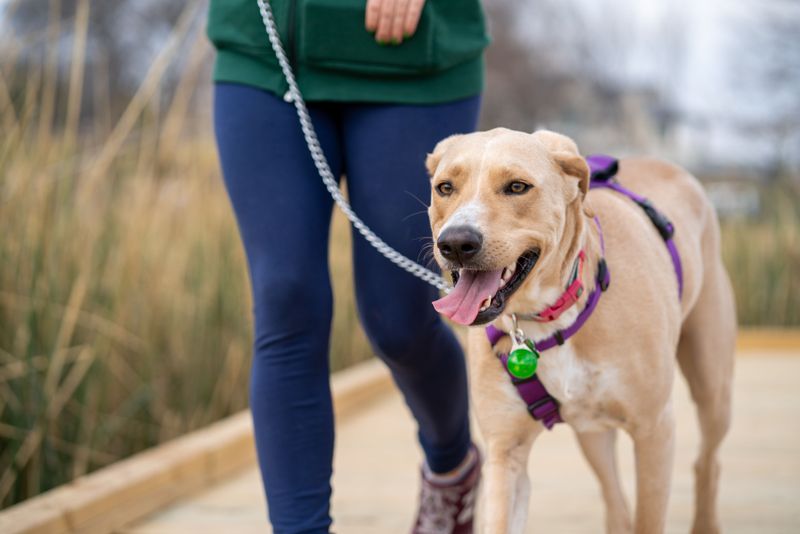
King County Parks require dogs to stay leashed in nearly all of its parks and open spaces, including regional and backcountry trail systems. The only exception within the King County parks system is the large off-leash dog area at Marymoor Park.
Marymoor’s off-leash area is one of the largest in the Pacific Northwest and a popular destination for dog owners. Everywhere else in the county parks system, a leash is required and expected.
18. National Parks in Washington Require Leashes Where Dogs Are Allowed
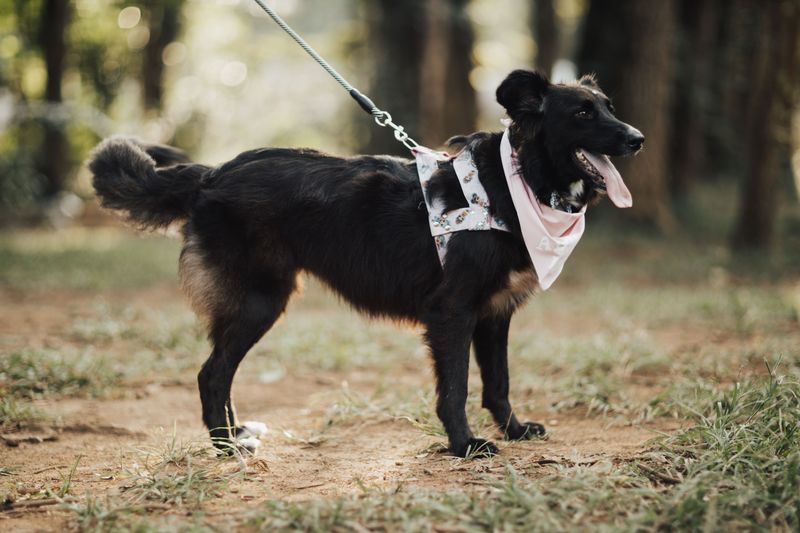
National parks in Washington generally allow pets in developed areas, campgrounds, and along roadways, but dogs must stay on a leash no longer than six feet in all permitted zones. Straying off designated paths with your dog is typically not allowed.
Each national park has its own specific pet policy, and some areas within a park may be off-limits entirely. Checking the National Park Service website for your destination before the trip saves you from an unwelcome surprise at the gate.
19. Olympic National Park Limits Dogs to Specific Trails and Areas

Olympic National Park has some of the strictest pet policies among Washington’s national parks. Dogs are prohibited in most backcountry areas, on interpretive walks, and inside public buildings.
Permitted trails include Spruce Railroad Trail, Madison Falls Trail, Peabody Creek Trail, and July Creek Loop Trail.
Leashed dogs are also welcome on certain Pacific Coast beaches near Kalaloch and at Rialto Beach, as well as in campgrounds. Planning your route around these specific allowances makes for a smooth visit.
20. Always Pick Up After Your Dog, Even in Off-Leash Areas
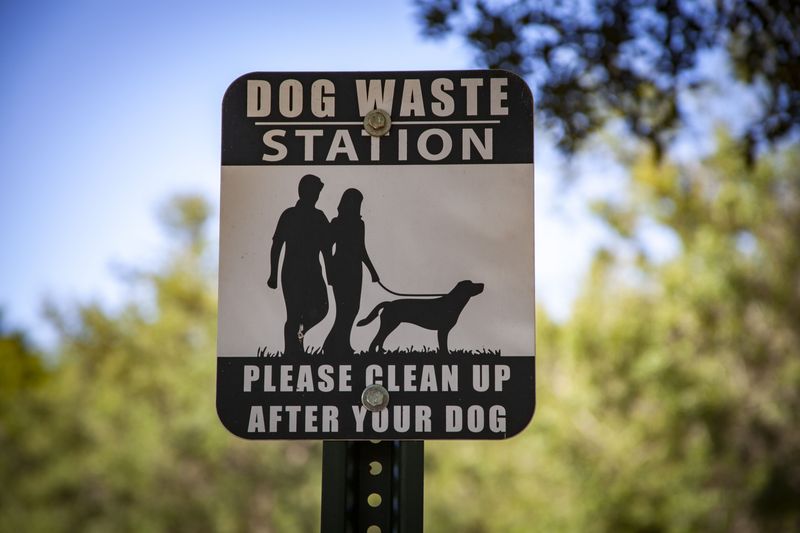
Cleaning up after your dog is required by law in Washington State Parks and in Seattle’s parks and off-leash areas. In state parks, waste must be placed in a plastic or paper bag and deposited in a solid waste container.
In Seattle, owners must visibly carry scoop equipment and deposit waste in designated containers, even inside off-leash zones. Picking up after your dog keeps parks clean, prevents water contamination, and helps ensure these spaces stay open and welcoming for every visitor.