15 Fourth of July Safety Tips to Keep Your Dog Calm and Safe
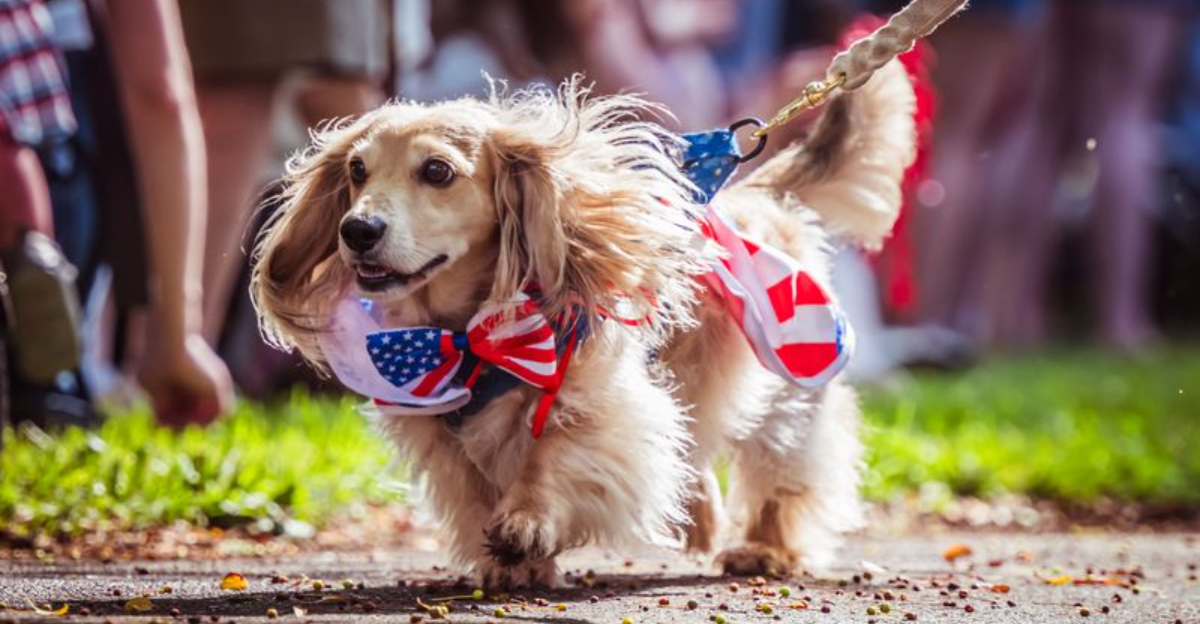
The Fourth of July is a wonderful celebration, but for many dogs, it can be one of the most stressful days of the year. Loud fireworks, crowds, and flashing lights can send even the calmest pup into a panic.
The good news is that a little preparation goes a long way. Whether your dog gets mildly nervous or truly frightened, these practical tips will help you keep them safe, comfortable, and calm all holiday long.
Read through each one before the big day arrives, so you feel ready and your dog feels protected.
1. Keep Your Dog Indoors During Fireworks
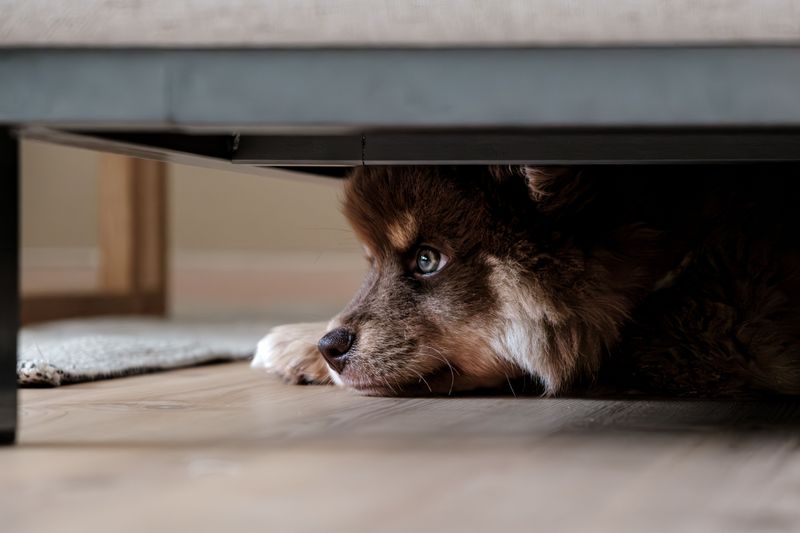
When the fireworks start popping, the safest place for your dog is inside your home. Dogs have far more sensitive hearing than humans, so what sounds exciting to us can feel overwhelming to them.
Bring your dog in well before dark, ideally before any neighborhood fireworks begin. Do not wait until your dog is already stressed to act.
A proactive approach keeps anxiety from building in the first place.
2. Create a Quiet, Comfortable Safe Space
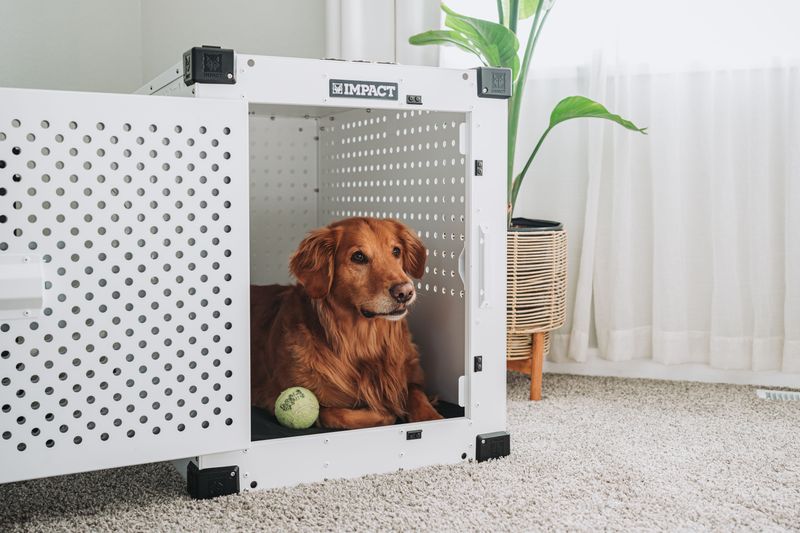
Every dog needs a retreat, and the Fourth of July is the perfect time to set one up. Choose an interior room with few windows, like a bedroom or bathroom, and fill it with your dog’s favorite blanket, toys, and a water bowl.
A familiar crate can feel like a den, offering security when the outside world feels chaotic. Let your dog enter and leave freely so the space feels safe, never like a punishment.
3. Close Windows and Curtains to Reduce Noise and Flashes
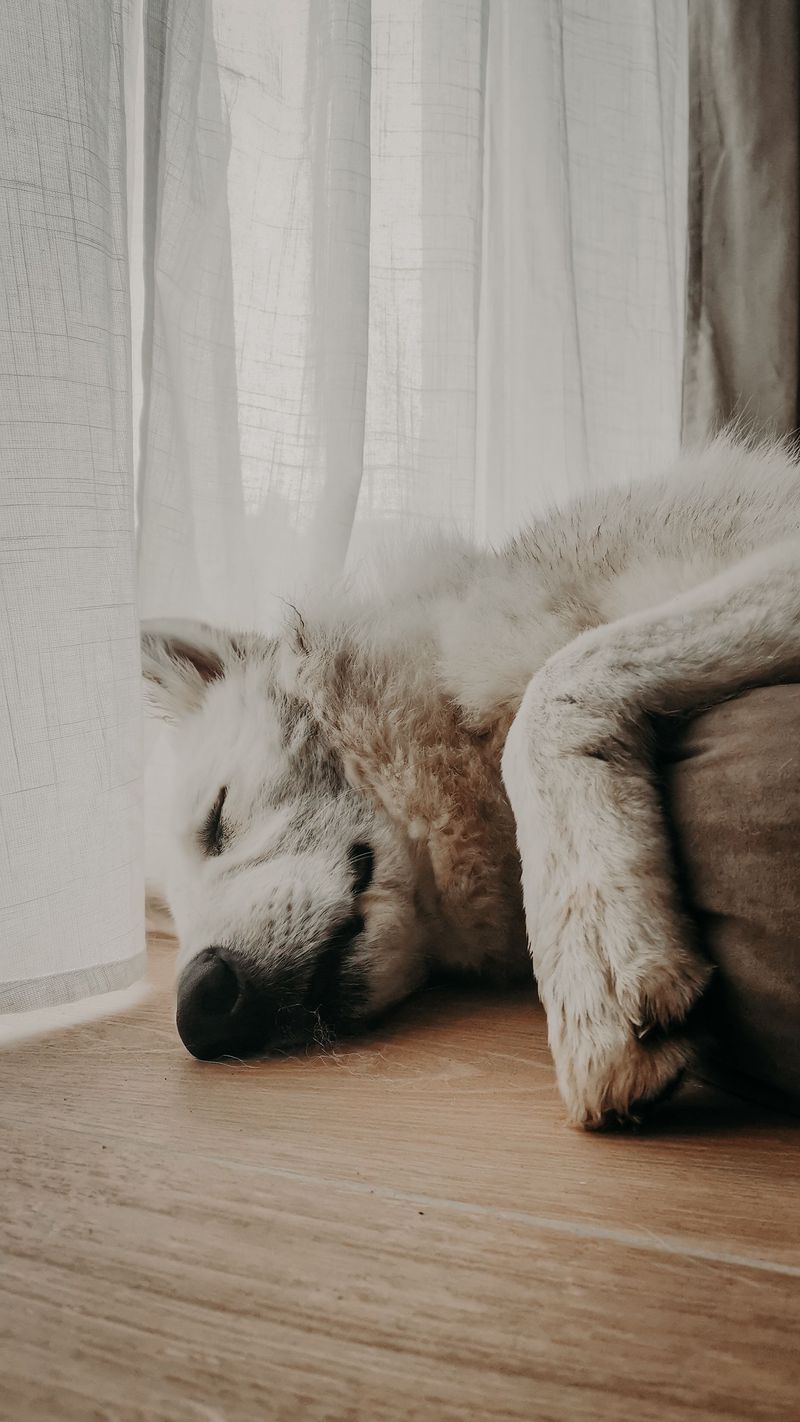
Closed windows do more than muffle sound. They also block the sudden flashes of light that can startle a sensitive dog repeatedly throughout the night.
Heavy curtains or blackout blinds work especially well. Even a modest reduction in light and noise can lower your dog’s stress level noticeably.
If your home runs warm, a fan can keep the room comfortable while also adding a gentle layer of background sound to soften the booms outside.
4. Use Calming Music or White Noise to Mask Fireworks
Sound therapy is a simple and surprisingly effective tool for anxious dogs. Playing soft classical music, reggae, or specially designed dog-calming playlists has been shown in studies to reduce signs of stress in sheltered dogs.
White noise machines or even a box fan can work just as well by creating a steady audio backdrop. Start the sound before fireworks begin so your dog associates it with calm, not with the noise that follows.
5. Take Your Dog for a Walk Before Celebrations Begin
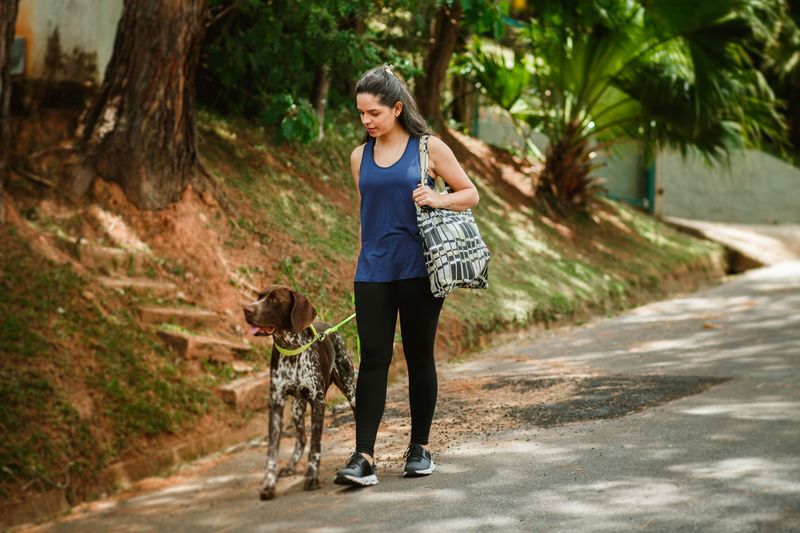
A good walk earlier in the day gives your dog a chance to burn off energy before the evening chaos begins. A dog that has had appropriate physical and mental activity may be more settled, although exercise will not eliminate fear of fireworks.
Aim to finish your walk well before sunset, since some neighbors start setting off fireworks earlier than expected. Use the walk to let your dog sniff, explore, and settle.
That mental stimulation matters just as much as the exercise itself.
6. Keep Your Dog Securely Leashed Outside
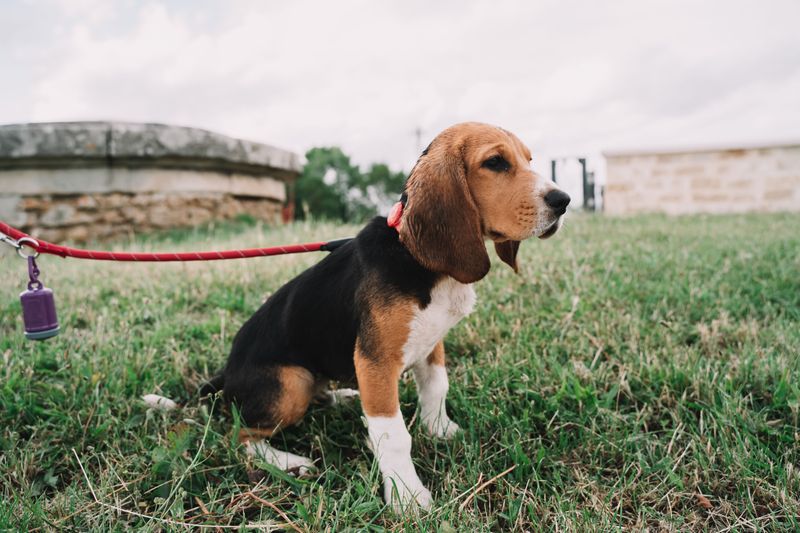
Even a well-trained dog can bolt when startled by a sudden loud boom. Fear overrides even the best recall training in high-stress moments.
Any time your dog is outside during the holiday, keep them on a secure, well-fitted leash. Check that the collar or harness fits snugly enough that it cannot slip off if your dog pulls hard.
A six-foot leash gives you control without restricting your dog too much in a yard or gathering.
7. Make Sure Your Dog Wears an Updated ID Tag
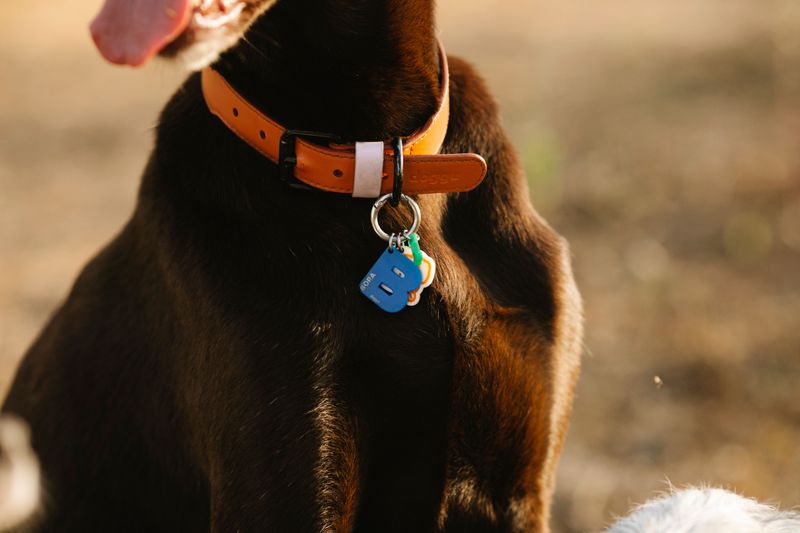
More dogs go missing on the Fourth of July than on almost any other day of the year. An ID tag is one of the fastest ways to get a lost dog home safely.
Check that your dog’s tag includes your current phone number. If you have moved recently or changed numbers, replace the tag before the holiday.
Tags are inexpensive and widely available at pet stores. A legible, up-to-date tag can make the difference between a quick reunion and a long search.
8. Check That Your Dog’s Microchip Information Is Current
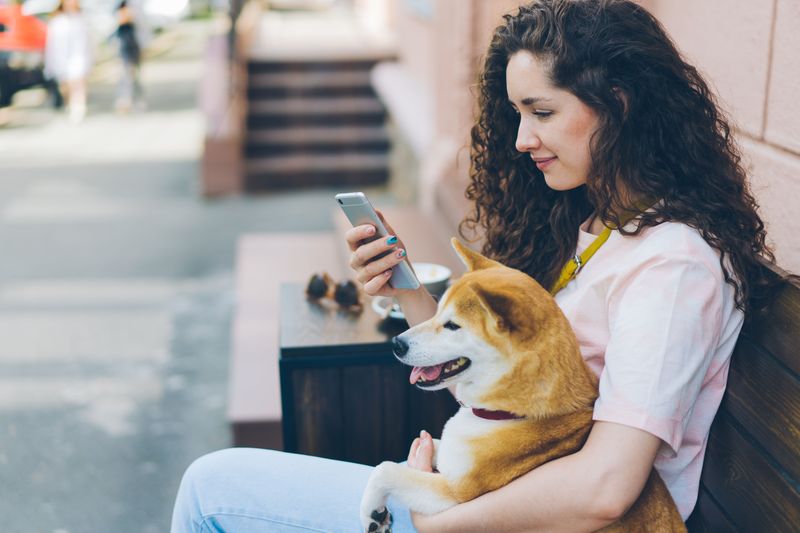
A microchip is only useful if the contact information linked to it is accurate. Many pets are found with chips that list outdated addresses or disconnected phone numbers.
Log in to the registry where your chip is registered and confirm your details are correct. Not sure which registry holds your chip?
Your vet can scan the chip and help you track down the right database. Updating your information takes only a few minutes and could save your dog’s life.
9. Avoid Crowded Fourth of July Events With Your Dog
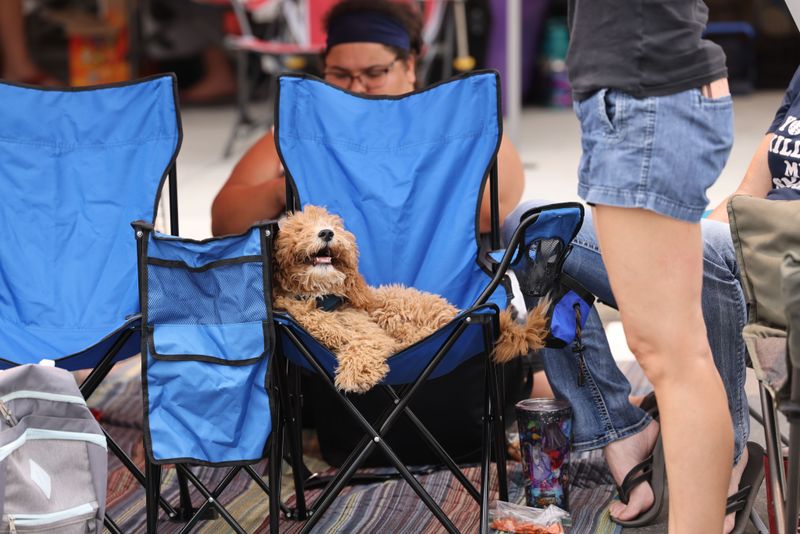
Festivals, parades, and public fireworks shows are exciting for people, but they can be genuinely overwhelming for dogs. Packed crowds, loud music, and unpredictable noises create a high-stress environment that most dogs struggle to handle well.
Your dog will be far happier at home than navigating a chaotic event. If you want to celebrate outdoors, consider a small, quiet backyard gathering with familiar people instead.
Your dog’s comfort is always worth more than a photo opportunity.
10. Never Leave Your Dog Unattended Around Fireworks
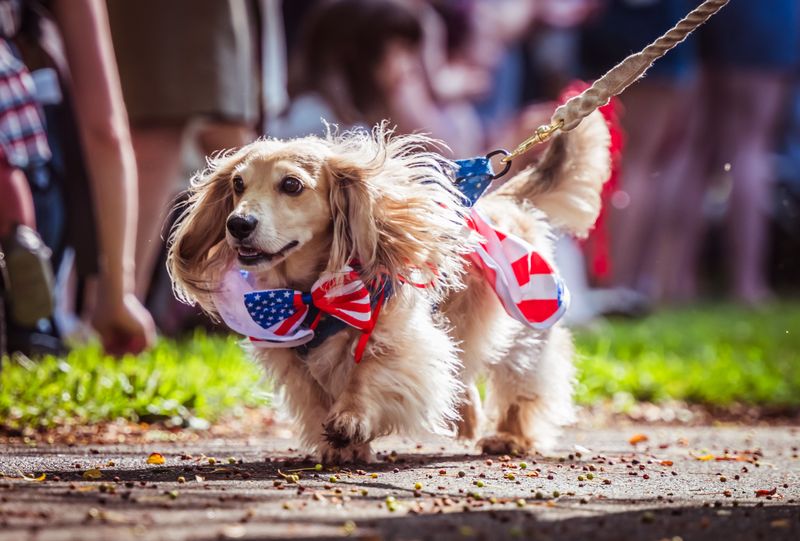
Supervision matters more on this holiday than on most others. A frightened dog left alone can injure itself trying to escape, chew through barriers, or scratch at doors and windows.
Stay close to your dog during the peak fireworks hours, which typically run from dusk until around midnight in most areas. Your calm presence genuinely helps.
Dogs read your body language closely, and a relaxed owner sends a reassuring signal that there is nothing to fear.
11. Keep Fireworks, Matches, and Lighters Out of Reach
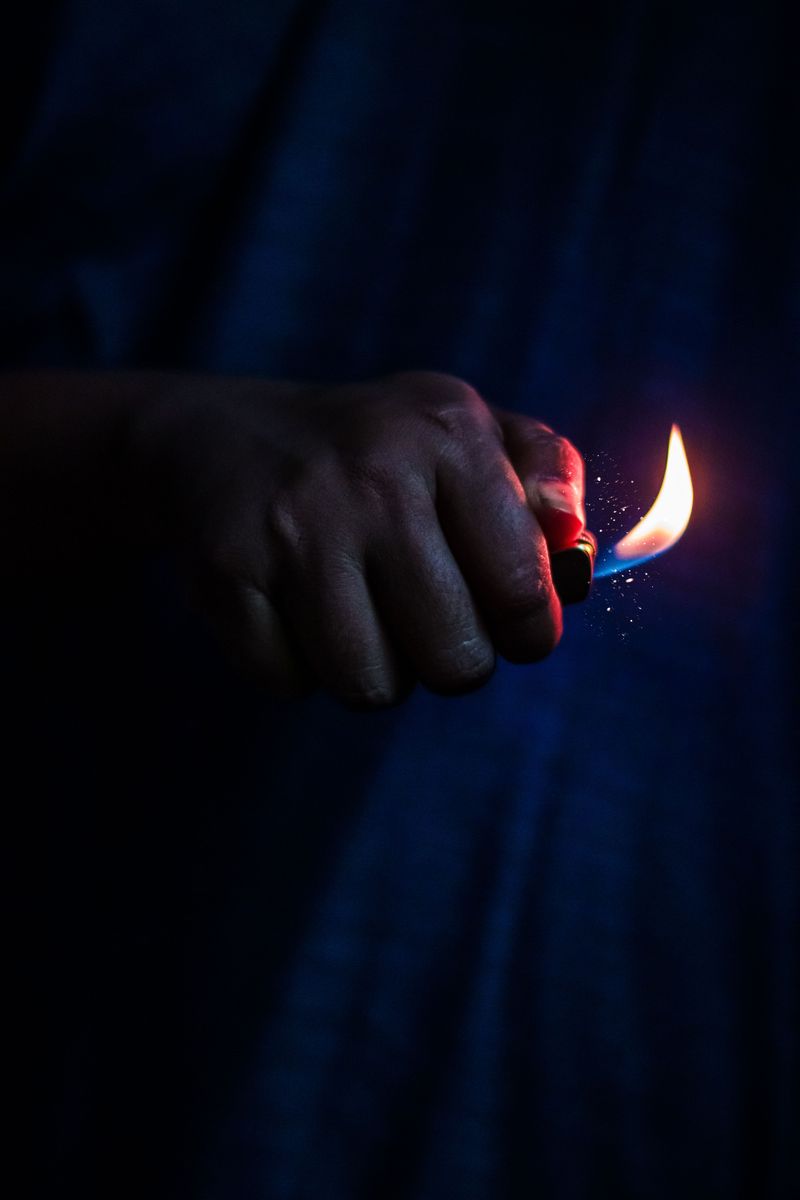
Fireworks contain chemicals that are toxic to dogs if chewed or swallowed. Even spent fireworks casings left on the ground after a show can pose a risk to a curious dog sniffing around the yard.
Store unused fireworks in a secure location your dog cannot access. After any outdoor celebration, walk your yard and pick up debris before letting your dog outside.
Matches and lighters should also be stored out of reach, as both can cause serious harm if ingested.
12. Keep Party Foods and Drinks Away From Your Dog
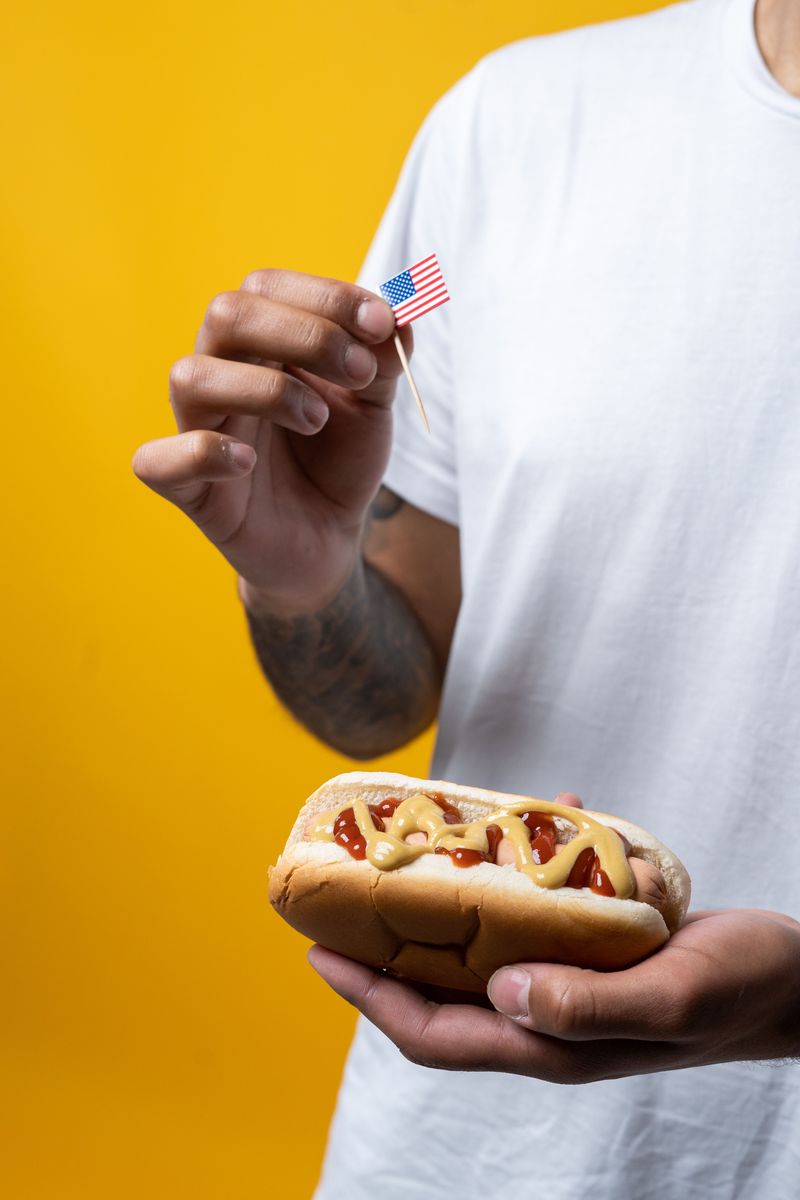
Holiday cookouts come with plenty of foods that are harmful to dogs. Onions, grapes, raisins, corn cobs, and anything sweetened with xylitol are all dangerous and often show up at summer parties.
Ask guests kindly not to feed your dog from the table. Keep trash cans covered and food platters out of paw’s reach.
Having a few dog-safe treats on hand is a great way to reward your dog for good behavior without putting their health at risk.
13. Ask Guests to Keep Doors and Gates Securely Closed
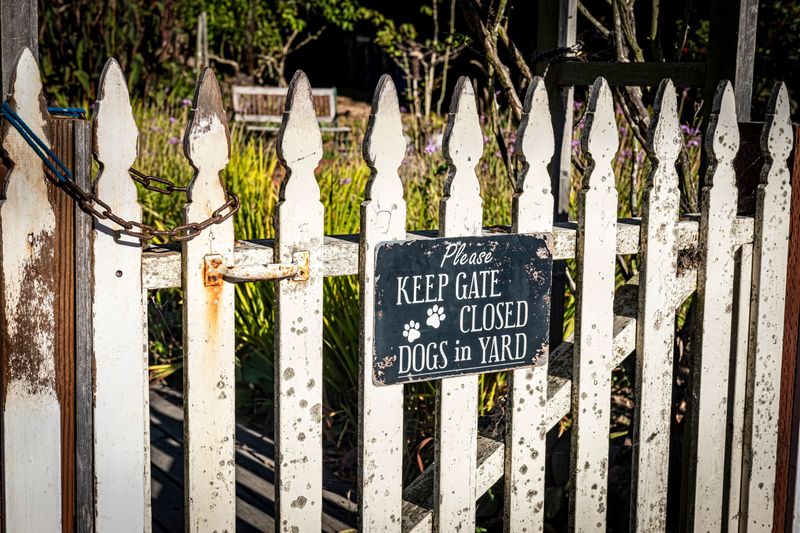
Guests often leave doors ajar or forget to latch gates, and a startled dog can slip out in seconds. Setting a clear expectation before guests arrive goes a long way toward preventing an escape.
Put a friendly reminder sign near your front door and back gate. You can also designate a dog-free zone where guests enter and exit, keeping your dog safely away from the main traffic areas.
A small sign is easy to make and genuinely effective.
14. Stay Calm and Reassuring If Your Dog Becomes Frightened
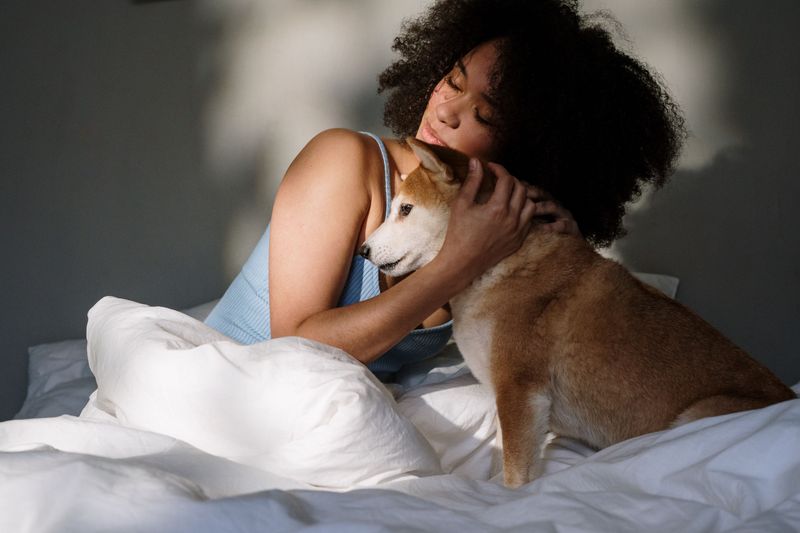
Your behavior can influence how secure your dog feels during a stressful situation. If you respond to their fear with panic or frustration, it can actually intensify their anxiety.
Speak in a low, steady voice. Offer gentle petting if your dog seeks contact, but avoid forcing affection on a dog that wants space.
Staying relaxed and consistent tells your dog that the situation is manageable. You do not need to pretend nothing is happening, just show them that you are steady and present.
15. Talk to Your Veterinarian Before the Holiday for Severe Anxiety
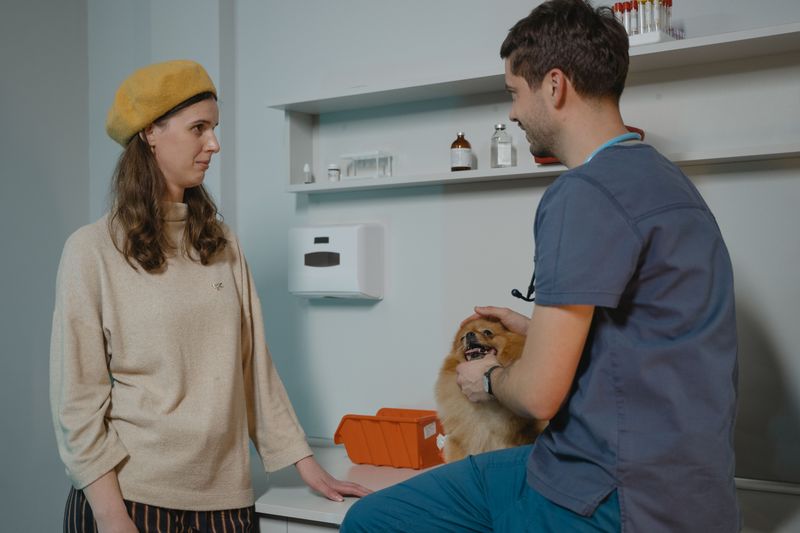
Some dogs experience genuine panic during fireworks, well beyond ordinary nervousness. Signs like nonstop pacing, destructive behavior, or inability to settle may point to severe anxiety that needs professional attention.
A veterinarian can discuss options that range from behavioral strategies to short-term medication. Do not wait until the evening of July 4th to seek help.
Schedule an appointment a few weeks ahead so there is time to find the right approach and, if needed, try it before the holiday arrives.