What to Know About Blue-Green Algae in Lakes Before Your Dog Swims
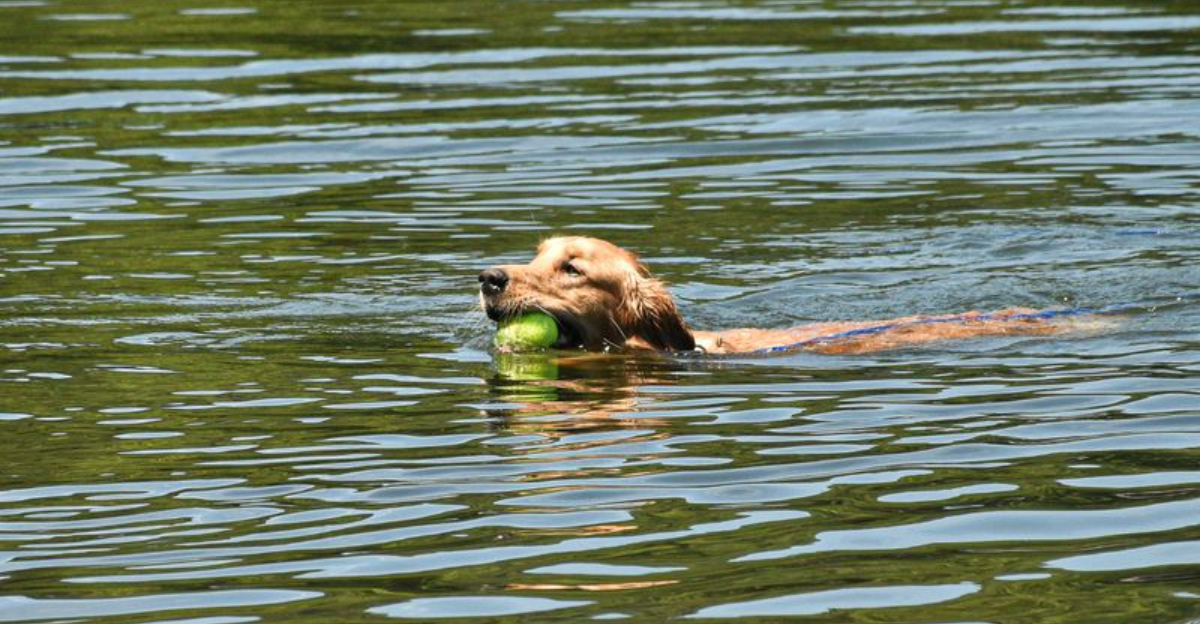
Summer lake days with your dog are some of the best moments of pet ownership. But before you let your pup splash in, there is something every dog owner should understand: blue-green algae.
Found in lakes, ponds, and slow-moving water across the country, certain blooms of this microscopic organism can make dogs seriously ill. Knowing what to look for, when to stay out, and how to respond gives you the confidence to keep your dog safe without giving up your outdoor adventures.
Blue-green algae is actually a nickname for cyanobacteria, a type of bacteria that can grow rapidly in warm, nutrient-rich water. Some blooms produce toxins that affect the liver, nervous system, or both in dogs.
The tricky part is that you cannot tell a toxic bloom from a harmless one just by looking at it. A lake that seems fine in the morning can develop a bloom by afternoon.
This guide walks you through everything you need to know, from spotting warning signs to what to do if your dog gets exposed. Think of it as the lake-day briefing every dog owner deserves.
What Blue-Green Algae Actually Is

The term “blue-green algae” sounds like a plant, but it actually refers to cyanobacteria, microscopic organisms that live in freshwater. They are not true algae at all, though they behave similarly in water.
Cyanobacteria have existed on Earth for billions of years and are found on every continent.
Most of the time, they are harmless background residents of lakes and ponds. The concern arises when conditions allow them to multiply rapidly, forming what scientists call a bloom.
Some of those blooms produce toxins that are dangerous to animals and people.
How to Spot a Potential Bloom
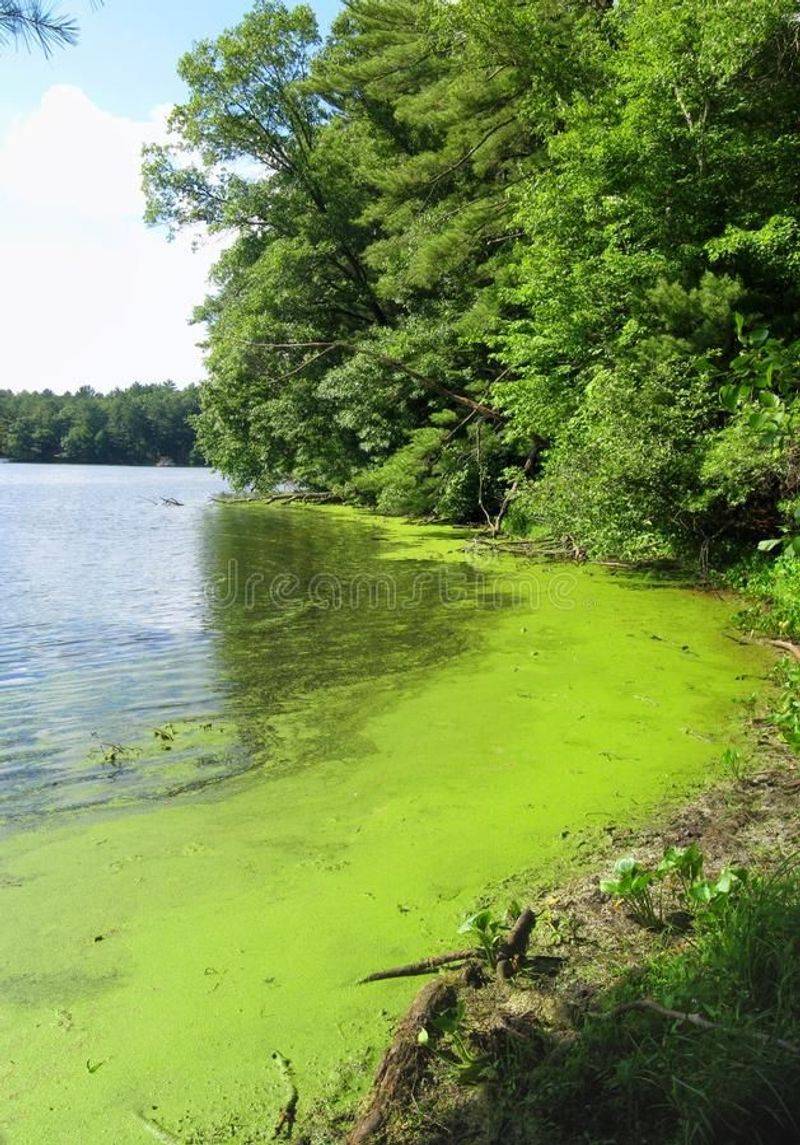
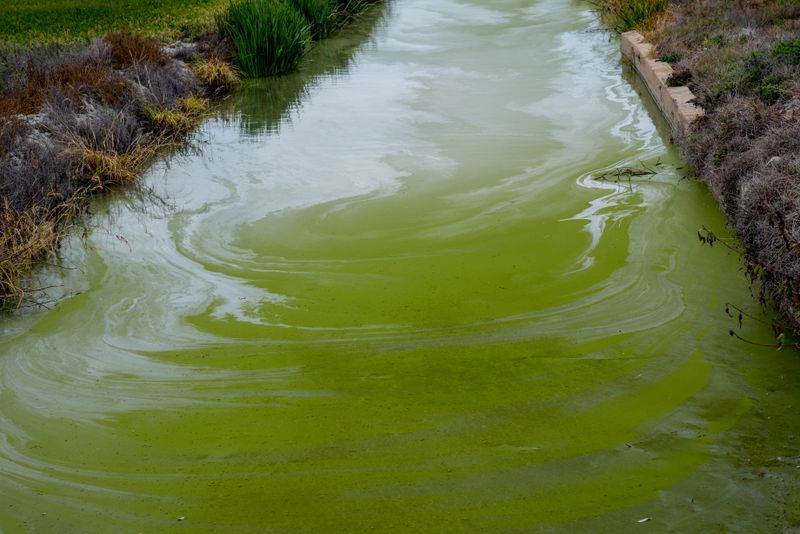
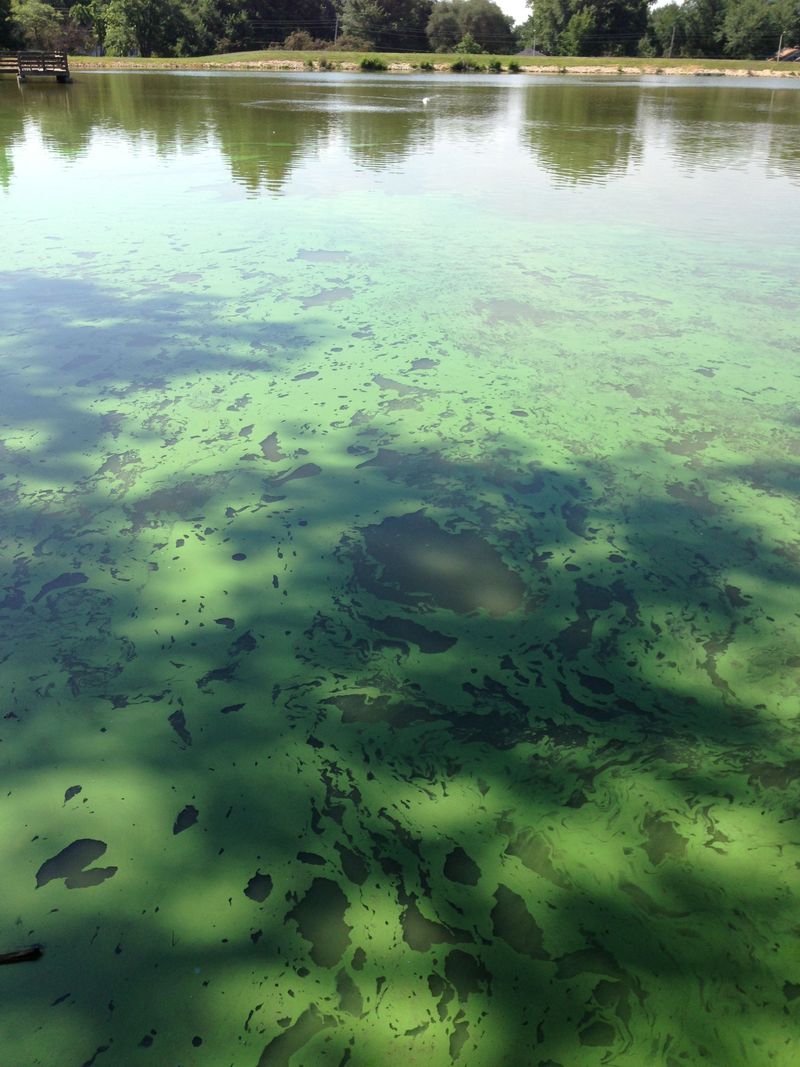
Blooms can appear in several ways, and none of them look quite the same. Water affected by cyanobacteria may look like spilled paint, pea soup, thick foam, or greenish mats clumped near the shoreline.
Colors can range from blue-green to brown, reddish, or even white.
Sometimes the surface looks almost oily or streaked. Foam along the water’s edge after wind or wave action is another common sign.
If anything about the water looks off, trust that instinct and keep your dog back until you can confirm it is safe.
Why You Cannot Judge Safety by Looks Alone
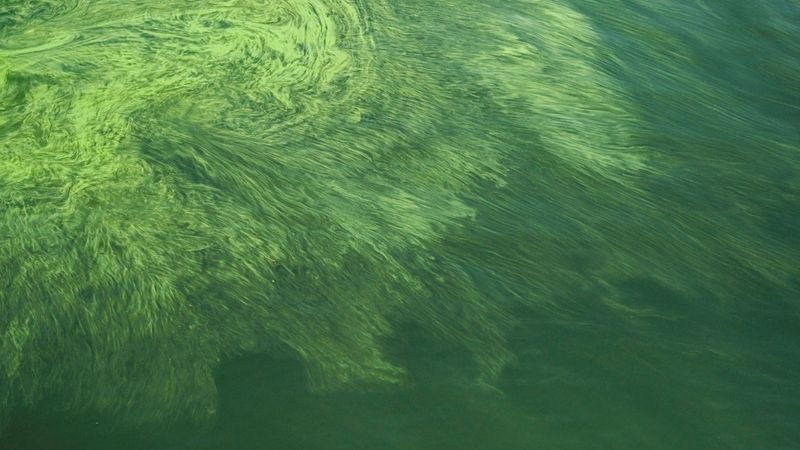
Clear water does not automatically mean safe water. Some cyanobacterial blooms are not visible to the naked eye, especially in early stages when toxin levels may still be significant.
A lake that looked perfectly normal in the morning can develop a visible bloom by afternoon.
Wind, temperature, and sunlight can shift bloom concentration rapidly from one part of a lake to another. Relying only on appearance is not a reliable safety check.
Checking current advisories from local health or environmental agencies is the most dependable step you can take before any swim.
The Conditions That Encourage Blooms to Grow
Cyanobacteria thrive when water is warm, calm, and loaded with nutrients like phosphorus and nitrogen. These nutrients often come from fertilizer runoff, agricultural drainage, or stormwater.
Lakes near farmland or heavily landscaped areas can be more prone to blooms during summer months.
Hot, still weather with little wind allows blooms to concentrate on the surface rather than mix through the water. Rain followed by sunshine can also trigger rapid growth.
Knowing this helps you stay alert during late summer heat waves, which are prime bloom conditions in many parts of the country.
How Dogs Get Exposed and Why They Are Vulnerable
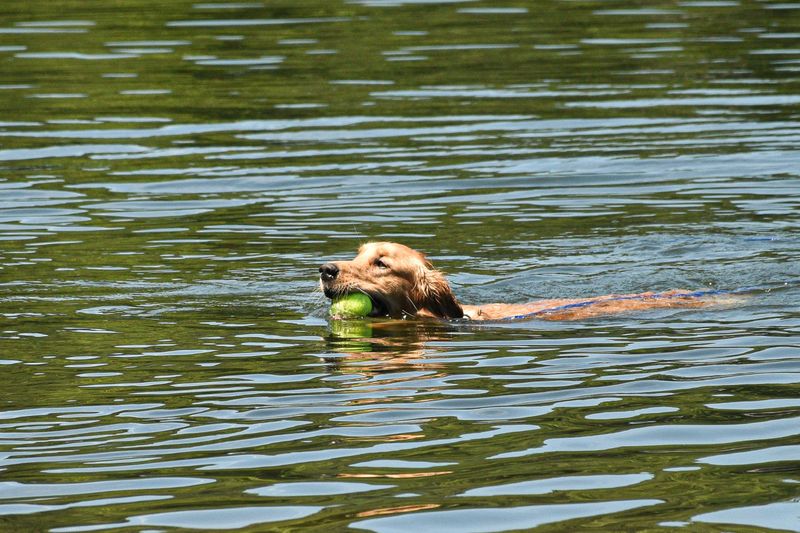
Dogs face a higher exposure risk than most people realize. When a dog swims, it naturally takes in water through its mouth, especially while panting, retrieving toys, or playing energetically.
Even a small amount of contaminated water can carry enough toxin to cause harm.
Exposure does not stop when your dog leaves the water. Dogs instinctively lick their fur to dry off or groom themselves, which means toxins on the coat can be ingested long after the swim ends.
This is why rinsing your dog thoroughly after any questionable swim matters as much as the swim itself.
Recognizing the Warning Signs of Illness

Symptoms of cyanobacterial toxin exposure can vary depending on which type of toxin was involved. Common signs to watch for include vomiting, diarrhea, excessive drooling, weakness, and loss of coordination.
More serious symptoms can include difficulty breathing, tremors, or seizures.
Some toxins affect the liver, while others target the nervous system. Signs of cyanotoxin exposure can develop rapidly, with the timing varying according to the type of toxin and the level of exposure.
Speed matters here. If your dog shows any of these signs after being near a lake, contact a veterinarian right away rather than waiting to see if things improve on their own.
How to Check for Advisories Before You Go
Before visiting an unfamiliar lake, a quick search can save a lot of worry. Most state health departments and environmental agencies maintain online databases of current harmful algal bloom advisories.
Many county or city park websites also post warnings when a bloom is detected at a local swimming area.
Searching the lake name along with terms like “water quality advisory” or “algal bloom” is a fast starting point. Some areas have phone hotlines or social media accounts that share real-time updates.
Making this a habit before each lake trip takes only a few minutes and adds a meaningful layer of protection.
What Warning Signs and Posted Notices Mean
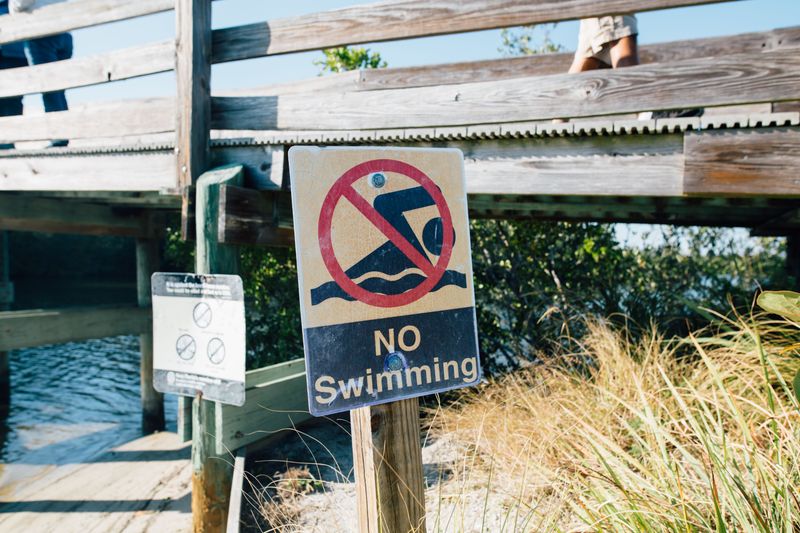
When local authorities post a cyanobacteria or harmful algal bloom warning at a lake, that notice applies to your dog too. These advisories are not suggestions.
They are issued when testing or observation confirms that conditions pose a real health risk.
Warnings can be posted at the water’s edge, on park entrance boards, or through official agency websites. Even if the water looks fine when you arrive, a posted warning means conditions were unsafe recently enough to warrant caution.
Skipping the swim that day is a straightforward call when a notice is present.
Practical Steps to Take at the Water’s Edge

Keeping your dog on a leash near unfamiliar water is one of the simplest and most effective precautions you can take. A leash prevents your dog from rushing into water before you have had a chance to assess it.
Scan the shoreline for foam, mats, unusual color, or scum before getting close.
If anything looks off, move to a different area or leave entirely. Bringing a portable water bowl and fresh drinking water removes another risk: a thirsty dog is more likely to drink from the lake.
These small habits add up to consistent protection over an entire season.
What to Do If Your Dog Swims in Questionable Water
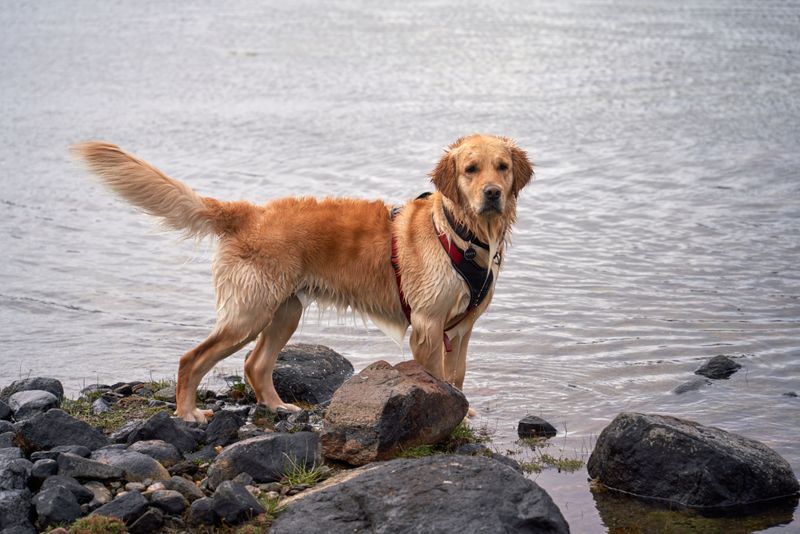
If your dog enters water you are not fully confident about, act quickly once they are out. Rinse them thoroughly with clean, fresh water before they have a chance to lick their coat.
Pay attention to paws, belly, ears, and around the mouth, areas dogs groom most readily.
Keep them from licking themselves during the rinse. Rinse your dog thoroughly with clean tap water as soon as possible, and prevent them from licking their fur afterward.
Monitor your dog closely for the next several hours. Even if they seem fine, noting the time of potential exposure helps your veterinarian if symptoms appear later.
When to Call a Veterinarian and What to Say

Contact a veterinarian promptly if your dog shows any symptoms after lake exposure, or even if you suspect contact with a bloom and want professional guidance. You do not have to wait for symptoms to appear before calling.
Early communication with a vet can make a real difference in outcomes.
When you call, be ready to describe what you saw in the water, when exposure happened, and what symptoms your dog is showing. Mention the specific lake if you know it, since local vets may already be aware of area bloom activity.
Clear information helps your vet respond faster and more accurately.
Staying Confident and Prepared for Every Lake Day
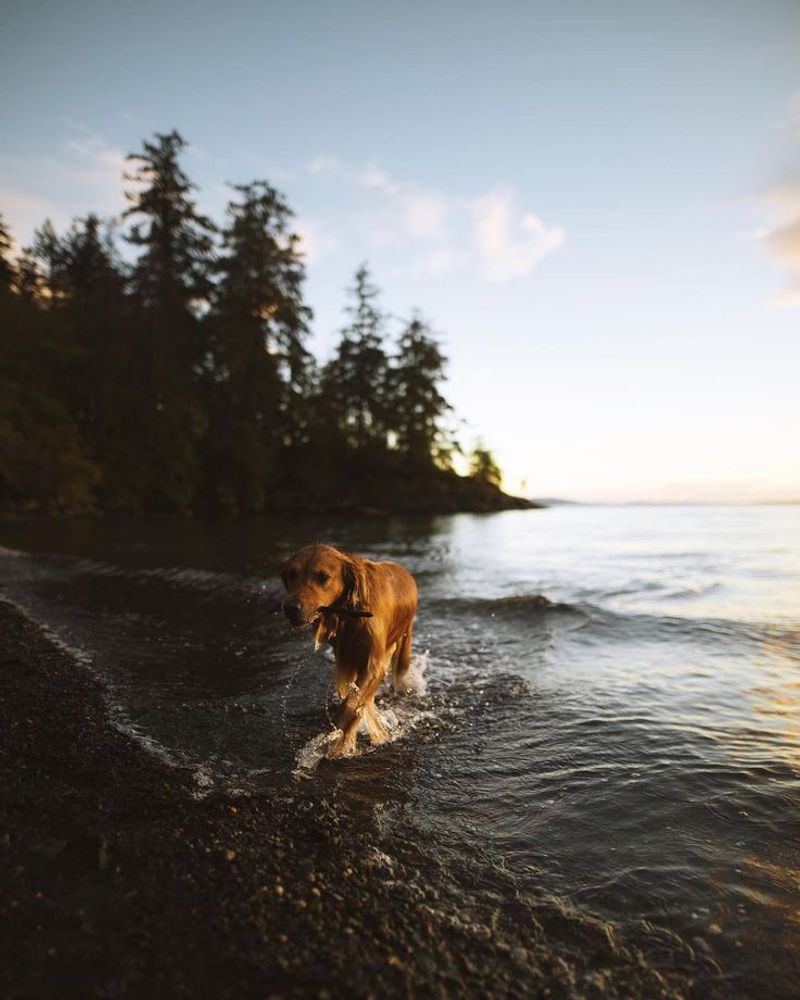
Lake days with your dog do not have to be stressful. A little preparation goes a long way toward keeping things safe and enjoyable.
Check advisories before you go, scan the water when you arrive, keep fresh water on hand, and rinse your dog after any swim.
When in doubt, skip the swim and find another spot or another day. A lake that looks inviting is not worth risking your dog’s health.
With these habits in place, you can enjoy outdoor water adventures with the kind of calm confidence that comes from actually knowing what to watch for.