What Texas Law Says About How Many Dogs You Can Own

If you love dogs and live in Texas, you might be wondering how many pups you can legally keep at home. The answer is not as simple as a single number, because Texas handles this differently depending on where you live.
State law, city rules, county ordinances, and even your lease agreement can all play a role. Knowing the rules before you bring home another dog can save you from fines, neighbor disputes, and a lot of unnecessary stress.
Think of this article as a friendly guide from someone who has done the homework for you, so you can focus on enjoying life with your dogs.
1. Texas Has No Statewide Dog Ownership Limit
Here is something many Texas dog lovers do not realize: the state itself has never set a cap on how many dogs you can own. Texas state law focuses on animal welfare and public safety, not on counting pets per household.
That means no single statewide number applies to every resident.
Local governments fill that gap with their own rules. Your city or county, not Austin, sets the actual limit where you live.
Always start your research at the local level.
2. Cities Can Set Their Own Dog Limits

Across Texas, cities have real authority to decide how many dogs fit inside a single home. Mansfield allows up to four dogs without a special permit.
Dallas ties its limits to lot size and dwelling type, allowing between four and eight dogs or cats combined.
Texas City, for example, allows up to four dogs at a single-dwelling property, while apartments and duplexes are limited to two. Other cities may have completely different rules, which is why your local ordinance matters.
Johnson City caps adults dogs and cats combined at four per residential unit. Your city’s number may be completely different, so look it up directly.
3. County Rules May Apply Outside City Limits

Living outside city limits does not mean living without rules. Texas counties can create their own animal control ordinances for unincorporated areas.
Harris County, for example, enforces its own regulations for residents outside Houston’s city boundaries.
County rules often cover restraint requirements, rabies control, and general animal care standards. If your address falls in an unincorporated area, county law is the one that applies to you.
Contact your county animal control office to confirm what limits exist where you live.
4. Zoning Rules Can Restrict Multiple Dogs

Zoning laws are not just about what buildings go where. They also shape how many animals a property can legally house.
When the number of dogs at a home starts resembling a commercial kennel, zoning boards tend to take notice.
Some Texas cities tie pet limits directly to lot size in residential zones. Running a breeding operation in a residentially zoned neighborhood may require a special license or may be outright prohibited.
Check with your local planning or zoning office before scaling up.
5. Homeowners Associations May Have Additional Rules
Buying a home in an HOA community means agreeing to a second layer of pet rules on top of city and county law. Texas HOAs can restrict the number of pets, limit breeds, set weight maximums, and require leashes in common areas.
Some HOAs also regulate noise and pet waste removal. These rules are written into your community’s governing documents.
Read them carefully before signing anything, and ask the HOA directly if you plan to own more than one or two dogs.
6. Apartment Leases Can Limit the Number of Dogs

Renting in Texas means your landlord has significant control over your pet situation. Lease agreements can specify how many dogs are allowed, which breeds are permitted, and what fees apply.
Some properties allow only one dog, regardless of size.
Pet deposits, monthly pet rent, and non-refundable fees are all common in Texas rentals. One important exception: federal fair housing rules protect service animals and emotional support animals.
Landlords generally cannot deny these animals or charge extra fees for them.
7. Local Registration Requirements May Apply
Depending on where you live, you may also need to register your dog with local animal control, so do not assume that Texas has the same registration rules everywhere.
Registration typically involves showing proof of a current rabies vaccination. Some areas also ask for proof of microchipping during the process.
Registration tags help reunite lost dogs with their families and help authorities track vaccination compliance. Fees and renewal schedules vary widely by location.
Call your local animal control office or check your city’s website to find out exactly what registration involves in your area.
8. Rabies Vaccination Requirements Still Matter
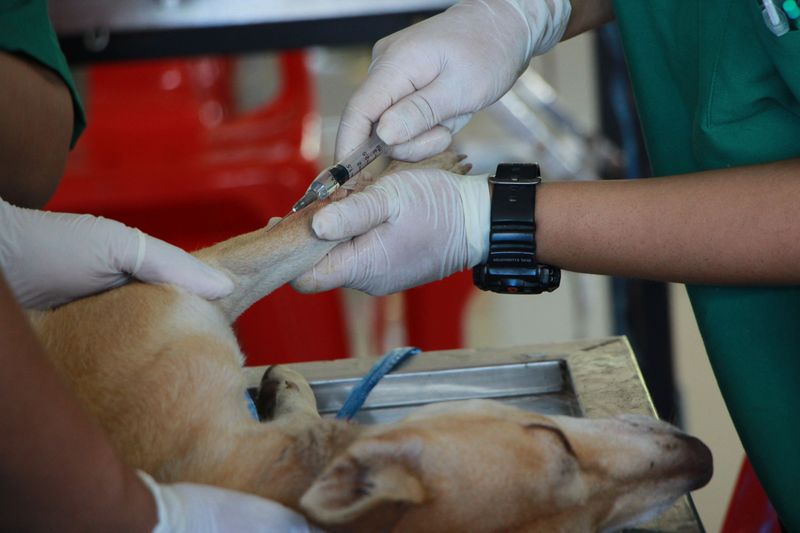
Texas state law requires every dog to receive a rabies vaccine by four months of age. A licensed veterinarian must administer the shot, and owners must keep the vaccination certificate as proof.
This requirement applies statewide, no matter where you live.
Local jurisdictions rely on that certificate when processing registration applications. Keeping vaccinations current is not just a legal obligation.
It protects your dogs, your family, and the broader community from a disease that remains a genuine public health concern in Texas.
9. Dangerous Dogs Face Additional Restrictions
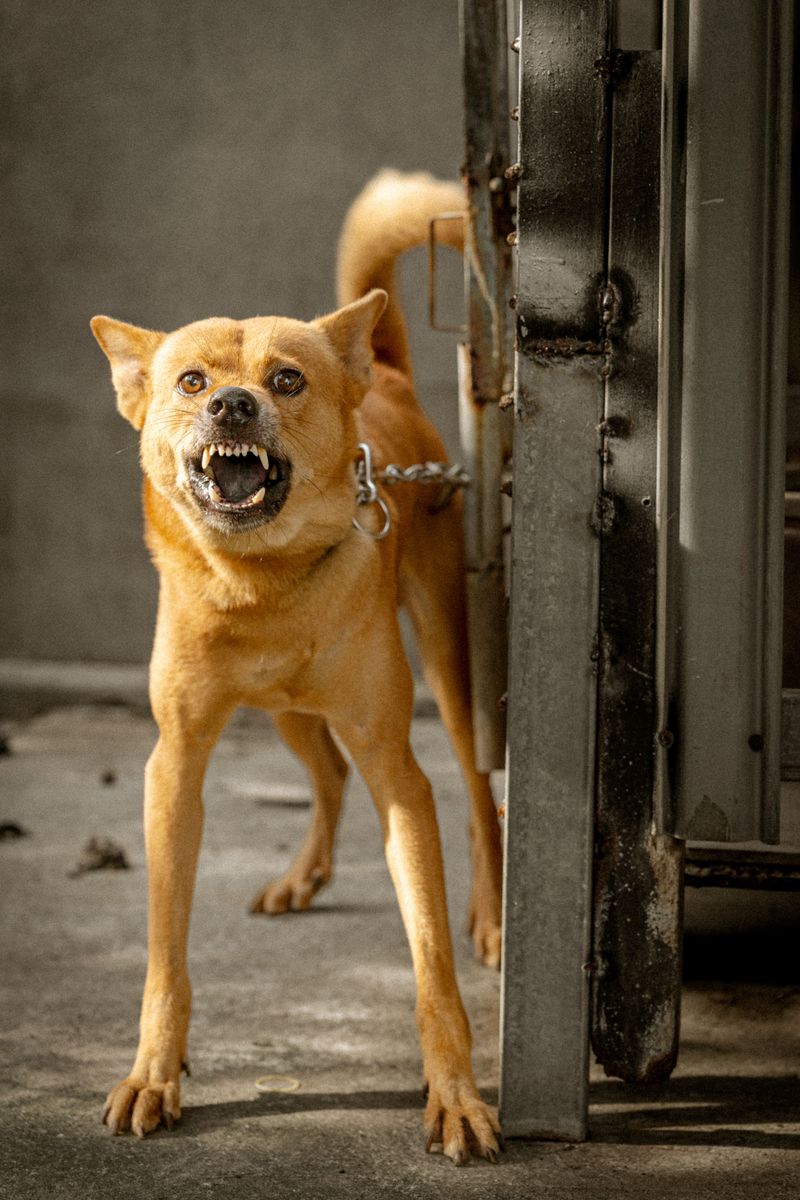
Texas law defines a dangerous dog based on behavior, not breed. A dog can receive that label if it makes an unprovoked attack that causes bodily injury to a person outside a secure enclosure.
A dog can also qualify if its unprovoked behavior causes a reasonable person to fear serious injury.
Breed alone is not the legal standard in Texas. What the dog actually does determines its classification.
Responsible ownership, proper training, and secure containment are the best ways to prevent this situation entirely.
10. Texas Requires Special Rules for Declared Dangerous Dogs
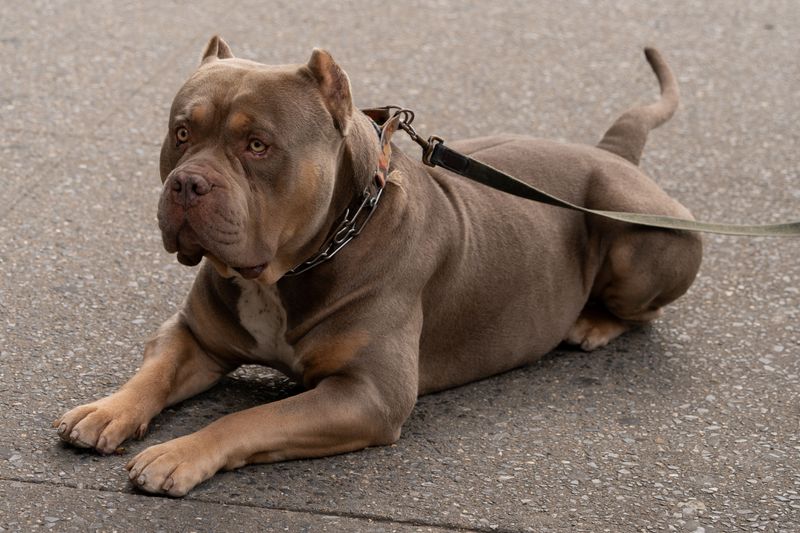
Once a dog is officially declared dangerous under Texas law, the owner faces a specific set of ongoing responsibilities. The dog must be registered with local animal control and kept in a secure enclosure at all times.
When outside that enclosure, the dog must be on a leash under direct human control.
Owners are also typically required to carry liability insurance of at least $100,000. Failing to follow these requirements can result in the dog being seized.
Compliance protects both the community and the dog itself.
11. Local Ordinances Can Be Stricter Than State Law

State law in Texas sets a baseline for animal welfare and dangerous dog classifications. In some areas, local officials can add stricter animal-control requirements than the state’s baseline rules, particularly when it comes to dangerous dogs and rabies control.
A city or county can impose tighter pet limits, stricter enclosure standards, or additional licensing requirements.
When city ordinances exist, they generally take priority over county rules within city limits. The practical takeaway is straightforward: local rules often carry more weight in your daily life than state law does.
Always check both levels before making any decisions.
12. Noise and Nuisance Rules Can Affect Dog Ownership
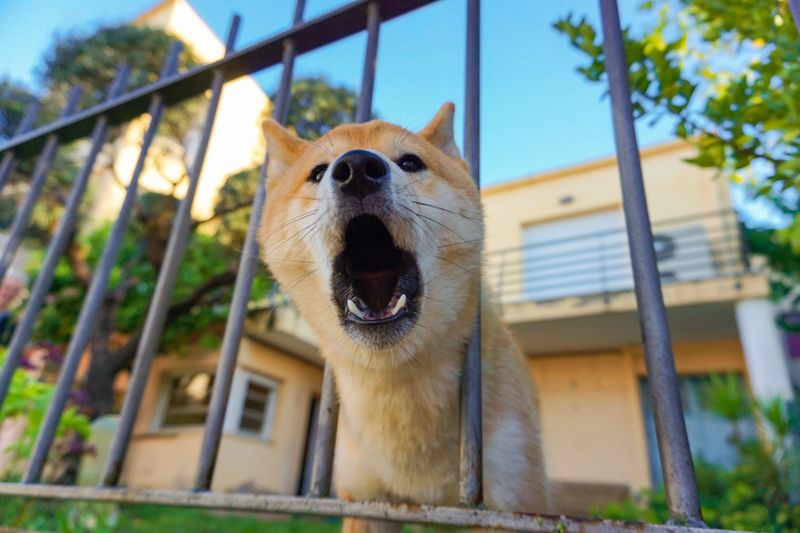
Owning multiple dogs increases the chance that noise becomes a neighborhood issue. Texas cities commonly have noise and nuisance ordinances that apply directly to dogs.
Continuous barking that disturbs neighbors can trigger complaints handled by local animal control.
HOAs often add their own strict noise policies on top of city rules. Addressing barking early, through training or environmental changes, is far easier than dealing with a formal complaint.
Keeping your dogs comfortable and mentally stimulated tends to reduce nuisance behaviors naturally.
13. Animal Cruelty Laws Still Apply Regardless of Dog Count

Texas has both civil and criminal laws protecting animals from mistreatment, and those laws apply no matter how many dogs you own. Failing to provide adequate food, water, shelter, or veterinary care can result in criminal charges.
Abandoning an animal is also a violation under state law.
If someone fails to properly care for their dogs or abandons them, the consequences can be serious, with criminal penalties possible depending on the circumstances and the specific offense. Owning more dogs than you can properly care for puts you at legal risk.
Quality of care always matters more than quantity of pets.
14. Exceeding Local Limits Can Lead to Fines or Other Penalties
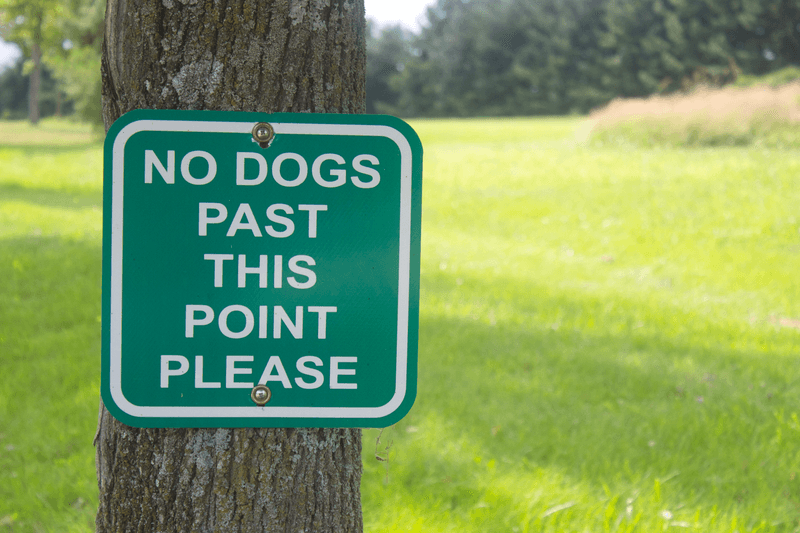
Going over your city’s dog limit is not a minor oversight. In Texas City, violations can result in citations and monetary fines.
Big Spring allows fines up to $2,000 for violations tied to zoning or public health, and up to $500 for other animal ordinance breaches.
Mansfield requires a special permit to exceed its pet limit, and violations can lead to permit revocation. Many jurisdictions treat each day of continued violation as a separate offense.
That means costs can add up quickly if the situation is not resolved.
15. Check Your City’s Current Animal Ordinance Before Adding Another Dog

Before bringing another dog home, take thirty minutes to look up your local animal ordinance. City websites, your local animal control office, and city hall staff can all point you to the current rules.
Regulations change, so a quick check is always worth the effort.
Knowing the limit in your specific area helps you plan responsibly. If you have questions, a call to your local animal control office is the fastest way to get a clear, accurate answer.
A little research now prevents a lot of trouble later.