15 Common Mushrooms That Can Harm Dogs In Washington Yards
Washington yards are beautiful, but they can hide a quiet hazard most dog owners never think about: wild mushrooms. Many species pop up after rain, tucked under trees or along fence lines, and curious dogs often sniff or eat them without hesitation.
Knowing which mushrooms to watch for can make a real difference in keeping your dog safe.
This guide walks you through 15 mushrooms commonly found in Washington that can cause harm, so you feel informed, prepared, and confident every time your dog heads outside.
You do not need to be a mushroom expert. You just need to know what to look for and what to do if your dog gets into something suspicious.
Keep your vet’s number handy, check your yard regularly, and trust your instincts.
If something looks off, treat it seriously. Your dog counts on you to notice the things they cannot.
1. Amanita phalloides
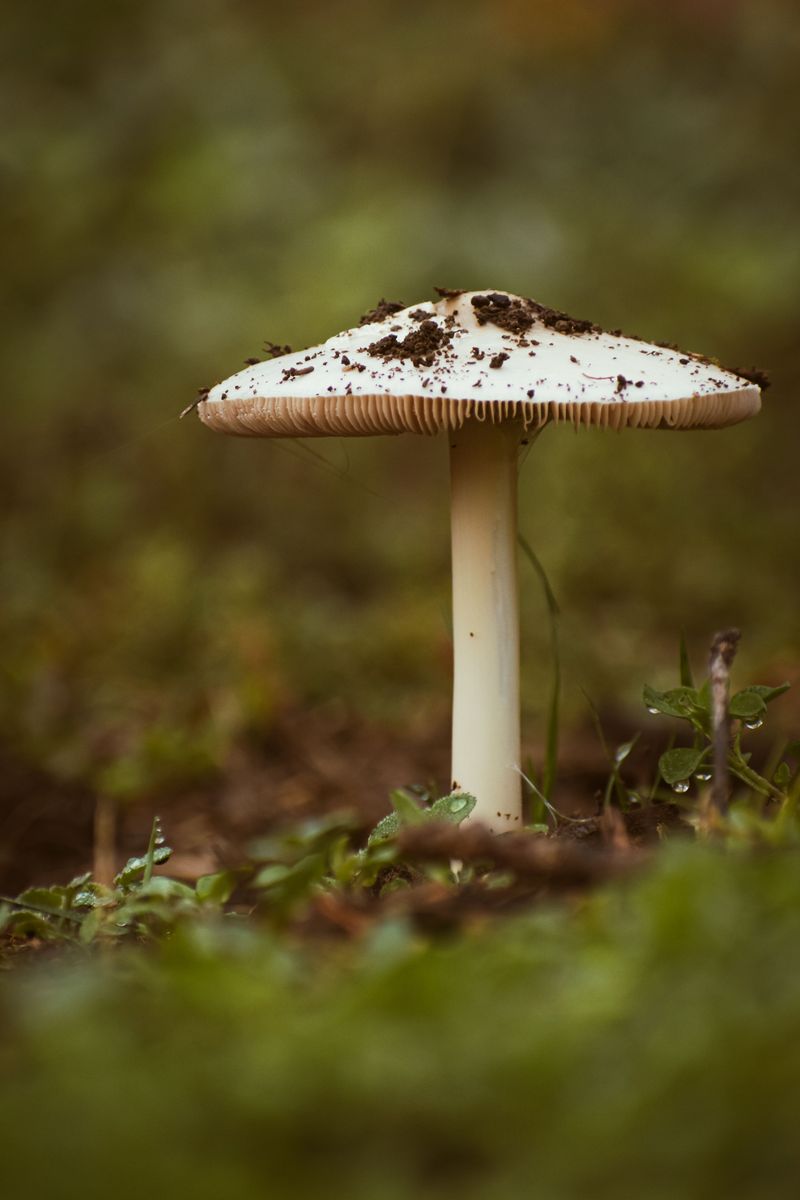
Few mushrooms in Washington carry a more serious reputation than Amanita phalloides. It contains amatoxins that attack the liver, and symptoms are often delayed 6 to 24 hours after a dog eats it.
That delay can give owners a false sense of relief.
Early signs include vomiting, diarrhea, and lethargy. Without prompt veterinary treatment, serious liver complications can follow.
Untreated cases can have extremely serious outcomes. If you suspect your dog ate this mushroom, go to a vet immediately, do not wait.
2. Amanita ocreata
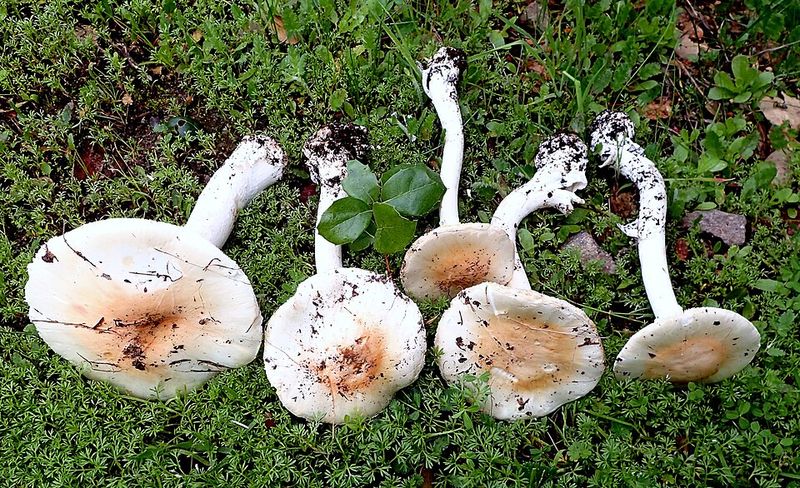
Pure white and almost elegant-looking, Amanita ocreata is one of the most deceptive mushrooms a dog can encounter. It grows near oak trees and contains the same amatoxins found in Amanita phalloides, making it equally dangerous.
Symptoms appear 6 to 12 hours after ingestion and include severe vomiting and diarrhea. Left untreated, the toxins can cause severe liver damage.
Any dog that may have eaten a white Amanita-type mushroom needs emergency veterinary care right away.
3. Western Destroying Angel (Amanita silvicola)
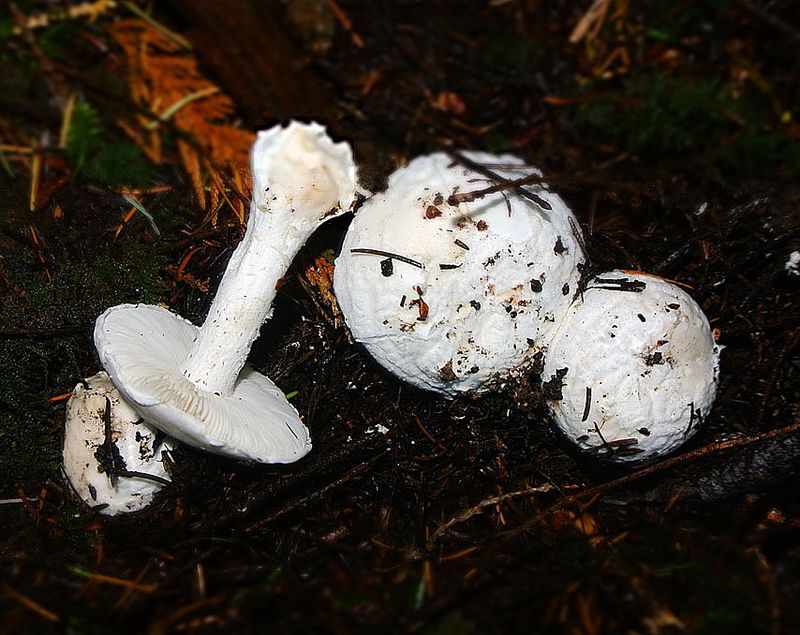
Washington is home to several white Amanita species, and the Western Destroying Angel is one locals should know about. Like its close relatives, it is believed to contain amatoxins, the same toxins responsible for severe liver damage in dogs.
Because it resembles edible white mushrooms, it is easy to overlook in a yard. Symptoms may be delayed, which makes early identification critical.
Treat any suspected ingestion of a white Amanita-type mushroom as a veterinary emergency, every single time.
4. Fly Agaric (Amanita muscaria)
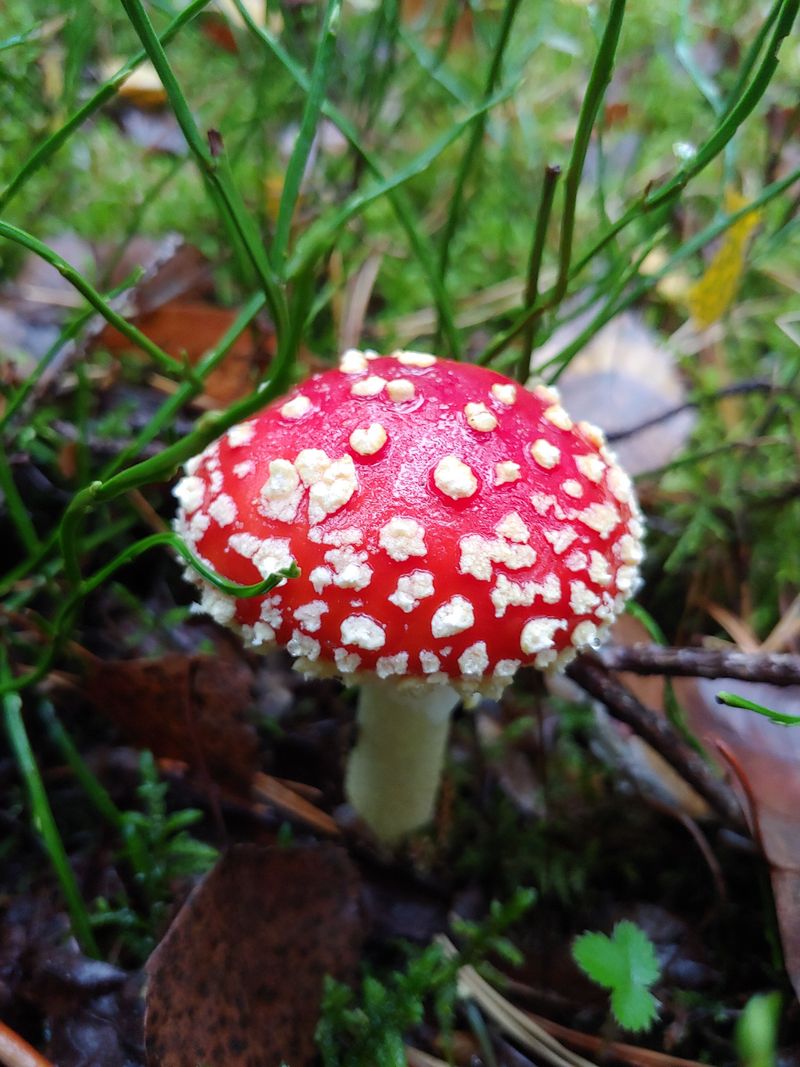
Bright red with white spots, the Fly Agaric is probably the most recognizable mushroom in the world. It grows commonly under conifers and Douglas-fir trees throughout Washington, making backyard encounters fairly likely for dog owners.
It contains ibotenic acid and muscimol, which are neurotoxins. Dogs can show signs within 30 to 90 minutes, including disorientation, drooling, tremors, and a deep sleep-like state lasting up to 72 hours.
Most dogs recover with supportive care, but a vet visit is always the right call.
5. Panther Cap (Amanita pantherina)
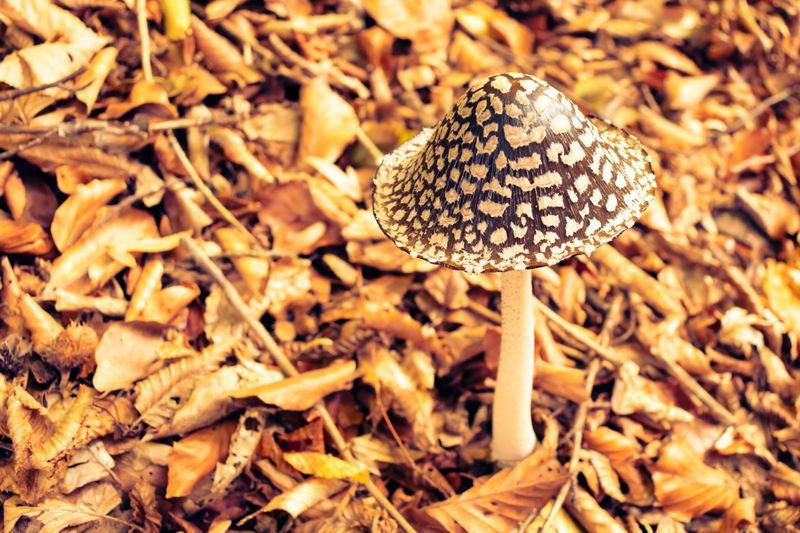
Dogs seem oddly drawn to the Panther Cap, possibly because of its faint fishy odor. That attraction is a real concern, because this mushroom contains ibotenic acid and muscimol, the same neurotoxins found in the Fly Agaric, and it is considered more potent.
Symptoms come on fast, often within minutes to a few hours. Affected dogs may stumble, tremble, pant heavily, or fall into a confused, agitated state.
Fatalities have been reported. The Panther Cap is a common cause of mushroom poisoning in the Pacific Northwest.
6. False Morel (Gyromitra esculenta)
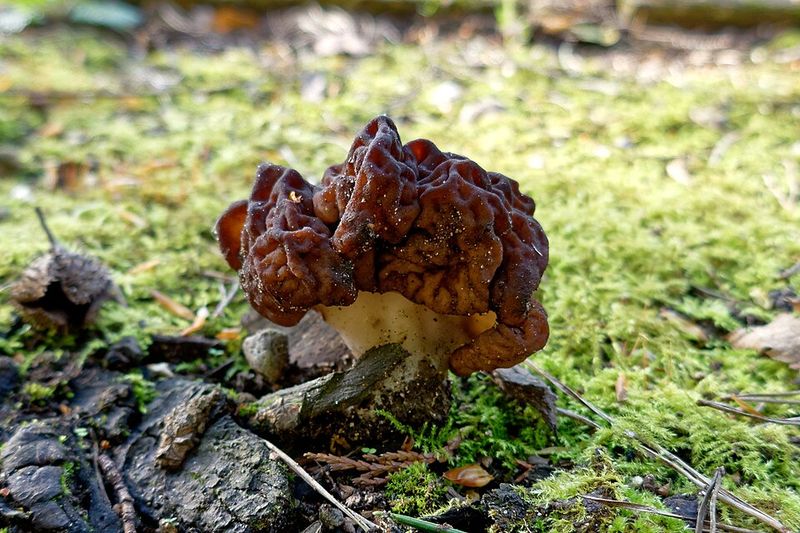
At first glance, the False Morel looks almost like a crinkled brain sitting on the ground. It contains gyromitrin, a toxin that converts to methylhydrazine inside the body, affecting the liver and nervous system in dogs.
Symptoms may not appear for 6 to 24 hours, sometimes longer. Vomiting, diarrhea, and abdominal pain are common early signs, with seizures possible in more serious cases.
Prompt veterinary care improves outcomes significantly. Do not wait for symptoms to worsen before contacting your vet.
7. False Morel (Gyromitra infula)
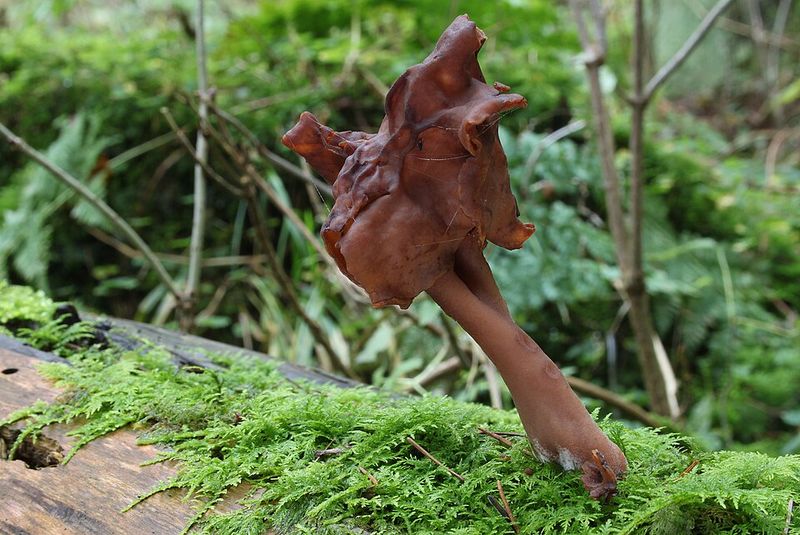
Gyromitra infula is sometimes called the hooded false morel because of its distinctive saddle-shaped cap. Like its close relative, it contains gyromitrin, a toxin that can cause serious harm to a dog’s liver and nervous system.
The tricky part is that symptoms are delayed, often appearing 6 to 24 hours after ingestion. A dog that seems fine right after eating it may deteriorate later.
Gastrointestinal upset and neurological signs, including seizures, are possible. Immediate veterinary attention gives your dog the best chance at a full recovery.
8. Galerina marginata
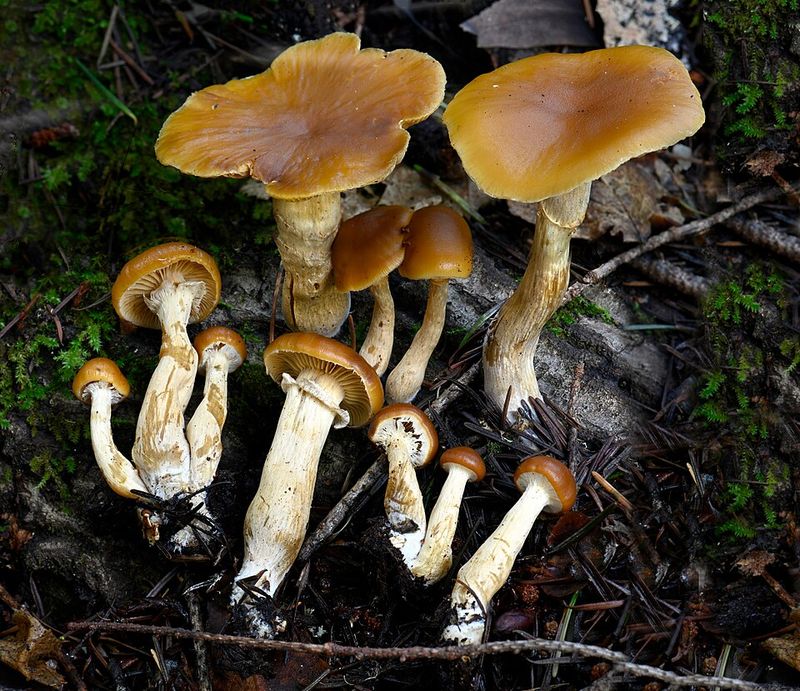
Small and brown, Galerina marginata looks surprisingly ordinary for such a dangerous mushroom. It grows on rotting wood and is found year-round in Pacific Northwest forests and yards.
The concern is that it contains amatoxins, the same toxins found in Amanita phalloides.
Symptoms are delayed, and a misleading calm period can follow initial signs. Liver damage progresses silently during that time.
There is no antidote, so getting to a vet as soon as possible after suspected ingestion is absolutely essential.
9. Galerina autumnalis
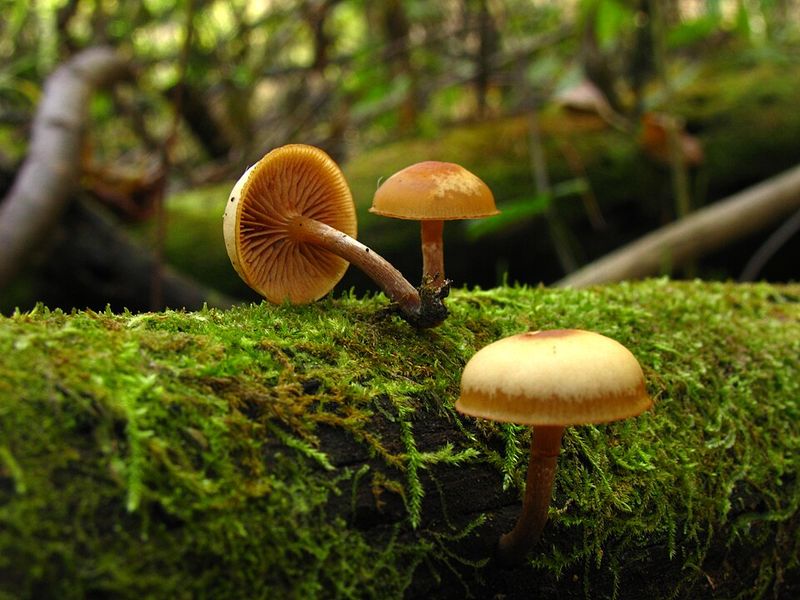
Galerina autumnalis has long been recognized as a particularly toxic mushroom. Now classified as the same species as Galerina marginata, Galerina autumnalis carries identical amatoxins and can cause severe liver and kidney damage in dogs.
Finding these small, honey-brown mushrooms on a rotting log in your yard is a real possibility in Washington. Dogs can eat several before an owner even notices.
Early removal of decaying wood and regular yard checks are practical steps every dog owner in the Pacific Northwest can take.
10. Inky Cap (Coprinopsis atramentaria)
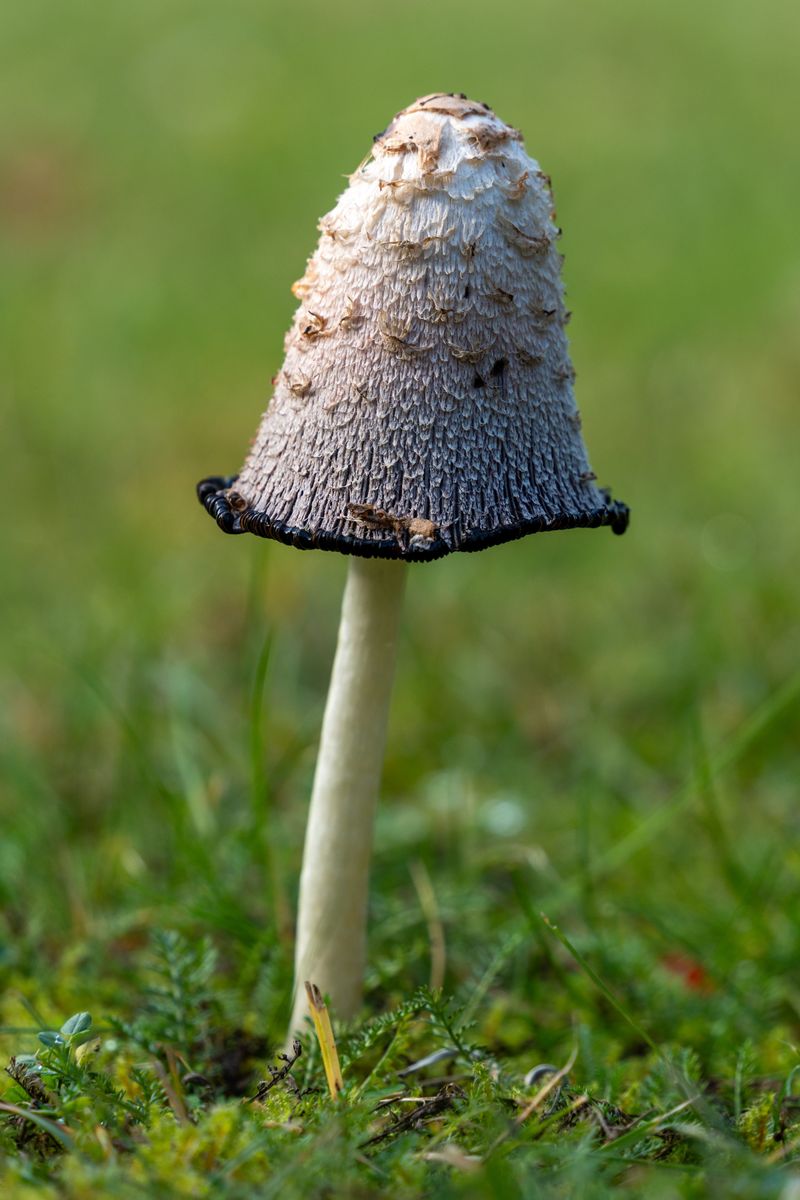
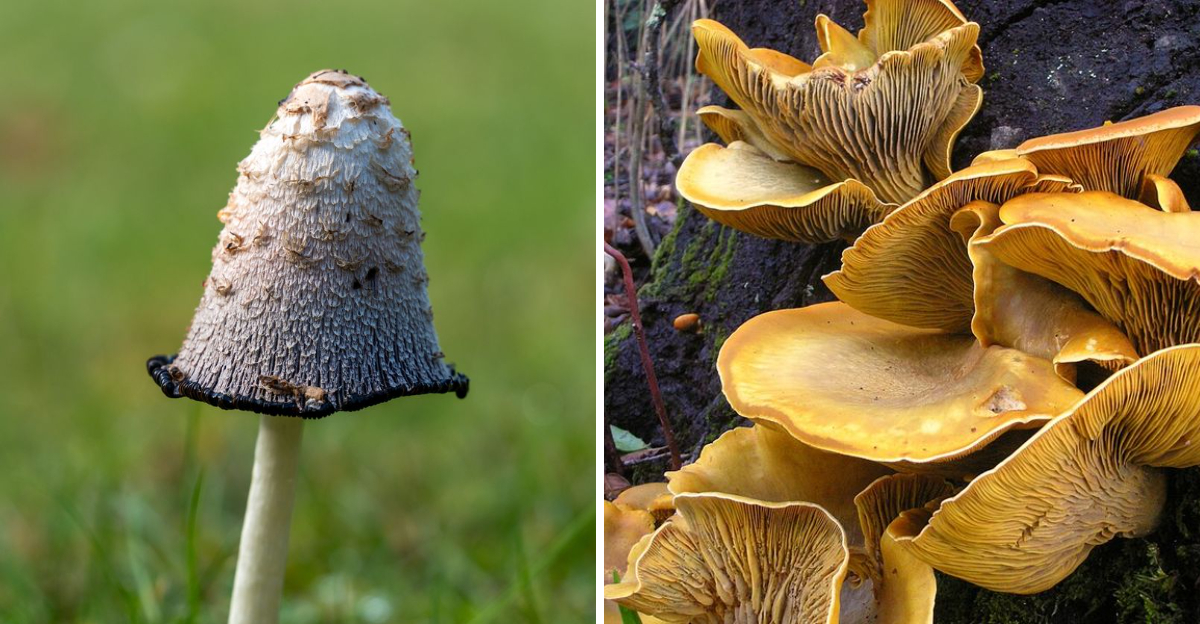
The Inky Cap has an unusual toxicological story. Its primary compound, coprine, causes problems mainly when combined with substances that affect alcohol metabolism.
For most dogs, eating this mushroom alone rarely causes serious illness.
That said, mild gastrointestinal symptoms like vomiting and diarrhea are still possible. These mushrooms pop up on lawns across Washington after rain, often in clusters.
While the risk is generally lower than other mushrooms on this list, discouraging your dog from eating any wild mushroom remains the safest approach.
11. Brown Roll-Rim (Paxillus involutus)
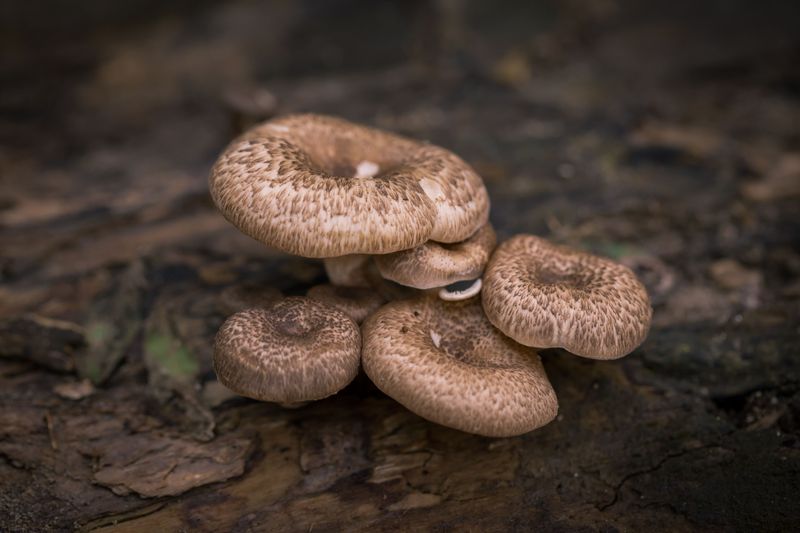
The Brown Roll-Rim looks ordinary enough, a modest brown mushroom near tree roots, but its effects on dogs can be surprisingly serious. Most ingestions cause vomiting, diarrhea, and stomach discomfort, with recovery expected within a few days.
Repeated exposure is where the real concern lies. Over time, this mushroom can trigger an autoimmune reaction that destroys red blood cells and leads to kidney failure or dangerous clotting problems.
Catching it early matters. If your dog has eaten this mushroom more than once, let your vet know right away.
12. Jack-O’-Lantern Mushroom (Omphalotus olivascens)
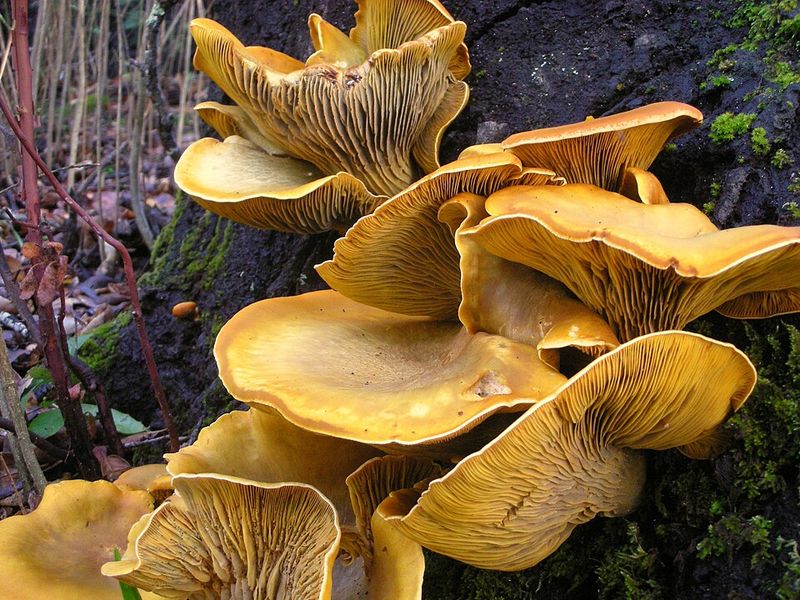
Vivid orange and growing in eye-catching clusters at the base of trees, the Jack-O’-Lantern mushroom stands out in any yard. Dogs that eat it typically experience rapid-onset gastrointestinal upset, with symptoms appearing within 15 minutes to 2 hours.
Vomiting, diarrhea, and abdominal pain are the main concerns. Most cases resolve on their own within a day or two.
Dehydration from fluid loss is the primary risk for smaller dogs. Supportive care from a vet can help speed recovery and keep your dog comfortable through the process.
13. Lilac Brown Bolete (Tylopilus felleus)
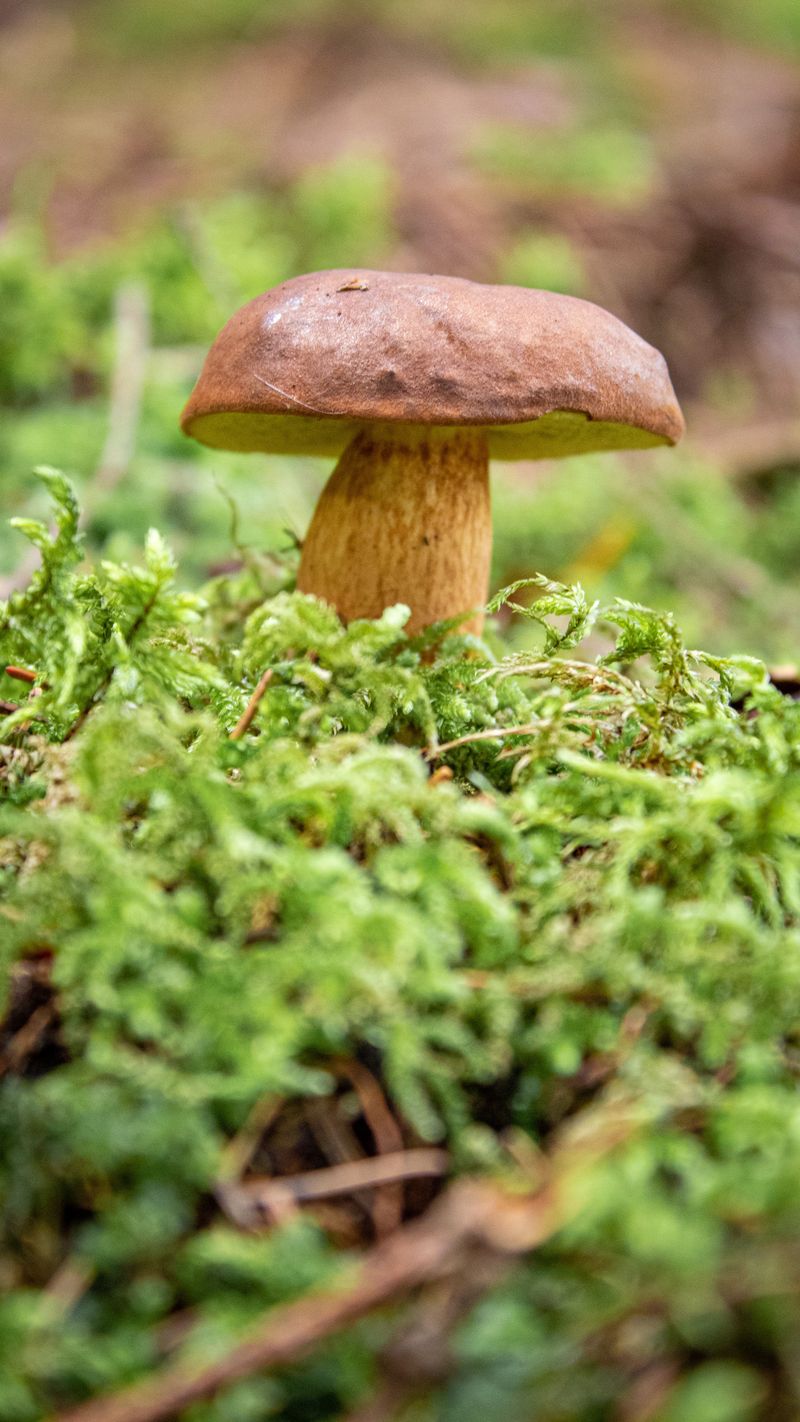
The Lilac Brown Bolete blends into the forest floor with its understated tan cap and pinkish pore surface underneath. Dogs are unlikely to seek it out intentionally, but curious noses lead to unexpected snacking in many yards.
While not as acutely toxic as the Amanita species, raw wild fungi like this bolete can cause digestive upset in dogs, including vomiting and diarrhea. Recovery is generally expected once the mushroom clears their system.
Still, any wild mushroom ingestion is worth a quick call to your vet for guidance.
14. Earthball (Scleroderma species)
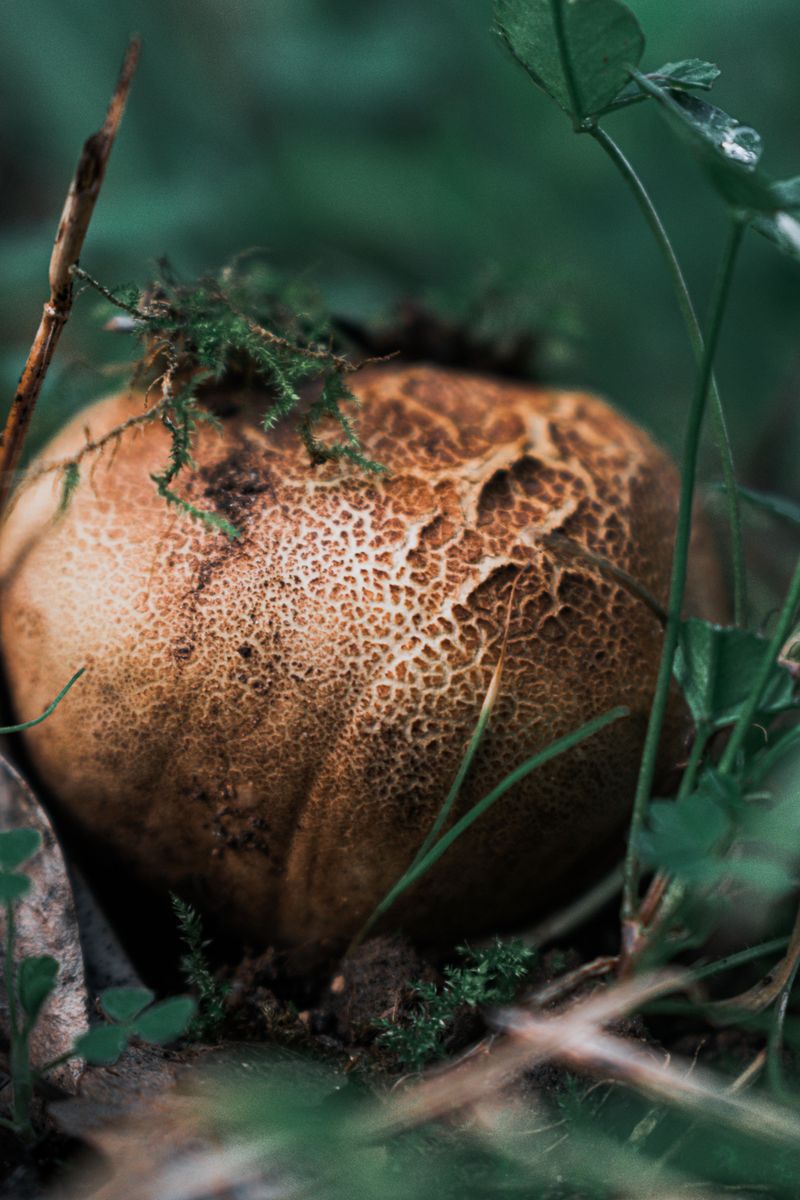
Earthballs look a bit like small potatoes half-buried in the soil, which might explain why some dogs find them interesting. Certain Scleroderma species contain compounds that can affect the kidneys and liver, and some have been linked to very serious outcomes in dogs.
Gastrointestinal symptoms like nausea, vomiting, and abdominal pain can develop after ingestion. In more serious cases, significant organ damage is possible.
These mushrooms grow in woodlands and grassy areas across Washington. Treat any suspected earthball ingestion as urgent and contact your vet without delay.
15. Conocybe Species (Conocybe spp.)
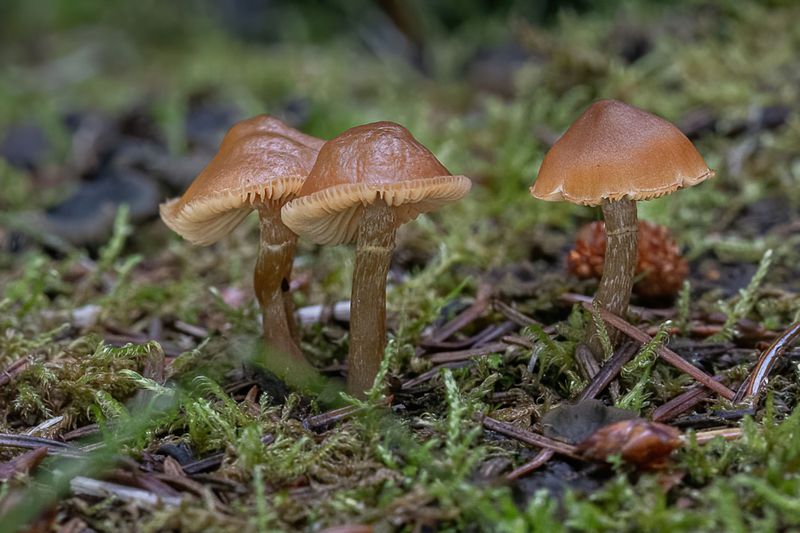
Conocybe mushrooms are small and easy to miss in a lawn, but they can pack a neurological punch for dogs. Symptoms often appear within 20 to 60 minutes of ingestion and may include stumbling, tremors, disorientation, and dilated pupils.
Some Conocybe species contain psilocybin-related compounds, causing hallucination-like behavior such as snapping at invisible objects. Most dogs recover within six hours with supportive care, though some effects can linger up to 24 hours.
These mushrooms grow naturally in Pacific Northwest lawns, so regular yard checks are genuinely worthwhile.