15 Florida Dog Laws Most People Have Never Heard Of

Owning a dog in Florida is one of life’s great joys, but the rules that come with it are not always obvious. Many pet owners follow the basics without realizing there are layers of local ordinances, state statutes, and public-access protections that apply directly to them.
Knowing these laws helps you protect your dog, your neighbors, and yourself. Think of this as a friendly heads-up from someone who wants you and your pup to stay on the right side of the rules.
1. Dogs Must Be Vaccinated Against Rabies
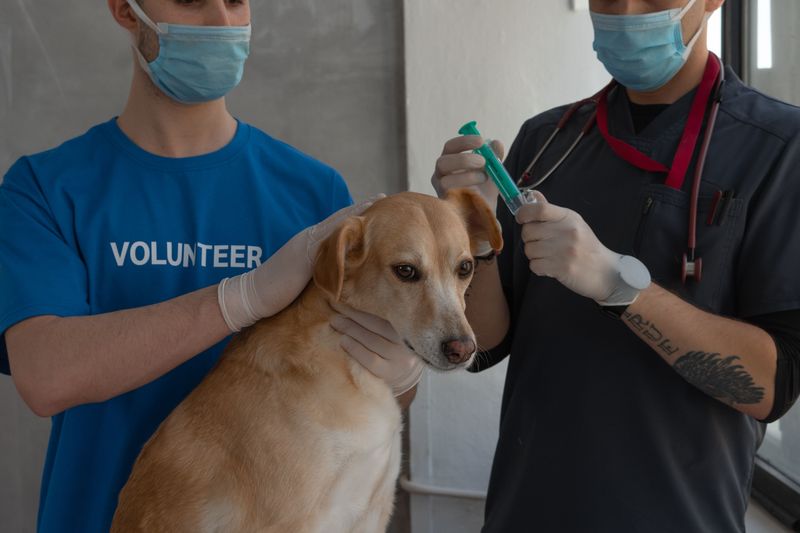
Florida law requires every dog four months or older to receive a rabies vaccination from a licensed veterinarian using a USDA-approved vaccine. The first shot covers one year.
After that, boosters follow the vaccine manufacturer’s schedule, either annually or every three years.
Keeping a valid rabies certificate and tag on hand is a smart habit. If your unvaccinated dog bites someone, quarantine or more serious consequences can follow.
Check with your local county for any additional licensing steps tied to this requirement.
2. Local Leash Rules Can Vary
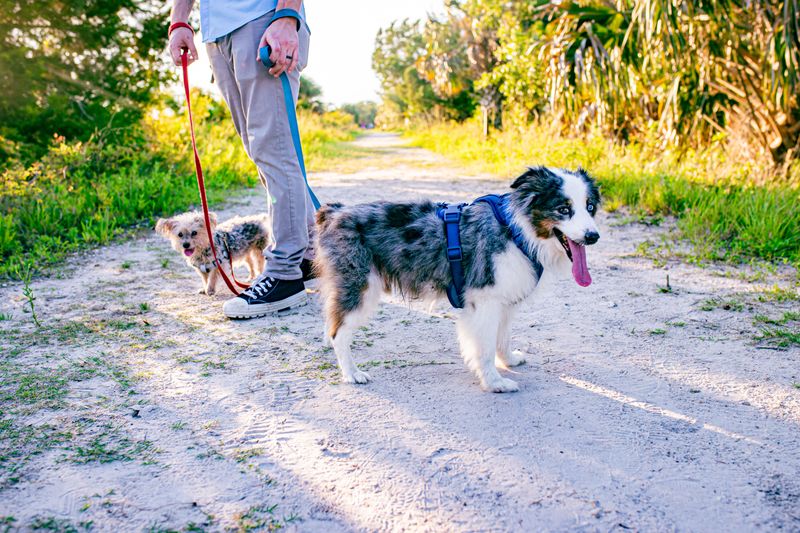
Florida has no single statewide leash law that applies identically to every city and county. Each community sets its own rules about when and where dogs must be leashed in public spaces.
Boca Raton, for example, requires dogs to be leashed or secured whenever they leave the owner’s property.
Violating local leash rules can result in fines. More seriously, a leash violation can complicate your legal standing if a bite incident happens.
Always check your specific city or county rules before heading out.
3. Dogs Cannot Simply Roam

Most Florida communities have what are called “at large” ordinances. A dog found off its owner’s property without proper restraint is likely breaking local law, even if it seems harmless.
Miami-Dade County, for instance, requires dogs to be leashed at all times when off private property.
A roaming dog can attract an animal control visit and result in fines or impoundment. A secure fence or a leash is the straightforward fix.
Confirm your specific county’s rules to make sure your setup meets local standards.
4. Dangerous Dog Designations Follow Specific Procedures

Florida law defines a dangerous dog through several specific circumstances, including aggressively biting, attacking, or endangering a person; inflicting severe injury on a person; severely injuring a domestic animal more than once while off the owner’s property; or, when unprovoked, approaching or chasing a person in a menacing manner in a public area. Animal control authorities investigate reported incidents and follow a formal process before making a final classification.
Owners receive an opportunity for a hearing before a final determination is made. Under the current law, an owner generally has seven calendar days after receiving the sufficient-cause notice to request that hearing, while a later appeal to circuit court is available after a final order.
5. Dangerous Dogs Face Special Confinement Rules

Once a dog carries a dangerous-dog label in Florida, the owner faces stricter rules than those applying to typical household pets. The dog must be kept in a locked, escape-proof enclosure with proper warning signage.
Outside that enclosure, the dog must be leashed on a lead no longer than four feet and muzzled.
Florida’s Pam Rock Act, effective July 1, 2025, adds a requirement for owners to carry at least $100,000 in liability insurance. Secure enclosures must meet specific construction standards, including locks, reinforced fencing, and a proper roof to prevent escape.
6. Dog Bites Can Trigger Reporting Requirements

A dog bite in Florida can set off a chain of official steps that many owners do not expect. If the dog is not current on its rabies vaccination, it may be quarantined immediately.
Authorities can confiscate the dog for a 10-day observation period in serious cases.
Reporting requirements depend on the circumstances, including vaccination status and the severity of the incident. Staying current on rabies vaccinations is the simplest way to keep options open if a bite ever occurs.
Contact your local animal control office to understand exactly what gets reported in your area.
7. Service Dogs Have Public Access Protections

Florida Statute 413.08 and the federal Americans with Disabilities Act protect the right of people with disabilities to bring trained service animals into public places. Restaurants, hotels, stores, and government offices are all covered.
A service dog is trained to perform specific tasks related to the handler’s disability.
Businesses cannot ask for documentation or proof of training. They can only ask two things: whether the animal is a service animal, and what tasks it performs.
Service animals must remain under the handler’s control at all times, typically on a leash or harness.
8. Emotional Support Animals Follow Different Rules

Emotional support animals provide comfort and companionship, but they are not the same as service animals under Florida law or the ADA. Public businesses, like stores or restaurants, are not legally required to allow emotional support animals inside.
Only trained service animals get that protection in public spaces.
Housing is a different story. Both service animals and emotional support animals receive protections under the federal Fair Housing Act and Florida’s Fair Housing Act.
Owners can request reasonable accommodations in no-pet housing with appropriate documentation. Knowing which rules apply to your situation saves confusion later.
9. Restaurants Can Set Rules for Pet-Friendly Areas

Florida allows certain restaurants and food establishments to permit dogs in designated outdoor dining areas, provided specific health and safety requirements are met. Getting that permission does not mean dogs can wander into indoor dining rooms or kitchen areas.
Businesses decide how to manage their outdoor spaces within the permitted guidelines.
Restaurants that choose to be dog-friendly still control their own policies. Only service animals are legally entitled to enter indoor food-service spaces.
Before bringing your dog to a restaurant patio, a quick call ahead confirms whether the location welcomes pets and what its specific rules are.
10. Leaving a Dog in a Hot Car Can Become a Legal Issue
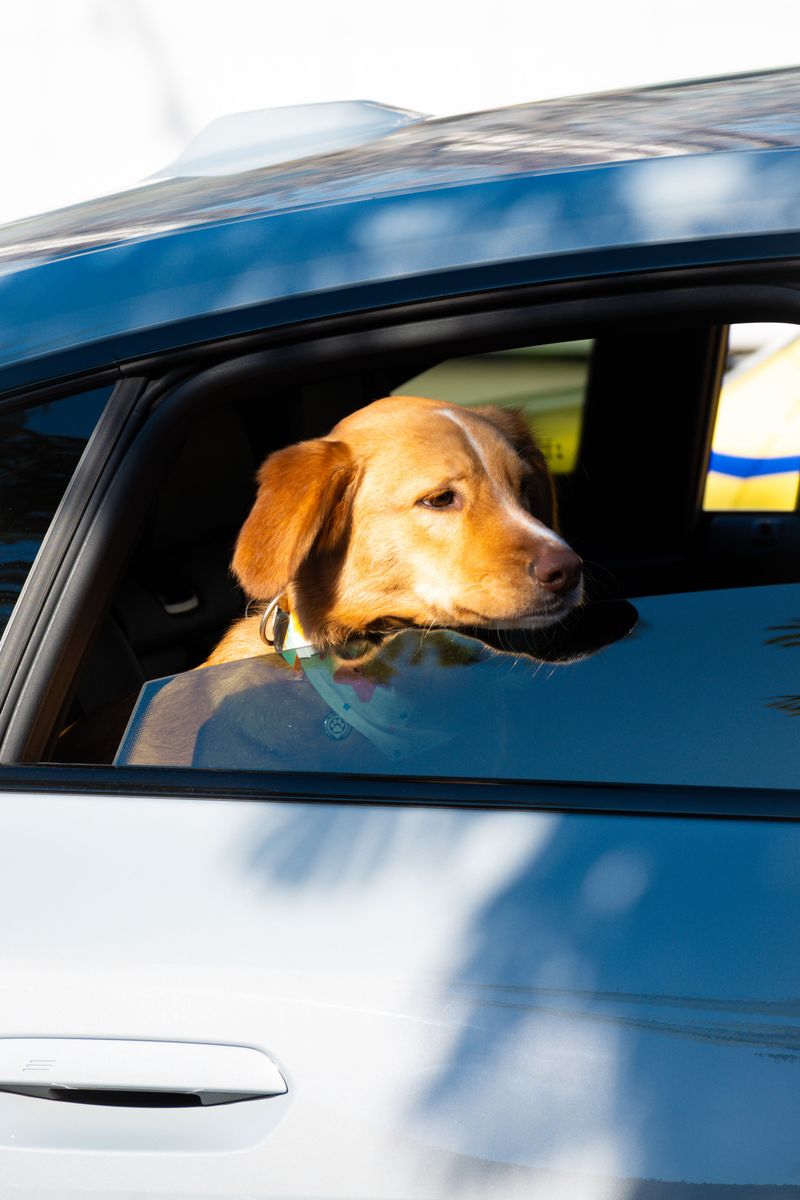
Florida’s heat is no joke, and the law reflects that. Leaving a dog unattended in a vehicle under conditions that endanger its health, including high temperatures or poor ventilation, is considered animal cruelty under Florida law.
Fines can reach $500, and a first-degree misdemeanor charge is possible in serious cases.
Florida Statute 768.139 also gives legal protection to bystanders who rescue an animal from a locked vehicle, provided they call 911 first and follow specific steps. Even a short errand in warm weather can be risky.
When in doubt, leave your dog at home.
11. Outdoor Dogs Need Adequate Care

A fenced yard is a good start, but Florida law requires more than containment. Dogs kept outdoors must have access to adequate food, clean water, shelter from the elements, and general care.
Failing to meet these standards, even on private property, can result in an animal-cruelty investigation.
Florida’s climate adds extra pressure. Heat and humidity can affect outdoor dogs quickly.
Shade, ventilation, and fresh water are not optional extras. If you keep a dog primarily outside, reviewing Florida Statute 828.12 gives you a clear picture of what responsible outdoor care looks like under the law.
12. Tethering Rules Protect Dogs From Unsafe Conditions

Florida places real limits on tethering dogs. Generally, a person must be physically present and attending to the dog while it is tethered.
Tethers must be at least five times the length of the dog or ten feet, whichever is greater. Tethering during severe weather, including extreme heat, thunderstorms, or hurricanes, is not permitted.
Exceptions exist for working farm dogs and temporary situations not exceeding 30 minutes. The goal is preventing unsafe or inhumane restraint.
If tethering is part of your routine, reviewing your county’s specific ordinance alongside state rules helps confirm you are fully compliant.
13. Some Local Areas Have Pet Registration Requirements
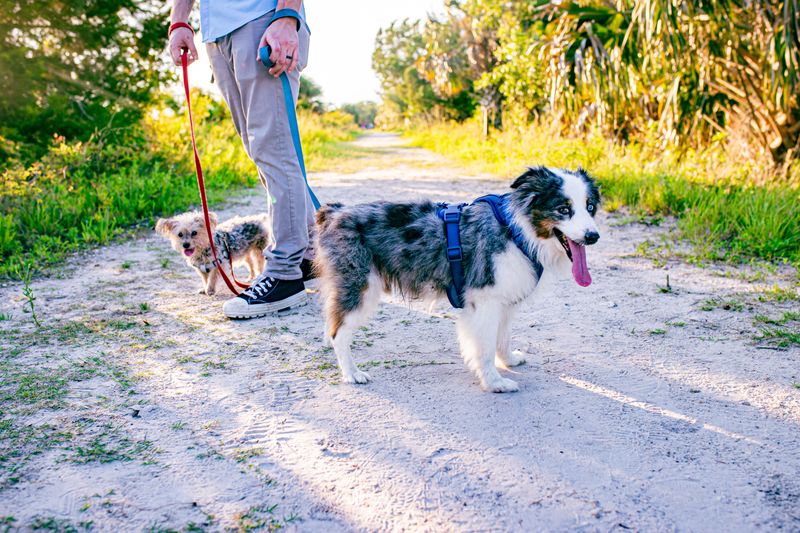
Florida does not run one uniform dog-licensing program across the entire state. Counties and cities manage their own systems, and requirements differ from place to place.
Miami-Dade County, for example, requires dog license tags and proof of current rabies vaccination for purchase or renewal each year.
Some jurisdictions require proof of specific vaccinations beyond rabies as part of the registration process. Skipping local registration can lead to fines or complications if animal control becomes involved.
A quick check with your county’s animal services office confirms exactly what tags, fees, and documents apply where you live.
14. Owners Can Be Responsible for Their Dogs’ Behavior

Florida follows a strict liability standard in dog bite cases. An owner can be held financially responsible if their dog bites someone in a public place or on private property where the person had a legal right to be.
Prior knowledge of the dog’s behavior is not required for liability to apply.
Narrow defenses exist, such as provocation or trespassing. If a dog already classified as dangerous bites someone, the owner may face a first-degree misdemeanor charge.
The Pam Rock Act now requires dangerous-dog owners to carry at least $100,000 in liability coverage to help address potential claims.
15. Animal-Welfare Rules Apply Even at Home
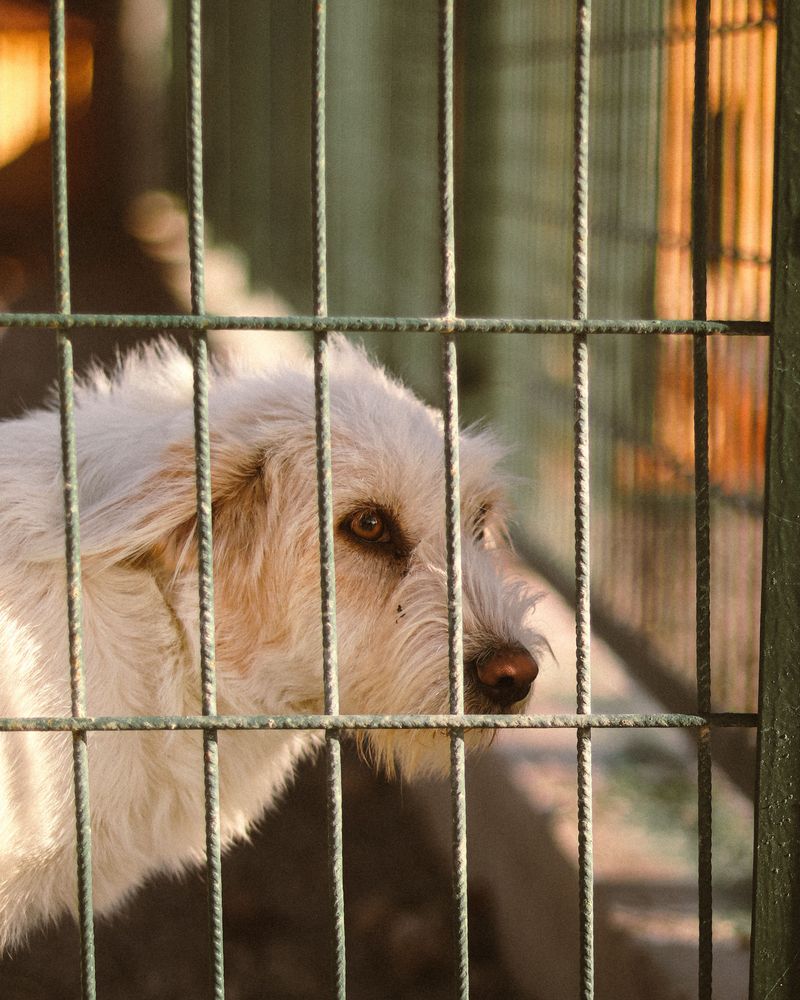
Florida’s animal-cruelty laws, covered under Statute 828.12, reach inside private property. Neglect or mistreatment at home carries the same legal weight as mistreatment in a public place.
Providing food, clean water, shelter, and timely veterinary care are baseline legal expectations, not optional choices.
Animal control can investigate complaints made about dogs on private property. Responsible ownership means meeting these standards consistently, not just when others are watching.
Staying informed about what the law actually requires puts you in a stronger position as a dog owner and helps keep your pet safe and healthy.