What to Do If Your Dog Encounters a Skunk or Porcupine in Colorado
Colorado is one of the best places in the world to explore the outdoors with your dog. From mountain trails to open foothills, the scenery is stunning and the wildlife is real.
Skunks and porcupines are common across the state, and a curious dog can find trouble fast. Knowing what to do before it happens makes all the difference.
Whether you hike regularly or just let your dog roam the backyard at dusk, this guide will walk you through exactly what to do if your dog has a close encounter with one of these wild neighbors. Think of it as advice from a knowledgeable friend who has seen it all and wants your dog to come out of the experience just fine.
Stay calm, stay prepared, and keep reading.
Keep Your Dog Away From the Wild Animal
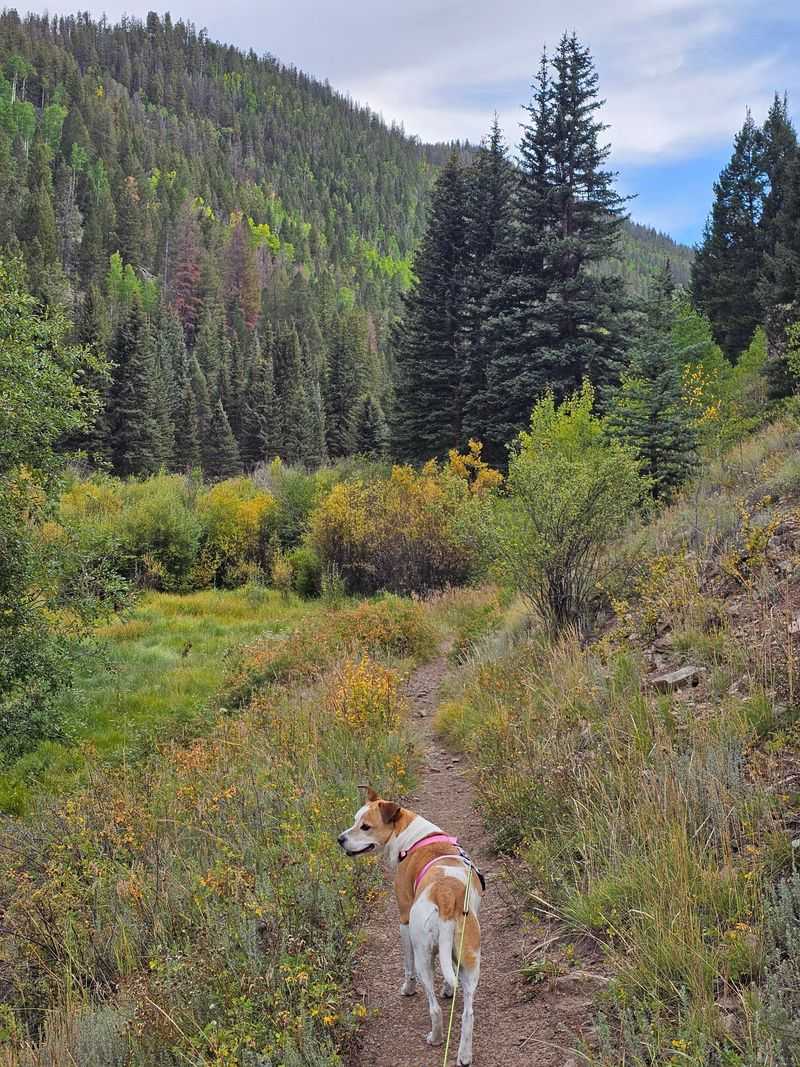
The very first thing to do is create distance between your dog and the animal. Stay calm and avoid running toward the wildlife, which could trigger a defensive response.
A slow, steady approach gives you the best chance of redirecting your dog without escalating the situation.
Skunks may spray when they feel threatened, while porcupines do not throw their quills. Both animals are best left alone.
Both animals prefer to be left alone. Giving them space is the fastest way to keep everyone safe.
Call Your Dog Back Before It Gets Too Close
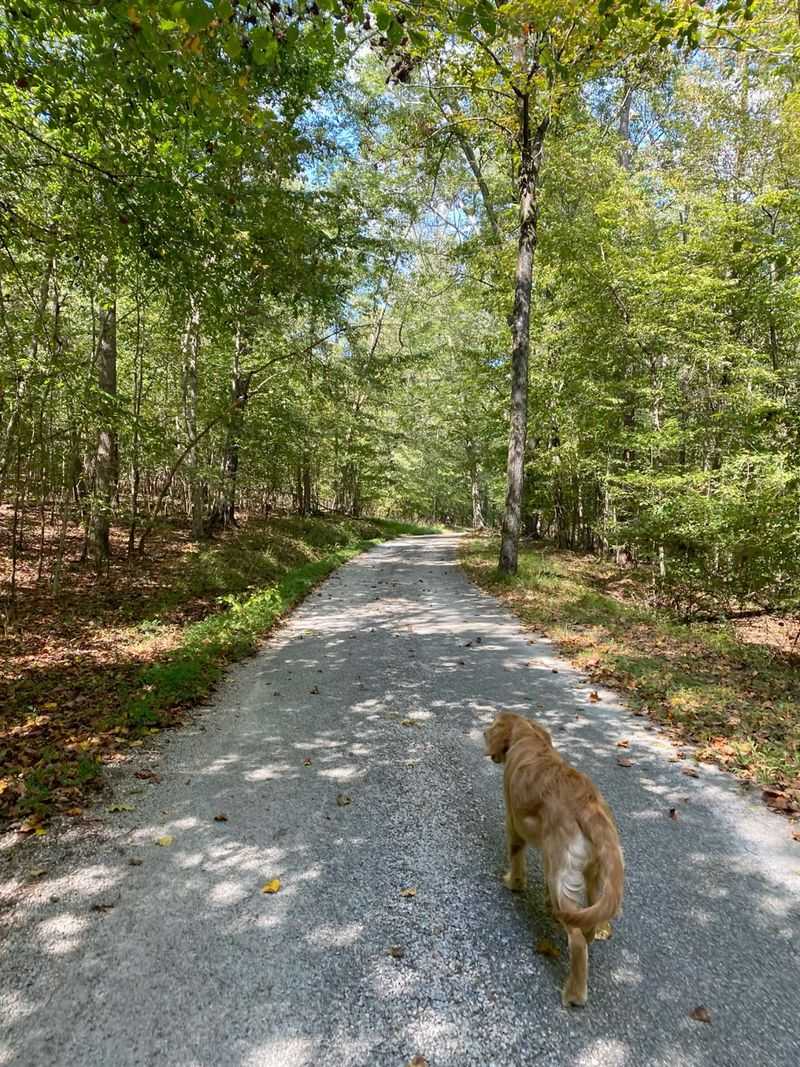
A solid recall command is one of the most valuable skills your dog can have, especially outdoors. Wild animals may show warning behaviors when they feel threatened, but dogs do not always recognize those signals in time.
A reliable “come” command can buy you the seconds you need.
Practice recall regularly in low-distraction settings so it holds up when it really counts. Rewarding your dog generously for coming back builds a habit that could prevent a painful and costly encounter.
A Skunk Spray Can Irritate Your Dog’s Eyes
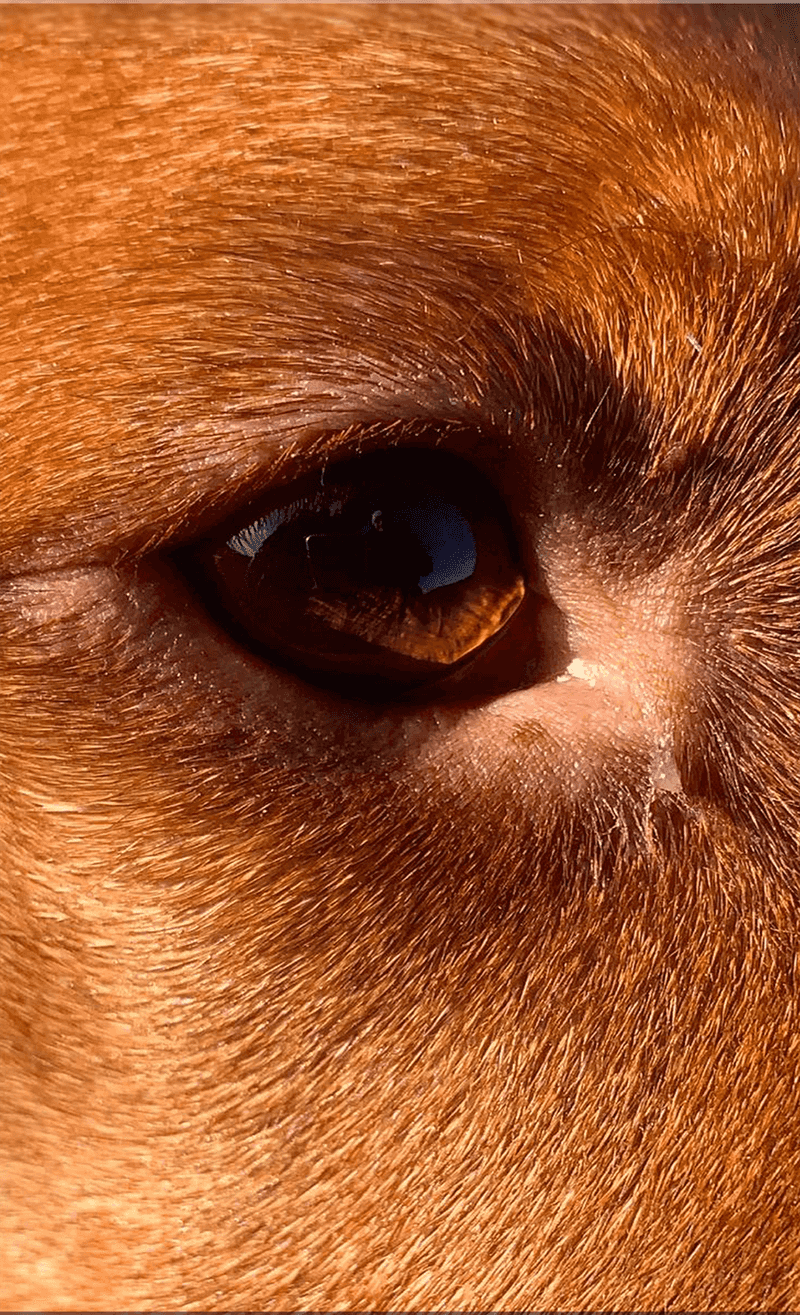
Skunk spray contains sulfur compounds that are not just smelly. They can cause real irritation to your dog’s eyes, nose, and mouth.
Redness, squinting, or excessive tearing are all signs that the spray made direct contact with the face.
Move your dog away from the spray area immediately and check the eyes carefully. If irritation seems significant or does not improve quickly, a call to your veterinarian is the right next step.
Porcupine Quills Need Prompt Attention
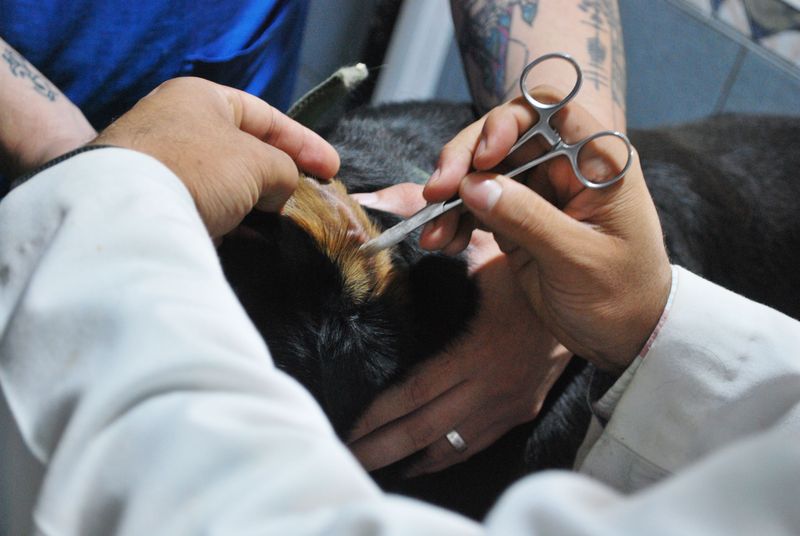
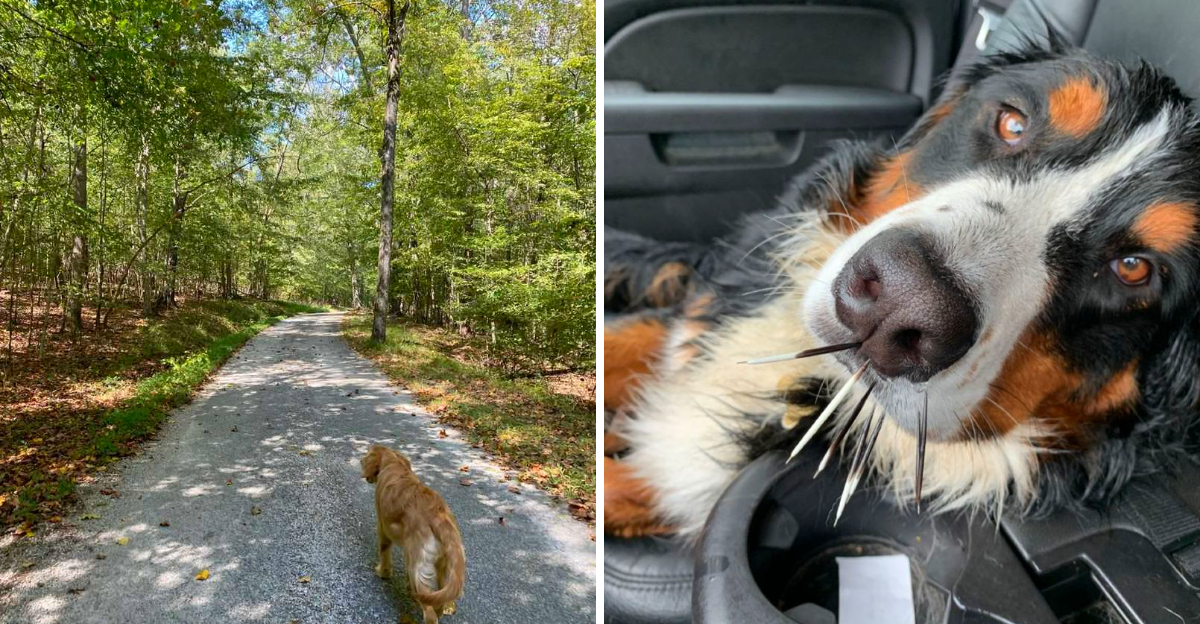
Porcupine quills are barbed, which means they grip tissue and work their way deeper over time. Even a small number of quills can cause serious discomfort and potential infection if not addressed quickly.
Dogs that investigate porcupines with their noses often end up with quills in the face, mouth, or paws.
Veterinary attention is typically the safest course of action. A professional can remove quills safely and check for any that are not immediately visible.
Do Not Try to Pull Deep Quills Out Yourself
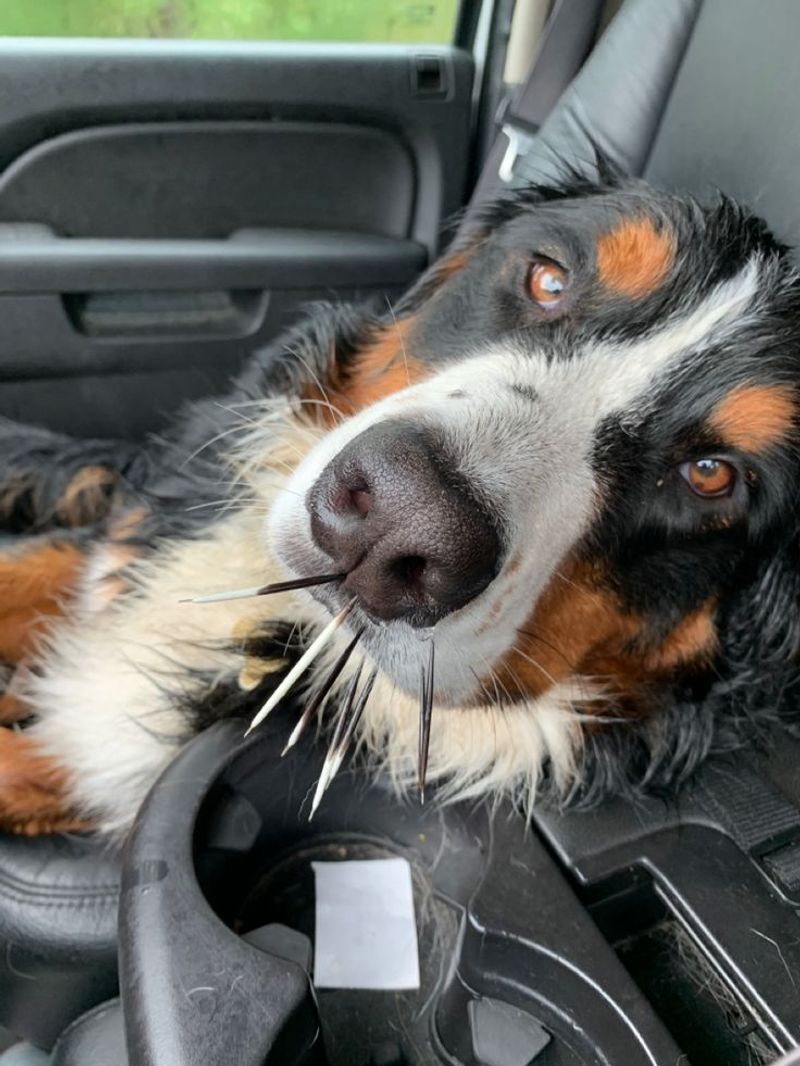
Pulling quills at home sounds straightforward, but it rarely is. The barbed tips can break off inside the skin, leaving fragments behind that cause infection or migrate to deeper tissue.
Dogs in pain may also bite or struggle, making the process more dangerous for everyone involved.
Surface quills that are loose and easy to grasp may be removable with care. Deep, numerous, or facial quills should always be handled by a veterinarian with proper tools and sedation if needed.
Check Your Dog Carefully After the Encounter
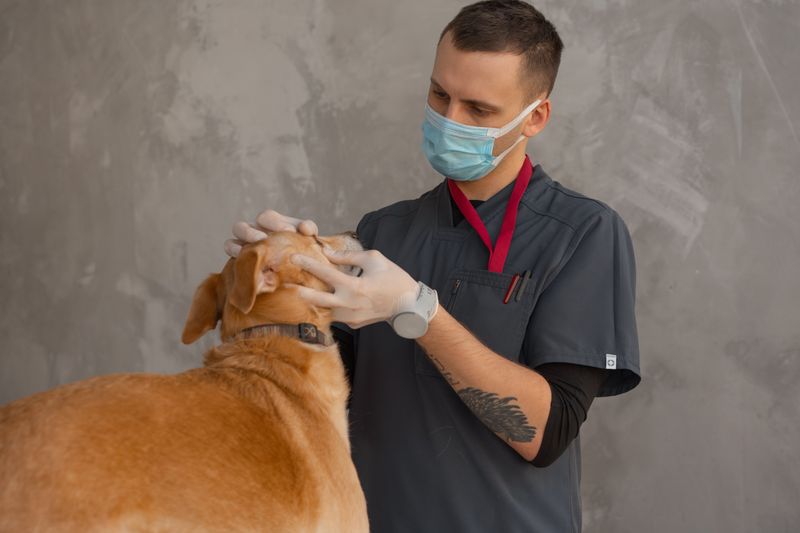
Once your dog is safely away from the area, give it a thorough once-over from nose to tail. Quills can hide under fur, and scratches from claws or brush may not be obvious at first glance.
Eye irritation from skunk spray can also appear gradually rather than all at once.
Good lighting helps a lot during this check. Inspect your dog carefully without pressing on any suspicious areas, paying particular attention to the face, ears, paws, and underbelly where injuries are easy to miss.
Watch for Quills Around the Mouth and Face
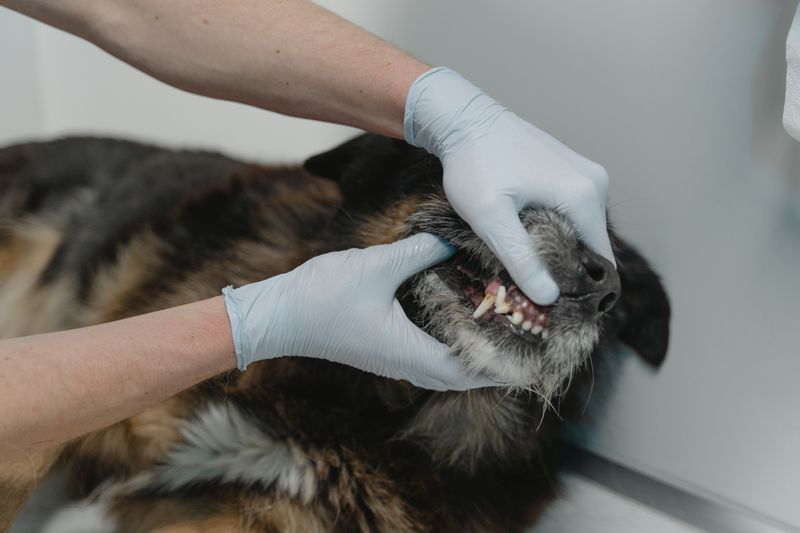
Dogs often lead with their nose when they are curious, which makes the face the most common area to find quills after a porcupine encounter. Quills inside the mouth, on the gums, or near the tongue are especially concerning because they can interfere with eating and breathing.
Contact a veterinarian promptly if you spot quills in or around the mouth. Oral quills are among the most uncomfortable and require professional removal to avoid deeper tissue damage.
Rinse Your Dog’s Eyes if Skunk Spray Gets In
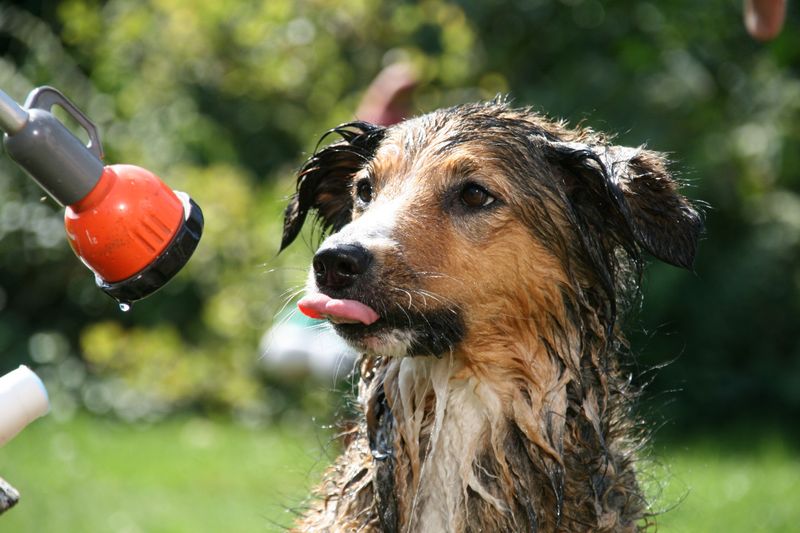
Clean water is your best immediate tool if skunk spray reaches your dog’s eyes. Flush the eyes gently and thoroughly, using a steady stream of water or a pet-safe eye rinse if you have one on hand.
Avoid scrubbing or pressing on the eye area.
Most mild irritation will ease with flushing, but persistent squinting, swelling, or cloudiness needs a veterinarian’s evaluation. Keeping a small eye rinse bottle in your trail pack is a simple preparation worth making.
Use a Skunk Odor Treatment Instead of Tomato Juice
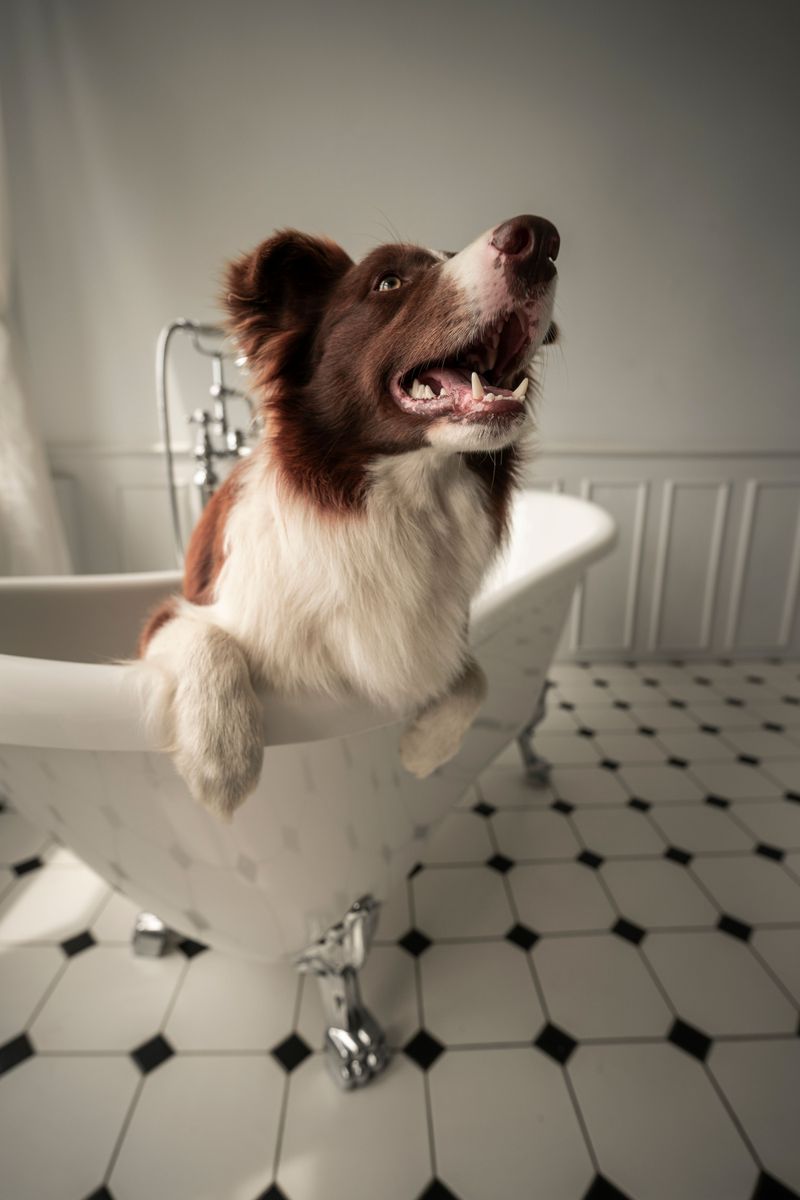
Tomato juice has been the go-to skunk remedy for decades, but it mostly masks the odor rather than neutralizing it. A mixture of hydrogen peroxide, baking soda, and a small amount of dish soap is widely recommended and works by breaking down the odor-causing compounds chemically.
Mix the solution fresh each time and apply it before bathing. Avoid getting it in your dog’s eyes.
Rinse thoroughly with water afterward and repeat if needed for strong odor.
Keep Your Dog From Rubbing Its Face
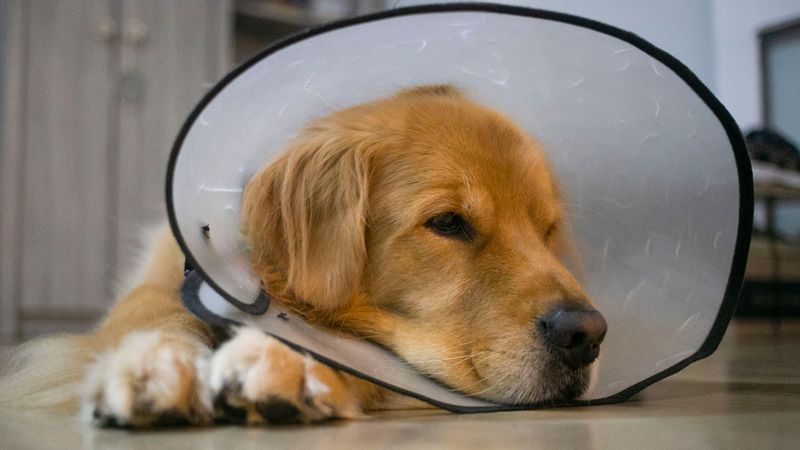
After a skunk spray or quill encounter, a dog’s natural instinct is to rub its face on any available surface. Carpets, furniture, and grass become targets almost immediately.
This spreads the odor and can push quills or irritants deeper into the skin.
A cone collar or e-collar can prevent rubbing while you prepare treatment or head to the vet. Keeping your dog calm and distracted with a favorite toy also helps reduce the urge to rub.
Know When a Veterinary Visit Is Necessary
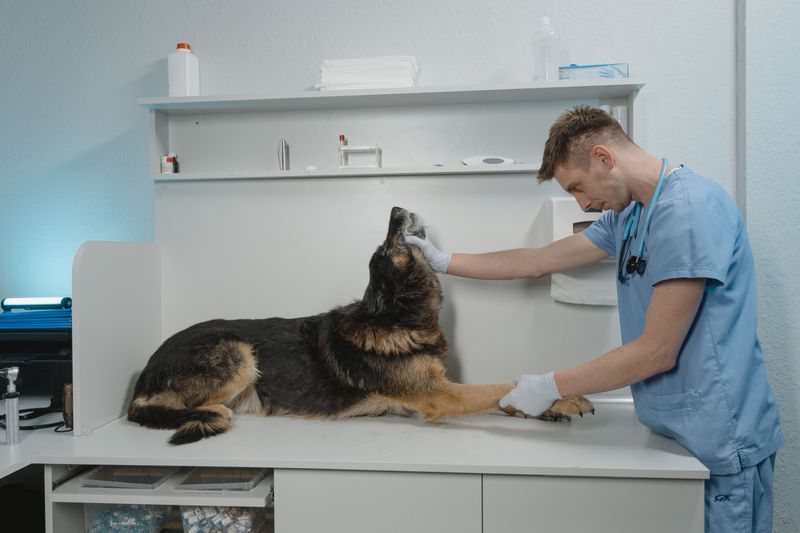
Not every wildlife encounter requires an emergency visit, but certain signs should not be ignored. Significant eye injury, breathing difficulty, facial swelling, numerous quills, or deep wounds are all reasons to seek veterinary care without delay.
Trust your instincts if something does not look right.
Calling your vet’s office to describe the situation is always a reasonable first step. They can help you determine whether to come in right away or monitor your dog at home for the time being.
Do Not Let Your Dog Eat the Animal
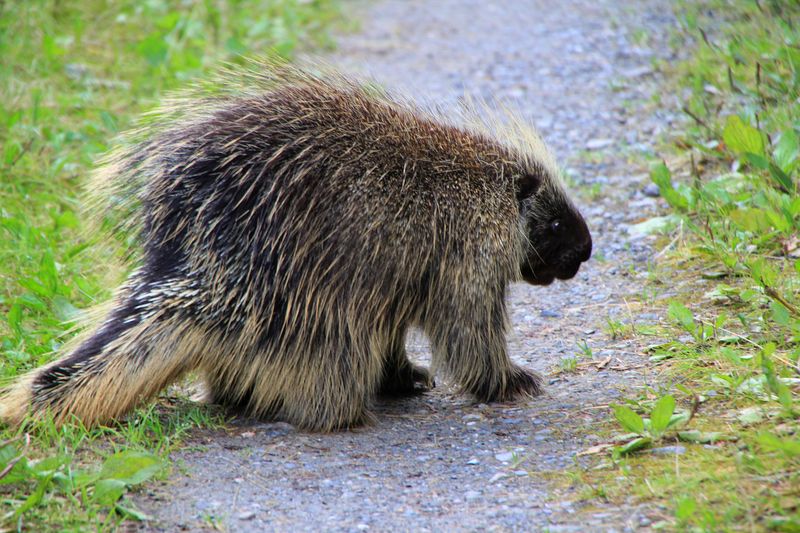
A dog that has chased or attacked a skunk or porcupine may try to mouth or consume part of the animal. This creates health risks beyond the immediate injury, including exposure to parasites, bacteria, and in rare cases, rabies.
Colorado wildlife can carry a range of pathogens that are harmful to dogs.
Keep your dog away from the animal and contact your veterinarian if any consumption occurred. Your vet can advise on next steps based on your dog’s vaccination history.
Keep Vaccinations Current Before Outdoor Adventures
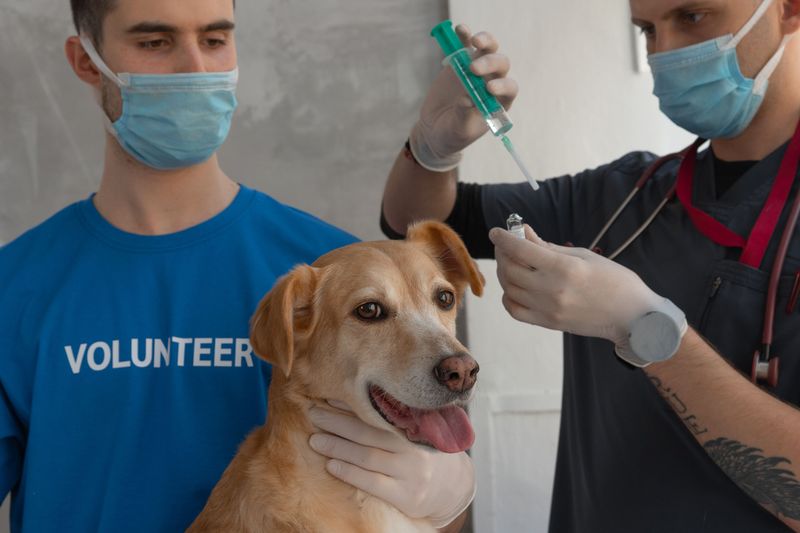
Rabies is present in Colorado wildlife, including skunks, foxes, and bats. Keeping your dog’s rabies vaccination current is required by law in most Colorado counties and is a critical layer of protection for any dog that spends time outdoors.
Check with your local county for specific requirements.
Other vaccines, such as leptospirosis, may also be relevant depending on where you hike. Ask your veterinarian which vaccines make sense based on your dog’s lifestyle and the areas you frequent.
Secure Your Yard Against Curious Wildlife

Skunks and porcupines are most active at dusk and overnight, which is exactly when a dog let out for a bathroom break is most likely to cross paths with one. Securing your yard reduces the chance of an unexpected encounter close to home.
Remove accessible pet food and water bowls from outside each evening. Check your fencing for gaps and consider motion-activated lights to deter wildlife.
Simple steps like these make your property less appealing to nighttime visitors.
Leash Your Dog Near Wildlife-Rich Areas
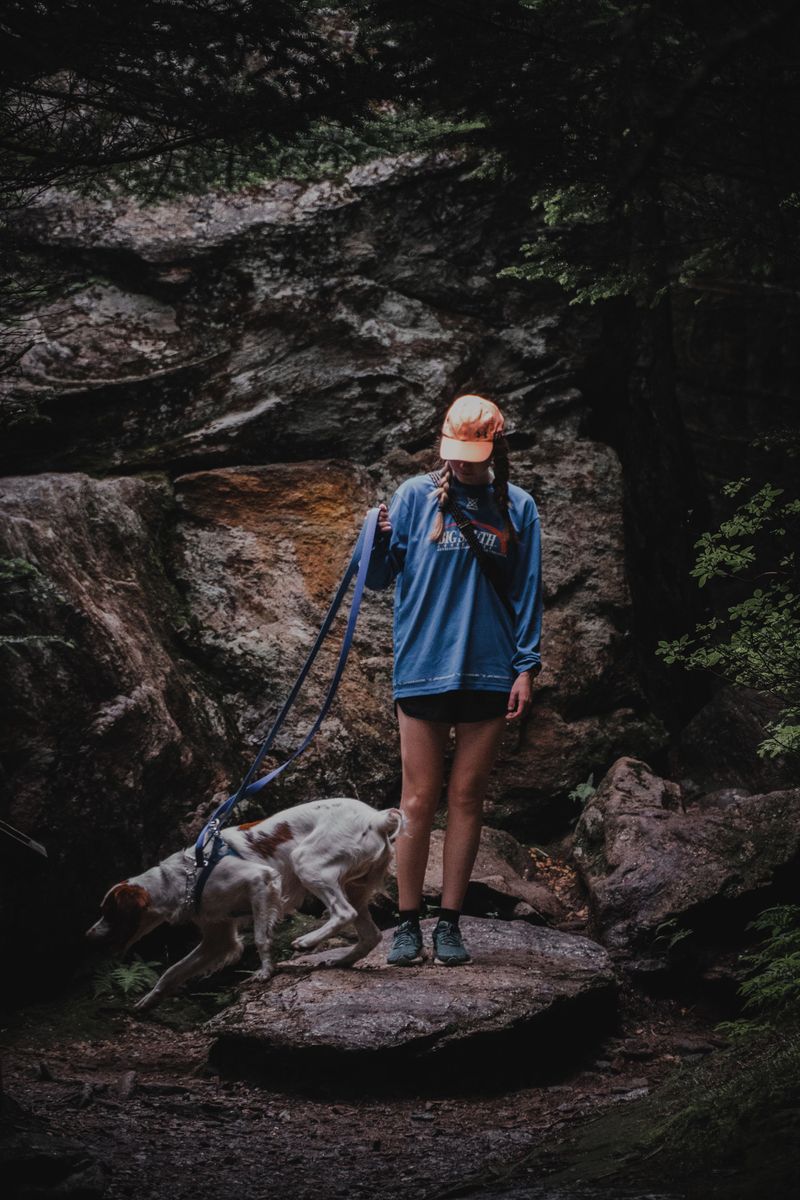
Keeping your dog on a leash in areas where wildlife is active gives you immediate control when it matters most. Off-leash dogs can disappear into brush in seconds, chasing an animal into terrain where you cannot safely follow or help them.
Many Colorado parks and open spaces require leashes by regulation, so checking local rules before you go is always a good habit. A leash is not just a legal requirement in many areas.
It is a genuine safety tool for your dog.