What Pennsylvania Law Says About Leaving A Dog In A Hot Car
If you own a dog in Pennsylvania, knowing the state’s animal protection laws can help you make smarter choices every day.
Many people wonder what actually happens, legally speaking, if a dog is left in a hot car on a warm afternoon. Pennsylvania has real laws covering this situation, and understanding them puts you in a much better position as a responsible pet owner.
Think of this as a friendly, straightforward guide to what the law actually says, so you can keep your dog safe and stay on the right side of the rules.
1. No Standalone Hot Car Offense in Pennsylvania
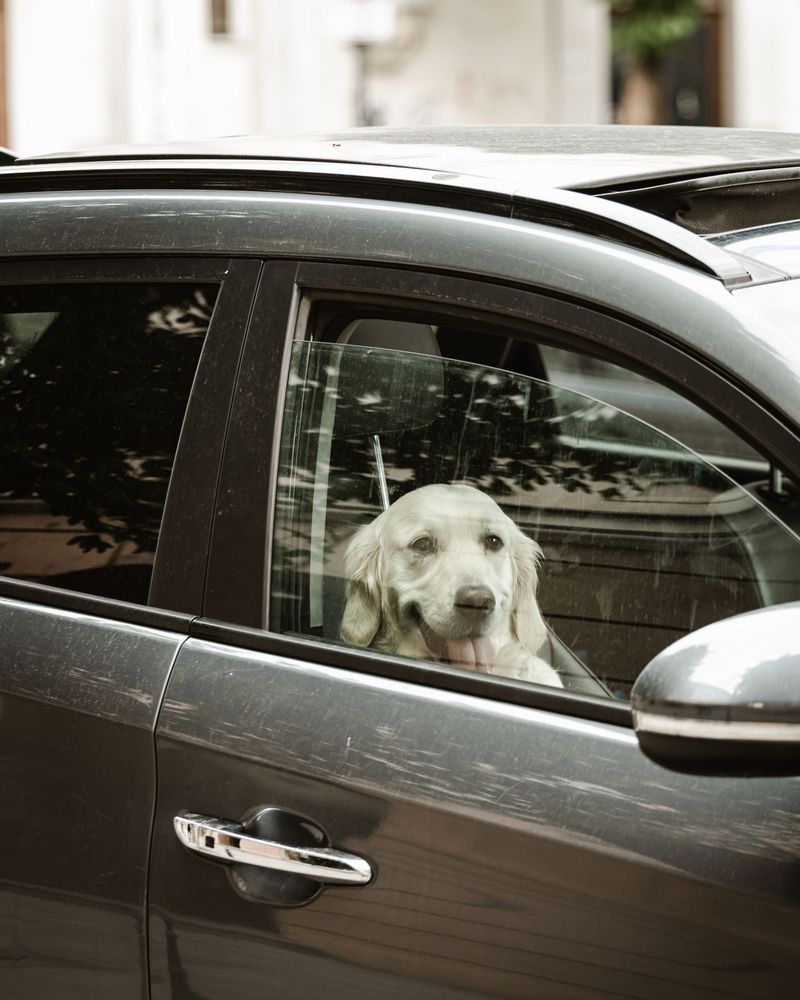
Pennsylvania law does not have a specific offense called “leaving a dog in a hot car.” Instead, this type of conduct falls under the state’s broader animal neglect and cruelty statutes found in Title 18 of the Pennsylvania Consolidated Statutes.
That does not mean the behavior goes unaddressed. Depending on the circumstances, leaving a dog in a dangerously hot vehicle can still lead to serious legal consequences.
Knowing how the law actually works helps you understand what authorities can and cannot do.
2. Owners Must Provide Basic Necessities
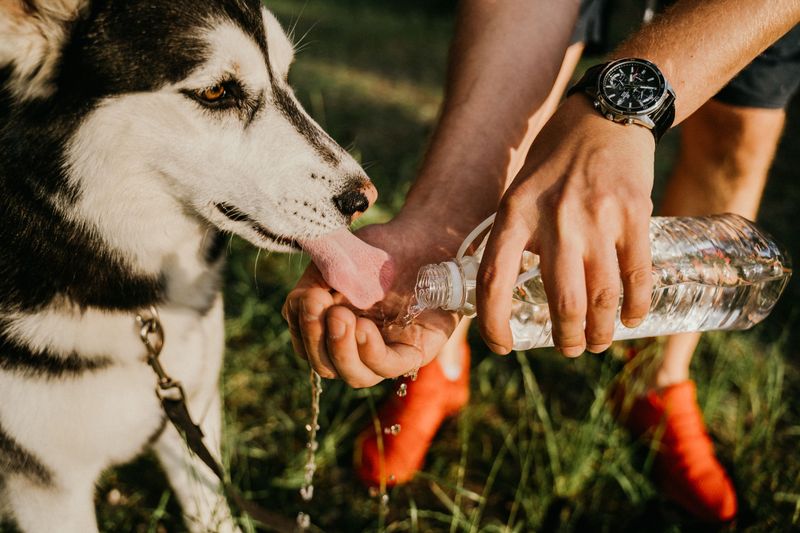
Pennsylvania law places a clear duty on dog owners and caretakers to provide animals with basic necessities. That list includes necessary sustenance, potable water, and access to clean shelter that protects them from the weather.
A parked car on a hot day fails on nearly every point in that list. No fresh air, no shade, and no water quickly adds up to a legal problem.
Keeping your dog comfortable is not just kind, it is also a legal responsibility in this state.
3. Hot Cars Can Qualify as Animal Neglect
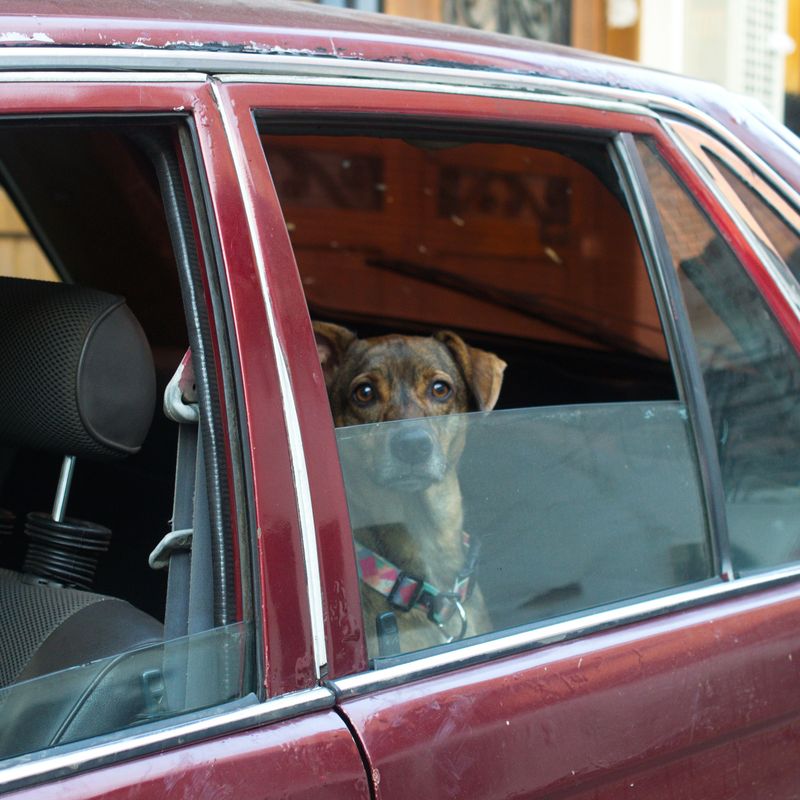
Leaving a dog in a dangerously hot vehicle can potentially be treated as animal neglect under Pennsylvania law, specifically under Section 5532 of Title 18. The core issue is the failure to provide protection from extreme weather conditions.
Neglect does not require a dramatic scene. A car that reaches dangerous temperatures within minutes can meet the legal threshold.
Authorities look at the animal’s condition and the overall circumstances when deciding how to proceed.
4. Neglect Starts as a Summary Offense
At its most basic level, a violation of Pennsylvania’s animal neglect statute is classified as a summary offense. Summary offenses sit at the lower end of the criminal scale, similar to a minor traffic citation.
Even so, a summary offense still results in a fine and a criminal record entry. For many dog owners, that alone is a strong motivator to take precautions seriously.
A quick errand is never worth the legal and personal consequences of leaving your dog behind in the heat.
5. Neglect Becomes a Misdemeanor When Injury Is Involved
The stakes climb quickly when a dog is actually harmed. If animal neglect causes bodily injury to the animal, or creates an imminent risk of serious bodily injury, the offense is elevated to a third-degree misdemeanor under Pennsylvania law.
A third-degree misdemeanor carries more serious penalties, including possible jail time and higher fines. The shift from a summary offense to a misdemeanor can happen based on how a dog responds to being left in a hot car, even briefly.
6. Pennsylvania Law Prohibits Reckless Ill-Treatment of Animals
Section 5533 of Title 18 prohibits anyone from intentionally, knowingly, or recklessly ill-treating, overloading, beating, abandoning, or abusing an animal. Reckless behavior is a key word here, because it lowers the bar for prosecution.
You do not have to intend harm for this law to apply. If a reasonable person would have known that leaving a dog in a hot car posed serious risk, the reckless standard could be met.
That is a wider legal net than many people expect.
7. Hot Car Situations Can Meet the Cruelty Standard
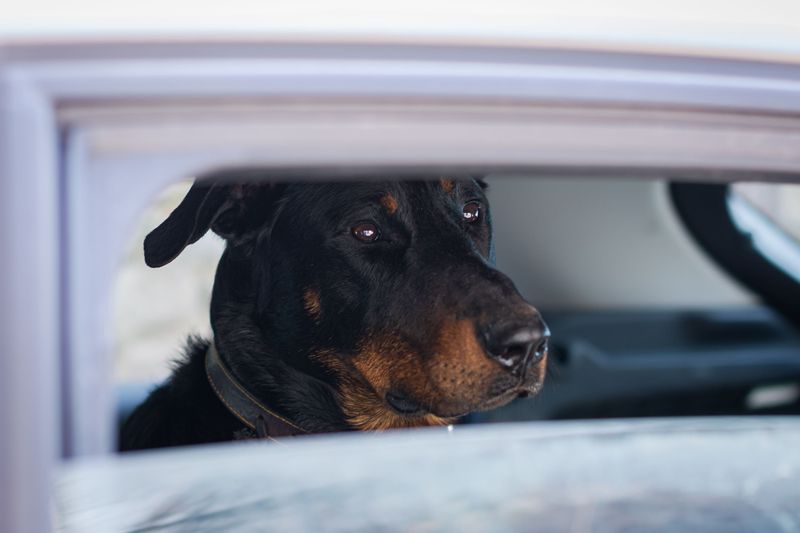
Depending on the circumstances, leaving a dog in a hot car can potentially meet the legal standard for animal cruelty, not just neglect. Factors like the temperature outside, the time the dog was left, and the animal’s visible condition all matter.
Cruelty charges are more serious than neglect charges, so the distinction carries real weight. Authorities and prosecutors look at the full picture.
A dog left for a few minutes in mild weather is very different from one left for an hour in direct sun.
8. Cruelty Causing Injury Is a Second-Degree Misdemeanor
When an act of cruelty under Section 5533 causes bodily injury to the animal, or places it at imminent risk of serious bodily injury, the offense becomes a second-degree misdemeanor. That is a step above the third-degree misdemeanor tied to elevated neglect.
Second-degree misdemeanors carry steeper penalties, including longer potential sentences. The law is structured this way on purpose, to reflect the seriousness of knowingly or recklessly putting an animal in danger.
Pennsylvania’s graded approach sends a clear message about accountability.
9. Aggravated Cruelty Covers the Most Serious Cases
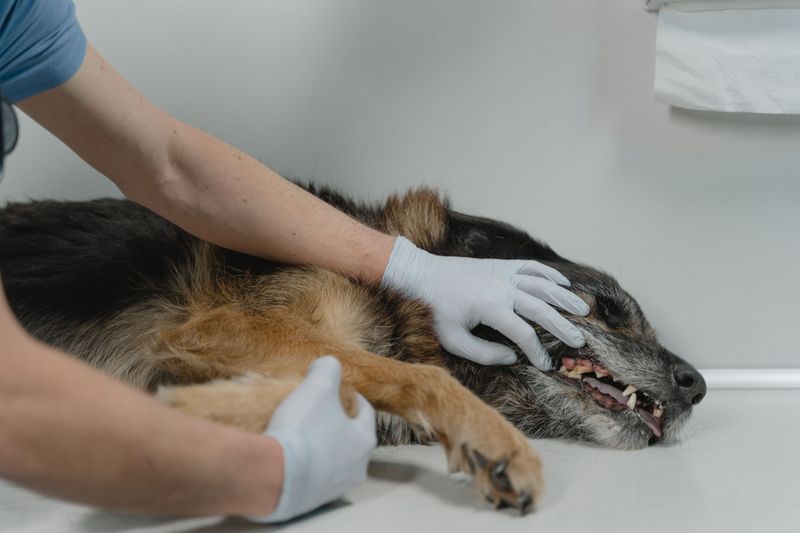
Aggravated cruelty under Section 5534 applies to particularly severe mistreatment or neglect that results in serious bodily injury or loss of the animal. This is the most severe tier of Pennsylvania’s animal protection laws.
A case involving the most serious possible outcome after a dog is left in a hot car could potentially fall under this statute. The outcome, not just the intent, matters here.
When the facts are serious enough, so are the charges that follow.
10. Aggravated Cruelty Is a Third-Degree Felony

Aggravated cruelty is not a misdemeanor. Pennsylvania classifies it as a third-degree felony, which is among the most serious categories of criminal offense in the state.
Felony convictions carry significant prison time and long-lasting consequences.
A third-degree felony can mean up to seven years in prison under Pennsylvania sentencing guidelines. For a situation that started as a quick stop at a store, the potential legal fallout is sobering.
Understanding the full range of outcomes keeps the risks in clear focus.
11. Certain Officials Can Enter Vehicles to Rescue Dogs
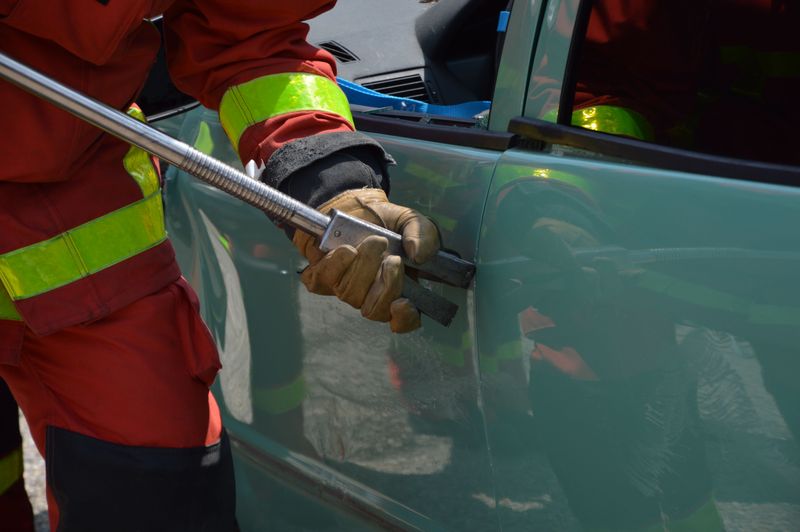
Pennsylvania’s Act 104 of 2018, codified at Section 8340.3 of Title 42, gives specific officials the authority to enter a locked vehicle to rescue a dog or cat believed to be in imminent danger. This law created a formal rescue process where none existed before.
The officials covered include law enforcement, animal control officers, humane society police officers, and emergency responders. Private citizens are not included in this group.
Knowing who has legal authority to act helps everyone respond more effectively in an emergency.
12. Civil Immunity Protects Officials Who Respond
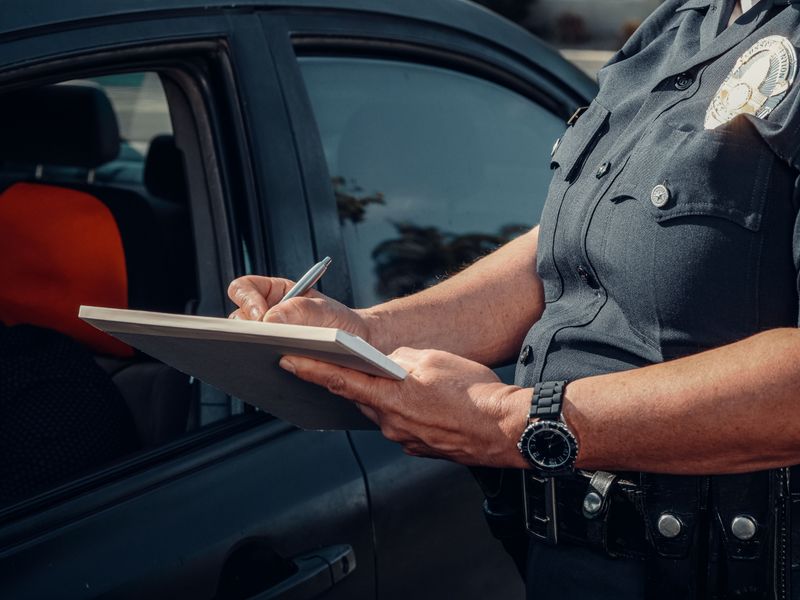
Officials who enter a vehicle to rescue a dog or cat under the proper conditions receive civil immunity for any damage caused to the vehicle or its contents. Their employers are also protected under this provision.
Civil immunity means the official generally cannot be sued for the cost of a broken window or damaged door handle. This protection encourages timely action without fear of personal financial liability.
It is a practical safeguard that makes rescues faster and more decisive when seconds matter.
13. Good-Faith Belief in Imminent Danger Is Required
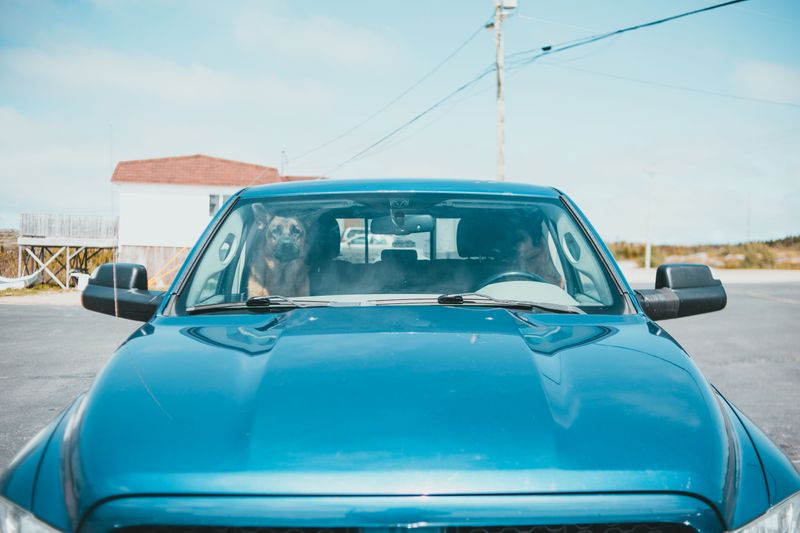
For civil immunity to apply, the responding official must have a good-faith and reasonable belief that the animal is in imminent danger of suffering harm if not immediately removed from the vehicle. This is not a casual judgment call.
The standard is both subjective and objective. The official must genuinely believe there is danger, and that belief must also be one a reasonable person would share.
Both conditions matter, and both are evaluated if the response is ever questioned later.
14. Officials Must Try to Locate the Driver First
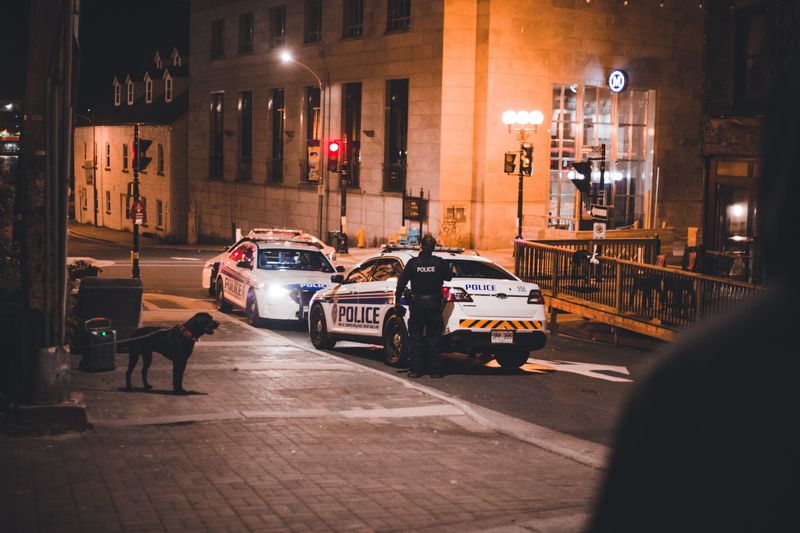
Before breaking into a vehicle, officials are required to make a reasonable effort to locate the vehicle’s driver. A quick check of nearby stores or a public announcement is typically part of this step.
This requirement exists to avoid unnecessary property damage and to give the owner a chance to return the animal to safety themselves. Reasonable effort does not mean an exhaustive search.
If the situation is urgent and the driver cannot be found quickly, officials can proceed with entry.
15. Reasonable Force Is the Legal Standard for Entry
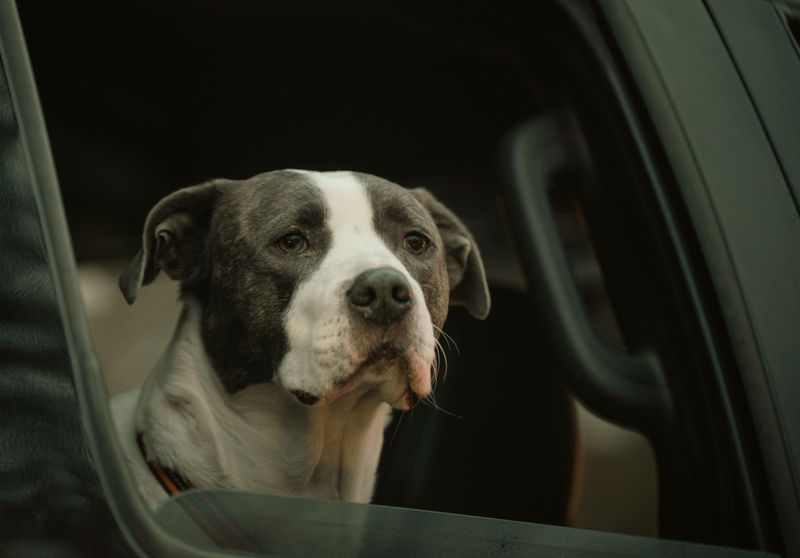
Officials are permitted to use only as much force as is reasonably necessary to enter the vehicle. That means the approach should match the situation, and excessive force is not protected under the law.
In practice, this usually means breaking the window closest to the animal in the most controlled way possible. The goal is quick access with minimal additional damage.
Officials are trained to make these calls, which is another reason why contacting them first is always the right move.
16. Animal Well-Being Must Be Addressed After Removal
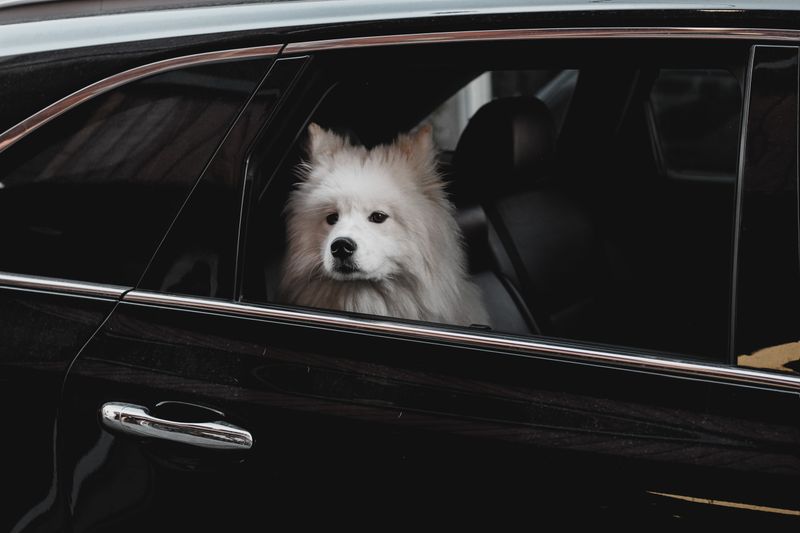
After removing the animal from the vehicle, officials are legally required to take reasonable steps to ensure or restore its well-being. This could include cooling the animal down, providing water, or transporting it to a veterinarian.
The law does not end at the moment of rescue. Follow-through care is part of the official’s responsibility.
For the dog, those first minutes after removal can be critical. Having trained responders handle this stage is one more reason to call authorities rather than act alone.
17. A Notice Must Be Left on the Vehicle
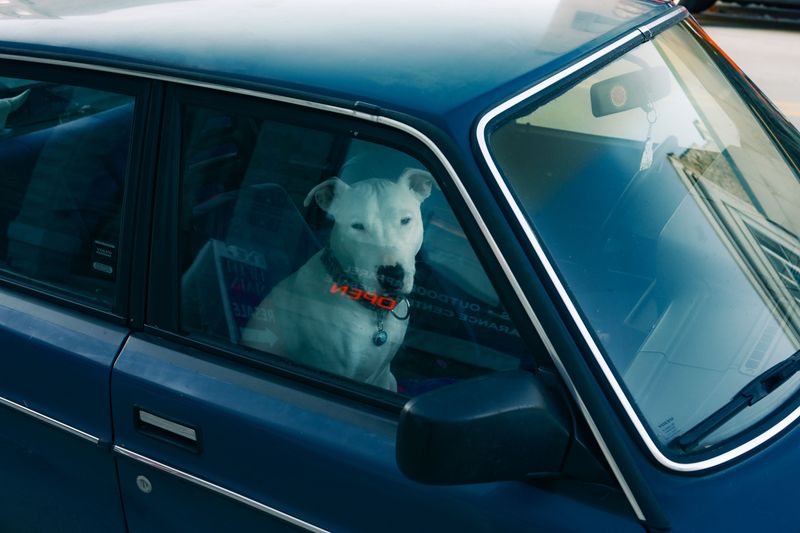
After entering a vehicle to remove an animal, officials must leave a written notice on or in the vehicle. That notice must explain why the entry was made, and include the official’s name, employer, and a phone number to call.
When possible, the notice should also state where the dog or cat can be retrieved. This requirement protects vehicle owners from confusion and ensures transparency.
The paper trail also supports any follow-up legal process if charges are filed against the vehicle’s owner.
18. Immunity Does Not Cover Gross Negligence or Misconduct
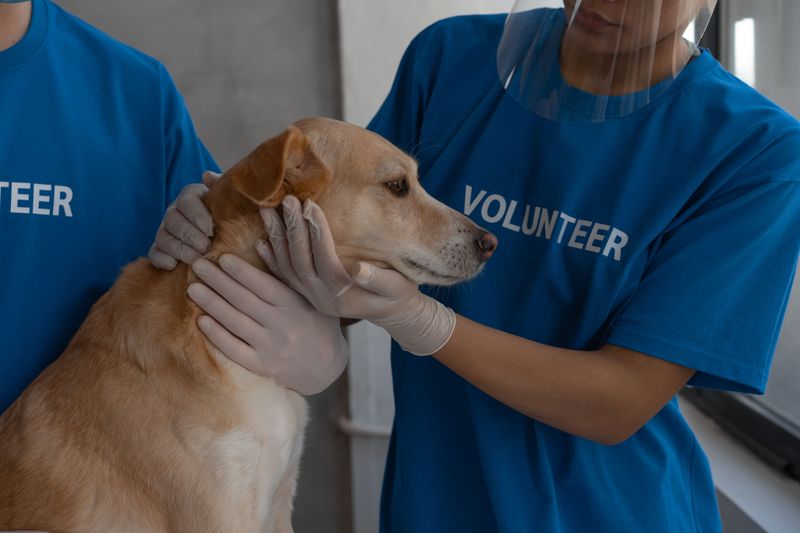
Civil immunity for officials is not unlimited. The protection does not apply if the official’s actions amount to gross negligence, recklessness, or willful and wanton misconduct.
The law expects trained, professional conduct throughout the rescue.
An official who causes unnecessary destruction or handles the animal carelessly could still face civil liability. This boundary keeps the rescue process fair for everyone involved.
The law protects officials who act responsibly, not those who act carelessly under the cover of good intentions.
19. No Specific Temperature Triggers Automatic Illegality
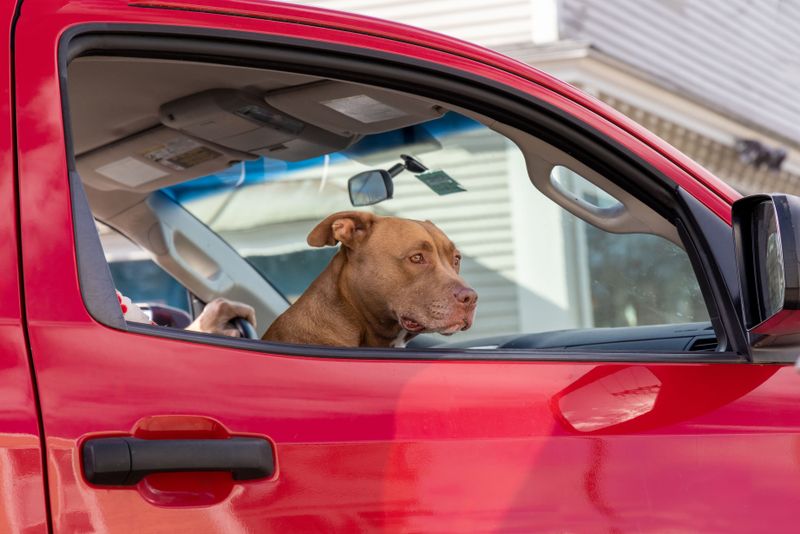
Pennsylvania law does not set a precise temperature number that automatically makes leaving a dog in a car illegal. There is no statute that says, for example, that 85 degrees automatically equals a criminal offense.
The focus stays on the animal’s condition and the risk of harm, not a fixed number on a thermometer. Some public safety reminders mention keeping dogs off tethers outdoors above 90 degrees for extended periods, but that guidance does not directly translate to vehicle situations.
When in doubt, leave your dog at home.
20. Calling Authorities Is the Safest Public Response
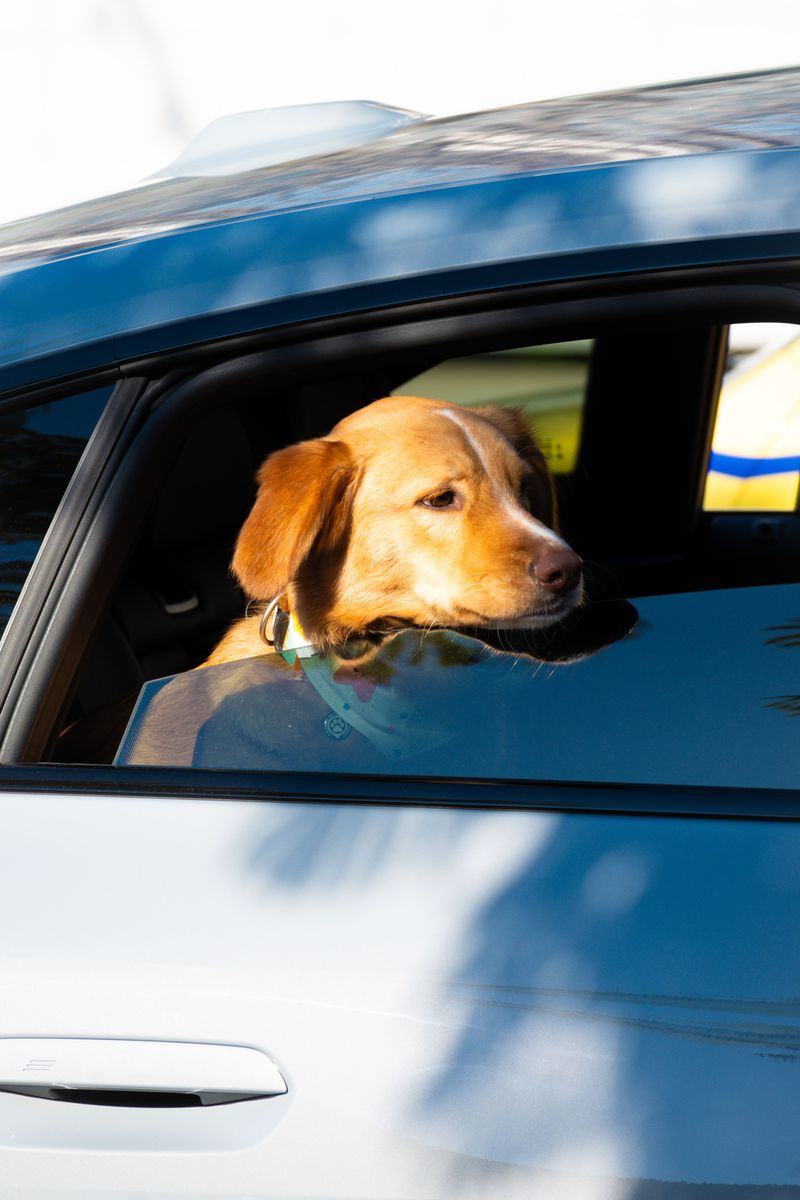
Spotting a dog in a hot car is distressing, and the urge to act immediately is understandable. Still, the safest and most legally sound response for a private citizen is to call law enforcement or animal control right away.
Private citizens do not have the same civil immunity that trained officials carry. Breaking a car window yourself could expose you to property damage claims, even if your intentions were good.
Calling authorities gets trained help to the scene fast, and keeps you protected at the same time.