What Florida Law Says About a Dog That Wanders Onto Your Property
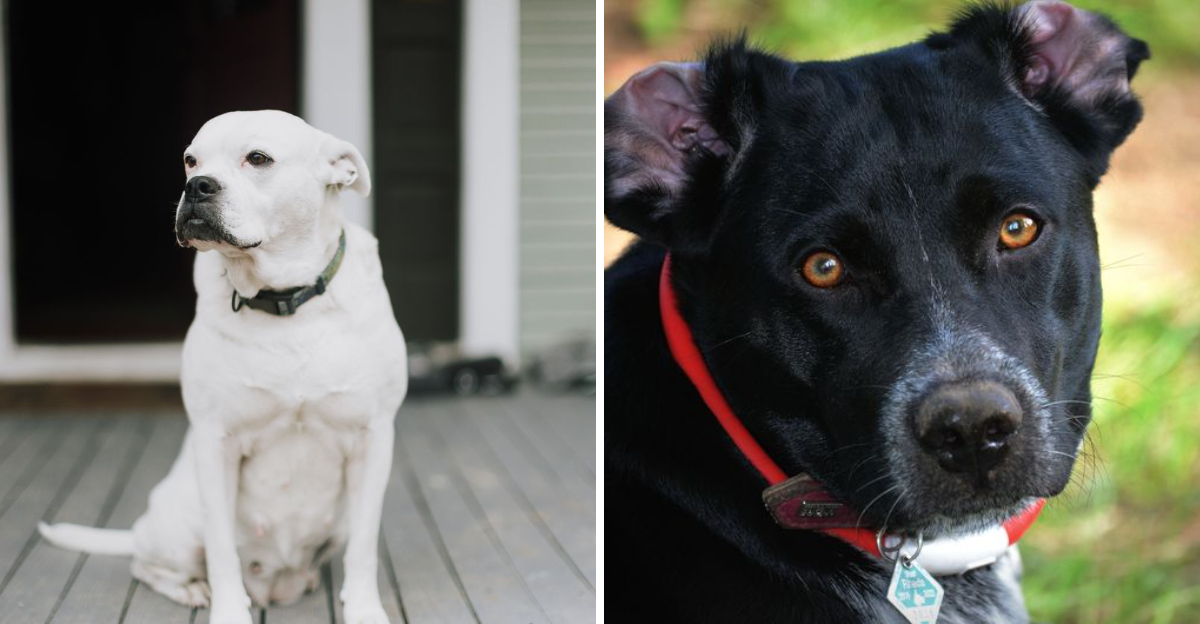
Almost every Florida neighborhood has one: the dog that shows up in your yard, tail wagging or ears pinned, with no owner in sight. Maybe a gate blew open.
Maybe a fence had a weak spot. Whatever the reason, that moment can leave you unsure of what you are actually allowed to do.
Florida law does address loose dogs, but the rules are spread across state statutes and local ordinances, and much depends on the situation in front of you. A frightened dog searching for home is treated very differently from one behaving dangerously.
As a dog owner yourself, you probably feel both sides of this. You want your own pet protected, and you would want a neighbor to be kind if your dog ever slipped out.
The good news is that a calm, informed response almost always works better than a rushed one. Below is a clear walk through what Florida law generally says, when local rules take over, and how to handle these visits safely.
Nothing here replaces advice from your county animal services or an attorney, but it should help you feel steady and prepared the next time an unexpected visitor trots up your driveway.
Florida Law Gives You Options, Not One Fixed Answer

The first thing to understand is that there is no single script for every loose dog in Florida. Your legal options shift based on the dog’s behavior, whether anyone is in danger, and whether the animal is lost or a repeat visitor.
A curious dog sniffing your mailbox calls for a different response than one acting threatening.
Reading the situation honestly is the foundation for everything else that follows.
Being in Your Yard Alone Does Not Make a Dog Dangerous

Trespassing paws do not equal a dangerous animal. Under Florida law, a dangerous-dog classification turns on what a dog has actually done, not on where it happens to be standing.
Wandering by itself is a control problem, not proof of aggression.
Plenty of escape artists are simply bored, hungry, or following an interesting smell. Keeping that in mind helps you respond with sense instead of alarm, which protects everyone involved.
Skip the Confrontation With an Unfamiliar Dog
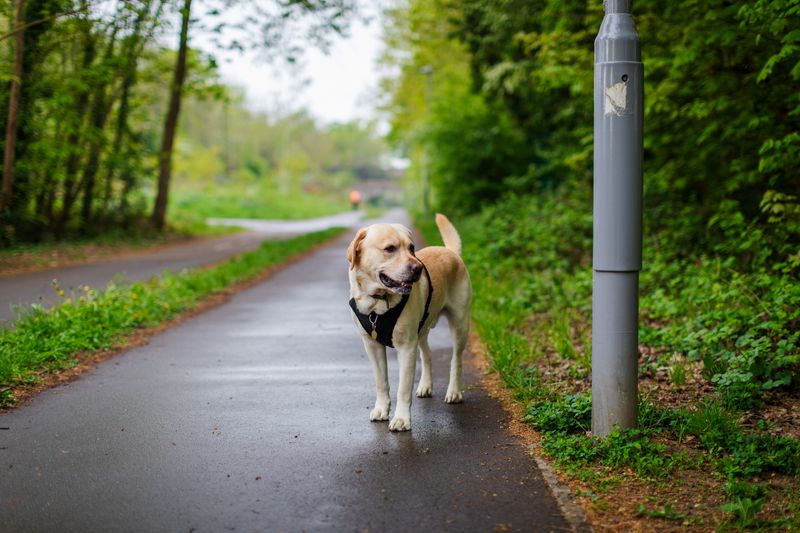
Walking straight up to a dog you do not know rarely improves anything. Even sweet-tempered pets can react poorly when startled in unfamiliar territory.
Stand still, keep your hands low, and avoid direct staring or fast movements.
Space is the cheapest safety tool you have. Step inside, watch through a window, and decide your next move from there.
Most dogs relax once they no longer feel crowded.
Running at Large Is Addressed in State Law

Florida law does address dogs running at large, but much of the day-to-day regulation happens at the local level. State law allows municipalities to prohibit, license, or regulate dogs running at large within their jurisdictions.
That means your county or city may define when an unattended dog counts as loose and what enforcement steps apply.
Because of that layered setup, two neighboring communities can handle the same wandering dog differently. Checking your local code is always worth the few minutes.
City and County Rules Fill in the Gaps

There is no one statewide rulebook covering every wandering-dog scenario. Municipalities and counties add their own requirements on confinement, leash use, tethering, licensing, and stray animal handling.
Some areas enforce strict leash rules everywhere. Others focus mainly on repeat complaints.
A quick search for your county animal services page usually pulls up the exact ordinance language. Knowing it protects you both as a neighbor and as a dog owner.
Animal Control Can Step In When a Dog Keeps Returning

Animal control can step in when a loose dog becomes an ongoing problem or when there are concerns about the animal’s safety or behavior. Officers can determine whether an animal is stray, trace ownership through tags or a microchip, and address violations of local rules.
Calling them is not an unkind act. Often it is how a lost pet gets home safely.
Keep the non-emergency number saved in your phone. Having it ready removes hesitation in the moment.
Your Property Line Is Not a Blank Check
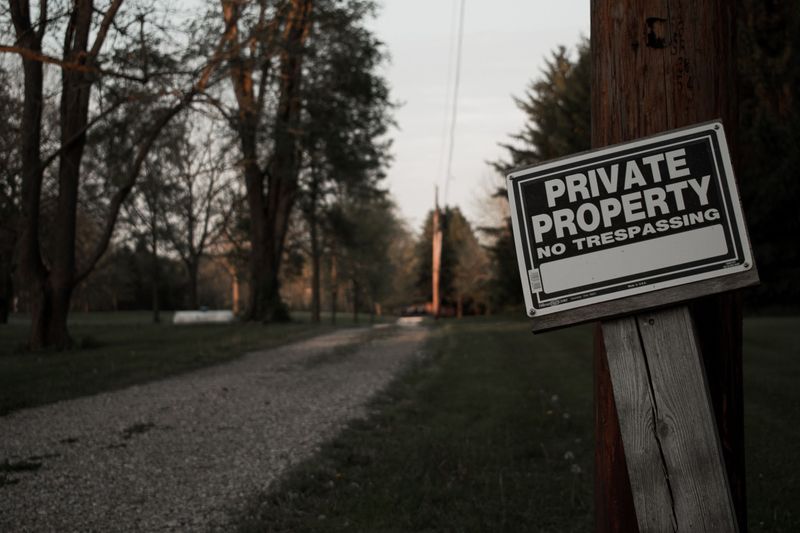
Owning the land does not automatically give you unlimited authority over an animal standing on it. Florida law addresses both animal cruelty and specific circumstances involving serious harm to dogs, so the facts matter.
Animal cruelty statutes still apply on private property, and Florida law provides specific defenses in certain situations involving a dog that is seriously harming a domestic animal or livestock.
Think of the dog as someone’s missing family member, because that is usually the truth. When there is no immediate threat, contacting the appropriate authority is the safer path.
Handling a Friendly Visitor Calmly
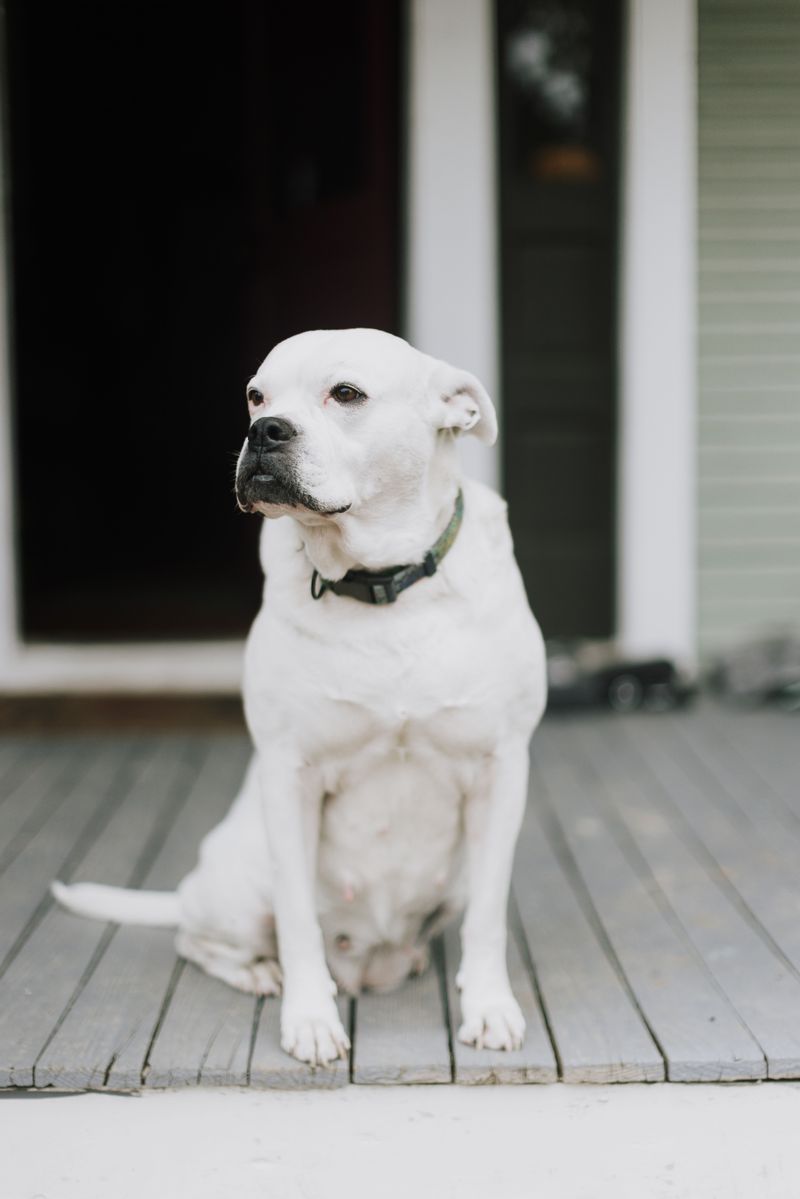
Tail wagging, a loose body, and soft eyes can suggest a relaxed dog, but they do not guarantee that the animal is safe to approach. Bring children and your own pets indoors first so you can assess things without extra noise or excitement.
From a comfortable distance, look for a collar or tag.
You can offer water in a bowl set on the ground without grabbing at the dog. Then call animal services or post in a local lost-pet group.
Signs of Fear or Aggression Call for Distance

Stiff body, hard stare, raised hackles, or low growling all signal a dog that needs room. Never corner the animal, reach for its collar, or move suddenly toward it.
Get behind a door, fence, or vehicle and phone the appropriate local authority.
Fear and aggression can look similar from the outside. Either way, the answer is the same: distance first, then a call to trained officers.
Emergency Situations Are Treated Differently
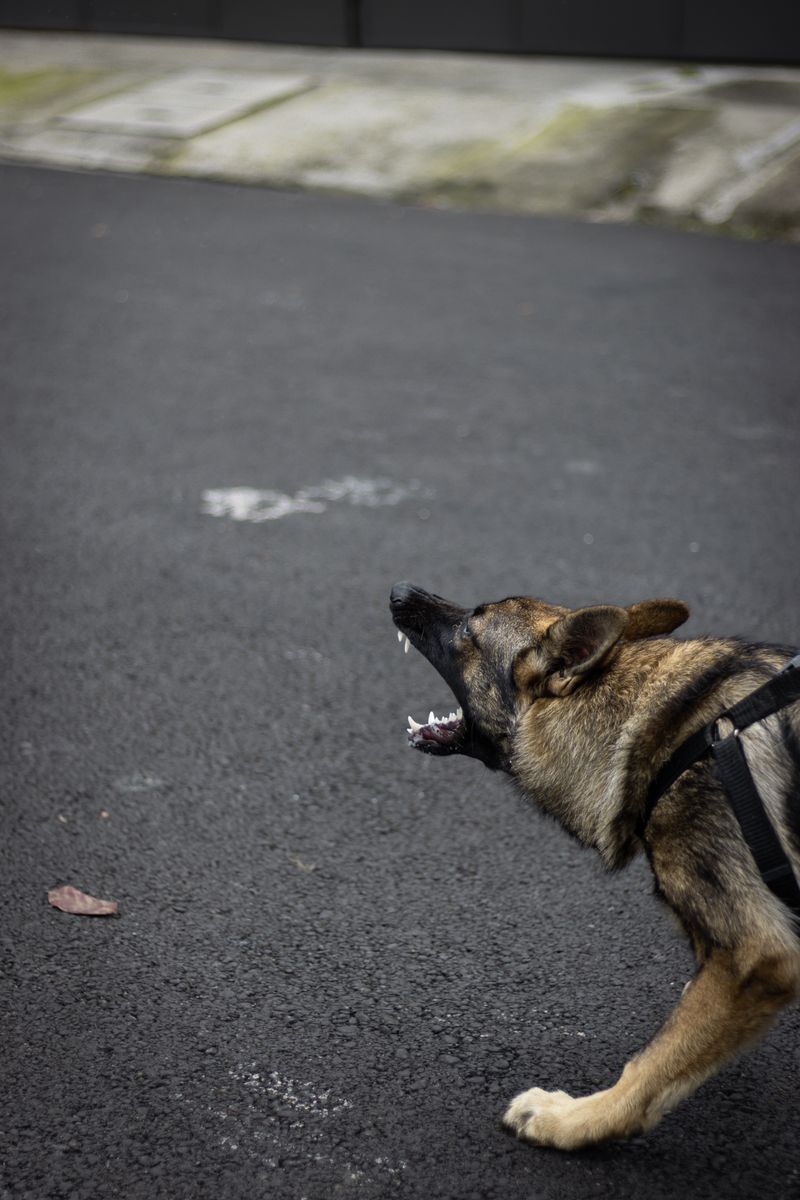
Florida law does recognize specific circumstances in which a person may have a legal defense after injuring or killing a dog, but those protections depend on the facts. For example, state law provides a defense in certain cases when a dog is seriously harming a domestic animal or livestock.
That does not create a blanket right to use force against a dog simply because it enters your property.
Because the legal outcome can depend heavily on what happened and why, an attorney is the right resource for a real dispute. Prevention and distance remain far better outcomes than any confrontation.
Your Own Pets Add Another Layer

Things get more complicated when the visiting dog meets your cat or your own dog. Two animals in one yard can escalate quickly, and the legal picture changes if a real threat develops.
Bring your pets inside before anything starts if you can do it safely.
A loud noise, a sprayed hose, or a solid barrier often interrupts tension better than physical involvement. Never place your hands between two animals.
Using a Firearm Is Not an Automatic Right

A common myth holds that a dog on your land can simply be shot. Florida law does not work that way, and presence alone creates no blanket right to use force.
Cruelty statutes, local firearm ordinances, and reckless discharge rules can all come into play.
When there is no immediate danger, force is both legally risky and unnecessary. Call animal control and let documentation build your case instead.
Deciding to Keep a Found Dog Can Backfire

Falling for a sweet stray happens fast, but finding a dog does not make it yours. Owners generally retain legal rights to reclaim their animals, and local procedures for found or stray dogs still apply.
Reporting the dog protects you from a dispute later.
Shelters and animal services hold intake records that help reunions happen. If no owner appears, adoption through proper channels is the cleaner route.
Look for Tags, Collars, and Microchips

Identification turns a mystery into a quick phone call. A rabies tag, county license, or engraved ID can send a dog home within the hour.
Microchips are invisible, so a vet clinic or animal services can scan for free in most areas.
If approaching feels unsafe, do not force it. Officers have tools and training for that part, and photos alone often help neighbors identify the dog.
Keep Records When Visits Become a Pattern

One visit is an accident. Weekly visits are a pattern, and patterns are what authorities can act on.
Jot down dates and times, snap photos or short videos from a safe spot, and save every message with animal control.
Good documentation also helps if the neighbor genuinely does not realize the dog is escaping. A friendly conversation backed by clear dates often solves the problem without formal complaints.
Dangerous Dog Determinations Follow a Process

Florida law lays out specific procedures for deciding whether a dog meets the legal definition of dangerous. Serious incidents involving people or other animals can trigger an investigation by animal control.
Owners receive notice and have a right to respond before restrictions apply.
Classified dogs may face confinement, signage, insurance, or registration requirements. The system is behavior-based, which is why one yard visit does not start it.
Owners Can Face Real Consequences for Loose Dogs
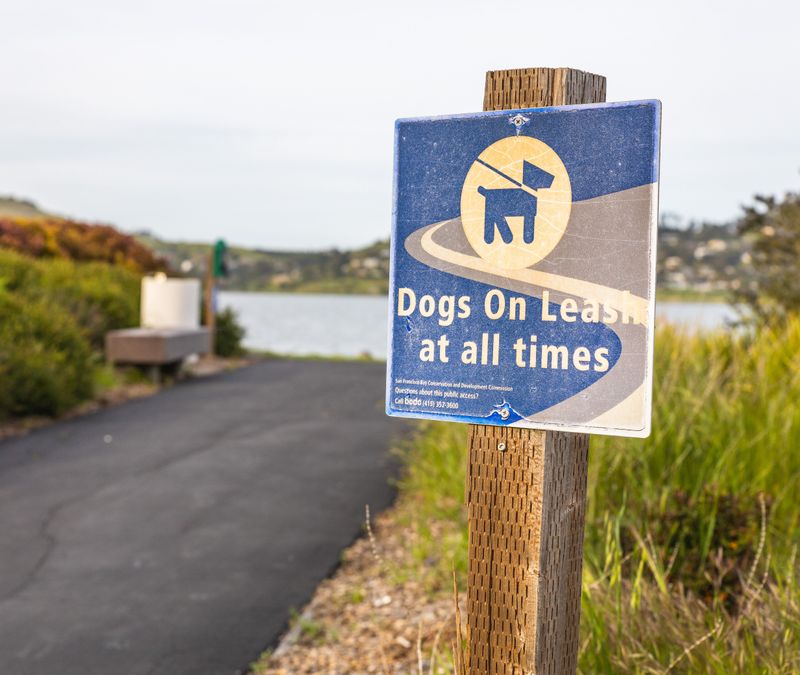
Letting a dog roam repeatedly puts the owner at risk, not the neighbor. Violations of local confinement or leash rules can bring warnings, citations, impound fees, or other remedies depending on the county.
Costs add up quickly once a dog is picked up more than once.
For your own pet, a walked fence line and a checked gate latch remain the cheapest insurance available.
Injuries Raise Separate Liability Questions

If a wandering dog injures someone, a different set of legal principles applies. Florida’s dog-bite statute makes an owner liable for damages when the dog bites a person in a public place or when the person is lawfully on private property, subject to the exceptions in the statute.
That liability does not require proof that the owner previously knew the dog was aggressive.
Seek medical care first, report the incident to animal services, and keep every record. Then consult a professional.
FCalm documentation protects you far better than guesswork ever will.