18 Dog Breeds Better Suited To Hawaii’s Warm, Humid Island Climate
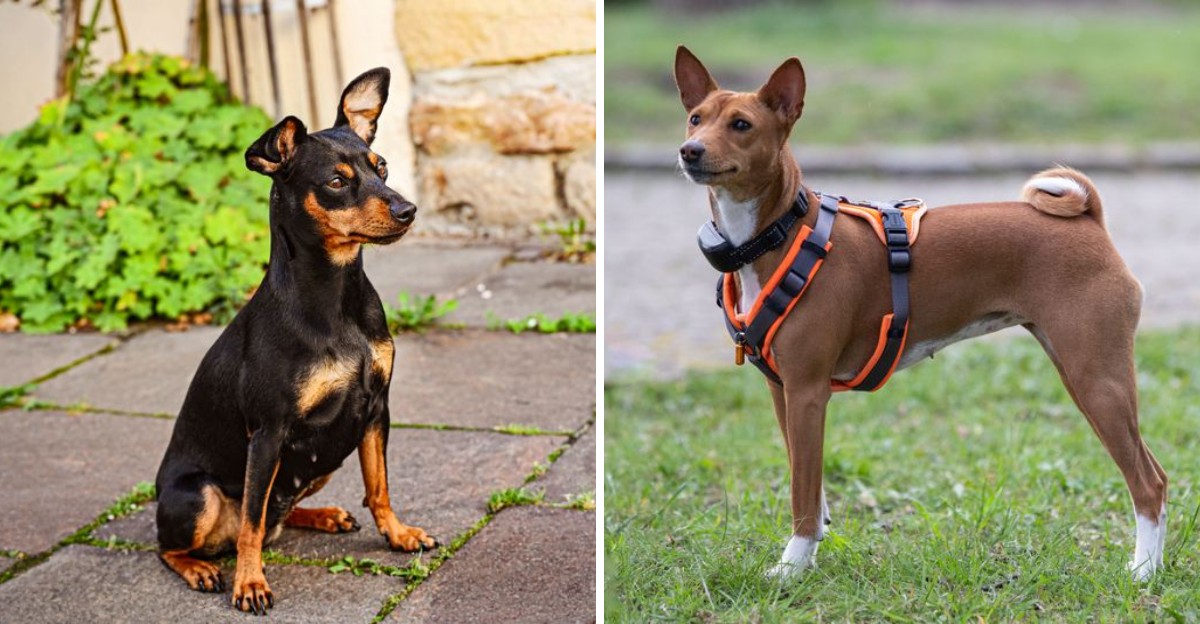
Trade winds do a lot of work in Hawaii, but they cannot cool a dog wearing a double coat all year. Dogs shed heat mainly by panting, and sticky island humidity slows that system down fast.
So coat thickness, muzzle length, ear shape, and body fat matter more than most people expect. The breeds below tend to handle tropical warmth with far more ease, and each one comes with its own quirks worth knowing before the sunscreen goes on.
1. Chihuahua
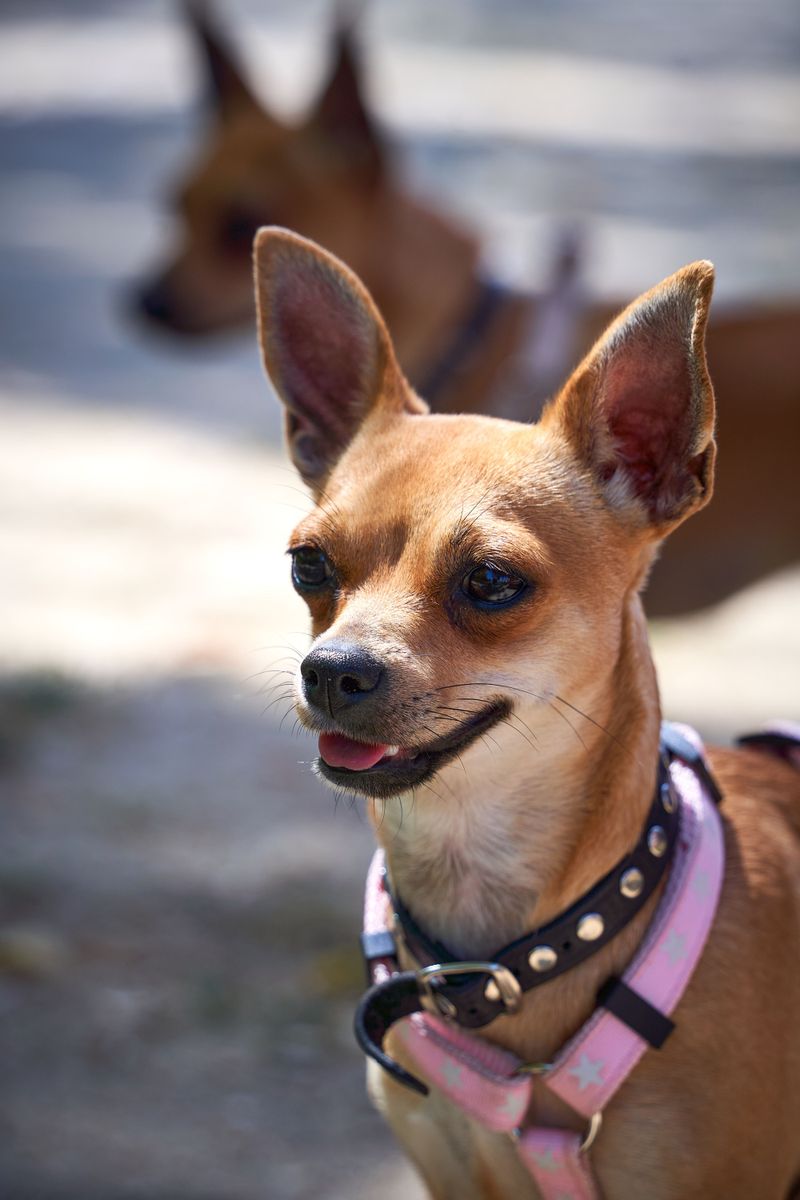
Desert roots run deep in this pint-sized charmer. Chihuahuas came from Mexico, and the smooth-coated variety carries almost no insulation at all.
Tiny bodies plus thin fur mean heat sheds quickly in the shade. Still, they overheat faster than owners expect when humidity climbs.
Keep outings short once the thermometer passes 85 degrees. A shady spot, cool water, and an air-conditioned nap zone keep this little islander perfectly content.
2. Basenji
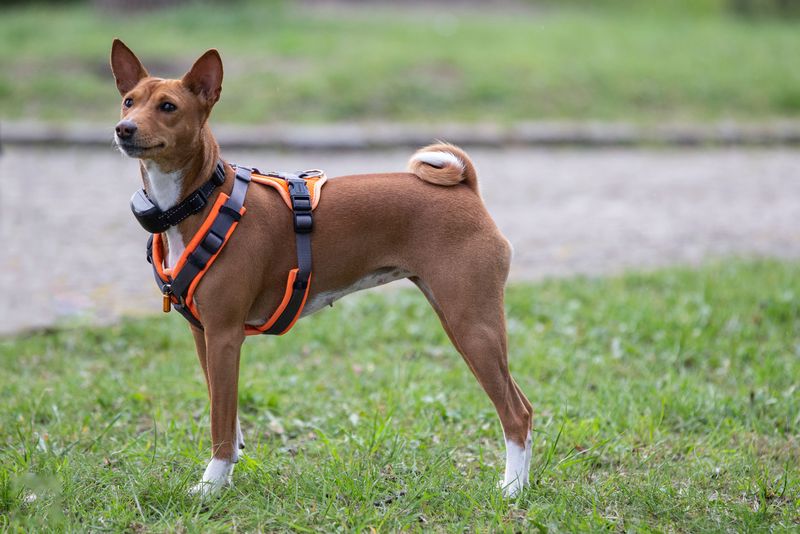
Central Africa shaped this barkless hunter, and the design shows. A sleek, fine coat holds almost no heat, while upright ears let air move freely.
Fastidious grooming habits mean less doggy odor during muggy stretches, a real bonus indoors.
Humidity can still slow them down, so shade and fresh water stay non-negotiable. Curious and clever, a Basenji will happily supervise the yard from the coolest patch available.
3. Rat Terrier
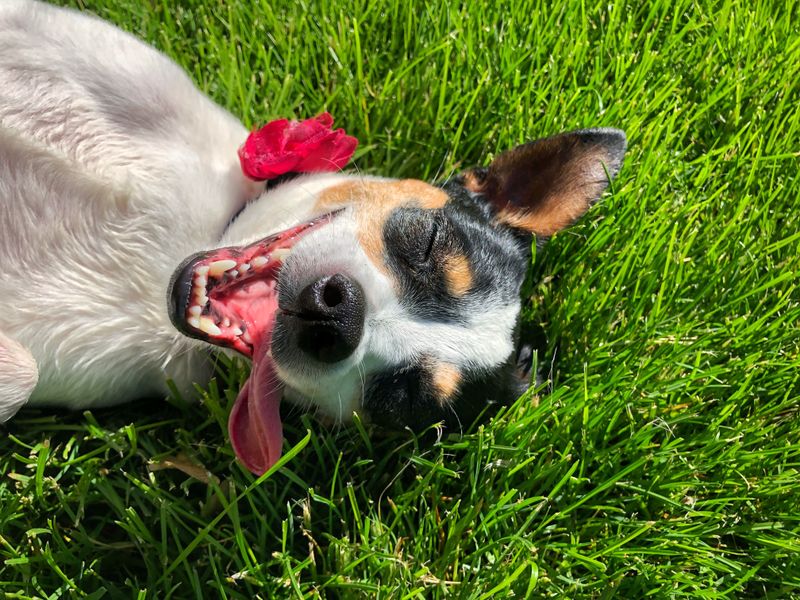
Farm work in blazing American summers built this scrappy little athlete. One thin layer of smooth coat means minimal insulation, and a long muzzle makes panting efficient.
Leggy and light, they lose heat well for such busy dogs.
The catch: they rarely quit on their own. Pale skin patches also burn, especially bellies and ear tips.
Schedule play for early mornings and pack pet-safe sunscreen.
4. American Hairless Terrier
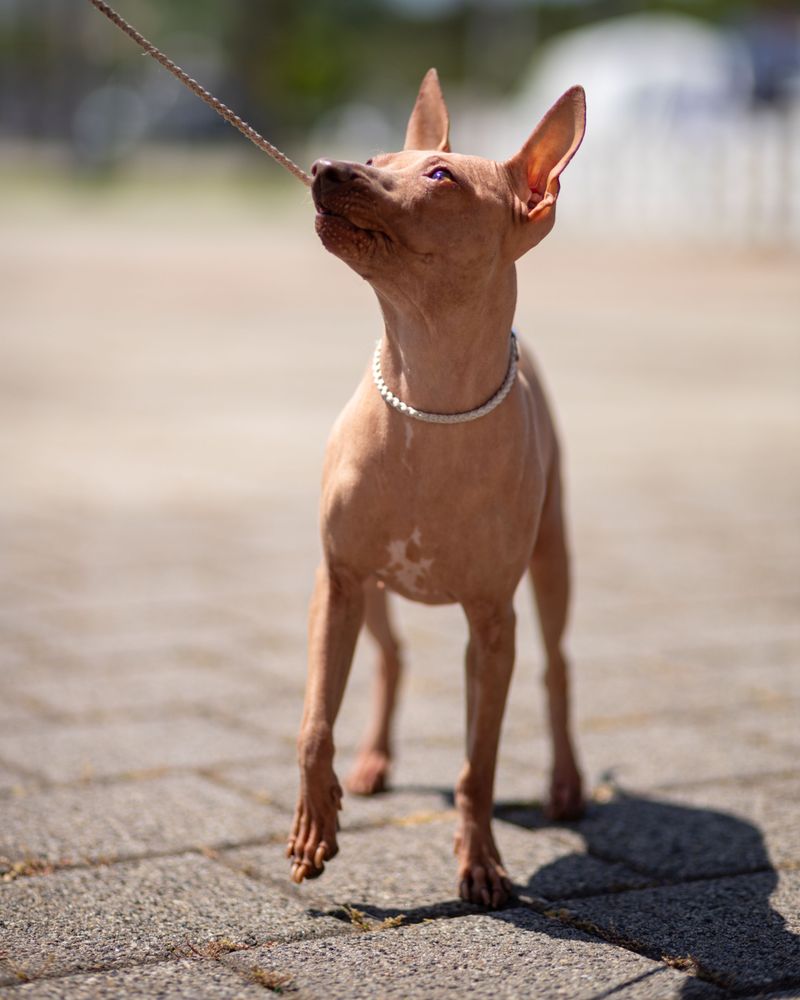
No coat at all sounds like a tropical cheat code, and mostly it is. Heat leaves this terrier’s bare skin quickly, so rising temperatures rarely bother them.
Sunburn, though, becomes the main concern. Exposed skin needs pet-safe sunscreen or a lightweight, breathable shirt on bright days.
Without fur, temperature swings hit harder in both directions. Thoughtful shade breaks turn this breed into a genuinely comfortable island companion.
5. Miniature Pinscher
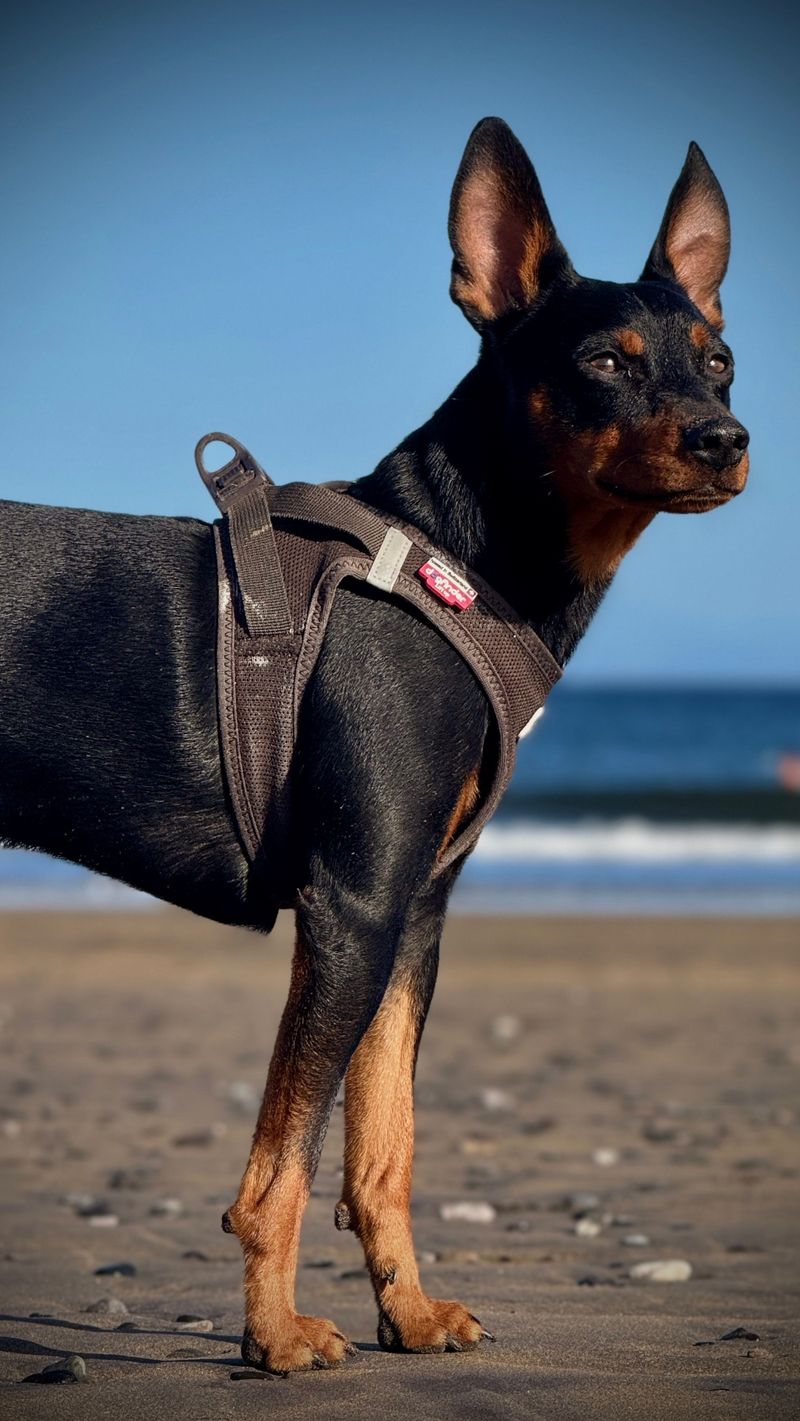
Strutting like royalty at ten pounds, the Min Pin brings serious swagger. A slick short coat, long snout, and open airways help panting work the way it should.
Breed lists routinely place them among the better warm-weather choices.
Energy comes in fast bursts, so play sessions stay naturally short. Give them a breezy tile floor, plenty of water, and this pocket dynamo handles island living just fine.
6. Italian Greyhound
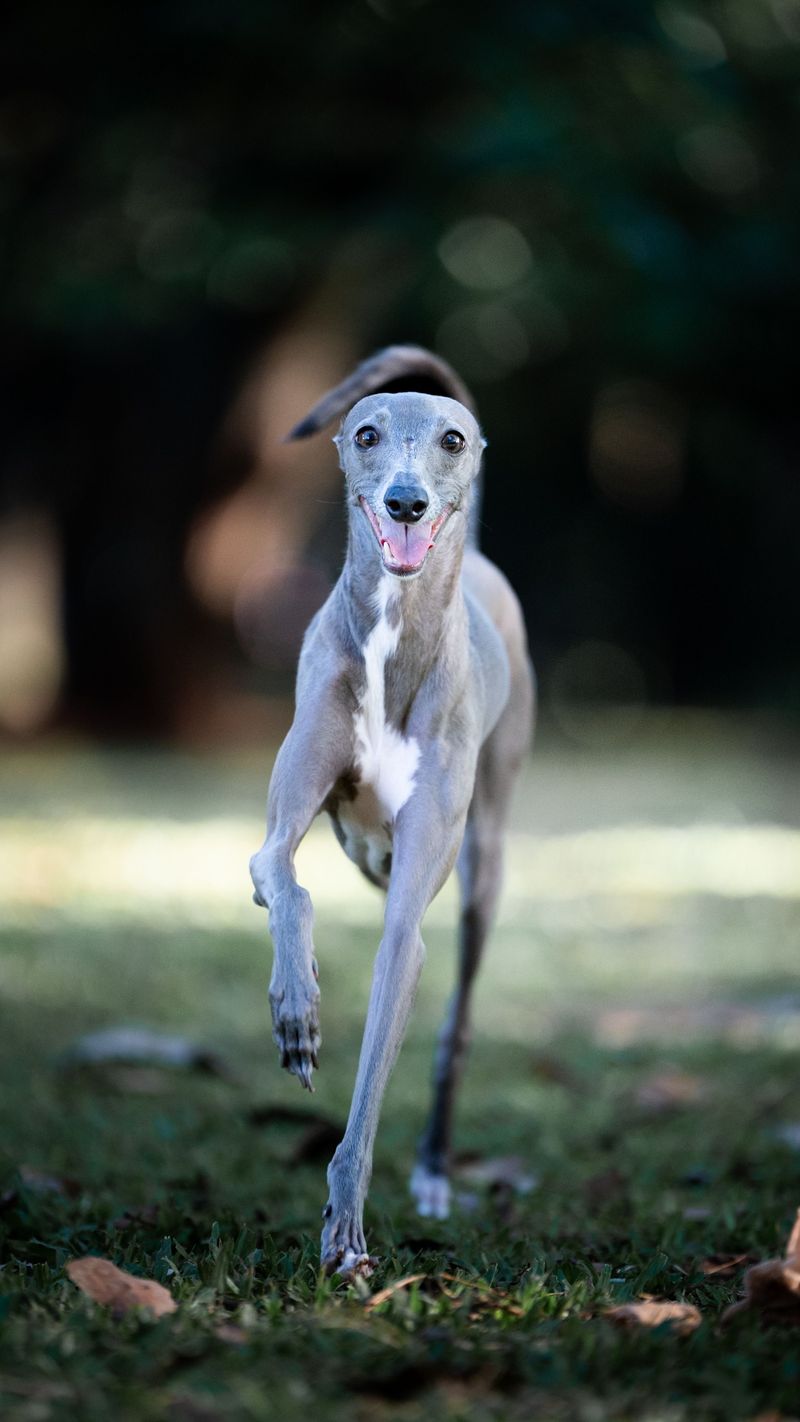
Ask any owner where to find one, and the answer is simple: the sunniest patch in the house. Velvety, close-fitting fur and barely any body mass make heat easy to shed.
Small ears fold back, letting air circulate around the head.
Genuine heat-seekers, these sighthounds still need shade and cool water once midday arrives. Skip strenuous runs during peak sun and they thrive happily.
7. Whippet
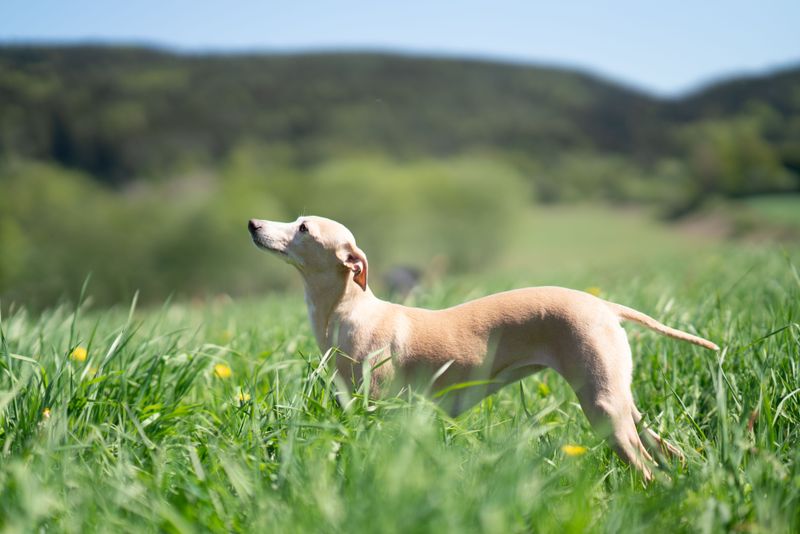
Built like a sprinter and lazy like a house cat, the Whippet nails the island balance. Short fur and a lean frame let body heat escape efficiently.
Most of their day involves napping, which suits humid afternoons perfectly.
Sighthounds do run a heatstroke risk when over-exercised, so save the zoomies for dawn or dusk. Cool tile and a shady mat handle the rest of the day.
8. Greyhound
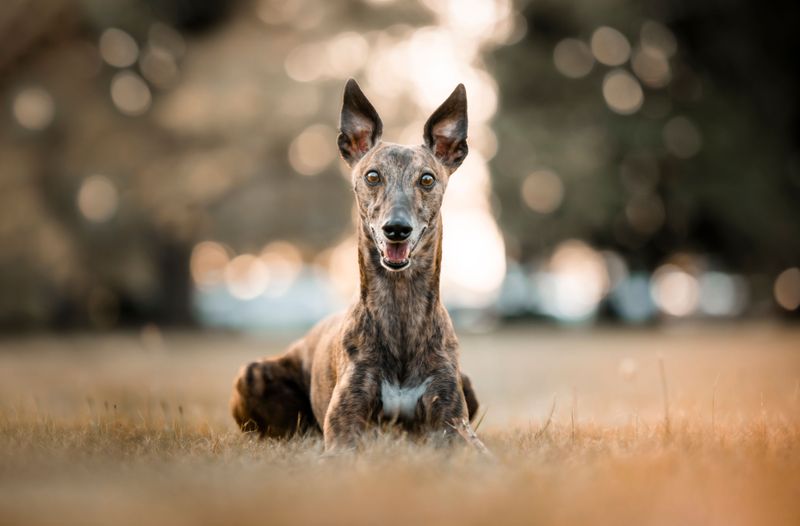
Forty-five miles per hour, then eighteen hours of sofa duty. That contrast makes Greyhounds surprisingly practical in warm places.
Minimal body fat and a paper-thin coat help them regulate temperature with ease.
Their comfort zone sits around 61 to 75 degrees, so activity needs management. Heat builds fast during sprints, especially in an unfit dog.
Early walks plus indoor cooling keep this gentle sprinter happy.
9. Rhodesian Ridgeback
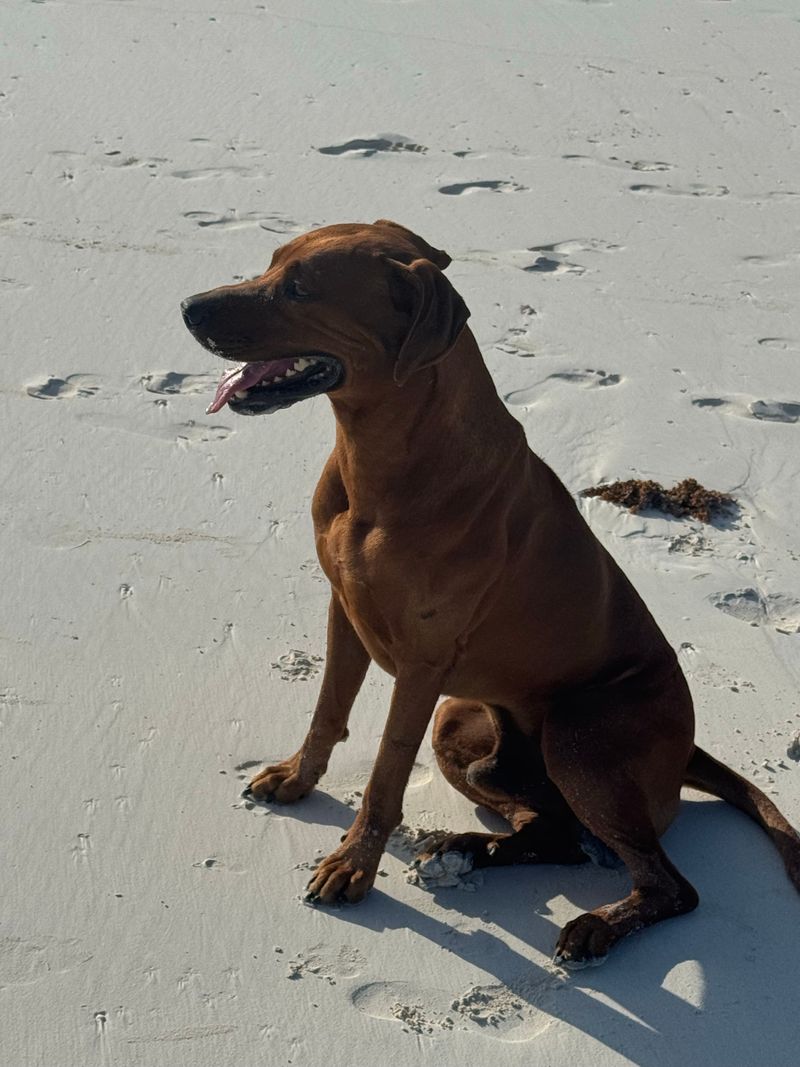
Southern Africa gave this breed its signature ridge and its sun savvy. A short, dense-but-thin coat handles heat better than most large working dogs manage.
Breed guides regularly rank Ridgebacks among the strongest hot-weather performers.
Stamina is impressive, which means owners must set the limits themselves. Long hikes belong to the early hours, followed by shade, water, and a cool floor for the afternoon stretch.
10. Vizsla
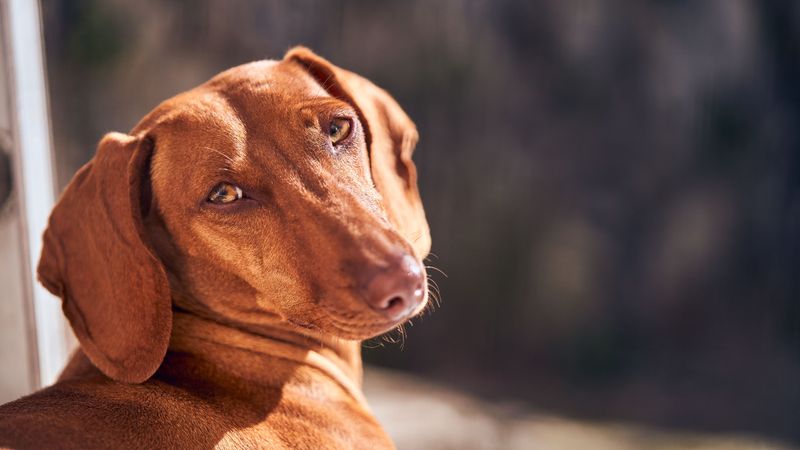
Hungarian plains bake under a hot continental sun, and that is exactly where this rust-colored gundog was shaped. The thin coat offers barely any insulation, so warmth passes right through.
Vizslas keep their motor running even during summer heat, which is both a gift and a caution.
Velcro-close by nature, they want to be near people. Reward that loyalty with shaded rest and steady water refills.
11. Dalmatian
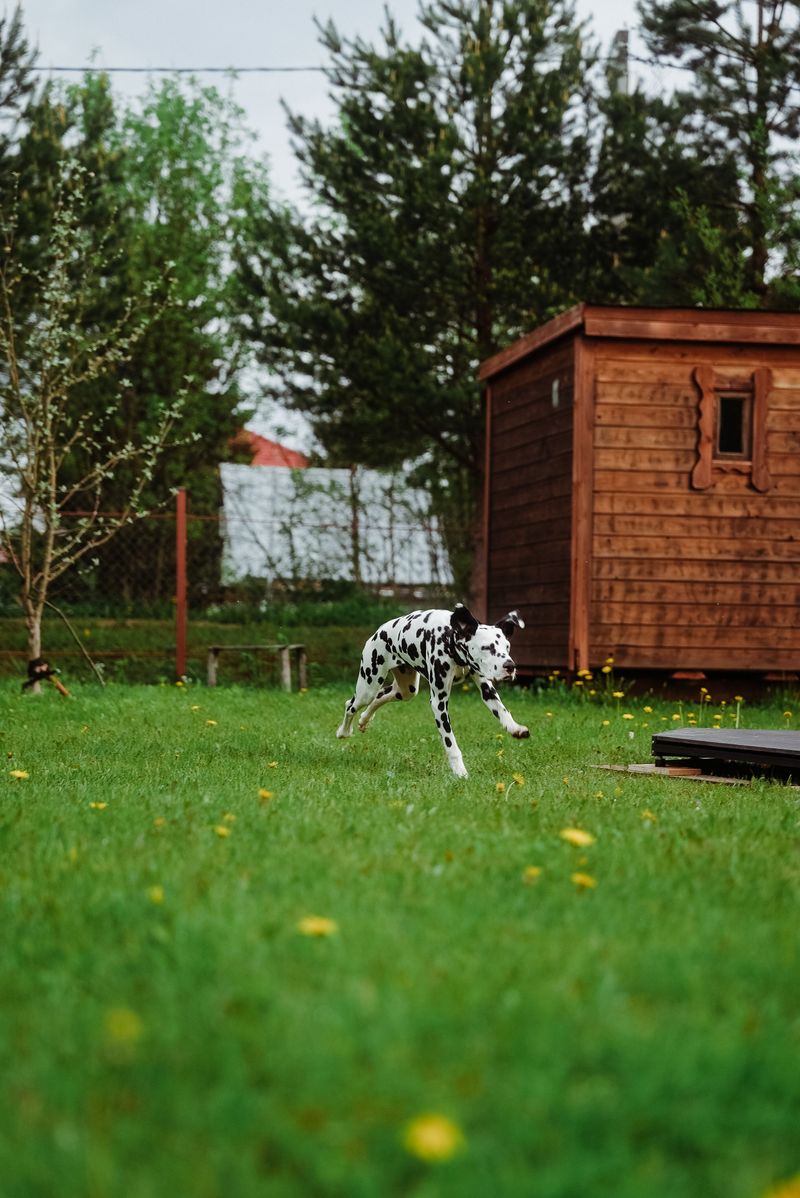
Carriage dogs once ran alongside horses for miles in every kind of weather. That endurance still lives in the modern Dalmatian.
White fur reflects sunlight, the coat sits short and flat, and lean muscle carries little insulating fat.
High energy remains the trade-off. Without structured exercise they invent their own, so plan morning runs and shady afternoons.
Spotted, spirited, and surprisingly well built for tropical days.
12. Jack Russell Terrier
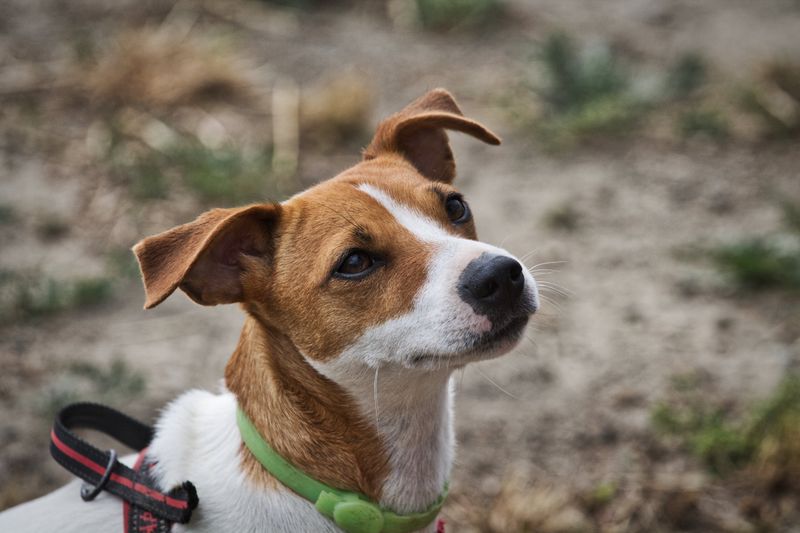
Boundless is putting it mildly. Jack Russells combine a short coat with a long muzzle, both helpful for shedding heat during island afternoons.
Trouble is, they genuinely do not know when to stop playing.
That means owners become the thermostat. Offer plenty of cool water, reliable shade, and walks scheduled outside the hottest hours.
Manage the throttle and this pocket rocket handles humidity with cheerful ease.
13. Parson Russell Terrier
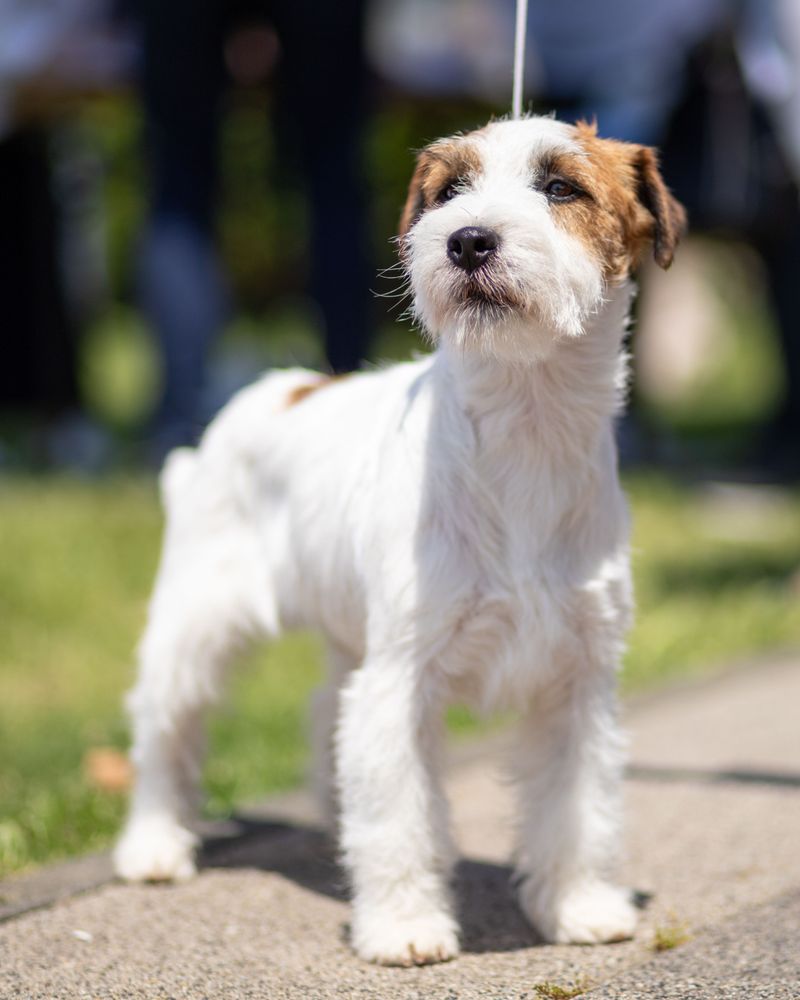
Taller and squarer than its Jack Russell cousin, the Parson brings longer legs to the party. Those legs lift the body away from hot ground, a small but real advantage.
Short fur and a trim frame let warmth escape steadily.
Breed authorities list them as solid hot-weather candidates. Give this bright, busy terrier morning exercise and a shaded lookout post, then watch contentment settle in.
14. Toy Fox Terrier
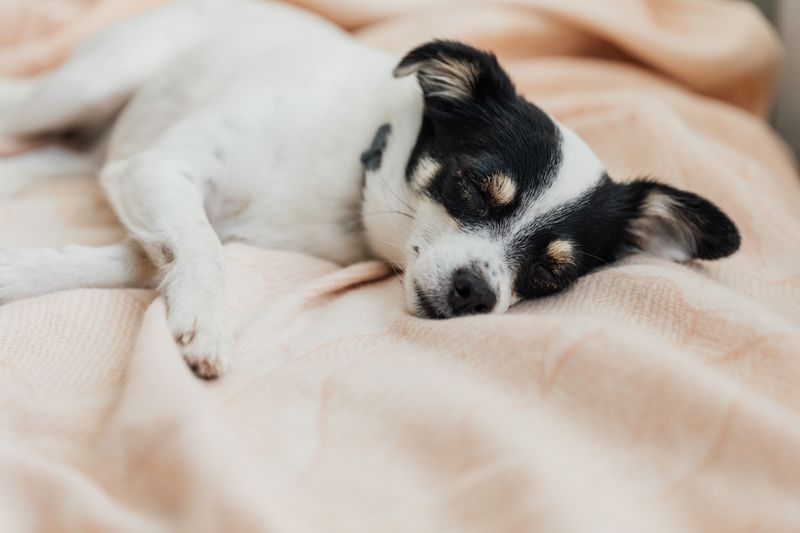
Owners joke that these little terriers come with built-in heaters. Naturally warm body temperatures plus a shiny, smooth coat make sunny spots irresistible to them.
Sleek muscle and light weight help heat move away quickly.
The flip side is enthusiasm without limits. A Toy Fox Terrier may sunbathe past the point of good sense, so supervision matters.
Call them indoors before the sun wins that argument.
15. Manchester Terrier
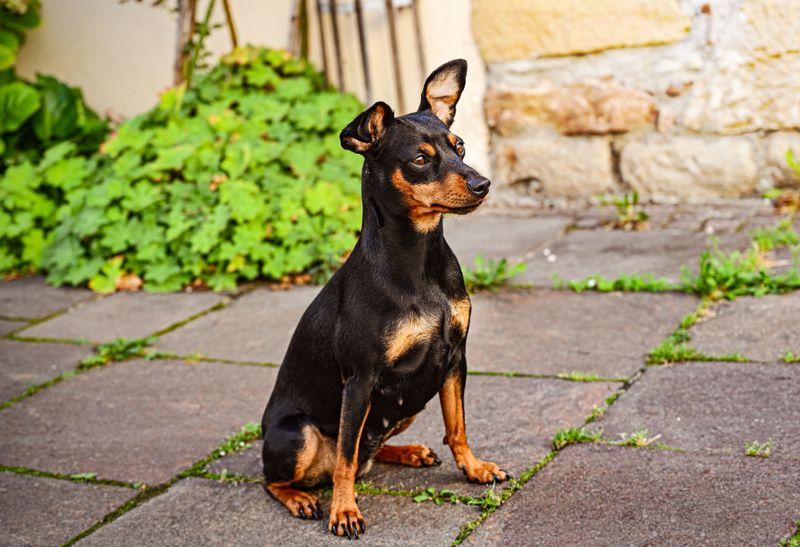
Sleek, close black-and-tan fur and a whippy, athletic outline suggest a natural fit for warmth. Long snout and open airways support efficient panting too.
Reality is more nuanced. Some breed sources warn that Manchesters do not love hot weather, and sun exposure can trigger skin bumps.
Treat this one as heat-capable rather than heat-loving. Filtered shade, indoor cooling, and cooler-hour walks make island life comfortable.
16. Doberman Pinscher
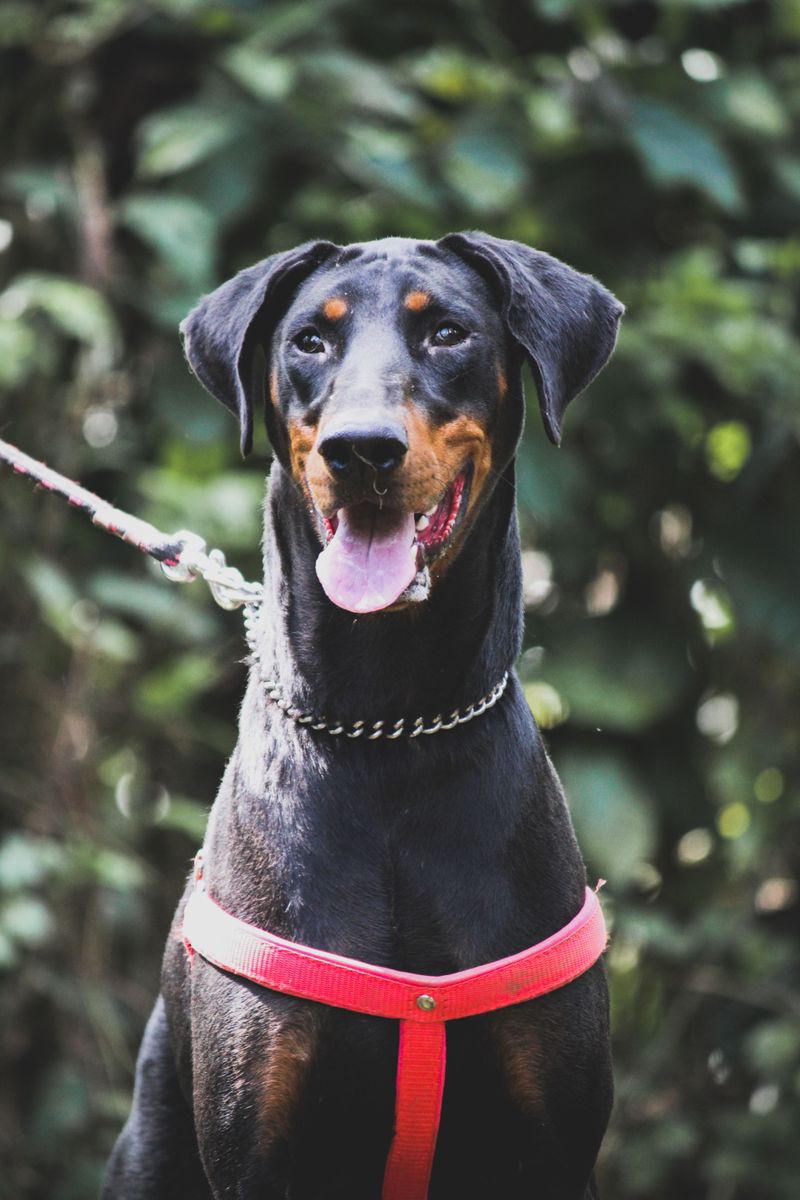
Elegance meets engineering here. Big ears, a long muzzle, a lengthy frame, and a glossy short coat all favor heat release.
Even with dark fur, many Dobermans genuinely seek out warm spots and settle in happily.
Muscle mass means hydration matters during activity, so water breaks come often. Train early, rest through midday, and this devoted guardian handles humid island afternoons with quiet, watchful composure.
17. Boxer
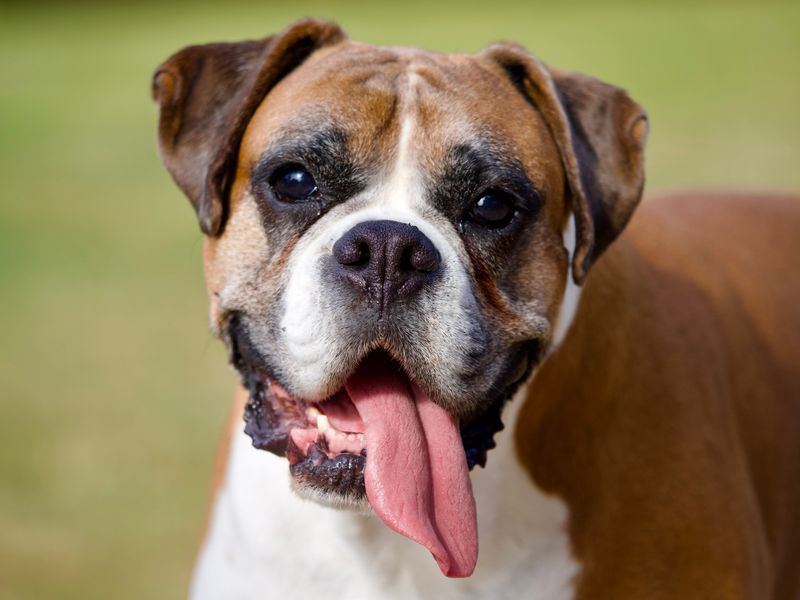
Here is the honest one on the list. Boxers wear a wonderfully short coat, which helps, but that squashed muzzle works against them.
Brachycephalic airways make panting less effective, raising heatstroke risk considerably.
Deep-water swimming is not a safe cooling shortcut for short-nosed dogs either. Air conditioning, shallow splash pools, and very brief outings keep this clownish, big-hearted companion safe and comfortable.
18. Great Dane
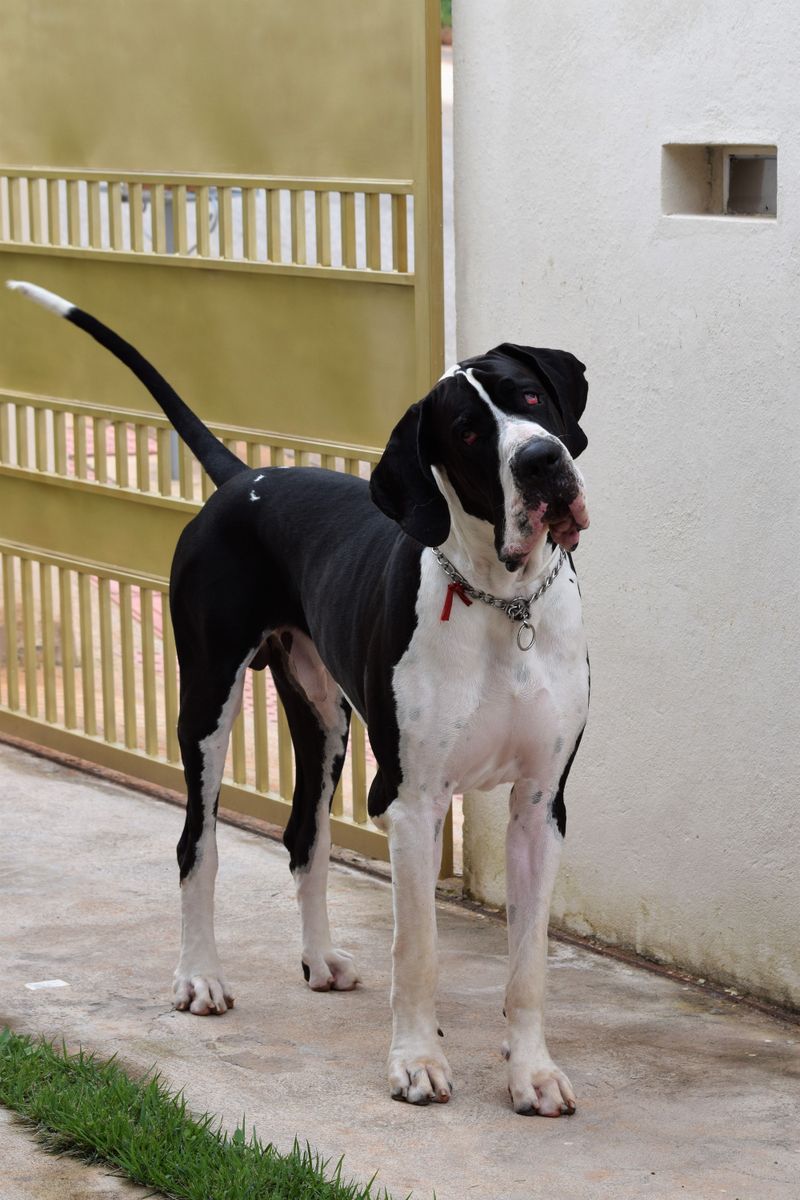
Picture a hundred-forty-pound dog claiming the coolest tile in the house. Great Danes conserve energy brilliantly when temperatures rise, and their short coat helps at the surface.
Sheer body mass, however, generates heat faster than it escapes.
Comfort sits between 60 and 75 degrees, with exercise trimmed above 78. Stoic by nature, they hide discomfort, so offer water proactively and keep walks early.