15 California Dog Laws Many Owners Don’t Realize Exist

Owning a dog in California is one of life’s great joys, but it also comes with a set of legal responsibilities that many owners simply haven’t heard of. From vaccination rules to what happens after a bite, California has detailed laws designed to protect dogs, people, and communities alike.
Knowing these rules helps you avoid fines, protect your pet, and be the kind of neighbor everyone appreciates.
1. Dogs Must Be Vaccinated Against Rabies After Three Months of Age
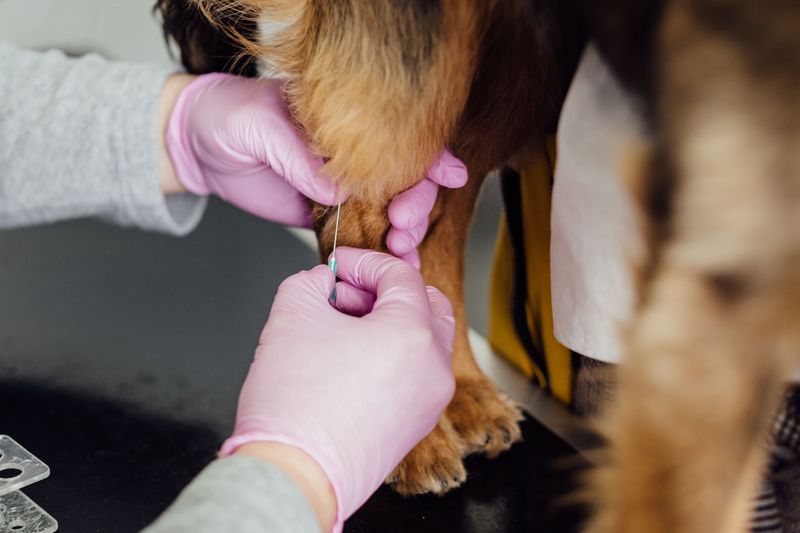
Rabies vaccination isn’t just a good idea in California. It’s the law.
Dogs can receive their first rabies shot as young as three months old, and state law requires vaccination for dogs four months of age or older.
After the initial shot, a booster is given one year later.
After that, most dogs stay current with a vaccine every three years. Keeping up with this schedule protects your dog, your family, and your community from a serious disease.
2. Dogs Must Be Licensed After Four Months of Age in Designated Areas

Most California counties require dog owners to license their pets once they reach four months of age. Licensing is tied directly to rabies vaccination, so you’ll need proof of the shot before applying.
The exact process and fees vary by city and county, so check with your local animal services office for specifics. A license tag on your dog’s collar also helps reunite lost pets with their owners far more quickly than no ID at all.
3. Dogs Under Four Months Old Must Be Confined or Physically Restrained

Young puppies are curious, fast, and completely unaware of traffic or strangers.
California law addresses this directly by requiring that dogs under four months old be confined at home or kept on a leash under their owner’s direct supervision.
This rule makes practical sense for safety on both sides. A young pup hasn’t had full vaccinations yet, and keeping them close protects them from outside hazards.
It also protects other animals and people from an unpredictable, untrained baby dog.
4. Dogs Must Receive Adequate Food and Water at All Times

Providing enough food and fresh water isn’t just good pet care. Under California law, failing to do so can result in animal neglect charges.
The law specifically calls out leaving a dog in an unattended vehicle without adequate food or water as a prohibited act under Penal Code 597.7(a).
Neglect cases can carry real legal consequences. Keeping a consistent feeding and watering routine is the simplest way to meet this standard and keep your dog healthy and happy every day.
5. Dogs Must Have Adequate Shelter and Protection from the Weather

Shelter matters more than many owners realize.
California law requires that dogs have adequate protection from the elements, and failing to provide this can lead to animal neglect charges under Penal Code 597t.
A shaded spot in summer, a dry and insulated space in winter, and protection from wind and rain are all part of meeting this standard. If you’re unsure whether your setup qualifies, your local animal control office can walk you through what’s expected in your area.
6. Tethered Dogs Must Have an Adequate Exercise Area
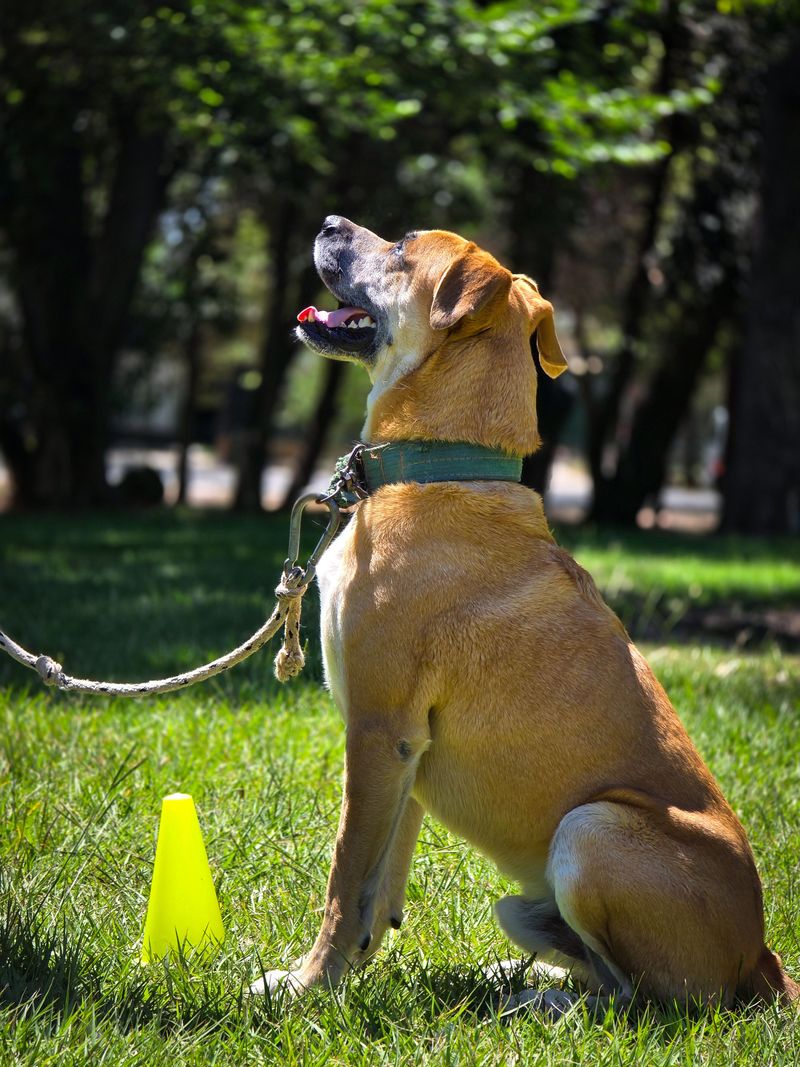
Chaining or tethering a dog without enough room to move is considered a form of neglect under California law. If a dog is kept on a leash, rope, or chain, the owner must ensure there is enough space for the dog to exercise properly.
A dog that can’t move freely is a dog that suffers both physically and mentally. California animal welfare law takes this seriously.
Giving your dog room to roam, even within a confined area, is both a legal obligation and a basic kindness.
7. Leaving a Dog in an Unattended Hot or Cold Vehicle Can Be a Crime

Under California Penal Code 597.7, leaving a dog in a parked car under conditions that threaten its health is illegal. Extreme heat, freezing cold, poor ventilation, or lack of food and water all count as dangerous conditions.
A first offense is an infraction with a $100 fine. If the dog suffers significant injury, the charge can become a misdemeanor, carrying fines up to $500 and up to six months in jail.
A quick errand is never worth that risk.
8. California’s Good Samaritan Law Protects Those Who Rescue Dogs from Vehicles

California’s Good Samaritan law, Assembly Bill 797, took effect on January 1, 2017. It gives civil immunity to people who break into a vehicle to rescue an animal in immediate danger from heat or cold.
To be protected, you must act in good faith, contact law enforcement first, use only the force needed to enter, and stay with the animal until help arrives.
Following these steps keeps you legally covered while doing the right thing for a dog in distress.
9. Dog Owners Face Strict Liability When Their Dog Bites Someone

California follows a strict liability rule for dog bites, outlined in Civil Code Section 3342.
This means an owner can be held responsible for a bite even if the dog had never shown aggression before and the owner had no warning.
The rule applies when the bite happens in a public place or when the victim is lawfully on private property. Exceptions exist if the victim was trespassing or provoked the dog, but otherwise the owner typically bears full legal responsibility.
10. Owners Have Legal Duties After Their Dog Bites a Person

After a bite occurs, the owner’s responsibilities don’t end with the incident itself. California law requires owners to take all reasonable steps to prevent future danger to others.
Reporting the bite to local animal control is also strongly recommended.
If a dog has bitten two separate people on two different occasions, legal action can be taken to review the dog’s confinement and management. Staying proactive after an incident shows responsibility and can influence how authorities handle the situation going forward.
11. Dogs Can Be Legally Classified as Potentially Dangerous After Threatening Behavior

California Food and Agricultural Code Section 31602 outlines when a dog can be labeled potentially dangerous. The trigger is usually unprovoked threatening behavior on two separate occasions within a 36-month period while off the owner’s property.
This includes chasing someone in a way that requires a defensive response, causing a non-severe bite, or injuring another domestic animal twice within that window.
A potentially dangerous designation comes with strict containment rules that owners must follow carefully to avoid further consequences.
12. A Vicious Dog Determination Can Restrict Future Dog Ownership

A dog earns a vicious designation when it unprovokedly inflicts severe injury on or kills a human, or when a previously labeled potentially dangerous dog continues its behavior or violates imposed restrictions.
The consequences are serious.
A vicious dog may be ordered humanely euthanized. Beyond that, the owner can be prohibited from owning any dog for up to three years.
Knowing the steps that lead to this outcome helps owners take earlier action to manage a dog showing warning signs.
13. Willfully Abandoning a Dog Is a Misdemeanor in California

Walking away from a dog and leaving it without care isn’t just heartbreaking. Under California Penal Code Section 597s, it’s a crime.
Willful abandonment of any animal is classified as a misdemeanor.
Penalties can include a fine of up to $1,000, up to six months in county jail, or both.
The costs of seizing and caring for an abandoned dog can also become a lien against the animal. Surrendering a dog to a shelter is always a legal and humane alternative.
14. Faking a Service Dog Status Is a Misdemeanor Under California Law

California Penal Code Section 365.7 makes it a misdemeanor to knowingly and fraudulently represent a dog as a guide, signal, or service dog. A conviction can bring up to six months in county jail and a fine up to $1,000.
Assembly Bill 468 adds a civil penalty of $500 for a first offense of misrepresenting an emotional support dog as a service dog, with higher fines for repeat violations. This law exists to protect the rights of people who genuinely depend on trained service animals.
15. California Prohibits Selling Dogs Younger Than Eight Weeks in Most Cases

Separating puppies from their mothers too early causes real harm. California Penal Code Section 597z makes it a crime to sell a dog under eight weeks of age, with a narrow exception if a licensed veterinarian approves the sale in writing before the transfer.
Violations can be charged as an infraction with a fine up to $250 or as a misdemeanor. Each puppy sold illegally counts as a separate offense.
Starting in January 2026, AB 519 adds further restrictions on pet brokers selling young animals.