What Oregon Dog Owners Should Know About Wildfire Smoke, Foxtails, And Changing Trail Conditions

If you share your life with a dog in Oregon, you already know the seasons here can shift fast. One week the trails are green and easy.
The next, smoke drifts in, grasses dry out, and closures pop up overnight. None of that means you have to stay home.
It just means a little planning goes a long way. Here is what local owners find most useful when smoke, foxtails, and trail changes enter the picture.
Wildfire Smoke Can Make a Normal Walk Unsafe
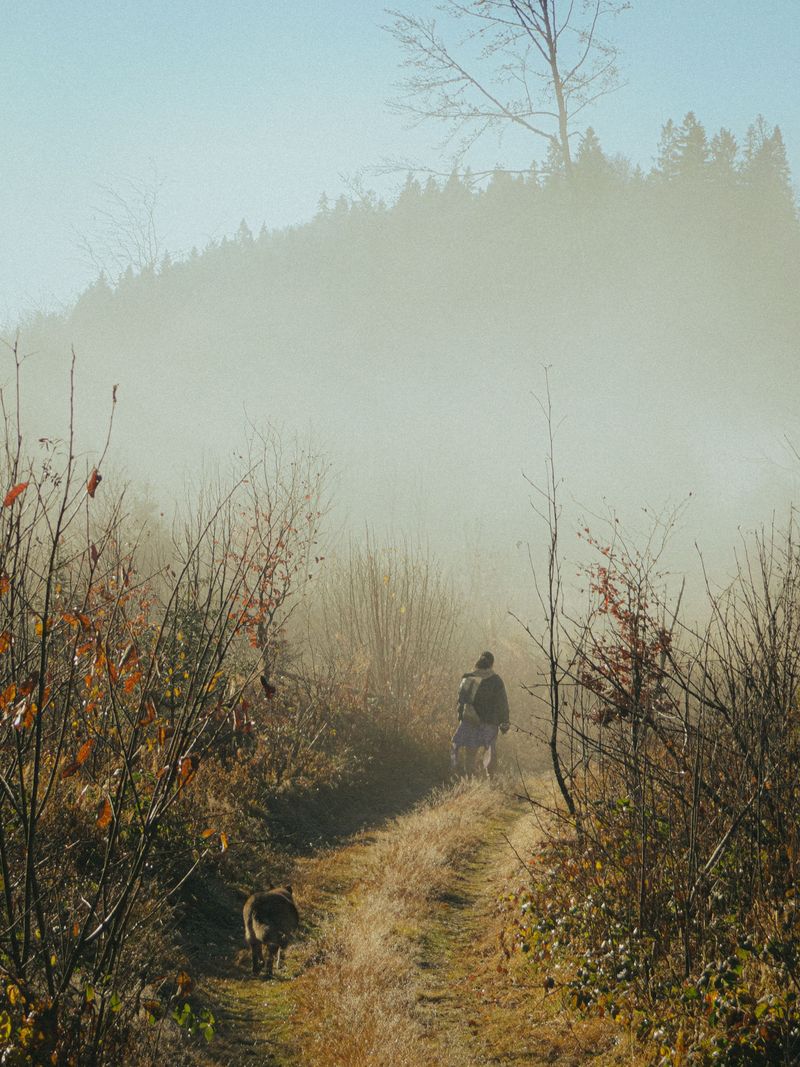
That familiar loop around the block can feel different when the sky turns hazy. Wildfire smoke carries very small particles that settle deep in a dog’s airways.
Dogs can be affected by wildfire smoke, especially during longer or more strenuous outdoor activity. On heavy smoke days, shorten the route or stay inside with filtered air.
Puppies, seniors, and flat-faced breeds usually feel the effects soonest, so watch them closely.
Check Oregon Air Quality Before Heading Out
Two minutes on your phone can save you an uncomfortable afternoon. Oregon DEQ posts current air-quality readings and wildfire smoke advisories through its OregonAir resources.
Conditions can differ sharply between the coast, the valley, and the high desert. A nearby town’s reading may not match your trailhead at all.
Many owners check the night before, then again in the morning. Smoke moves with wind, so the fresher number wins.
Skip Strenuous Exercise When Smoke Is Heavy

Hard play doubles down on the problem. Uphill hiking, trail running, and long games of fetch all push a dog to breathe deeper and faster.
More air in means more smoke particles reaching sensitive tissue. Save the big adventures for a clearer day.
Indoor sniffing games, puzzle feeders, and short training sessions tire dogs out surprisingly well. Mental work counts as real exercise for most high-energy breeds.
Watch for Signs Your Dog Is Struggling
Dogs rarely tell us directly when something feels off. Coughing, noisy or labored breathing, unusual tiredness, or reluctance to keep moving are all worth respecting.
Watery eyes and a runny nose can also show up during smoky stretches. Stop the outing and move your dog to cleaner air.
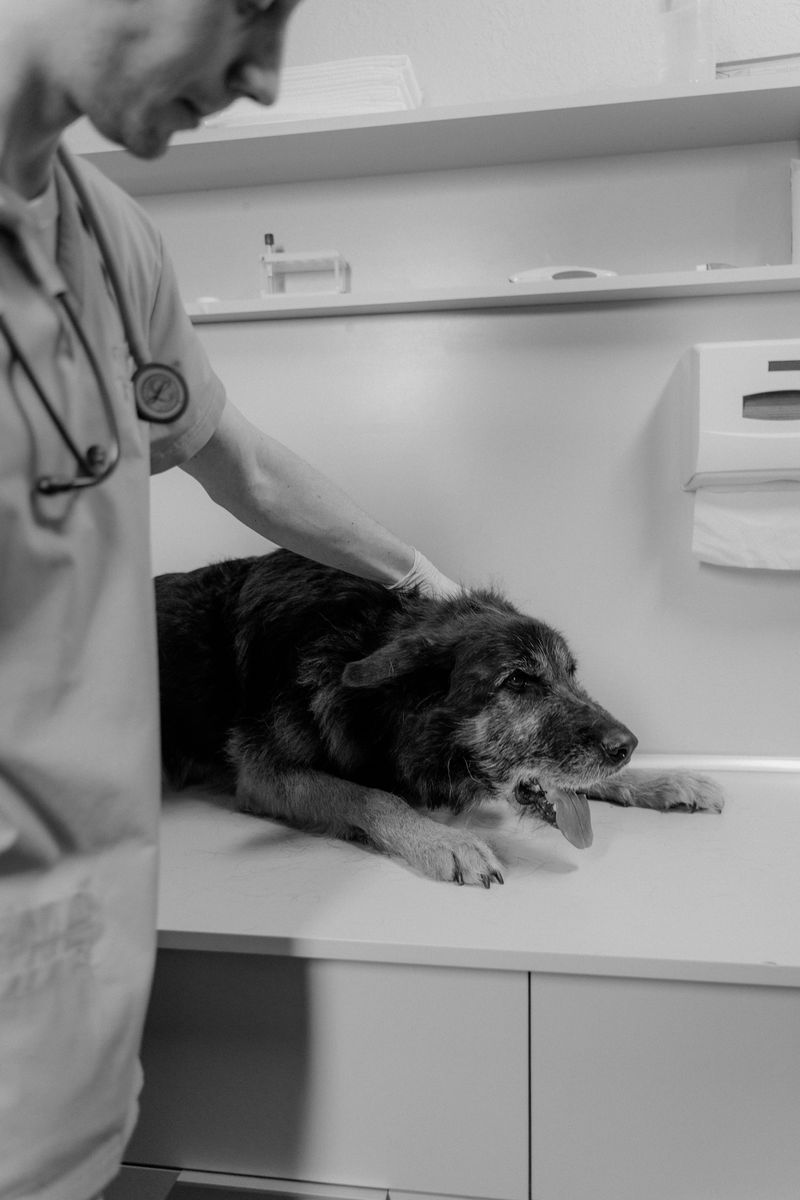
If the signs stick around or worsen, call a veterinarian for guidance rather than waiting it out.
Keep Fresh Water Ready on Smoky Days

Hydration matters just as much when the air is poor. Dry, smoky conditions can leave airways irritated and mouths parched faster than usual.
Carry water on every outing and offer it often, not just at the turnaround point. A collapsible bowl weighs almost nothing.
At home, keep bowls topped up and clean, since ash can settle on outdoor dishes. Fresh water indoors is the safer bet.
Foxtails Become a Bigger Concern on Dry Trails

As grasses dry out, foxtails and other grass awns can become a concern for dogs exploring fields and grassy areas.
Foxtails and similar grass awns are built to travel, with barbs that only move one direction.
They cling to fur, then work their way inward toward skin. Once embedded, they can migrate deeper into tissue rather than backing out.
Trailsides, field edges, and open meadows are prime spots. A little awareness of where they grow prevents most trouble.
Check Your Dog After Every Grass-Heavy Hike
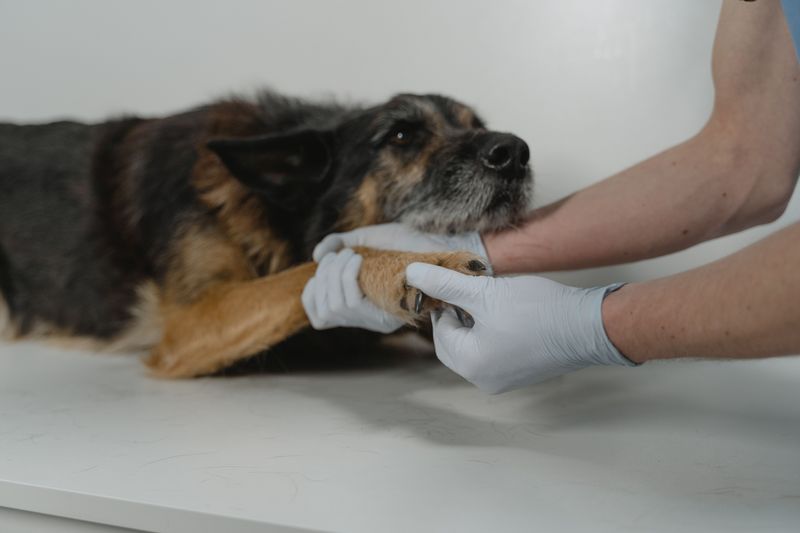
Make the post-hike check part of the routine, right alongside taking off the leash. Run your hands over the whole coat, then look closely at the trouble spots.
Paws, between the toes, ears, eyes, nose, and the armpit area collect the most debris. Long-coated dogs need extra attention.
Finding a foxtail while it sits on the surface is simple. Finding it later is far more complicated.
Do Not Ignore Swelling or Drainage

Sometimes a foxtail slips past even a careful inspection. A lump that keeps swelling, an abscess, or a small draining spot after a hike can signal plant material beneath the skin.
Constant head shaking, one squinting eye, or nonstop licking of a single paw are other clues.
Oregon State University’s veterinary guidance recommends having these signs examined. Early treatment is usually simpler and less involved.
Trail Conditions Can Change Quickly During Fire Season
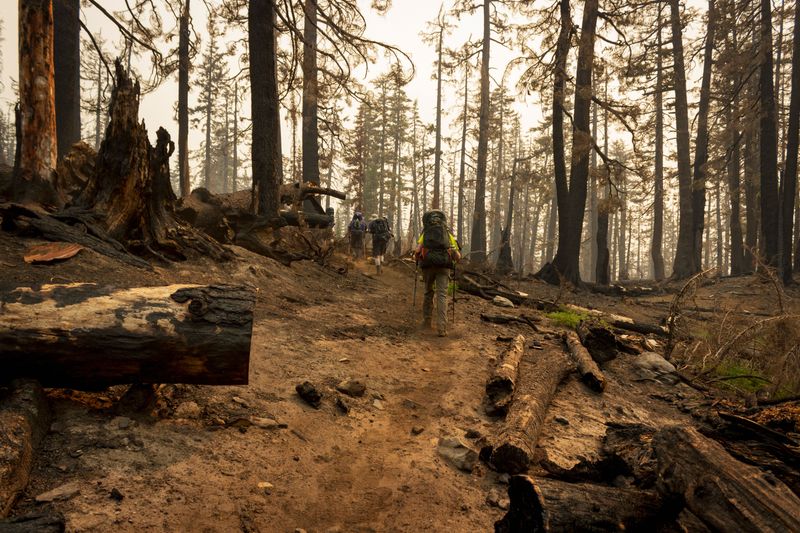
Yesterday’s trail report has a short shelf life in August. Restrictions, closures, and fire-related hazards can appear within hours.
Check the managing agency’s current page before you load the car, not a blog post from last season. Forest Service, BLM, and state park pages each cover different lands.
Cell service disappears fast in the Cascades. Screenshot the important details while you still have bars.
Fire Restrictions Can Affect Your Whole Outing
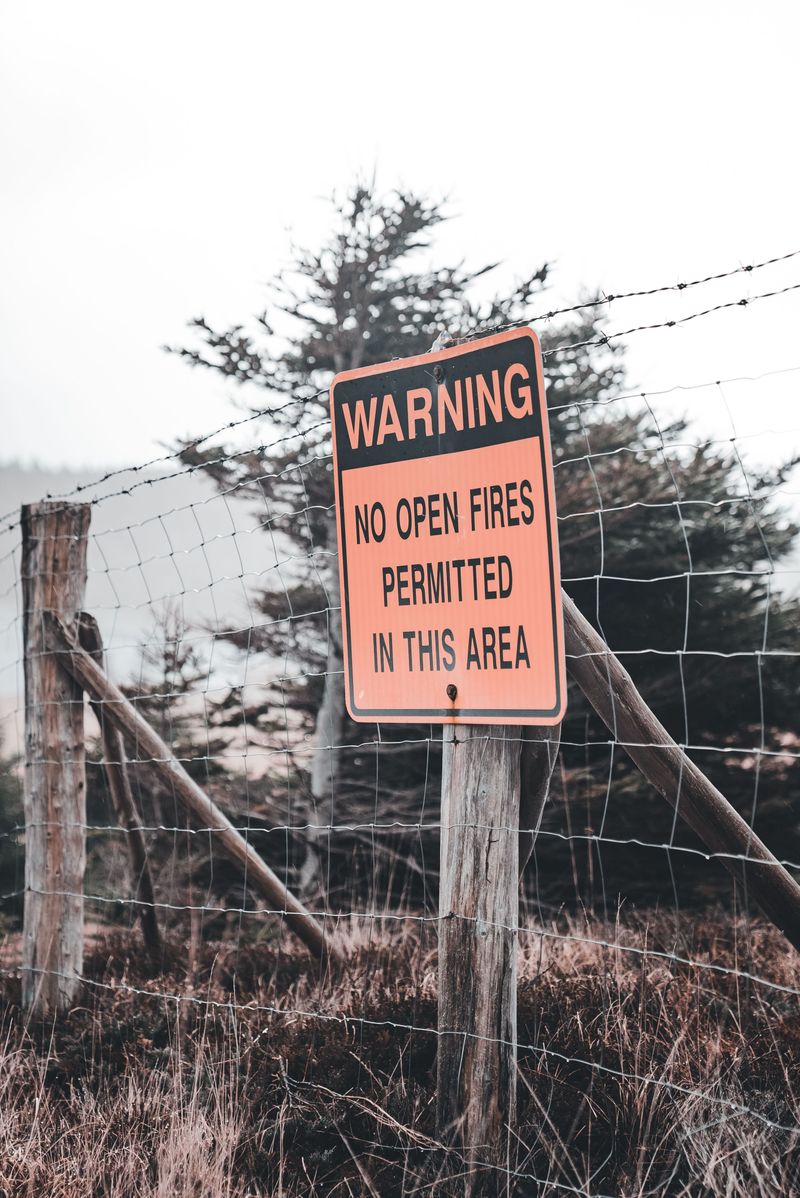
Restrictions are not only about campfires. Oregon State Parks updates seasonal fire rules regularly, and individual parks set their own current levels.
Some limit vehicle access, parking on dry grass, or specific day-use areas. All of that shapes where you can realistically walk a dog.
A quick look at the park’s notice page before leaving keeps the trip smooth. It takes less time than packing the treats.
Closed Trails Are Not Worth the Risk
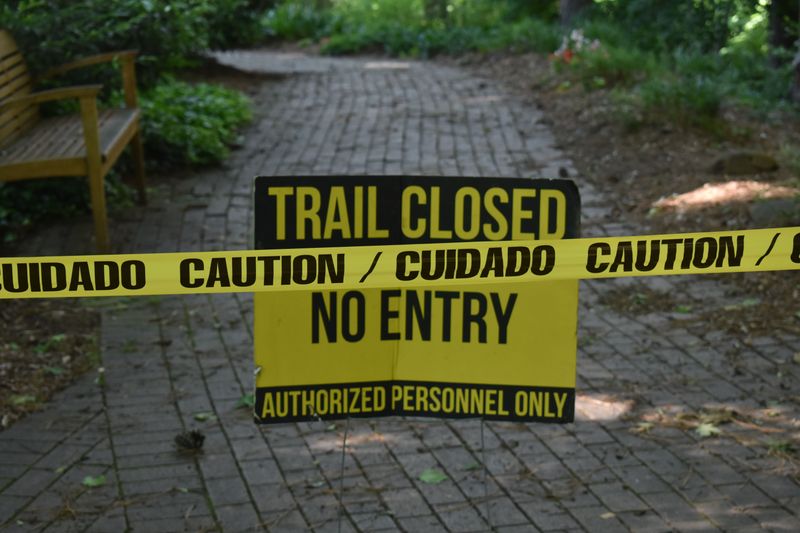
Barriers go up for reasons that are not always visible from the parking lot. A closure may reflect fire danger, emergency crews working nearby, or damage left after flames passed through.
Walking around the gate puts you and your dog outside anyone’s plan.
Closures also change often, so a route blocked in August may reopen in October. Choosing a different trail today keeps the option open later.
Burned Areas Can Look Safer Than They Are
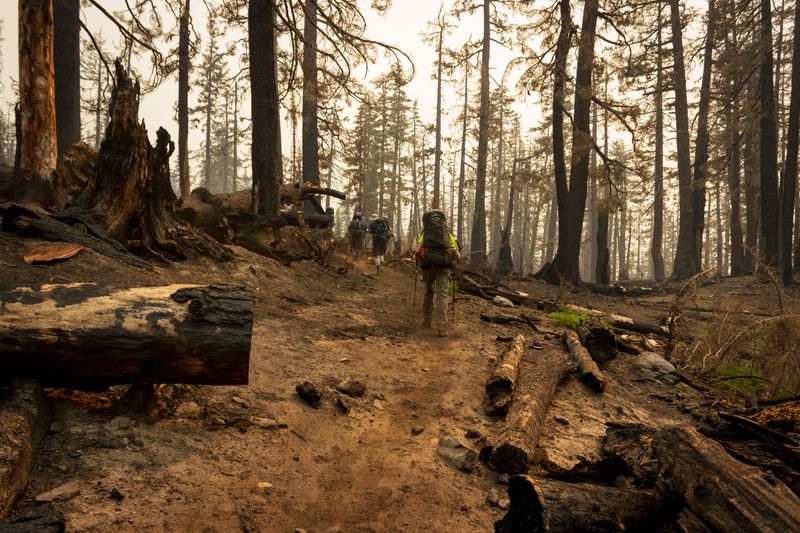
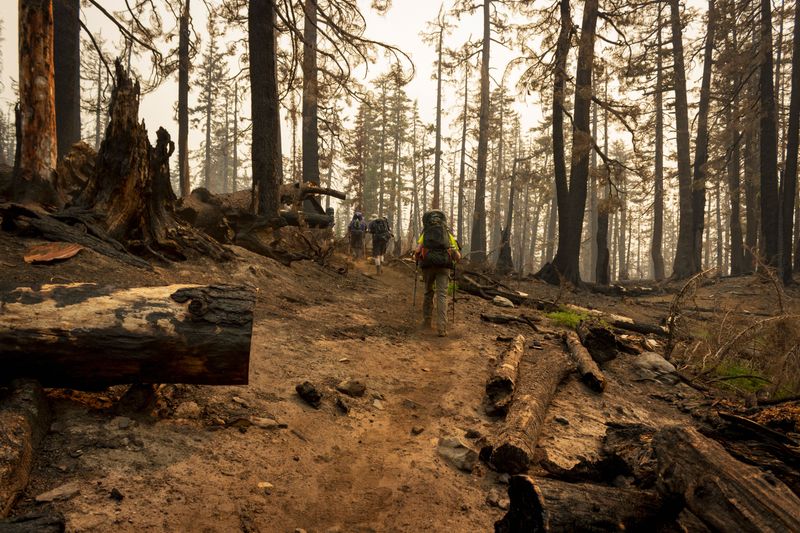
Green shoots pushing through ash make a burned area look like it has recovered. Underneath, the picture is different.
Weakened trees, hidden root holes, loose soil, and deep ash pockets all linger long after the flames are out. Wind can bring branches down without warning.
Ash also coats paws and fur, and dogs lick it off later. Extra caution here is genuinely worth it.
Leashes Matter Even More When Conditions Change
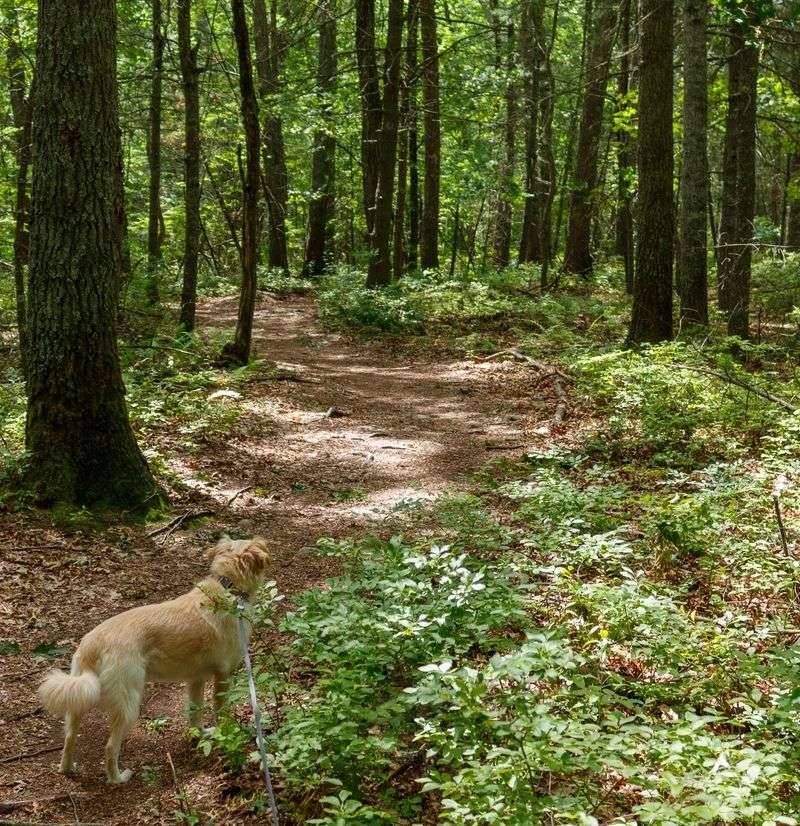
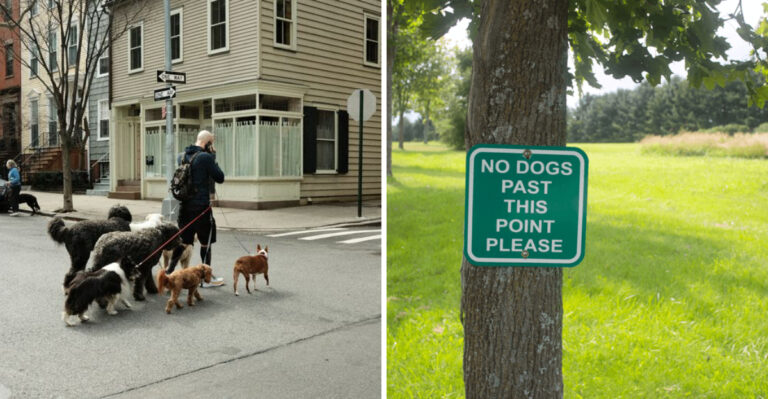
Oregon State Parks generally requires dogs to be physically restrained, using a leash no longer than six feet unless a posted exception applies.
Beyond the rule, the practical benefit is real. A dog on leash cannot wander into a foxtail patch, a burned slope, or an unstable stream bank.
Rules vary between state parks, federal land, and city trails, so confirm the specifics for your destination.
Not Every Oregon Trail Allows Dogs
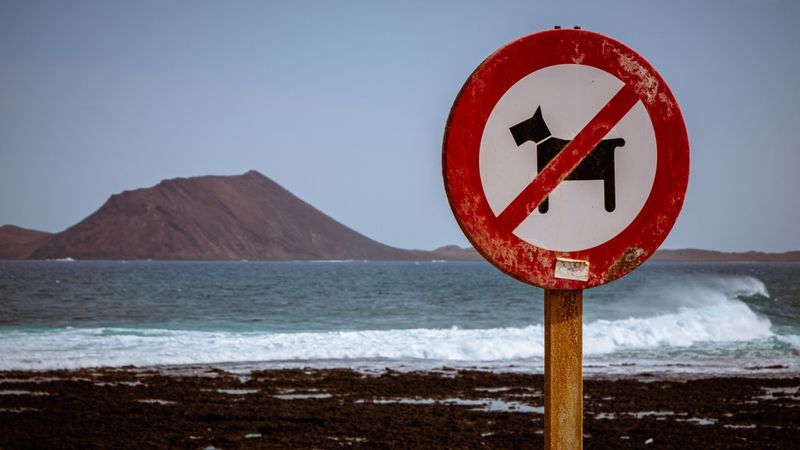
Access is not universal, even within a single park. Some Oregon State Parks set aside particular trails, beaches, or nesting areas where pets are not permitted.
Protected wildlife habitat is often the reason, especially along the coast during nesting season.
Look up the exact route rather than the park name alone. Arriving to find a no-pets sign after an hour of driving is a rough start to the day.
Hot Ground Can Add Another Problem
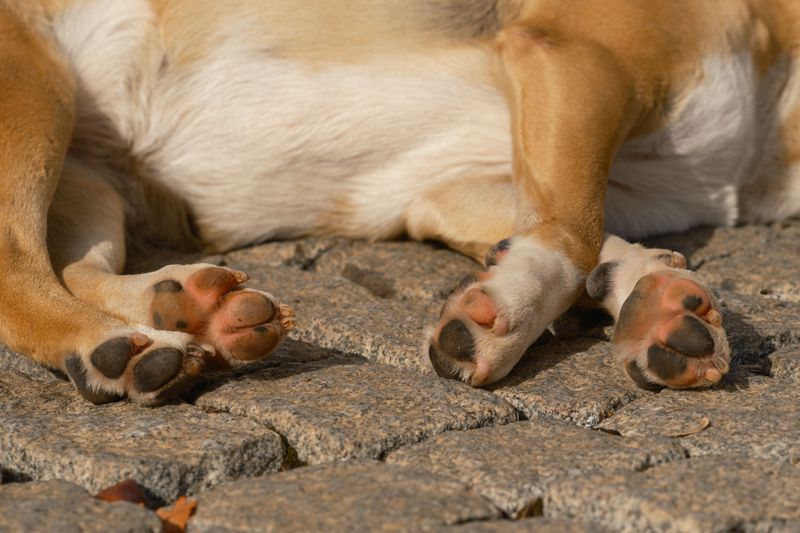
Smoke gets the headlines, but pavement and packed dirt quietly cause plenty of sore paws. Dark surfaces hold heat long after the sun peaks.
Try the hand test: press your palm flat to the ground for seven seconds. If it is uncomfortable for you, it is too warm for paw pads.
Shaded forest trails, grassy routes, and shorter loops solve most of it.
Choose Cooler Times for Summer Walks
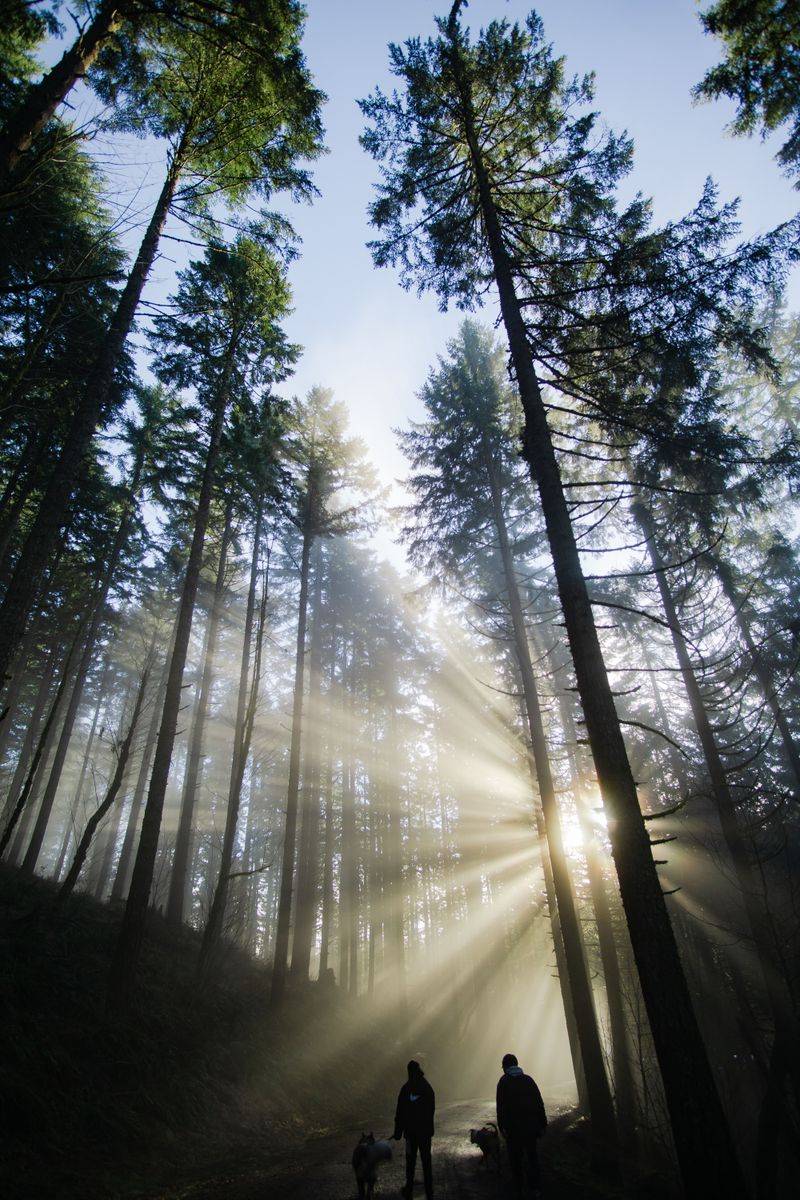
Early risers get the best of Oregon summers. Morning air is cooler, cleaner, and usually less smoky before daytime winds shift things around.
Evening walks work well too, once surfaces have had time to release their heat.
Skipping the midday stretch helps prevent overheating in thick-coated and high-drive dogs. Bonus: trails are quieter, which makes life easier for dogs who prefer some personal space.
Carry a Simple Trail Check Kit

A small kit handles most trail surprises. Pack a leash, water, a collapsible bowl, basic first-aid supplies, and fine-tipped tweezers for visible plant material.
A comb helps pull awns out of longer coats before they burrow in.
Toss a towel in the car for wiping dust, ash, and grit off before the ride home. Your upholstery will appreciate it as much as your dog does.
Have a Backup Plan for Bad Air or Closures

Flexibility is the quiet skill of Oregon dog ownership. Keep one short neighborhood loop and one indoor activity ready for days when smoke rolls in or a gate is locked.
Scent games, stair work, and training refreshers all burn energy without stepping outside.
Adjusting the plan is not a lost day. Steady habits, a quick weather check, and a calm attitude will carry you through every season.