What Texas Law Says If Another Dog Bites Yours
Finding out another dog has bitten your beloved pet is upsetting, and it is natural to wonder what you can do about it. Texas law has specific rules that apply when dogs attack other animals, and knowing those rules puts you in a much stronger position.
This guide walks you through exactly what the law says, what evidence to gather, and when to ask for professional help.
1. Texas Law Recognizes Attacks on Domestic Animals
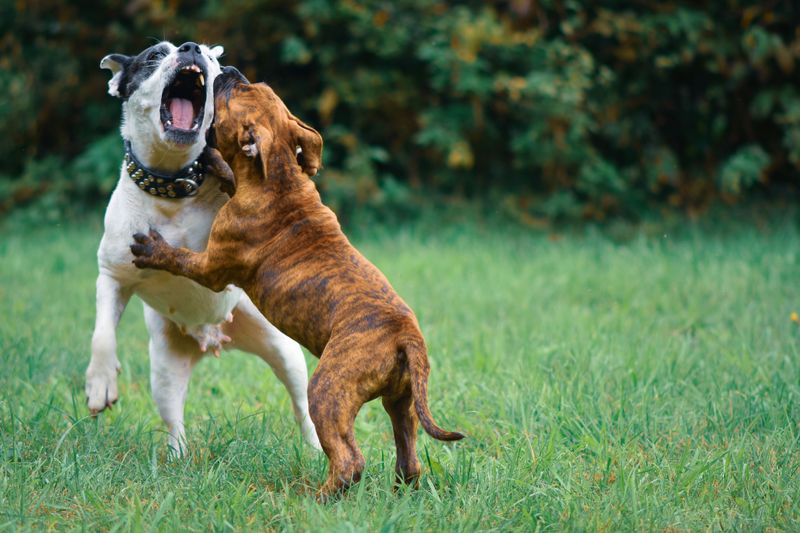
Many dog owners are surprised to learn that Texas law directly addresses situations where one dog attacks another animal. The Texas Health and Safety Code includes provisions covering attacks on livestock, domestic animals, and fowl.
Your dog counts as a domestic animal under these rules.
Knowing this matters because it means the state has already thought about your situation. You are not starting from zero when you look for legal footing after an attack.
2. Control Requirements Can Be Imposed After an Attack
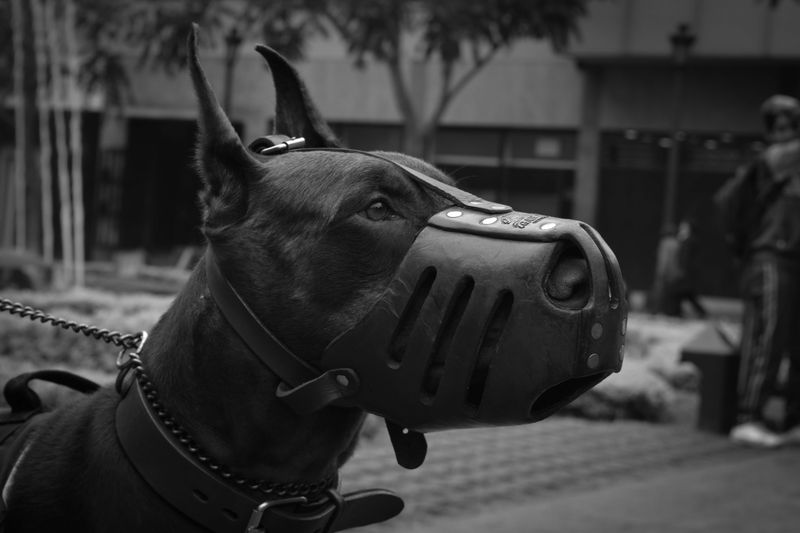
After a dog attacks a domestic animal, local animal control authorities may place specific control requirements on that dog. Those requirements can include mandatory leashing, secure confinement, or muzzling in public spaces.
The exact rules vary by city and county.
Contacting your local animal control office right away is a smart move. They can tell you precisely which requirements apply in your area and what steps they will take next.
3. Owner Can Be Responsible for Capture and Care Costs
Under Texas Health and Safety Code Section 822.013(c), if a dog is detained or impounded after attacking a domestic animal, its owner can be held responsible for capture and care costs. Those costs can add up quickly when boarding and veterinary checks are involved.
Knowing this provision exists gives you a clearer picture of the financial accountability the law places on the other dog’s owner. Keep records of any related expenses from the start.
4. Liability for Damages Caused by an Attacking Dog
Texas law establishes that a dog’s owner can be held liable for damages when their dog attacks livestock, domestic animals, or fowl. This liability can cover the harm done to your pet.
The law does not require the attacking dog to have bitten anyone before.
Civil liability claims often hinge on what the owner knew about their dog’s behavior. Gathering solid evidence early makes a real difference if you later pursue a claim.
5. State Law May Allow Killing an Attacking Dog
Texas Health and Safety Code Section 822.013 includes a notable provision. A person who witnesses a dog actively attacking another domestic animal may have authority under state law to use measures permitted by the statute to stop the attack.
This rule is most relevant in rural settings where livestock or pets are at immediate risk. Before relying on this provision, confirm the exact conditions it requires, because the circumstances described in the statute matter greatly.
6. The Dangerous Dog Statute Focuses Mainly on Human Safety
Texas’s dangerous dog statute, found in Subchapter D of the Health and Safety Code, primarily addresses attacks that cause bodily injury to a person. Dog-on-dog bites do not automatically trigger the full set of dangerous dog rules.
That distinction can affect how your case is handled.
Understanding this gap helps you set realistic expectations. You may still have civil options, but the strict dangerous dog framework is not automatically activated by a dog biting another dog.
7. Liability Insurance for Dangerous Dogs Covers People, Not Pets
State-mandated liability insurance for dangerous dogs in Texas is tied to bodily injury caused to a person. Veterinary bills for your injured dog are generally not covered by that specific insurance requirement.
Homeowner’s or renter’s policies may offer broader general liability coverage, but that is a separate matter.
Worth checking your own policy details, too. Some personal pet insurance plans also include coverage for injuries caused by another animal.
Confirm specifics with your insurer directly.
8. Texas Prohibits Dogs Known to Attack from Running at Large
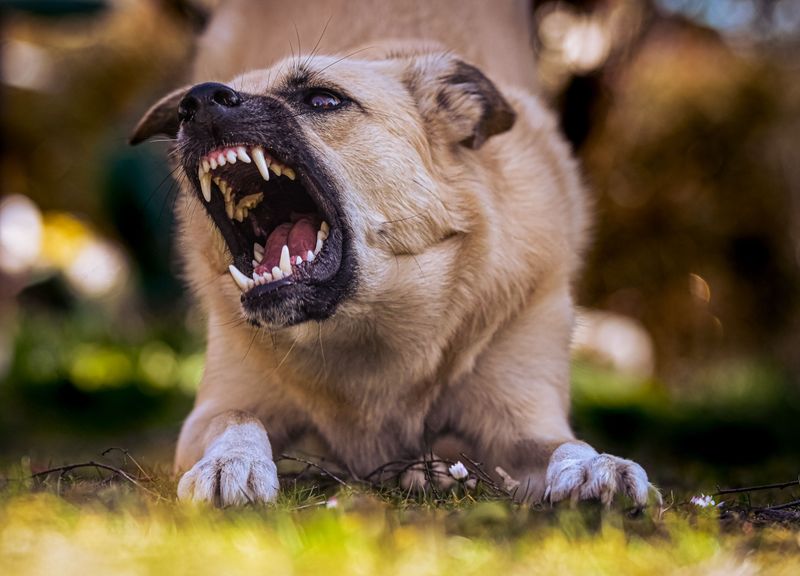
Texas law explicitly prohibits owners from allowing a dog known to be accustomed to running, worrying, or killing domestic animals to roam freely. This prohibition is separate from the dangerous dog rules and applies specifically to dogs with a known pattern of aggression toward animals.
If the dog that bit yours had a history of similar behavior, this statute may be directly relevant. Local animal control can help you determine whether the other owner was already in violation.
9. Fines for Violating the Running-at-Large Prohibition
Violating the state prohibition against allowing a dog accustomed to attacking other animals to run at large can result in a fine. Under state law, that fine can reach up to $100.
It may not sound like much, but the violation creates an official record that can support a civil claim.
Local ordinances often stack additional penalties on top of the state fine. Check with your city or county to find out what penalties apply in your specific area.
10. Local Ordinances Can Go Further Than State Law
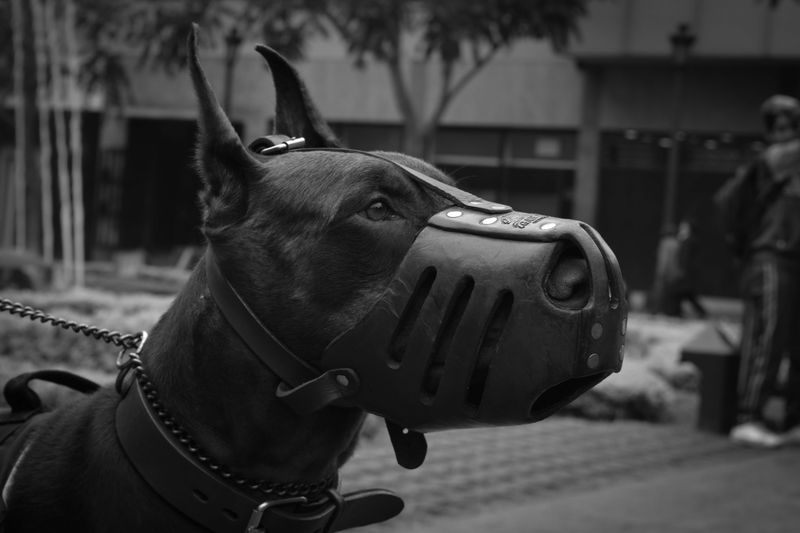
State law sets a baseline, but city and county animal control ordinances frequently add stricter requirements after a dog attacks another animal. Local rules might mandate muzzling, microchipping, or even removal of the dog from the property.
Requirements vary widely across Texas.
Calling your local animal control office is the fastest way to learn what applies to you. Ask specifically about post-attack protocols so you know exactly what the other owner is now required to do.
11. Recovering Veterinary Expenses Depends on the Circumstances
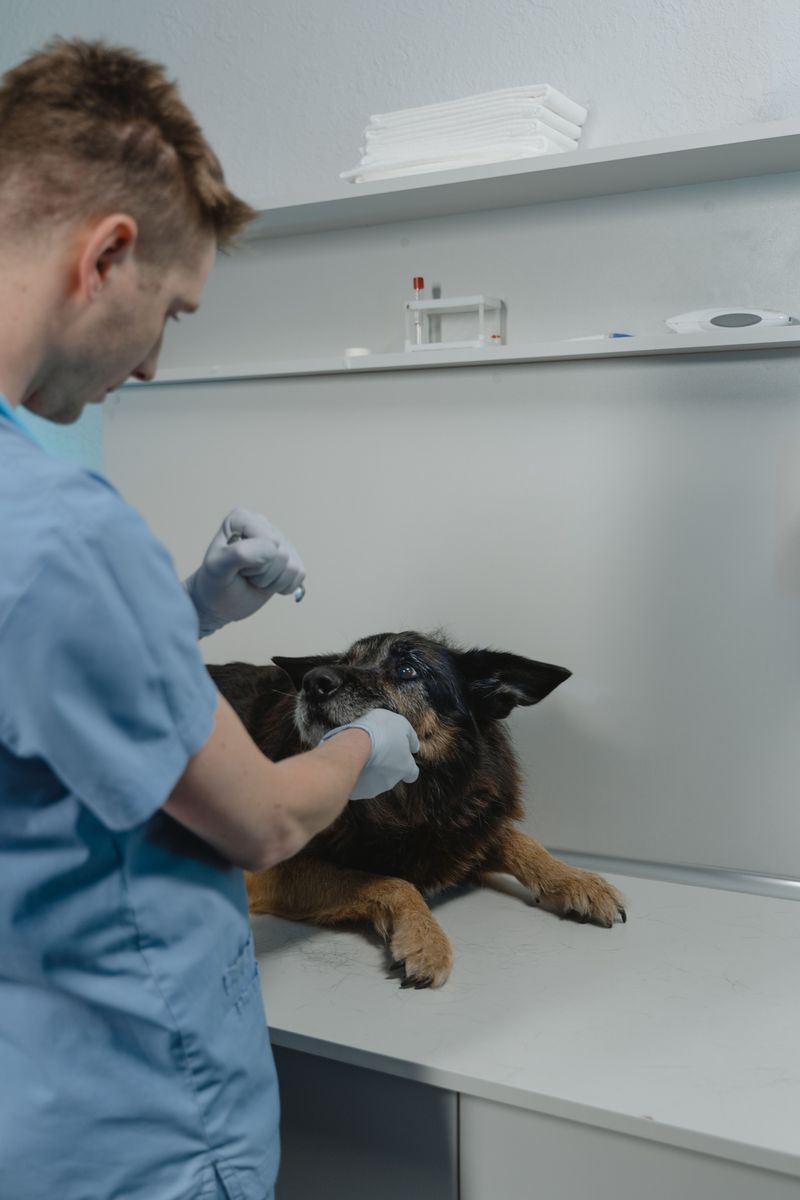
Getting reimbursed for your dog’s vet bills after an attack is not automatic in Texas. Recovery typically depends on the specific facts of the attack and the civil law principles that apply.
Claims are usually framed as property damage or negligence, since dogs are legally considered property.
The outcome can vary based on what the other owner knew and how the attack unfolded. Speaking with a local attorney can help you understand what a realistic recovery might look like.
12. Proving the Other Owner Failed to Control Their Dog
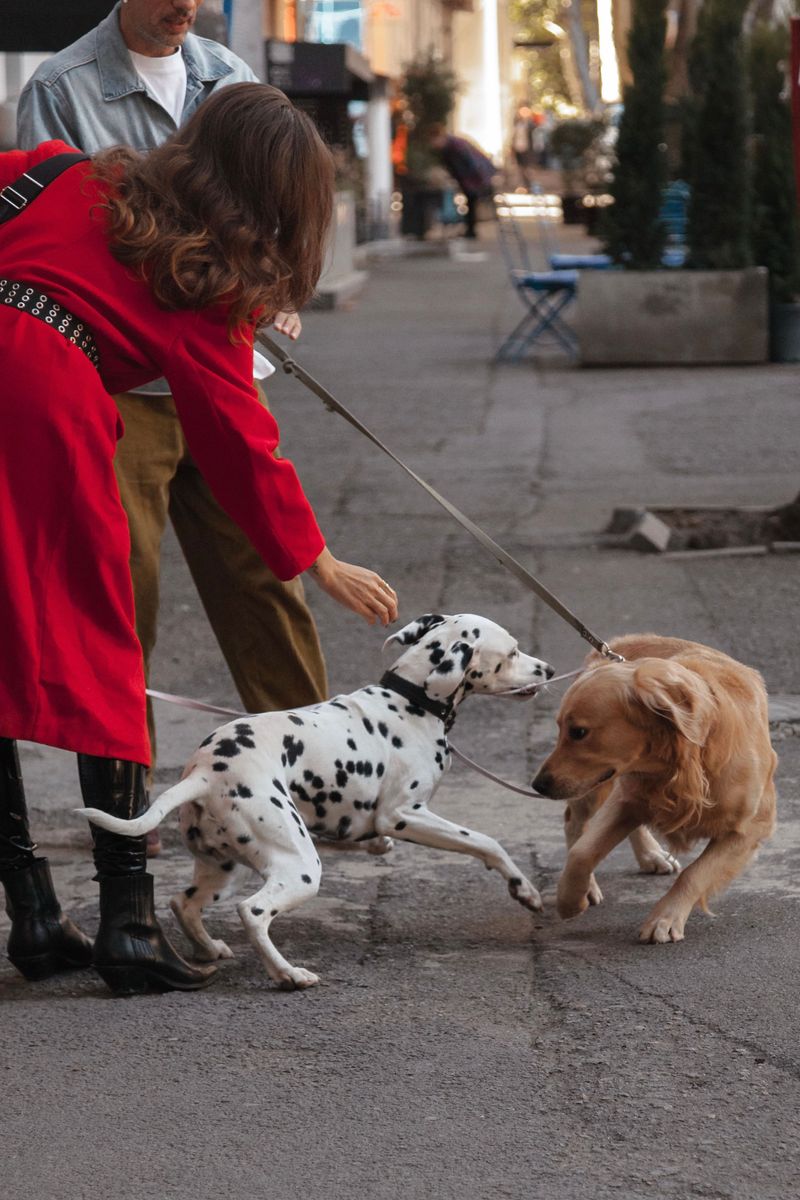
In a civil claim, showing that the other owner failed to control their dog can be a key piece of evidence. An unleashed dog in a leash-required zone or a dog that escaped a poorly secured yard can both point to a failure of reasonable care.
Document those details as soon as possible after the attack. Photos of the location, fencing, and any signs of inadequate containment all help build a clearer picture of what went wrong.
13. Prior Aggressive Behavior Can Strengthen Your Case
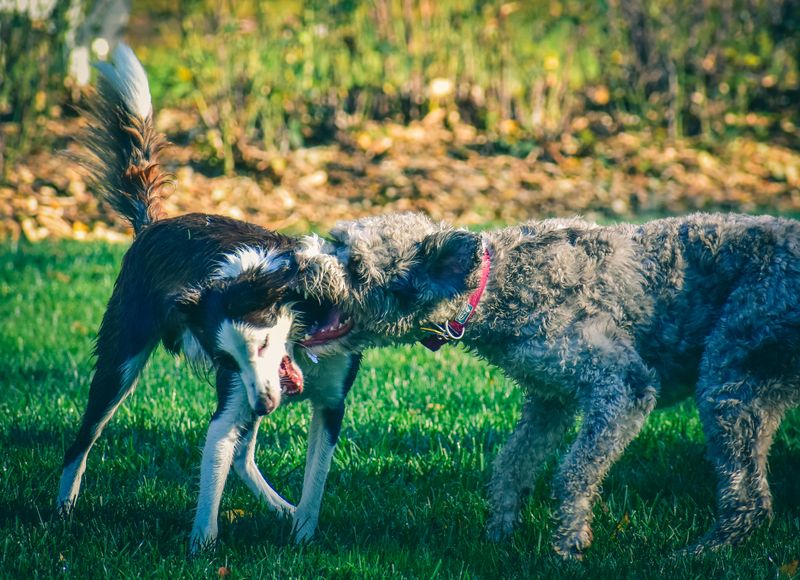
Evidence that the attacking dog had a history of aggressive behavior toward other animals is highly relevant in a liability case. Prior incidents can show that the owner knew, or reasonably should have known, their dog posed a risk.
That knowledge is central to many civil claims.
Prior behavior does not have to involve a previous bite. Charging at other dogs, growling, or lunging can all count.
Neighbors and prior animal control reports can be valuable sources of that information.
14. Keep All Veterinary Records and Itemized Bills

Thorough veterinary documentation is one of the most practical steps you can take after your dog is attacked. Itemized bills show exactly what treatment was needed and what it cost.
Those records become your clearest evidence of financial harm if you pursue a claim.
Ask your vet to note the nature of the injuries and their likely cause in the records. That clinical detail can be very helpful later, especially if the other owner disputes what happened during the attack.
15. Photographs of Injuries and the Scene Are Valuable
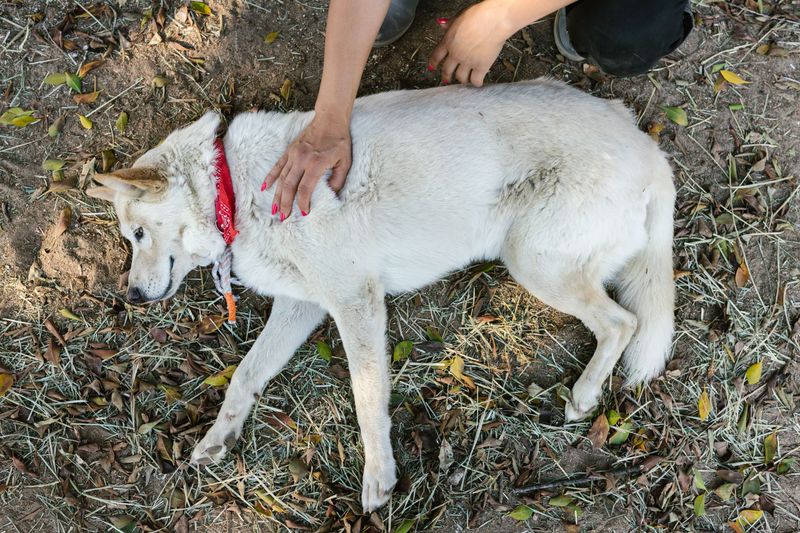
Visual evidence is powerful. Photographs taken shortly after the attack can clearly show the extent of your dog’s injuries and the setting where the attack happened.
Courts and insurance adjusters often find photos easier to evaluate than written descriptions alone.
Capture images of bite marks, the location, any broken fencing or open gates, and anything else that helps tell the story. Time-stamped photos are especially useful because they confirm when the documentation was created.
16. Collect Witness Names and Contact Details

Witnesses can provide objective accounts of the attack, and their perspective may carry significant weight if the other owner later disputes what happened. Getting names and contact information right away is a simple step that many people overlook in the stress of the moment.
Even a neighbor who saw the dog running loose beforehand could be a useful witness. Any account that helps establish the sequence of events or the other dog’s behavior adds value to your overall record.
17. Report the Attack to Local Animal Control
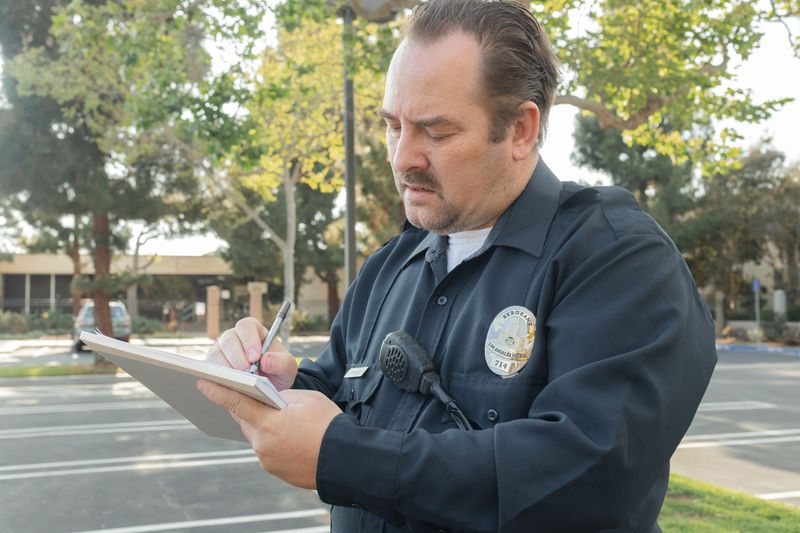
Filing a report with your local animal control authority creates an official record of the incident. That record can be referenced in future legal proceedings and may prompt authorities to investigate or impose requirements on the attacking dog.
Reporting also protects other animals in your neighborhood.
Be specific when you report. Provide the location, time, description of the attacking dog, and the owner’s information if you have it.
The more detail you include, the more useful the report becomes.
18. Contact Authorities If the Dog Is Still Loose
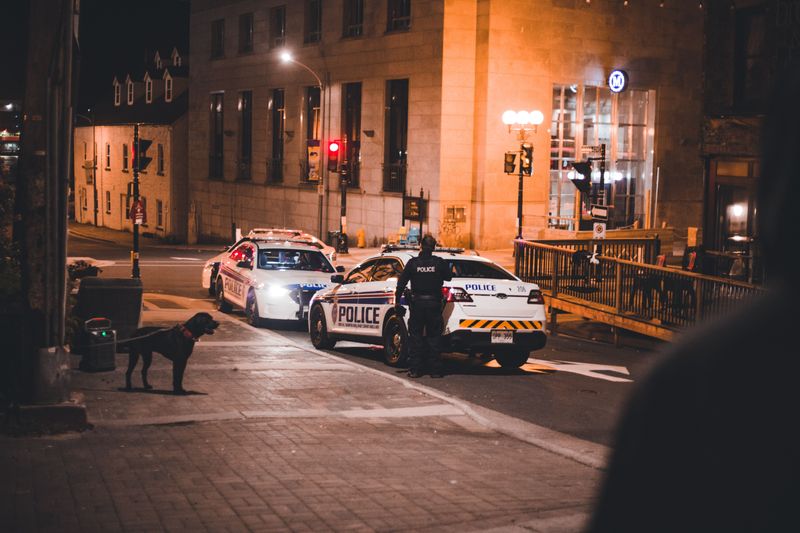
A dog that attacked your pet and is still running loose is a continued threat to other animals and people. Calling local animal control or law enforcement right away is the correct response.
Trained officers have the tools and authority to contain the animal safely.
Do not attempt to capture or corner the dog yourself. A dog that has already attacked once may be agitated and unpredictable.
Let the professionals handle the containment while you focus on getting your dog to veterinary care.
19. Texas Dog-Bite Rules Differ for Animal vs. Human Victims
Texas does not apply the same automatic liability rule to dog-on-dog attacks that it applies to certain attacks on people. For human victims, the law can impose strict liability when the owner knew of the dog’s dangerous tendencies.
For animal victims, claims typically rely on negligence or property damage law.
That difference shapes the kind of evidence you need and the legal path you follow. Understanding it early helps you build the right approach rather than assuming the rules work the same way.
20. Serious Disputes May Require Texas-Specific Legal Advice
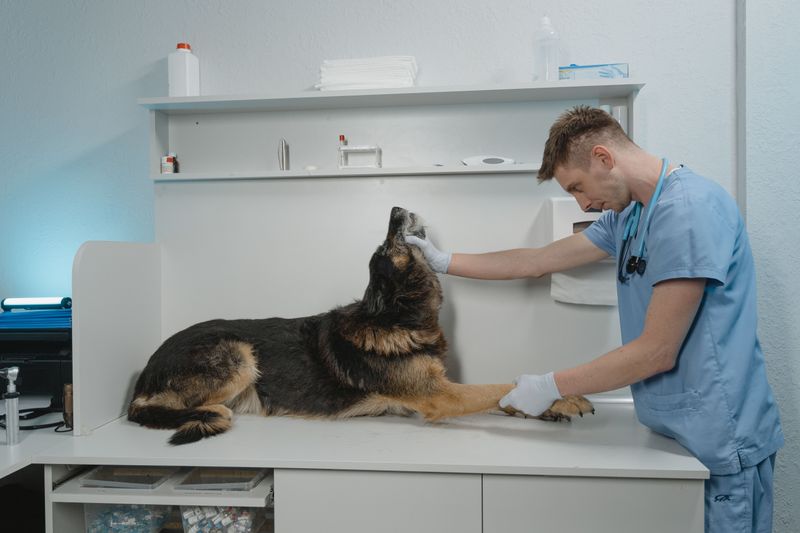
When veterinary costs are high or the other owner refuses to accept responsibility, the situation can become genuinely complex. Texas-specific legal advice may be necessary because outcomes depend heavily on local ordinances, the facts of the attack, and applicable civil law principles.
An attorney familiar with Texas animal law can help you understand your realistic options and avoid costly missteps. Many offer free initial consultations, so exploring that route early costs little but can clarify a great deal about your next steps.