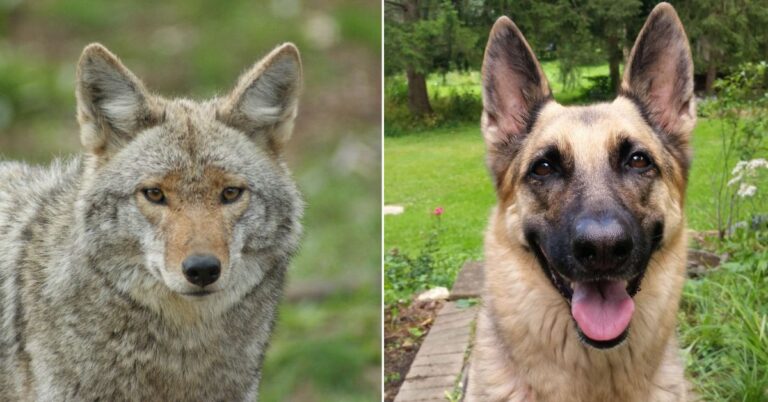
What to Do If a Coyote Shows Up in Your North Carolina Yard (And What You Shouldn’t)
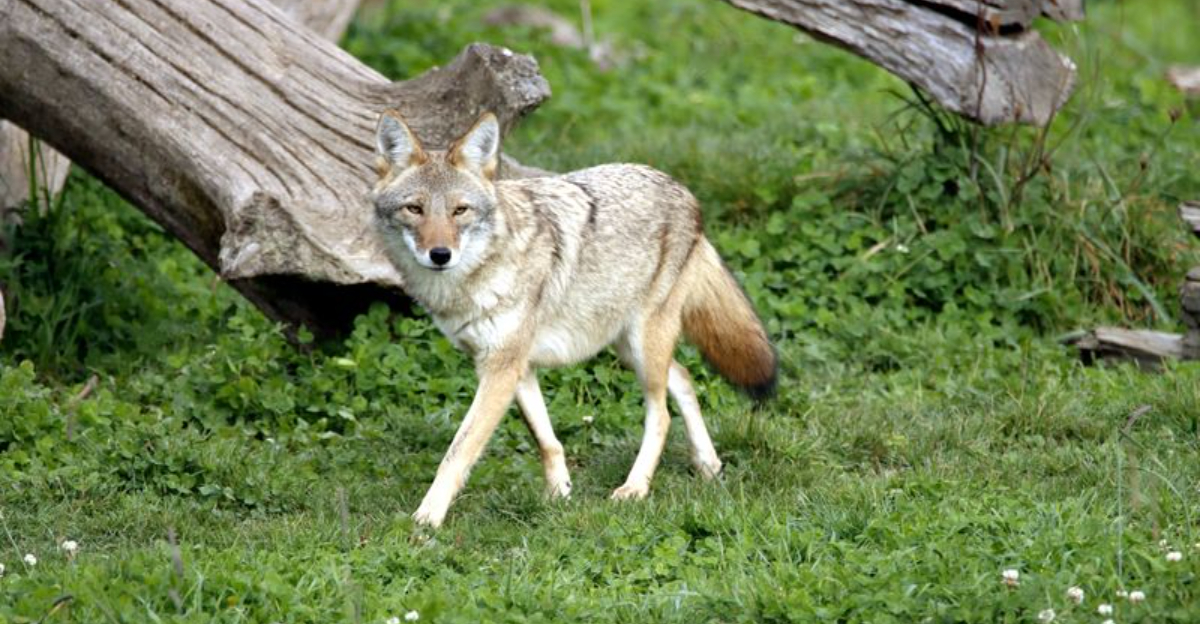
Coyotes are showing up in more North Carolina neighborhoods than ever before, from rural farmland to suburban backyards. If you have a dog, a cat, or young children, knowing how to handle this situation calmly and correctly matters.
The good news is that most coyote encounters are brief and harmless when you respond the right way.
This guide walks you through exactly what to do, and what to avoid, so you and your pets stay safe and confident.
Bring Children and Pets Indoors Immediately

Your first move when you spot a coyote in your yard should be fast and calm. Gather children and bring them inside right away.
Small dogs and cats can look like prey to a coyote, and even larger dogs may be seen as competition.
Do not wait to see what the coyote does next. Getting everyone indoors removes the risk entirely.
Once the door is closed, you can observe from a safe distance and decide your next step.
Stand Tall, Face the Coyote, and Act Assertively
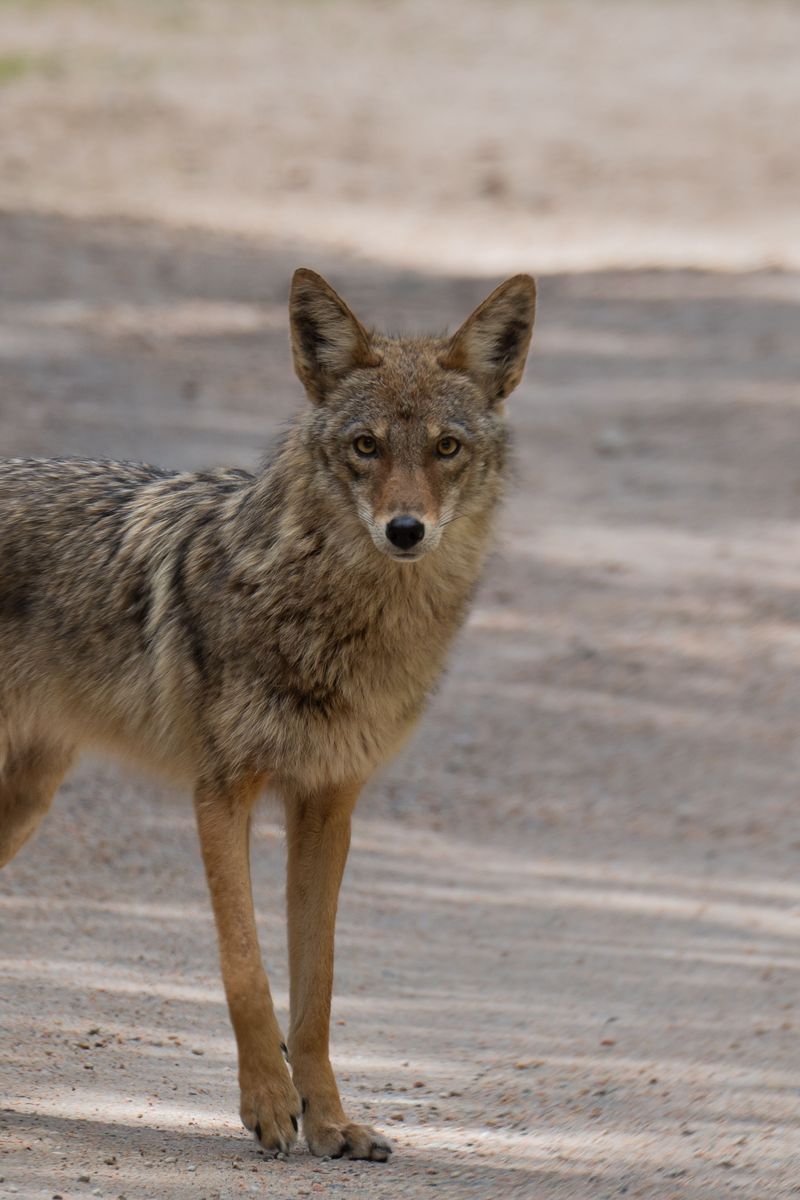
Coyotes respond to body language. If you stand tall, face them directly, and hold your ground, you signal that you are not prey and not afraid.
Slouching or backing away quietly sends the wrong message entirely.
Keep eye contact and square your shoulders.
You do not need to be aggressive or threatening. A calm, assertive posture is usually enough to make a healthy coyote think twice about staying in your yard.
Wave Your Arms and Make Loud Noises

Noise and movement are your best tools. Yell loudly, clap your hands, or blow a whistle.
Air horns are especially effective and easy to keep near the back door for quick access.
The goal is to startle the coyote and remind it that humans are not safe to be around. Wild coyotes that maintain a healthy fear of people are far less likely to return.
Make yourself as big, loud, and impossible to ignore as possible.
Spray It with a Garden Hose If Safely Possible
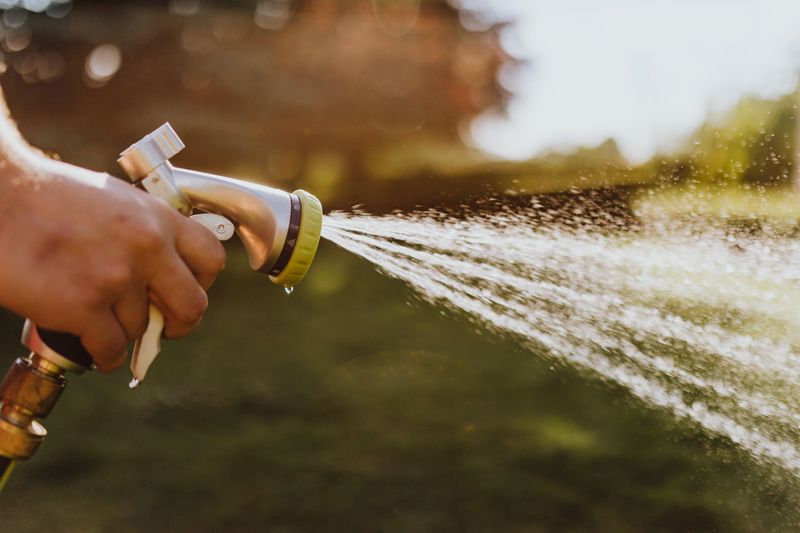
A strong blast of water from a garden hose is a surprisingly effective way to send a coyote on its way. The sudden cold spray is startling and unpleasant, without causing any harm to the animal.
Only use this method if you can reach the hose quickly and safely, without moving too close to the coyote.
Keep a comfortable distance. If the coyote moves toward you rather than away, stop and switch to loud noises instead.
Throw a Tennis Ball or Small Object Toward It, Not Directly At It

Tossing an object near a coyote, not at it, creates a sudden disturbance that triggers its instinct to flee. A tennis ball, a small stick, or even a handful of gravel works well for this purpose.
Aim for the ground close to the coyote rather than throwing directly at the animal. The goal is to startle it and encourage it to leave on its own.
Causing injury is unnecessary and could provoke a defensive reaction instead.
Continue Hazing Until It Leaves the Yard Completely
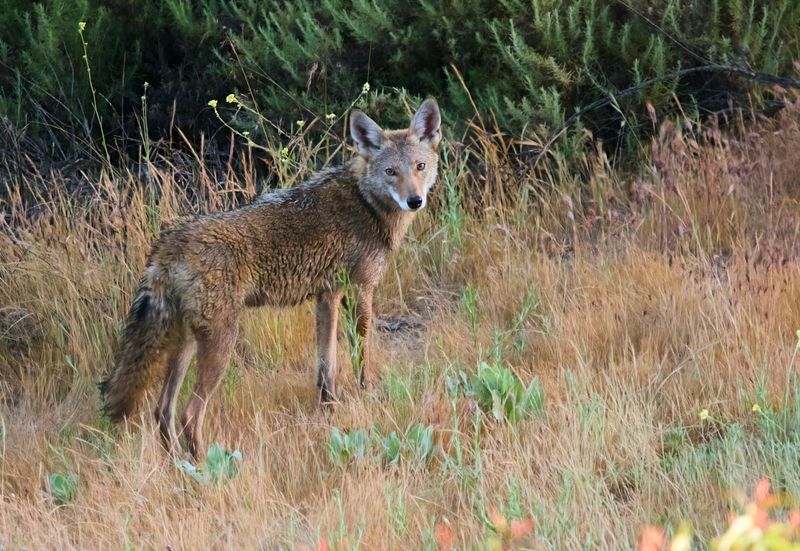
Some coyotes do not bolt at the first sign of hazing. If the animal lingers, you need to keep going.
Walk slowly toward it while continuing to make noise and wave your arms until it fully retreats from your property.
Stopping too soon teaches the coyote that it only needs to wait you out.
Full retreat is the goal. Once it has left the yard entirely and moved away from the area, you can stand down and go back inside.
Leave Calmly If It Appears to Be Defending a Nearby Den
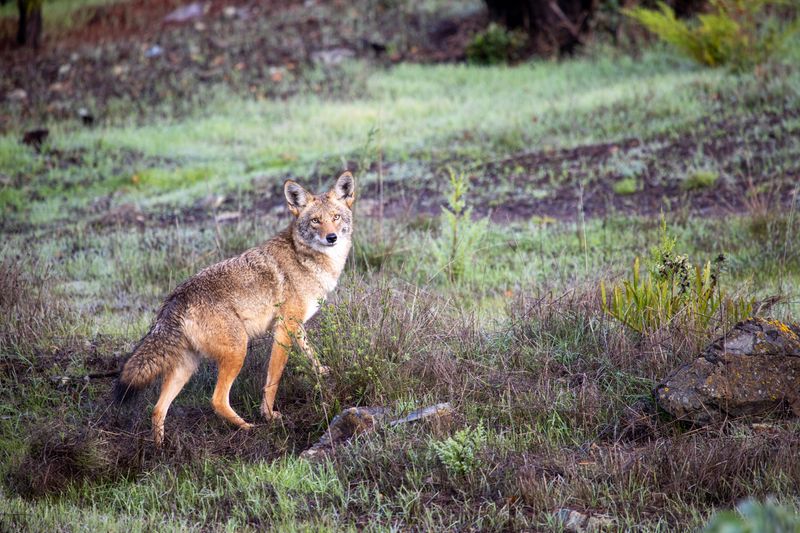
From February through June, coyotes raise their pups and become more protective of the areas around their dens. If a coyote seems to be watching you closely or moving in a way that feels like it is escorting you away, that is likely what is happening.
Do not escalate the situation. Back away slowly and calmly, go inside, and give the animal space.
Hazing is not the right call when a coyote is protecting young. Respecting that boundary keeps both you and the animals safe.
Secure Garbage Cans with Tight-Fitting Lids
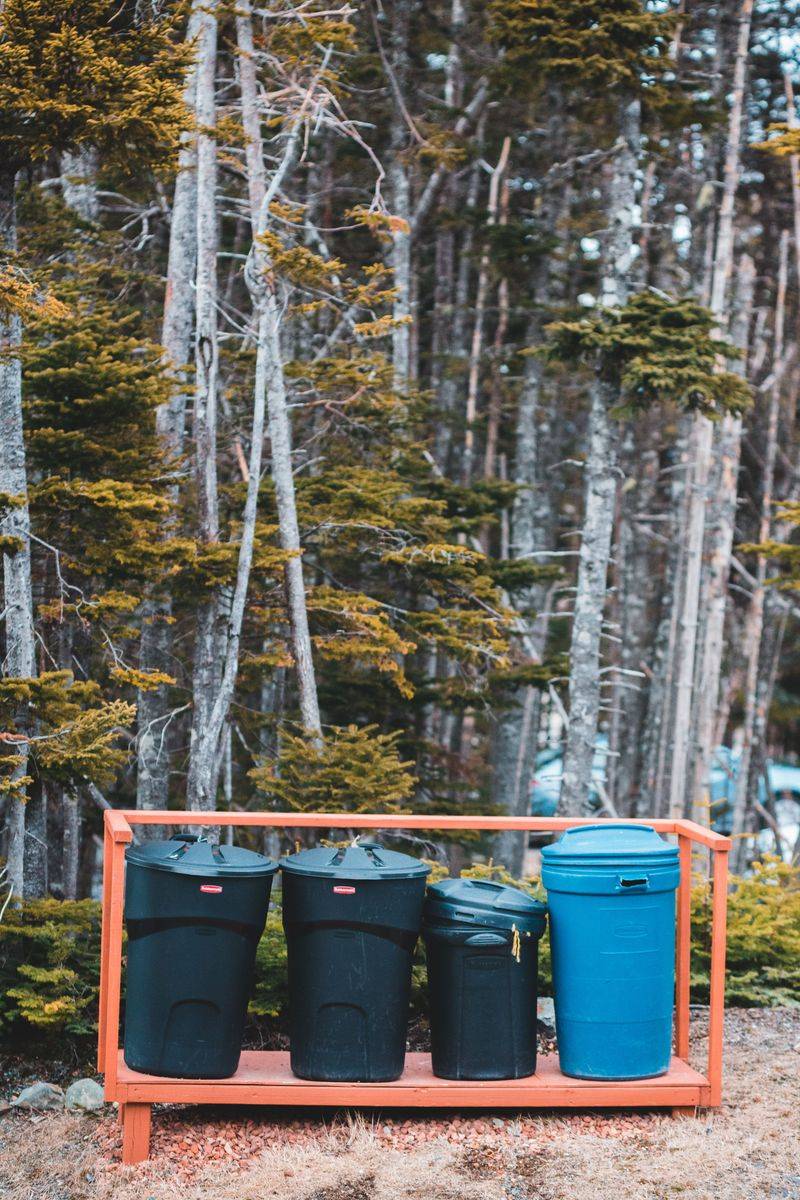
Coyotes are opportunistic scavengers, and an unsecured trash can is basically an open invitation. Lids that latch or lock are far more effective than loose-fitting covers that a curious animal can nudge off easily.
A practical habit to adopt: put garbage out on the morning of pickup rather than the night before. That small change removes an overnight temptation entirely.
Reducing easy food sources in your yard is one of the most reliable long-term ways to discourage repeat coyote visits.
Remove Outdoor Pet Food, Scraps, and Water Bowls
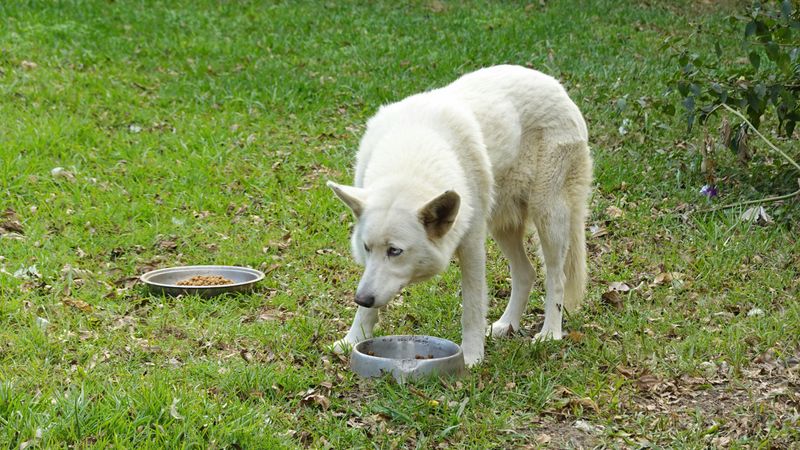
Leaving pet food outside is one of the most common ways people accidentally attract coyotes to their yards. Even a small amount of kibble or table scraps can draw in wildlife that would otherwise keep its distance.
After every feeding, bring bowls inside. This applies to water dishes too, since any resource left out can create a habit for visiting animals.
It takes less than a minute and makes a real difference in whether coyotes see your yard as a reliable food stop.
Clean Up Fallen Fruit and Spilled Birdseed

Coyotes are omnivores. Fallen apples, pears, or berries are just as appealing to them as a bowl of pet food.
Birdseed is a double problem: it draws in small rodents and birds, which then attract coyotes looking for an easy meal.
Rake up fallen fruit regularly and clean beneath feeders often. If coyote activity near your yard is frequent, consider removing bird feeders temporarily.
Cutting off indirect food sources is a step many homeowners overlook but wildlife experts consistently recommend.
Keep Cats and Small Dogs Indoors or Closely Supervised
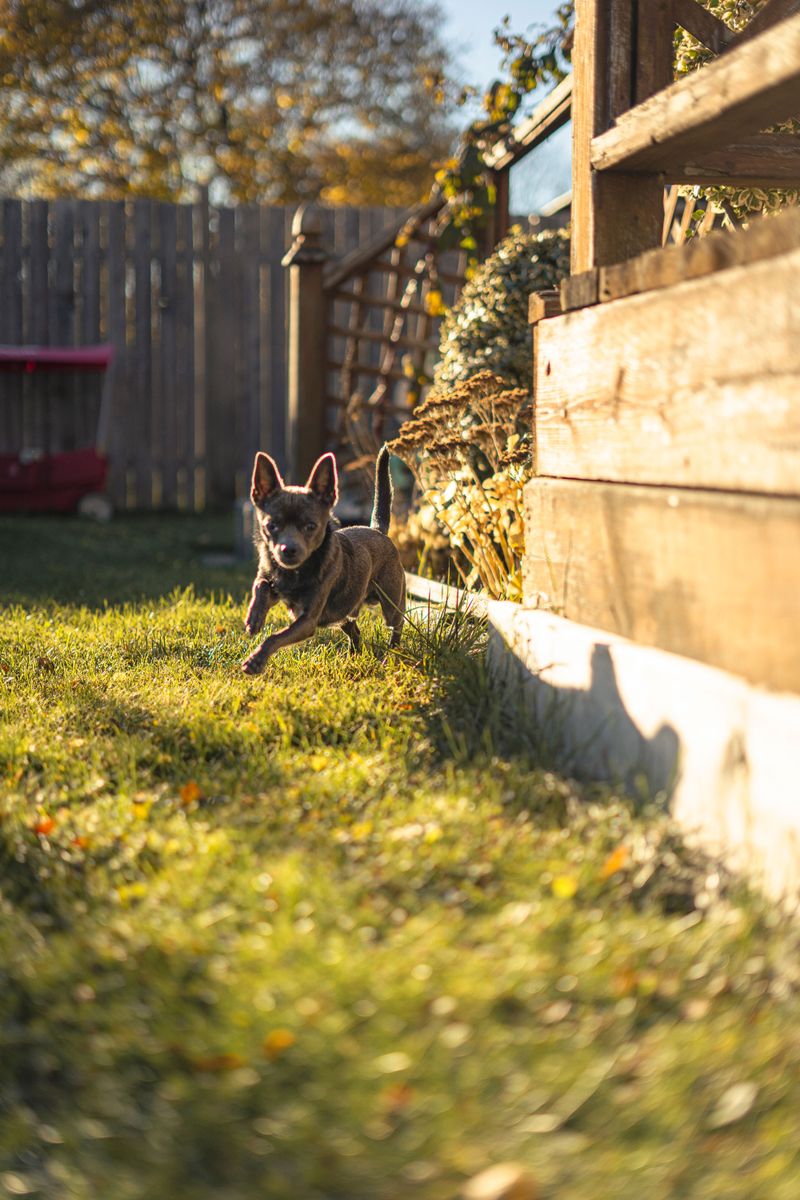
Unattended small pets are genuinely vulnerable when coyotes are active nearby. Cats allowed to roam freely outdoors face the greatest risk, especially at dawn and dusk when coyotes are most active in residential areas.
Small dogs should never be left outside alone, even in a fenced yard. Supervision means staying outside with your pet, not just watching through a window.
Keeping your animals close is a simple habit that significantly reduces the chances of a dangerous encounter.
Walk Dogs on a Leash No Longer Than Six Feet
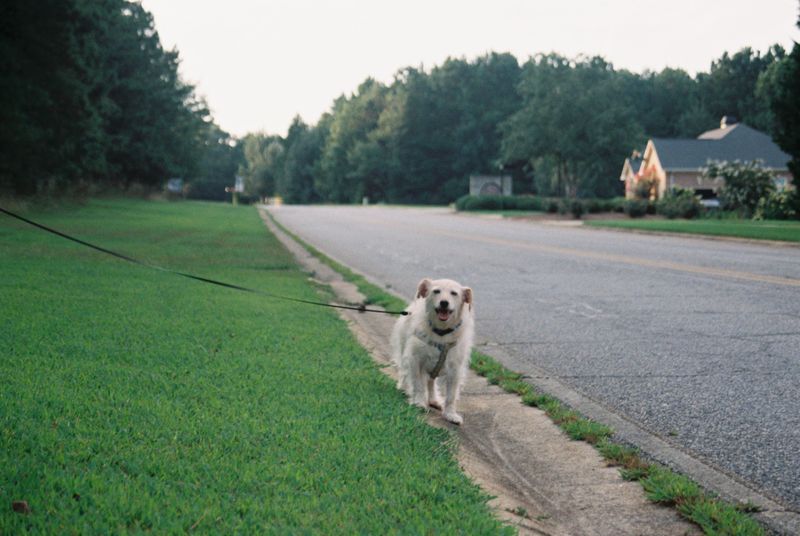
A six-foot leash gives you real control over your dog during a coyote encounter. Retractable leashes can extend far enough to let your dog wander into trouble before you can react in time.
Be especially alert during dawn, dusk, and early evening walks in areas with known coyote activity. Breeding and pup-rearing season, roughly February through May, brings more coyote movement closer to neighborhoods.
Staying aware and keeping your dog close during walks is one of the easiest protective steps you can take.
Protect Chickens and Other Livestock in Secure Covered Pens
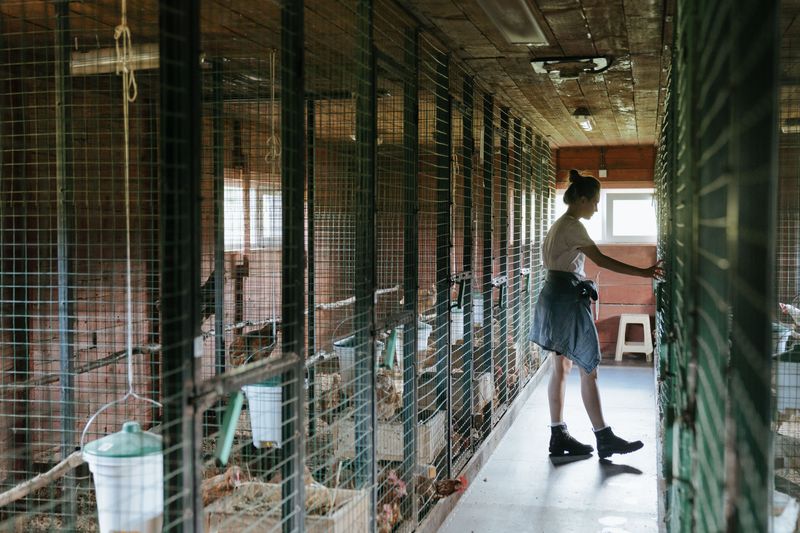
Backyard chickens and small livestock are highly attractive to coyotes. An open or loosely built pen offers almost no protection once a determined predator is nearby at night.
Enclosures should have secure roofs, reinforced walls, and buried fencing around the perimeter to prevent digging underneath. Electric fencing can add an extra layer of protection for larger setups.
Locking animals in before dark and checking for gaps in the structure regularly are habits that pay off quickly.
Trim Thick Brush and Close Spaces Beneath Sheds and Porches
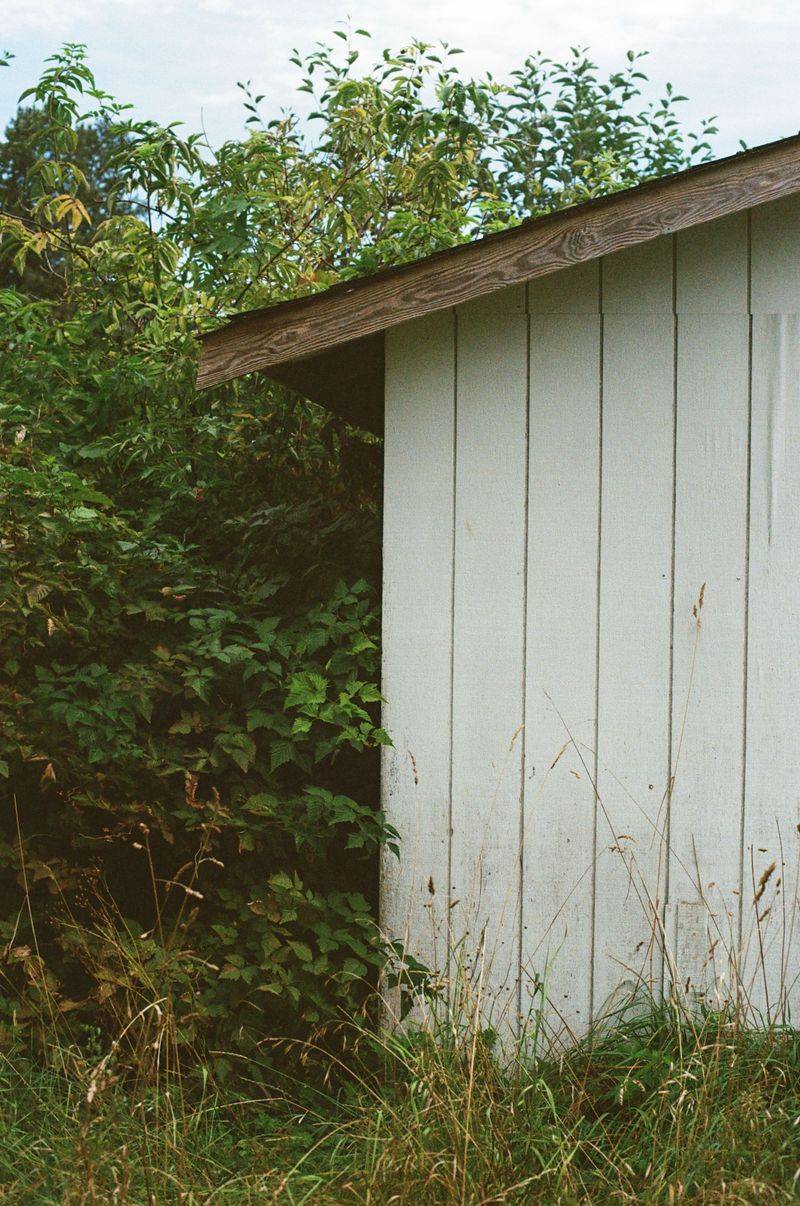
Dense shrubs, tall weeds, and open crawl spaces under structures are exactly what coyotes look for when scouting a new area. These spots offer cover for the coyote itself and shelter for the small animals it preys on.
Regular yard maintenance removes that appeal. Trim back overgrown vegetation along fence lines and near outbuildings.
Use hardware cloth or lattice to close off gaps beneath decks, porches, and sheds.
A tidy yard simply has fewer reasons to attract wildlife looking for a quiet hideout.
Install Fencing at Least Six Feet Tall with Protection Against Digging

Standard fencing often is not enough. Coyotes can scale shorter fences and will dig beneath them if motivated.
Effective coyote fencing should stand at least six feet tall and include an underground barrier or an outward-angled extension at the top.
A buried apron of wire mesh extending outward from the base makes digging underneath much harder. Coyote rollers, which are spinning bars mounted along the top of a fence, can also prevent climbing.
Check local ordinances before installing, since fence height rules vary by county in North Carolina.
Contact Animal Control If the Coyote Acts Aggressively or Appears Rabid
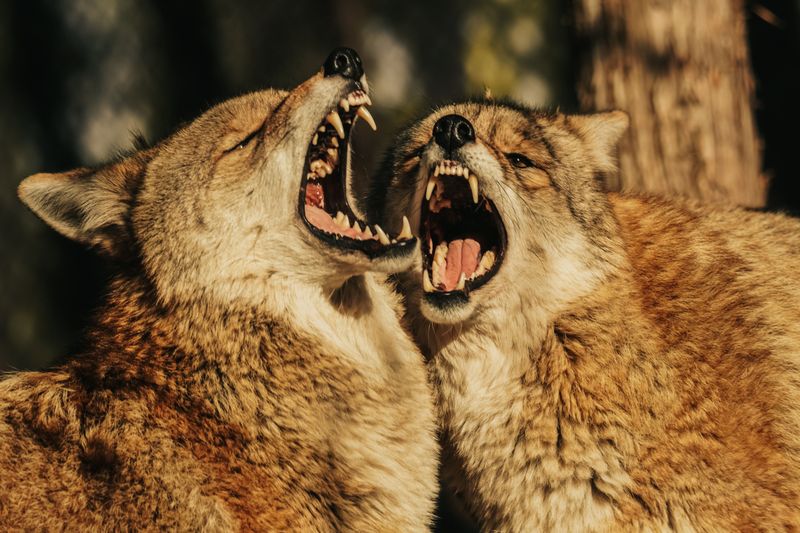
Most coyote sightings do not require a call to animal control. A healthy coyote passing through your yard is normal wildlife behavior.
However, unprovoked aggression or a coyote that does not respond at all to hazing is worth reporting.
Signs of rabies include stumbling, disorientation, or acting unusually bold without cause. Contact your local animal control agency or the North Carolina Wildlife Resources Commission in those cases.
For property damage when non-lethal methods have failed, a licensed wildlife control agent is your best resource.
Do Not Run Away, Turn Your Back, or Allow a Dog to Chase It
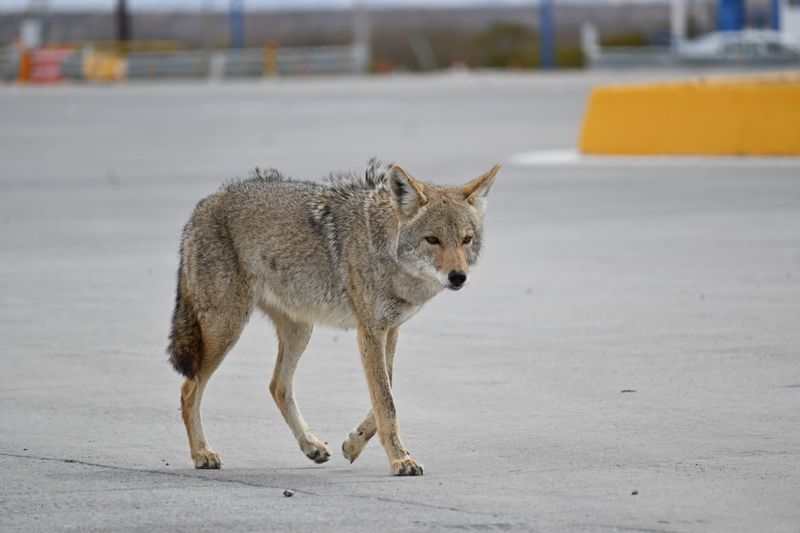
Running away from a coyote triggers its natural chase instinct. Even if it had no real interest in you before, bolting can change that dynamic quickly.
Turning your back sends a signal that you are prey, not a threat.
Letting your dog chase a coyote is equally risky. Coyotes sometimes use this tactic to lure dogs away from the safety of their owners.
Keep your dog close, hold your ground, and back away slowly and confidently once the coyote begins to retreat.
Do Not Feed, Approach, Pet, Corner, Trap, or Relocate the Coyote Yourself
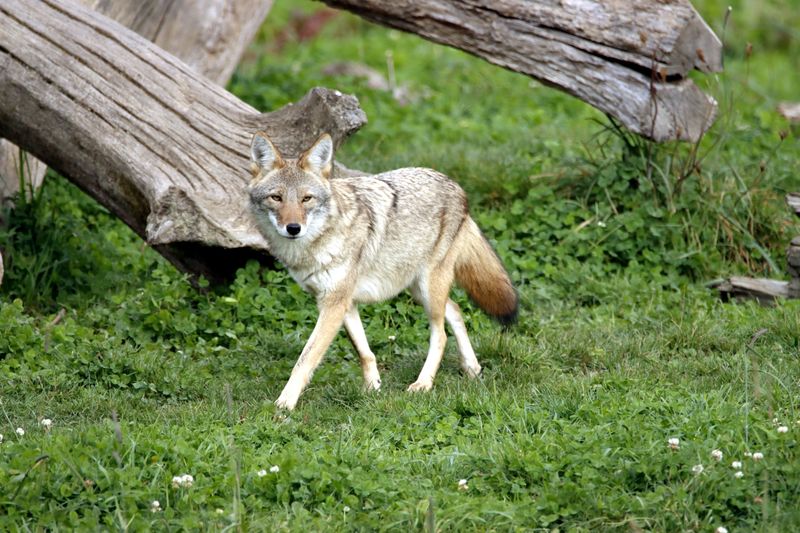
Feeding a coyote, even once, can permanently reduce its fear of humans. That shift in behavior is what leads to the bold, lingering coyotes that become genuine problems for neighborhoods over time.
Trapping or relocating coyotes yourself is also illegal in North Carolina. The state prohibits moving wild animals due to disease risk and the animal’s strong ability to find its way back.
If a coyote needs to be removed, contact a licensed wildlife control agent. Keeping coyotes wild and wary is the safest outcome for everyone involved.