15 High-Energy Dogs That Love the Arizona Outdoors
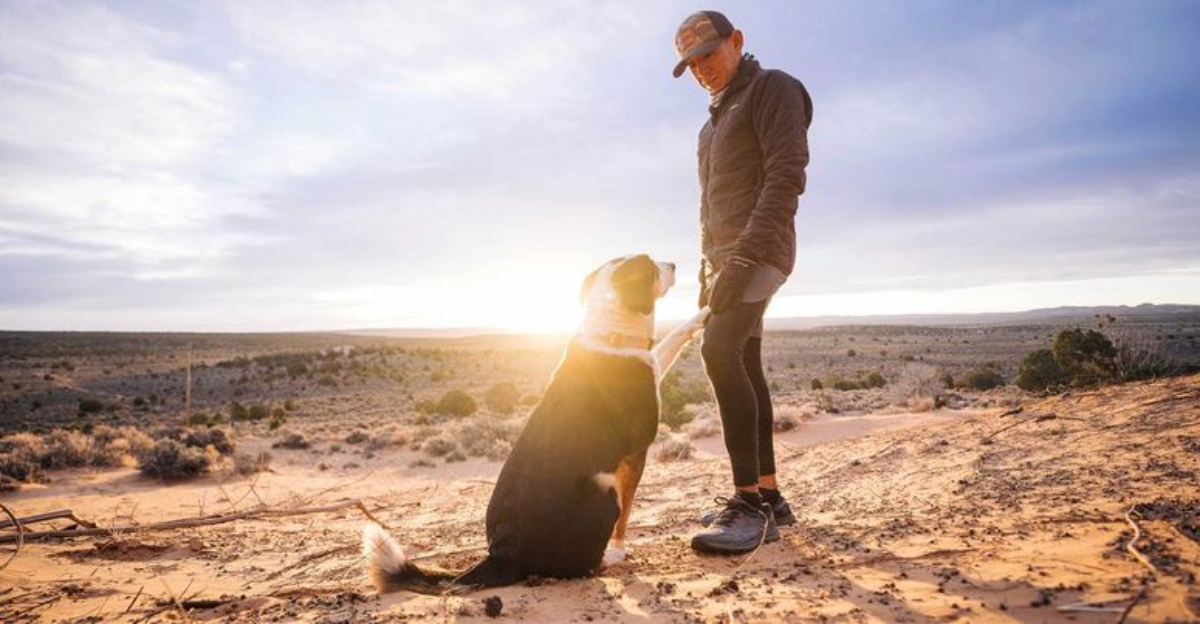
Sunrise in Arizona hits differently when a dog is pulling you toward the trailhead. Desert mornings are cool, quiet, and full of smells no city sidewalk can match.
But not every breed handles saguaro country the same way, and heat rules matter as much as stamina here. Some dogs sprint at dawn, nap through the afternoon, then beg for a sunset loop.
Here are fifteen breeds built for that rhythm, plus practical tips to keep paws happy and tails busy.
1. Australian Shepherd
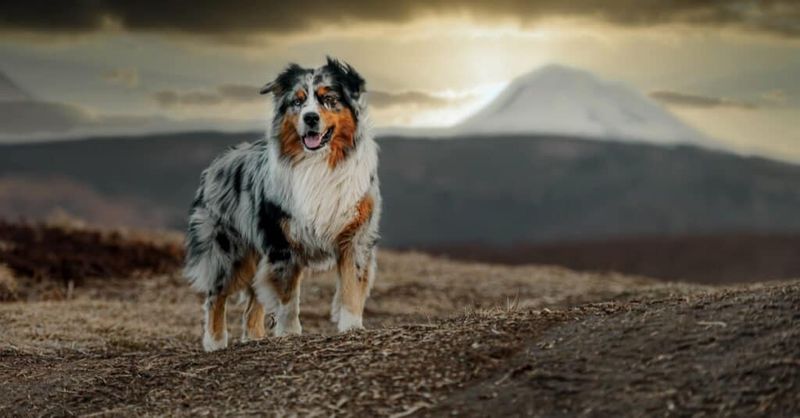
Give an Aussie a job and watch the magic happen. Herding instincts turn a simple trail loop into a mission.
Smart, springy, and endlessly athletic, they shine on Sedona day hikes and long weekend rambles. Bring a puzzle toy for the drive home, because a tired body plus a bored brain equals mischief.
Their double coat needs brushing after dusty outings. Check for burrs between the toes, and offer regular water and shade breaks, especially during warmer weather.
2. Border Collie
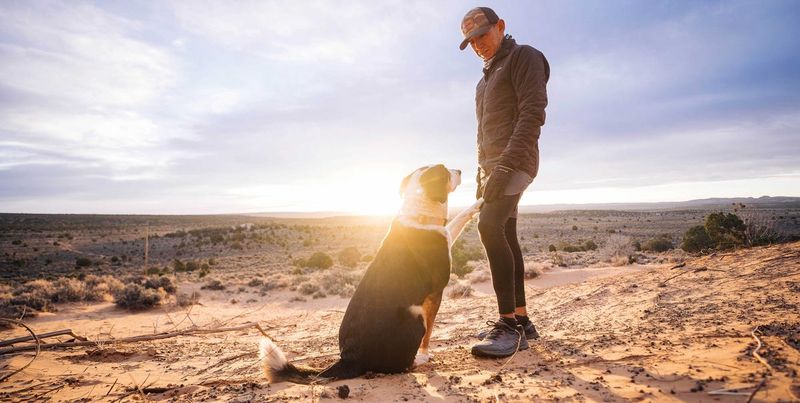
Border Collies are exceptionally intelligent dogs that think as they move. That combination can make them outstanding partners for active desert adventures.
They love learning turns, recalls, and trick cues mid-hike. Toss in a frisbee session at a shaded park, and you have one satisfied collie.
Watch for obsessive behavior when understimulated. Structured activity beats endless ball throwing, and cool morning hours protect those hardworking paws from hot rock.
3. Australian Cattle Dog
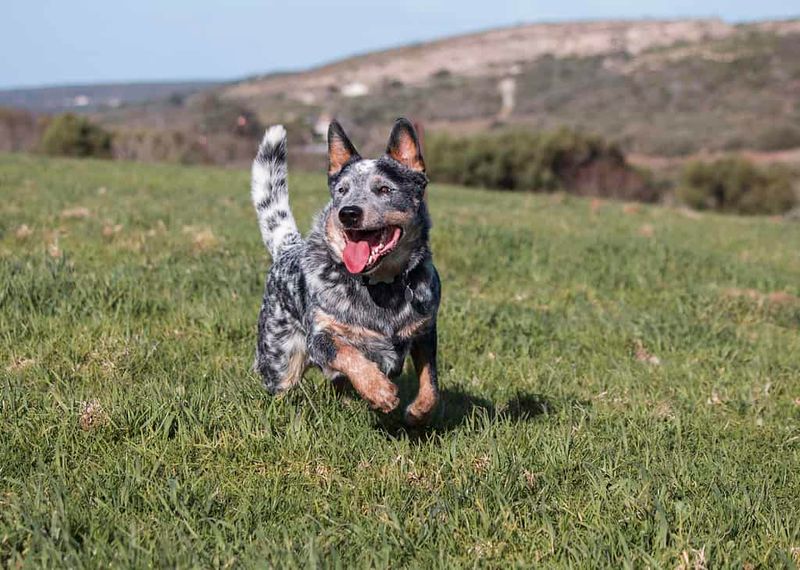
Ranchers call them heelers for good reason: these dogs work until the job is done. Stamina is their signature.
A Cattle Dog will happily climb switchbacks, wade a creek, then look up asking for more. Long desert hikes suit them beautifully.
Their speckled coat sheds less drama than you would expect. Still, monitor breathing on warm days, since sheer determination can override common sense in the heat.
4. Vizsla
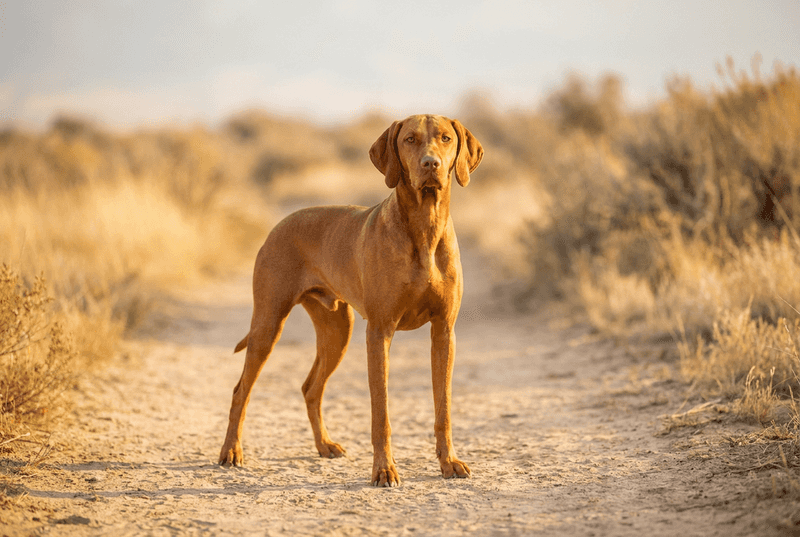
Nicknamed the velcro dog, a Vizsla wants to be wherever you are. That includes the trail, the truck, and your sleeping bag.
Built for running, they cover miles with graceful, floating strides. Trail runs and open desert exploring fit them perfectly.
Thin coats mean sunburn risk on light skin areas. Shade breaks help, and their affectionate streak means they hate being left behind at camp.
5. German Shorthaired Pointer
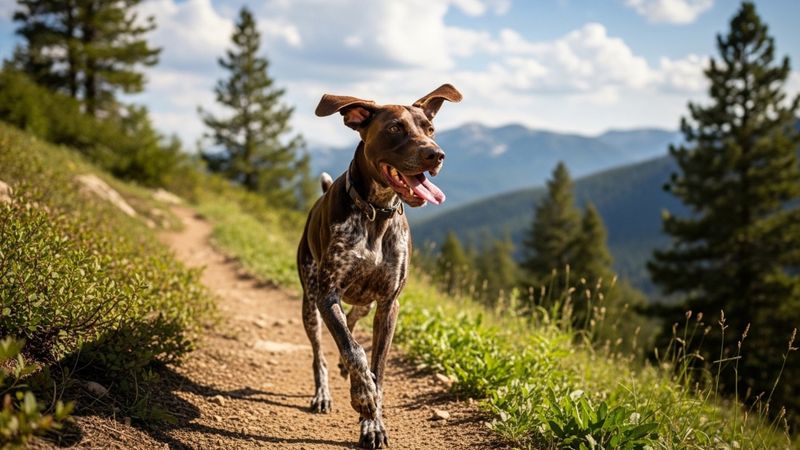
Bred in Germany as an all-purpose hunting dog, the GSP arrives with a full tank of fuel. Two walks will not cut it.
Their noses turn every wash and boulder pile into a discovery zone. Long outings satisfy body and curiosity together.
Expect zoomies if exercise gets skipped. Pack collapsible bowls, plan a shaded turnaround point, and let that famous nose lead sometimes.
6. Weimaraner
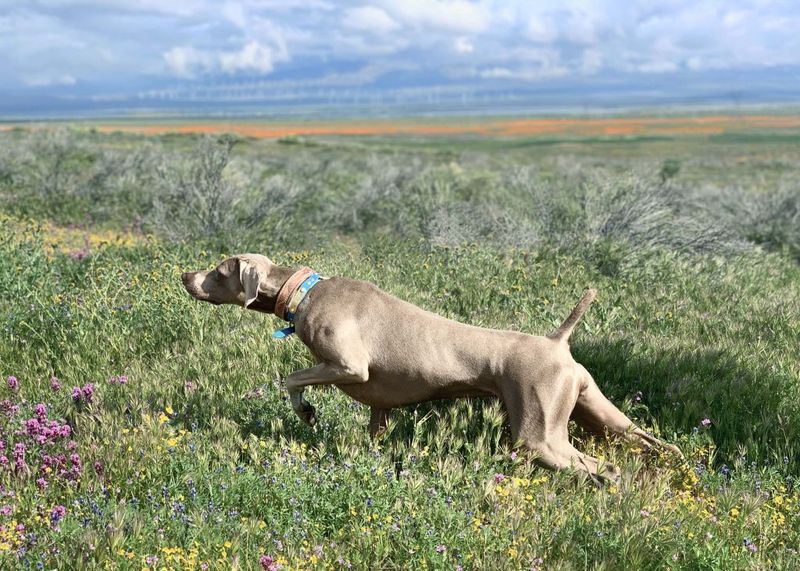
That silver coat photographs like polished metal against red rock. Gorgeous, yes, but the Weimaraner is a serious athlete first.
Originally developed for tracking large game, they need real distance to feel settled. Hiking, jogging, and hill work all land well.
Separation anxiety runs common in the breed. Keep them included in outdoor plans, and bring a light coat for chilly high country mornings.
7. Rhodesian Ridgeback
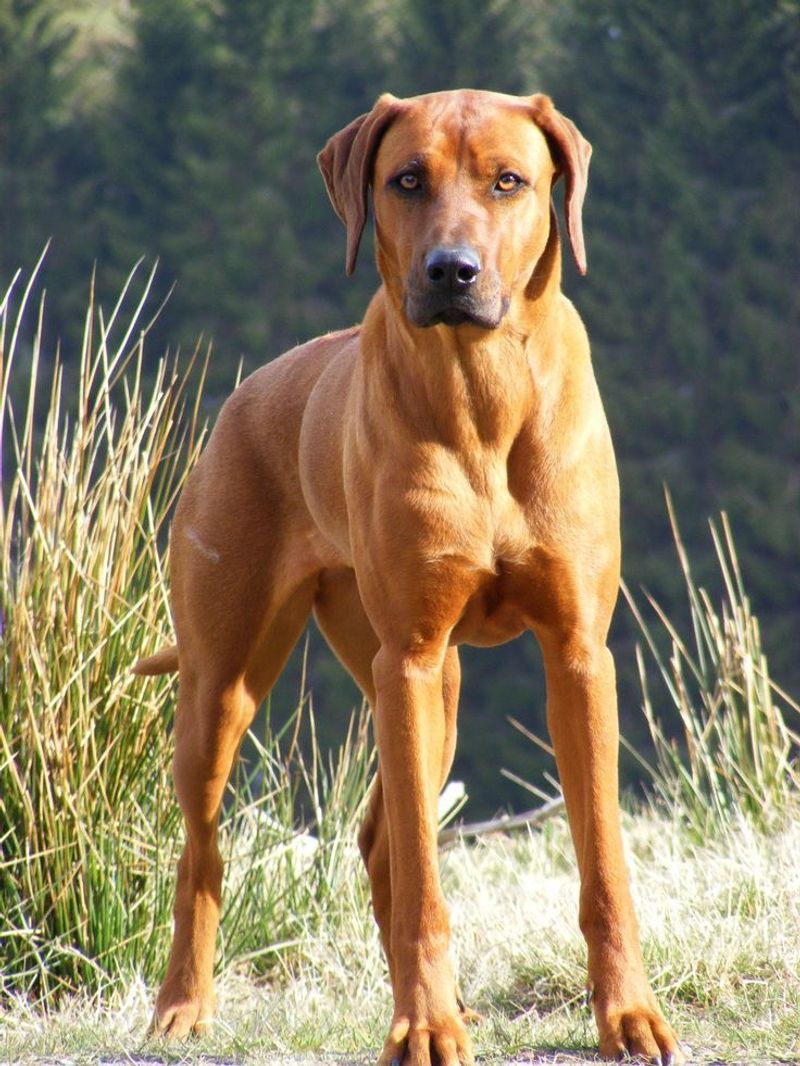
The ridge along its spine is a genuine trademark, hair growing in the opposite direction. Africa shaped this breed for hot, open country.
Ridgebacks handle warmth better than most, though Arizona summers still demand respect. Early starts and long shade breaks are non-negotiable.
Independent thinkers, they prefer suggestions over commands. Solid recall training pays off before you unclip anywhere with open sightlines.
8. Belgian Malinois
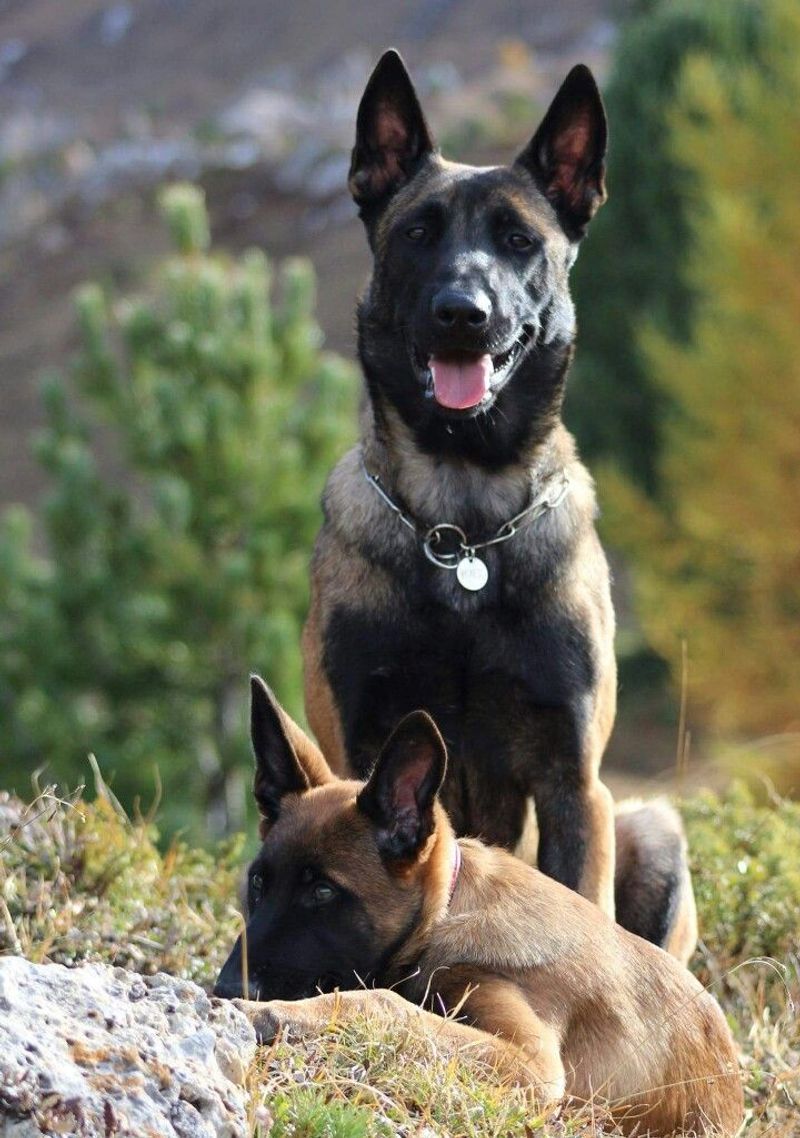
Police and search teams pick this breed for a reason. Drive, focus, and spring-loaded muscle come standard.
A Malinois needs structure, not just mileage. Blend hiking with obedience drills, scent games, and controlled off-leash time for best results.
Novice owners often underestimate them. With the right handler, though, they become tireless desert companions who genuinely love having assignments to complete.
9. Siberian Husky
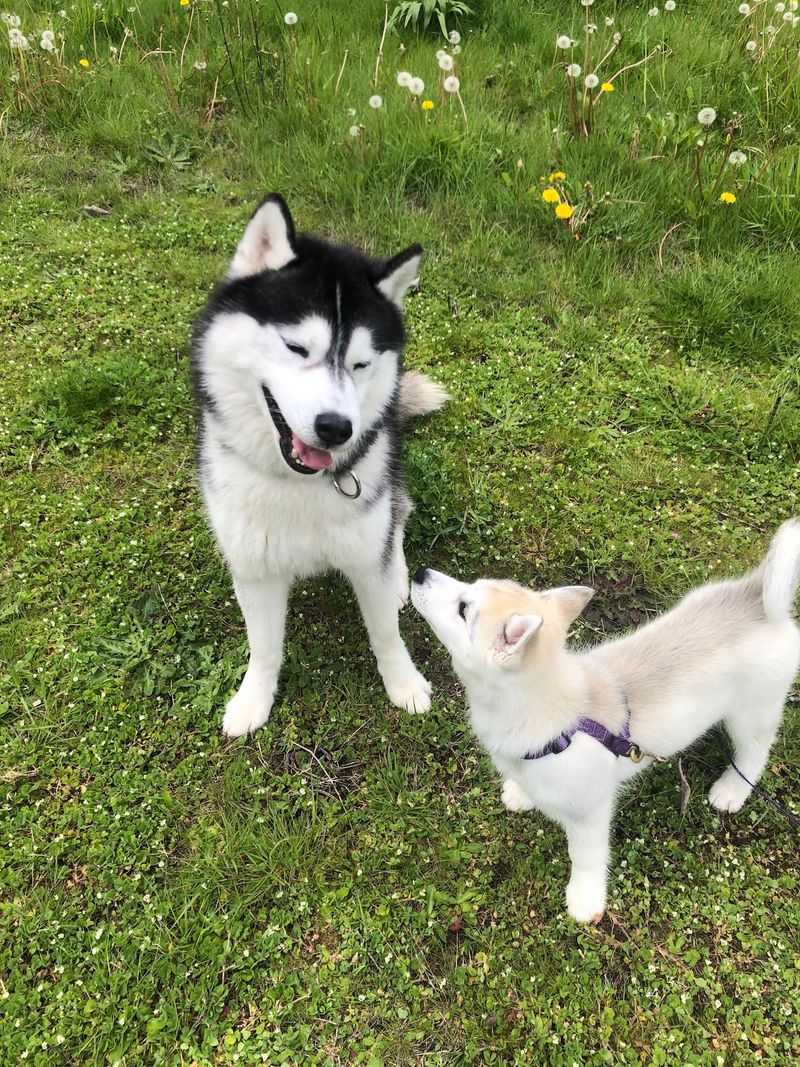
Snow dogs in the Sonoran Desert sounds odd, yet plenty of Huskies live happily in Arizona. Timing is everything.
Dawn hikes, sunset trots, and cooler pine country near Flagstaff suit them far better than midday pavement.
Never shave that double coat, since it provides insulation and protection from the sun. Fenced yards matter as well, because Huskies are known for being determined escape artists.
10. Labrador Retriever
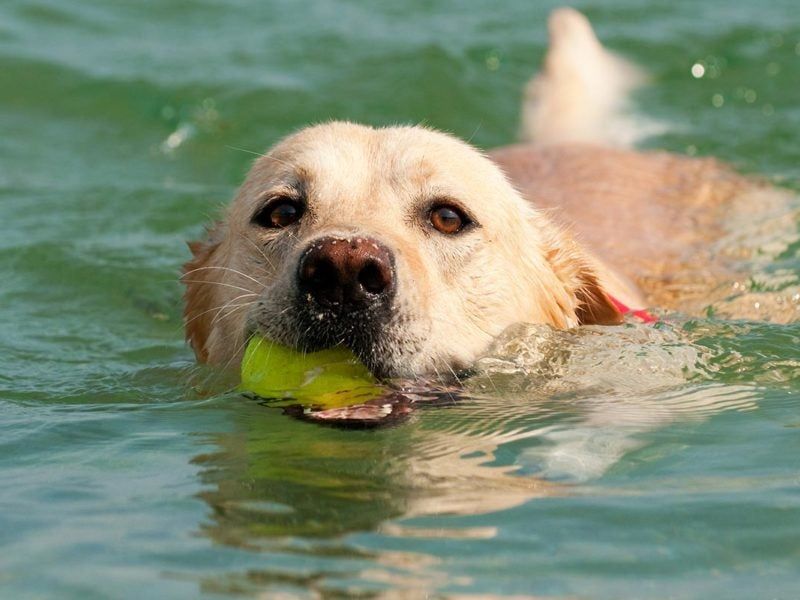
Fun fact for trivia night: Labradors trace back to Newfoundland, not Labrador. Water obsession came with the ancestry.
Point one toward a lake or shaded creek and joy follows instantly. Retrieving games double as brilliant low-impact exercise.
Labs overheat faster than owners expect, especially chunky ones. Keep sessions short in summer, and rinse off after swims to protect that dense coat.
11. Golden Retriever
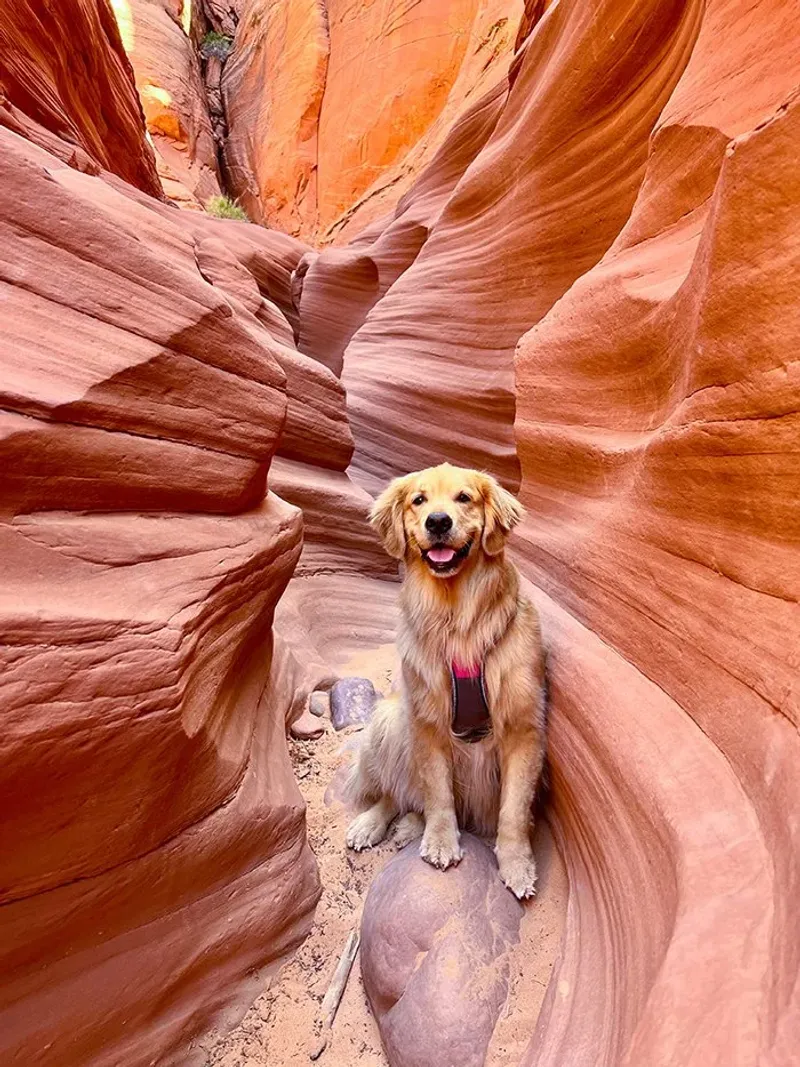
Few dogs greet a trailhead with more sunshine than a Golden. Every passing hiker becomes a new best friend.
Athletic and eager, they handle moderate hikes with cheerful stamina. Cooler months open up longer desert routes.
Heavy coats trap warmth, so water access changes everything. Carry extra, plan creek stops, and brush regularly to keep that feathered fur tangle free.
12. Standard Poodle
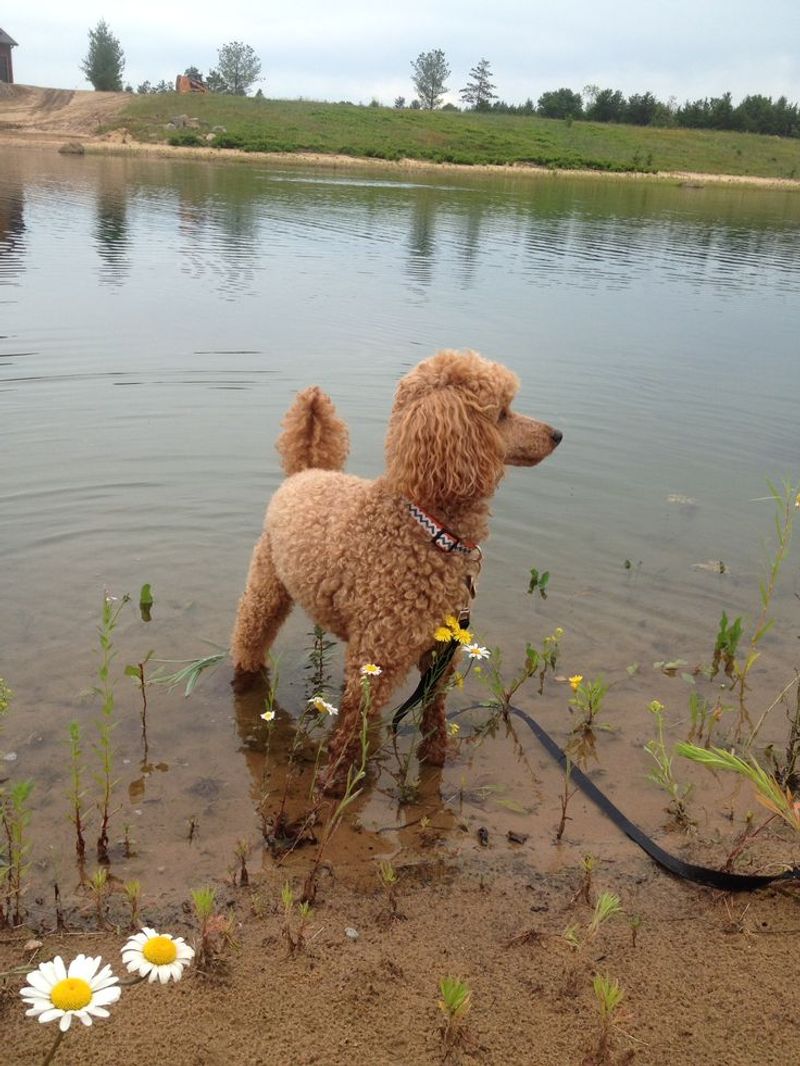
Forget the fancy show clips. Underneath is a water retriever with real muscle and impressive lung capacity.
Standards hike, swim, and learn new skills with obvious delight. Sport clips keep them cooler for desert outings.
Curly coats resist shedding but tangle after brushy trails. A quick post-hike comb prevents mats, and their smarts make trail training feel effortless.
13. English Springer Spaniel
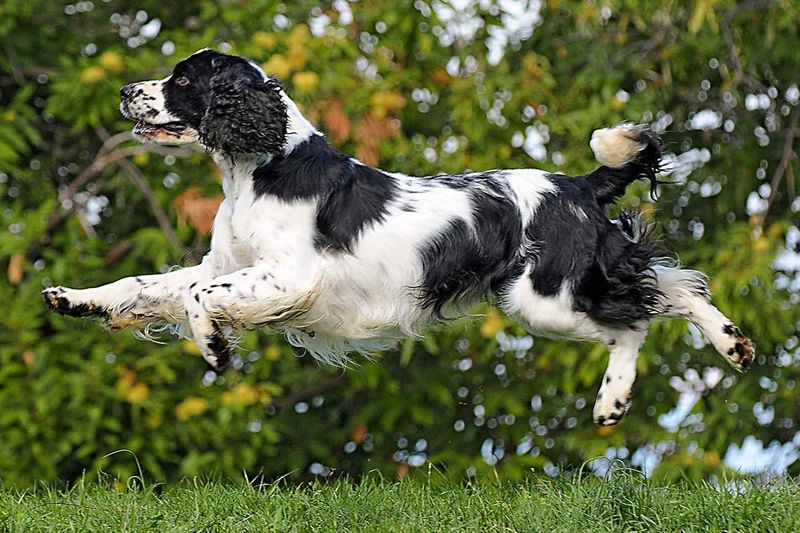
Springers earned that name honestly, springing game from cover for centuries. The bounce never really left.
Medium size makes them easy trail travelers, and their busy noses keep outings interesting for miles.
Those long ears collect dust and moisture, so check them after every hike. A happy Springer tail rarely stops moving, which is half the entertainment.
14. Jack Russell Terrier
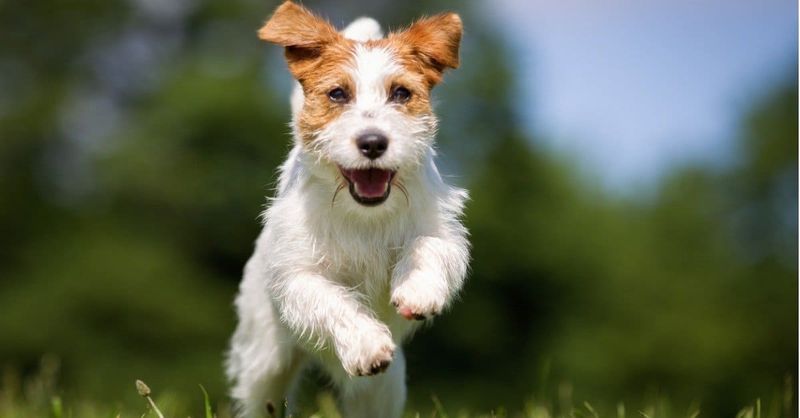
Pound for pound, nobody packs more horsepower into a small frame. Jack Russells were bred to bolt after quarry underground.
Short, stimulating outings work better than marathon miles. Sniff walks, boulder scrambles, and fetch keep them delightfully occupied.
Leashes matter in the desert, where wildlife can quickly capture a curious terrier’s attention. Their small size makes them easy to manage, but they still need shade, water, and regular breaks in warm weather.
15. Dutch Shepherd
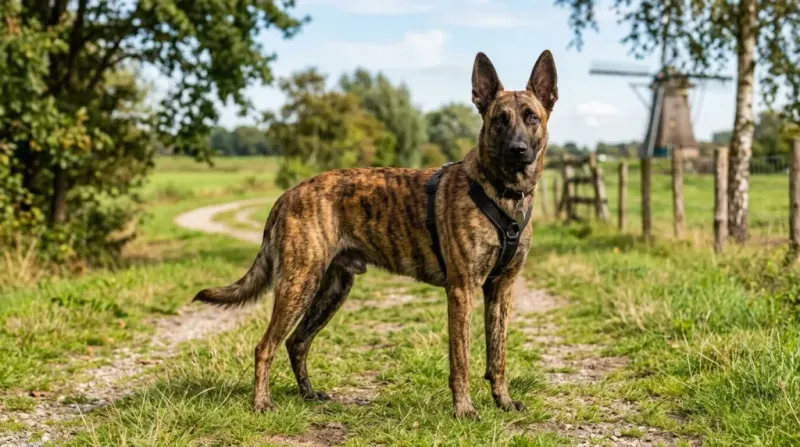
Brindle coats and quiet intensity make the Dutch Shepherd a bit of a rare find. Dutch farmers once relied on them for everything.
Purpose drives them, so pair hikes with training and scent work. Boredom is their only real enemy.
Heat planning keeps them safe: dawn starts, shaded rest stops, plenty of water. Reward that focus and you gain a devoted desert teammate.