12 Toxic Plants Hiding in North Carolina Yards
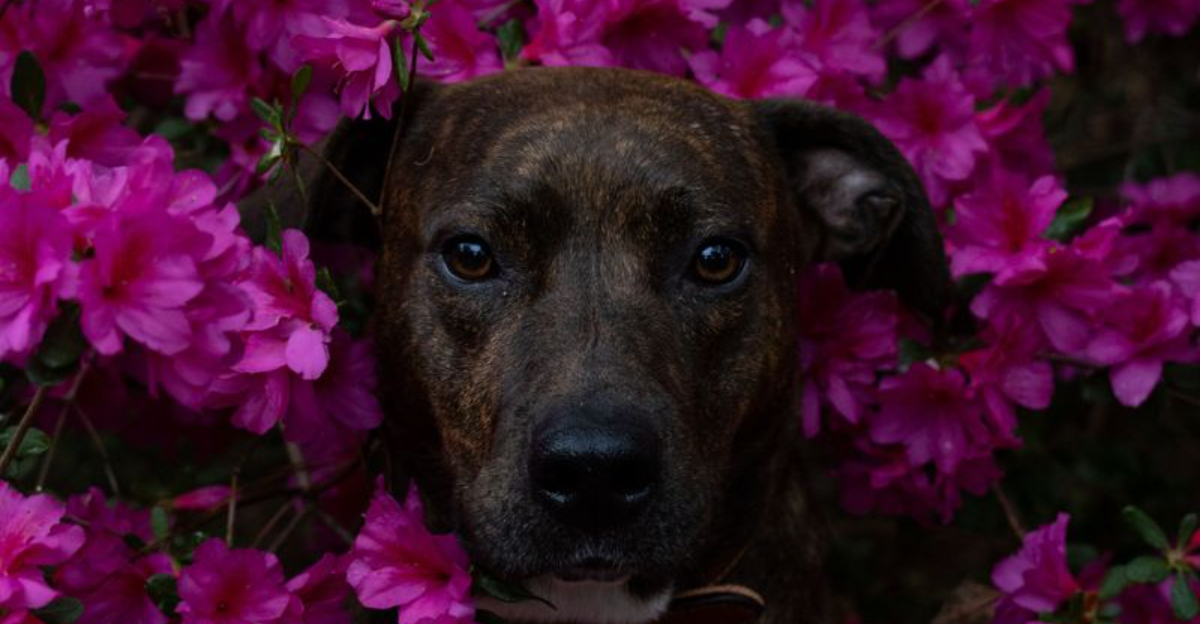
Your backyard might feel like a safe haven for your dog, but some of the most common plants in North Carolina landscapes can actually be harmful to curious pups. Many of these plants look beautiful, blend right into everyday gardens, and give no obvious warning signs.
Knowing which plants to watch for can make a real difference in keeping your dog safe. Think of this guide as a friendly heads-up from someone who genuinely wants your four-legged family member to stay healthy and happy all year long.
You do not need to panic or tear out your entire garden. A little knowledge goes a long way, and most situations can be avoided simply by knowing what is growing in your yard and making smart choices about where your dog spends time.
Read through each entry, take notes on anything that matches your own landscape, and feel confident that you are giving your dog the best possible environment to explore safely.
1. Azaleas Can Cause Trouble for Curious Dogs
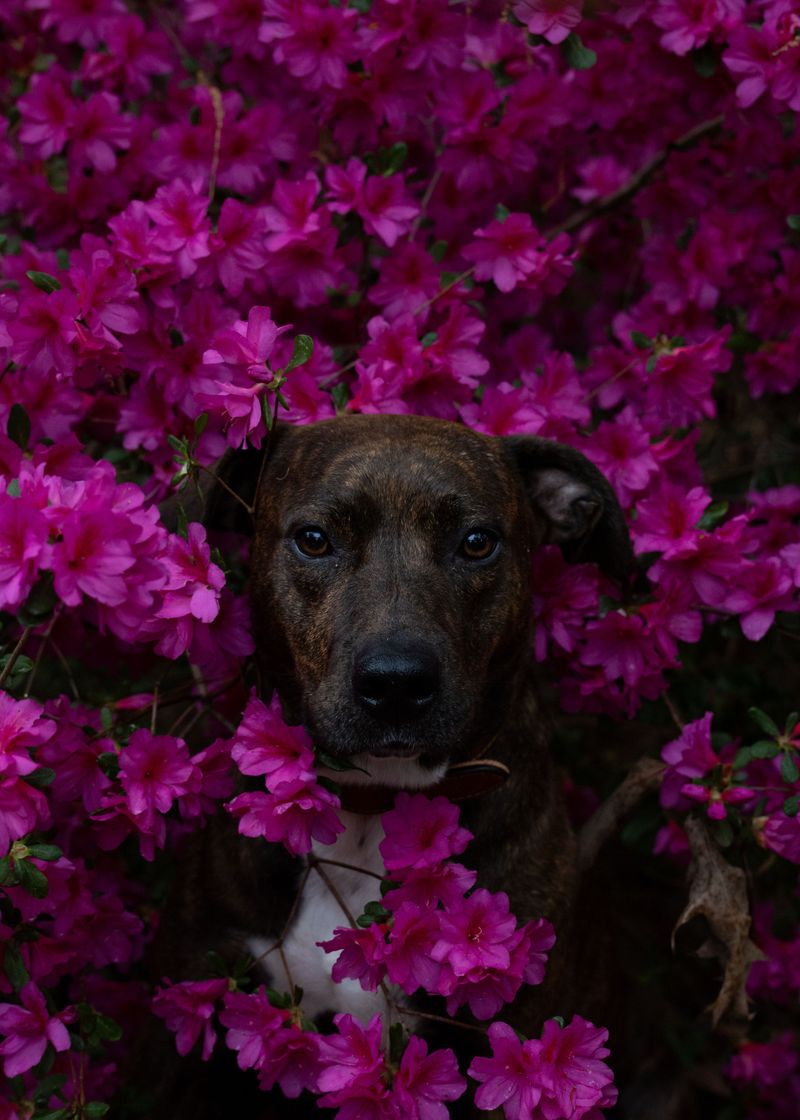
Azaleas are one of the most beloved flowering shrubs in North Carolina, lining driveways and garden beds across the state. Their cheerful blooms are hard to resist, and unfortunately, so are their leaves for a dog on a chewing mission.
The leaves and flowers contain compounds called grayanotoxins. These can affect a dog’s digestive system and heart rate if eaten.
Keep curious pups away from azalea beds, and consider using low fencing or barriers around established shrubs.
2. Oleander Is Best Kept Out of Reach
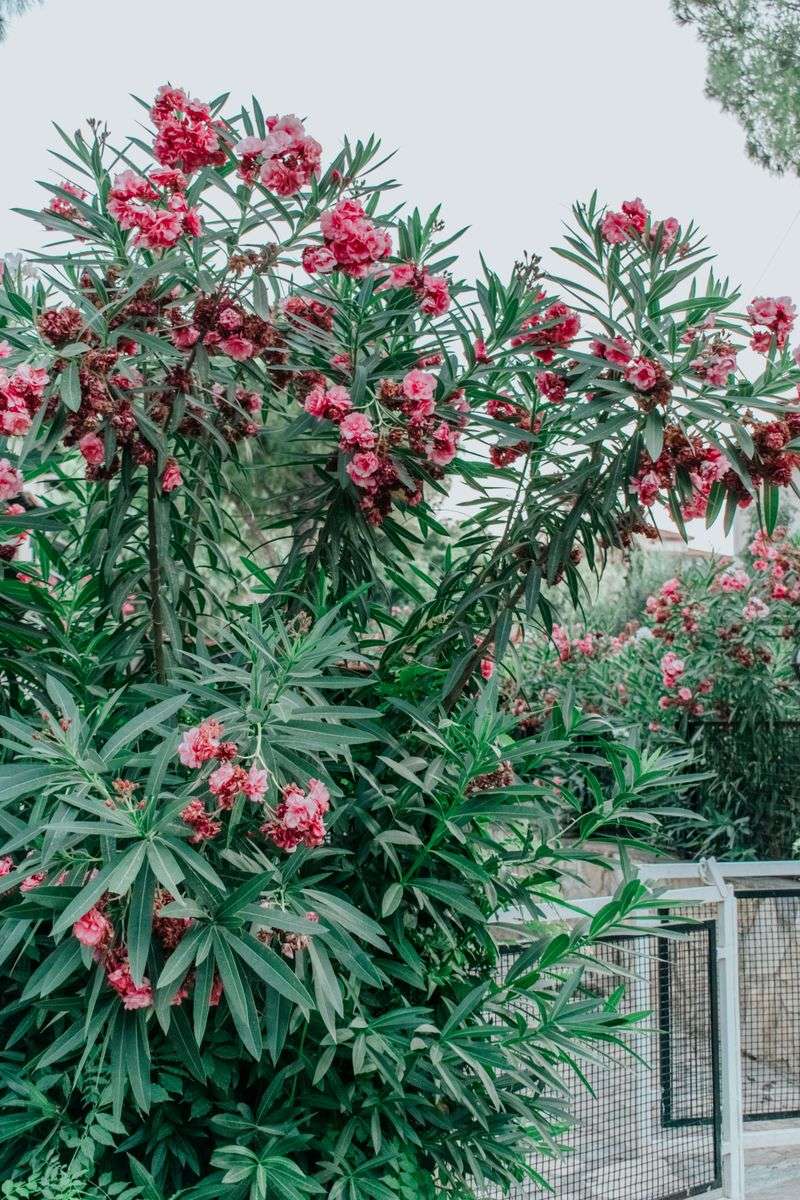
Oleander has a quiet elegance about it. The long leaves and clustered flowers make it a popular pick for warm-climate landscaping.
Every part of this plant contains compounds that can cause serious health problems for dogs if eaten.
Even small amounts of plant material can cause serious problems. If you already have oleander growing in your yard, block off access completely.
If you have an outdoor dog that likes to roam, replacing oleander with a pet-safer alternative is a better choice.
3. Sago Palms Are Risky Landscape Plants
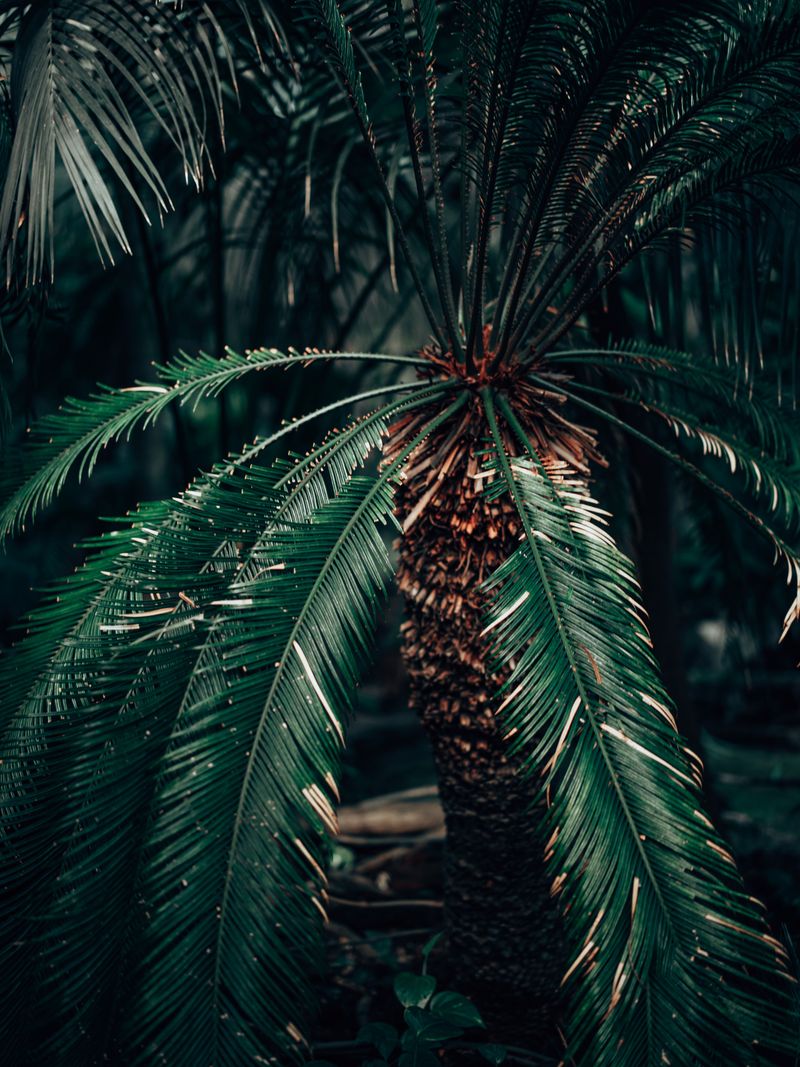
Sago palms look tropical and polished, which is exactly why they show up in so many North Carolina yards as decorative focal points. However, they are among the more serious concerns for dogs that chew on plants.
All parts of the sago palm contain cycasin, a compound that can affect the liver. The seeds are especially concerning.
If sago palms are growing on your property, make sure your dog cannot reach any part of the plant at all.
4. Lilies Deserve Extra Caution
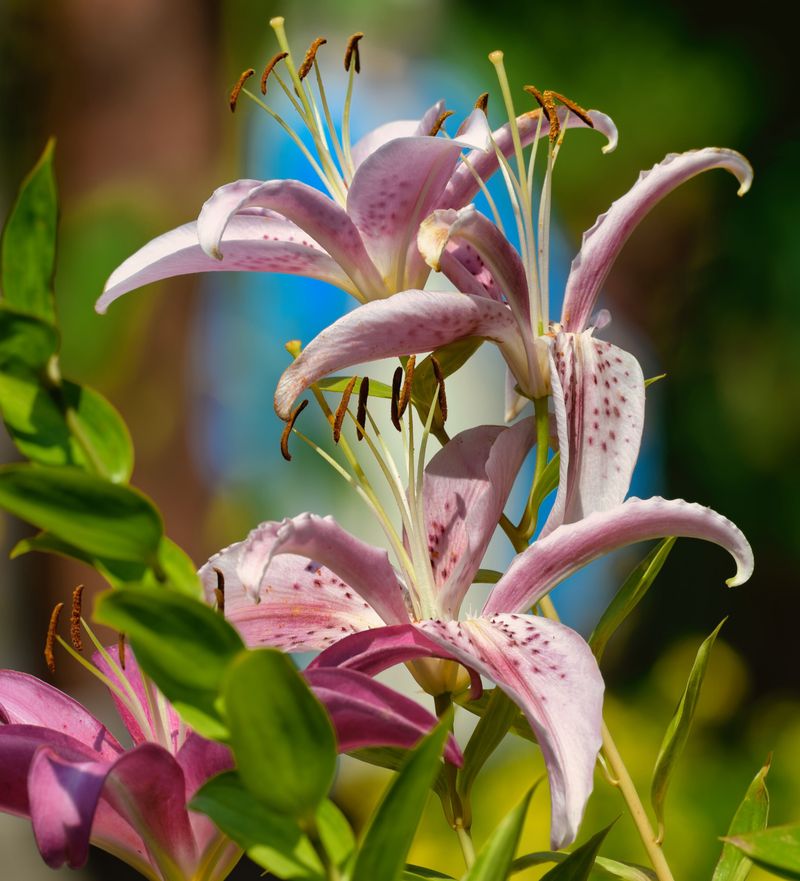
Not every lily is equally risky, but some varieties can cause real problems for pets. Cats face the most serious danger from certain lily types, yet dogs are not completely in the clear either.
Because lilies come in so many shapes and names, identifying them accurately can be tricky even for experienced gardeners. When in doubt, keep unfamiliar lily varieties away from pets entirely.
Your veterinarian can help you figure out which types are growing in your yard.
5. Rhododendrons Can Hide Among Garden Shrubs
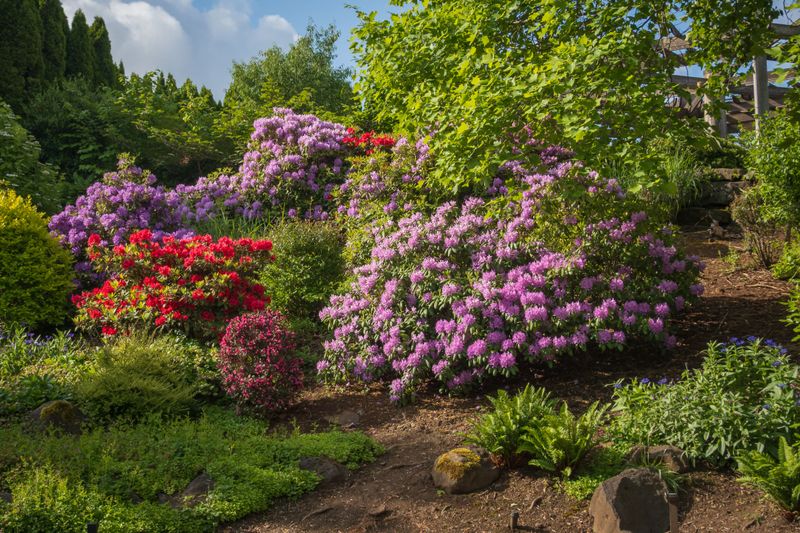
Rhododendrons are popular ornamental plants and they grow beautifully in many parts of North Carolina, especially in shadier, cooler spots. They can blend right into a mixed garden border without standing out as anything unusual.
Their leaves and flowers contain grayanotoxins, the same compounds found in azaleas. A dog that grazes on these shrubs may experience digestive upset.
Keeping your dog on a leash in unfamiliar gardens helps you monitor what they are sniffing and chewing.
6. Hydrangeas Look Harmless but Need Care
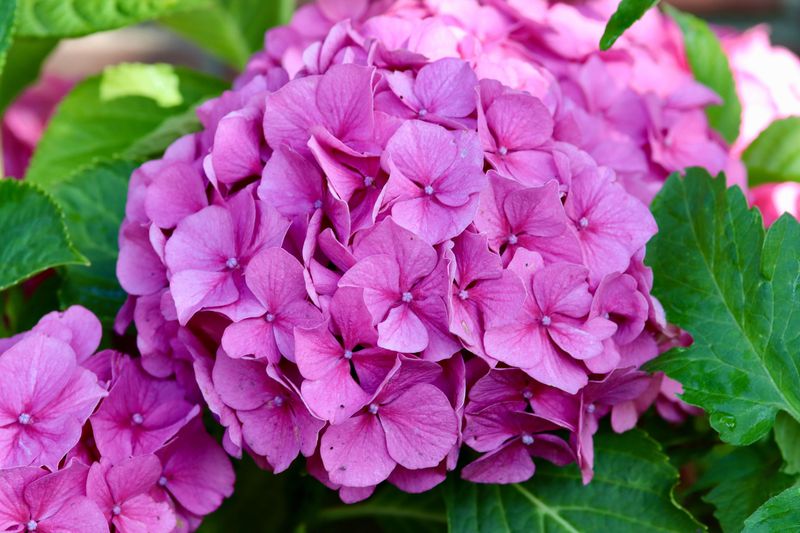
Hydrangeas are a staple in North Carolina gardens. Their big, colorful flower clusters are genuinely beautiful, and they tend to attract attention from both people and curious dogs.
The plant contains compounds that can cause mild digestive upset if chewed. Young dogs that explore everything with their mouths are most likely to sample hydrangea leaves or flowers.
Placing low garden borders around hydrangea beds is a simple, practical step that gives your dog room to roam without getting into trouble.
7. Daffodils Bring Spring Color With a Catch
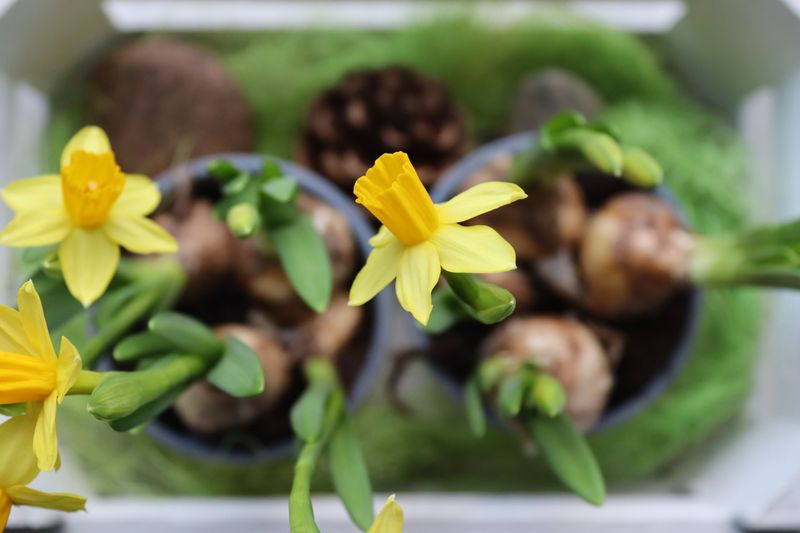
Daffodils are one of the first signs that spring has arrived, and they pop up in yards all across North Carolina. Their cheerful yellow blooms are a welcome sight after a long winter.
The bulbs are the most concerning part for dogs, especially those that like to dig. If a dog unearths and chews a daffodil bulb, it can cause nausea and other digestive issues.
Supervise digging-prone dogs outdoors and consider covering freshly planted bulb beds with wire mesh.
8. Tulips Can Tempt Dogs Digging in Garden Beds
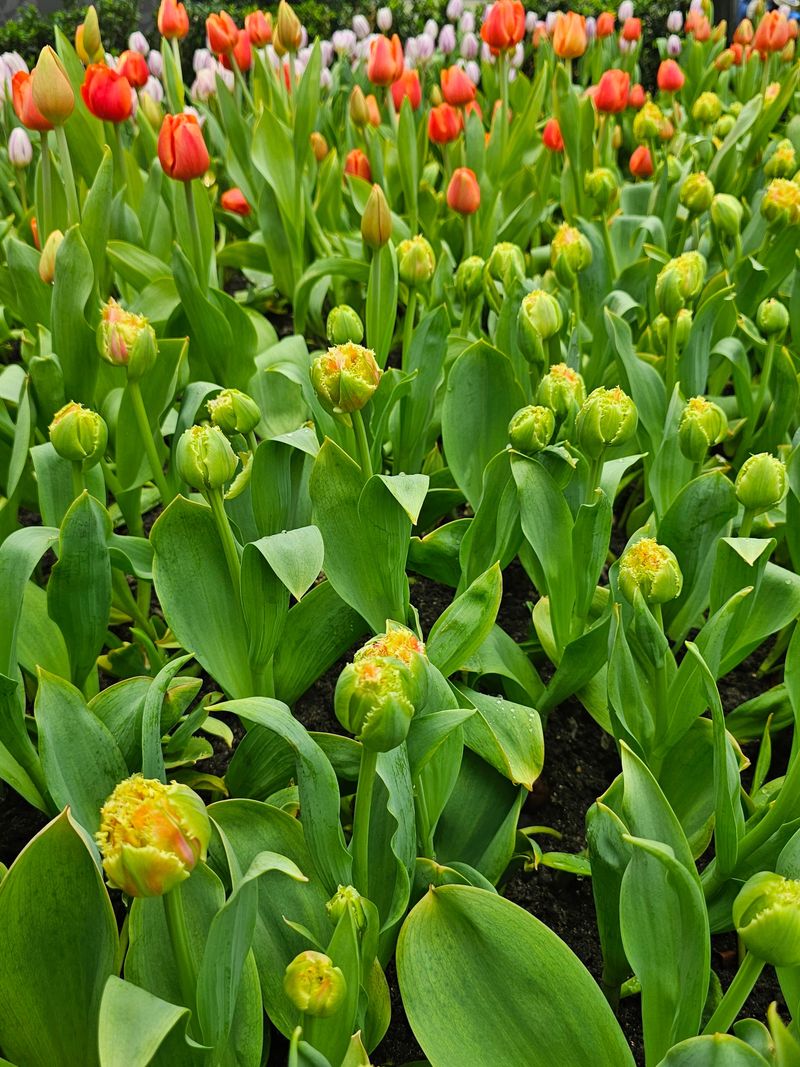
Tulips add stunning color to spring gardens, and their bold blooms make them a popular choice for North Carolina flower beds. The problem is that their bulbs contain compounds that can upset a dog’s stomach if eaten.
Dogs that love to dig are at the greatest risk of finding buried bulbs. Plant tulips in areas your dog cannot freely access, or use sturdy garden borders to keep digging paws out.
Checking beds after rainstorms also helps, since water can loosen soil around bulbs.
9. Autumn Crocus Can Be Confused With Other Flowers
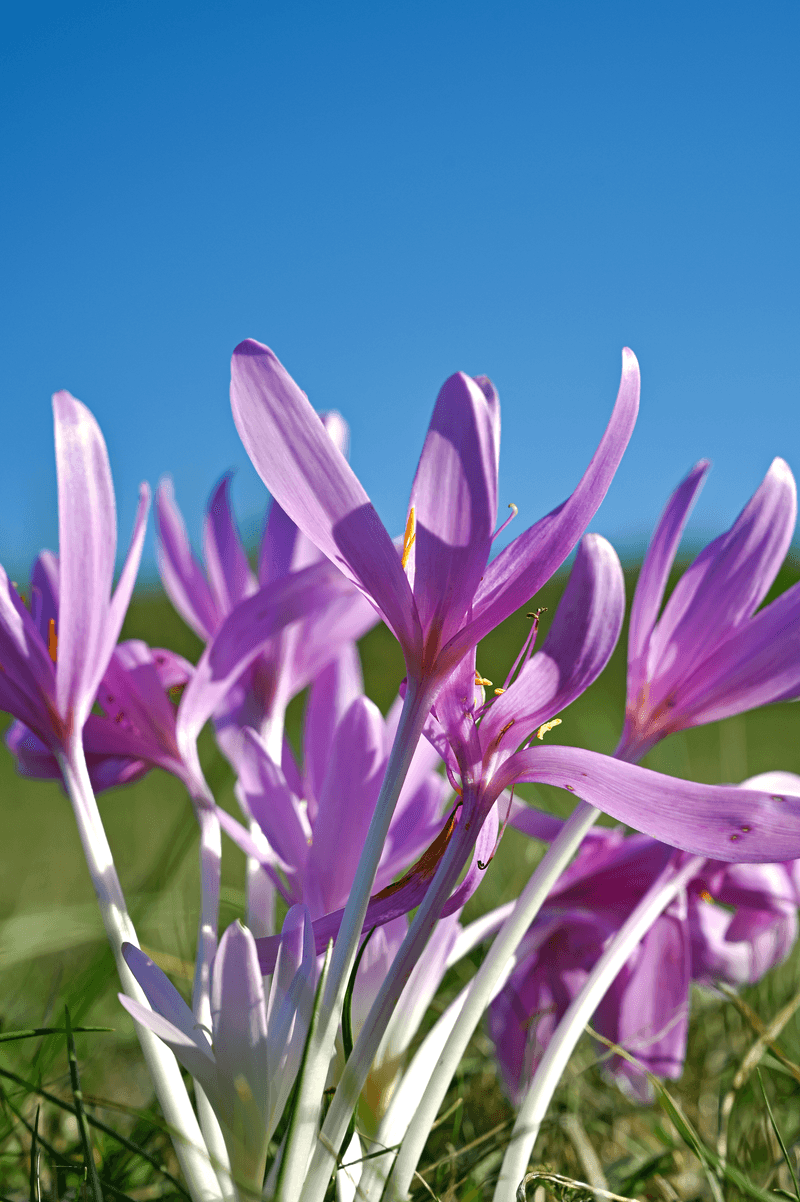
Autumn crocus produces slender, delicate blooms that can look similar to other harmless garden flowers. This is exactly what makes it worth paying attention to if you have dogs roaming your yard.
The plant contains colchicine, a compound that can be highly toxic to dogs. Because plant identification can be genuinely difficult, introducing any unfamiliar flower to a yard with pets requires some research first.
A local nursery or extension office can help confirm what is growing before your dog gets curious.
10. Foxglove Adds Beauty but Requires Distance
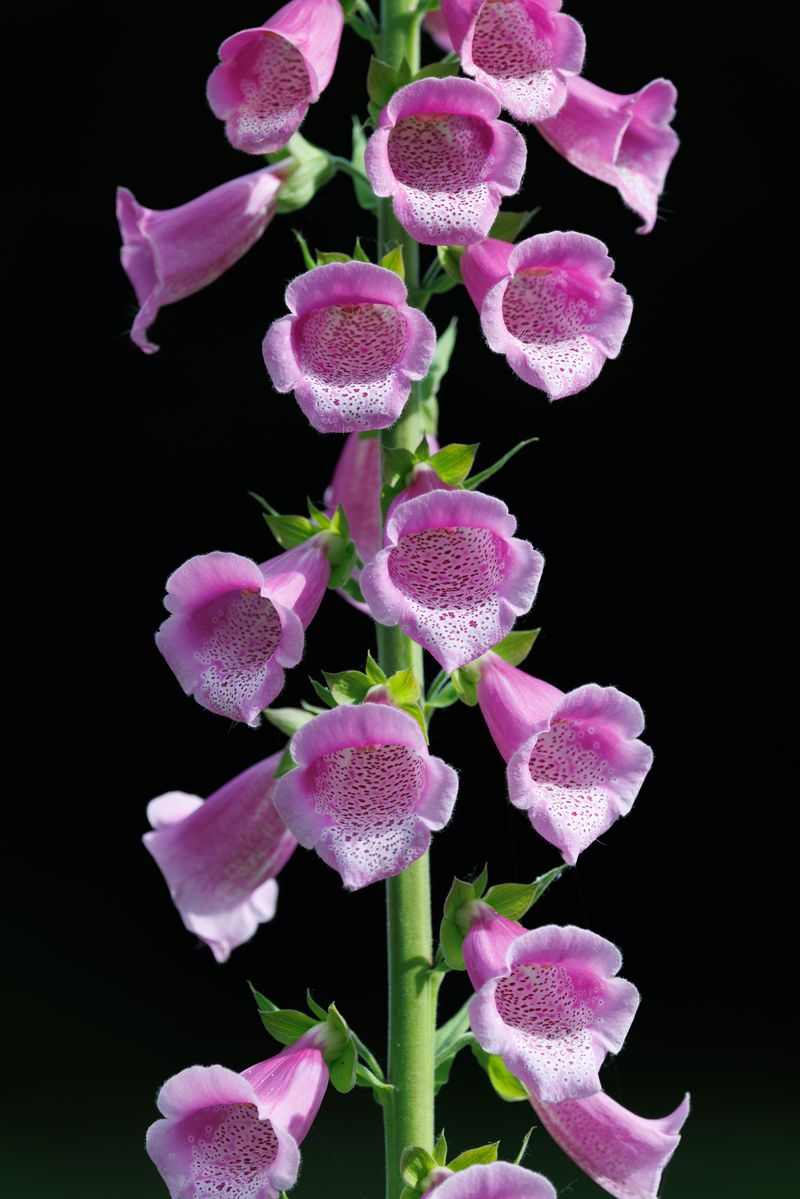
Foxglove has a stately, old-fashioned look that fits beautifully into cottage-style gardens. Its tall spikes of tubular flowers make it a standout plant, and it grows well in many North Carolina climates.
Every part of the plant contains cardiac glycosides, compounds that can affect heart function in dogs. This is not a plant to simply move to a higher shelf.
If foxglove is growing in your yard, create a clear physical barrier so dogs cannot reach any part of it.
11. Castor Bean Plants Are Not Backyard-Friendly for Dogs
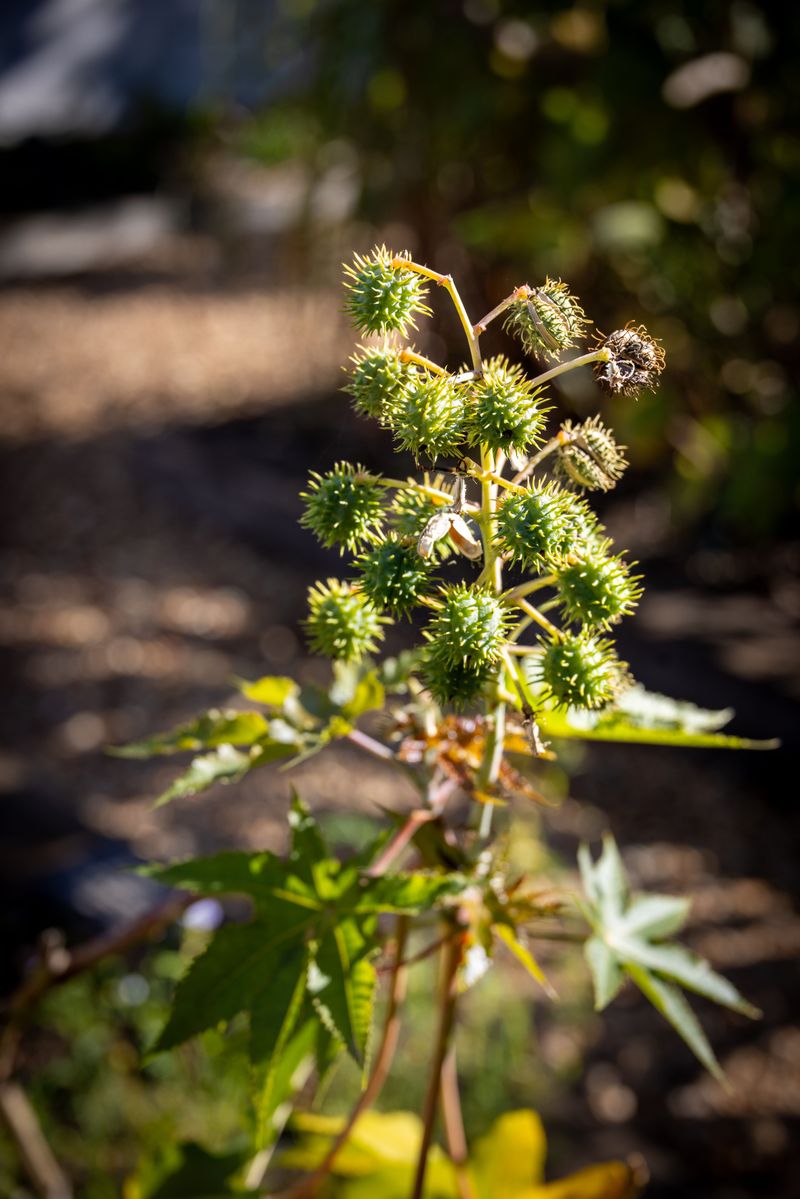
Castor bean plants have bold, architectural leaves and interesting seed pods that can make them appealing as dramatic landscaping plants. They grow quickly and create a tropical look that some gardeners love.
The seeds contain ricin, one of the more potent naturally occurring toxins. This is a plant that should never be within reach of a dog under any circumstances.
If castor bean plants are currently growing anywhere near your dog’s outdoor space, removal is the safest option.
12. Wild Mushrooms Deserve a Separate Warning
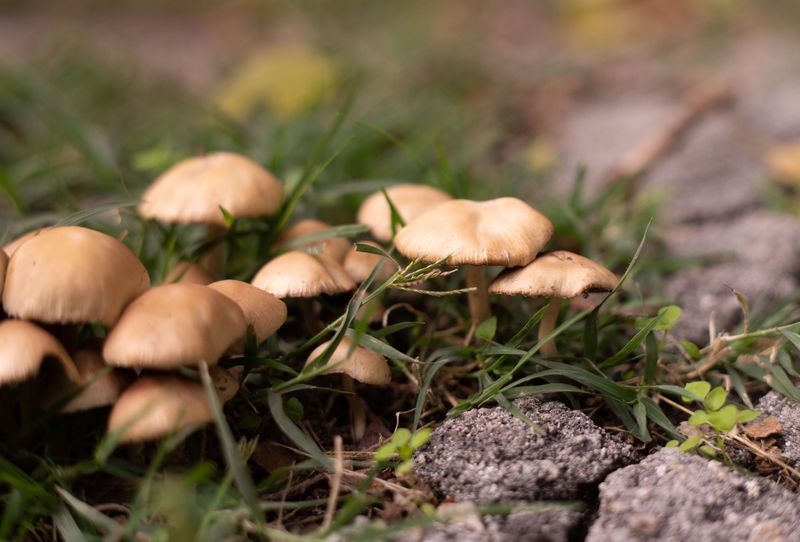
Wild mushrooms are not a planted garden choice, but they show up in North Carolina yards regularly, especially after warm and wet weather. They can appear overnight in lawns, garden beds, or shaded corners.
Identifying mushrooms by appearance alone is genuinely unreliable, even for experienced foragers. Remove any unfamiliar mushrooms from areas your dog uses, and stay alert during outdoor walks in wooded or grassy areas.
Your veterinarian is the right first call if your dog eats any unidentified mushroom.